
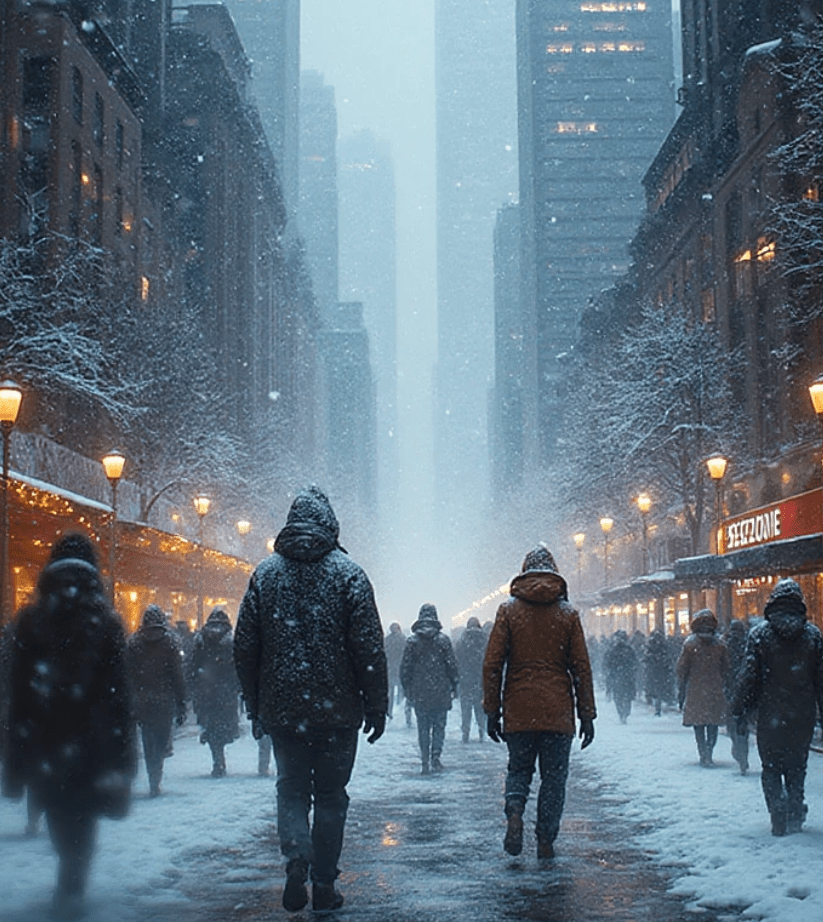
How Do Most People Die in a Winter Storm in the State of Pennsylvania — And How to Survive One
If you live in Pennsylvania and think winter storms are “manageable,” you’re already thinking like someone who hasn’t been humbled yet.
I’ve watched Pennsylvanians shrug off storm warnings for decades. People assume winter here is mild compared to the Midwest or New England — and that false sense of security is exactly why storms kill people every single year.
Pennsylvania winter storms aren’t just snowstorms. They’re:
- Ice storms that snap power lines
- Nor’easters that paralyze entire regions
- Lake-effect snow in the northwest
- Appalachian cold that traps rural communities
- Wind that strips heat faster than people realize
Winter here doesn’t need record snowfall to be deadly. It just needs people who didn’t prepare.
How Winter Storms Actually Kill People in Pennsylvania
Let’s stop pretending these deaths are freak accidents. They follow the same patterns — every winter.
1. Hypothermia — Inside Homes and Apartments
Hypothermia is the leading cause of winter storm deaths in Pennsylvania.
And no, it doesn’t just happen outdoors.
It happens when:
- Ice storms knock out power
- Heating systems fail
- Temperatures drop into the teens or single digits
- Wind penetrates poorly insulated buildings
Older homes, row houses, mobile homes, and apartments lose heat fast. People try to “ride it out” instead of preparing.
Once your core temperature drops, judgment disappears. People stop thinking clearly, stop layering properly, and stop making smart choices.
Cold kills quietly — especially indoors.
2. Carbon Monoxide Poisoning (The Most Preventable Death)
Every major Pennsylvania winter storm brings carbon monoxide deaths. Every single one.
People run:
- Gas generators in garages
- Propane heaters inside homes
- Grills or camp stoves indoors
- Vehicles too close to buildings
Carbon monoxide is odorless, invisible, and lethal. You don’t get a warning. You don’t feel pain. You just pass out.
If you live in Pennsylvania and don’t have battery-powered carbon monoxide detectors, you’re trusting luck — and winter does not reward luck.
3. Vehicle-Related Deaths on Icy and Rural Roads
Pennsylvania roads during winter storms are a death trap for the unprepared.
People die because they:
- Drive during freezing rain or whiteouts
- Get stranded on highways or mountain roads
- Run out of fuel
- Sit in vehicles with snow-blocked exhaust pipes
- Don’t carry winter survival gear
In rural and mountainous parts of Pennsylvania, help can take hours or days to arrive. Cell service disappears fast. A car becomes your shelter whether you planned for it or not.
If your vehicle doesn’t have a winter survival kit, you’re not prepared to travel. Period.
4. Ice Falls, Roof Collapses, and Shoveling Heart Attacks
Ice storms are especially deadly in Pennsylvania.
Deaths occur from:
- Slipping on untreated ice
- Falling from ladders or roofs
- Structural collapses from ice accumulation
- Overexertion while shoveling heavy, wet snow
Cold constricts blood vessels. Heavy lifting stresses the heart. Every winter, people collapse mid-driveway because they ignored their limits.
Survival isn’t about toughness. It’s about restraint.
5. Power Outages and Medical Dependency Failures
Pennsylvania’s aging infrastructure makes power outages especially dangerous.
People who rely on:
- Oxygen concentrators
- CPAP machines
- Refrigerated medications
- Electric mobility devices
…are at serious risk during extended outages caused by ice and wind.
During major storms, emergency services get overwhelmed fast. Roads are impassable. Help is delayed. If you don’t have backup power, you are exposed.
Will Grocery Stores Go Empty During a Pennsylvania Winter Storm?
Yes. And they empty faster than people expect.
Every storm forecast triggers:
- Panic buying
- Shelf stripping
- Delivery delays
What disappears first:
- Bread
- Milk
- Eggs
- Bottled water
- Canned food
- Batteries
- Firewood
Ice storms are especially brutal because trucks can’t move safely. Rural communities and small towns get hit hardest.
If you wait until the storm is announced, you are already behind.
Why Survival Prepping Is Critical in Pennsylvania
Pennsylvania winters demand preparation because:
- Ice storms cripple infrastructure
- Rural and mountainous regions slow emergency response
- Aging power grids fail easily
- Weather changes rapidly
Prepping isn’t paranoia. It’s acknowledging that you may be on your own longer than you think.
Prepared people stay warm, fed, and informed. Unprepared people panic and freeze.
Survival Food Prepping for Pennsylvania Winter Storms
Food isn’t comfort during winter storms — it’s fuel.
Best Survival Foods to Store
Choose foods that:
- Don’t require refrigeration
- Can be eaten cold
- Deliver high calories
Top options:
- Canned meats (chicken, tuna, beef)
- Beans and lentils
- Rice and pasta
- Oatmeal
- Peanut butter
- Protein bars
- Shelf-stable soups
- Freeze-dried meals
In Pennsylvania, you should store at least 7–14 days of food per person, more if you live rurally.
Cold burns calories fast. Hunger accelerates hypothermia.
Water: The Forgotten Essential
People assume water will always flow. Ice storms prove otherwise.
Pipes freeze. Treatment plants lose power. Boil-water advisories appear.
Minimum storage:
- 1 gallon per person per day
- Store at least 7–10 days
Melting snow requires fuel and time — neither guaranteed during outages.
Solar Generators: A Smart Winter Backup Power Option
Gas generators work — but they require fuel, ventilation, and constant attention.
Solar generators offer:
- Indoor-safe power
- Quiet operation
- No fuel dependency
- Reliable backup electricity
They can power:
- Medical devices
- Lights
- Phones
- Radios
- Electric blankets
- Refrigerators intermittently
Look for:
- 1,000–2,000Wh capacity
- Expandable solar panels
- Multiple output ports
Power equals warmth. Warmth equals survival.
Essential Winter Storm Survival Supplies for Pennsylvania
Home Survival Essentials
- Thermal blankets
- Cold-rated sleeping bags
- Flashlights and headlamps
- Battery-powered radio
- Extra batteries
- Layered winter clothing
- Hats, gloves, wool socks
Safety Gear
- Fire extinguisher
- First aid kit
- Carbon monoxide detectors
- Safe space heaters
- Fire-safe candles
Vehicle Survival Kit (Non-Negotiable)
- Heavy blankets
- High-calorie food
- Water
- Shovel
- Jumper cables
- Ice scraper
- Flares or reflectors
How to Actually Survive a Pennsylvania Winter Storm
Survival is about discipline, not bravado.
You survive by:
- Staying home
- Conserving heat
- Eating enough calories
- Using backup power wisely
- Avoiding unnecessary travel
You die by:
- Driving when warned not to
- Using unsafe heating methods
- Waiting until the last minute
- Assuming help is close
Winter storms don’t reward confidence. They reward preparation.
Pennsylvania winter storms don’t care how long you’ve lived here. They don’t care that you’ve “seen worse.” They don’t care about tradition, pride, or convenience.
They care about exposure, heat, calories, and planning.
Prepared people endure storms.
Unprepared people become statistics.
You don’t prep because you’re afraid.
You prep because you respect winter enough to survive it.
 TheDailyChristian