From the Hollers to the Backwoods: Kentucky’s Most Lethal Insects and How to Survive Them

Kentucky doesn’t have jungles or deserts, but don’t let that fool you. Our state is home to several insects that can seriously injure or kill you under the right conditions. Whether it’s venom, allergic reactions, or disease transmission, these insects deserve your respect. Survival isn’t about fear—it’s about knowledge and preparation.

Below are the most dangerous insects in Kentucky and what you need to do to survive an encounter with each one.


1. Mosquitoes: Kentucky’s Silent Killers

If I had to name the most dangerous insect in Kentucky, it wouldn’t be exotic or rare. It would be the mosquito.

Mosquitoes in Kentucky can transmit West Nile virus, Eastern Equine Encephalitis (EEE), and other serious illnesses. Most folks swat them away without thinking, but these diseases can lead to brain inflammation, long-term neurological damage, or death—especially in children and older adults.

Why They’re Dangerous

  • Carry life-threatening viruses
  • Bite unnoticed, often multiple times
  • Thrive near standing water common in Kentucky

Survival Tips

  • Eliminate standing water around your home (gutters, buckets, livestock troughs)
  • Use EPA-approved insect repellents with DEET or picaridin
  • Wear long sleeves and pants at dusk and dawn
  • Install window screens and repair holes immediately

As a prepper, I treat mosquito control as a medical preparedness issue, not a comfort issue.


2. Ticks: Small, Patient, and Deadly
Ticks may not look like much, but in Kentucky they are a serious threat. Lone Star ticks, American dog ticks, and blacklegged ticks are all present here, and they can transmit Rocky Mountain spotted fever, ehrlichiosis, and Lyme disease.

Left untreated, some tick-borne illnesses can cause organ failure or death.

Why They’re Dangerous

  • Carry bacteria that attack the nervous system
  • Can stay attached for days
  • Often go unnoticed until symptoms appear

Survival Tips

  • Perform full body tick checks after time outdoors
  • Shower within two hours of coming inside
  • Treat clothing with permethrin
  • Remove ticks properly using fine-tipped tweezers

In Kentucky, tick checks are as routine as checking the weather.


3. Brown Recluse Spider: The One Every Kentuckian Fears

The brown recluse spider is real, it’s native to Kentucky, and yes—it can absolutely ruin your life.

While bites are rare, when they do occur, the venom can cause tissue necrosis, leading to open wounds, infections, and in extreme cases, systemic illness or death.

Why They’re Dangerous

  • Venom destroys skin and tissue
  • Bites often occur indoors
  • Symptoms may worsen days after the bite

Survival Tips

  • Shake out shoes, clothing, and bedding
  • Reduce clutter in basements and storage areas
  • Seal cracks and entry points in your home
  • Seek medical care immediately if bitten

I don’t panic about brown recluses—but I respect them enough to stay alert.


4. Black Widow Spider: Venom That Attacks Your Nervous System

Black widows also call Kentucky home. Their venom affects the nervous system and can cause intense pain, muscle cramps, and difficulty breathing.

While deaths are rare, they can be fatal for children, the elderly, or anyone with underlying health conditions.

Why They’re Dangerous

  • Neurotoxic venom
  • Pain can escalate quickly
  • Bites often happen in garages or woodpiles

Survival Tips

  • Wear gloves when handling firewood
  • Keep storage areas clean and well-lit
  • Seek medical attention for severe symptoms

Pain doesn’t kill people—delayed treatment does.


5. Wasps, Hornets, and Yellow Jackets: Death by Allergy

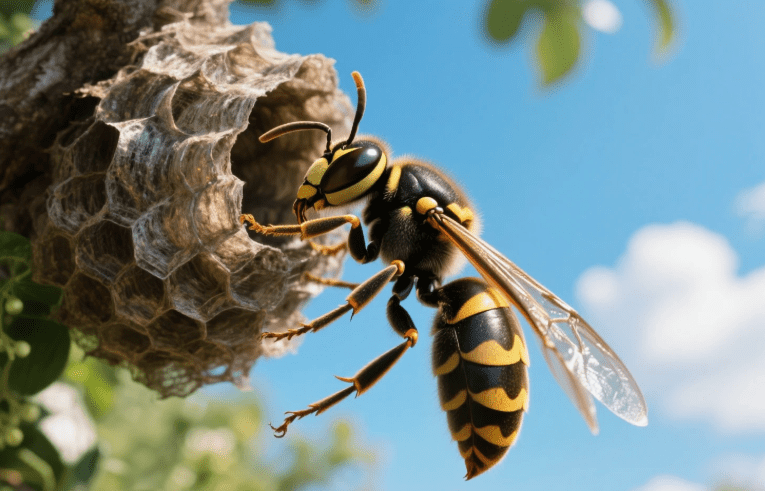
Stings from wasps, hornets, and yellow jackets are common in Kentucky, especially in late summer. For most folks, it’s just painful. For others, it’s deadly.

Anaphylaxis can occur within minutes and can shut down breathing completely.

Why They’re Dangerous

  • Highly aggressive when nests are disturbed
  • Multiple stings increase venom load
  • Allergic reactions can be fatal

Survival Tips

  • Identify and avoid nest areas
  • Wear light-colored clothing outdoors
  • Carry an EpiPen if you have known allergies
  • Seek emergency care immediately for swelling or breathing issues

Preparedness means knowing your own medical vulnerabilities.


6. Fire Ants: A Growing Threat in Kentucky

Fire ants are slowly spreading north, and parts of Kentucky are starting to see them. Multiple stings can cause severe allergic reactions and secondary infections.

Why They’re Dangerous

  • Swarm attacks
  • Painful venomous stings
  • Risk of infection from scratching

Survival Tips

  • Watch where you step in fields and yards
  • Treat mounds immediately
  • Wash sting areas and avoid scratching

Fire ants aren’t common everywhere yet—but they’re coming.


7. Kissing Bugs: Rare but Worth Knowing About

Kissing bugs are uncommon in Kentucky, but sightings do occur. They can transmit Chagas disease, which can cause heart failure years after infection.

Why They’re Dangerous

  • Transmit parasites through feces
  • Bite while you’re asleep
  • Long-term health consequences

Survival Tips

  • Seal gaps around doors and windows
  • Keep pets indoors at night
  • Use bed nets if camping or sleeping outdoors

Rare threats still matter in long-term survival planning.


Final Thoughts from a Kentucky Prepper

Living in Kentucky means living close to nature. That’s a blessing—but it comes with responsibility. Insects don’t care how tough you are, how rural you live, or how long your family’s been on the land. They operate on instinct, and they do it well.

Survival isn’t about paranoia. It’s about awareness, prevention, and quick action. Learn the threats. Prep your home. Teach your family. And treat even the smallest creature with respect—because in Kentucky, it doesn’t take much to turn a normal day into a fight for your life.


Virginia’s Most Dangerous Insects: A Survival Prepper’s Guide to Keeping Your Family Alive and Safe

Virginia is a beautiful state. From the Appalachian Mountains to the Tidewater region, from quiet farmland to dense forests and humid wetlands, it’s a place where families grow, traditions are built, and people look out for one another. But beauty can hide danger, and nature doesn’t give warnings the way people do.

This article is not meant to scare you.
It’s meant to protect you.

Some of the most dangerous threats in Virginia don’t roar, don’t rattle, and don’t announce themselves. They crawl, bite, sting, and infect. Insects may be small, but the damage they cause can be life-altering or fatal if you don’t understand them.

If you live in Virginia — or hike, hunt, camp, or work outdoors here — this knowledge is an act of love. What you’re about to read could save your life or the life of someone you care about.


1. Ticks — Virginia’s Deadliest Insect Threat

If there is one insect in Virginia that truly deserves your respect, it’s the tick.

Ticks are responsible for more serious illness and death than any other insect in the state. They don’t hurt when they bite. They don’t draw attention. And that’s exactly what makes them so dangerous.

Dangerous Tick Species in Virginia

  • Blacklegged tick (Deer tick)
  • Lone star tick
  • American dog tick

Diseases Ticks Transmit

  • Lyme disease
  • Rocky Mountain spotted fever
  • Ehrlichiosis
  • Anaplasmosis
  • Alpha-gal syndrome (red meat allergy)

Some of these diseases attack the nervous system. Others damage the heart or cause internal bleeding. Left untreated, they can be fatal.

How People Get Seriously Hurt

  • Missed tick bites
  • Delayed medical treatment
  • Ignoring flu-like symptoms
  • Assuming a rash or fever “will pass”

Survival & Prevention

  • Wear long sleeves and pants in grassy or wooded areas
  • Use permethrin-treated clothing
  • Perform full body tick checks every day
  • Remove ticks immediately with fine tweezers
  • Seek medical care if symptoms appear within weeks

Ticks don’t care how tough you are. Early action is survival.


2. Mosquitoes — Small, Persistent, and Extremely Dangerous

Mosquitoes thrive in Virginia’s warm, humid climate. Most people think of them as an annoyance, but they are one of the most efficient disease vectors on Earth.

Diseases Spread by Mosquitoes in Virginia

  • West Nile virus
  • Eastern equine encephalitis (EEE)
  • La Crosse encephalitis
  • Zika virus (rare, but present)

These viruses can cause brain inflammation, seizures, long-term neurological damage, and death.

Why Mosquitoes Are So Dangerous

  • You don’t feel the bite immediately
  • Symptoms can take days to appear
  • Children and elderly are most at risk

Survival & Prevention

  • Remove standing water around your home
  • Use DEET or picaridin repellents
  • Wear long clothing at dawn and dusk
  • Use mosquito nets when sleeping outdoors
  • Seek medical care for fever, headache, or neck stiffness

Protecting against mosquitoes protects entire families.


3. Eastern Yellowjackets — Aggression Without Mercy

Yellowjackets are extremely common in Virginia, and they are responsible for more insect-related emergency room visits than almost any other insect.

They are not passive. They defend their nests aggressively and often attack in swarms.

Why Yellowjackets Kill

  • Multiple stings in seconds
  • Venom toxicity
  • High risk of anaphylaxis
  • Nests often hidden underground

People are stung while mowing lawns, gardening, hiking, or simply walking barefoot.

Survival & Prevention

  • Watch for insect traffic near the ground
  • Never disturb ground nests
  • If attacked, run fast and straight
  • Do not swat or panic
  • Seek emergency care after multiple stings

Prepared awareness prevents tragedy.


4. Bald-Faced Hornets — Virginia’s Aerial Enforcers

Bald-faced hornets are large, intimidating, and highly territorial. Their nests are often found in trees, under eaves, or near structures.

Why They’re So Dangerous

  • Extremely painful stings
  • Swarm attacks common
  • Can sting repeatedly
  • High venom load

Stings to the face or throat can block airways quickly.

Survival & Prevention

  • Identify nests early
  • Never approach or throw objects at nests
  • Run immediately if attacked
  • Protect face and neck
  • Carry an EpiPen if allergic

Distance saves lives.


5. Paper Wasps — Familiar but Still Dangerous

Paper wasps often live close to people — under decks, porch roofs, and sheds. They’re less aggressive than hornets, but still capable of serious harm.

Why They Matter

  • Extremely painful stings
  • Group defense behavior
  • Anaphylaxis risk

Many people are stung while doing home maintenance.

Survival & Prevention

  • Inspect structures regularly
  • Remove nests early in the season
  • Wear protective clothing
  • Seek medical help for systemic reactions

Home safety is survival.


6. Fire Ants — A Growing Threat

Fire ants are expanding northward, and Virginia has already seen infestations in some regions.

Why Fire Ants Are Dangerous

  • Swarm attacks
  • Venom causes burning pustules
  • High risk for allergic reactions
  • Can attack sleeping people or children

Survival & Prevention

  • Avoid soil mounds
  • Treat infestations professionally
  • Wash bites immediately
  • Monitor for infection or swelling

Climate change means new threats — preparedness must adapt.


7. Brown Recluse Look-Alikes (Misidentified Danger)

While true brown recluse spiders are rare in Virginia, several insects and spiders cause necrotic wounds often blamed on insects.

Why This Matters

  • Delayed treatment leads to tissue damage
  • Secondary infection risk
  • Misdiagnosis causes worsening injury

Survival & Prevention

  • Clean all wounds thoroughly
  • Monitor for spreading redness
  • Seek medical care for necrotic symptoms

Ignoring wounds is never strength.


8. Blister Beetles — Chemical Burns in Insect Form

Blister beetles release a toxin called cantharidin that causes severe blistering.

Why They’re Dangerous

  • Chemical burns on skin
  • Severe reactions if ingested
  • Risk to children and livestock

Survival & Prevention

  • Do not crush on skin
  • Wash immediately after contact
  • Avoid contaminated food or hay

Pain is your warning sign.


9. Horse Flies and Deer Flies — Blood Loss and Infection

These flies don’t inject venom, but their bites tear skin and cause heavy bleeding.

Why They Matter

  • Open wounds
  • Infection risk
  • Dangerous distraction during outdoor activity

Survival & Prevention

  • Wear protective clothing
  • Use head nets
  • Disinfect bites immediately

Small injuries become big problems if ignored.


10. Bed Bugs — Psychological and Physical Breakdown

Bed bugs won’t kill you directly, but they destroy sleep, weaken immune systems, and increase infection risk.

Why Survivalists Care

  • Chronic sleep deprivation
  • Secondary skin infections
  • Mental health strain

Survival & Prevention

  • Inspect sleeping areas
  • Heat-treat clothing
  • Maintain clean sleeping conditions

Rest is survival.


Final Words from a Virginian Prepper Who Cares

Everything in this article comes from one place: love for people.

Preparation isn’t paranoia. It’s compassion. It’s making sure parents come home, kids stay healthy, and neighbors don’t suffer because no one warned them.

Virginia is worth protecting.
And so are you.

Knowledge is the first line of defense — and sharing it might be the most powerful survival skill of all.

Stay aware. Stay prepared. And look out for one another.

Nevada’s Deadliest Insects Are Small But Extremely Deadly

When people think about survival threats in Nevada, their minds often jump straight to the desert heat, dehydration, rattlesnakes, or mountain lions. As a long-time survival prepper who believes deeply in prevention and preparedness, I can tell you this: some of the most dangerous threats in Nevada are small, quiet, and often overlooked.

Insects may not look intimidating, but several species found in Nevada can cause severe medical emergencies, long-term health complications, or—under the wrong circumstances—death. While fatalities are rare, the risk increases dramatically when people are unprepared, unaware, or dismissive of warning signs.

This article is not meant to scare you. It’s meant to protect you. Knowledge, calm decision-making, and early action save lives. Let’s walk through the most dangerous insects in Nevada and, more importantly, what you can do to survive an encounter.


1. Africanized Honey Bees (Killer Bees)

Africanized honey bees are one of the most dangerous insects found in Nevada—not because of a single sting, but because of how aggressively they defend their hive. These bees can pursue a perceived threat for long distances and attack in large numbers.

Why They’re Dangerous

  • They react faster and in larger numbers than European honey bees
  • Multiple stings can overwhelm the body
  • High risk for children, elderly individuals, and those with allergies

Survival Guidance

If you disturb a hive:

  • Run immediately—do not swat at the bees
  • Cover your face and head as you flee
  • Get inside a vehicle or building as quickly as possible
  • Seek medical attention if stung multiple times

Prepper mindset: Never approach bee nests. Teach children to recognize and avoid them. If you live in rural Nevada, have local pest control numbers saved.


2. Western Black Widow Spider

The western black widow is one of Nevada’s most feared spiders—and for good reason. Its venom is neurotoxic, meaning it affects the nervous system.

Why They’re Dangerous

  • Bites can cause severe muscle cramps and pain
  • Symptoms may include nausea, sweating, and difficulty breathing
  • Most dangerous to young children and older adults

Survival Guidance

If bitten:

  • Stay calm and limit movement
  • Clean the bite with soap and water
  • Apply a cold pack to reduce pain
  • Seek medical care immediately, especially if symptoms worsen

Prepper mindset: Wear gloves when working in sheds, garages, woodpiles, and outdoor storage areas. Prevention is your strongest defense.


3. Arizona Bark Scorpion

While scorpions may seem more common in Arizona, the Arizona bark scorpion does exist in southern Nevada, especially around Las Vegas.

Why They’re Dangerous

  • Venom affects the nervous system
  • Can cause numbness, muscle twitching, and breathing difficulty
  • Stings are particularly dangerous for children

Survival Guidance

If stung:

  • Clean the sting site
  • Apply ice for pain relief
  • Monitor breathing and muscle movement
  • Seek emergency care if symptoms escalate

Prepper mindset: Shake out shoes, bedding, and clothing. Seal cracks around doors and windows. Use black lights at night to spot scorpions around your home.


4. Brown Recluse Spider (Rare but Possible)

Although not native to Nevada, brown recluse spiders have been occasionally transported into the state via shipping boxes and storage items.

Why They’re Dangerous

  • Venom can cause tissue damage
  • Bites may worsen over days
  • Misdiagnosis can delay proper treatment

Survival Guidance

If you suspect a bite:

  • Clean the area immediately
  • Avoid home remedies
  • Seek professional medical evaluation
  • Document changes in the wound

Prepper mindset: Do not assume a bite is “nothing.” Delayed care increases risk.


5. Fire Ants

Fire ants are not widespread in Nevada, but isolated populations and accidental introductions have occurred.

Why They’re Dangerous

  • Aggressive swarm attacks
  • Painful stings that can trigger allergic reactions
  • Risk of anaphylaxis in sensitive individuals

Survival Guidance

If attacked:

  • Leave the area immediately
  • Brush ants off quickly
  • Wash sting sites thoroughly
  • Seek medical help if swelling or breathing issues occur

Prepper mindset: Learn the signs of ant mounds and keep emergency allergy medication accessible if needed.


General Survival Rules for Insect Encounters in Nevada

As a survival prepper, I live by these rules—and I encourage you to do the same:

  1. Never underestimate small threats
  2. Wear protective clothing outdoors
  3. Inspect sleeping and storage areas
  4. Teach children insect safety early
  5. Seek medical care sooner rather than later

Your goal is not to “tough it out.” Your goal is to stay alive and healthy.

Florida’s Deadliest Insects That Do Not Play Nice With Anyone

I love Florida. I love the heat, the humidity, the storms, the swamps, the pine flats, and the fact that nature here doesn’t apologize for being dangerous. Florida is honest. It tells you up front: pay attention, or pay the price.

What Florida does not do well is babysit people who move here from colder states and think sunscreen is the only survival gear they’ll ever need. If you’re coming down from New York believing the biggest threat is traffic or bad pizza, you’re already behind the curve.

As a lifelong prepper and outdoorsman in the Sunshine State, let me be clear: Florida insects are not annoying—they’re potentially lethal. Most won’t kill you outright, but the wrong bite, sting, or infection—combined with ignorance or arrogance—absolutely can end your life.

This article isn’t meant to scare you. It’s meant to keep you alive.


1. Mosquitoes: Florida’s Silent Killers

If you think mosquitoes are just itchy nuisances, congratulations—you’ve already underestimated the deadliest animal on Earth.

Florida mosquitoes are capable of transmitting:

  • West Nile Virus
  • Eastern Equine Encephalitis (EEE)
  • Zika Virus
  • Dengue Fever

You don’t feel most infections immediately. That’s the danger. By the time symptoms show up, you may already be in serious trouble.

How Mosquitoes Can Kill You

It’s not the bite—it’s the disease. Severe neurological damage, organ failure, or overwhelming infection can occur, especially in children, seniors, or anyone with a weakened immune system.

Survival Strategy

  • Wear permethrin-treated clothing
  • Use EPA-approved insect repellent
  • Eliminate standing water around your home
  • Avoid dawn and dusk exposure when possible
  • Install window screens and repair tears immediately

Mosquitoes don’t care how tough you think you are. They care how unprotected you are.


2. Fire Ants: Small Bodies, Serious Consequences

Fire ants are aggressive, organized, and absolutely unforgiving. Step into a mound and you’ll know instantly—because dozens will attack at once.

How Fire Ants Can Kill You

  • Anaphylactic shock from venom (especially in allergic individuals)
  • Secondary infections from multiple stings
  • Dangerous falls or accidents caused by panic reactions

Florida fire ants don’t sting once. They sting repeatedly, injecting venom each time.

Survival Strategy

  • Learn to identify fire ant mounds
  • Wear boots and thick socks outdoors
  • Never stand still if ants begin swarming—move fast
  • Seek immediate medical help if you experience swelling, breathing trouble, or dizziness

Fire ants don’t announce themselves. They ambush.


3. Africanized Honey Bees: Death by Swarm

Often called “killer bees,” Africanized honey bees are present in parts of Florida and behave very differently than standard honey bees.

How They Can Kill You

  • Massive envenomation from hundreds of stings
  • Airway swelling
  • Cardiac stress from venom overload

Even non-allergic individuals can be killed if stung enough times.

Survival Strategy

  • Never disturb hives or nests
  • If attacked, run immediately and seek shelter
  • Cover your face—especially eyes and mouth
  • Do not jump into water; bees will wait

Standing your ground is not bravery. It’s stupidity.


4. Kissing Bugs: The Slow Burn Threat

Kissing bugs are stealthy, nocturnal insects that feed on blood and can transmit Chagas disease—a long-term, often undetected killer.

How They Can Kill You

Chagas disease can cause:

  • Heart failure
  • Severe digestive complications
  • Sudden cardiac arrest years after infection

You won’t connect the dots unless you know what to look for.

Survival Strategy

  • Seal cracks in walls and roofs
  • Keep outdoor lights away from sleeping areas
  • Use bed nets in high-risk zones
  • Seek medical testing if bitten

Florida survival isn’t just about what happens today—it’s about what sneaks up on you later.


5. Fleas: Plague Isn’t Ancient History

Yes, fleas. And no, the danger didn’t disappear with medieval Europe.

Florida fleas can carry:

  • Murine typhus
  • Plague (rare, but documented in the U.S.)

How Fleas Can Kill You

Untreated flea-borne illnesses can progress rapidly and overwhelm the body, especially without early diagnosis.

Survival Strategy

  • Keep pets on flea prevention year-round
  • Control rodents near your home
  • Treat infestations immediately
  • Don’t ignore unexplained fever after flea exposure

If you think fleas are just a pet problem, you’re thinking like someone who hasn’t lived through Florida summer.


6. Giant Water Bugs: Pain That Can Turn Dangerous

Often misnamed “toe-biters,” these insects are aggressive and pack one of the most painful bites in the insect world.

How They Can Kill You

While not venomous in a lethal sense, their bite can cause:

  • Severe pain leading to shock
  • Secondary infection
  • Dangerous reactions in vulnerable individuals

Survival Strategy

  • Avoid handling aquatic insects
  • Wear footwear near freshwater
  • Clean and monitor any bite immediately

Pain alone doesn’t kill—but panic and infection absolutely can.


Final Survival Truths from a Florida Prepper

Florida doesn’t reward ignorance. It rewards preparation.

If you:

  • Respect the environment
  • Learn the threats
  • Prepare your home, clothing, and habits

You’ll thrive here.

If you don’t? Well… Florida has been quietly handling people like that for centuries.

And to anyone coming down from New York thinking this is all exaggerated—welcome to the Sunshine State. The bugs don’t care where you’re from.

They only care if you’re ready.