
Nature Doesn’t Care: The Deadliest Insects in Alabama and the Survival Mindset You Need

Let me get something straight right out of the gate: nature doesn’t care about your comfort, your schedule, or your excuses. Alabama proves that every single day. I’ve spent enough time watching people underestimate this state’s environment to know one thing—complacency gets people hurt, and sometimes killed. Down here, danger doesn’t always roar or rattle. Sometimes it buzzes, bites, or stings while you’re minding your own business.

This article isn’t here to coddle you. It’s here to wake you up.

Alabama is crawling with insects and insect-adjacent creatures capable of causing serious injury or death under the wrong conditions. No, they aren’t movie monsters. They’re worse—quiet, common, and underestimated. As a survival prepper, that’s what infuriates me the most: people refuse to respect threats they see every day.

Let’s break down the most dangerous ones and, more importantly, how to survive them.


1. Mosquitoes: The Deadliest Insect on Earth (Yes, Including Alabama)

People laugh when I say mosquitoes are killers. They shouldn’t.

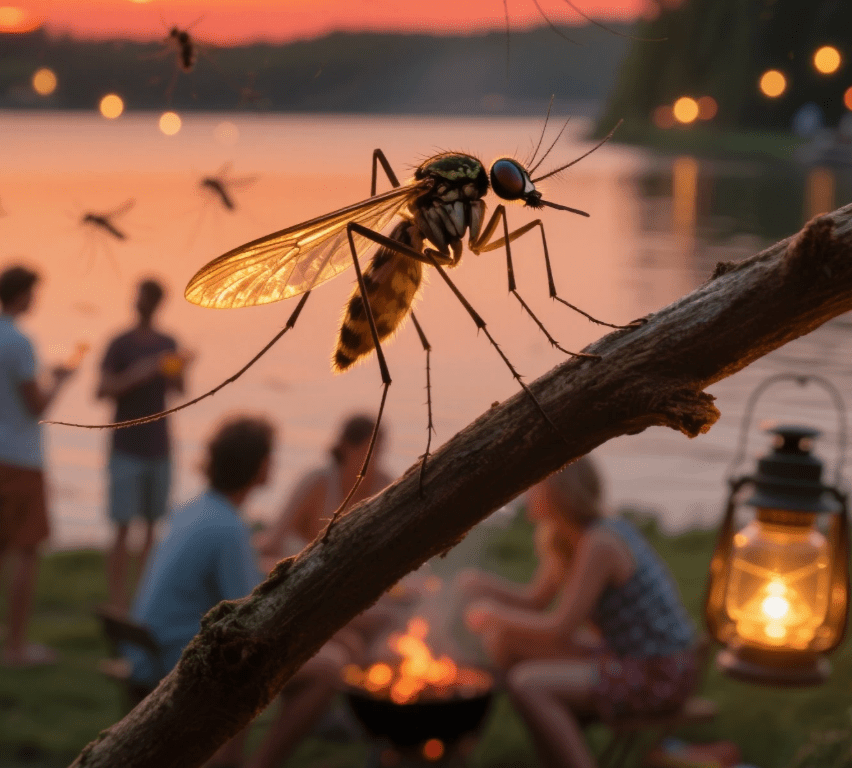
In Alabama’s hot, humid climate, mosquitoes thrive nearly year-round. These insects are not dangerous because of the bite itself—but because of what they carry. Mosquitoes are known vectors for diseases that can cause severe illness and, in rare cases, death if untreated.

Survival reality:

  • You don’t “walk it off” if you get sick.
  • You don’t tough-guy your way through fever and neurological symptoms.
  • You either respect the risk, or you become a statistic.

How to survive:

  • Eliminate standing water around your property.
  • Use protective clothing and repellents when outdoors.
  • Install and maintain window and door screens.
  • Take unexplained flu-like symptoms seriously and seek medical care.

Preppers don’t ignore tiny threats. We neutralize them early.


2. Fire Ants: Small, Angry, and Capable of Killing You

Fire ants are one of Alabama’s most aggressive invasive species, and I hate them with a passion earned through experience. These insects attack in swarms and sting repeatedly. For most people, it’s painful. For others, it’s life-threatening.

Anaphylaxis—a severe allergic reaction—can occur even if you’ve never reacted badly before. That’s the part people don’t like to hear.

How to survive:

  • Learn where mounds are and eliminate them safely.
  • Wear boots and protective clothing when working outdoors.
  • If you know you’re allergic, carry emergency medication and make sure people around you know how to help.
  • Multiple stings plus dizziness, swelling, or breathing trouble is a medical emergency—no debate.

Nature doesn’t give warnings. Fire ants don’t either.


3. Wasps, Yellowjackets, and Hornets: Flying Rage with a Grudge

Alabama is prime territory for stinging insects that don’t die after attacking you. Wasps and yellowjackets are territorial, aggressive, and perfectly happy to sting you multiple times if they think you’re a threat—which sometimes means just existing near their nest.

A single sting can be deadly for someone with allergies. Multiple stings can overwhelm even healthy adults.

How to survive:

  • Learn to identify nests and avoid them.
  • Never swat blindly—movement escalates attacks.
  • Keep food and trash sealed outdoors.
  • If stung repeatedly or if symptoms escalate beyond localized pain, seek medical help immediately.

Preppers don’t pretend bravery makes venom harmless.


4. Brown Recluse Spider (Not an Insect, but Still Your Problem)

Let’s clear something up: spiders aren’t insects. But pretending that distinction matters when you’re injured is idiotic.

The brown recluse is present in Alabama, and its bite can cause serious tissue damage and systemic symptoms in rare cases. Most bites heal, but “most” isn’t a guarantee—and survival planning is about planning for exceptions.

How to survive:

  • Reduce clutter in storage areas.
  • Shake out clothing and boots before wearing them.
  • Seal cracks and entry points in your home.
  • If bitten, don’t ignore worsening symptoms—medical evaluation matters.

Denial doesn’t stop venom.


5. Black Widow Spider: A Warning You Shouldn’t Ignore

The black widow is easier to identify and easier to avoid—but only if you’re paying attention. Its venom affects the nervous system and can cause severe pain and complications, especially in children and older adults.

How to survive:

  • Wear gloves when working in sheds, woodpiles, or crawlspaces.
  • Keep storage areas clean and well-lit.
  • Seek medical care if symptoms escalate beyond localized pain.

Preparedness means action, not panic.


Why Survival Preppers Love Living in Alabama

Now here’s the part that confuses people: with all this danger, why do survival preppers love Alabama?

Because Alabama forces you to stay sharp.

This state has:

  • A long growing season
  • Abundant water
  • Dense forests and wildlife
  • Rural land that’s still affordable
  • A culture that understands self-reliance

Alabama doesn’t hand you comfort—it hands you responsibility. You learn quickly that ignoring your environment gets you hurt. That’s why preppers thrive here. We don’t fear the wild; we respect it. We prepare for it. And when things go sideways, we’re not waiting for someone else to save us.

Living in Alabama teaches you that survival isn’t about paranoia—it’s about awareness.


Final Words from an Angry Prepper

I get angry because this stuff is preventable. People die not because Alabama is cruel, but because they refuse to take it seriously. The insects here don’t care about your opinions. They don’t care if you “didn’t think it was a big deal.”

Survival is a mindset. Respect the threats. Learn the risks. Prepare accordingly.

Or don’t.

But don’t say nobody warned you.
Killer Bugs of Tennessee: A Survival Prepper’s Guide to Avoiding the State’s Deadliest Insects

When you live close to the woods, work with your hands, and believe in self-reliance, you learn quickly that the smallest threats are often the ones that hurt you the most.

In Tennessee, the terrain is generous but unforgiving. Thick forests, rolling farmland, humid summers, and mild winters make it prime territory not just for people, but for insects that can seriously injure—or in rare cases, kill—an unprepared individual.

This article isn’t written to scare you. Fear is useless in survival. Information, on the other hand, is a tool. My goal is to lay out the most dangerous insects found in the state of Tennessee, explain why they matter, and give you clear, practical steps to keep yourself and your family safe.

If you live, hunt, hike, camp, garden, or simply enjoy sitting on a back porch in this state, this knowledge belongs in your mental survival kit.


Why Insects Are a Serious Survival Threat in Tennessee

Most people think of survival threats as storms, power outages, or civil unrest. Insects rarely get the respect they deserve. That’s a mistake.

Insects are dangerous because:

  • They are easy to overlook
  • They thrive near homes and campsites
  • They often attack without warning
  • Some carry diseases with long-term consequences
  • Medical treatment may not be immediately available in rural areas

In a grid-down or disaster scenario, even a minor bite can become life-threatening if infection sets in or medical care is delayed. Prepared people don’t dismiss small threats—they manage them.


1. Mosquitoes: Tennessee’s Deadliest Insect by Numbers

If we’re talking strictly about human deaths, mosquitoes top the list—not just in Tennessee, but worldwide.

Why Mosquitoes Are Dangerous

Mosquitoes themselves aren’t the problem. What they carry is.

In Tennessee, mosquitoes are known vectors for:

  • West Nile Virus
  • Eastern Equine Encephalitis (EEE)
  • Zika Virus
  • La Crosse Encephalitis

While many infected individuals show mild or no symptoms, others—especially children, the elderly, and immunocompromised adults—can suffer severe neurological complications.

From a prepper’s perspective, disease-carrying insects are a long-term threat. You may not feel the damage immediately, but once symptoms appear, you’re already behind the curve.

Where You’ll Encounter Them

  • Standing water (ditches, buckets, birdbaths)
  • Creek bottoms and riverbanks
  • Shaded yards and overgrown brush
  • Campsites and hunting areas

How to Stay Safe from Mosquitoes

  • Eliminate standing water around your home weekly
  • Wear long sleeves and pants during dawn and dusk
  • Use proven repellents (DEET, picaridin, or oil of lemon eucalyptus)
  • Install window screens and repair holes
  • Run fans on porches—mosquitoes are weak flyers

Prepared households treat mosquito control as routine maintenance, not a seasonal afterthought.


2. Ticks: Silent, Patient, and Potentially Life-Altering

Ticks are not insects, but most folks group them together—and for good reason. In Tennessee, ticks are one of the most serious outdoor health threats.

Dangerous Tick Species in Tennessee

  • Lone Star Tick
  • Blacklegged Tick (Deer Tick)
  • American Dog Tick

These ticks can transmit:

  • Lyme disease
  • Rocky Mountain spotted fever
  • Ehrlichiosis
  • Alpha-gal syndrome (a red meat allergy caused by Lone Star ticks)

Alpha-gal alone has changed the lives of many outdoorsmen who suddenly can’t eat beef or pork without severe reactions.

Why Ticks Are a Prepper’s Concern

Ticks don’t bite and leave. They embed themselves, feed slowly, and often go unnoticed for hours or days. In a long-term emergency scenario, untreated tick-borne illness can remove a capable adult from usefulness entirely.

Tick Prevention Strategies

  • Treat clothing with permethrin
  • Wear light-colored pants to spot ticks
  • Tuck pants into boots when in tall grass
  • Perform full-body tick checks after outdoor activity
  • Shower within two hours of exposure

In my household, tick checks are non-negotiable. Discipline prevents disease.


3. Brown Recluse Spiders: Small, Reclusive, and Dangerous

The brown recluse spider is well established in Tennessee and deserves respect.

Why Brown Recluses Are Dangerous

Their venom can cause:

  • Severe skin damage
  • Necrotic wounds
  • Secondary infections

While fatalities are rare, untreated bites can result in long healing times and permanent tissue damage.

Where Brown Recluses Hide

  • Garages
  • Sheds
  • Woodpiles
  • Closets
  • Cardboard boxes
  • Undisturbed storage areas

They don’t roam looking to bite you. Most bites happen when someone puts on clothing or reaches into storage without looking.

How to Avoid Brown Recluse Bites

  • Shake out shoes and clothing
  • Store items in plastic bins, not cardboard
  • Reduce clutter
  • Wear gloves when moving stored items
  • Seal cracks and crevices in structures

Prepared living spaces are orderly for a reason—it limits hiding places for threats.


4. Black Widow Spiders: Recognizable and Medically Significant

Black widows are less common than brown recluses but still present throughout Tennessee.

Why Black Widows Are Dangerous

Their venom attacks the nervous system and can cause:

  • Severe muscle pain
  • Cramping
  • Nausea
  • Elevated blood pressure

Children and elderly individuals are at higher risk for complications.

Common Black Widow Locations

  • Under decks
  • In woodpiles
  • Crawl spaces
  • Outdoor furniture
  • Utility boxes

Safety Measures

  • Wear gloves when handling firewood
  • Inspect outdoor furniture before use
  • Keep woodpiles away from the home
  • Reduce insect populations that attract spiders

Respect their space, and they usually return the favor.


5. Fire Ants: Aggressive and Relentless

Imported fire ants are spreading in parts of Tennessee, particularly in the southern and western regions.

Why Fire Ants Are Dangerous

Fire ants attack as a group. Their stings cause:

  • Intense burning pain
  • Pustules
  • Secondary infections
  • Allergic reactions, including anaphylaxis

Multiple stings can overwhelm children or pets quickly.

Fire Ant Survival Tips

  • Learn to recognize mounds
  • Avoid standing still in infested areas
  • Treat mounds promptly
  • Keep yards maintained
  • Teach children what fire ant mounds look like

Prepared families educate early. Recognition saves pain.


6. Wasps, Hornets, and Yellowjackets: Territorial Defenders

Stinging insects account for more insect-related deaths in the U.S. than spiders.

Why They’re Dangerous

  • They sting repeatedly
  • They attack in groups
  • They defend nests aggressively
  • Allergic reactions can be fatal without epinephrine

Yellowjackets are especially aggressive and commonly encountered during late summer and fall.

Where Encounters Happen

  • Trash cans
  • Picnic areas
  • Attics and eaves
  • Underground nests
  • Campsites

Staying Safe Around Stinging Insects

  • Avoid swatting
  • Cover food outdoors
  • Secure garbage lids
  • Inspect structures regularly
  • Remove nests early (or hire professionals)

In a survival scenario, stings are more than painful—they can be disabling.


7. Kissing Bugs: Rare but Worth Knowing

Kissing bugs are present in Tennessee, though encounters are uncommon.

Why They Matter

They can carry Chagas disease, a serious illness affecting the heart and digestive system. Transmission is rare in the U.S., but awareness matters.

Prepper Takeaway

  • Seal cracks in homes
  • Reduce outdoor lighting near doors
  • Keep pets indoors at night

Preparedness isn’t paranoia—it’s awareness.


Practical Survival Principles for Bug Safety

Here’s how a prepper thinks about insects:

  1. Control the environment – Reduce habitat and access
  2. Protect the body – Clothing, repellents, inspections
  3. Recognize early signs – Bites, rashes, unusual symptoms
  4. Maintain medical readiness – First aid supplies and knowledge
  5. Educate the family – Everyone plays a role

Insects don’t care how tough you are. They exploit complacency.


Essential Bug Defense Gear for Tennessee Homes

Every prepared household should have:

  • Insect repellent
  • Tick removal tools
  • Antihistamines
  • Hydrocortisone cream
  • Epinephrine (if prescribed)
  • Protective clothing
  • Mosquito netting for emergencies

These items are inexpensive compared to the cost of treatment—or regret.


Final Thoughts from a Prepper

Living prepared doesn’t mean living afraid. It means respecting reality.

Tennessee’s insects are part of the ecosystem, but they don’t have to be part of your medical history. Most injuries happen because people assume “it won’t happen to me.” Survival-minded folks don’t rely on luck—they rely on knowledge, habits, and discipline.

If you take nothing else from this article, remember this: the smallest threats succeed when ignored. Pay attention, prepare your space, and teach the next generation how to live smart in bug country.

Stay alert. Stay capable. Stay safe.