

When most people think of New Jersey, they picture shorelines, forests, small towns, diners, and hardworking people who know how to get things done. What they don’t usually picture is danger lurking in the grass, the woods, or even their own backyard. As an optimistic professional New Jersey survival prepper, I’m here to tell you something important: you don’t need to fear nature—but you absolutely must respect it.
New Jersey may not have deserts or jungles, but it does have insects capable of causing severe injury, permanent damage, or even death under the wrong circumstances. The good news? With the right mindset, awareness, and preparation, every one of these threats is survivable.
Let’s break down the most dangerous insects in New Jersey, how they can kill you, and—more importantly—exactly what you can do to stay alive and thriving.
1. Ticks: New Jersey’s Most Lethal Insect Threat
If there is one insect that has quietly earned the title of most dangerous in New Jersey, it’s the tick. Ticks don’t kill you with venom or stingers. They kill through disease, and New Jersey is a hotspot.
Why Ticks Are So Dangerous
Ticks in New Jersey can transmit:
- Lyme disease
- Anaplasmosis
- Babesiosis
- Powassan virus (rare but often fatal)
Left untreated, these diseases can cause neurological damage, heart failure, organ damage, and death.
Survival Strategy
- Wear light-colored clothing to spot ticks easily
- Tuck pants into socks when hiking or working outdoors
- Use permethrin-treated clothing and EPA-approved repellents
- Perform full-body tick checks after outdoor activity
- Shower within two hours of coming indoors
Prepper mindset: Early detection saves lives. Pull ticks quickly and correctly using fine-tipped tweezers.
2. Mosquitoes: Small Wings, Big Consequences
Mosquitoes are everywhere in New Jersey, especially in summer. Most bites are annoying—but some carry life-threatening viruses.
Diseases Spread by NJ Mosquitoes
- West Nile virus
- Eastern Equine Encephalitis (EEE)
- Zika virus (rare but possible)
EEE, in particular, has a high fatality rate and can cause brain swelling.
Survival Strategy
- Eliminate standing water around your home
- Use window screens and fans
- Wear long sleeves at dusk and dawn
- Apply insect repellent with DEET or picaridin
Optimistic truth: Mosquito control is one of the easiest survival wins—small actions drastically reduce risk.
3. Bald-Faced Hornets and Yellow Jackets: Aggressive and Dangerous
These insects aren’t just painful—they’re strategic attackers. Bald-faced hornets and yellow jackets are common across New Jersey and will attack in groups.
Why They Can Kill
- Multiple stings can cause toxic venom overload
- Allergic reactions (anaphylaxis) can be fatal within minutes
- Attacks often target the face and neck
Survival Strategy
- Never disturb nests—especially in trees or under eaves
- Move away calmly; don’t swat or flail
- Carry an epinephrine injector if you’re allergic
- Seek emergency care after multiple stings
Prepper rule: Avoidance beats confrontation every time.
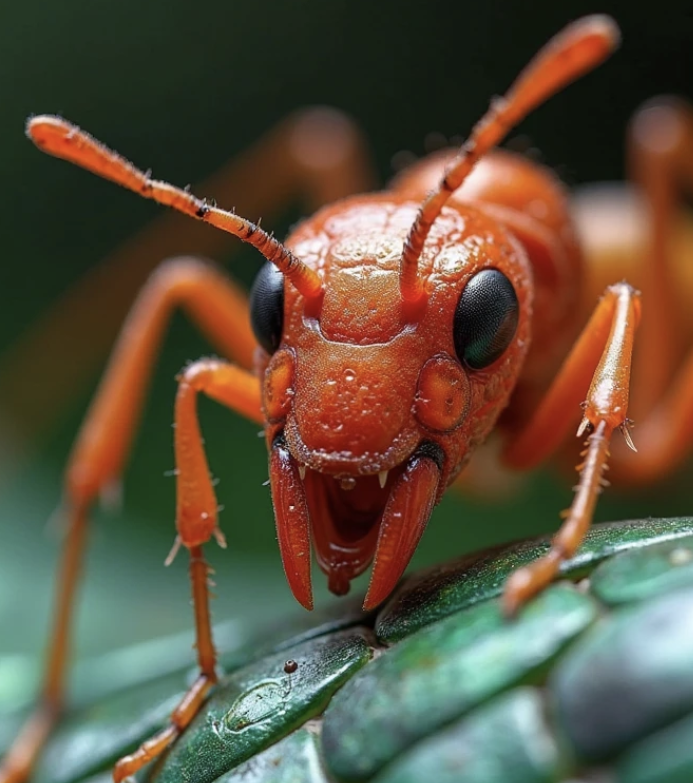
4. Fire Ants: An Expanding Threat
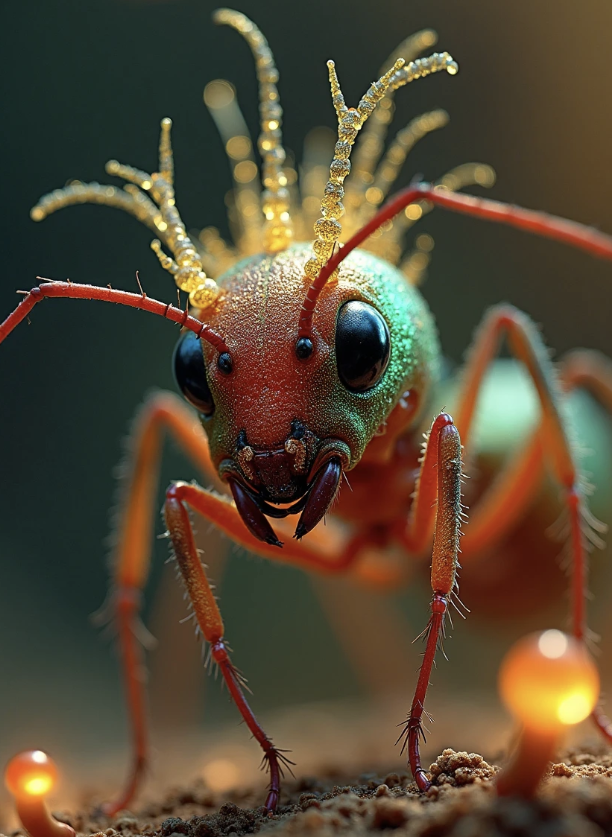
Fire ants are slowly expanding northward, and sightings in southern New Jersey are increasing.
Why Fire Ants Are Dangerous
- Swarm attacks
- Repeated venom injections
- Risk of infection and allergic reaction
Survival Strategy
- Watch where you step, especially near sandy soil
- Avoid disturbing mounds
- Wash stings immediately with soap and water
- Apply cold packs and monitor for allergic response
Preparedness isn’t panic—it’s paying attention.
5. Kissing Bugs: Rare but Deadly
Kissing bugs are uncommon in New Jersey, but climate changes have increased sightings.
Why They’re Dangerous
They can transmit Chagas disease, which damages the heart over time and can be fatal if untreated.
Survival Strategy
- Seal cracks in homes
- Reduce outdoor lighting that attracts insects
- Seek medical testing if bitten and symptoms develop
Low probability does not mean zero risk—preppers plan for both.
6. Spiders That Aren’t Insects (But Still Matter)
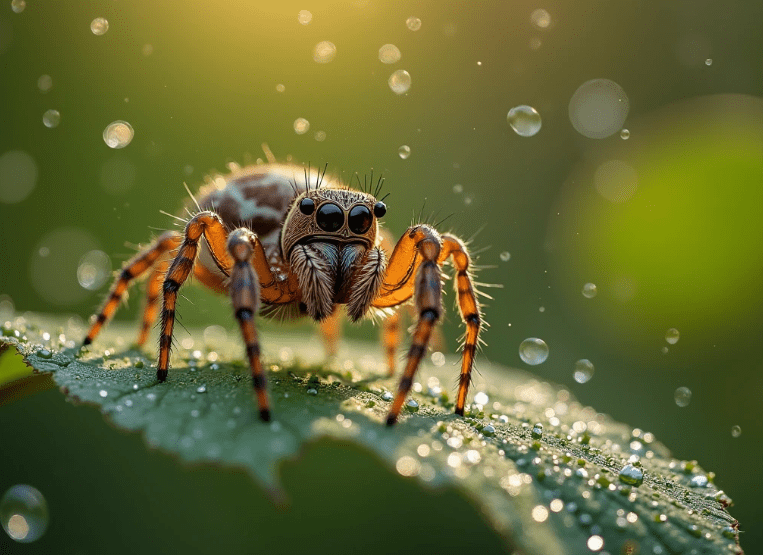
While technically arachnids, spiders often get lumped into insect threats—and for good reason.
Venomous Spiders in NJ
- Black widow (rare but present)
- Brown recluse (extremely rare, usually imported)
Survival Strategy
- Shake out shoes and gloves
- Keep storage areas clean
- Seek medical help for severe reactions
Knowledge removes fear—and fear causes mistakes.
What to Do If You’re Bitten or Stung
A true New Jersey survival prepper keeps a calm head:
- Assess the situation
- Remove the insect safely
- Clean the wound immediately
- Monitor symptoms
- Seek medical help early
Never “tough it out” when symptoms escalate. Survival isn’t about ego—it’s about living to see tomorrow.
The Optimistic Prepper’s Mindset
Here’s the truth: New Jersey is not out to kill you. These insects exist whether you notice them or not. Prepared people don’t live in fear—they live in confidence.
By learning your environment, using common-sense protection, and staying alert, you dramatically reduce risk. Preparedness is not paranoia—it’s responsibility.
New Jersey Survival Prepper’s Final Thoughts: Stay Ready, Stay Positive
The most dangerous insects in New Jersey don’t need to end your life. With awareness, preparation, and a steady mindset, you can enjoy everything this state offers—from forests to shorelines—safely and confidently.
Survival is about adapting, learning, and staying optimistic. And in New Jersey, that mindset will carry you a long way.
Stay ready. Stay smart. And take care of each other.


 TheDailyChristian