Survival Essentials: Calculating the Right Water for Freeze-Dried and Dehydrated Meals

When it comes to preparing for uncertain times, one of the most critical skills a survivalist can master is understanding how to properly use your emergency food supply. Among the most popular choices in the prepping community are freeze-dried and dehydrated foods. While they might seem similar on the surface, they have significant differences that impact not only storage and shelf life but also one of the most overlooked survival essentials: water. Today, I’m going to break down exactly how much water you need for both types of foods, why it matters, and some insider tips to make sure you never waste a drop during a crisis.

Freeze-Dried vs. Dehydrated: What’s the Difference?

Before diving into the water calculations, it’s important to understand the difference between freeze-dried and dehydrated foods. Both methods remove moisture from the food to extend shelf life, but the process is different, which directly affects water needs during preparation.

Freeze-Dried Food: Freeze-drying is a process where food is first frozen and then placed under a vacuum, which removes moisture by turning ice directly into vapor without passing through the liquid stage. This method preserves most of the food’s nutrients, color, and flavor. The food is extremely light, making it ideal for bug-out bags or long-term storage.

Dehydrated Food: Dehydration, on the other hand, uses heat to remove moisture from the food. While it’s a bit heavier than freeze-dried food and can lose some nutrients during processing, it’s often more cost-effective and widely available. Dehydrated food generally has a denser texture, which impacts how much water it will absorb when rehydrated.

Understanding these differences is key because the amount of water needed isn’t just a guideline—it’s the difference between a meal that’s palatable and one that’s too dry or mushy to eat.


Water Needs for Freeze-Dried Food

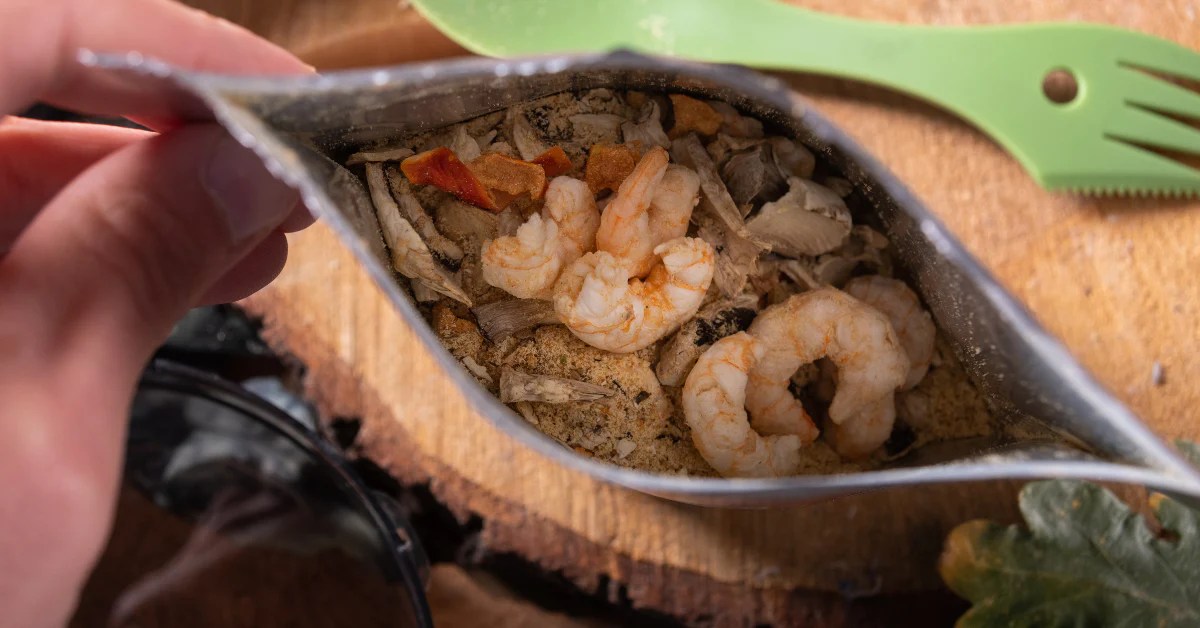
Freeze-dried meals are like little survival time capsules. They are incredibly dry, sometimes containing as little as 2-5% of their original water content. This means that when it’s time to eat, you have to add back almost all the moisture they lost.

General Guidelines:

  • On average, most freeze-dried foods require 1 to 1.5 cups of water per serving.
  • Soups and stews may need slightly more to reach the desired consistency.
  • Vegetables and fruits, depending on their type, often need just enough water to rehydrate to their original texture without becoming soggy.

Here’s a simple rule of thumb: if the package says the food weighs 1 ounce dry, it will usually need around 2-3 ounces (roughly ¼ cup) of water to rehydrate. This can vary, so always check the instructions on the packaging and adjust based on your texture preference.

Hot vs. Cold Water:

  • Many freeze-dried meals rehydrate faster and taste better when hot water is used. In survival scenarios, this can be a game-changer—hot meals not only improve morale but also help maintain body temperature in cold conditions.
  • Cold water can work in a pinch, but be prepared for a longer rehydration period, sometimes up to 30 minutes for larger pieces of freeze-dried vegetables or meat chunks.

Water Needs for Dehydrated Food

Dehydrated foods have already been partially dried using heat, which means they retain slightly more moisture than freeze-dried foods. As a result, they generally require less water to rehydrate.

General Guidelines:

  • Most dehydrated vegetables and fruits require ½ to 1 cup of water per serving.
  • Pasta, rice, or grains usually absorb 1 to 1.25 cups of water per serving when cooked.
  • Dense items like beans or legumes may require pre-soaking in water for several hours or overnight to ensure proper hydration.

Because dehydrated foods absorb water more slowly, they’re slightly more forgiving than freeze-dried meals. You can add extra water during cooking without risking ruining the meal, which is helpful if you’re unsure of your water measurements.

Tip for Survival Situations:
If water is limited, dehydrated foods might be your best option for calorie density per ounce of water used. For example, a cup of dehydrated beans will yield more edible calories than the same cup of freeze-dried beans when rehydrated with limited water.


Calculating Water Needs in Advance

One of the biggest mistakes new preppers make is not calculating water needs in advance. If a disaster strikes and you only have your emergency food supply, you need to know exactly how much water you will require for every meal.

Here’s a practical approach:

  1. List Your Meals: Write down every freeze-dried and dehydrated meal in your stockpile.
  2. Check the Package Instructions: Note the exact amount of water recommended per serving.
  3. Adjust for Survival Needs: In high-stress scenarios, you might need more water than the instructions suggest for palatability. Add 10-20% extra to ensure meals are satisfying.
  4. Multiply by Servings: Calculate total water per day based on how many people will be eating.
  5. Add Safety Buffer: Always store at least 20% more water than calculated to account for cooking losses or unexpected needs.

By doing this exercise, you can ensure your water reserves are sufficient for both hydration and meal preparation—a crucial factor often overlooked in emergency planning.


Practical Tips for Using Water Efficiently

  1. Measure Once, Use Twice: In survival situations, it’s better to pre-measure water for each meal to avoid over-pouring and wasting water.
  2. Use Boiling Water: When possible, boiling water not only speeds up rehydration but also kills any pathogens, keeping your meals safe.
  3. Layer Foods for Multi-Use Water: If you’re making soups or stews, consider adding multiple freeze-dried or dehydrated items to one pot to maximize water efficiency.
  4. Store Water Separately: Keep your emergency water stockpiles in containers separate from food. This way, you can easily calculate usage per meal without accidentally depleting drinking water reserves.

Freeze-Dried vs. Dehydrated: Which Is Better in a Survival Situation?

Both have their advantages. Freeze-dried foods are lighter, last longer, and retain more nutrients. They’re perfect for long-term storage and portable bug-out bags. However, they require more water per meal.

Dehydrated foods are denser and require less water, which is a significant advantage if your water supply is limited. They are also slightly more forgiving when rehydrating, making them easier for cooking in less-than-ideal conditions.

In reality, a smart survival prepper will likely use a combination of both. Stocking both types of food ensures you have options depending on your water availability, cooking methods, and meal preferences.


Final Thoughts

Understanding how much water is needed for freeze-dried vs. dehydrated food can make the difference between a mealtime morale boost and a culinary disaster in a survival situation. Remember, water is just as critical as food—sometimes even more so—and careful planning ensures that you get the most out of both.

Whether you’re a seasoned prepper or just starting your survival journey, taking the time to calculate water needs and understand the differences between food types gives you a huge advantage when disaster strikes. After all, survival isn’t just about having the right supplies—it’s about knowing how to use them efficiently to sustain life, health, and hope in the toughest situations.

Stay prepared, stay resourceful, and never underestimate the power of a properly rehydrated meal to keep your spirits and energy high when it matters most.
Survival Prepper: Canned Foods Vs. Freeze-Dried

As a Prepper, you will store many things in case of an emergency – first aid, power, gas, tools, and water. However, shelf-stable food storage is by far one of the most important pieces of the puzzle. For reasons that we will outline below, Freeze Dried food is the Best Survival Food choice for Preppers and others thinking of long-term storage.

The types of Prepper food that you have stored can make all the difference in a survival scenario. There are a number of different benefits that come from storing the right foods. Aside from not having to leave your home and face the disaster to eat, the right foods can provide your family with a level of comfort and security for many years.

When analyzing the best food storage options for Preppers consider the following shelf life for various long-term food storage:

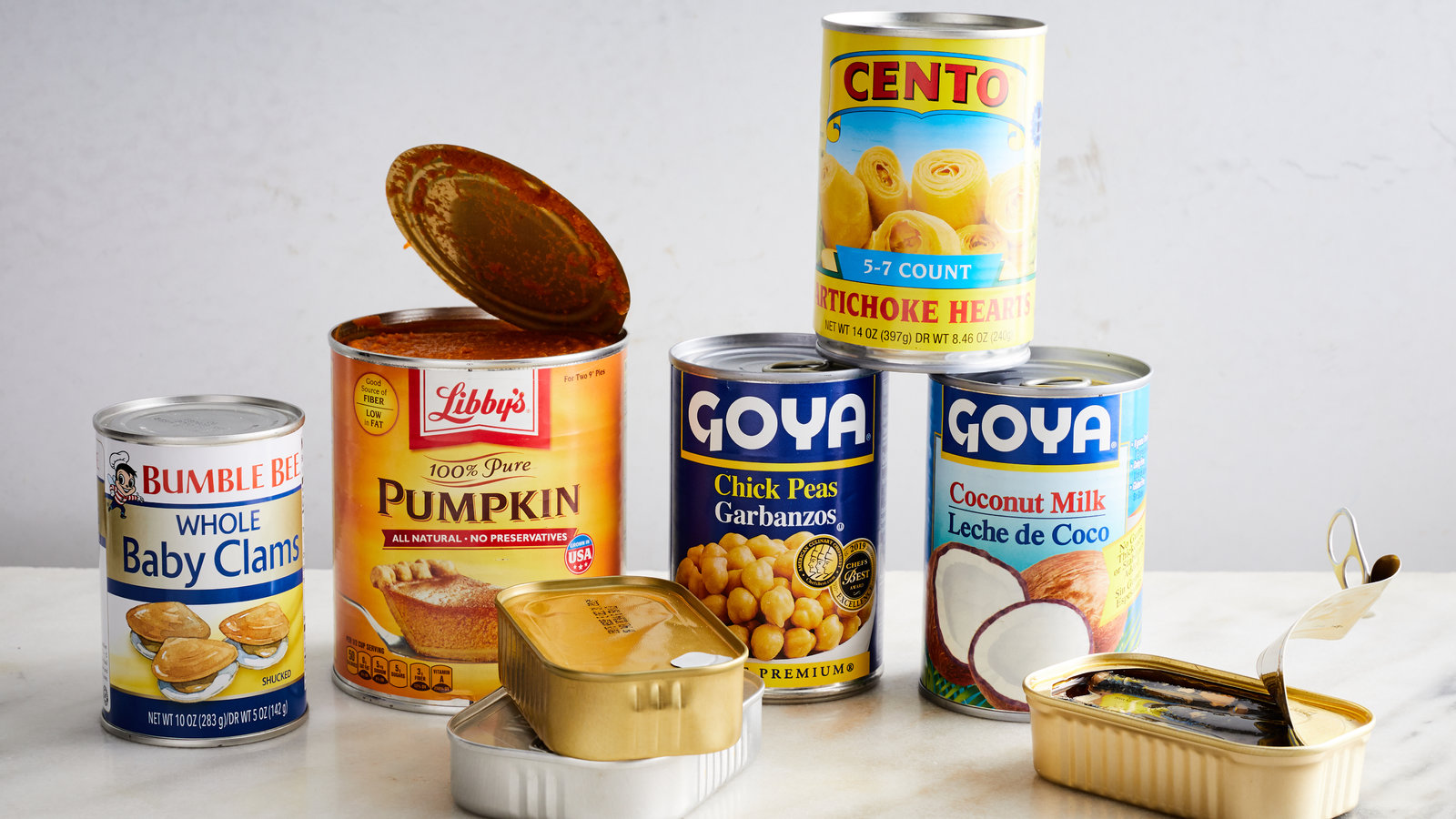
  • Canned food (low acid) – 2 to 5-year shelf life (per USDA)
  • Canned food (high acid) – 1.5 to 2-year shelf life (per USDA)
  • Dehydrated food – up to 15-year shelf life
  • Freeze-dried food – up to 30-year shelf life

While canned goods are easy to pick up at the grocery store and stock in your cabinet, for true Prepping needs, canned goods are not good enough.

Yes, canned goods can last way longer than the recommended date, but I would much rather invest in high-quality food that will last for up to 30 years myself! Check out why Freeze Fried food is superior to Canned Food below!

The canning process takes foods in a fresh state and preserves them in an, often, salty brine and a vacuum-sealed environment that is void of oxygen. It is in this state that bacteria are starved of oxygen and cannot grow rapidly. This makes the food last longer.

Most canned foods can last for a few years. There are even lengths behind the best by the date that canned goods can last. This makes them a great option for long-term food storage. Canned foods can also be found at deep discounts and you can often buy 10 canned food items for less than $10.

You can find most anything canned! Some of the best options for prepping and long-term food storage are things like canned meats, beans, vegetables, fruits, soups, and sauces.

The basic process of freeze-drying starts with taking fresh or cooked foods and cooling them to a temperature of -40 degrees Fahrenheit. These foods are then subjected to a powerful vacuum that surrounds the food. Then, as the food is slowly and carefully warmed the ice turns to vapor and is removed.

This process is more thorough than canning and creates a product that can be packed with a desiccate to last for as much as 30 years.

The types of foods that freeze-dry well are a combination of fresh and cooked foods. Freeze-dried meats do well, as do fresh foods. They retain much of their texture and flavor, which is an added bonus.

While many people will echo the fact that freeze-dried food comes with that incredible shelf life, there are a tremendous amount of benefits outside of just being able to store freeze-dried foods for a couple of decades, in most cases. Let’s have a look at some of those overwhelming benefits.

TEXTURE AND TASTE OF FREEZE-DRIED FOODS

Canned goods were responsible for stocking peoples’ pantries all over the world! They made it so that everyone could have carrots, asparagus, cream of mushroom soup, and beef stew whenever they wanted. However, because of the deterioration and cooking of vegetables required, they also turned a whole generation off to vegetables. The idea was that these foods were mushy and flavorless.

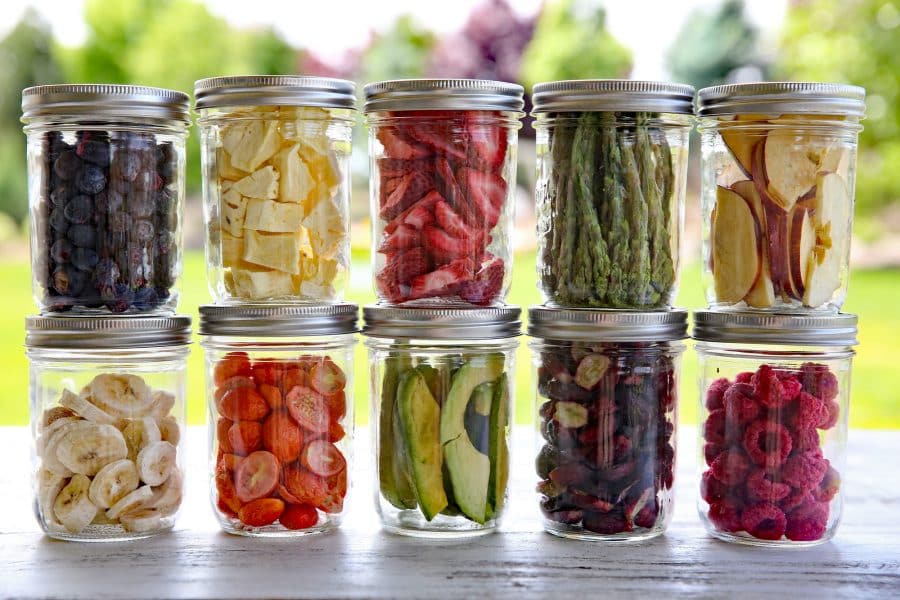
Fresh fruits and vegetables that are freeze-dried maintain much of their taste and keep a crunchy texture in the dried state. This makes the fruits and vegetables great little snacks. When rehydrated they still look like vegetables and taste like them as well.

NUTRITION

The freeze-drying process assures that these foods maintain much more of their nutrient profile than foods that are canned and stored in a brine. These vitamins and minerals will make an enormous difference in a survival situation.

LESS ROTATION COMPARED TO CANNED GOODS

While less acidic canned goods can last up to 5 years past the best by date, freeze-dried foods can last up to 30 years if stored in the right conditions. This means you do not have to concern yourself with rotation as much as you do with canned goods. Maybe 1-2 rotations in your lifetime – How crazy is that?!

SPACE AND WEIGHT

One of the biggest benefits of freeze-dried foods is that they take up so little space and weigh next to nothing because all the moisture has been removed from them. This means you can get really creative about storage and the places you can shove a little extra.

BUILDING MEALS USING FREEZE DRIED FOOD

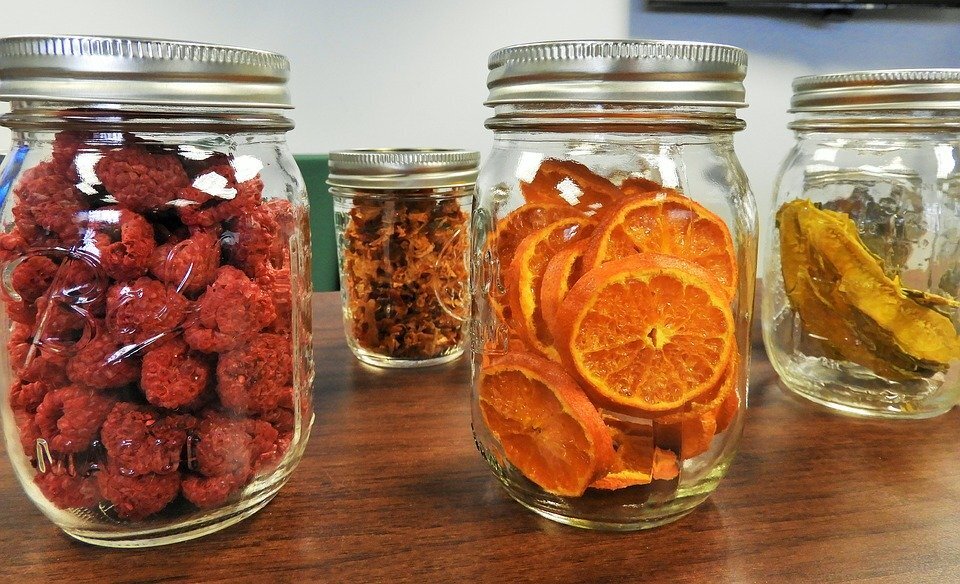
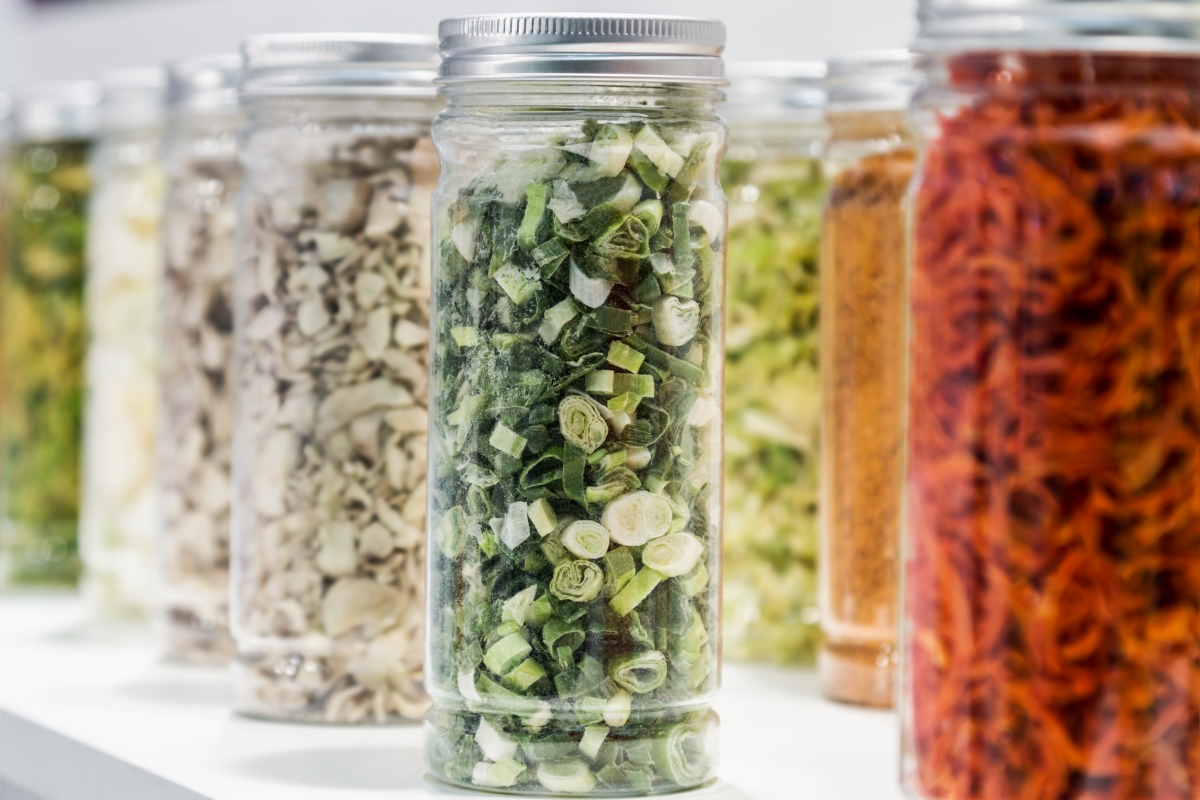
You can combine freeze-dried foods to create meals and store these foods for quick solutions that just require hot water. Think of it as making your own backpacking meals. These mixes of ingredients can be stored in ball jars and used to make quick meals in a hurry or in a disaster.

You will be able to fill your pantry quickly, easily, and affordably with canned foods. That being said, freeze-dried foods are the superior product for Preppers and long-term storage, and you should consider incorporating them as the foundation of your emergency food storage plan!

Survival Prepping: Best Non-Perishable Foods

Natural disasters—a flood, hurricanes, blizzards—often come with little or no warning. Stocking up now on the right non-perishable food items will help you weather the storm (or global pandemic) with less stress.


Why Eat Differently During an Emergency?


Fueling your body during an emergency is very different from your everyday diet. (Think of how an emergency fund functions differently than a savings account.) Because you’ll probably expend more energy than you normally would during your emergency plan, you should eat high-energy, high-protein foods. If the emergency is disease-related (as in the coronavirus pandemic of 2020), it is especially important to eat nutritious foods that will help you maintain good health. And because you’ll have a limited supply in your emergency preparedness kit, the higher-quality foods you eat—and the fewer of them—the better. Start stockpiling as soon as possible!


What to Always Keep in Your Pantry


These non-perishable food items (or close to it) have lengthy expiration dates, so you can stash them away for long periods of time, even if it’s not hurricane season or tornado season. Make a list of everything in your stockpile and check expiration dates every six to 12 months to keep things fresh. And don’t forget to have a can opener on hand at all times—all that food won’t be of any use if you can’t open it.

Peanut butter

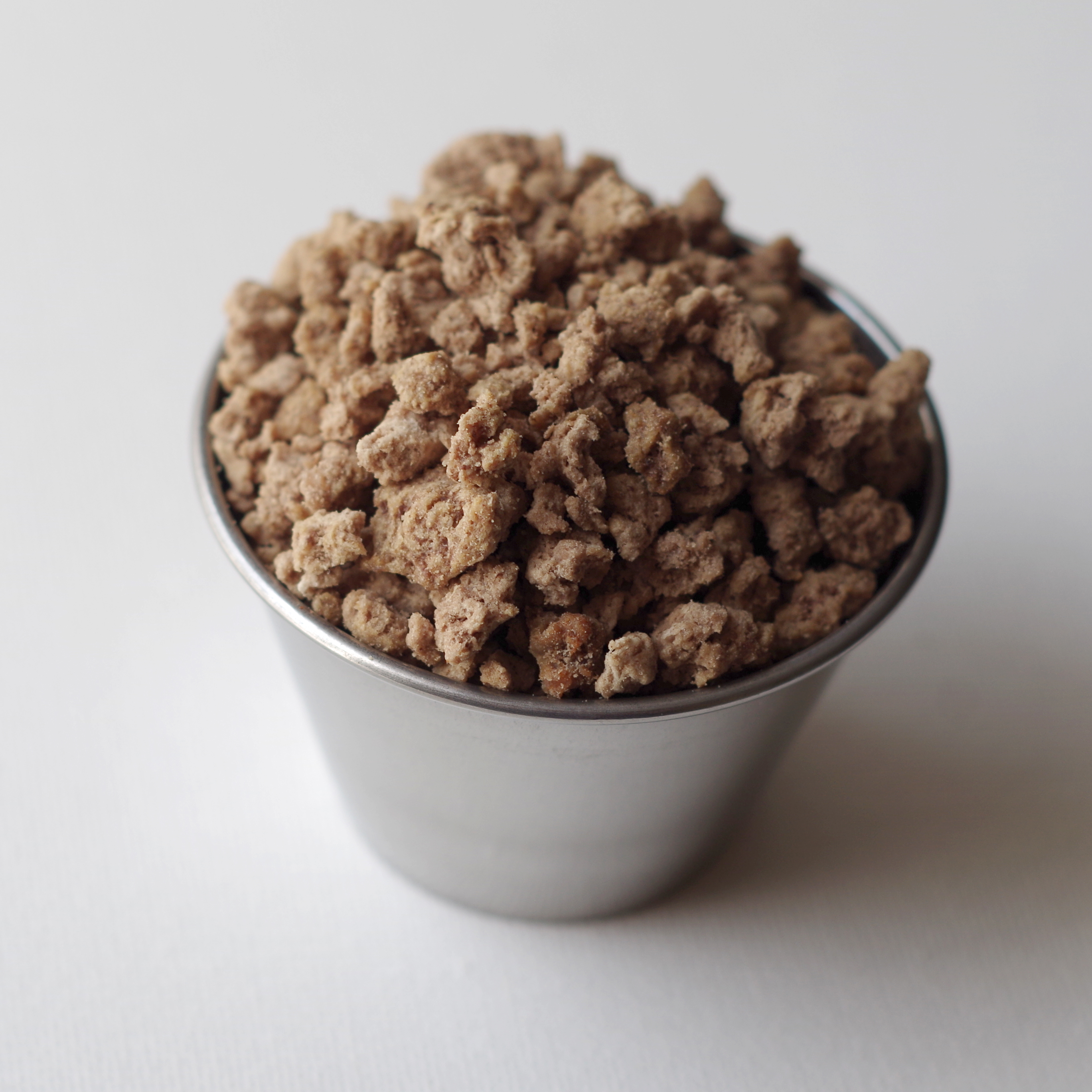
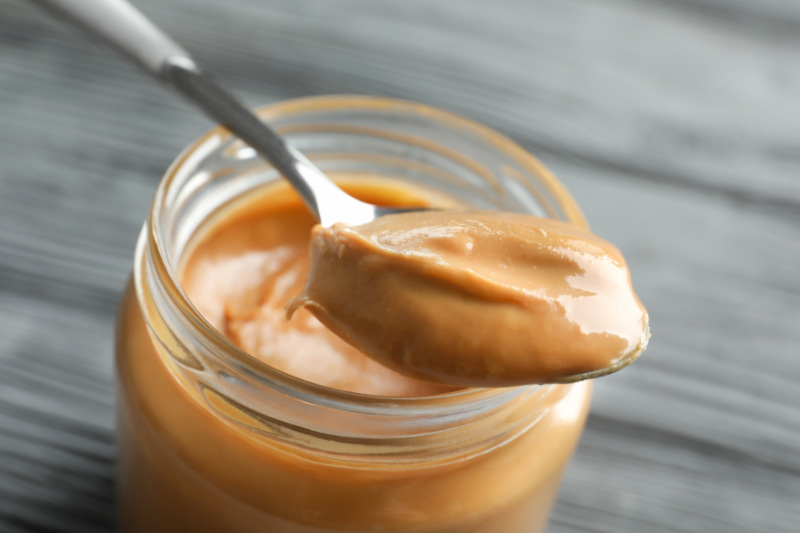
Peanut butter is a really good survival food. It is readily available, shelf-stable, nutrient-rich, calorie-dense, and easy to store while being easy on the wallet compared to many survival foods. Powdered peanut butter, specially designed for survival stores, can even last up to 10 years.

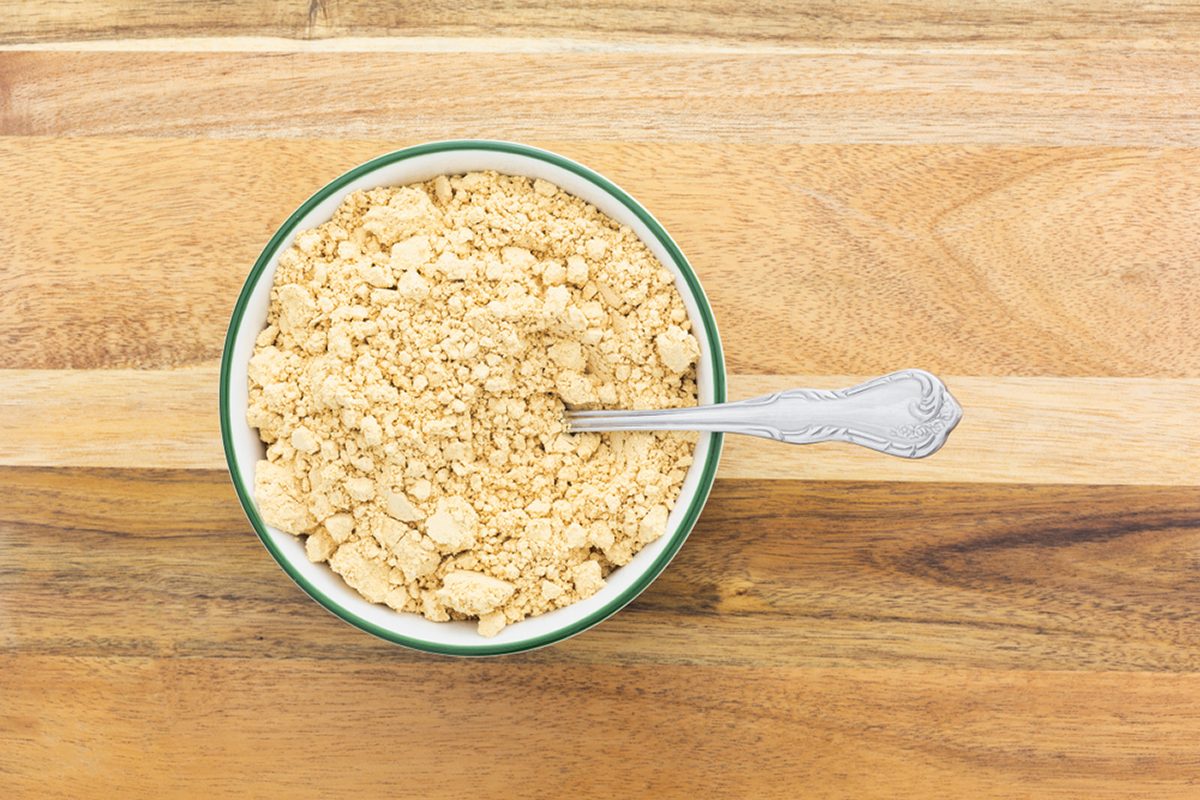
Powdered peanut butter is the best peanut butter for long-term storage. If it is sealed in a #10 can and stored in a cool, dry place it can last between 5 and 10 years. It can also last up to a year in a plastic pouch.

Whole-wheat crackers


Crackers are a good replacement for bread and make a fine substitute when making sandwiches. Due to their higher fat content, whole-wheat or whole-grain crackers have a shorter shelf life than their plain counterparts (check the box for expiration dates), but the extra fiber pays off when you’re particularly hungry. Consider vacuum-packing your crackers to prolong their freshness.

For added value, purchase a family-sized pack of whole-wheat crackers. The toasted crackers give a bit more of a healthful kick and are made without high-fructose corn syrup as well.


Nuts and trail mixes


Stock up on these high-energy foods—they’re healthful and convenient for snacking during a hurricane, tornado, or other emergencies. Look for vacuum-packed containers, which prevent the nuts from oxidizing and losing their freshness.

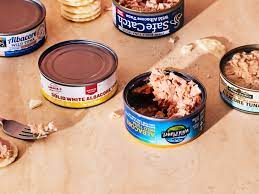
Canned tuna, salmon, chicken, or turkey


Generally lasting at least two years in the pantry, canned meats provide essential protein. Vacuum-packed pouches have a shorter shelf life but will last at least six months.

Moreover, vacuum-sealed packs may come in handy if you don’t have a can opener. For your pantry, purchase a 12-pack of Safe Catch Elite Wild Tuna, which has the lowest mercury count of any brand on the market, making it a safer choice for kids and even pregnant women.


Canned vegetables, such as green beans, carrots, and peas


When the real deal isn’t an option, canned varieties can provide you with essential nutrients, making these a great hurricane food or natural disaster option. To pack in as many of those healthy vitamins and minerals as possible, order a case of mixed vegetable cans by Libby’s. Inside each can you’ll find peas, carrots, corn, lima beans, and green beans, giving you a well-balanced meal straight from the jar.