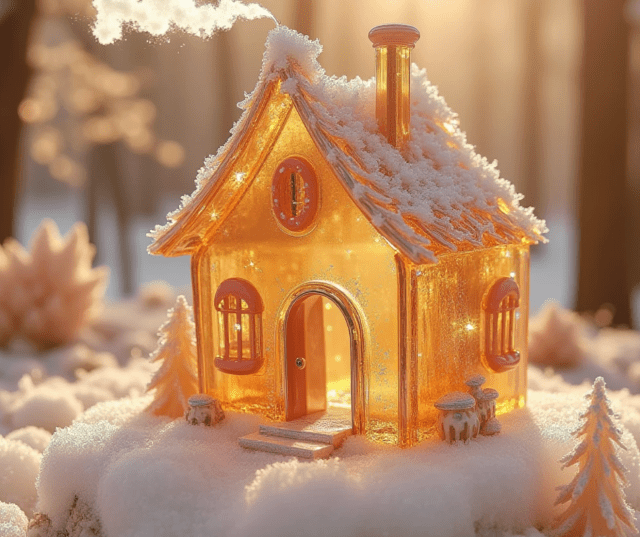
Tiny Home Living in Maine’s Coastal Towns That Fit the Lifestyle

Maine Tiny Home Living: Coastal Towns That Fit the Lifestyle

by Brooke Homestead — 2025 Female Survival Prepper of the Year

Maine is a state that feels like it was made for tiny home enthusiasts who love nature, coastal beauty, and self-sufficient living. From rugged cliffs and lighthouses to quiet harbors and forests, Maine offers coastal towns that perfectly support a downsized lifestyle. I’m Brooke Homestead, and after years of building tiny homes, surviving off-grid, and thriving in small spaces, I know that the right location, zoning, and weather planning are critical to enjoying tiny home life in Maine.


Best Coastal Towns for Tiny Homes in Maine: Camden and Rockport 🌊🏡

Camden — Scenic Harbor Life Meets Tiny Living

Camden, nestled on Penobscot Bay, is ideal for tiny home enthusiasts seeking community, coastal views, and rural freedom:

  • Zoning flexibility in outskirts: Many rural and semi-rural parcels allow tiny homes as primary residences or accessory dwellings.
  • Community mindset: Residents are open to sustainable living, alternative housing, and environmentally conscious lifestyles.
  • Outdoor opportunities: Hiking, boating, and fishing make off-grid systems like rainwater collection and solar feasible.

💡 Brooke Tip: Look for properties slightly inland from the coast. You get more affordable land and lower risk from coastal storms while still enjoying the seaside lifestyle.


Rockport — Quaint Coastal Tiny Home Living
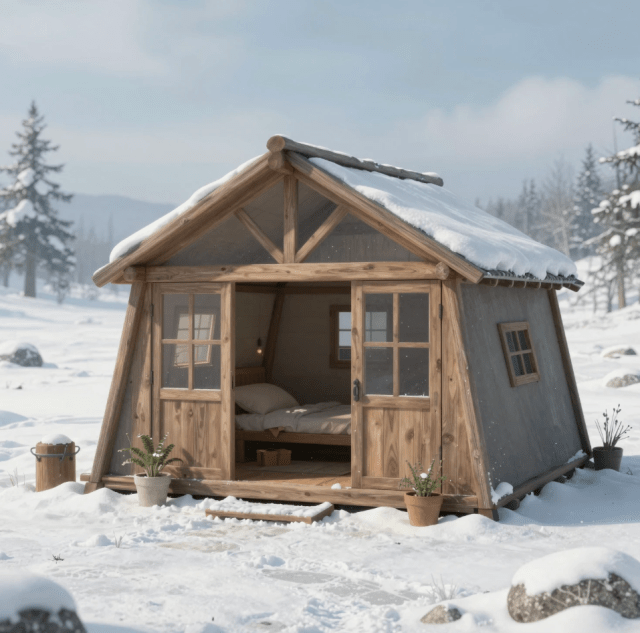
Rockport offers quaint charm, small-town community, and coastal access:

  • Rural zoning: Many parcels in Rockport and surrounding towns allow tiny homes on foundations or wheels.
  • Affordable coastal lots: Depending on proximity to the harbor, land ranges from $25,000–$70,000 per acre.
  • Community support: Residents appreciate simplicity, minimalism, and alternative living solutions.

Brooke Survival Insight: Maine winters are cold and snowy. Proper insulation, heating systems, and snow-load roofs are essential for comfort and safety.


Challenging Areas for Tiny Homes in Maine: Portland & Southern Coastal Metro

While Maine’s southern coast offers amenities, it also presents challenges:

  • Zoning restrictions: Urban planning, minimum lot sizes, and historic district codes limit tiny home placement.
  • High land costs: In Portland and popular southern coastal towns, lots often exceed $100,000–$200,000.
  • Off-grid limitations: Dense development reduces flexibility for water, septic, and solar independence.

💡 Brooke Tip: Tiny homes in southern coastal Maine are mostly feasible as ADUs behind existing homes or in planned small-home communities.


Zoning Laws in Maine — Tiny Home Considerations
Maine does not have a statewide tiny home law, so local regulations vary widely:

  • Accessory Dwelling Units (ADUs): Allowed in many towns, typically 200–500 sq. ft.
  • Tiny Homes on Wheels (THOWs): Treated as RVs; allowed mainly on rural private land or in designated RV parks.
  • Foundation-based Tiny Homes: Must comply with state and local building codes, including electrical, plumbing, structural, and insulation requirements.

Brooke Advice: Always confirm zoning with local planning offices before buying land. Even parcels next to each other can have different rules.


Cost of Land in Maine — Budgeting for Tiny Homes

Land costs vary depending on location:

  • Camden & Rockport outskirts: $25,000–$70,000 per acre — ideal for off-grid tiny homes and gardens.
  • Portland & southern coastal metro: $100,000+ per lot — tiny homes mostly feasible as ADUs.
  • Northern coastal and inland Maine: $5,000–$25,000 per acre — excellent for off-grid, minimalist living with plenty of space.

Other costs include wells, septic systems, solar panels, driveway access, and snow preparedness.


Climate Considerations — Maine Weather for Tiny Homes

Maine has cold, snowy winters and mild summers, which affects tiny home design:

  • Winter: Snow, ice, and wind require insulation, heating, and roof load planning.
  • Summer: Mild and pleasant, but humidity and coastal winds should be considered.
  • Storms: Coastal areas are susceptible to nor’easters and occasional flooding — site selection and storm-proof construction are essential.

Brooke Survival Insight: Tiny homes are compact — poor insulation or inadequate storm prep can quickly create discomfort or hazards. Plan carefully for Maine’s winter and coastal weather.


Brooke Homestead’s Final Thoughts About Maine‘s Tiny Home Lifestyle

Maine is a state where coastal tiny home living can thrive, especially in towns that value community, sustainability, and connection to nature:

  • Best Coastal Towns: Camden for scenic harbor life and community support; Rockport for quaint charm and rural access.
  • Challenging Areas: Portland and southern coastal metro due to zoning, high land costs, and dense development.
  • Planning Essentials: Verify zoning, design for snow and coastal storms, and consider off-grid infrastructure for water and energy.

Tiny home living in Maine is about resilience, minimalism, and enjoying the natural beauty of the coast. With the right town, careful planning, and smart design, you can thrive in a small, sustainable home surrounded by forests, harbors, and the Atlantic Ocean.

Brooke Homestead

North Dakota Tiny Home Living: Where the Lifestyle Works Best (UPDATED MARCH 2026)

North Dakota Tiny Home Living: Where the Lifestyle Works Best

by Brooke Homestead — 2025 Female Survival Prepper of the Year

North Dakota is a paradise for tiny home enthusiasts who crave wide-open spaces, rural freedom, and a minimalist lifestyle. From the rolling plains to quiet river valleys, the Peace Garden State offers affordable land, supportive rural communities, and plenty of room for off-grid living. I’m Brooke Homestead, and after years of thriving off-grid and building tiny homes in challenging environments, I’ll guide you through the best locations for tiny homes, zoning realities, land costs, and climate considerations.


Best Places for Tiny Homes in North Dakota: Fargo and Bismarck 🌾🏡

Fargo — Small Town Energy with Big Potential

Fargo is ideal for tiny home enthusiasts seeking access to amenities without sacrificing open space:

  • Zoning flexibility in surrounding areas: Many parcels in Cass County allow tiny homes as primary residences or accessory dwellings.
  • Land affordability: Rural lots typically range from $15,000–$50,000 per acre — enough space for gardens, solar panels, and off-grid systems.
  • Community mindset: Residents value self-sufficiency, practicality, and small-scale living, making tiny homes socially welcomed.

💡 Brooke Tip: Look for parcels just outside city limits — you’ll enjoy access to services while maintaining privacy and freedom for off-grid living.


Bismarck — Capital City with Rural Flexibility

Bismarck offers affordable land, supportive zoning, and access to the Missouri River for recreation:

  • Rural-friendly zoning: Many parcels allow Tiny Homes on Wheels (THOWs) or foundation-based tiny homes.
  • Land affordability: Parcels range from $10,000–$40,000 per acre — ideal for off-grid, minimalist living.
  • Community support: Residents embrace independence, outdoor living, and self-sufficient lifestyles.

Brooke Survival Insight: Winters are long and harsh — proper insulation, heating systems, and snow-proof construction are critical for comfort and safety.


Challenging Areas for Tiny Homes in North Dakota: Grand Forks & Minot ⚠️

Urban centers can present obstacles:

  • Zoning restrictions: Minimum lot sizes, city ordinances, and historic districts may limit tiny home placement.
  • Higher land costs: Urban parcels often exceed $50,000–$100,000 per lot.
  • Limited off-grid options: Dense neighborhoods restrict independent water, septic, and solar setups.

💡 Brooke Tip: Tiny homes in Grand Forks or Minot work best as ADUs behind existing homes or in tiny home-friendly communities on the outskirts.


Zoning Laws in North Dakota — Tiny Home Considerations 📜

North Dakota does not have a statewide tiny home law; local regulations vary by city and county:

  • Accessory Dwelling Units (ADUs): Allowed in some towns, typically 200–500 sq. ft.
  • Tiny Homes on Wheels (THOWs): Treated as RVs; generally allowed on rural private land or in designated RV parks.
  • Foundation-based Tiny Homes: Must meet state and local building codes, including structural, electrical, plumbing, and insulation standards.

Brooke Advice: Always verify zoning with local city or county offices before purchasing land — rural parcels often have more flexibility than urban lots.


Cost of Land in North Dakota — Budgeting for Tiny Homes 💰

Land in North Dakota is affordable and plentiful, especially outside urban centers:

  • Fargo outskirts: $15,000–$50,000 per acre — ideal for semi-rural tiny home living.
  • Bismarck rural lots: $10,000–$40,000 per acre — perfect for off-grid or THOW setups.
  • Grand Forks & Minot metro: $50,000+ per lot — tiny homes mostly feasible as ADUs.
  • Other rural counties: $5,000–$25,000 per acre — excellent for off-grid and minimalist living.

Additional costs include wells, septic systems, solar panels, driveway access, and winter-proofing.


Climate Considerations — North Dakota Weather for Tiny Homes

North Dakota has a continental climate with long, cold winters and warm summers, which impacts tiny home planning:

  • Winter: Cold and snowy — insulation, heating, and snow-load roofs are essential.
  • Summer: Warm and sunny — ventilation, shading, and cooling systems help maintain comfort.
  • Storms: Occasional tornadoes and thunderstorms require proper anchoring, drainage, and emergency preparedness.
  • Water Management: Ensure adequate water storage and drainage, particularly for off-grid setups.

Brooke Survival Insight: Tiny homes are compact — without proper insulation and storm preparation, winter months can become harsh and unsafe.


Final Homestead Thoughts

North Dakota is a state where tiny home living works beautifully, offering wide-open spaces, rural freedom, and a culture of independence:

  • Best Locations: Fargo for semi-rural living with city access; Bismarck for affordable land and Missouri River access.
  • Challenging Areas: Grand Forks and Minot due to urban density and zoning restrictions.
  • Planning Essentials: Verify zoning, design for cold winters, storms, and water access, and consider off-grid systems for energy and self-sufficiency.

Tiny home living in North Dakota is about resilience, simplicity, and enjoying life surrounded by prairie skies and open landscapes. With the right location and preparation, you can thrive in a small, sustainable home in the Peace Garden State.

Brooke Homestead

Virginia Tiny Homes: Cities That Welcome Small Living (UPDATED)

From the rolling Blue Ridge Mountains to the Chesapeake Bay shore, Virginia is a state full of history, natural beauty, and — if you know where to look — opportunities for living small in a big world. I’m Brooke Homestead. I’ve lived off the grid, weathered storms with nothing but grit and a good rain tarp, and trusted myself on where tiny homes truly fit into a community. Today I’m going to walk you through the best — and the trickiest — places to plant your tiny home in Virginia. 🌿🏡


Best City for Tiny Homes in Virginia: Staunton 🌟

Let’s jump right in.

If I had to pick one city in Virginia that really gets it on tiny living, I’d point you toward Staunton — a welcoming blend of small‑town charm and practical tiny home acceptance.
This city has actually written itself into the tiny home conversation by allowing tiny over‑land sizes down to about 200 square feet as part of its building code — and without the endless bureaucracy you’ll find elsewhere.

Why Staunton Works Well

Tiny homes get real respect here — Staunton’s planning unit recognizes tiny homes (including accessory dwellings) without forcing you into complicated approvals.

Historic but progressive — There’s a genuine vibe of preservation and innovation. While Staunton loves its older architecture and cobblestone history, there’s room in the mix for smart, small, sustainable living. That’s a cultural win you can’t ignore.

Keswick and surrounding acreage — Just outside Staunton proper, you’ll find rolling fields and forests that make off‑grid systems like rainwater capture, solar arrays, and composting toilets feel not just doable — but welcomed with open arms.

💡 Brooke’s Homestead Tip: If you’re thinking buy land and build your tiny home from the ground up, Staunton’s proximity to rural Augusta County gives you the latitude to work with county planners — not against them — especially if you make a good plan and talk to them early.


Worst City for Tiny Homes in Virginia: Arlington ⚠️

Now this may surprise some folks — especially those who love urban culture — but when it comes to tiny homes, Arlington can be a big challenge.

Arlington has been aggressively reforming its zoning — and it is expanding housing types — but primarily toward more compact multi‑unit structures like duplexes, triplexes, and townhomes, not tiny homes on their own lots.

Why Arlington Isn’t Ideal for Tiny Living

Zoning complexity: The city eliminated single‑family zoning in many areas, but that doesn’t automatically mean a tiny home on wheels or even a small standalone dwelling is permitted. Most new rules focus on missing middle housing — not individual tiny units.

Sky‑high land values: With land prices that make most mortgages blush (and Zillow listings cry), you’ll have a real battle just finding a legal parcel affordable enough for a tiny home. (Urban land in Northern Virginia is expensive — even for small builds.)

Urban infrastructure focus: Arlington planners are understandably prioritizing transit‑oriented development, structured neighborhoods, and multi‑unit housing stock — but tiny homes often fall outside those design visions.

💡 Brooke’s Survival Insight: If your heart is set on the DC metro area, consider ADUs attached to existing properties — that’s the smoother path for tiny living here. But don’t expect free‑standing tiny homes on private lots without major hoops.


Zoning Laws in Virginia — What Tiny Homesteaders Actually Face

Alright — let’s dig into the nuts and bolts (literally) of zoning in Virginia, because this is where many well‑intentioned dreamers hit their first patch of briars.

No One‑Size‑Fits‑All Rule

Virginia doesn’t have a statewide provision that automatically lets you stick a tiny home anywhere. Instead, your outcome depends deeply on county and city zoning ordinances — and those differ brusquely from place to place.

Building Code Standard

At the state level, tiny homes can comply with the Virginia Uniform Statewide Building Code (which is based on the International Residential Code). This means any home you want to legally house people in — tiny included — needs:

  • proper foundation,
  • structural integrity,
  • plumbing, electrical, etc.

The code even includes Appendix Q, which specifically outlines minimum requirements for tiny homes.

But here’s the twist: local zoning might still want a minimum square footage buried deep in the ordinances, even if the building code allows smaller. This disconnect is where a planner can make or break your dream.

Common Local Variations

Here’s a snapshot of what you’ll encounter in different parts of the state (based on recent local zoning summaries):

  • Fauquier County: Accepts tiny homes as primary residences or ADUs — but no tiny homes on wheels.
  • Buckingham County: Allows tiny homes on wheels on private land — with sewer connection mandates.
  • Albemarle County: Tiny homes permitted as ADUs with special use permits.
  • Virginia Beach: Treats tiny homes like any other residential structure — they must meet hurricane and flood safety codes.
  • Norfolk: Tiny dwellings often part of affordable housing programs, with utility connections required.

Pro Tip from Brooke: Call the local zoning office before you sign on land. I can’t tell you how many folks buy property, only to discover their vision doesn’t match the county’s definition of a “dwelling.” Asking ahead saves heartbreak and hard‑earned dollars.


Cost of Land in Virginia — Budget Reality

Let’s talk dollars — because any survivalist worth her salt plans with a spreadsheet and coffee. ☕📊

Virginia’s land prices vary tremendously depending on where you’re looking:

🪵 Rural Counties: Starting as low as a few thousand dollars per acre in parts of Southern and Central Virginia. But keep in mind, remote land often lacks water, power, or septic access — so you’ll need to budget for those.

🏡 Suburban Areas: Places like near Richmond, Norfolk, or Charlottesville can run $50,000–$250,000+ per acre — pricey for tiny home plots.

🌆 High‑Demand Urban Zones: Northern Virginia land — especially closer to Washington DC — can blow up to $1 million+ per acre, making standalone tiny home builds hard to justify without subdividing or using ADUs.

Other Land‑Related Costs

Every bit of infrastructure you add adds to your price:

  • Utilities: Running power, water, sewage can range from $5,000–$20,000 depending on distance.
  • Septic System: If county water isn’t available, plan $3,000–$10,000+ for a private system.
  • Solar & Off‑Grid Gear: If you’re truly homesteading off the grid, solar panels and battery banks are often the best insurance policy — expect $5,000–$20,000+ in upfront cost.

💡 Brooke’s Money Tip: Buying land with existing road access, water access, or nearby utility hookups saves you thousands long before you shovel dirt for your foundation.


Climate Considerations — Virginia Weather and Your Tiny Home

Virginia’s climate can feel like an old friend — warm, welcoming — until she throws thunderstorms and winter chill at you. Here’s what you need to keep in mind:

🌤️ Coastal Eastern Virginia (Virginia Beach, Norfolk):
High humidity, hurricane potential, and flood risk mean your tiny home’s foundation and elevation plan must take storm surge into account. Hurricane‑proofing matters here.

🍁 Central / Piedmont (Staunton, Charlottesville, Lynchburg):
Warm summers, cool winters, and a beautiful four‑season rhythm. Rainwater management, solid insulation, and good roofing are real priorities.

❄️ Western Highlands (near Appalachian Trail):
Winters get cold and snow isn’t unknown. You’ll want floors that are insulated from ground chill and a heating plan that doesn’t cost you an arm and a leg.

💡 Practical Survival Wisdom: Regardless of where you build, always account for water diversion and foundation drainage — tiny homes dislike sitting in moisture more than a novice dislikes a rattlesnake on the trail.


Brooke Homestead’s Words

Virginia isn’t just a place — it’s a patchwork of communities, each with its own interpretation of how homes — tiny or mighty — belong in the landscape.

Places like Staunton are paving the way for tiny living with thoughtful zoning and a spirit of community. On the flip side, urban zones like Arlington make the process possible but more complex than it should be for independent tiny homes.

Whatever patch you choose, here’s my best advice:

🌱 Know the laws before you buy
📐 Plan for utilities early
💪 Prepare for weather challenges
📞 Talk to planners, not just realtors

Tiny living is about freedom — but freedom with preparation is where true peace of mind grows.

Stay curious, stay kind, and build something that lasts.
Brooke Homestead.

Prepper’s Pantry: 10 Foods You Should Always Keep on Hand

Prepper’s Pantry: 10 Foods You Should Always Keep on Hand for Tiny House Living

Living in a tiny house doesn’t just mean downsizing your belongings—it’s about embracing a more intentional lifestyle. Every item you bring into your tiny home should serve a purpose, and food storage is no exception. A prepper’s pantry isn’t just for hoarding massive amounts of canned goods and bags of rice; it’s about curating a collection of foods that are practical, space-efficient, and long-lasting. When space is limited, smart food storage becomes a crucial part of sustainable living. The key to prepping in a tiny house is striking a balance between the right amount of food to meet your needs without overcrowding your limited space.

CLICK HERE TO LEARN HOW TO NEVER STARVE WHEN DOOMSDAY HITS!

In this post, we’ll explore 10 foods that every tiny house dweller should always keep on hand for a well-stocked, sustainable pantry. With a little planning, you can have everything you need to weather unexpected situations—without sacrificing too much valuable space.


1. Canned Vegetables and Beans

When you live in a tiny house, versatility is your best friend. Canned vegetables and beans are non-negotiable pantry staples because they’re easy to store, have a long shelf life, and are ready to use with minimal prep. Whether you’re making soups, stews, or casseroles, canned beans are a quick and nutritious way to get protein without taking up precious refrigerator space. Vegetables like corn, peas, and carrots can be great options for adding a quick serving of greens to any meal.

Tip #1: Buy in bulk—Purchase large cans to save space and money. Also, consider choosing BPA-free canned goods for better health and eco-friendliness.


2. Rice and Quinoa

Rice and quinoa are essential pantry items that are both filling and versatile. These grains can serve as a base for countless meals, from stir-fries to grain bowls. Since both rice and quinoa have long shelf lives when stored in airtight containers, they’re perfect for small spaces like tiny houses. Quinoa also packs in extra protein, which is great for tiny house dwellers looking for more nutritional density in a small package.

Tip #2: Store rice and quinoa in airtight jars to prevent pests from invading your pantry. And consider using glass containers to cut down on plastic waste.


3. Dried Fruits and Nuts

Living small means making the most of every square inch, and dried fruits and nuts are a must for quick, nutritious snacks or meal add-ins. These foods are calorie-dense, so you don’t need much to get a lot of energy. Almonds, walnuts, dried apricots, and raisins can be great for on-the-go or mixed into oatmeal, salads, or baked goods. Plus, they have a long shelf life, making them perfect for long-term storage.

Tip #3: Store dried fruits and nuts in vacuum-sealed bags or mason jars to keep them fresh longer. This will also help maximize your storage space.


4. Canned Fish and Meats

Protein is a critical component of any diet, and canned fish and meats like tuna, salmon, and chicken provide a convenient, shelf-stable solution. These canned proteins can be added to everything from salads to sandwiches and are ideal for quick meals. In a tiny house, you don’t have the luxury of a massive freezer, so canned options are a great alternative to fresh or frozen meats.

Tip #4: Rotate your stock—Use older cans first to prevent anything from sitting in your pantry for too long. Stockpiling a variety of meats ensures that you don’t get tired of the same options.


5. Canned Tomatoes

Canned tomatoes are a versatile ingredient that forms the base for many dishes—from pasta sauces to soups. They have a long shelf life and are easy to store, making them a great choice for tiny house living. You can use canned tomatoes in everything from homemade pizza sauce to chili, adding both flavor and nutrition to your meals. They’re also great for making quick and easy meals when you’re short on time.

Tip #5: Buy in bulk—If you use canned tomatoes often, buying larger quantities can help save money and reduce packaging waste.


6. Pasta and Noodles

Pasta is a staple in almost any pantry because it’s cheap, easy to prepare, and can be paired with a variety of sauces, proteins, and vegetables. The best part is that pasta stores well and takes up little space—perfect for tiny house living. You can stock a variety of pasta shapes, from spaghetti to macaroni, and use them in everything from quick weeknight dinners to hearty pasta salads.

Tip #6: Use clear storage containers for your pasta to make it easy to see what you have on hand. This way, you can keep your pantry organized and avoid over-purchasing.


7. Powdered Milk

If you’re living in a tiny house, refrigeration space is precious. Powdered milk is a great substitute for fresh milk and can be used in everything from coffee and tea to baking and cooking. Since it doesn’t require refrigeration, it’s perfect for stocking up in a small space. Plus, it has a long shelf life, so you won’t need to worry about it going bad any time soon.

Tip #7: Store powdered milk in a cool, dry place to keep it fresh. Keep it in airtight containers to ensure its longevity.


8. Spices and Seasonings

In a tiny house, you want to make sure you’re packing only the essentials, and that means choosing your spices wisely. A few high-quality seasonings, like salt, pepper, garlic powder, and chili flakes, can make a huge difference in the flavor of your meals. Instead of stocking every spice under the sun, focus on the ones you use most often, and keep them in small containers or spice racks to save space.

Tip #8: Opt for multi-use spices—For example, a good all-purpose seasoning can work for many dishes, cutting down on the number of containers you need.


9. Honey and Maple Syrup

Honey and maple syrup are excellent natural sweeteners that also have medicinal properties. Honey can be used in tea, spread on toast, or added to baked goods. Maple syrup is another great natural sweetener that works well in pancakes, oatmeal, and desserts. Both honey and maple syrup have long shelf lives, which makes them great for your pantry. In tiny house living, these versatile sweeteners can do double duty as both food and medicine.

Tip #9: Store honey at room temperature—Honey doesn’t spoil, but storing it in a cool place ensures it stays at its best consistency.


10. Oats and Granola

Oats are a fantastic and filling food that can be used in a variety of ways, from oatmeal to granola bars. They’re a great source of fiber and are perfect for breakfast or even as a base for savory dishes. Granola is another good option to have on hand as a quick snack or a topping for yogurt and fruit. Both oats and granola are compact, making them perfect for tiny house living.

Tip #10: Keep oats in airtight containers to prevent pests and moisture from ruining your stock. You can also use oats for baking, adding to smoothies, or making homemade granola.


10 Tiny House Living Tips for Efficient Food Storage

  1. Use vertical space—Maximize storage by using shelves or hanging storage for jars and canned goods.
  2. Opt for multi-purpose foods—Choose ingredients that can be used in several dishes to reduce the variety of items needed.
  3. Keep your pantry organized—Invest in clear containers or labels so you can easily find what you need without taking up extra space.
  4. Use airtight containers—To prevent spoilage and pests, store grains, nuts, and dried fruits in airtight containers.
  5. Grow your own herbs—Even in a tiny home, you can grow herbs like basil, thyme, and mint in small pots or hanging planters.
  6. Shop in bulk—Buying in bulk not only saves you money but also reduces packaging waste.
  7. Plan meals around your pantry—Make sure to use up older items first to avoid waste and keep your pantry fresh.
  8. Preserve seasonal produce—Stock up on fresh fruits and vegetables when they’re in season and preserve them through canning or freezing.
  9. Keep a running inventory—Having an up-to-date list of your pantry items will help you avoid buying duplicates and save you time.
  10. Keep food prep simple—Simplify your meals by focusing on staple ingredients that can be transformed into multiple dishes.