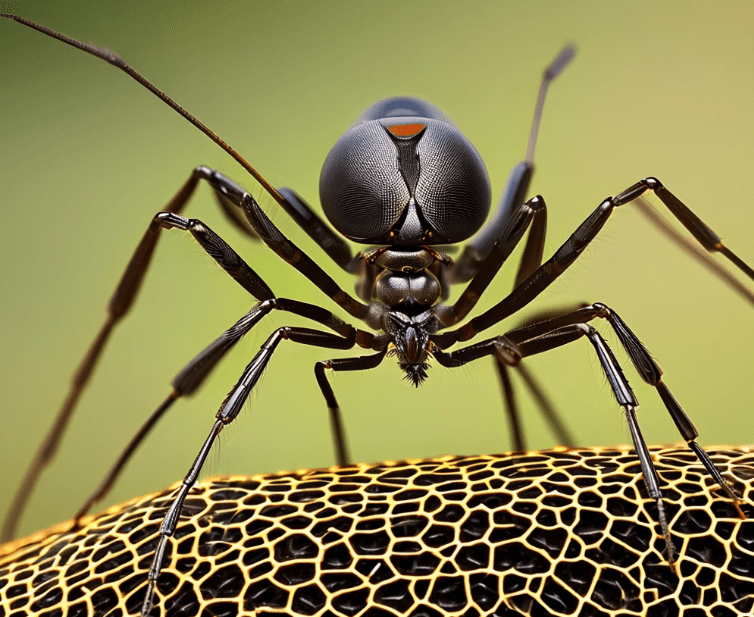
The Only Thing in Washington State that Can Kill You Faster Than These Bugs is the Halitosis of Seattle’s Residents

I’ve trained civilians, outdoorsmen, first responders, and families across this country on how to survive when systems fail and nature takes advantage of human laziness. And if there is one place in the United States where people have become dangerously disconnected from basic survival hygiene, it’s Seattle, Washington.

Let’s be honest. When you combine constant moisture, mild temperatures, overflowing trash, encampments, neglected infrastructure, and residents who think nature is something you “coexist” with instead of control, you create a bug paradise. Washington State already has enough natural threats. Seattle turns them into a full-blown biological experiment.

Insects don’t care about politics, feelings, or city slogans. They breed where filth exists. And in Washington, especially western Washington, they’re thriving.

Here are the most dangerous insects in Washington State, why they can kill you, and what you must do if you want to survive.


1. Black Widow Spider — Washington’s Most Dangerous Resident

Yes, Washington has black widows. And yes, people underestimate them constantly.

Black widows thrive in garages, sheds, crawl spaces, outdoor furniture, and junk piles — all things Washington cities are excellent at accumulating. Their venom attacks the nervous system and can cause muscle paralysis, respiratory distress, and cardiac complications.

Why it kills:

  • Neurotoxic venom
  • Severe muscle cramping and breathing issues
  • Increased danger to children, elderly, and compromised adults

Survival strategy:

  • Wear gloves anytime you reach into dark spaces
  • Remove clutter aggressively — spiders love neglect
  • Severe pain, chest tightness, or trouble breathing means immediate ER care

A spider doesn’t need size when it has venom and human arrogance working together.


2. Brown Recluse Spider — Rare, but Increasingly Found

While historically uncommon, brown recluse spiders are appearing more frequently in Washington, especially through transported goods, storage units, and urban sprawl.

Their venom causes necrotic wounds, destroying tissue from the inside out. Many victims don’t feel the bite until the damage is already underway.

Why it kills:

  • Tissue death leading to infection
  • Sepsis if untreated
  • Delayed medical attention

Survival strategy:

  • Never wear shoes or clothing left on the floor
  • Shake out bedding, towels, and gear
  • Seek medical care immediately if a bite worsens over hours

Rot doesn’t stay local. It spreads.


3. Wasps and Yellowjackets — Flying Anger With Wings

Washington is crawling with yellowjackets, paper wasps, and hornets, especially in late summer. Seattle’s garbage-heavy environment gives them unlimited food sources.

One sting is painful. Multiple stings can be fatal. Allergic reactions can kill in minutes.

Why they kill:

  • Anaphylactic shock
  • Repeated stings
  • Swarming behavior

Survival strategy:

  • Never swat — run
  • Avoid open food and trash exposure
  • Carry epinephrine if you’ve ever had a bad reaction

I’ve seen grown adults collapse because they thought “it’s just a wasp.”


4. Mosquitoes — Washington’s Quiet Disease Dealers

People think mosquitoes are a southern problem. That’s ignorance talking.

Washington mosquitoes spread West Nile virus and other infections, especially near stagnant water, drainage systems, and encampments where sanitation has collapsed.

Why they kill:

  • Brain inflammation
  • Long-term neurological damage
  • Silent infections in vulnerable populations

Survival strategy:

  • Eliminate standing water near your home
  • Use real insect repellent, not essential oils
  • Protect children and elderly aggressively

Mosquitoes don’t hunt. They wait for cities to rot.


5. Fleas — Small, Fast, and Disease-Friendly

Where rodents thrive, fleas follow. Seattle has a rodent problem, and fleas carry diseases that history books should have taught people to fear.

Why they kill:

  • Disease transmission
  • Rapid infestation
  • Secondary infections

Survival strategy:

  • Control rodents immediately
  • Wash bedding frequently
  • Treat pets year-round

Clean environments don’t support fleas. Filthy ones do.


6. Ticks — The Long-Term Killers

Washington ticks carry Lyme disease and other bacterial infections that can destroy joints, organs, and the nervous system over time.

These aren’t fast deaths — they’re slow, miserable ones.

Survival strategy:

  • Perform full-body tick checks after outdoor exposure
  • Wear long sleeves and treat clothing
  • Remove ticks properly and monitor symptoms

Ticks win when people are lazy.


7. Scavenger Flies — Infection Machines

In high-density urban decay zones, flies become vectors for bacteria, parasites, and infection. Open wounds, food, and waste attract them instantly.

Why they kill:

  • Infection of wounds
  • Food contamination
  • Maggot infestations in extreme neglect cases

Survival strategy:

  • Maintain strict sanitation
  • Cover wounds immediately
  • Control waste aggressively

If flies are comfortable, you’re already losing.


Final Bug Warning for Washington State

Washington State is beautiful. Seattle is not safe.

When hygiene collapses, insects flourish. When insects flourish, disease follows. And when people pretend this isn’t happening, the body count rises quietly.

Survival is not about optimism. It’s about control, cleanliness, and readiness. Nature punishes negligence without apology.

If you live in Washington — especially near Seattle — treat your environment like a threat, because it is. The bugs already have.

Stay sharp. Stay clean. Stay alive.

The Most Dangerous Insects in Massachusetts – What Can Kill You and How to Stay Alive

Pull up a chair. Pour yourself something hot. If you’re living, hiking, hunting, fishing, or even sipping tea off the grid here in Massachusetts, there’s something you need to understand right now:

You don’t need bears, blizzards, or back-alley nonsense to end up dead in the Bay State.

Sometimes all it takes is an insect small enough to miss during a shower.

I’ve spent years prepping, teaching, and living the self-reliant life—half woodsman, half neighborhood uncle who knows how to fix things when they break. And I’ll tell you this straight: Massachusetts doesn’t look dangerous until it is. The insects here don’t roar or rattle. They bite, sting, and vanish—and if you don’t know what you’re dealing with, they can absolutely put you in the ground.

Let’s break down the most dangerous insects in Massachusetts and, more importantly, how to survive them like someone who plans to see tomorrow.


1. Ticks: The Silent Assassins of New England

If Massachusetts had an unofficial insect mascot of doom, it would be the tick.

Blacklegged ticks—also called deer ticks—are everywhere: woods, lawns, parks, stone walls, and yes, your own backyard. They don’t buzz. They don’t warn you. They hitch a ride and dig in.

The real danger isn’t the bite—it’s what comes with it.

Ticks in Massachusetts are known carriers of Lyme disease, anaplasmosis, babesiosis, and other serious illnesses. Left untreated, these infections can lead to long-term neurological damage, organ failure, and in rare but very real cases, death.

Survival Tips from the Field:

  • Wear long sleeves and pants when in brush or woods. Light-colored clothing helps you spot them.
  • Use permethrin-treated clothing or proper insect repellent.
  • Perform full body tick checks every single time you come in from outdoors.
  • Remove ticks immediately with fine-tipped tweezers—slow, steady pull, no twisting.
  • If symptoms show up (fever, fatigue, joint pain), don’t tough it out. Get medical help.

Ticks don’t care how strong you are. Knowledge is your armor.


2. Mosquitoes: Flying Syringes of Disease

Most folks think mosquitoes are just itchy annoyances. That thinking gets people hurt.

In Massachusetts, mosquitoes are known carriers of Eastern Equine Encephalitis (EEE) and West Nile Virus. EEE, in particular, is no joke. While rare, it carries a high fatality rate and can cause severe brain inflammation.

These insects thrive near standing water, wetlands, and during warm, humid months. One bite. That’s all it takes.

Survival Tips from the Field:

  • Eliminate standing water around your property.
  • Use screens, netting, and repellents when outdoors.
  • Avoid dusk and dawn exposure during peak mosquito season.
  • Wear loose, long clothing when possible.
  • If severe headache, fever, confusion, or stiff neck appear—seek medical attention immediately.

Mosquitoes don’t look like killers. That’s exactly why they are.


3. Bees, Wasps, and Hornets: When One Sting Is One Too Many

Most stings are painful. Some are deadly.

In Massachusetts, yellow jackets, hornets, and bees cause thousands of emergency room visits each year. For people with severe allergies, a single sting can trigger anaphylaxis, a rapid and potentially fatal reaction that shuts down breathing and drops blood pressure fast.

You don’t need to be deep in the woods for this—backyards, picnics, sheds, and even trash cans are hot zones.

Survival Tips from the Field:

  • Know if you or family members have allergies.
  • Carry an epinephrine auto-injector if prescribed.
  • Avoid swatting—slow movements reduce aggression.
  • Keep food sealed outdoors.
  • If stung and symptoms escalate (swelling of face/throat, dizziness, difficulty breathing), call emergency services immediately.

Nature doesn’t care if it was an accident.


4. Deer Flies and Horse Flies: Pain, Infection, and Blood Loss Risks

These flies don’t just bite—they slice.

Deer flies and horse flies are aggressive, fast, and persistent during summer months. While they’re not major disease vectors like ticks, their bites can lead to serious infections, allergic reactions, and significant blood loss in vulnerable individuals.

They’re especially dangerous for children, the elderly, or anyone with compromised immune systems.

Survival Tips from the Field:

  • Wear hats and light-colored clothing—deer flies target dark colors.
  • Use insect repellents that target biting flies.
  • Clean bites thoroughly and monitor for infection.
  • Cover open wounds immediately.

Pain is one thing. Infection is another.


5. Spiders: Rare but Worth Respecting

Massachusetts doesn’t have many deadly spiders, but black widows do exist, though encounters are rare. Their venom can cause severe muscle pain, cramping, and systemic reactions, especially in children or older adults.

Brown recluses, despite popular myth, are not native to Massachusetts.

Survival Tips from the Field:

  • Shake out gloves, boots, and stored clothing.
  • Reduce clutter in sheds and basements.
  • Seek medical care if severe pain or symptoms develop after a bite.

Low probability doesn’t mean zero risk.


Here’s the truth they don’t teach in glossy brochures:

Survival in Massachusetts isn’t about fear—it’s about awareness.

The most dangerous insects here don’t hunt you. They wait for ignorance, laziness, or bad habits. A prepper’s edge isn’t weapons or gear—it’s discipline.

Check yourself.
Protect your space.
Act early when something feels off.

Do that, and you’ll keep enjoying that off-grid tea with folks who trust you to know what you’re talking about.

And that, my friend, is how you survive the Bay State—one tiny threat at a time.

New York’s Most Dangerous Insects and How to Stay Alive

Most New Yorkers believe danger comes with sirens, crime statistics, or subway platforms at 2 a.m. They look up at skyscrapers and down at their phones, convinced that nature is something safely locked away in upstate forests or petting zoos. That assumption is a liability.

As a professional survival prepper, I don’t subscribe to the fantasy that concrete replaces biology. New York State—yes, including the city—is home to insects capable of killing you quietly, painfully, and often with no warning at all. You don’t need to be camping in the Adirondacks to be at risk. You just need to be unprepared, distracted, or ignorant.

This article isn’t written to scare you—it’s written to keep you alive. Whether you live in a Manhattan high-rise, a Brooklyn brownstone, or a rural cabin upstate, insects don’t care about your zip code.

Let’s talk about the most dangerous insects in New York State, how they can end your life, and what you can do to survive them.


1. Deer Ticks (Blacklegged Ticks)

Threat Level: High
Primary Danger: Lyme disease, anaplasmosis, babesiosis
Where Found: Statewide, especially wooded areas, parks, suburban yards

Ticks don’t sting, buzz, or announce themselves. That’s what makes them so dangerous. The blacklegged tick, commonly known as the deer tick, is responsible for Lyme disease—a condition that can destroy your nervous system, joints, heart, and cognitive function if untreated.

In severe cases, untreated tick-borne illness can lead to heart failure, neurological damage, or death.

How to Survive:

  • Wear long sleeves and pants in grassy or wooded areas—even in city parks.
  • Use permethrin-treated clothing and EPA-approved insect repellent.
  • Perform full-body tick checks daily.
  • Remove ticks immediately with fine-tip tweezers.
  • Seek medical attention if flu-like symptoms appear weeks after exposure.

Ignoring ticks because you live “in the city” is a rookie mistake.


2. Mosquitoes

Threat Level: High
Primary Danger: West Nile Virus, Eastern Equine Encephalitis (EEE)
Where Found: Statewide, especially near standing water

Mosquitoes are responsible for more human deaths worldwide than any other creature. New York is no exception. West Nile Virus appears every year, and while many survive, severe cases can cause brain swelling, paralysis, and death.

EEE is rarer but far more lethal, with mortality rates up to 30%.

How to Survive:

  • Eliminate standing water near your home.
  • Install window screens and repair gaps.
  • Wear light-colored, long clothing outdoors.
  • Use DEET or picaridin repellents.
  • Take fevers and neurological symptoms seriously—seek care immediately.

That backyard barbecue or rooftop hangout isn’t harmless.


3. Yellowjackets

Threat Level: Very High
Primary Danger: Anaphylactic shock
Where Found: Parks, garbage areas, backyards, city infrastructure

Yellowjackets are aggressive, territorial, and common in New York. Unlike bees, they sting repeatedly. For individuals with venom allergies—many of whom don’t know it yet—one sting can cause rapid airway closure and death within minutes.

Urban environments actually increase encounters due to trash and food waste.

How to Survive:

  • Avoid bright clothing and strong scents outdoors.
  • Keep food sealed and garbage secured.
  • Never swat—slowly back away.
  • Carry an EpiPen if you’ve had reactions before.
  • Call emergency services immediately if swelling or breathing difficulty occurs.

One sting is all it takes.


4. Bald-Faced Hornets

Threat Level: Extreme
Primary Danger: Multiple stings, venom overload
Where Found: Trees, utility poles, building edges

Despite the name, bald-faced hornets are aggressive wasps with powerful venom. Disturbing a nest—even accidentally—can result in dozens of stings in seconds.

Venom toxicity and allergic reactions can be fatal, even in healthy adults.

How to Survive:

  • Identify and avoid aerial nests.
  • Never attempt DIY removal.
  • Hire professionals for nest elimination.
  • If attacked, run immediately and seek shelter.
  • Get medical care after multiple stings.

Bravery doesn’t beat venom.


5. Fire Ants (Emerging Threat)

Threat Level: Growing
Primary Danger: Allergic reactions, infection
Where Found: Southern NY (spreading north)

Fire ants are slowly expanding northward. Their stings cause intense pain, blistering, and in some cases anaphylaxis.

Urban heat islands make cities ideal breeding grounds.

How to Survive:

  • Watch for mound-like nests.
  • Avoid walking barefoot outdoors.
  • Treat stings immediately.
  • Seek emergency help for systemic reactions.

Climate change doesn’t ask permission.


6. Brown Recluse (Rare but Possible)

Threat Level: Moderate but Serious
Primary Danger: Necrotic venom
Where Found: Occasionally transported via shipments

While not native, brown recluse spiders occasionally appear via freight and storage areas. Their venom can cause tissue death, infection, and systemic illness.

How to Survive:

  • Shake out stored clothing.
  • Use gloves in basements and storage units.
  • Seek medical care for unexplained necrotic wounds.

Rare doesn’t mean impossible.


7. Fleas

Threat Level: Moderate
Primary Danger: Disease transmission, severe infection
Where Found: Pets, rodents, subways, buildings

Fleas historically carried plague. Today, they still transmit disease and cause severe infections, especially in unsanitary environments.

How to Survive:

  • Treat pets regularly.
  • Control rodent infestations.
  • Clean living spaces thoroughly.

Urban density multiplies risk.


Final Survival Advice for New Yorkers

The New York City lifestyle teaches dependence—on infrastructure, services, and assumptions of safety. Insects don’t care about any of that.

Survival comes down to:

  • Awareness
  • Prevention
  • Rapid response

You don’t need to love the outdoors to respect its threats. You just need to be prepared.

Because bugs don’t care how tough you think you are—or how urban your life looks on Instagram.