Bug-Out with Tent, Trailer, or Something Else? Why Your Choice Might Still Get You Killed

Let’s face it: most people wandering through life today think “bugging out” means grabbing a backpack, hopping in an SUV, and heading toward some fantasy cabin in the mountains like they’re starring in a low-budget survival movie. Meanwhile, those of us who actually prepare—really prepare—know that the world is teetering on the edge of collapse, and the worst part isn’t the chaos coming. It’s the crowds of clueless citizens who think they’re going to “figure it out” as everything burns.

So here’s the ugly truth: your bug-out shelter—tent, trailer, or whatever else you’ve romanticized—is probably not the miracle solution you think it is. Every option has weaknesses. Every option can fail you. And if you expect otherwise, you’ve already lost.

Still, we’re stuck in this doomed civilization together, so let’s break down the realities of the three main bug-out shelter paths and why they might, if you’re lucky, give you a microscopic edge when everything goes dark.


Option 1: The Tent — Lightweight, Portable, and Pathetically Vulnerable
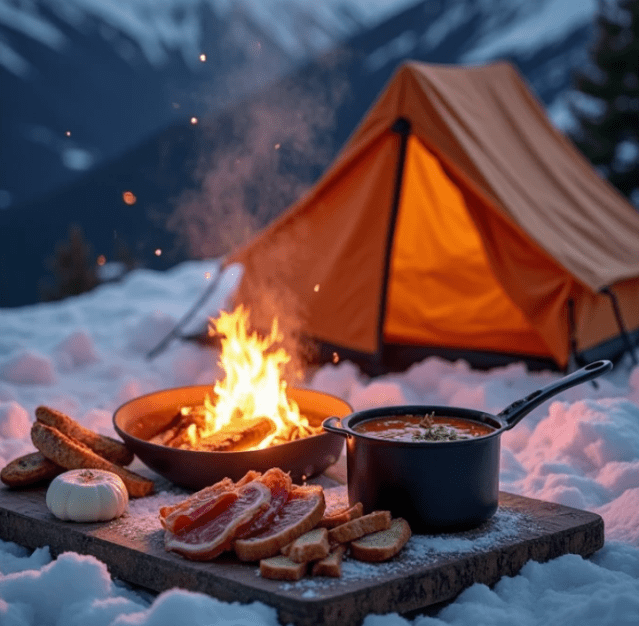
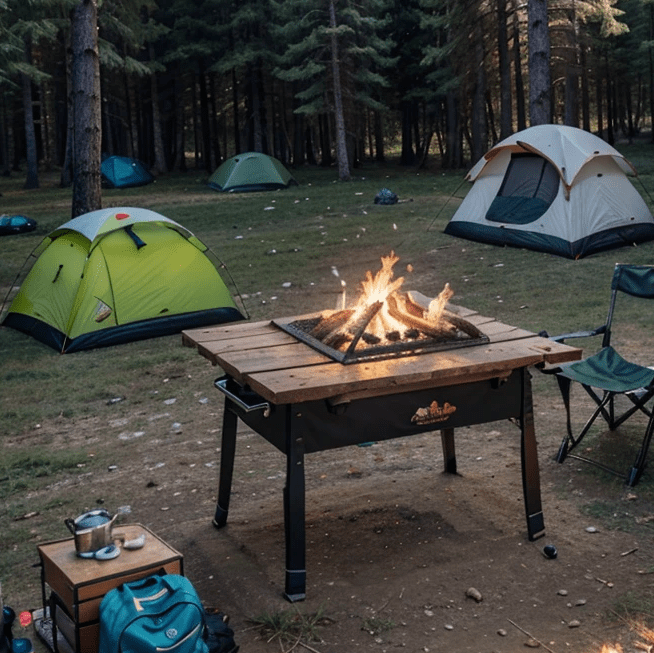
Ah yes, the favorite of ultralight backpackers and YouTube survival “influencers” who pretend they know cold, hunger, and terror. The tent is the bug-out choice for those who prefer mobility—but it’s also the choice for those who are comfortable sleeping inside a nylon bag while the entire forest listens to them breathe.

But here’s why tents do matter despite their fragility:

The Pros:

  • You can move fast. Mobility is survival when the masses are fleeing like sheep without GPS.
  • No fuel requirement. Unlike trailers or RVs, you don’t become dependent on gas—something most people won’t plan for until they’re siphoning fuel in the middle of the night.
  • Cheap enough that even beginners can buy a real one. And yes, beginners will still manage to buy the wrong one, but at least they have a shot.

The Cons:

  • Zero protection. Rainfly or not, if the weather wants to punish you, it will. If wildlife wants to investigate your midnight snack, it will. If humans want your supplies, you’re done.
  • Terrible insulation. You’re a warm, edible burrito to the world.
  • Setup requires calm hands—something you won’t have on Day 3 of societal collapse.

Let’s put it simply: tents are fast, but fragile. Good for escaping the chaos, but dangerous for surviving it long-term. If your bug-out strategy relies solely on a tent, then congratulations—you’re planning for mobility, not protection.


Option 2: The Trailer — Sturdier, Heavier, and a Beacon for Desperate People
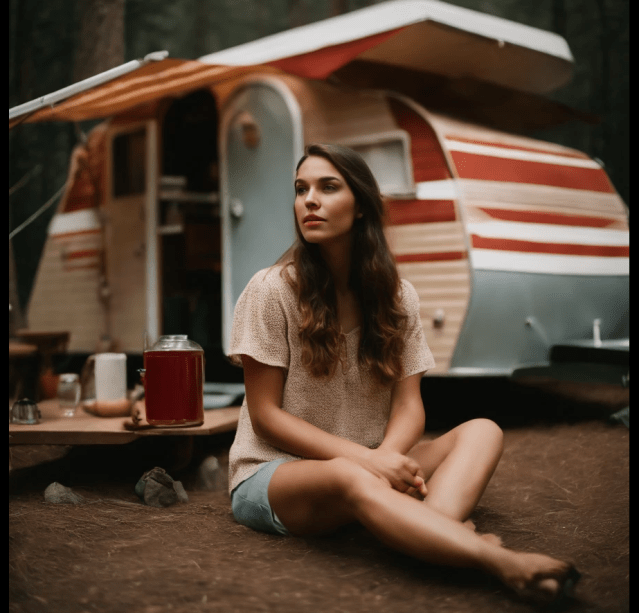
A trailer might seem like the balanced choice. It offers shelter, mobility, and storage. A place to sleep without waking up soaked from condensation or frost. A place where your food isn’t stored inches from your pillow. A place that doesn’t flap like a dying bird every time the wind blows.

But don’t fool yourself: trailers come with their own demons.

The Pros:

  • Protection from the elements. Real walls do wonders during storms, even if they’re thin aluminum.
  • More storage space. Your supplies can actually be organized instead of bursting out of a backpack like a sad garage-sale explosion.
  • You look less desperate. And in survival terms, “less desperate” often means “less likely to be targeted.”

The Cons:

  • You’re married to your vehicle. No truck, no mobility. Lose the key? You’re a stationary buffet for anyone who stumbles upon you.
  • Fuel dependency. And no—storing 20 gas cans “just in case” doesn’t magically fix this issue.
  • Visibility. Trailers scream: “I have supplies!” to anyone passing by.

Worse, navigating rough terrain with a trailer means you’ll be stuck on roads longer than someone with a tent. And roads will be where chaos lives.

Trailers are great—until you can’t move them. Then they’re nothing but a tiny metal coffin with cabinets.


Option 3: Other Options — The Fantasy Land of Improvised Survival

Some preppers swear by alternative bug-out shelters: hammocks, rooftop tents, converted school buses, vans, DIY off-grid carts, or even old hunting blinds. Innovation is great—right up until reality slaps you in the face.

The Pros:

  • Niche advantages. Hammocks are phenomenal in humid areas. Vans provide stealth. Rooftop tents keep you away from ground predators.
  • Customizability. You can tailor these setups exactly to your environment.

The Cons:

  • Specialized means limited. A hammock is useless in the desert. A rooftop tent is a liability in high winds. A van becomes your prison if people block the exit.
  • High learning curve. Most people don’t know how to use these systems correctly even in perfect conditions—much less during apocalypse-lite.
  • Maintenance. The more moving parts, the more chances something fails when you need it most.

In short, alternative shelters can be brilliant for specific environments—but they demand actual skill, discipline, and scenario planning. And let’s be real: most people won’t do any of that.


So Which Bug-Out Shelter Should You Choose?
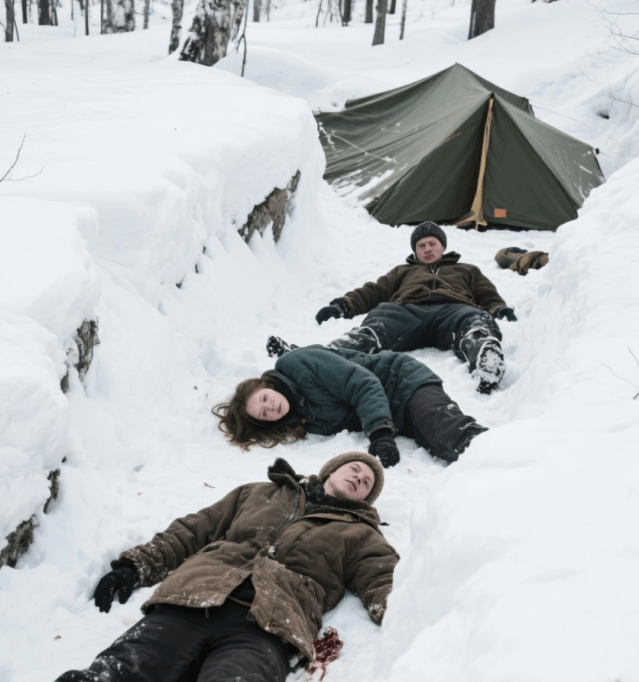
The answer is as grim as you expect:

None of Them Are Perfect.

Because you don’t get perfection in collapse scenarios. You get trade-offs. You get compromises. You get options that are all flawed, and you choose the flaw you’re most prepared to survive.

Here’s the mindset you actually need:

  • If you expect chaos early: choose mobility. Tents win.
  • If you expect long-term off-grid living: choose protection. Trailers win.
  • If you know your terrain better than most people know their own families: choose alternatives. Specialized gear wins.

But the real truth—the one nobody likes to say out loud—is this:

Your shelter choice doesn’t save you. Your preparedness, discipline, skills, and planning save you. The shelter is just the tool.

And if society collapses tomorrow, the masses will flood the highways, destroy the forests, raid anyone with visible gear, and burn through resources like toddlers with matches. And you’ll be out there, choosing between nylon, aluminum, and creative madness.
Survivalist’s Guide: Top 25 Kentucky Campgrounds for Preppers

Survivalist’s Guide: Top 30 Prepper-Friendly Campsites in Kentucky

As a prepper in Kentucky, finding campsites that offer more than just a place to pitch a tent is crucial. You need locations that provide seclusion, access to water sources, diverse terrain for training, and proximity to natural resources. Kentucky, with its rolling hills, dense forests, and numerous waterways, offers a plethora of such sites. Here’s a curated list of 25 campsites across the state that cater to survivalists and outdoor enthusiasts alike.

1. Cumberland Falls State Resort Park (Corbin)
Known as the “Niagara of the South,” this park offers rugged terrain, the Cumberland River, and a chance to witness the rare moonbow. The Dyrt+3The Dyrt+3Survival Life+3

2. Red River Gorge (Slade)
A haven for rock climbers and hikers, this area provides natural shelters and abundant resources.

3. Daniel Boone National Forest
With over 700 miles of trails, this forest offers diverse ecosystems and numerous water sources. Toxigon

4. Land Between the Lakes (Golden Pond)
Spanning 170,000 acres, this area offers dense forests and multiple campgrounds suitable for preppers.

5. Cumberland Gap National Historical Park
Provides access to the Appalachian backcountry with over 85 miles of trails. Step Outside

6. Zilpo Campground (Salt Lick)
Located on Cave Run Lake, this site offers water access and scenic views. Kentucky Tourism+1The Dyrt+1

7. Natural Bridge State Resort Park (Slade)
Features sandstone arches and a 60-acre lake, ideal for water-based survival training. Beyond The Tent+1Southern Living+1

8. Lake Cumberland State Resort Park (Jamestown)
Offers extensive water access and a marina for boating practice. Toxigon

9. Dale Hollow State Park (Burkesville)
Provides equestrian camping and access to hiking trails. Beyond The Tent+1Wilderness Camp Life+1

10. Nolin Lake State Park (Bee Spring)
Features primitive sites and proximity to Mammoth Cave for spelunking activities. Kentucky Tourism

11. Taylorsville Lake State Park (Taylorsville)
Offers multi-use trails and water access for various survival training exercises.

12. Fort Boonesborough State Park (Richmond)
A historical site with reconstructed fort and access to the Kentucky River. Beyond The Tent

13. Levi Jackson Wilderness Road State Park (London)
Features 8.5 miles of hiking trails and a community pool for relaxation. Wikipedia+1Wilderness Camp Life+1

14. Holly Bay Campground (Laurel River Lake)
Located in Daniel Boone National Forest, offering water access and scenic views. Kentucky Tourism

15. Big Bone Lick State Park (Union)
Known for its prehistoric history and bison herd, providing unique training opportunities. The Dyrt

16. Grayson Lake State Park (Olive Hill)
Features a 1512-acre reservoir and hiking trails for diverse training scenarios. Beyond The Tent

17. John James Audubon State Park (Henderson)
Offers a museum and wetlands boardwalk, ideal for stealth and observation training. Southern Living

18. Waitsboro Recreation Area (Somerset)
Located on Lake Cumberland, providing fishing and boating opportunities. Survival Life

19. Walnut Creek Marina (Scottsville)
Offers jet ski rentals and boat ramp on Barren River Lake for water-based survival skills. Survival Life+1Beyond The Tent+1

20. Koomer Ridge Campground (Pine Ridge)
Situated in the Red River Gorge, offering access to hiking trails and natural shelters. EcoFlow US Blog

21. Mammoth Cave Campground (Mammoth Cave National Park)
Provides access to the world’s longest cave system for spelunking activities.

22. Lake Malone State Park (Dunnville)
Features a 778-acre lake and hiking trails for diverse training scenarios.

23. Taylorsville Lake State Park (Taylorsville)
Offers multi-use trails and water access for various survival training exercises.

24. Columbus-Belmont State Park (Columbus)
A historical site with Civil War earthworks and access to the Mississippi River. Beyond The Tent

25. Carter Caves State Resort Park (Olive Hill)
Features cave tours and hiking trails for diverse training scenarios.

Conclusion: Prepare, Practice, Survive — Kentucky Style

Living off the land, training for the unknown, and being ready for anything is more than a mindset — it’s a way of life for us Kentucky preppers. Whether you’re practicing your bug-out plan, testing your shelter-building skills, purifying river water, or simply reconnecting with the land, the Bluegrass State offers you some of the best survival playgrounds in the country. These 30 camping spots aren’t just for weekend warriors — they’re practical, rugged, and perfectly suited for both training and long-term contingency planning.

So pack your gear, load your truck, and make sure your compass is true — because out here in Kentucky, we don’t just camp… we prepare. And when the grid goes dark, you’ll already know the land, the trails, and the wild that could one day keep you alive. From the hollers of Appalachia to the flatlands near the Mississippi, there’s a place out here for every kind of prepper.

CLICK HERE TO LEARN HOW TO SURVIVE A FAMINE

Be smart. Be ready. And never forget — it’s not paranoia if it keeps you alive.

Escape to Nebraska: The Best Campsites for Survival Training

The Best Campsites for Nebraska Survival Preppers

If you’re a survival prepper living in Nebraska, you know how essential it is to be prepared for anything the world might throw your way. Whether you’re dealing with extreme weather, a long-term emergency, or just want to hone your skills and reconnect with the land, Nebraska offers some of the best camping sites in the country for preppers like you. From the rugged Sandhills to the Missouri River bluffs, these spots provide the ideal environment to test your gear, practice your survival skills, and truly immerse yourself in nature.

As preppers, we value our independence, self-reliance, and the ability to adapt to the ever-changing environment around us. Nebraska’s natural landscapes give us the space to do all of that, while also offering the perfect terrain for camping and survival training. So whether you’re preparing for an emergency, just looking to escape into the wild, or need to test out some of your gear, Nebraska’s diverse campsites are waiting for you.


1. Fort Robinson State Park – Crawford, NE

Fort Robinson is a prepper’s dream. Located in the northwest corner of the state, this park offers a combination of rugged terrain and expansive landscapes, ideal for testing your survival skills. The park has several campsites, including backcountry options, giving you the opportunity to test out your wilderness gear. Don’t forget to practice your shelter-building skills near the wild canyons and thick pine forests.

2. Pine Ridge Ranger District – Chadron, NE

Located near the Black Hills, Pine Ridge is known for its dense forests, rough terrain, and secluded areas perfect for prepping. Here, you can practice shelter construction, trapping, and wilderness navigation while being completely immersed in nature. The remote nature of this area offers a fantastic chance to hone your skills away from prying eyes.

CLICK HERE TO LEARN HOW TO SURVIVE A FAMINE

3. Chadron State Park – Chadron, NE

Chadron State Park is another solid choice for preppers. The park provides a variety of environments, from wooded areas to rolling hills, perfect for testing different survival scenarios. The park also has a combination of primitive and developed campsites, so you can choose between a more rugged, backcountry experience or something more comfortable.

4. Cedar Ridge Campground – Nebraska National Forest

This area is perfect for anyone who wants a mix of solitude and access to essential resources. The Nebraska National Forest is known for its mix of woodland, grasslands, and rugged terrain. Cedar Ridge offers primitive campsites that are ideal for testing your preparedness under more difficult conditions.

5. Mahoney State Park – Ashland, NE

Mahoney State Park is located in eastern Nebraska and offers a more accessible location for preppers looking for something closer to home. While it’s a bit more developed than other locations, it still offers secluded areas where you can practice skills such as navigation and fire-starting without being disturbed.

6. Louisville State Recreation Area – Louisville, NE

Louisville State Recreation Area offers a peaceful, wooded environment that’s perfect for stealth camping. This area has less foot traffic, allowing preppers to practice techniques like camouflage, building a shelter, and cooking over an open fire without drawing attention.

7. Sandy Point Campground – Branched Oak Lake

For those who prefer water-based survival scenarios, Sandy Point Campground offers a great spot for fishing, boating, and practicing water navigation skills. While it’s not entirely remote, it still provides a great opportunity to practice waterborne survival techniques, especially with the lake and surrounding forest.

8. Rock Creek Station State Historical Park – Fairbury, NE

The historical park is a fantastic spot for preppers who want to combine history with wilderness survival. The park features primitive campsites and is located in a historically significant area along the Oregon Trail. This gives you a unique chance to practice survival skills while gaining a deeper understanding of the challenges faced by pioneers.

9. Buffalo Bill Ranch State Historical Park – North Platte, NE

Located in the heart of Nebraska, Buffalo Bill Ranch offers a combination of historical exploration and wilderness skills training. The area around the park features forests, open fields, and rolling hills, giving preppers a broad range of environments to practice their survival techniques.

10. Clear Creek Campground – Lincoln, NE

For those who need a campsite closer to the city, Clear Creek Campground offers a peaceful place to set up camp and practice skills like fire-starting and cooking over a fire. The nearby creek provides opportunities for water filtration practice and learning to navigate using water sources.


30 Top Campsites for Nebraska Survival Preppers

  1. Fort Robinson State Park, Crawford
  2. Pine Ridge Ranger District, Chadron
  3. Chadron State Park, Chadron
  4. Cedar Ridge Campground, Nebraska National Forest
  5. Mahoney State Park, Ashland
  6. Louisville State Recreation Area, Louisville
  7. Sandy Point Campground, Branched Oak Lake
  8. Rock Creek Station State Historical Park, Fairbury
  9. Buffalo Bill Ranch State Historical Park, North Platte
  10. Clear Creek Campground, Lincoln
  11. Platte River State Park, Louisville
  12. Ponca State Park, Ponca
  13. Smith Falls State Park, Valentine
  14. Eugene T. Mahoney State Park, Ashland
  15. Fremont Lakes State Recreation Area, Fremont
  16. Arbor Lodge State Historical Park, Nebraska City
  17. Niobrara State Park, Niobrara
  18. Harlan County Reservoir, Republican City
  19. Calamus Reservoir Recreation Area, Burwell
  20. Lake McConaughy State Recreation Area, Ogallala
  21. Branched Oak State Recreation Area, Malcolm
  22. Swanson Reservoir, Trenton
  23. Merritt Reservoir State Recreation Area, Valentine
  24. Bessey Ranger District, Halsey
  25. South Bend Campground, South Bend
  26. Big Horn Campground, Nebraska National Forest
  27. Cherry Creek Campground, Nebraska National Forest
  28. Red Willow Reservoir, McCook
  29. Box Butte Reservoir State Recreation Area, Hemingford
  30. Enders Reservoir State Recreation Area, Imperial

In-Depth Conclusion: Homesteading in Nebraska – A Prepper’s Perspective

Homesteading in Nebraska isn’t just a lifestyle—it’s a mindset rooted in self-reliance, resilience, and an unshakable connection to the land. For survival preppers and off-grid enthusiasts, Nebraska offers a rare combination of practical benefits and raw natural beauty that make it an ideal place to put down sustainable roots. From the sweeping plains of the Sandhills to the fertile river valleys and forested western ridges, the state presents a diverse range of ecosystems perfect for building a life centered on preparedness, independence, and harmony with nature.

One of the greatest advantages of homesteading in Nebraska is its affordability. Compared to other states, the cost of land is relatively low, especially in rural areas where larger plots can still be acquired without breaking the bank. This means more space for farming, livestock, renewable energy systems, and even dedicated areas for wilderness training or bug-out drills. Nebraska’s climate—while varied—offers four true seasons, each presenting its own challenges and learning opportunities for the committed homesteader. From frigid winters that test your wood-stove and insulation setup to hot summers that push your irrigation and crop management skills, it’s a proving ground for self-sufficiency.

Water access is another critical factor, and Nebraska doesn’t disappoint. The Ogallala Aquifer, one of the largest underground water sources in the world, spans much of the state, giving rural landowners access to dependable well water for drinking, irrigation, and livestock. Rainwater collection is also feasible, and with careful management, you can achieve long-term water independence.

Agriculturally, Nebraska is rich in heritage and soil. Even modest plots can support fruit trees, vegetable gardens, and pasture animals. The state supports a strong culture of local markets and food co-ops, making it easier for homesteaders to sell or barter excess produce, eggs, honey, and homemade goods. Whether you’re raising chickens, goats, bees, or just tending heirloom crops, Nebraska provides the climate and community support to thrive.

Energy independence is also within reach. With its wide-open skies and steady wind corridors, Nebraska is well-suited for both solar and wind power systems. Many homesteaders choose to install hybrid energy systems that ensure uninterrupted off-grid power year-round. Combined with proper storage solutions and backup generators, you can build a homestead that remains operational even during grid failures or emergencies.

Community-wise, Nebraska’s rural regions are filled with like-minded individuals—hardworking, modest folks who understand the value of preparedness and helping a neighbor in need. Local fairs, farmer gatherings, and community events offer opportunities to learn traditional skills, exchange knowledge, and find a support system rooted in shared values.

That said, homesteading here isn’t without its challenges. Tornadoes in spring, harsh winters, and limited access to some services in the more remote areas require a high degree of personal resilience. But for preppers, these are not drawbacks—they’re opportunities to test your systems, refine your plans, and strengthen your independence.

If you’re a prepper considering the next step toward complete self-sufficiency, Nebraska stands out as a prime location to begin or expand your homesteading journey. With the right planning, effort, and mindset, you can create a secure, sustainable, and rewarding life here—one that isn’t just about surviving, but thriving, no matter what the world throws your way.

30 Best Survivalist-Approved Campsites in Massachusetts

The Best Campsites for Massachusetts Survival Preppers!

If you’re a prepper living in Massachusetts, the time to start thinking about your survival plan is now. You need to make sure you’re prepared for all the challenges that can come with the state’s climate and geography. From the heavy snowstorms of winter to the occasional heat wave in the summer, Massachusetts offers a unique environment where you can test your survival skills and hone your abilities.

But being a prepper isn’t just about stockpiling food or building a bunker. It’s about being self-reliant, adaptable, and resourceful. One of the best ways to practice these skills is by spending time out in the wilderness, experiencing firsthand the challenges and rewards of living off the land. That’s why we’ve compiled a list of the best campsites in Massachusetts where survival preppers like us can get back to basics and really test our mettle.

Whether you’re looking for a remote, off-grid experience or a site close enough to resupply if needed, these locations have something for everyone. So grab your gear, pack your bug-out bag, and get ready for a survival adventure like no other. Here’s the list of the top 30 campsites in Massachusetts every prepper should know about.

1. Mount Greylock State Reservation

This is the highest point in Massachusetts, with panoramic views of the Berkshires. You can hike the Appalachian Trail or set up camp at one of the many sites. The area offers plenty of challenges for anyone looking to practice their navigation and survival skills.

2. Savoy Mountain State Forest

A perfect spot for those who want to hone their skills in a less-trodden area. The dense forest provides ample shelter-building opportunities, and the nearby ponds offer fishing prospects. It’s remote, quiet, and the ideal place to practice solo survival.

3. Tolland State Forest

With over 5,000 acres of wilderness, Tolland State Forest offers a variety of terrains, including mountains, streams, and deep woods. You can really push your survival skills here, from fire-starting to foraging, and you’ll have plenty of space to spread out.

4. Cape Cod National Seashore

While you might think survival prep means escaping to the woods, the coast offers its own set of challenges. Cape Cod is perfect for practicing your coastal survival skills, like fishing, beach foraging, and understanding tide cycles.

5. Beartown State Forest

If you’re looking for a forested area to practice bushcraft skills, Beartown offers dense, undeveloped terrain. Set up camp in its remote backwoods and learn how to make do with minimal resources while staying off the grid.

6. Harold Parker State Forest

This is a great campsite for those wanting a more suburban prepper setup but still want the benefit of natural terrain. The forest has many lakes and ponds, so you’ll get to practice water filtration, fishing, and general bushcraft.

7. Mohawk Trail State Forest

Perfect for intermediate-level survivalists, Mohawk Trail offers a variety of landscapes: deep forest, streams, and rock formations. You’ll have to be self-reliant, especially since the weather can change quickly in this region.

8. Myles Standish State Forest

Located near Plymouth, this forest is ideal for practicing shelter-building, fire-starting, and survival navigation skills. It’s not overly remote, but it has a lot of natural resources, and you’ll feel disconnected from civilization.

9. Mount Washington State Forest

If you’re seeking solitude and rugged terrain, Mount Washington State Forest is the place to be. It’s an excellent location to practice long-term survival tactics like food preservation and wilderness navigation.

10. Wendell State Forest

This is a hidden gem that many prepper types overlook. It’s remote, quiet, and filled with opportunities to practice primitive skills like trapping, hunting, and fishing. It’s also an excellent location for testing out your gear in rough conditions.

11. Quabbin Reservoir

For those interested in water-based survival skills, the Quabbin Reservoir offers a large, isolated area where you can work on water purification, navigation, and survival fishing.

12. Otter River State Forest

Known for its beautiful woods and relatively low traffic, Otter River State Forest is an ideal place to test your wilderness skills. From river foraging to shelter-building, this site will push your prepper instincts to the limit.

13. Pontoosuc Lake

For those who want to practice watercraft skills, Pontoosuc Lake in the Berkshires is a great spot. While kayaking or canoeing might not seem like typical prepper training, practicing water navigation is a crucial skill.

14. Freetown-Fall River State Forest

This area is heavily wooded with multiple ponds, making it perfect for practicing fire-starting, shelter-building, and even primitive cooking techniques. The isolation offers a great opportunity for solo survival experiences.

15. Ashburnham State Forest

This forest is an excellent place to test your long-term survival skills in more challenging conditions. It’s secluded, and you’ll get to practice both low-tech survival strategies and water purification.

16. Great Brook Farm State Park

This park is ideal for learning how to manage small-scale farming and gardening in the wild, perfect for long-term sustainability. Great for practicing your food-growing skills while being close enough to resupply if needed.

17. Baxter State Park (Just Across the Border in Maine)

A bit of a drive from Massachusetts but totally worth it for serious survivalists. Baxter State Park offers wilderness survival training at a level you won’t find anywhere else.

18. Mount Tom State Reservation

Great for beginners and seasoned preppers alike. The mountain offers a variety of campsites and hiking trails that lead through wooded areas, making it perfect for practicing navigation and fire-building.

19. Leominster State Forest

This forest offers hiking trails, ponds, and thick woods where you can practice surviving with limited resources. It’s also a good place to simulate urban escape routes while still in a wilderness environment.

20. Cuttyhunk Island

One of the most remote places in Massachusetts, this island is perfect for testing your coastal survival skills. You can practice shelter-building with limited materials and fish the waters for sustenance.

21. Barre Falls Dam

This lesser-known spot is perfect for survivalists looking for peace and quiet. The area is isolated enough for solo survival practice but still has the resources you need to test different techniques.

22. D.A.R. State Forest

Named after the Daughters of the American Revolution, this forest provides great trails, freshwater, and a quiet environment perfect for solo camping and practicing all your survival basics.

23. Houghton’s Pond

Located within Blue Hills Reservation, this pond is great for testing your fishing skills and water purification. It also offers hiking trails where you can practice long-distance hiking with a full survival kit.

24. Pond in the Pines Campground

An excellent spot for those interested in low-key survival, this site offers access to water, hiking trails, and abundant wildlife to practice tracking and hunting skills.

25. Tully Lake Campground

Located in Royalston, this spot is great for preppers who want to combine water-based survival with land-based skills. It’s remote, surrounded by dense woods, and has a lot of opportunities to practice your bushcraft techniques.

26. Ski Butternut

You wouldn’t think of a ski resort as a survivalist’s dream, but the area surrounding Ski Butternut offers dense woods and various terrain types that are ideal for winter survival training.

27. Pittsfield State Forest

Perfect for long hikes and multi-day survival trips, Pittsfield State Forest is a remote and rugged location where preppers can challenge themselves to live off the land for extended periods.

28. Walden Pond State Reservation

If you want to practice your prepper skills in the same location where Thoreau lived, this is the spot for you. Walden Pond is the perfect place for quiet reflection and honing your resourcefulness.

29. Mount Everett State Reservation

With high-altitude camping and challenging terrain, this park is a great place for advanced survivalists to really push their limits. Expect cold nights, rugged trails, and beautiful scenery.

30. Cummington Fairgrounds

For a less intense camping experience, but still a great location to practice prepping skills. The site is often used for educational events related to farming, homesteading, and survival tactics.