Let me spell it out for you—if you can’t start a fire in a survival situation, you might as well dig your own damn grave and lie down in it. There is no excuse in the world for not knowing how to get a flame going when your life depends on it. Fire is not a luxury. It’s not a camping bonus. It’s life and death. And if you’re the kind of person who thinks a Bic lighter is a complete fire plan, then congratulations—you’re the first one to freeze, starve, or get eaten when the grid goes down.
So buckle up, buttercup. I’m not here to coddle. I’m here to prepare you for the real world, where Mother Nature doesn’t care about your excuses or your dead cell phone. This is the fire-starting gospel, and you’re going to memorize it like your life depends on it—because one day, it just might.
First, Understand This: Fire is Life
Fire gives you warmth, light, cooked food, safe water, and protection. It boosts morale. It keeps wild animals at bay. It disinfects. It even sends signals. Without fire, you’re basically camping with death.
So let’s talk about the four big fire-starting methods every survivalist should master—and I mean MASTER, not “tried once at Boy Scout camp.”
🔥 The Four Core Fire Starting Methods
1. Ferro Rod (Ferrocerium Rod) – The Realist’s Tool
This is the go-to for serious preppers. A ferro rod throws sparks hotter than 3,000°F and laughs in the face of wind and water. All you need is a striker (knife spine, dedicated scraper, whatever) and good tinder.
How to Use:
Scrape off some of the rod to make a fine pile.
Place tinder close.
Scrape hard and fast for sparks to ignite the pile.
If you don’t have a ferro rod in your bug out bag, your EDC kit, your vehicle, your cabin, and your nightstand—you’re doing it wrong.
2. Lighter – The Lazy Man’s Savior
Lighters are great. You press a button and boom—fire. But if it’s wet, cold, out of fuel, or cheap? You’re screwed.
Pro Tip: Carry multiple Bics, vacuum-sealed. And store a Zippo with extra flints and lighter fluid.
Lighters fail. Period. Which is why they should be backup, not primary.
3. Magnifying Glass – The Solar Way
Sunlight is free, baby. And you’d be amazed how well a cheap magnifier or Fresnel lens can work if the sun is shining.
How to Use:
Direct sunlight through the lens to a fine point.
Focus on dark, dry material—char cloth, dry leaves, even a bit of paper.
Hold it steady. Don’t blink. And pray to the sun gods.
This method is quiet, smokeless, and renewable, but only works if you have direct sun.
4. Primitive Methods – The Caveman’s Trial
If you can’t make fire with sticks, you’re not truly prepared. Period.
Two methods worth knowing:
Bow Drill: A classic. Requires coordination, patience, and good materials.
Hand Drill: Pure misery. Do it just to know you can.
Practice now while your fingers aren’t frozen off. Primitive methods are the last resort—but they can save your life.
💥 15 Fire Starting Survival Skills Every Prepper Must Know
Tinder Mastery – Know what burns fast and hot. Cotton balls + Vaseline, birch bark, fatwood, char cloth, etc.
Feather Sticking – Shaving curls into wood to make kindling more flammable.
Tinder Collection – Always be gathering. Don’t wait for crisis mode.
Waterproofing Your Fire Kit – Ziplocks, tins, vacuum seals. Fire gear MUST stay dry.
Creating Char Cloth – Burn cotton in a sealed tin to make catch-easy embers.
One-Handed Ferro Use – Practice in case you’re injured. You’ll thank me.
Lighting a Fire in the Wind – Shield the flame, build a windbreak, use dense kindling.
Fire Reflector Walls – Reflect heat back into your shelter.
Fire Pit Construction – Dig, ring with rocks, control your flame.
Fire in the Rain – Use dry inner wood, bark shavings, and a solid platform.
Using a Flint and Steel – Classic method, reliable when practiced.
Knowing Local Tinder Sources – Cattail fluff, pine needles, dry moss, etc.
Starting a Fire with Steel Wool and Battery – Touch the terminals with wool. It ignites instantly.
Maintaining Fire Through the Night – Bank coals, add dense fuel, reduce oxygen exposure.
Emergency Fire from Gunpowder – Break a round, use the powder (carefully) with a spark source.
🛠️ 3 DIY Survival Fire Starting Hacks (That Actually Work)
1. Vaseline Cotton Balls in a Straw
Stuff cotton balls soaked in Vaseline into a cut plastic straw.
Seal the ends with a lighter to make waterproof fire starters.
Lightweight, clean, and burns like a torch.
2. Crayon Fire Starter
A single crayon will burn for 5–10 minutes.
Wrap several in foil and store them in your pack.
Great for when all else fails and you need to dry wet tinder.
3. Dryer Lint & Egg Carton Bombs
Pack dryer lint into cardboard egg cups.
Pour melted wax over them.
Let them dry, then cut and store.
One of these will burn long and hot—perfect for starting stubborn fires.
Final Words (And You’d Better Listen)
If you think you’ll “figure it out when the time comes,” you’re already dead. Survival isn’t romantic. It’s not a Hollywood movie. It’s harsh, it’s cold, it’s dirty—and without fire, it’s a short ride to hypothermia and regret.
Practice now. Fail now. Learn now. Do not wait until your fingers are numb and the wolves are howling to discover that you don’t know how to make a damn flame.
Fire isn’t optional. It’s mandatory. And in a true survival scenario, it’s the line between you and death.
So get off your ass, get your gear together, and train until it’s second nature. Fire should be your servant—not your weakness.
This isn’t a game. This is life. And if you’re not serious, then you’re a liability—not a survivor.
Let me paint a scenario for you, and don’t you dare shrug it off like it’s some movie plot. You’re out in the woods. Maybe you fell into a river, maybe your gear burned up in a freak accident, maybe some psycho stripped you and left you for dead. Doesn’t matter how it happened. The point is: you’re naked, it’s freezing, and you’ve got one job—stay alive.
And I hate to break it to you, but most of you wouldn’t last more than an hour. You’d panic, cry, curl into a ball, and die like a damn amateur. Not because nature is cruel (it is), but because you never trained for rock-bottom scenarios. You thought your gear would save you. You thought “that’ll never happen to me.” Well guess what? Nature doesn’t care about your fantasies. You either adapt, or you die.
So here it is. The hard, cold truth about how to survive when you’ve got nothing. No gear, no clothes, and death breathing down your neck.
First Rule: Panic Kills
You panic, you die. Simple as that. When you start hyperventilating, wasting energy pacing, or screaming for help that’s not coming—you’re burning calories and losing heat. STOP. BREATHE. ASSESS.
Your body is a machine. The moment you’re exposed to freezing temps, it goes into triage mode. Blood rushes to your core to protect vital organs. Your fingers and toes? They’re already expendable. You need to act, not freak out.
Step 1: Get Out of the Wind
Wind is the silent killer. It steals your body heat ten times faster than still air. Find a windbreak—fast. Rock outcroppings, dense bushes, downed trees, snowdrifts—use whatever you can. Dig into the earth or snow if you have to. Create a trench or burrow like your life depends on it, because it does.
Step 2: Insulate Yourself with Nature
No clothes? Fine. Nature’s full of insulation—if you’re not too soft to use it.
Stuff your body with:
Dead leaves
Dry grass
Pine needles
Moss
Bark shavings
Pack it everywhere: under your arms, between your legs, down your back. Build layers between you and the air. You look like a swamp monster? Who cares? Ugly people survive. Dead people don’t.
Step 3: Fire Is Non-Negotiable
If you can make fire, you make fire. I don’t care if it takes an hour. I don’t care if your hands are bleeding. Fire is warmth. Fire is life.
No tools? Then you’d better have the mental grit to make a bow drill or hand drill. Use dry wood only. Dead standing wood—not fallen, not wet.
DIY Survival Hack #1: Bark Tinder
Strip birch bark or cedar bark into fine fibers and crumple it up. It lights even when damp and burns hot.
Step 4: Shelter—Your First Home is Your Body
You can’t build a mansion out there, but you can make a microclimate.
Dig a pit shelter, about 2–3 feet deep.
Line the bottom with leaves or pine needles.
Build a roof with branches and more debris.
If you’ve got snow, use it—snow insulates, moron.
Trap your body heat. Sleep curled up in the fetal position. Don’t sprawl out like you’re on a damn beach.
Step 5: Move, But Not Too Much
You need to generate heat, but not burn calories recklessly. Marching around naked in sub-zero temps? That’s suicide.
Do short bursts of exercise: jumping jacks, squats, or arm circles.
Keep blood flowing to your extremities.
But don’t sweat—sweat is death in the cold. Once you’re wet, you’re done.
Water purification – Snow isn’t clean; boil or filter it, or risk parasites.
Snow melting without fire – Use body heat or dark containers to melt it slowly.
Cold weather first aid – Treat frostbite and trench foot without a kit.
Tracking wildlife – You may need to hunt or trap. Know the prints and patterns.
Primitive snares – Use vines, shoelaces (if you’ve got ‘em), or bark strips.
Navigating in snow – Landmarks vanish; learn sun and shadow tricks.
Improvised footwear – Bark, grass, or thick moss tied with vines—protect your feet!
Stone blade crafting – Shatter rocks to make usable edges.
Snow cave construction – Done right, a snow cave keeps you at 32°F even if it’s -10°F outside.
Mental survival conditioning – Training yourself to push through panic, pain, and despair.
Signal making in snow – Contrasts with debris, fire smoke, or body tracks.
DIY Survival Hack #1: Body Heat Battery
If you’re freezing and alone, dig a depression in the snow and line it with dry material. Curl up, pee if you have to, and trap your own heat. Human urine, gross as it sounds, is warm and sterile and can raise core temp briefly. You’re not too good for it. Use everything.
DIY Survival Hack #2: Makeshift Mittens and Socks
No gloves? Wrap your hands and feet in multiple layers of natural debris, then cover that with bark or strips of flexible wood. Bind with vines or twisted grasses. It’s not pretty—but it buys you time.
Eat or Die Trying
Calories = heat. You need fat and protein, period. Look for:
Grubs under logs (yes, eat the damn bug)
Squirrels, rabbits (trap ‘em or club ‘em)
Edible bark (inner bark of pine and birch is chewable)
Fish (use sharpened sticks as spears)
If you’re too squeamish to eat a raw grub, you don’t deserve to survive. Sorry, but that’s the truth.
Final Word: This Ain’t Hollywood
You’re not Bear Grylls, and no one’s coming with a helicopter. When you’re naked in the cold, it’s just you, your wits, and your will to live.
Most people would rather die than crawl through mud, eat bugs, or sleep in a pile of leaves. They want dignity. Guess what? Dignity is for funerals. Out here, you either fight for every shivering second, or you freeze to death while whispering regrets.
So memorize this: You are not fragile. You are not helpless. You are not dead—until you give up.
You want to survive the cold with nothing? Then start acting like someone who deserves to survive.
And don’t wait for disaster to find you. Go out, strip down, and test yourself. Train. Prepare. Because the next time you’re naked in the cold, there won’t be a second chance.
You either make it out… or you become one more frozen idiot people tell stories about.
As a survival prepper living in the rugged desert landscapes of Arizona, it’s crucial to know where you can establish a stronghold when the SHTF (stuff hits the fan). Arizona’s diverse topography, with everything from dense forests to dry, harsh deserts, offers a variety of terrain that can test your survival skills and provide the solitude you need to thrive. Whether you’re stockpiling resources, practicing wilderness survival skills, or preparing for an emergency situation, the right campsite can make all the difference.
In this article, I’ll cover 30 of the best campsites in Arizona that cater to preppers, outdoor enthusiasts, and those who simply need to disconnect and practice self-sufficiency. These locations will give you access to water sources, strategic locations for shelter, and the type of solitude needed to hone your survival skills.
1. Tonto National Forest
Located in central Arizona, Tonto National Forest is a prepper’s dream. With over 2.9 million acres of desert and mountain terrain, you can find areas that are remote enough for long-term camping. The high desert provides ample opportunities to practice fire-starting, foraging, and shelter-building. The forest’s proximity to major water sources, such as the Salt River, makes it an ideal spot for setting up camp.
2. Mogollon Rim
The Mogollon Rim, stretching over 200 miles through the state’s northern region, is a prime spot for those who enjoy a mix of elevation and isolation. The Rim offers pine forests, alpine lakes, and cooler temperatures, which can be vital for extended survival situations. Camping in this area also offers access to dense woods that are perfect for camouflage and finding food sources.
3. Coconino National Forest
This forest, located near Flagstaff, is known for its towering pine trees and volcanic rock formations. It’s perfect for preppers seeking both shelter-building opportunities and forage. There are also several remote camping sites in Coconino, where water sources like Oak Creek can be found. It’s a haven for anyone looking to escape the desert heat.
4. Grand Canyon National Park
While it may be one of the most iconic locations in Arizona, the Grand Canyon also serves as a great prepper destination. Its vastness offers plenty of remote and isolated campsites, and the rugged terrain makes it perfect for honing your survival skills. Just remember, water is scarce in the Canyon itself, so bring your own or plan your routes to fetch it from reliable sources. The Colorado River runs along the park’s edge, providing a significant water source.
5. Saguaro National Park
If you’re a desert survivalist, Saguaro National Park offers the ultimate opportunity to practice desert navigation, shelter-building, and bushcraft. The park, located in southern Arizona, is home to the famous saguaro cacti and offers a unique blend of desert and mountain environments. Prepare for hot temperatures and minimal shade, so bring plenty of water and practice desert survival skills.
6. Lake Pleasant Regional Park
This 1,400-acre park near Phoenix is a great location for preppers who need to stay near civilization but still want a remote area to practice their skills. Lake Pleasant offers fishing, boating, and access to water, which makes it a reliable spot for long-term survivalists who want to keep a low profile while staying prepared.
7. Apache-Sitgreaves National Forest
This massive forest, located in northeastern Arizona, is the perfect place for any prepper looking to test their skills in both a forest and a high-desert environment. The dense woodlands provide ample shelter-building materials, and the many lakes in the area can supply water. This forest is more remote and less crowded, providing an opportunity for extended stays in a secluded environment.
8. Sedona Campgrounds
Sedona is known for its breathtaking views and spiritual vibe, but it’s also a fantastic location for preppers who want to learn wilderness survival in a beautiful setting. The area has multiple campsites with access to water sources, especially Oak Creek, and the surrounding red rock formations make it an excellent environment for shelter-building and stealth camping.
9. White Mountains
The White Mountains are ideal for preppers looking for high-altitude survival training. The area is remote, with thick forests and cold temperatures, which can serve as an ideal location to practice cold-weather survival. The forests offer cover for stealth camping, and the nearby lakes and streams provide an essential water source.
10. Kofa National Wildlife Refuge
Located in southwestern Arizona, Kofa is a vast wilderness area offering isolation and rugged terrain. The landscape is harsh, with temperatures rising well above 100°F in the summer months, making it the perfect place to practice extreme desert survival tactics. This area is remote, so make sure you have enough water and food stored up.
11. Catalina State Park
Situated at the base of the Santa Catalina Mountains, this park offers some of the best desert and mountain camping in the state. The area provides opportunities to practice desert survival while also allowing you to explore forests, streams, and canyons. Catalina State Park is ideal for preppers who want to mix desert survival with cooler mountain climates.
12. Sycamore Canyon Wilderness
The Sycamore Canyon Wilderness area offers rugged terrain with little human activity. This remote location provides an excellent opportunity for preppers to practice navigation, shelter-building, and resource management. The area also contains several creeks and springs that will provide vital water sources for survivalists.
13. Petrified Forest National Park
The Petrified Forest National Park, located in northeastern Arizona, offers a unique camping experience. The desert terrain and fascinating geological formations make it an excellent place to practice survival tactics in an arid environment. The park’s remoteness and lack of resources make it a great test of your self-sufficiency skills.
14. Tombstone Mountains Wilderness Area
For the hardcore prepper looking to experience Arizona’s untamed wilds, the Tombstone Mountains Wilderness area is perfect. Remote and rugged, this area offers an opportunity to live off the land and test your wilderness survival skills in the desert’s harsh conditions. It’s a place where few venture, making it a prime location for low-profile camping.
15. Lake Havasu State Park
Located along the Colorado River, Lake Havasu State Park offers preppers access to water, along with a relatively remote location to practice camping and survival techniques. The area is less crowded than many other state parks, which provides more solitude and opportunities for honing your skills.
16. Alpine Campground
Located in the White Mountains, Alpine Campground is a great spot for preppers who want to experience a higher altitude, forested environment. The area provides cool temperatures, wildlife, and water sources from nearby streams. It’s perfect for testing your cold-weather survival tactics and building shelters.
17. Baboquivari Peak Wilderness
This area offers steep mountain terrain and desert environments for an advanced survivalist who wants to test their physical endurance and tactical camping skills. The isolation here is intense, and access to water is limited, so it’s important to come fully prepared.
18. Bonita Creek Campground
Located in the southeastern part of the state, Bonita Creek offers quiet camping in a lush area of the Chiricahua Mountains. With nearby creek access, the area offers a perfect spot for practicing water purification and basic survival techniques.
19. Grand Canyon Caverns
For those who want to practice survival with a unique twist, the Grand Canyon Caverns provide a remote environment with underground camping options. It’s a great place to test your skills in an environment that is starkly different from the usual outdoor terrain.
20. Madera Canyon
Located in the Santa Rita Mountains, Madera Canyon offers diverse wildlife, cool mountain air, and a variety of hiking and camping opportunities. It’s a fantastic spot for preppers who want to practice their wilderness survival skills while enjoying cooler temperatures compared to Arizona’s desert landscapes.
The Best Campsites for Connecticut Survival Preppers
Living in Connecticut as a survival prepper means being constantly ready to face any emergency or natural disaster. Whether you’re planning for winter storms, hurricanes, or flooding, knowing how to live off the land, stay self-sufficient, and get familiar with the terrain can be lifesaving. And for that, nothing beats getting out into the wild to practice your survival skills.
Luckily, Connecticut offers a wealth of camping options that allow preppers to get hands-on with their emergency training. From dense forests to peaceful lakesides, here are the 30 best campsites in Connecticut that every prepper should know about. These locations give you the opportunity to practice skills such as fire starting, shelter building, foraging, and even testing out your bug-out gear.
1. Hammonasset Beach State Park (Madison) A gem along the Connecticut shoreline, Hammonasset is perfect for preppers who want to practice coastal survival techniques. Whether you’re interested in saltwater fishing or testing out your ability to secure freshwater, this spot has it all.
2. Sleeping Giant State Park (Hamden) For those who love to hike and want to test their endurance in rocky, hilly terrain, Sleeping Giant is an ideal choice. The park offers multiple trails and plenty of wilderness for learning navigation and survival techniques.
3. Peoples State Forest (Barkhamsted) This forest offers over 1,000 acres of wooded trails, perfect for solo camping and practicing survival skills. Its seclusion also makes it a fantastic place for stealth camping drills and bug-out practice.
4. Black Rock State Park (Watertown) With its beautiful 437-acre grounds, Black Rock offers plenty of wooded areas for camping. The park’s elevation and rugged landscape make it an excellent location for testing shelter building and survival gear.
5. Kettletown State Park (Southbury) Located near the Housatonic River, Kettletown is known for its hiking trails and quiet campsites. This park is great for practicing survival tactics near water, whether it’s purifying the river water or testing your fishing skills.
6. Rocky Neck State Park (East Lyme) Another coastal park, Rocky Neck provides ample opportunities for beach camping and testing out your wilderness survival techniques along the shoreline. If you’re prepping for coastal flooding, this spot offers valuable experience.
7. Meshomasic State Forest (East Hampton) Located deep in the woods, Meshomasic offers a true backcountry camping experience. The forest’s isolation makes it ideal for long-term survival practice, including learning to build shelter from natural materials.
8. Devils Hopyard State Park (East Haddam) For preppers who want a more rugged experience, Devils Hopyard is ideal. The park is home to waterfalls, deep woods, and varied terrain, giving you the chance to practice orienteering and building emergency shelters.
9. Stratton Brook State Park (Simsbury) If you’re looking for a peaceful, low-traffic campsite to hone your survival skills without the distractions of crowds, Stratton Brook is a solid choice. It’s a great spot for practicing fire-starting and small-scale wilderness cooking.
10. Bluff Point State Park (Groton) Bluff Point offers both woodland and coastal camping, providing an opportunity to practice multiple survival strategies in one place. Whether you need to find fresh water or figure out how to navigate along a coastline, this park has it all.
11. Lake Waramaug State Park (Kent) This peaceful, quiet park features a large freshwater lake, making it a prime spot for fishing and water purification practice. It’s also a great place to practice setting up camp and cooking over a campfire.
12. Camp Columbia State Park (Columbia) Camp Columbia offers remote wooded areas that are perfect for more extended survival practice. The park is great for learning about shelter construction, fire building, and other off-grid skills.
13. Appalachian Trail (various locations) The Appalachian Trail runs through Connecticut, and if you want a serious survival challenge, the section through this state offers plenty of tough, rugged terrain to practice your skills. You can camp at various trailheads, working on things like navigation, water sourcing, and foraging.
14. Bigelow Hollow State Park (Union) Located near the quiet town of Union, Bigelow Hollow offers secluded camping experiences, making it perfect for a survival prepper’s retreat. This area is known for its dense forests, quiet atmosphere, and abundant wildlife.
15. Silver Sands State Park (Milford) Silver Sands is perfect for preppers who want to practice both coastal and wilderness survival. You’ll find tidal flats for learning about marine survival, along with quiet woods for honing your basic outdoor skills.
16. Shenipsit State Forest (Tolland) Shenipsit is one of the largest state forests in Connecticut, and it’s a great place for campers who want to get away from the crowds and really immerse themselves in nature. Perfect for extended wilderness survival trips.
17. Saugatuck Reservoir (Weston) The Saugatuck Reservoir offers camping along the water, which is perfect for practicing fishing, water purification, and survival swimming techniques.
18. Connecticut Audubon Society Centers (various locations) The Connecticut Audubon Society has several centers, such as the Greenwich Audubon Center, that provide great opportunities for preppers who are interested in learning about local ecosystems, wildlife, and foraging.
19. Fort Trumbull State Park (New London) For a mix of historical interest and practical survival skills, Fort Trumbull is a great site. You can practice shelter building and fire-starting while also enjoying the area’s rich history.
20. Housatonic Meadows State Park (Sharon) If you’re looking to work on river survival skills, Housatonic Meadows is an ideal campsite. Learn water purification techniques and try your hand at fishing for your meals.
21. Goodwin State Forest (East Hampton) This park provides over 800 acres of forest, perfect for backwoods camping. It’s a place where you can test your long-term survival gear and practice fire-starting skills, navigation, and trapping.
22. State Forests in Litchfield County Litchfield County has a number of lesser-known state forests that are perfect for preppers looking to get off the beaten path. These forests are excellent for stealth camping, scouting, and wildlife tracking.
23. Natchaug State Forest (Eastford) Located in the northeastern part of the state, Natchaug is a vast wilderness perfect for practicing navigation and stealth camping. The park is dense with trees, making it ideal for learning how to build temporary shelters.
24. Town Forest (Lyme) The Lyme Town Forest offers a quiet, peaceful place for preppers to test out their outdoor survival skills. This is a great spot for light camping or even just day trips to practice wilderness skills.
25. Pine Acres Campground (East Killingly) Pine Acres provides more developed camping sites but still allows preppers to practice essential survival skills, especially if you want to test your ability to live off the grid in a slightly more controlled environment.
26. Wells State Park (Sturbridge) Though technically just outside of Connecticut, Wells State Park is a perfect location for anyone prepping for an extended wilderness adventure. The park offers multiple camping sites and backcountry areas to test your long-term survival strategies.
27. Lake McDonough Recreation Area (New Hartford) This park offers pristine lakeside camping perfect for preppers who want to practice water purification, fishing, and shelter-building in a semi-wilderness environment.
28. Candlewood Lake (Danbury) Candlewood Lake offers fantastic opportunities for camping and practicing water-based survival skills, including fishing and water purification. It’s also an excellent place for learning navigation techniques.
29. Clinton Crossing State Forest (Clinton) This small, quiet forest offers perfect seclusion for prepper camping. It’s not as well-known as other parks, so it’s ideal for solo campers looking to work on their skills in isolation.
30. Mount Tom State Park (Litchfield) If you’re up for a challenge, the steep trails and elevation changes of Mount Tom provide an excellent test for your endurance and hiking skills. This park is perfect for practicing navigation, long-distance hiking, and building shelters in varied terrain.
30 Virginia Campsites That Will Help You Hone Your Survival Skills
Living in Virginia as a survival prepper offers a unique set of challenges and opportunities. This state, with its diverse terrain ranging from the Appalachian Mountains to the Atlantic coastline, provides countless opportunities for prepping, camping, and honing survival skills. Whether you’re looking to escape the chaos of everyday life or prepare for uncertain times, Virginia has a wealth of camping sites that cater to those with a survival mindset. From deep forested areas to remote mountain ridges, these sites offer the perfect blend of wilderness immersion and security.
As a survival prepper, you’re likely already familiar with the importance of selecting campsites that not only provide a break from the modern world but also allow you to practice and refine critical survival skills. In Virginia, the options are endless. These campsites allow you to build your survival kit, test your shelter-building techniques, practice fire-starting, or simply connect with nature to hone your instincts. Each site presents a new opportunity to grow your prepping knowledge, and many of them are secluded enough to ensure that you’re practicing true wilderness survival techniques.
1. Grayson Highlands State Park
Located in the southwestern corner of Virginia, Grayson Highlands is famous for its rugged beauty and wild ponies. As a prepper, you can practice long-range navigation, fire-building, and shelter construction here. The park has several hiking trails that challenge your endurance and survival tactics, especially with the unpredictable weather and varied terrain. With over 4,500 acres of natural beauty, it’s an ideal spot for wilderness survival training.
2. Shenandoah National Park
Shenandoah National Park, located just two hours from Washington, D.C., offers over 200,000 acres of pristine wilderness. This park has numerous trails that vary in difficulty, making it a perfect place for survivalists to practice different skills. The Appalachian Trail runs through this park, allowing you to experience long-distance hiking and camping in one of the most rugged, remote parts of Virginia.
3. James River State Park
For those who love water-based survival skills, James River State Park is a great option. The park is located along the James River and provides various camping experiences, from backcountry camping to more accessible spots. It’s a fantastic site for practicing water purification techniques, fishing, and learning how to use the river for navigation.
4. Douthat State Park
Douthat State Park is located in the Allegheny Mountains and features over 4,500 acres of wilderness. The park’s terrain is a mix of thick forests and rugged hills, perfect for testing your survival techniques. Douthat is known for its peacefulness and isolation, making it a great spot for long-duration survival camping.
5. Mount Rogers National Recreation Area
Another gem in southwestern Virginia, Mount Rogers National Recreation Area, offers both alpine terrain and deep forests for survivalists to test their skills. It’s known for its remoteness and challenging hiking conditions. This area offers a great chance for testing your endurance while practicing wilderness navigation and shelter building.
6. George Washington and Jefferson National Forests
These vast forests in Virginia are ideal for those who want to get deep into the wilderness. The terrain includes a variety of ecosystems and challenges that will push you to hone your survival skills, from fire-starting to navigation. With thousands of miles of trails, you can easily find a secluded campsite that fits your prepper needs.
7. Gravel Hill Campground
Located in the George Washington National Forest, Gravel Hill Campground offers a more basic, no-frills camping experience. It’s perfect for preppers who want to truly disconnect and practice survival skills without the distractions of modern amenities. The campground is remote, which makes it ideal for testing your ability to be self-sufficient.
8. New River Trail State Park
This park is an excellent spot for preppers looking to practice water-based skills such as fishing and purification. The New River offers both a relaxing environment and the opportunity to learn more about using natural water sources for survival. The trails here are relatively easy, making it a good choice for beginner preppers.
9. Pocahontas State Park
Pocahontas State Park offers a large, diverse area for camping, hiking, and survival practice. The park features both primitive campsites and more modern amenities, but its more isolated areas provide an ideal environment for prepping. The park’s forested environment makes it great for learning to live off the land.
10. Fairy Stone State Park
Fairy Stone State Park is named for the rare “fairy stones” found within its boundaries. The park offers a variety of landscapes, from the quiet shores of Stuart Lake to the rugged foothills of the Blue Ridge Mountains. Preppers will find plenty of opportunity here for practicing wilderness survival techniques, from shelter building to foraging.
11. Back Bay National Wildlife Refuge
Back Bay National Wildlife Refuge is located along the Virginia Beach coastline. It offers a unique setting for preppers who want to practice survival techniques in coastal environments. The park is home to a variety of wildlife and is known for its isolation. It’s an ideal spot for practicing beach camping and water purification using saline sources.
12. Sparrow Hill Campground
Located in the Jefferson National Forest, Sparrow Hill is perfect for those who prefer a more rugged and remote camping experience. It’s isolated, ensuring you’ll be able to practice real survival scenarios like making do with minimal resources and living off the land.
13. Lake Anna State Park
For survival preppers who enjoy the mix of forest and water, Lake Anna State Park offers an excellent environment. You can practice building shelters near the water’s edge, fishing, and purifying water for drinking. The park’s secluded areas offer privacy and a great space for honing wilderness skills.
14. Luray Caverns Campground
For a unique survival challenge, consider camping at Luray Caverns Campground. The nearby caverns offer a completely different dimension to wilderness survival, with opportunities to practice navigating caves and using underground environments to your advantage.
15. Skyline Drive
Skyline Drive runs through Shenandoah National Park and offers access to some of the best wilderness areas in Virginia. It’s a prime location for survival preppers to practice long-term camping, test gear, and even engage in wild food foraging. The high-altitude areas provide additional challenges, especially during the colder months.
16. Lake Moomaw
Located in the Allegheny Highlands, Lake Moomaw is perfect for water-based prepping. With its tranquil setting, you can practice fishing, water purification, and shelter-building by the water. The area is surrounded by dense forests, which offer additional survival practice opportunities.
17. Big Survey Campground
A secluded spot within the George Washington National Forest, Big Survey Campground offers a perfect environment for wilderness survival training. With limited facilities and plenty of natural resources, this campground lets you practice being entirely self-sufficient. The surrounding forest provides ample opportunities for fire-building, shelter-making, and other key survival skills.
Additional Virginia Campsites for Preppers:
Mason Neck State Park
Natural Bridge State Park
Claytor Lake State Park
Kiptopeke State Park
Belle Isle State Park
Appalachian Trail Campgrounds
Cedar Creek Battlefield Park
Blandford Cemetery
Wilderness Road State Park
Chippokes Plantation State Park
Piney River Campground
Milboro Springs Campground
Meadows of Dan
Jordan’s Point Park
Montpelier Estate
Blue Ridge Parkway Campgrounds
Hickory Hill Campground
Roaring Run Natural Area
Harrisonburg City Parks
Cave Mountain Lake Campground
Conclusion: Virginia’s Campsites – A Preppers’ Ultimate Survival Playground
Virginia offers an impressive array of landscapes, diverse terrains, and rich wilderness areas that make it a perfect destination for survival preppers. From the wild, windswept ridges of the Appalachian Mountains to the tranquil shores of the Chesapeake Bay, the state’s vast forests, rivers, and highlands provide the ideal backdrop for honing essential survival skills. Whether you’re looking to practice shelter-building techniques, develop fire-starting proficiency, or test your ability to navigate remote trails, Virginia’s campsites deliver a variety of opportunities to strengthen your preparedness.
For a prepper, choosing the right campsite is about more than just getting away from it all – it’s about immersing yourself in nature, learning to live with less, and testing your gear and skills in real-world conditions. Many of the locations mentioned in this guide offer exactly that, allowing you to practice the vital survival skills that could one day prove indispensable in a crisis. You can learn to live off the land, purify water from natural sources, forage for food, and adapt to changing conditions – all of which are key elements of survival training.
Moreover, Virginia’s backcountry campsites offer the opportunity to disconnect from the modern world and experience true isolation, which can be crucial for preppers aiming to build resilience and self-reliance. Whether it’s navigating in dense forests, fishing in remote lakes, or surviving in the harsh elements, these campsites push you to develop the mental fortitude and practical knowledge that are the backbone of survival prepping.
The variety of campsites in Virginia – ranging from well-established parks with modern amenities to more rugged, primitive sites – ensures that you can tailor your experiences to suit your needs. Whether you’re a beginner prepper looking for safe and accessible locations or an advanced survivalist seeking remote, off-the-grid sites, Virginia has something for everyone. The parks and wilderness areas covered here offer everything from well-maintained campgrounds to completely isolated areas where you can push your skills to the limit.
Additionally, camping in Virginia allows you to test not only your physical and practical skills but also your mental preparedness. The solitude of these campsites can challenge your ability to stay calm under pressure, think critically, and adapt to unexpected situations. In a survival scenario, these qualities could be the difference between success and failure.
The natural beauty and ruggedness of Virginia’s outdoors are also a reminder of how important it is to respect nature and be prepared for anything. Prepping isn’t just about stockpiling food and gear – it’s also about understanding and respecting the environment, learning how to live sustainably, and knowing how to use nature to your advantage. Each of these campsites provides a unique opportunity to learn these crucial lessons.
As we look to the future, it’s clear that preparedness will continue to be a priority for many individuals, and Virginia’s campsites remain an invaluable resource in this journey. Whether you’re preparing for a natural disaster, a social collapse, or simply want to improve your wilderness skills, Virginia offers some of the best training grounds in the country.
The campsites mentioned in this guide are more than just places to camp – they are survival sanctuaries, each offering a chance to test and refine your skills. Take the time to explore these sites, immerse yourself in the wilderness, and challenge yourself to become a more self-sufficient prepper. In the end, the lessons learned and the skills gained in Virginia’s wilderness may very well be what helps you thrive when it matters most.
Remember, prepping isn’t about fear – it’s about preparedness, self-reliance, and being ready to face the unknown with confidence. And with the right mindset, the right skills, and the right training grounds, you’ll be ready for whatever the future holds. So, pack your gear, hit the trail, and discover the countless ways Virginia’s campgrounds can help you sharpen your survival instincts and achieve the peace of mind that comes from being truly prepared.
South Carolina Survival Preppers: The Best Campsites for Bugging Out and Self-Sufficiency
Living in South Carolina, as a survival prepper, means preparing for anything from hurricanes to social unrest. But one of the most overlooked aspects of prepping is finding the right camping spots—places where you can escape to, practice wilderness survival skills, or just retreat when the world gets a little too chaotic. For preppers like us, finding a campsite isn’t just about a relaxing weekend in nature; it’s about preparing for the worst-case scenario. Whether it’s practicing self-sufficiency, learning how to forage, or simply building a shelter, South Carolina offers an abundance of spots perfect for prepping.
Here are 30 of the best survival-ready camping sites in South Carolina that are perfect for preppers. These spots not only provide a great wilderness experience but also the opportunity to hone your skills, test your gear, and ensure that you’re ready for whatever comes your way.
1. Table Rock State Park
Nestled in the Blue Ridge Mountains, Table Rock is one of the state’s most rugged and remote campsites. This spot is ideal for practicing long-term survival skills due to its challenging terrain. With its numerous trails, creeks, and a large lake, this place offers everything a prepper needs to stay connected to nature while testing your skills.
2. Lake Hartwell State Park
This large park offers plenty of land for exploration and shelter-building exercises. The nearby lake also provides opportunities for fishing and learning water survival techniques. There are remote camping sites where you can set up your base and practice different survival skills.
3. Francis Marion National Forest
A massive stretch of forest, this area provides an excellent location for preppers looking to practice navigation, hunting, and foraging. The remote campsites are perfect for testing your ability to live off the land for extended periods.
4. Congaree National Park
With its unique floodplain forest ecosystem, Congaree National Park is an excellent place for practicing waterborne survival skills. The swampy terrain also makes it a good place to simulate difficult survival situations. You’ll want to make sure you bring insect repellent though—this area is rich in mosquitoes!
5. Chester State Park
Located in the Piedmont region, Chester State Park provides an easily accessible, yet secluded, camping experience. It’s perfect for testing out your bug-out gear and practicing low-key survival techniques without going too far from civilization.
6. Huntington Beach State Park
Huntington Beach is ideal for coastal preppers. Not only can you practice skills related to saltwater fishing, but you can also test your ability to survive in a coastal environment. The campground is known for being quiet, giving you ample time for solo practice.
7. Sumter National Forest
Sumter National Forest spans over 370,000 acres, providing vast wilderness areas to explore. Whether you’re interested in primitive camping or practicing fire-starting techniques, this place offers plenty of space to learn and perfect essential survival skills.
8. Devils Fork State Park
For preppers who are comfortable with steep terrain and remote settings, Devils Fork is an excellent place to sharpen your survival instincts. The park also offers lakefront camping, ideal for testing water purification and fishing skills.
9. Edisto Beach State Park
Edisto Beach is another excellent spot for coastal survivalists. While it’s relatively easy to access, the beach’s wilderness area offers a great place to practice shelter-building, foraging, and water collection techniques.
10. Aiken State Park
This park is home to dense forests and a variety of wildlife. For preppers who enjoy hunting or tracking, this park is perfect for sharpening those skills. There’s also an area for primitive camping, allowing you to test your ability to survive without modern amenities.
If you’re looking for rugged terrain and a place to build shelters in a forest environment, Oconee State Park is the perfect spot. The park’s remote feel provides a great opportunity to practice bug-out scenarios and create a long-term camp.
12. Lynch’s Woods County Park
A hidden gem in the Midlands, Lynch’s Woods offers excellent, isolated spots to practice bushcraft and survival skills. It’s a great place to disappear into nature for a while and learn how to live off the land.
13. Kings Mountain National Military Park
While known for its historical significance, Kings Mountain also offers great backwoods camping. If you’re into stealth camping or testing your ability to remain unseen in the wilderness, this park provides the perfect backdrop.
14. Myrtle Beach State Park
Don’t let the popularity of this park fool you. Myrtle Beach has plenty of secluded areas where you can practice coastal survival. Learn how to adapt to the beach environment and test your fishing skills.
15. Lake Murray State Park
Lake Murray is perfect for a long weekend of fishing, kayaking, and camping. For preppers who want to practice in a semi-remote setting but still want easy access to supplies, Lake Murray offers the best of both worlds.
16. Poinsett State Park
Poinsett is well-known for its rich history, but it’s also a great spot for primitive camping. The park’s unique topography makes it an ideal place to practice setting up shelters in various environments.
17. Santee State Park
This park, located along the shores of Lake Marion, is perfect for preppers who want to focus on water-based survival skills. It’s also an excellent location for practicing emergency water purification techniques and fishing.
18. Sand Hills State Forest
This spot is ideal for practicing survival techniques like fire-starting, foraging, and shelter-building. The area’s relatively untouched landscape is great for testing your wilderness endurance.
19. Barnwell State Park
Barnwell offers secluded camping and is perfect for preppers who want to practice bug-out drills in a forested environment. The peaceful surroundings make it an excellent place to disconnect and test your survival abilities.
20. Devil’s Backbone Nature Trail
If you’re looking for a trail that tests your ability to navigate, this 5.5-mile path is an excellent choice. Along with its hiking opportunities, it’s a great place to practice wilderness navigation and build temporary shelters.
21. Lake Jocassee
Surrounded by the Blue Ridge Mountains, Lake Jocassee is perfect for preppers who need to practice water survival. Kayaking, fishing, and foraging for food are just some of the activities you can focus on while honing your survival skills.
22. Pee Dee National Wildlife Refuge
This wildlife refuge is a great place for preppers to practice tracking, hunting, and building shelters. The diverse habitats within the refuge will keep you on your toes and teach you to adapt to various environments.
23. Lake Wylie
For those looking to practice long-term survival in a water-rich environment, Lake Wylie is the spot. Its peaceful surroundings are perfect for honing skills like water collection and purification.
24. Givhans Ferry State Park
This park, located along the Edisto River, provides a perfect environment for practicing water purification, kayaking, and shelter-building. The remote nature of the park allows you to feel truly isolated.
25. Cherokee Foothills Scenic Byway
For preppers interested in a more off-grid experience, Cherokee Foothills offers beautiful, rugged terrain ideal for survivalists. The varied landscape provides everything from streams to woodlands to practice different survival techniques.
26. Lake Keowee
Known for its stunning beauty, Lake Keowee offers many camping sites along its shoreline. It’s an excellent spot for learning freshwater fishing techniques, and the surrounding forest makes it perfect for shelter-building.
27. Congaree Swamp
For more experienced preppers, the Congaree Swamp is ideal for testing your ability to survive in wetland environments. This challenging terrain provides plenty of opportunity for practicing foraging, building shelters, and finding food.
28. Hickory Knob State Resort Park
If you want to test your skills in a less populated area, Hickory Knob State Resort Park is the perfect place to go. With its secluded spots and wooded areas, it’s ideal for practicing a variety of skills like fire-starting, shelter-building, and water purification.
29. Sesquicentennial State Park
Located near Columbia, Sesquicentennial offers secluded spots for those looking to escape the hustle and bustle of city life. It’s a great place to practice tracking, shelter-building, and living off the land.
30. Rocky Bottom
For more experienced survivalists, Rocky Bottom is a remote, isolated spot perfect for long-term survival practice. It’s ideal for testing shelter-building techniques, water purification, and stealth camping.
The Best Campsites for New Mexico Survival Preppers
As a prepper living in the rugged and remote corners of New Mexico, you quickly learn that it’s not just about stocking up on supplies. The true challenge lies in understanding your environment, learning how to thrive in it, and, if necessary, surviving on your own. With vast deserts, high mountains, and hidden valleys, New Mexico offers some of the most diverse and beautiful landscapes for survivalists to hone their skills. But to truly prepare for whatever comes your way, you’ve got to know the land and find the right camping spots. These camping sites aren’t just scenic—they’re perfect for testing your survival instincts and putting your prepping skills to the test.
Let’s take a deeper look into the best 30 campsites in New Mexico that every survival prepper should have on their radar. From remote, rugged terrain to places with natural resources for practicing survival techniques, these spots will help you develop your self-sufficiency while also providing the peace and tranquility that only New Mexico’s desert and mountains can offer.
1. Gila National Forest
Located in the southwestern part of New Mexico, Gila National Forest is a true gem for any prepper. With over 3.3 million acres of rugged terrain, the forest offers a variety of hiking and camping options. It’s remote, vast, and provides the perfect environment for honing your wilderness survival skills. Be prepared for harsh conditions, and make sure you carry a reliable map, as the forest can be tricky to navigate.
2. Valles Caldera National Preserve
Nestled within the Jemez Mountains, this 89,000-acre preserve offers numerous opportunities for camping, hiking, and wildlife watching. The volcanic landscape is as beautiful as it is unforgiving, making it an ideal location for those who want to practice survival techniques in a unique environment. It’s remote and often quiet, giving you the peace you need to focus on your prepper skills.
3. Carson National Forest
If you’re looking for a mix of alpine meadows, wild rivers, and dense forests, Carson National Forest is your destination. It covers nearly 1.5 million acres and has several camping spots that are ideal for survivalists. The forest provides ample opportunities for fishing, foraging, and building shelter, making it perfect for prepping.
4. Pecos Wilderness
A beautiful, isolated part of the Santa Fe National Forest, Pecos Wilderness is a haven for any prepper who wants to escape into the wild. This area is full of high-altitude lakes, rushing streams, and forests that can test your wilderness survival skills. Be sure to stock up on supplies before heading out as the area is remote, and help can be hard to reach.
5. Chaco Culture National Historical Park
Chaco Canyon, an ancient center of civilization, is also a great spot for preppers who want to combine camping with historical exploration. While the terrain may not be as challenging as some of the other locations on this list, the park offers a rich environment to learn about water conservation, shelter building, and other essential survival skills.
6. Rio Grande Gorge
Located in northern New Mexico, Rio Grande Gorge offers stunning views and a rugged environment for camping and survival training. The gorge is filled with challenging trails and unique geological features. This location is perfect for those wanting to practice navigating difficult terrain while also taking advantage of the Rio Grande River for water sourcing.
7. Bandelier National Monument
If you’re looking for a combination of history and wilderness survival, Bandelier National Monument offers both. With its ancient cliff dwellings and diverse ecosystems, this monument provides opportunities for learning about both survival and the preservation of natural resources.
8. Zuni Mountains
In the western part of New Mexico, the Zuni Mountains are a hidden gem. A quieter, less-traveled area, it’s ideal for preppers who want solitude. The forests here are dense with ponderosa pine, and wildlife is abundant. It’s the perfect spot for foraging, hunting, and practicing wilderness medicine.
9. Sandia Mountains
Right outside Albuquerque, the Sandia Mountains offer everything from desert terrain to pine forests and alpine lakes. It’s a good place for preppers to practice skills like navigation, fire-building, and self-sufficiency while still being close to civilization in case of emergencies.
10. Cimarron Canyon State Park
This park, nestled in the foothills of the Sangre de Cristo Mountains, offers dense forests and rushing streams, ideal for practicing wilderness skills. The park also offers a good spot for fishing, foraging, and shelter-building exercises.
11. Elephant Butte Lake State Park
For preppers interested in water-based survival training, Elephant Butte Lake provides ample space for kayaking and other water survival exercises. It’s New Mexico’s largest lake, and with its remote locations, it’s an ideal spot for testing your abilities in water navigation and water sourcing.
12. Black Rock Mountain
A tough, rugged spot, Black Rock Mountain is perfect for survivalists wanting to test their endurance in the wild. The trailheads are off the beaten path, but the solitude and challenges are worth it. Be prepared for temperature extremes, as the area can range from blistering hot during the day to chilly at night.
13. Santa Fe National Forest
The Santa Fe National Forest offers some of the best hiking and camping opportunities in the state. With plenty of water sources and diverse terrain, it’s a great spot for preppers to refine their skills in wilderness navigation, shelter building, and natural resource management.
14. Cumbres & Toltec Scenic Railroad
For preppers looking for a unique camping experience, consider the Cumbres & Toltec Scenic Railroad, which takes you through some of the wildest, most remote areas of New Mexico. It’s an excellent way to access isolated locations while learning about old-school transportation and survival techniques.
15. Tijeras Canyon
Tijeras Canyon offers a unique opportunity for those who want to practice survival in both desert and forest environments. It’s located just outside Albuquerque and provides access to essential resources like water and firewood, making it an ideal spot for a prepper to set up a temporary camp and test various survival strategies.
16. Luna Lake
Located near the Arizona border, Luna Lake is a hidden gem. It’s a remote site where survivalists can practice fishing, foraging, and natural navigation. Be aware of wildlife in the area, such as black bears and wild cats, and prepare to handle potential encounters.
17. Kiowa National Grassland
Kiowa National Grassland offers endless miles of plains, ideal for practicing your skills in foraging, shelter building, and navigation. You can also practice the art of fire-starting without worrying too much about other campers in the area, making it a prime location for stealth camping and practicing survival techniques.
18. Ponderosa Campground
This site, located in the Santa Fe National Forest, is a great spot for preppers who want to experience both comfort and wilderness. The forest is dense, providing plenty of cover for practicing evasion tactics, fire-building, and water sourcing.
19. Jemez Mountains
A great place for isolation, the Jemez Mountains offer solitude and diverse terrain for those looking to hone their survival skills. With an abundance of wildlife, rushing streams, and challenging trails, the area is perfect for preppers who want to immerse themselves in the wilderness.
20. Ruidoso
Known for its cool mountain climate, Ruidoso is an excellent location for preppers who want to practice survival techniques in a temperate environment. The area offers a mix of dense forests, alpine lakes, and challenging terrain, perfect for honing your skills.
21. The Valle Vidal
The Valle Vidal is a remote wilderness area located in the Sangre de Cristo Mountains. This vast expanse of land offers diverse ecosystems, from thick forests to alpine meadows. It’s the ideal location to test your survival strategies while surrounded by the beauty of nature.
Survival preppers know that the outdoors is not just a retreat but a crucial training ground. Whether you’re looking for a weekend escape or a place to hone your wilderness skills, Arkansas offers some of the most diverse, rugged, and beautiful landscapes perfect for prepper training. From dense forests to remote riversides, Arkansas has what it takes to put your survival skills to the test. But, even the most experienced preppers need a solid base camp for training, relaxation, and emergency preparedness. So let’s dive into the best campsites for Arkansas survival preppers, where you can learn, practice, and survive.
1. Ouachita National Forest: The Heart of the Wild
When it comes to prepping in Arkansas, Ouachita National Forest is at the top of the list. Spanning 1.8 million acres across central and western Arkansas, this area provides a vast array of camping opportunities. The terrain here ranges from rocky hills and deep valleys to flowing streams and old-growth forests, making it perfect for prepping training in all conditions.
Why it’s perfect for survival preppers:
Diverse Terrain: Rocky outcrops, thick woods, and streams make it ideal for navigating and practicing shelter building, fire-starting, and food foraging.
Remote Campsites: There are countless backcountry sites, so you can get away from civilization and practice long-term wilderness survival.
Hiking and Hunting: In addition to campgrounds, there are miles of hiking trails, including the Ouachita National Recreation Trail. It’s a great spot for testing your survival endurance.
Top Campsites:
Crystal Campground
Shady Lake Campground
Albert Pike Recreation Area
2. Buffalo National River: Water, Wilderness, and Wildlife
If you want to combine water-based survival skills with your prepper training, the Buffalo National River is a must-visit. Known for its crystal-clear waters, rugged limestone bluffs, and diverse wildlife, the Buffalo River offers prepper-friendly camping experiences that test your water navigation, fishing, and food gathering skills.
Why it’s perfect for survival preppers:
Water-based Training: You can practice skills like kayaking, fishing, and gathering water for purification. The river is an essential feature for any prepper.
Caves and Bluffs: The river is bordered by towering cliffs and caves, perfect for shelter simulation and learning natural survival tactics.
Wildlife Abundance: With plenty of deer, wild turkey, and other critters, this area offers realistic hunting opportunities and a natural food source to practice.
Top Campsites:
Kyle’s Landing Campground
Buffalo Point Campground
Steel Creek Campground
3. Ozark-St. Francis National Forest: A True Wilderness Experience
With over a million acres of dense forest and rugged terrain, the Ozark-St. Francis National Forest provides endless opportunities for prepping practice. It’s a prime location for honing your bushcraft skills in a secluded, remote environment. The thick forests, rivers, and ridges offer both challenge and beauty.
Why it’s perfect for survival preppers:
Large, Remote Area: It’s easy to find a quiet corner to practice skills like building shelters, gathering resources, and foraging for edible plants.
Diverse Environments: The forests give you different environments to work with, from lowland areas to high ridges, mimicking different terrains you might encounter in a survival situation.
Hiking and Navigation: There are miles of hiking trails, so it’s a great spot for working on map reading and navigation skills.
Top Campsites:
Shiloh Campground
White Rock Campground
Tuskaloosa Campground
4. Lake Ouachita State Park: Your Prepper Paradise by the Water
If you want a mix of survival training and recreation, Lake Ouachita State Park is an ideal spot. Surrounded by water and wilderness, this area offers a combination of remote camping and access to water-based survival activities. You’ll find plenty of opportunities for fishing, boating, and even practicing water purification techniques.
Why it’s perfect for survival preppers:
Water Survival Skills: The lake offers you the chance to practice everything from water purification to fishing and navigation.
Secluded Areas: The park offers campgrounds and areas for primitive camping where you can practice isolation and living off the land.
Hiking Trails: The nearby Ouachita Trail provides excellent practice for hiking and learning the land.
Top Campsites:
Lake Ouachita State Park Campground
Little Blakely Campground
Shady Grove Campground
5. Petit Jean State Park: Elevation and Training Challenges
Petit Jean State Park is a little more accessible but still offers ample opportunities for prepper training. The park’s dramatic bluffs, deep forests, and stream valleys are perfect for training in shelter-building and survival navigation. You can practice hiking and honing your physical endurance while enjoying the breathtaking views.
Why it’s perfect for survival preppers:
Elevation Changes: The park offers a diverse terrain with steep inclines and valleys, making it ideal for practicing survival navigation and climbing.
Self-Sufficiency: There are plenty of areas where you can practice living off the land, finding water, and using the terrain for shelter.
Scenic Beauty: If you need a little motivation, the park’s views are amazing, making it a great spot to relax after a day of prepping.
Top Campsites:
Petit Jean State Park Campground
Mather Lodge Campground
Basin Creek Campground
Additional Arkansas Campgrounds Perfect for Survival Preppers
Devil’s Den State Park – Remote, rugged, and excellent for practicing shelter and fire-building.
Mount Magazine State Park – High-altitude training with stunning views.
Harrison Campground – Great for practicing navigation and survival tactics.
Cedar Falls Trail – A beautiful trail with rugged terrain.
Flat Rock Campground – Quiet, secluded, and off the beaten path.
Big Piney Campground – Ideal for remote, self-sufficient camping.
Mill Creek Campground – Deep forest and diverse wildlife for hunting and tracking practice.
Long Pool Campground – Great for learning water survival and fishing.
Lake Dardanelle State Park – Excellent for practicing freshwater skills.
Lake Hamilton – A popular site for water navigation and prepping.
Redding Trail Campground – Remote and perfect for honing survival skills.
Moro Bay State Park – Peaceful, great for primitive camping.
Hickory Creek Campground – Nestled in the Ouachita Mountains for a true wilderness experience.
Clear Creek Campground – Ideal for testing self-sufficiency and campfire techniques.
Cossatot River State Park – Rugged terrain perfect for advanced survival tactics.
Blanchard Springs Caverns – Explore caves and simulate underground survival.
Richland Creek Wilderness – A challenging and remote wilderness area.
Ouachita Wildlife Management Area – Diverse hunting and trapping opportunities.
Bald Knob National Wildlife Refuge – Excellent for nature study and survival preparation.
Crater of Diamonds State Park – A unique location for survival training.
Jack Creek Campground – Perfect for testing basic survival skills in an isolated setting.
Sugarloaf Mountain – A challenging peak for advanced prepper training.
South Fork Campground – Wilderness camp with river access.
Piney Bay Campground – A great spot for long-term survival practice.
Cave City Campground – Great for learning cave exploration and survival tactics.
Cottonwood Campground – Remote, perfect for isolation training.
Buffalo River Wilderness Area – The perfect wilderness setting for total immersion in survival training.
Peach Orchard Mountain – Rugged terrain and diverse flora for learning wild plant identification.
Gulpha Gorge Campground – Great for secluded camping and survival simulation.
Caney Creek Campground – A secluded, quiet location to work on your long-term survival skills.
Conclusion: Arkansas – The Ultimate Prepper’s Playground
Arkansas is a prepper’s dream. With its vast, rugged forests, clear rivers, and remote campsites, it offers everything you need to hone your survival skills. Whether you’re focused on shelter-building, navigation, water purification, or wilderness foraging, these campsites give you the perfect opportunity to practice and refine your skills in a real-world environment.
As a prepper, every trip into the wild is a calculated risk. We’ve all seen the romanticized images of rugged individuals hunting game for survival, but the reality is far more complicated than simply stalking and shooting an animal. Hunting for food is not just about your aim or the size of the game you take down—it’s about the risks that come with sourcing your food in uncertain, potentially dangerous environments.
I learned this the hard way during a hunting trip a few years ago, one I had gone into expecting a peaceful few days of solitude. I was in my element, tracking through the dense woods, preparing for the hunt. As dawn broke and the sun crept over the horizon, I spotted a decent-sized deer grazing in a clearing. But something wasn’t right. The deer wasn’t moving normally—it was disoriented, stumbling around in a way that didn’t fit with its usual grace.
At first, I thought maybe it was just an injury, but as I looked closer, something clicked. I realized that this animal wasn’t just sick—it was dangerous to even consider hunting it.
Why? Because when it comes to hunting for food in an uncertain environment, not every animal is safe to eat. Animals, much like the environment, are susceptible to contamination, disease, and environmental pollutants that make them dangerous, even deadly, to consume. This was a stark reminder that in survival situations, we must think beyond simply capturing game. We must understand the environment, the risks, and the potential dangers hidden in the wildlife itself.
Let’s break down the four key situations when hunting becomes a deadly gamble and why preppers need to be prepared to walk away from certain scenarios.
1. Hunting Near Post-Industrial Areas
Prepper Tip #1: Stay away from abandoned factories and industrial zones. These areas are hotspots for environmental contamination, and hunting near them can lead you to dangerous, contaminated game.
Industrial waste is a real threat. Old factories, chemical plants, and abandoned warehouses may be sitting on years of pollution. Toxic waste and hazardous chemicals can seep into the surrounding soil, water, and vegetation, eventually poisoning the animals that live there.
In a post-collapse scenario, the risk of industrial contamination becomes even more dangerous. If you’re hunting near an industrial zone, there’s a very real chance the local wildlife has been exposed to toxins like heavy metals, petrochemicals, or other hazardous substances that are lethal or cause long-term health problems. Eating contaminated meat can lead to poisoning or even death.
Animals that ingest contaminated food or water may show signs of sickness, like lethargy or erratic behavior, making them easy to spot as unsafe to hunt. Keep a wide berth from these areas and avoid the temptation to harvest animals in regions where contamination might be a risk.
2. Hunting After a Nuclear Event
Prepper Tip #2: In the aftermath of a nuclear disaster, don’t risk eating animals that might have been exposed to radiation. Radiation can linger in the environment, contaminating animals and plants for months or even years.
If a nuclear event occurs, it changes everything—especially when it comes to hunting for food. Animals are highly susceptible to radiation exposure, especially after a nuclear disaster. A nuclear explosion releases dangerous radiation into the atmosphere, which can settle in the environment, contaminating water sources, soil, and vegetation.
Deer, rabbits, and other wildlife that live in these areas can absorb radiation directly into their bodies. The meat of these animals could be radioactive and pose severe health risks, including cancer, radiation sickness, or death.
In a post-collapse world, radiation contamination will be a reality in certain areas. If you’re hunting in an area near where a nuclear disaster occurred, it’s safer to assume that the animals you find in that region are contaminated. Don’t take the risk—hunting in areas that have been affected by nuclear events is a life-threatening decision.
3. Hunting During or After Wildfires
Prepper Tip #3: Wildfires release heavy metals and dangerous toxins. Stay clear of hunting areas that have been burned recently, as animals might have ingested harmful contaminants.
Wildfires aren’t just destructive—they release a wide range of toxins into the air. The smoke, ash, and burnt materials carry heavy metals, chemicals, and carcinogenic compounds that settle on plants and animals in the affected areas.
Wildlife exposed to these contaminants can carry harmful substances in their bodies. Animals that consume contaminated plants or water may suffer from organ damage or weakened immune systems. Their meat can be toxic to humans, especially if it’s been exposed to heavy metals like arsenic or lead, which are common in burned environments.
The risks are clear—if you’re hunting in or near areas recently ravaged by wildfires, do not consume the game. There’s a chance that these animals have absorbed toxic chemicals into their flesh, and eating them could lead to serious health problems. Always assess the environment before deciding to hunt in these areas.
4. Hunting During Disease Outbreaks
Prepper Tip #4: Look for signs of disease in animals, like abnormal behavior or physical symptoms such as drooling, trembling, or lack of coordination. Don’t risk eating game that’s showing symptoms of illness.
Diseases like Chronic Wasting Disease (CWD) in deer, Rabies, or Avian Influenza in birds can turn an otherwise healthy animal into a dangerous and unsafe source of food.
CWD is particularly concerning for hunters—this prion disease affects deer, elk, and moose, and causes them to exhibit strange behavior, such as stumbling, drooling, and lack of coordination. The infected animals can carry the disease in their body for months, making the meat unsafe to eat.
Signs to look for: If you’re out hunting and see a deer or any other animal exhibiting abnormal behavior—do not attempt to hunt it. It’s likely infected, and the disease can be transmitted to humans or other animals. Always err on the side of caution and avoid harvesting any game that is showing symptoms of illness.
5. General Survival Tips for Preppers:
Tip #5: Always carry a field guide to identify diseases and signs of contamination in wildlife.
Tip #6: Carry water purification tablets and know how to filter water if you’re hunting near questionable water sources.
Tip #7: Invest in a reliable geiger counter to test for radiation if you’re near suspected contaminated zones.
Tip #8: Keep a basic first aid kit that includes anti-toxins and antibiotics to treat potential exposure to contaminated meat.
Tip #9: Trust your instincts. If something seems wrong with the game, walk away.
Tip #10:Diversify your food sources. Don’t rely solely on hunting—always have backup food like stored grains, seeds, and preserved meat.
Conclusion: When SHTF, Know the Risks
Hunting for food in a survival situation is about much more than simply getting a kill. It’s about understanding the risks of contamination, disease, and environmental hazards. The wilderness isn’t a place where you can afford to ignore the signs of danger.
Stay informed, stay alert, and always know when to walk away from a potentially risky situation. By doing so, you’ll not only protect yourself from foodborne illness or worse—but you’ll ensure that your survival strategy is built on a foundation of smart, well-informed decisions.
The stakes are high. Make every hunt count—but don’t let it be your last.
Survival Prepper’s Ultimate Guide to the Best Camping Sites in Utah
As a survivalist, being prepared is a lifestyle, and one of the most important elements of survival prep is knowing where to go when the world as we know it might shift into chaos. For us preppers living in the great state of Utah, we have the advantage of an expansive wilderness that stretches from rugged deserts to high mountain ranges. Whether you’re preparing for the worst or you’re just looking for a weekend getaway to practice your survival skills, Utah offers some of the best camping spots to test your mettle.
1. Utah’s Natural Fortress: The Best Campsites for Preppers
Utah is home to a diverse range of camping sites that cater to survivalists looking to hone their skills in a variety of environments. From the dense, evergreen forests in the north to the desolate and isolated deserts in the south, Utah’s topography presents the ultimate challenge for any prepper looking to practice self-sufficiency, bushcraft, and survival techniques. Here are 30 of the best spots for camping, where you can perfect your skills and prepare for anything life throws your way.
2. Top 30 Camping Sites for Survival Preppers in Utah
Zion National Park – This iconic park offers a mix of canyons, plateaus, and mountains. It’s perfect for learning desert survival skills while surrounded by rugged landscapes.
Arches National Park – Known for its incredible red rock formations, this park also offers excellent areas for backcountry camping.
Canyonlands National Park – This massive park is perfect for long-term survival training with isolated, rugged terrain.
Capitol Reef National Park – A hidden gem, Capitol Reef offers solitude, extensive trails, and areas where you can practice wilderness survival away from the crowds.
Great Salt Lake – The salt flats and desert surrounding the Great Salt Lake provide an opportunity to test your skills in harsh, barren conditions.
Fishlake National Forest – Known for its lush forests, this area is ideal for learning the art of foraging and living off the land.
Antelope Island State Park – Perfect for dry conditions and desert survival, this park offers a mix of wildlife and isolation.
Tushar Mountains – Located in central Utah, these mountains offer high-altitude challenges that prepare you for cold-weather survival.
Wasatch Mountains – Close to Salt Lake City, the Wasatch offers easy access to both alpine and wilderness environments.
Mirror Lake Scenic Byway – A beautiful and peaceful place to practice long-range camping with stunning views of alpine lakes and mountains.
Bear Lake State Park – Surrounded by forests and hills, Bear Lake is a good option for prepping in a mix of aquatic and wooded environments.
Desolation Wilderness – Offering steep terrain and tricky navigation, this spot challenges even the most seasoned survivalists.
Red Cliffs Desert Reserve – Near St. George, this area gives you the chance to practice desert navigation, shelter building, and fire-starting techniques.
Willard Bay State Park – This bay area can help you practice water survival tactics and fishing.
Fremont Indian State Park – Explore desert terrain and learn to survive in extreme conditions while experiencing ancient cultural sites.
Pine Valley Mountains – This high-elevation mountain range provides remote locations ideal for survivalists seeking solitude and fresh water sources.
Goblin Valley State Park – Known for its unique rock formations, this park offers great opportunities to practice stealth camping and shelter building.
Boulder Mountain – This remote mountain area is perfect for those who want a combination of rugged terrain, seclusion, and testing your survival instincts.
Dead Horse Point State Park – Famous for its striking desert landscape, this spot challenges campers to master desert survival and navigation techniques.
Fishlake Basin – Known for its rugged terrain and high-altitude lakes, Fishlake Basin allows you to test both mountain and water survival skills.
Mill Creek Canyon – With dense forest and easy access, Mill Creek Canyon is an excellent site for learning shelter building and foraging in a forest environment.
The Henry Mountains – For those wanting to test their ability to survive in the wildest, most remote regions of Utah, the Henry Mountains offer a true survivalist’s challenge.
Lake Powell – While Lake Powell’s famous for its water activities, it’s also a prime location for survivalists looking to practice primitive skills.
Kolob Canyons – A remote part of Zion, Kolob Canyons is less visited, allowing you to practice long-term survival in solitude.
Willard Peak – Ideal for mountaineering preppers, this mountain offers incredible views, challenging terrain, and isolation.
Fishlake National Forest – This vast forest offers a mix of terrain, including alpine lakes, meadows, and rugged hills perfect for preppers.
La Sal Mountains – Known for their rugged beauty, the La Sals offer a chance to practice survival in high-altitude, wooded environments.
The Maze – This remote area of Canyonlands National Park is an excellent location for true wilderness survival with little to no human contact.
East Canyon State Park – A great choice for prepping in a more temperate zone, East Canyon offers forested areas, hiking trails, and water for testing survival tactics.
Huntington Canyon – With its thick forests and access to streams, this is a great place to practice foraging, fishing, and other vital survival skills.
3. Why These Campsites Are Perfect for Survival Preppers
Each of these 30 campsites has been carefully selected because they offer unique survival challenges and opportunities. Whether you’re interested in mastering fire-starting techniques, honing your shelter-building skills, or learning to navigate harsh desert environments, these spots provide the perfect backdrop for training and practicing the essential skills you’ll need in a survival situation. These locations also give preppers a chance to test their resourcefulness, whether by fishing, foraging, or building sustainable shelters with the natural materials available in each area.
Utah’s topography allows for every type of survival training imaginable. From mountain environments where you can hone your winter survival tactics, to desert landscapes that will help you learn the art of water conservation and finding food in arid conditions, the state offers a variety of challenges.
4. Prepping for the Worst
While the camping sites mentioned are great for a weekend getaway or a training camp with your fellow preppers, they also provide real-world testing grounds for more serious prepping. From wilderness survival to long-term off-grid living, these sites will prepare you for a variety of emergencies. They allow you to test gear, practice primitive techniques, and sharpen your skills, all while being in environments that will push your limits.
Some of these locations also provide the added benefit of being remote enough to help you practice isolation tactics. They allow you to test your ability to stay self-sufficient for extended periods of time, with minimal interaction with the outside world.
5. Making the Most of Your Survival Training
Before you head out to any of these campsites, be sure to pack the essentials: a good survival knife, fire-starting materials, a map and compass, water filtration equipment, and a reliable first aid kit. These campsites will test your resourcefulness and ability to adapt, so make sure you’re prepared for the worst-case scenario. After all, the goal is not just to survive, but to thrive when you face adversity in the wilderness.
In conclusion, Utah is an incredible state for preppers, offering diverse landscapes that will challenge your skills and prepare you for any situation. Whether you’re practicing in the backcountry or surviving in the desert, these campsites provide the perfect environment to push your survival abilities to the limit.

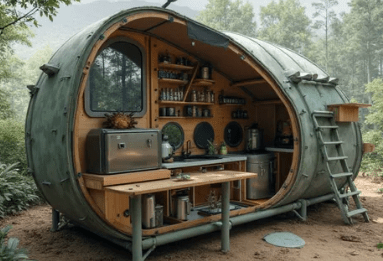
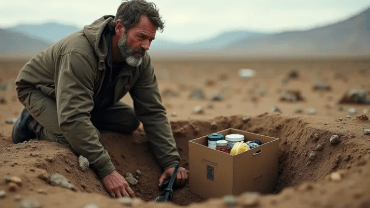
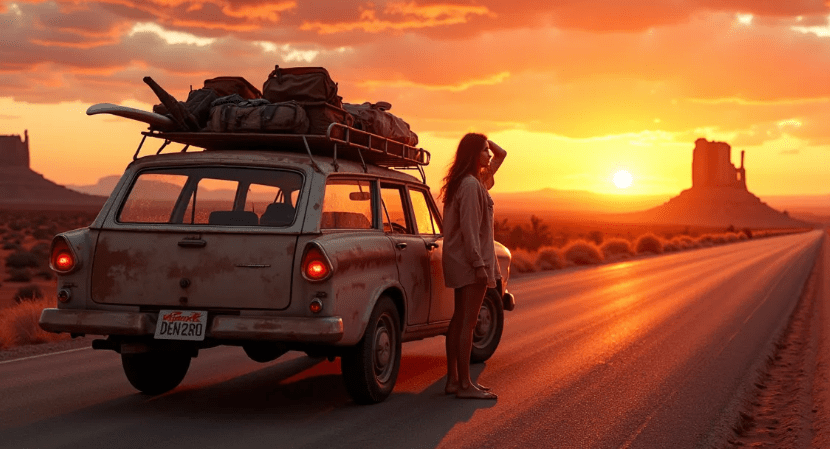








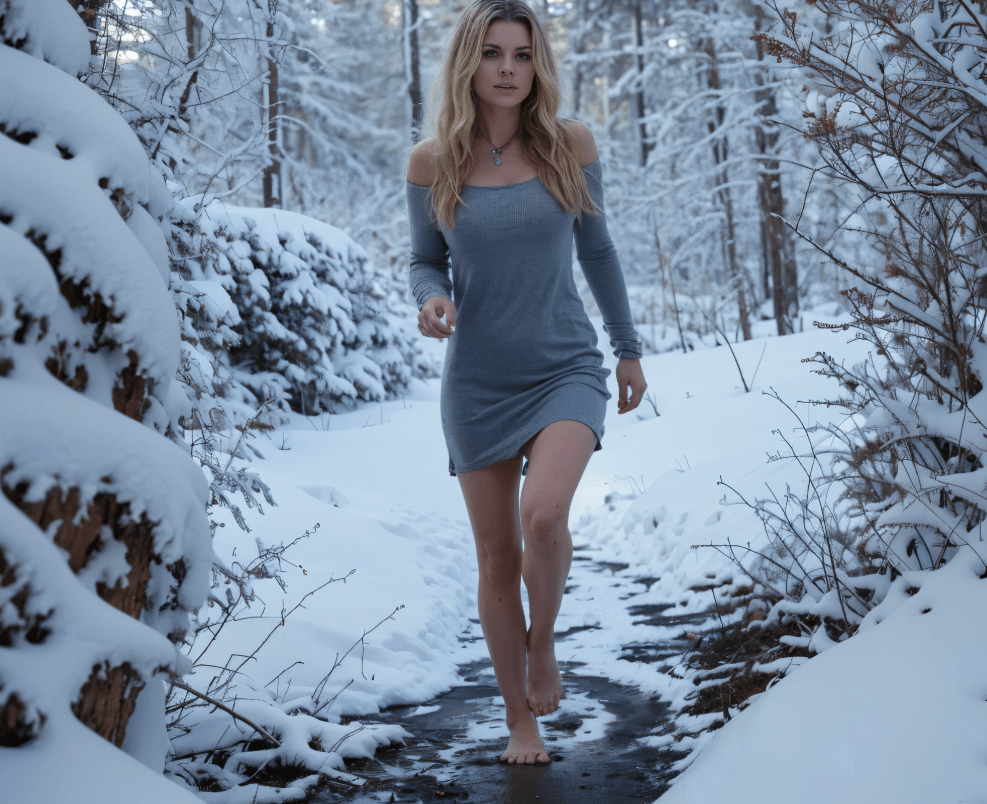






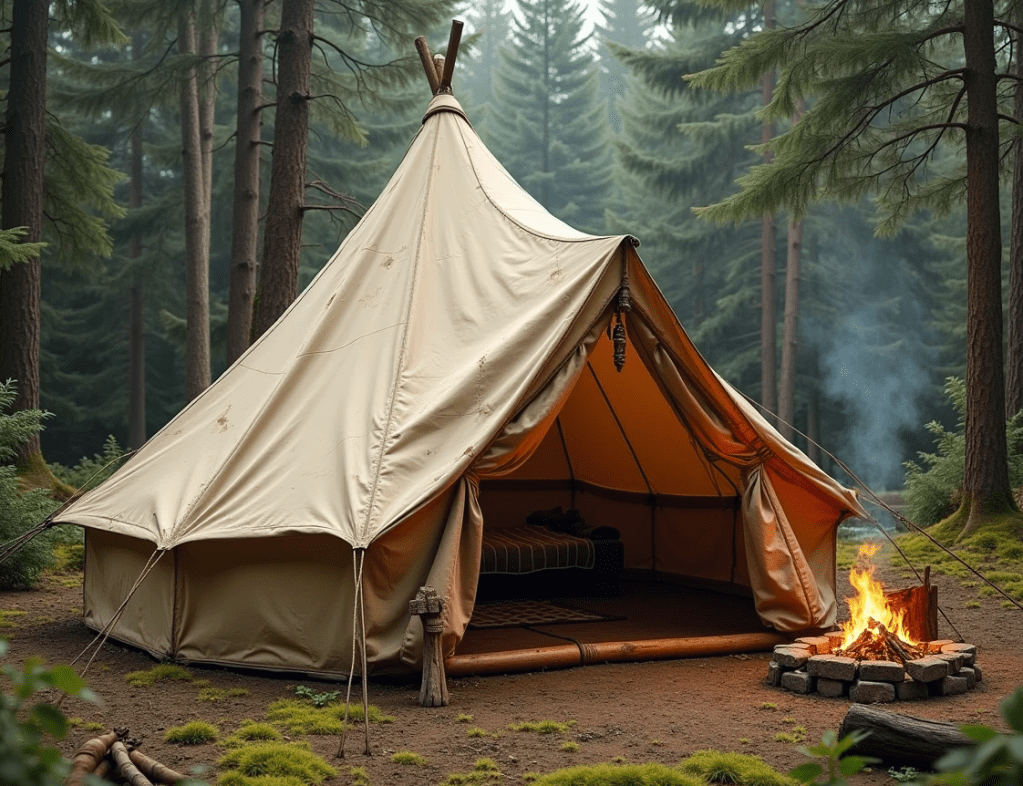
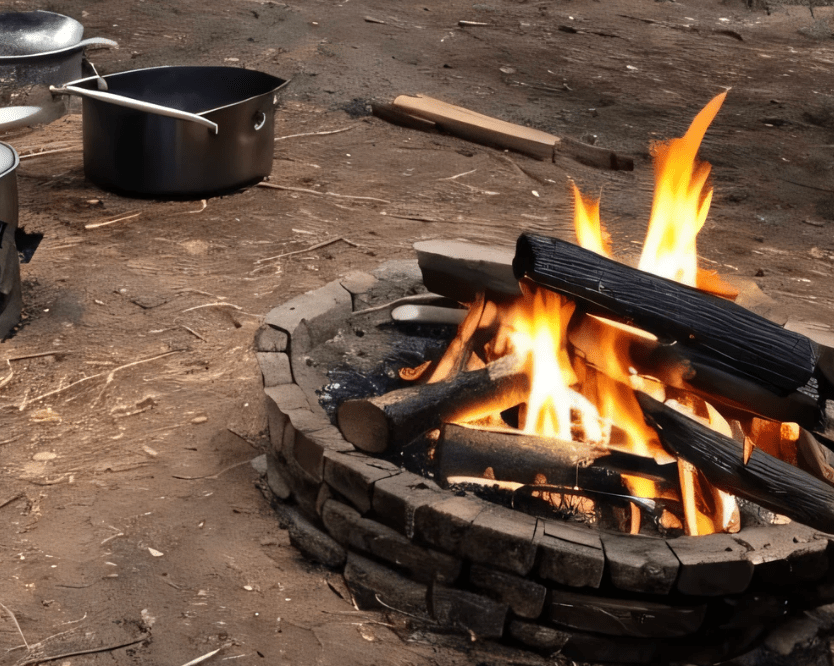




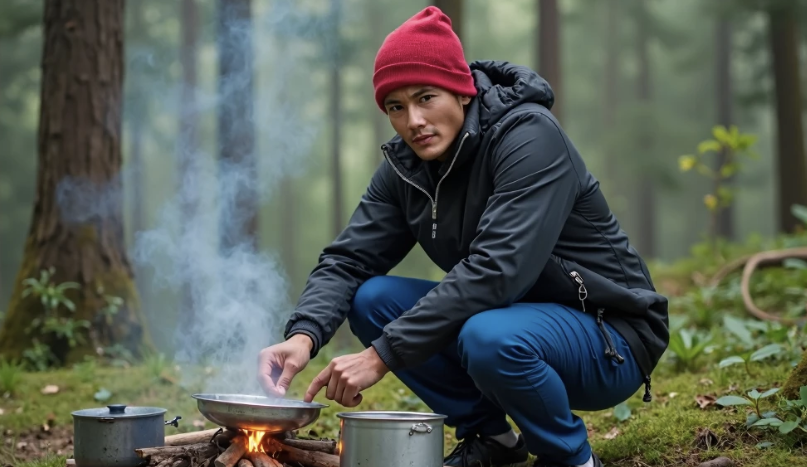




 TheDailyChristian