
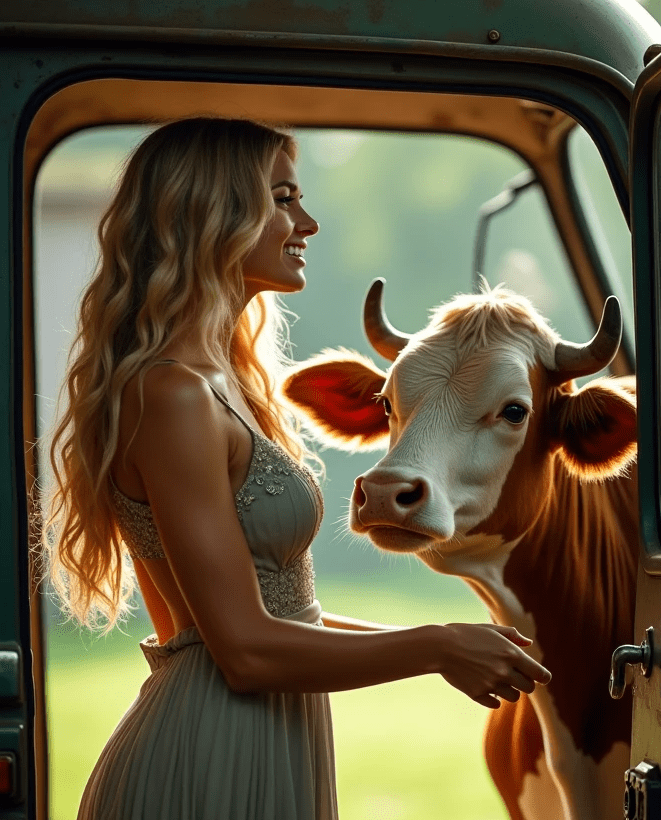
Listen up, folks! If you think homesteading in North Carolina is all sunshine, sweet tea, and Instagram-perfect farm pics, you’re dead wrong. Out here, it’s sweat, dirt, bugs, and hard-earned grit. You want a life where you grow your own food, build your own shelter, and live off the damn land? Then get ready to work harder than you ever have in your life, because the North Carolina homestead lifestyle is not for the faint-hearted or the lazy.
I’m sick to death of hearing people whine about how hard it is to keep a homestead running. Newsflash: You don’t move to the country to sip lemonade on the porch all day. This is survival and self-sufficiency, and it demands skills, grit, and a hell of a lot of patience.
15 Essential Homestead Skills You’d Better Learn — Fast
- Gardening Without Whining
If you can’t dig a proper garden bed and keep it weeded, you might as well give up now. North Carolina soil can be stubborn, full of clay and rocks, so you better know how to amend it with compost and mulch. Know your planting zones — Southern Appalachians to the Coastal Plain, they all differ! - Raising Chickens Without Losing Your Mind
Chickens are the lifeblood of any homestead. You need to know how to build a predator-proof coop because coyotes and raccoons don’t give a damn about your fancy plans. Feeding, watering, and collecting eggs? That’s daily labor, not a weekend hobby. - Canning and Preserving
If you grow it, you better learn how to keep it. North Carolina’s growing season is long, but it ends — and if you haven’t canned, pickled, or froze your produce, you’ll be eating ramen in the dead of winter. - Basic Plumbing Repairs
Water is life, and your homestead plumbing won’t fix itself. Pipes freeze or leak; pumps break down. If you can’t replace a washer or unclog a pipe, you’re stuck waiting on a plumber — who’s probably hours away. - Firewood Splitting and Stacking
Winter nights here can get chilly, especially in the mountains. If you don’t know how to chop, split, and properly season firewood, you’re wasting time and money buying propane or worse, freezing. - Basic Carpentry
You don’t get to complain about a broken fence or a leaky shed if you can’t swing a hammer and saw a board. Fixing your own structures is the difference between a flourishing homestead and a wreck. - Animal Husbandry Beyond Chickens
Goats, pigs, cattle, bees—each has its own needs. You better learn how to feed, shelter, and treat common ailments because vets in rural NC aren’t coming for every little thing. - Composting
If you think trashing everything is an option, think again. Composting is essential for enriching your garden soil and keeping waste manageable. It’s basic ecology, people. - Water Catchment and Management
Whether it’s rain barrels or pond management, you have to know how to collect and store water, especially when summer droughts hit. - Foraging and Wildcrafting
North Carolina’s woods are full of wild greens, berries, and medicinal plants. Know your poison ivy from your pokeweed and you might just save your own life. - Basic Blacksmithing or Metalwork
Fixing tools, making hooks, or even shoeing a horse — a little metalworking knowledge saves you from shelling out cash for everything. - Soap and Candle Making
Nothing fancy, just the basics for cleanliness and light. Store-bought ain’t always an option when the power goes out or stores close. - Seed Saving
If you don’t save seeds from year to year, you’re enslaved to the seed companies. Learn to identify and preserve your best plants. - Solar Power Setup and Maintenance
Electricity outages happen. If you’re off-grid or want to be, you need at least a rudimentary understanding of solar panels, batteries, and wiring. - Fence Building and Maintenance
Predators and livestock escape artists are everywhere. Building and maintaining fences isn’t optional; it’s survival.
3 DIY Homestead Hacks for North Carolina
Hack #1: The “Chicken Tractor” That Works Year-Round
Build a portable chicken coop with wheels (or skis if you must) so you can move your chickens to fresh pasture daily. This reduces parasite loads, fertilizes your garden on the fly, and saves you hauling manure all day. Use reclaimed wood and chicken wire from old fencing — no need to buy new materials every time.
Hack #2: The DIY Rain Barrel System
Don’t pay for fancy rainwater collection systems. Take old 55-gallon food-grade barrels, cut them to fit beneath your downspouts, and rig a simple valve and overflow pipe. This gives you gallons of free water for your garden during the dry spells. Bonus: add a screen to keep mosquitoes out.
Hack #3: Make Your Own Worm Bin
Kitchen scraps piling up? Instead of stinking up your trash, build a simple worm bin out of stacked plastic totes or wood boxes. Worm castings are black gold for your garden, and worms reduce your compost volume drastically. This little system is perfect for year-round composting in NC’s temperate climate.
Why the North Carolina Homestead Lifestyle Isn’t For Everyone
If you want luxury, you’ve got the wrong idea. This is sweat, dirt, and sometimes tears. North Carolina’s climate is a blessing and a curse — humid summers bring pests, rot, and fungus, while winters in the mountains can freeze pipes and freeze your butt off. Every day is a battle against the elements, critters, and sometimes your own exhaustion.
This state’s geography means you’ve got to know your land intimately. Whether you’re in the Piedmont with its rolling hills or the coastal plains with their sandy soils, each region requires different strategies for growing and maintaining. If you think planting tomatoes one way will work everywhere, you’re in for a rude surprise.
And don’t get me started on the neighbors. Out here, some people don’t get the homestead way of life — they want city conveniences, county services, and paved roads right up to their doorstep. Guess what? That’s not homesteading, that’s suburbia.
The Mindset You Need
You need grit, stubbornness, and a willingness to get your hands dirty. Mistakes will happen — crops fail, animals get sick, fences fall down. But you don’t quit. You fix, you rebuild, and you keep going. The homestead lifestyle is about independence, but it’s also about community. Find your tribe, trade skills, share labor — or you’ll drown in work alone.
And if you don’t have time for these 15 skills, don’t bother starting. You’ll burn out faster than a cheap candle on a windy porch. Homesteading in North Carolina demands all you’ve got, every day.
Final Word (Because I’m Fired Up)
So, if you’re thinking about the North Carolina homestead lifestyle, quit dreaming and start doing. Learn your skills, build your tools, get your hands filthy, and embrace the hard work. No one’s handing out free homesteading awards for “Most Instagram Likes.” This life is real, raw, and relentless.
If you want to sit back and enjoy the peace and quiet, fine — just don’t call yourself a homesteader. That title belongs to the fighters, the makers, and the stubborn souls who stare down the challenges of this beautiful, rugged state and say, “I’ll thrive here, or I’ll die trying.”
Now get out there and start building your damn homestead.
 TheDailyChristian