
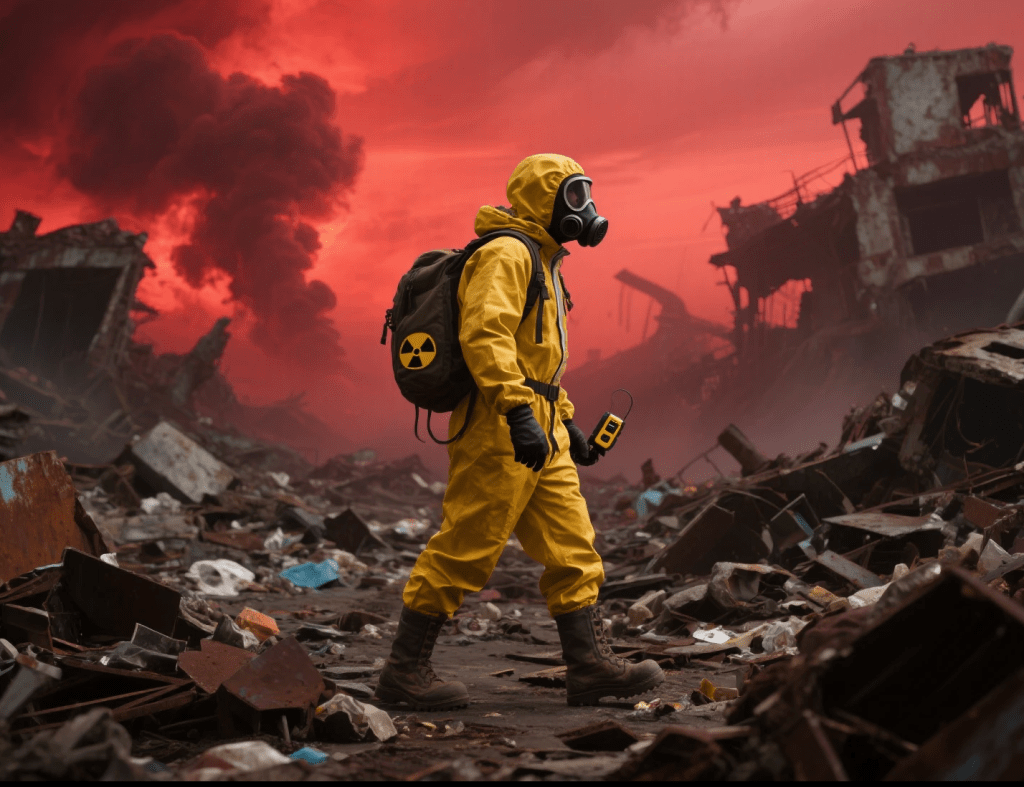
I’ll get this out of the way early: I hated the movie Oppenheimer.
Not because it wasn’t well-made. Not because the acting was bad. I hated it because it fed the same tired, fear-soaked narrative that nuclear power equals inevitable apocalypse. That mindset is not just wrong—it’s dangerous. Nuclear energy is one of the most powerful tools humanity has ever built, and if our species is going to dominate this planet long-term, survive climate instability, and push beyond Earth, nuclear power is not optional. It’s essential.
That said—and this is where the prepper in me takes over—any system powerful enough to light cities for decades is powerful enough to kill thousands if it fails catastrophically.
So let’s talk reality.
If you live near a nuclear power plant, you deserve honest answers, not Hollywood panic and not industry spin. You deserve to know how dangerous it actually is, what “safe distance” really means, what happens if the worst occurs, and what you would need to do to survive if a nuclear power plant exploded or melted down in your city.
This article is not anti-nuclear. It’s pro-truth, pro-preparedness, and pro-survival.
Understanding Nuclear Power Plants: What They Are—and What They Are Not

First, let’s correct a massive misunderstanding.
A nuclear power plant is not a nuclear bomb.
It does not explode like a weapon. There is no mushroom cloud. No city-leveling blast wave. Anyone telling you otherwise is either ignorant or selling clicks.
However—and this is a big however—nuclear power plants can fail, and when they do, the danger comes from radiation release, steam explosions, hydrogen explosions, and long-term environmental contamination.
The real threat isn’t instant annihilation. The real threat is invisible, persistent, and lethal over time.
That’s radiation.
So… What Is a “Safe Distance” From a Nuclear Power Plant?
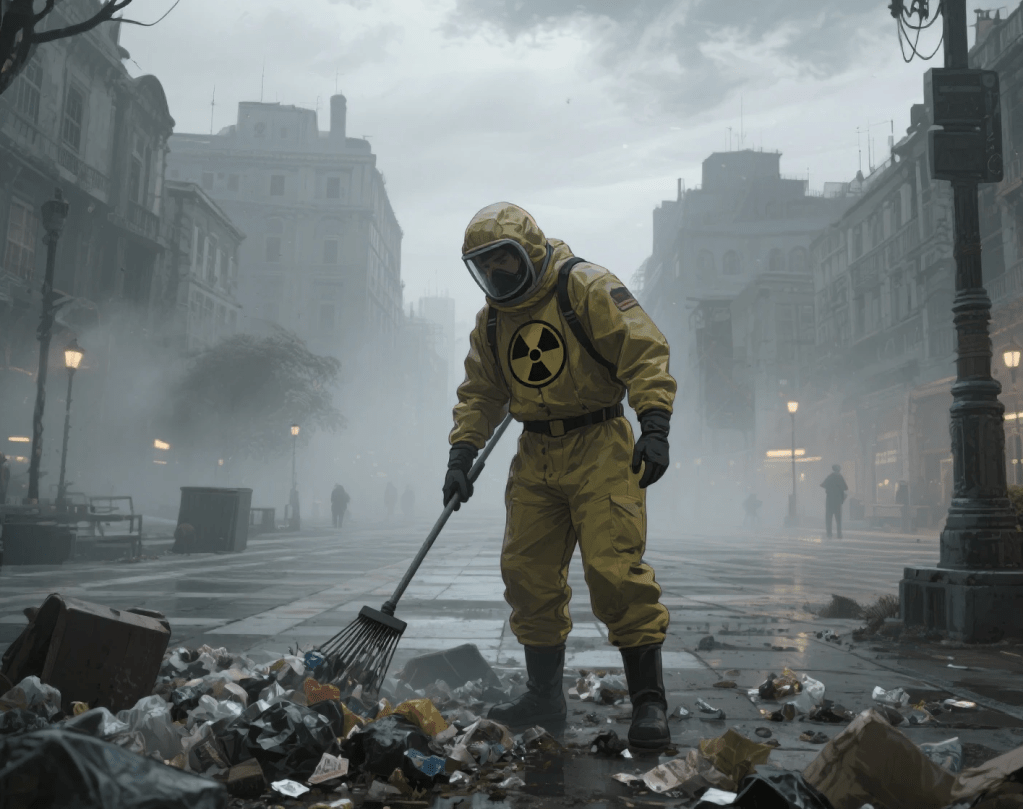
This is the question everyone asks, and the answer is uncomfortable because it isn’t a single number.
The Official Zones
Most governments and nuclear regulatory agencies divide areas around nuclear plants into zones:
- 0–10 miles (0–16 km): Emergency Planning Zone (EPZ)
- 10–50 miles (16–80 km): Ingestion Pathway Zone
- 50+ miles: Generally considered low-risk for immediate exposure
Let me translate that into plain English.
0–10 Miles: You’re in the Danger Core
If you live within 10 miles of a nuclear power plant and a serious accident occurs, you are in the highest-risk category.
This is the zone where:
- Evacuations happen fast
- Radiation exposure can be acute
- Shelter-in-place orders may come with minutes of warning
- Long-term habitation may become impossible
If a reactor melts down or releases radioactive material into the air, this zone takes the hit first and hardest.
From a prepper’s perspective, this is not a safe distance. It’s a managed risk at best.
10–50 Miles: The Fallout Zone
This is where things get tricky—and where most people underestimate risk.
Radiation doesn’t care about city limits. It rides the wind. Rain pulls it down. Food and water absorb it.
In this zone:
- Fallout contamination becomes the primary danger
- Food supplies (farms, livestock, water reservoirs) are at risk
- Long-term cancer risk increases
- Evacuation may be delayed or partial
If you live here, you’re not in immediate blast danger—but you are absolutely in radiation exposure territory.
50+ Miles: Statistically Safer, Not Immune
Beyond 50 miles, immediate radiation risk drops significantly in most scenarios.
But let me be crystal clear: “safer” does not mean “safe.”
Chernobyl contaminated regions over 1,000 miles away. Fukushima radiation was detected across the Pacific.
If atmospheric conditions align badly, distance alone will not save you.
Why Nuclear Power Plants Can Be Deadly If the Worst Happens
Nuclear energy is safe when everything works as designed. But disasters don’t happen because things work. They happen because multiple systems fail at once.
Here’s what can go wrong.
1. Reactor Core Meltdown
A meltdown occurs when:
- Cooling systems fail
- Fuel rods overheat
- The reactor core melts through containment barriers
This releases radioactive isotopes like:
- Iodine-131
- Cesium-137
- Strontium-90
These are not abstract science terms. These are substances that:
- Destroy thyroids
- Cause cancers decades later
- Render land unusable for generations
2. Hydrogen Explosions
In several historical nuclear accidents, overheating fuel rods caused hydrogen buildup. When hydrogen ignites, it explodes—violently.
This doesn’t flatten cities, but it breaches containment, allowing radiation to escape into the atmosphere.
That’s how disasters spread.
3. Spent Fuel Pool Fires
This is one of the least discussed and most terrifying scenarios.
Spent fuel pools hold highly radioactive waste. If cooling water drains or boils off, the fuel can ignite—releasing enormous amounts of radiation.
Some experts consider this worse than a reactor meltdown.
4. Long-Term Environmental Contamination
Even if no one dies immediately, the land can be poisoned.
Radiation settles into:
- Soil
- Crops
- Rivers
- Groundwater
- Animal populations
This isn’t dramatic. It’s slow. It’s quiet. And it kills people years later.
If a Nuclear Power Plant Exploded in Your City: What Would You Need to Do?
Now we get to the survival part. This is not theory. This is what matters.
First: Understand the Timeline
A nuclear power plant disaster unfolds in phases:
- Initial failure
- Radiation release
- Public notification
- Evacuation or shelter orders
- Fallout spread
- Long-term displacement
Your actions in the first 30–120 minutes matter more than anything else.
Immediate Actions (Minutes to Hours)
1. Get Indoors Immediately
If you are downwind of a radiation release:
- Go inside the nearest solid structure
- Basements are best
- Concrete and earth are your friends
Do not stand outside watching. That’s how people get irradiated.
2. Seal Yourself In
- Close windows and doors
- Turn off HVAC systems
- Block vents if possible
- Use tape and plastic if available
This reduces radioactive particles entering your space.
3. Decontaminate If Exposed
If you were outside:
- Remove outer clothing immediately
- Seal it in a bag
- Shower with soap and water (no conditioner)
- Do not scrub harshly
This alone can remove a significant percentage of radioactive contamination.
Evacuation: When to Leave and When Not To
This is where people die by making the wrong choice.
Evacuate If:
- Authorities issue a clear evacuation order
- You have a planned route away from the plume
- You can leave immediately
Do NOT Evacuate If:
- Fallout is actively occurring
- Roads are gridlocked
- You would be exposed longer outside than sheltered
Radiation exposure is cumulative. Sometimes staying put saves your life.
Long-Term Survival After a Nuclear Plant Disaster
If the disaster is severe, life does not “go back to normal.”
Food and Water Become Critical
- Local water may be contaminated
- Crops may be unsafe for years
- Milk and leafy vegetables are especially dangerous
Preppers understand this: stored food wins.
Health Monitoring Is Non-Negotiable
Radiation sickness may not appear immediately. Symptoms can include:
- Nausea
- Fatigue
- Hair loss
- Thyroid issues
Long-term screening matters.
So… Should You Live Near a Nuclear Power Plant?
Here’s my honest, professional answer.
Nuclear power is essential for humanity’s future. Period. Fossil fuels are limited. Renewables alone won’t carry us. If we want space travel, advanced industry, and global stability, nuclear energy is part of that equation whether people like it or not.
But living near a nuclear power plant is a calculated risk.
From a Prepper’s Perspective:
- Inside 10 miles? I wouldn’t.
- 10–30 miles? Only with serious preparedness.
- 30–50 miles? Acceptable with planning.
- 50+ miles? Reasonable for most people.
Preparedness turns fear into control.
Final Thoughts: Respect the Power, Don’t Fear It
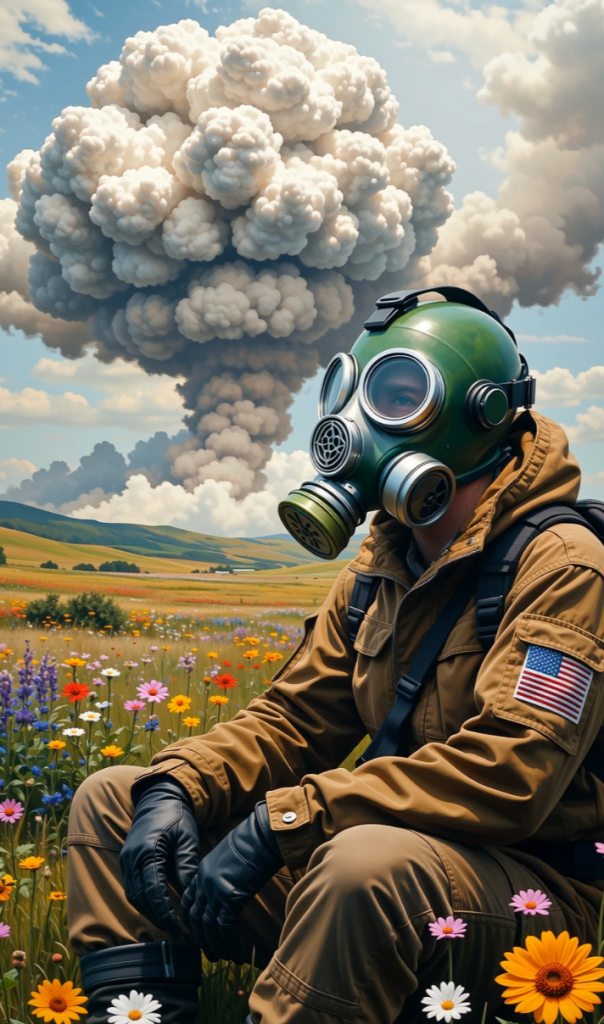
Hollywood wants you to fear nuclear energy. Fear sells tickets.
Survival demands something different: respect.
Nuclear power is not evil. It’s not magic. It’s a tool—one of the most powerful tools our species has ever created. Tools can build civilizations or destroy them depending on how responsibly they’re handled.
If you live near a nuclear power plant, don’t panic. Get educated. Get prepared. Understand the risks, plan your responses, and make informed decisions.
That’s how you survive.
And that’s how humanity moves forward—eyes open, not blinded by fear or fiction.
 TheDailyChristian