The wind came in sharp tonight. You can smell the dirt in it — like the ground itself knows something’s coming.
I sat outside on the porch after chopping a half-cord of wood, rifle across my lap, and I just kept thinking: If it all goes down tomorrow — grid off, shelves empty, lines drawn — will I be ready? Will we be ready?
The answer’s yes — because I’ve made it my job to be.
That’s the thing nobody wants to talk about anymore: men have a job. We were built for this. To carry weight. To sweat. To bleed first. God wired us to lead, protect, and yes — provide. Not just in the good times, but when it all falls apart.
And I don’t care how unpopular it sounds now — women weren’t built for this fight the same way we were. That’s not a dig. It’s the truth. And if you’re a man who’s worth his salt, you know it too.
I don’t expect my wife to be on the roof patching leaks during a blizzard or hauling water barrels through knee-deep mud. I don’t ask her to clean a deer carcass or load security rounds unless I’m down for the count. That’s on me.
But she’s got her place too — and it’s just as important, if not more. She keeps the heart of the home beating when I’m out keeping wolves off the gate — literal and otherwise.
She’s in the kitchen, yes — and thank God she is. That place is her battlefield. She stretches what we’ve got, makes comfort from scratch, teaches the kids how to pray and read and stay grounded. While I fortify the perimeter, she fortifies the spirit of this house.
“The wise woman builds her house, but with her own hands the foolish one tears hers down.” — Proverbs 14:1
She’s no fool. She’s not fragile. She’s fierce in the way only a God-fearing woman can be — rooted, steady, fierce in prayer, and wise with what little we may have.
But I’ll say it bluntly: the home falls apart when men don’t lead. When men sit back, soften up, and hand off the mantle God gave them. You see it in the world right now — broken families, soft hands, empty spines.
I didn’t marry her to compete with her. I married her to lead her. And she followed me not because she’s weak, but because she trusts me to carry the load. She trusts me to keep her and the kids safe, fed, and covered — spiritually and physically.
“The man is the head of the woman, as Christ is the head of the church.” — Ephesians 5:23
That’s not some power grab. That’s responsibility. That’s weight. That’s dying to yourself daily so that those under your roof can live a little lighter.
So yeah, I expect her to be in the kitchen. Not barefoot, not chained, not voiceless — but working that space like a queen in a war tent. And I’ll be outside, boots in mud, blood in the dirt if need be, doing what I was made to do.
I don’t apologize for order. I don’t apologize for hierarchy. God doesn’t. And when the power’s out, and the trucks stop running, and everything modern folks lean on turns to ash, you’ll be glad some men never bowed to the culture.
Tonight I read from Psalm 144 again:
“Blessed be the Lord, my rock, who trains my hands for war, and my fingers for battle.” — Psalm 144:1
That’s the verse I pray over myself. Over my sons. And yes, over this land.
I train not because I want to fight, but because I will if I have to. For her. For them. For truth. And because God made me to hold that line.
The world can keep trying to blur the lines between man and woman, strength and softness, leadership and laziness. I won’t.
If they want to mock a man who expects his woman to cook while he guards the gate, let them. Because when it all burns, they’ll be the ones looking for a man like me.
And maybe if they’re lucky, a woman like mine will feed them while I keep the perimeter clear.
Lord, Thank You for giving men a purpose. Thank You for giving us weight to carry and shoulders to bear it. Forgive the passivity of our generation. Raise up men who lead without apology and women who stand with them in strength and grace. Make me sharper, stronger, and more steady as the days grow darker. Let me never hand off the role You gave me. In Your name, Amen.
Living off the grid isn’t just about disconnecting from society; it’s about living in harmony with nature and relying on your own skills to sustain yourself. Whether you’re off the grid in the wilderness, a secluded homestead, or even in a tiny cabin, food storage is one of the most crucial elements of off-grid living. When you’re not dependent on grocery stores or delivery services, having a well-stocked pantry of long-lasting, nutrient-dense foods is essential for both survival and thriving in a self-sufficient lifestyle.
Long-term food storage isn’t just about hoarding supplies. It’s about being strategic, understanding your needs, and ensuring that the food you store has long shelf lives, nutritional value, and versatility. The right food can be the difference between having a successful, sustainable off-grid life and struggling to make ends meet. So, let’s dive into the top 10 foods every off-grid dweller should have in their long-term survival pantry, along with tips on how to maximize your space and efficiency.
1. Rice
Rice is one of the most essential, space-efficient foods you can store long-term. Not only does it provide a large amount of calories per serving, but it also has an incredible shelf life if stored properly. Brown rice, white rice, and even wild rice can be used in a variety of meals, from stir-fries to soups and casseroles. When stored in airtight containers and kept in a cool, dry place, rice can last for up to 30 years, making it an excellent choice for off-grid living.
Tip #1: Store rice in airtight containers such as Mylar bags with oxygen absorbers or in food-grade plastic buckets to keep out moisture and pests.
2. Dried Beans and Legumes
Dried beans and legumes are another pantry staple for off-grid survival. They are nutrient-dense, rich in protein and fiber, and incredibly versatile. Whether you’re preparing soups, stews, or chili, beans can be the base of many meals, providing the sustenance needed to fuel long days of work. They store well in airtight containers, have a long shelf life, and require minimal processing. Beans such as black beans, kidney beans, lentils, and chickpeas can all be easily incorporated into your food storage.
Tip #2: Pre-soak dried beans before cooking to reduce cook time and improve digestibility. Also, consider rotating your stock every couple of years to ensure freshness.
3. Canned Meats and Fish
Off-grid living often means fewer opportunities to purchase fresh meat or fish. That’s where canned meats and fish come in. Canned tuna, salmon, chicken, and other meats are incredibly convenient, portable, and shelf-stable. These foods provide a critical source of protein, which is essential for maintaining energy and muscle mass, especially when living an active off-grid lifestyle. Canned meats and fish are also great for emergencies when you can’t access your homestead’s hunting or fishing resources.
Tip #3: Diversify your canned meat and fish choices—Stock a variety of meats to avoid food fatigue, and always check the expiration dates to ensure they’re rotated properly.
4. Powdered Milk
Powdered milk is a critical food for off-grid living. Not only does it provide a good source of calcium and protein, but it can be used in a variety of ways: from making milk for drinking, to baking, and even cooking. Powdered milk has a much longer shelf life than fresh milk and requires no refrigeration, making it ideal for an off-grid lifestyle. In fact, with proper storage, powdered milk can last up to 25 years, ensuring that you always have a source of dairy when fresh options aren’t available.
Tip #4: Store powdered milk in vacuum-sealed bags or food-safe containers to prevent moisture absorption, and keep it in a cool, dry place for maximum shelf life.
5. Honey
Honey is one of the oldest natural preservatives, and it’s also one of the best food options for long-term storage. It has an indefinite shelf life when stored properly and offers a wide range of uses. Not only is honey a natural sweetener, but it has medicinal qualities as well. It’s also an essential ingredient for preserving fruits and vegetables, and its sugar content can boost energy when you’re working hard off the grid. Just be sure to store honey in glass jars or food-safe containers to keep it from absorbing moisture.
Tip #5: Use honey in recipes, for medicinal purposes, and as an energy source when working long hours off the grid. Always ensure it is kept away from moisture to maintain its quality.
6. Dehydrated and Freeze-Dried Foods
Dehydrated and freeze-dried foods are a lifesaver for anyone living off the grid. These foods are incredibly lightweight, take up minimal space, and have a long shelf life. You can stock up on fruits, vegetables, meats, and complete meals. Freeze-dried meals are especially useful for emergencies or during the off-season when you’re unable to grow your own food. Dehydrated and freeze-dried foods can be rehydrated with water and are great for making quick, nutritious meals.
Tip #6: Invest in a dehydrator if you have the resources, allowing you to preserve your own food from your homestead. Freeze-drying can also be done at home with the right equipment.
7. Whole Grains (Oats, Barley, and Corn)
Whole grains such as oats, barley, and corn are excellent options for off-grid living because they provide a solid nutritional base for breakfast, stews, and baking. Oats are especially useful for creating hearty breakfasts and can be stored for up to 30 years when kept in proper storage. Barley and corn can be used for soups, breads, or even milled into flour, giving you plenty of versatility in your off-grid meals.
Tip #7: Store grains in airtight containers and keep them in a cool, dry place to preserve freshness. You can even grow some of these grains on your homestead if you have the land.
8. Canned Vegetables and Fruits
Although fresh vegetables and fruits are harder to maintain off the grid, canned options are a great backup. Canned vegetables like carrots, peas, and green beans can add variety to your diet, and canned fruits can be a sweet treat. These items offer an excellent source of vitamins and minerals, especially in the off-season when your own garden isn’t producing. They’re easy to store, and with proper canning methods, they can last for years.
Tip #8: Look for canned goods with low sodium to avoid excessive salt intake. You can also can your own fruits and vegetables for long-term storage if you have the resources.
9. Salt and Spices
Salt is essential not just for flavoring your food but for preserving it. If you plan on smoking or curing meat, salt is a necessary ingredient. Spices, on the other hand, can make meals much more enjoyable, especially when you’re eating the same foods over and over again. A variety of spices, from pepper to garlic powder, will help break the monotony and allow you to create more flavorful meals. These items are lightweight, easy to store, and have long shelf lives.
Tip #9: Buy spices in bulk and store them in airtight containers to maintain their potency and flavor.
10. Sugar and Syrup
Sugar and syrup are both valuable for off-grid living. Sugar is not only a sweetener for drinks and baking, but it’s also essential for preserving fruits and making jams. Syrup can be used in the same way and can also help provide quick energy when you need it. Sugar, especially when stored properly, can last indefinitely. In an off-grid environment, having both sugar and syrup is a great way to ensure you can sweeten your food and create preserved treats.
Tip #10: Store sugar and syrup in sealed, moisture-proof containers to avoid clumping or spoilage. Keep these items in a cool, dry place to ensure longevity.
10 Off-Grid Living Tips and Skills:
Master basic food preservation techniques like canning, drying, and smoking to extend the life of your food.
Learn how to grow your own food—Stock up on seeds for vegetables, fruits, and herbs to ensure you can produce food year-round.
Set up a rainwater collection system to provide water for cooking, cleaning, and irrigation.
Invest in solar power to ensure you have a reliable energy source for cooking, heating, and lighting.
Learn how to forage for wild edibles—Knowing what’s around you can help supplement your food supply.
Keep a fire-starting kit handy—Whether it’s matches, a flint striker, or a ferro rod, being able to start a fire is essential for cooking and warmth.
Practice self-reliance—Learn the skills needed to repair tools, build shelter, and perform basic survival tasks.
Have a multi-fuel stove—A stove that can run on wood, propane, or solar energy will provide flexibility when resources are scarce.
Create a composting system—Compost is a great way to recycle waste and create nutrient-rich soil for your garden.
Plan for emergencies—Have a backup plan for extreme weather, medical issues, or other unexpected events.
The Best Campsites for North Carolina Survival Preppers
As a prepper living in North Carolina, you know that being ready for any situation, whether it’s a natural disaster, a power outage, or just a need for some personal space, is key. What better way to ensure you’re prepared than by learning the land, understanding the environment, and honing your survival skills in the wild? North Carolina, with its diverse terrain from the mountains to the coast, offers some of the best campsites in the nation for preppers like us. Here’s a guide to 30 of the best camping sites for survival training and prepping in North Carolina.
Whether you’re testing your bug-out bag, practicing fire-starting techniques, or just getting familiar with local flora and fauna, these campsites are perfect for a variety of outdoor activities. From deep forests to rugged mountain terrain, North Carolina has it all.
1. Pisgah National Forest
Known for its vast stretches of wilderness, Pisgah National Forest offers miles of hiking trails, waterfalls, and secluded campsites. This place is ideal for preppers who want to test their wilderness skills and see what they can forage, hunt, and gather in the wild. The forest provides plenty of opportunity for stealth camping and learning to live off the land.
2. Great Smoky Mountains National Park
This park is one of the most well-known in the country, and for good reason. It’s filled with diverse ecosystems, and its remote areas make it perfect for extended survival training. As a prepper, you’ll want to spend some time here learning about the flora and fauna, as well as getting comfortable with primitive shelter-building.
3. Chattahoochee-Oconee National Forest
Part of the Appalachian Mountains, the Chattahoochee-Oconee National Forest is great for those who enjoy rugged terrain. This forest provides great opportunities for shelter-building, testing your gear, and hiking through challenging terrain. The combination of creeks, rivers, and forests will keep any prepper occupied.
4. Morrow Mountain State Park
With over 1,000 acres of land and beautiful scenic views, Morrow Mountain State Park is perfect for prepping and practicing wilderness survival skills. It offers great opportunities for fishing, hunting, and other vital outdoor skills. The area also offers peaceful lakeside campsites.
5. Hanging Rock State Park
Located in the Sauratown Mountains, Hanging Rock is a great place for prepping and connecting with nature. With dramatic rock formations, this park offers challenging terrain for those who want to push their limits. It’s also a perfect spot for learning how to navigate rough terrain or just test your fire-starting skills in remote locations.
6. Uwharrie National Forest
This forest is full of ancient mountains, with dense woods and creeks. It’s an excellent location for survivalists looking for a challenge, offering secluded campsites, primitive campsites, and a variety of flora and fauna to explore.
7. Crowders Mountain State Park
For those who enjoy mountain terrain, Crowders Mountain is a must-see. The views are amazing, but the real draw is the opportunity to test your skills in a variety of outdoor survival situations. Whether you need to practice building shelters or hone your hiking endurance, this park is ideal.
8. Bodie Island Campground
If you’re looking to practice prepping along the coastline, Bodie Island is a great option. This campground offers access to the Outer Banks, where you can learn survival skills that might be different from those you’d use in mountainous terrain, such as coastal fishing and saltwater navigation.
9. Nantahala National Forest
With over 500,000 acres of rugged mountains, rivers, and wilderness, Nantahala National Forest is a prepper’s dream. Whether you’re training for wilderness survival, learning to hunt, or just exploring the environment, this is a fantastic place to sharpen your skills.
10. Lake James State Park
If you’re more into lakeside prepping, Lake James State Park provides a peaceful environment for preppers looking to practice water-based survival skills. It offers opportunities for both boating and hiking, with plenty of secluded areas to test your survival tactics.
11. Gorges State Park
Known for its dramatic waterfalls and rugged terrain, Gorges State Park provides an excellent setting for more advanced survivalists. If you’re looking to truly test your abilities, this is a great spot for deep woods exploration and endurance training.
12. South Mountains State Park
With over 20 miles of hiking trails, South Mountains offers a perfect place for long-term survival training. The park’s remote nature allows you to test your skills without the distractions of modern life, offering a chance to practice long-distance hiking and endurance.
13. Stone Mountain State Park
Located near the Blue Ridge Mountains, Stone Mountain offers challenging terrain, incredible views, and numerous camping opportunities for preppers. It’s a great spot for practicing shelter-building, map-reading, and surviving in diverse terrain.
14. Linville Gorge Wilderness Area
For those who truly want to test their wilderness survival skills, the Linville Gorge Wilderness Area is a must-visit. This area offers rugged cliffs, deep ravines, and remote campsites, making it ideal for preppers looking to experience the harsh realities of survival.
15. Jockey’s Ridge State Park
Jockey’s Ridge is the tallest natural sand dune system in the eastern United States. It’s a unique spot for preppers looking to practice survival in a different environment. Learn how to navigate sand dunes, use the wind for navigation, and find your bearings in coastal areas.
16. Kerr Lake State Recreation Area
For those interested in lakefront prepping, Kerr Lake is the perfect spot. This large reservoir offers great opportunities for water-based survival skills, including fishing and water navigation, along with miles of trails for land-based training.
17. Pocosin Lakes National Wildlife Refuge
If you’re a prepper interested in wetland survival skills, this is the place to be. With expansive swamps and forested wetlands, Pocosin Lakes provides a unique environment to practice water and wetland survival techniques.
18. Harris Lake County Park
For those closer to the Raleigh area, Harris Lake offers a quieter, more controlled environment to practice survival techniques. It’s ideal for short camping trips where you can practice fire-making, cooking over an open flame, and wildlife tracking.
19. Elk Knob State Park
A remote park with high mountain peaks, Elk Knob provides a more solitary and rugged experience. It’s great for preppers who want to escape the crowds and test their skills in extreme environments.
20. Cape Hatteras National Seashore
Perfect for coastal preppers, Cape Hatteras offers a mix of beach and wooded terrain, ideal for testing various survival tactics, from building shelters in sand to fishing from the shore.
21. Badin Lake
Surrounded by the Uwharrie National Forest, Badin Lake offers a peaceful setting for preppers looking for a serene place to practice survival skills. The lake itself is perfect for learning water navigation techniques, while the surrounding forests are excellent for woodcraft and foraging.
22. Holly Shelter Game Land
Located in coastal North Carolina, Holly Shelter Game Land provides the perfect environment for hunting, fishing, and practicing wilderness skills in a somewhat untamed environment.
23. Tennessee Valley Authority Lands
If you’re looking for more isolated spaces to practice, check out the TVA lands near the NC/Tennessee border. These lands have vast wilderness areas, perfect for learning to live off the land and practicing long-term survival techniques.
24. Mount Mitchell State Park
The highest peak east of the Mississippi, Mount Mitchell offers challenging mountain terrain for prepping. Learn how to use higher elevations to your advantage, test your endurance, and practice long-term camping.
25. Reedy Creek Park
For those close to the Charlotte area, Reedy Creek Park offers a great mix of trails and peaceful camping grounds, perfect for honing survival skills without leaving the urban area far behind.
26. Junaluska Campground
Situated in the Appalachian Mountains, Junaluska offers a quiet getaway perfect for preppers looking to test their wilderness knowledge in rugged, challenging terrain.
27. N.C. Game Lands at Roanoke River
For those who enjoy hunting and fishing as part of their prepper lifestyle, Roanoke River’s game lands offer a haven for practice. The swampy areas and rich wildlife provide an excellent test of your outdoor knowledge.
28. Mills River Recreation Area
Just outside of Asheville, this area offers the perfect mix of proximity to city amenities and wild terrain for prepping. It’s a great place to practice navigation, shelter-building, and fire-starting skills.
29. Blue Ridge Parkway
The famed Blue Ridge Parkway runs through North Carolina, and the surrounding camping areas are ideal for prepping. With a combination of mountainous terrain, lakes, and forest, this is an area where you can get serious about survival practice.
30. Yadkin River State Trail
This trail runs along the Yadkin River and offers a great opportunity to explore river-based survival techniques. Whether you prefer hiking, canoeing, or simply testing gear in a variety of environments, Yadkin offers something for every prepper.
Living in South Dakota isn’t for the faint of heart. From the flat plains to the rugged Black Hills, this state offers both beauty and peril. As a seasoned prepper, I’ve learned that surviving here isn’t just about having the right gear—it’s about understanding the land, the weather, and the threats that come with them.
🧭 Final Word from a South Dakota Survivalist: Preparedness Isn’t Paranoia—It’s a Way of Life
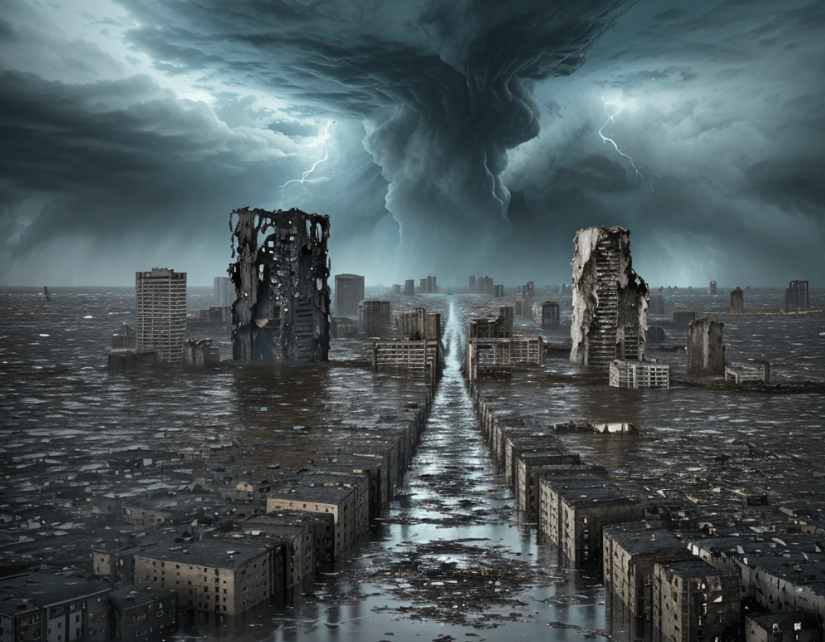
Living in South Dakota teaches you a few hard truths early on—Mother Nature doesn’t negotiate, warnings don’t always come in time, and hope isn’t a plan. Whether it’s a blinding blizzard screaming across the plains, a tornado ripping across the horizon, or a flood swallowing the Black Hills in the dead of night, this state will test your grit. That’s why we don’t just prepare—we live prepared.
This isn’t about fear. It’s about freedom. When you’ve got six feet of snow outside, the grid goes down, and your driveway disappears under a sheet of ice, you’ll thank yourself for every gallon of water stored, every can of food sealed, every spare battery and radio tested. You’re not waiting on a rescue—you are the rescue.
Preparedness in South Dakota isn’t a weekend hobby—it’s woven into our daily routine. From stacking firewood and rotating food stores to training with our community and keeping tabs on weather alerts, we make it a lifestyle. Because out here, self-reliance isn’t old-fashioned. It’s survival.
The biggest threat isn’t just the storm itself—it’s the mindset that says, “It probably won’t happen to me.” That attitude gets people hurt. But when you’ve got a plan, when you’ve run the drills, when your gear is checked and your crew is ready, you replace panic with purpose.
Natural disasters may strike without warning, but you don’t have to be caught off guard. Whether you live in the heart of Sioux Falls, a ranch near Belle Fourche, or a cabin tucked in the Black Hills, you owe it to yourself—and your family—to be ready for anything.
So take that first step, or the next one. Check your supplies. Walk through your bug-out plan. Talk to your neighbors. Update your emergency contacts. Invest in a radio, sharpen your axe, charge your solar bank. Get after it.
Because in South Dakota, surviving the worst isn’t just about making it through the storm—it’s about being strong enough to rebuild after it.
And that, fellow preppers, is the real measure of preparedness.
🌪️ 1. Tornadoes: The Silent Destroyers
South Dakota lies in “Tornado Alley,” where twisters can form with little warning. The 1972 Black Hills Flood serves as a grim reminder of nature’s fury. In 1972, Rapid City experienced a devastating flash flood that claimed lives and reshaped the community. Visit Rapid City
Prepper Tip: Invest in a NOAA Weather Radio with tone alert and Specific Area Message Encoding (SAME) capability. These devices can provide critical warnings and are essential during power outages.Wikipedia
❄️ 2. Blizzards: Winter’s Wrath
Winters in South Dakota are brutal. Blizzards can drop temperatures to life-threatening levels, making travel impossible and power outages common.
Prepper Tip: Keep a winter survival kit in your vehicle, including blankets, non-perishable food, water, and a shovel. Ensure your home is stocked with heating fuel and backup power sources.
🌊 3. Flooding: The Hidden Threat
While not as frequent as other disasters, flooding can occur, especially in areas near rivers and streams. The 1972 flood in Rapid City is a stark reminder of this threat. Visit Rapid City
Prepper Tip: Elevate electrical appliances and utilities above potential flood levels. Consider installing sump pumps and backflow valves to protect your property.National Geographic
🔥 4. Wildfires: The Summer Menace
Dry conditions in the summer can lead to wildfires, especially during Red Flag Warnings when winds and low humidity create ideal fire conditions.
Prepper Tip: Create a defensible space around your home by clearing dead vegetation and using fire-resistant materials in construction.
🌪️ 5. Severe Thunderstorms: The Summer Squall
Summer brings severe thunderstorms with the potential for hail, damaging winds, and even tornadoes. These storms can cause significant property damage and power outages.
Prepper Tip: Secure loose objects outdoors and trim trees near your home to prevent wind damage. Keep an emergency kit with flashlights, batteries, and a first aid kit readily available.
🧭 6. Civil Air Patrol: Community Support
The South Dakota Wing Civil Air Patrol (CAP) plays a vital role in disaster response, offering aerial search and rescue, disaster relief, and humanitarian assistance. Wikipedia
Prepper Tip: Stay informed about CAP activities and consider volunteering or supporting their missions to enhance community resilience.Wikipedia
🛠️ 7. Emergency Preparedness: A Statewide Effort
South Dakota’s commitment to disaster preparedness is evident through initiatives like the Stephenson Disaster Management Institute, which provides geospatial data to assist in hazard mitigation and emergency planning. Wikipedia
Prepper Tip: Familiarize yourself with local emergency plans and participate in community preparedness programs to stay informed and ready.
🔥 8. Fire Safety: Year-Round Vigilance
Fire safety isn’t just a summer concern. In winter, heating equipment can pose fire risks, while dry conditions in spring and fall can lead to wildfires.
Prepper Tip: Install smoke detectors and fire extinguishers in key areas of your home. Regularly inspect and maintain heating equipment to prevent fire hazards.
🧊 9. Ice Storms: Slick and Dangerous
Ice storms can coat trees and power lines, leading to widespread outages and hazardous travel conditions.
Prepper Tip: Keep a battery-powered radio and extra blankets on hand. Avoid travel during icy conditions and ensure your vehicle is equipped with emergency supplies.
🚨 10. Stay Informed: Knowledge is Power
Being aware of potential threats and staying updated on weather conditions can make a significant difference in disaster preparedness.
Prepper Tip: Subscribe to local weather alerts and follow emergency management agencies on social media for real-time updates.
🧭 Final Word from a South Dakota Survivalist: Preparedness Isn’t Paranoia—It’s a Way of Life
Living in South Dakota teaches you a few hard truths early on—Mother Nature doesn’t negotiate, warnings don’t always come in time, and hope isn’t a plan. Whether it’s a blinding blizzard screaming across the plains, a tornado ripping across the horizon, or a flood swallowing the Black Hills in the dead of night, this state will test your grit. That’s why we don’t just prepare—we live prepared.
This isn’t about fear. It’s about freedom. When you’ve got six feet of snow outside, the grid goes down, and your driveway disappears under a sheet of ice, you’ll thank yourself for every gallon of water stored, every can of food sealed, every spare battery and radio tested. You’re not waiting on a rescue—you are the rescue.
Preparedness in South Dakota isn’t a weekend hobby—it’s woven into our daily routine. From stacking firewood and rotating food stores to training with our community and keeping tabs on weather alerts, we make it a lifestyle. Because out here, self-reliance isn’t old-fashioned. It’s survival.
The biggest threat isn’t just the storm itself—it’s the mindset that says, “It probably won’t happen to me.” That attitude gets people hurt. But when you’ve got a plan, when you’ve run the drills, when your gear is checked and your crew is ready, you replace panic with purpose.
Natural disasters may strike without warning, but you don’t have to be caught off guard. Whether you live in the heart of Sioux Falls, a ranch near Belle Fourche, or a cabin tucked in the Black Hills, you owe it to yourself—and your family—to be ready for anything.
So take that first step, or the next one. Check your supplies. Walk through your bug-out plan. Talk to your neighbors. Update your emergency contacts. Invest in a radio, sharpen your axe, charge your solar bank. Get after it.
Because in South Dakota, surviving the worst isn’t just about making it through the storm—it’s about being strong enough to rebuild after it.
And that, fellow preppers, is the real measure of preparedness.
Maryland’s Off-Grid Survival Blueprint: Preparing for Nature’s Fury
Living off the grid in Maryland isn’t just a lifestyle—it’s a necessity. With the unpredictable nature of disasters like hurricanes, floods, and winter storms, being prepared isn’t optional. It’s about ensuring you and your family can withstand whatever nature throws your way. Here’s how Maryland residents can prepare for the state’s worst natural disasters.
Understanding Maryland’s Natural Disasters
Maryland’s diverse geography—from the Atlantic coastline to the Appalachian Mountains—exposes residents to various natural disasters:
Hurricanes: Coastal areas like Ocean City and parts of Baltimore are vulnerable to hurricanes, especially during the Atlantic hurricane season from June 1 to November 30.
Flooding: Heavy rains, especially during spring and summer, can lead to flash floods, particularly in areas near rivers like the Potomac and Susquehanna.
Winter Storms: The western part of the state, including Garrett and Allegany counties, often experiences heavy snowfall and ice storms.
Tornadoes: While less common, tornadoes have been reported, especially in central and eastern Maryland.
Heatwaves: Urban areas like Baltimore and Washington, D.C., can experience extreme heat, leading to health risks.
Know Your Evacuation Zone: Maryland has designated evacuation zones (A, B, C) for coastal areas. Familiarize yourself with your zone and have an evacuation plan in place.
Build a Comprehensive Emergency Kit: Include essentials like water (one gallon per person per day for at least three days), non-perishable food, first aid supplies, flashlight, batteries, and important documents.
Secure Your Shelter: Ensure your home is fortified against storms. This includes reinforcing roofs, windows, and doors. For off-grid living, consider structures built to withstand high winds and heavy snow.
Alternative Power Sources: Invest in solar panels, wind turbines, or backup generators to maintain power during outages. Store fuel safely and ensure your systems are properly maintained.
Water Collection and Filtration: Set up rainwater harvesting systems and have water purification methods like filters or purification tablets on hand.
Food Storage: Grow your own food and store seeds for future planting. Canning and dehydrating are excellent methods for preserving food long-term.
Communication Plans: Establish a communication plan with family members. In case of evacuation, know where to meet and how to contact each other.
Stay Informed: Use the Maryland Prepares app for real-time alerts and emergency information.
First Aid Training: Equip yourself with basic first aid and CPR skills. Having medical supplies and knowledge can be lifesaving during emergencies.
Community Engagement: Join local preparedness groups or networks. Sharing resources and knowledge strengthens community resilience.
Financial Preparedness
Beyond physical preparations, financial readiness is crucial:
Document Storage: Keep copies of important documents (birth certificates, insurance policies, medical records) in a waterproof and fireproof container.
Cash Reserves: Maintain a small amount of cash in case ATMs and credit card systems are down.
Insurance: Ensure your property insurance covers flood and storm damage. Regularly review and update policies.
Conclusion
Living off the grid in Maryland requires foresight, planning, and resilience. By understanding the state’s natural disaster risks and implementing these survival tips, you can ensure your safety and self-sufficiency. Remember, preparation is the key to survival.
Primitive But Powerful: Oregon’s Most Prepped Campsites
As a seasoned prepper in Oregon, I’ve scouted and tested campgrounds that not only offer breathtaking views but also provide the solitude, resources, and terrain ideal for long-term survival training, bug-out scenarios, or just reconnecting with the land. From dense old-growth forests to high-desert plateaus, Oregon’s diverse landscapes offer unparalleled opportunities for self-reliance practice.
Bull of the Woods Wilderness – A rugged, old-growth forest in the Cascades, perfect for stealth camping and water purification training. Wikipedia
Santiam State Forest – Offers diverse terrain with creeks, waterfalls, and fire lookout access, ideal for navigation and shelter-building exercises. Wikipedia
Suttle Lake Campgrounds – Provides access to water for purification practice and opportunities for fishing and boating. Wikipedia+7Wikipedia+7Axios+7
Glass Buttes – A volcanic high-desert area with abundant obsidian, excellent for tool crafting and survival crafting skills. Wikipedia
Derrick Cave – A lava tube cavern offering natural shelter for emergency scenarios and exploration. Wikipedia
Opal Creek Wilderness – Features pristine rivers and old-growth forests, perfect for water sourcing and stealth camping.
Trillium Lake Campground – Provides clear water sources and opportunities for fishing and kayaking.
Devils Lake State Recreation Area – Offers nearly 700 acres of fish-rich waters, suitable for fishing and water purification practice. Axios
Whalen Island County Campground – A rustic coastal retreat ideal for birdwatching, kayaking, and enjoying serene sunsets. Axios
L.L. Stub Stewart Memorial State Park – Known as “Portland’s backyard,” featuring extensive trails and biking paths. Axios
Silver Falls State Park – Offers waterfall hikes and diverse terrain for navigation and shelter-building exercises.
Redwood National and State Parks – Provides serene experiences with ancient coast redwoods and diverse ecosystems. Condé Nast Traveler
Mount Hood National Forest – Features diverse terrain with opportunities for hiking, fishing, and wildlife observation.Wikipedia
Willamette National Forest – Offers a variety of trails and campgrounds for diverse outdoor activities.
Deschutes National Forest – Provides access to lakes, rivers, and trails for fishing, boating, and hiking.
Umpqua National Forest – Features hot springs, waterfalls, and diverse wildlife for exploration.
Wallowa-Whitman National Forest – Offers rugged terrain and diverse ecosystems for hiking and wildlife observation.
Fremont-Winema National Forest – Provides access to lakes and rivers for fishing and boating activities.
Ochoco National Forest – Features diverse terrain with opportunities for hiking and wildlife observation.
Siuslaw National Forest – Offers coastal access and diverse ecosystems for exploration.
Wallowa Lake State Park – Provides access to Wallowa Lake for fishing and boating activities.
Catherine Creek Campground – Offers access to Catherine Creek for fishing and hiking activities.
Timothy Lake Campground – Provides access to Timothy Lake for fishing and boating activities.
When you’re a prepper living in the rugged terrain of New Hampshire, you’re no stranger to the wild and untamed nature of the land. Whether you’re preparing for the worst-case scenario or just want to spend some time honing your survival skills, the Granite State offers some of the best campsites for survivalists. From dense forests to remote mountain ranges, New Hampshire is a goldmine for those who want to be off the grid and ready for anything. Below, we explore the 30 best camping sites for preppers in New Hampshire. These campsites are perfect for those who want to test their wilderness survival skills or just get away from it all while still being close enough to resources in case you need them.
Located in the White Mountains, Crawford Notch State Park is ideal for survivalists. The park’s rugged terrain offers ample opportunities for bushcraft, hunting, and fishing. If you’re looking for a spot to practice your fire-starting skills or to set up a temporary shelter, this is the place to do it. Nearby, you’ll find the Saco River, which is perfect for water purification experiments.
2. Franconia Notch State Park
Franconia Notch is home to some of the most breathtaking landscapes in New Hampshire. The park is surrounded by steep cliffs, dense woods, and plenty of wildlife. This site is perfect for advanced survivalists who want to experience challenging terrain. You’ll find abundant hiking trails, and the infamous “Old Man of the Mountain” memorial makes for an iconic backdrop.
3. White Mountain National Forest
As the largest national forest in New Hampshire, the White Mountain National Forest offers a massive area for preppers to explore and practice survival skills. There are countless trails, campsites, and remote areas where you can set up camp. The terrain includes everything from thick forests to high-altitude peaks. It’s the ideal location for prepping and practicing your navigation and shelter-building skills.
4. Moose Brook State Park
This park, located near Berlin, offers great access to the northern White Mountains. If you need a secluded area to hone your skills, Moose Brook offers quiet campgrounds, perfect for survivalists who want to practice stealth camping. There are ample fishing opportunities, and the nearby terrain provides plenty of challenges for testing your resourcefulness.
5. Mount Monadnock State Park
Known as one of the most climbed mountains in the world, Mount Monadnock is an excellent location for preppers looking to test their endurance. The summit provides an incredible vantage point over the surrounding forest, perfect for learning topographic map navigation. The park offers primitive campsites for those who want to stay off the beaten path.
Tucked away in the heart of the White Mountains, Ellis River Campground offers a secluded environment for those interested in primitive camping. With the Ellis River nearby, it’s a great location for testing water purification methods or practicing fishing for your food. The forest offers excellent opportunities for shelter building and wildlife tracking.
7. Lake Francis State Park
Lake Francis, in the northern part of the state, is known for its wild, unspoiled beauty. This park is remote enough that you’ll have to rely on your survival skills if you plan to go off-grid. The lake is ideal for water-based survival practice, and the surrounding woodlands are great for setting up an emergency camp.
8. Pawtuckaway State Park
Pawtuckaway State Park offers a variety of campsites that range from more developed to primitive. This diversity makes it perfect for preppers, as you can start with easy access and move to more challenging locations. With wooded trails, marshes, and a large pond, it’s an excellent location for wildlife identification and survival practices like fire-building and trapping.
9. Lost River Gorge and Boulder Caves
For those who want to practice survival skills in a unique location, Lost River Gorge offers a fascinating environment. The caves and gorge offer natural shelter opportunities, while the boulders can be used for rock climbing and testing your ability to navigate rough terrain. This is one of the best campsites for preppers who like to think outside the box.
10. Tuckerman Ravine
If you’re an experienced prepper looking to push your limits, Tuckerman Ravine on Mount Washington should be on your list. The area is challenging, and the weather can be brutal, but it’s a perfect place for advanced survivalists. The rugged terrain and rapidly changing weather conditions will test your resilience and ability to adapt in a real wilderness survival scenario.
11. Gorham Mountain Trail Camp
For preppers looking for high-altitude training, the Gorham Mountain Trail Camp is the place to go. Located in Acadia National Park, it’s the ideal spot for refining your wilderness navigation skills. The view from the summit provides a unique perspective of the land, while the area around the campsite offers multiple natural resources to practice with.
12. Kancamagus Highway
The Kancamagus Highway is more than just a scenic drive – it’s a prime location for camping. The area is rich in wildlife, and the surrounding forests make it perfect for bushcraft exercises. Preppers can test their ability to survive in diverse environments, from river crossings to dense woods, all while staying relatively close to the highway for easy extraction if necessary.
13. The Androscoggin River Campsites
For those interested in water-based survival skills, camping along the Androscoggin River offers plenty of opportunities. This river is not only a beautiful site but also a perfect location for practicing water purification and fishing techniques. You’ll also find dense woods where you can perfect your shelter-building skills.
14. Jenness State Beach Campground
For preppers looking to practice survival skills in a coastal environment, Jenness State Beach Campground offers a unique experience. With access to both saltwater and fresh water, this site is ideal for practicing coastal survival techniques, including fishing, foraging, and fire-starting.
15. Baker River Campground
Located near Rumney, the Baker River Campground is nestled along the river, providing an ideal environment for testing your bushcraft and survival skills. This location offers a mix of flat grounds, river access, and forested areas to practice building shelters and water purification. It’s remote enough to be a challenge but close enough to civilization if things go awry.
16. Wildcat Mountain
For more experienced preppers, Wildcat Mountain offers a rugged challenge. The terrain here is tough, with steep inclines and unpredictable weather, making it perfect for testing endurance and resourcefulness. There are plenty of wooded areas for setting up camp and practicing stealth tactics.
17. Sawyer Pond Campsite
Sawyer Pond, located in the central part of the state, offers a serene location to practice traditional survival skills. The pond provides an excellent water source for testing purification techniques, while the surrounding forest is ideal for tracking and wildlife observation.
18. Camp Northwood
A more secluded and primitive campsite located near Lake Winnipesaukee, Camp Northwood is perfect for prepping in a relatively isolated area. The terrain around the lake provides a combination of wetland and forested environments, great for testing a variety of survival skills.
19. Pine River Campground
A tranquil location near the White Mountains, the Pine River Campground offers preppers a perfect mix of isolation and access to resources. There’s abundant wildlife to track, and the nearby river provides both water purification and fishing practice.
20. Mount Chocorua Campground
Mount Chocorua is one of the most iconic peaks in New Hampshire, and its campground offers an excellent base for survivalists. It’s secluded, with rugged terrain perfect for wilderness skills practice. Set up camp and test your ability to navigate through varied landscapes.
21-30: Other Notable Campsites in New Hampshire for Survival Preppers:
Hancock Campground
Jockey Hollow
Carter Notch Hut
Grafton Notch State Park
Cranmore Mountain Resort
Mount Cardigan
Nansen Wayside Campground
Shelburne Campground
Baker Valley Campground
Echo Lake State Park
Conclusion
For survival preppers in New Hampshire, the abundance of rugged terrain and remote locations provides a multitude of opportunities to hone your skills and test your preparedness. Whether you’re learning how to build a fire, forage for food, or navigate the wilderness, New Hampshire’s campsites offer an unparalleled setting for training, practice, and testing your resilience. Remember, the key to being ready for any emergency is to have the skills and the mindset to survive, no matter what. These campsites will give you the space you need to get in touch with nature and sharpen your survival instincts.
As a survival prepper living in the rugged, often harsh environment of Minnesota, it’s crucial to have a plan in place for not just surviving but thriving when the unexpected happens. Whether you’re preparing for a long-term emergency, practicing off-grid living, or just getting away from it all, camping in the wilds of Minnesota provides the perfect opportunity to hone your skills and connect with nature.
Minnesota, with its dense forests, vast lakes, and diverse ecosystems, offers some of the best camping spots for preppers. Whether you’re looking for a remote location for self-sufficiency training or a more accessible site for family outings, the state is full of options that cater to a variety of needs.
Below is a list of 23 top camping sites that will provide a perfect base to practice your prepper skills, from fire-making and shelter building to water purification and foraging. Let’s dive into the best Minnesota campsites for survival preppers!
This 1.1 million-acre expanse of pristine wilderness is one of the best places in the state to practice survival skills. The BWCAW is known for its remote nature, only accessible by canoe or foot, making it an ideal location for preppers seeking a real wilderness experience. The variety of lakes, rivers, and forests provides endless opportunities to practice everything from fishing and foraging to navigating and shelter building.
2. Voyageurs National Park
Located in the northern part of the state, Voyageurs offers miles of waterways and backcountry camping opportunities. With its remote islands and forests, this park is a prime location for testing your wilderness skills in a more rugged environment. Boat access ensures that you can travel deeper into the park for solitude, or, for a challenge, kayak or canoe to reach more isolated spots.
3. Tettegouche State Park
Tettegouche is perfect for preppers who enjoy a mix of lakeside camping and forested trails. With over 9,000 acres of land, this park offers rugged terrain, waterfalls, and wilderness camping areas that are ideal for practicing survival tactics in a controlled environment.
4. Apostle Islands National Lakeshore
While technically in Wisconsin, the Apostle Islands are a short hop from Minnesota’s border. These 21 islands are accessible by boat or kayak, and they’re perfect for preppers seeking isolation. You can camp on some of the islands and practice self-sufficiency while exploring unique coastal terrain.
5. Cascade River State Park
Known for its dramatic waterfalls and deep ravines, Cascade River State Park offers preppers a secluded area to test their survival skills. The park’s challenging terrain is perfect for those who want to practice creating shelter or navigating difficult landscapes.
6. Split Rock Lighthouse State Park
Split Rock is a scenic and relatively accessible spot for preppers who want to get away without venturing too far into the wilderness. The park has a historic lighthouse, and with miles of hiking trails and cliffs overlooking Lake Superior, it’s a great spot to practice survival skills.
7. Sibley State Park
Sibley is known for its diversity of terrain, from lakes to woods, and its proximity to the Chippewa National Forest. It offers a range of opportunities for learning and practicing wilderness survival tactics like tracking, fire-building, and wilderness first aid.
8. Itasca State Park
This is the birthplace of the Mississippi River, and it’s a fantastic place for preppers to practice wilderness living. Itasca State Park offers dense forests and numerous trails that will help you hone your navigation skills and perfect your understanding of local flora and fauna.
9. Jay Cooke State Park
This park is ideal for those who want to hone their skills in a rugged environment. With its river gorges, dense forests, and terrain that’s both challenging and beautiful, Jay Cooke offers a mix of survival training opportunities and scenic beauty.
10. St. Croix State Park
Located in the eastern part of the state, St. Croix is Minnesota’s largest state park and offers great opportunities for preppers. With a mix of forests, lakes, and trails, this park is perfect for those looking to practice navigation, building shelters, and foraging for food.
11. Upper Sioux Agency State Park
This park provides a secluded and quiet atmosphere, perfect for a prepper who wants to go off-grid for a while. The park features native prairie, woodlands, and the Yellow Medicine River, ideal for practicing survival skills like trapping, fishing, and fire-starting.
12. Fools Creek Campground
Located in the Chippewa National Forest, Fools Creek is an excellent location for preppers who want to be surrounded by forest while learning about shelter building and navigation. The forest is dense, and there are plenty of opportunities to practice skills related to foraging and survival.
13. Gooseberry Falls State Park
The dramatic waterfalls here aren’t just for sightseeing—they provide an excellent backdrop for practicing your prepper skills. Whether you’re building a shelter or fishing, this park offers a natural environment to test your survival strategies.
14. Pipestone National Monument
While known for its cultural significance, Pipestone also offers rugged terrain for practicing survival skills. The trails lead through prairie and wetlands, giving you a chance to work on your navigation and foraging skills while learning about the history of the land.
15. Whitewater State Park
With its rolling hills and river valleys, Whitewater offers beautiful scenery and diverse wildlife. It’s an excellent spot for preppers to practice survival skills like fishing, hunting, and cooking with limited resources.
16. Crow Wing State Park
This state park is perfect for preppers who want to spend some time on water, as it’s located at the confluence of the Crow Wing and Mississippi Rivers. This is a great location to practice paddling, fishing, and bushcraft skills, all while exploring one of Minnesota’s most beautiful regions.
17. Minneopa State Park
If you’re looking to practice your prepping skills with a little more accessibility, Minneopa offers a combination of woods and prairie that’s ideal for beginner preppers. It also has some great trails for hiking and testing your ability to navigate in a mixed environment.
18. Camden State Park
This park, located along the Redwood River, offers a mix of hardwood forest, prairies, and hiking trails. It’s an excellent location to practice fishing, trapping, and living off the land.
19. Blue Mounds State Park
If you’re looking for a more rugged, mountainous terrain, Blue Mounds is the place for you. The park offers opportunities for rock climbing, hiking, and learning to live in a more challenging environment.
20. Lake Bemidji State Park
Located near the city of Bemidji, this park offers a variety of outdoor opportunities, including hiking, canoeing, and wildlife watching. It’s an excellent spot for practicing survival techniques while enjoying the beauty of northern Minnesota.
21. Tamarac National Wildlife Refuge
For preppers interested in honing their survival skills around a wetland environment, Tamarac offers a unique opportunity. Its diverse ecosystems are perfect for learning about wildlife tracking and foraging in a more aquatic environment.
22. Cannon Falls Regional Park
For preppers who want a more urban environment but still need to practice basic survival skills, this regional park is a good option. It’s less remote but offers plenty of opportunities to practice essential skills like first aid and basic bushcraft.
23. Lake of the Woods
Located in the far north of the state, this remote lake offers unparalleled isolation and is perfect for preppers who want to get away from it all. The surrounding woods and waters provide the perfect backdrop for practicing your fishing, shelter-building, and wilderness survival skills.
The Importance of Survival Prepping: A Critical Conclusion
Survival prepping is no longer just a hobby or niche interest; it has become a vital aspect of modern life, especially for those living in areas like Minnesota, where the environment can change abruptly and harshly. While the idea of prepping might seem extreme to some, in reality, it’s a practical and proactive approach to securing your safety and well-being during times of crisis. Whether it’s natural disasters, economic collapse, or civil unrest, being prepared can make the difference between survival and hardship. Let’s dive deeper into why survival prepping is not just important, but crucial for everyone—especially in a state like Minnesota, where the elements and unexpected events can truly test your resilience.
1. Unpredictable Natural Disasters
Minnesota, known for its harsh winters, tornadoes, and severe weather conditions, presents a variety of challenges that can strike unexpectedly. Extreme cold, blizzards, ice storms, and flooding can isolate communities and disrupt essential services like electricity, water, and transportation. When these events occur, they often happen without much warning, leaving little time to react. By being prepared, you can ensure you have the necessary supplies, skills, and mental readiness to handle such crises effectively.
2. Self-Sufficiency in a Crisis
One of the key principles of survival prepping is self-sufficiency. When disaster strikes, whether it’s a natural disaster or a societal collapse, relying on others for help can often lead to disappointment or delay. The ability to be self-reliant—having the tools, knowledge, and skills to survive on your own—gives you an enormous advantage. From growing your own food and purifying water to knowing how to build shelter and start a fire, self-sufficiency ensures that you can withstand even the toughest conditions without needing to rely on outside resources. In Minnesota, with its vast wilderness and unpredictable weather, knowing how to be independent and self-sustaining could save your life.
3. A Layer of Security in an Uncertain World
The world is increasingly uncertain, with political tensions, economic instability, and global challenges that can disrupt our normal way of life. Disasters—whether large-scale catastrophes or smaller, more localized crises—can happen at any time, leaving individuals unprepared for the realities of living without the comforts of modern life. Survival prepping helps provide a layer of security during these times of uncertainty. By preparing now, you’re ensuring that you and your loved ones have a plan and the necessary supplies to face these challenges head-on. This peace of mind allows you to focus on finding solutions, rather than panicking when the time comes.
4. Mental and Emotional Preparedness
Survival prepping isn’t just about physical preparation; it’s also about developing a resilient mindset. When disaster strikes, fear, anxiety, and confusion are natural reactions. However, those who have prepared are often mentally more resilient, able to stay calm and think clearly under pressure. By training in survival techniques, practicing scenarios, and learning problem-solving skills, preppers develop a mindset that’s focused on solutions rather than problems. This mental and emotional preparedness is just as critical as having physical supplies.
5. Community and Family Protection
Survival prepping extends beyond the individual. It’s about ensuring that your family, friends, and community are equally prepared to face crises. When disaster strikes, those who have been trained and equipped to handle difficult situations can provide invaluable support to those around them. A well-prepared family can navigate a crisis together, relying on each other’s strengths, skills, and resources. Moreover, when everyone in a community shares basic survival knowledge and supplies, it increases the overall chance of survival for the group.
6. Sustainability and Long-Term Preparedness
Another reason survival prepping is crucial is its long-term focus. It’s not just about getting through the immediate aftermath of a crisis; it’s about building resilience for the future. Growing your own food, learning sustainable farming techniques, using renewable energy sources, and creating a robust emergency plan can help ensure that your survival is not a short-term fix, but a sustainable way of life. Prepping for long-term survival allows you to thrive in the face of adversity, reducing your dependence on systems that may fail during a crisis.
7. Becoming Better Stewards of the Land
As a prepper, there’s also a strong emphasis on understanding and respecting nature. Survival prepping often goes hand-in-hand with outdoor skills like foraging, fishing, and hunting. By learning to live in harmony with the environment, preppers build a deep connection to the land and an appreciation for sustainable practices. Minnesota’s diverse ecosystems, from forests to lakes, provide endless opportunities to learn and apply these skills. This approach doesn’t just ensure your survival—it also teaches you how to protect the land for future generations.
8. Empowerment Through Preparation
Finally, survival prepping is about empowerment. In an unpredictable world, knowing that you have the skills, knowledge, and resources to overcome challenges can give you a sense of confidence and control. When you prepare for the worst, you’re not just bracing for disaster—you’re actively taking steps to ensure your success in the face of adversity. This proactive approach gives you the mental and emotional strength to handle any situation, from natural disasters to social unrest.
Lastly: Why Survival Prepping Is Critical
Survival prepping is not about living in fear; it’s about living with foresight and resilience. In a state like Minnesota, where weather can be unforgiving and the world can change in the blink of an eye, it’s essential to be prepared. Prepping allows you to be proactive, self-sufficient, and mentally strong in the face of adversity. Whether you’re surviving a harsh winter, an economic collapse, or a natural disaster, the skills and resources you build today could mean the difference between life and death tomorrow.
As a prepper, you’re not just preparing for the worst; you’re ensuring that, come what may, you and your loved ones will thrive no matter what challenges arise.
Buzz Off Naturally: Chemical-Free Mosquito Solutions for Preppers
It’s that time of year again, folks. The sun’s hanging longer in the sky, the air’s getting thick, and the bugs—especially the blood-sucking kind—are coming out in force.
I was sitting outside on my porch the other evening, enjoying a rare moment of peace. I had my gear packed by the door, the radio tuned in to emergency chatter, and a thermos of hot pine-needle tea in my hand. Everything was calm.
And then I heard it.
“BZZZZZZ.”
That high-pitched whine that cuts through the quiet like a bullet through a tarp. I didn’t even have to look. I knew what it was. A goddamn mosquito.
Now, for the average person, that might just mean an itchy arm or two. But for those of us who live the prepper lifestyle—who plan, train, and prepare for what most people deny is coming—a mosquito is more than just a nuisance. It’s a threat. And in a true survival situation, it can be a deadly one.
Let’s break this down like survivalists should.
The Real Threat Mosquitoes Pose
Sure, they’re annoying. They bite, they itch, they buzz. But in a bug-out scenario, or even just extended time off-grid, they can do a hell of a lot more damage than that.
They contaminate food and water: One mosquito in your water stash or ration bag can render it unusable—or worse, dangerous.
They disrupt sleep: Try pulling night watch with a cloud of skeeters around your face. You’ll get no rest, and your reaction time the next day could cost you your life.
They carry disease: Zika, West Nile, malaria—mosquitoes are flying hypodermic needles loaded with disease. In a grid-down scenario, you won’t have access to hospitals, vaccines, or antibiotics.
That’s why I’ve spent years learning how to repel mosquitoes naturally, without relying on commercial sprays full of chemicals I can’t pronounce. In a survival situation, you might not have a store to run to. But you will have nature.
Let’s get into it.
1. Plant-Based Defenses
Nature gave us the tools. You just have to use ‘em.
Citronella, lavender, basil, lemongrass, peppermint, and marigolds are your front-line defense. These plants emit strong scents that mosquitoes absolutely hate. If you’re bugging in, plant these around your perimeter—windows, doors, and patios. If you’re bugging out, keep seeds in your go-bag or crush leaves to rub on your skin.
Prepper Tip #1: Keep heirloom seeds of mosquito-repelling plants in your survival seed vault. They’ll grow year after year without corporate dependence.
2. Essential Oils Aren’t Just for Hippies
Don’t let the aromatherapy crowd fool you—essential oils are a prepper’s secret weapon. Tea tree, eucalyptus, lemon balm, cedarwood, and clove oil are all potent mosquito repellents. Mix them with a carrier oil (like coconut or olive) and rub onto exposed skin.
Prepper Tip #2: Stash a few essential oils in your bug-out bag. They’re lightweight, multi-purpose, and last forever if sealed properly.
Prepper Tip #3: Use soaked cotton balls in film canisters (or spent shotgun shells) with a few drops of oil for on-the-go repellents.
3. Standing Water = Breeding Grounds
This one’s basic, but often overlooked. Mosquitoes lay eggs in still, stagnant water. That birdbath? That tarp sagging under rainwater? That forgotten bucket behind your shed? It’s a mosquito maternity ward.
Drain it. Flip it. Burn it if you have to.
Prepper Tip #4: In a bug-out camp, dig your gray water pit far from your sleeping area and cover it with leaves or brush.
Prepper Tip #5: Carry a small vial of Bacillus thuringiensis israelensis (BTI) tablets in your kit. It’s a natural bacteria that kills mosquito larvae without harming wildlife.
4. Garlic – Not Just for Vampires
Turns out, mosquitoes hate garlic almost as much as the undead do. Crush it, boil it, and spray it. You can mix a few cloves with water and spritz it on plants, clothes, or even around your tent.
Prepper Tip #6: Eat garlic regularly in the summer. It seeps out through your pores and makes your scent less attractive to bloodsuckers.
5. Smoke: The Old-School Method
Mosquitoes are weak flyers and even weaker when it comes to smoke. A campfire, a charcoal tin, or even smoldering herbs like sage and rosemary will keep them at bay. Bonus—it also masks your scent from other threats.
Prepper Tip #7: Pack dried herbs for burning. Sage and rosemary bundles are easy to make, store, and use.
6. DIY Mosquito Traps
Make your own bait traps using sugar water and yeast. The CO₂ emitted mimics human breath and draws them in. Once inside the bottle, they drown.
Prepper Tip #8: In a stationary camp, set multiple traps around your perimeter to draw mosquitoes away from your living quarters.
7. Natural Clothing Treatments
You don’t need DEET. Soak your clothes in permethrin before a trip—it’s derived from chrysanthemum flowers and lasts several washes. You can also add a few drops of essential oil to your laundry for lightweight protection.
Prepper Tip #9: Treat bandanas and neck gaiters with oils or permethrin. It’ll protect vital areas like your neck, face, and wrists.
8. Camp Hygiene = Fewer Bugs
Sweat, dirty socks, and food waste attract more than just bears. Stay clean. Bury waste. Use vinegar or lemon juice in your wash water to neutralize odors.
Prepper Tip #10: Sprinkle wood ash around your tent or bedroll—it helps absorb odors and deters insects.
Final Thoughts
Look, mosquitoes aren’t just annoying—they’re a legitimate threat to your survival. In the field, in the woods, or even in your own backyard, they can wreck your sleep, spread disease, and make an already tough situation unbearable.
But you don’t need to rely on a can of DEET and hope for the best. You can fight back, naturally, using the resources around you. Because if you’re serious about preparedness, you know the battle doesn’t end when the grid goes down—it just changes shape.
So this summer, take action. Build your mosquito defense plan. Stock the right oils, grow the right plants, treat your gear, and stay alert.
Because when the world’s gone sideways, the last thing you need is to be grounded by a damn mosquito.
Survival Hack: How a Plastic Bag Could Save Your Life When SHTF
If there’s one golden rule in the world of survival—it’s this:
Make do with what you’ve got.
When the grid goes down, when the trucks stop rolling, when the food supply vanishes and chaos takes root in the streets, it won’t be your fancy gadgets that keep you alive. It’ll be your mindset. It’ll be your ability to adapt, improvise, and see value in things that others would call trash.
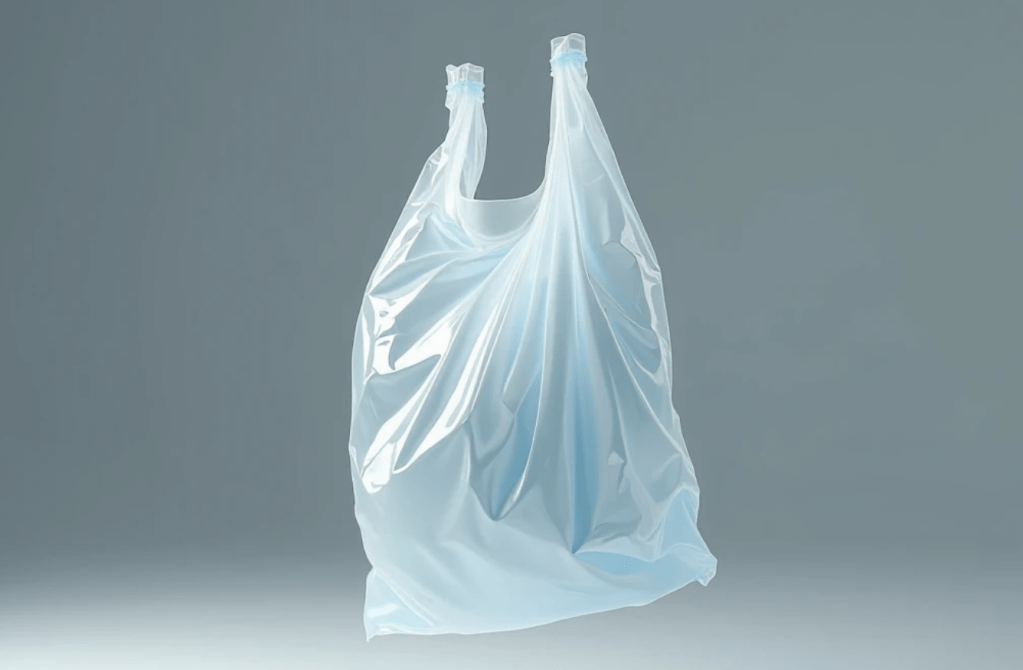
And few things represent that mindset better than the humble plastic bag.
We’ve all got them. Stuffed in drawers, tucked in glove compartments, crammed into backpacks. Most people toss them aside without a second thought. But not us. Not real preppers. We know better.
Let me walk you through just how powerful this overlooked tool can be when the world goes sideways.
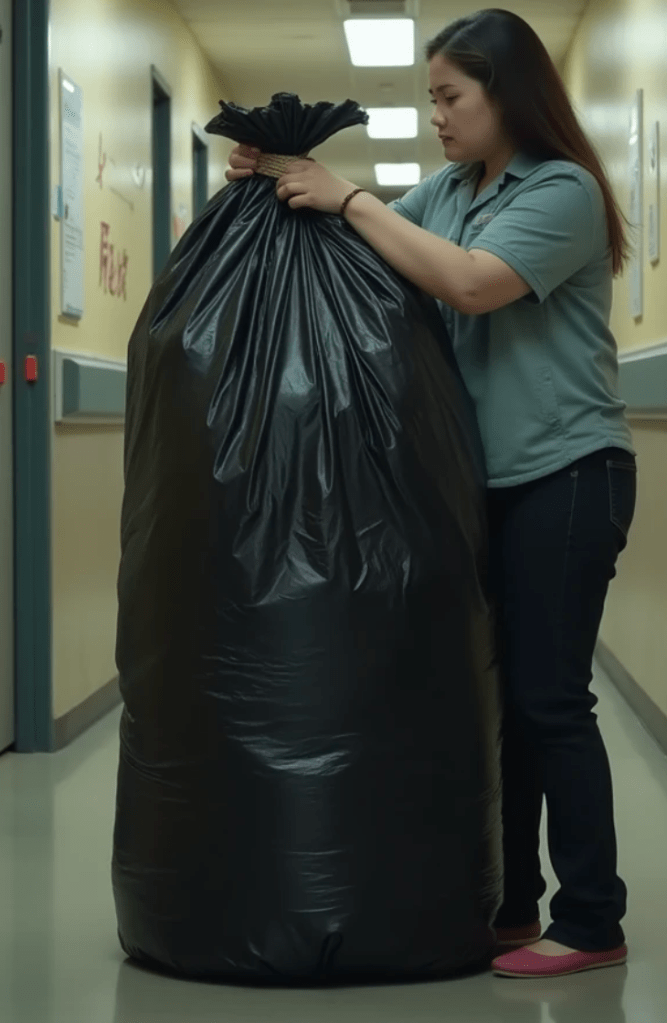
Plastic bags are made for carrying—and when SHTF, you’ll be moving gear, supplies, food, firewood, or wild edibles across rough terrain. A strong plastic bag—especially a thicker one like a trash bag or contractor bag—can handle a surprising amount of weight.
Survival Tip #1: Keep a few large contractor bags in your bug-out bag. They fold flat, take up virtually no space, and can carry over 50 pounds of supplies if needed.
2. Water Collection and Storage
Water is life. If you don’t have access to clean, drinkable water, your chances of survival plummet fast. And out in the wild, even a pristine mountain stream can carry invisible killers—giardia, E. coli, cryptosporidium.
A plastic bag gives you a container—one of the most valuable things in the wilderness. Scoop up water from a stream, pond, or rainfall, and purify it using tablets, boiling, or your water filter.
Survival Tip #2: Line a hole in the ground with a plastic bag to catch rainwater or morning dew. Cover it with a tarp or another bag to reduce evaporation.
3. DIY Solar Still
Here’s one most folks overlook—making a solar still with a plastic bag. If you’re in a survival situation with no clean water around, you can extract moisture from plants or damp earth using the sun’s power.
Fill a clear plastic bag with green, non-toxic vegetation (like dandelion greens or clover), tie it shut, and place it in direct sunlight. Over time, condensation will form on the inside, collecting at the lowest point of the bag.
Survival Tip #3: Add a small rock inside the bag to help direct the condensation toward a corner for easy collection.
4. Emergency Shelter or Poncho
Caught in the rain? Exposure is one of the deadliest threats in survival. Hypothermia can set in fast, even in mild temperatures if you’re wet and the wind picks up.
A large trash bag can become a makeshift poncho. Cut holes for your head and arms, and you’ve got instant rain protection.
You can also cut the bag open and use it as a tarp for an improvised shelter roof, windbreak, or ground barrier.
Survival Tip #4: Line the inside of your shelter with plastic bags to keep body heat in and moisture out.
5. Insulation and Warmth
Plastic is waterproof, and when layered with natural materials (like dry leaves or pine needles), it can create excellent insulation.
Stuff a trash bag full of soft, dry materials and use it as a pillow, mattress, or blanket insulation layer.
Survival Tip #5: Use two plastic bags—one filled with insulation and one around your feet—to create emergency foot warmers for cold nights.
6. Signal for Help
Black plastic bags, especially when inflated, create a sharp contrast against natural landscapes. You can tie one to a stick or toss it into an open field as a makeshift distress signal.
Some preppers even write SOS or HELP on them with white paint or duct tape.
Survival Tip #6: Inflate a black bag, tie it off, and place it in a high, open area to catch attention from air or drone rescue units.
7. Waterproof Your Gear
Electronics, maps, fire-starting materials, and dry clothes are essential in a survival scenario. And they’re all useless if soaked.
Plastic bags are your first line of defense against rain, floods, or even accidental drops into rivers.
Survival Tip #7: Double-bag your fire-starting kit (matches, lighters, tinder) and store it in a dry section of your pack.
8. Improvised Gloves or Footwear Protection
If you have to cross contaminated areas, like flood zones, or deal with waste, plastic bags over your hands and feet offer basic protection against bacteria or harsh terrain.
Survival Tip #8: Duct tape plastic bags around your shoes or boots to keep them dry during water crossings.
9. Makeshift Floatation Aid
Need to cross a body of water? A large plastic bag filled with air and tied off can act as a flotation aid. It’s not a life jacket, but it can help you keep your pack above water or assist with buoyancy in a pinch.
Survival Tip #9: Use multiple inflated plastic bags tied together inside a net or fabric wrap for added flotation support.
10. Waste Disposal and Sanitation
Sanitation is key when bugging out or hunkering down. Illness spreads quickly when waste isn’t handled properly. A plastic bag gives you a clean, temporary toilet option or a way to seal off contaminated materials.
Survival Tip #10: Use a bag-lined bucket as a portable toilet. Cover waste with dirt or sawdust and seal the bag tightly to reduce odor and bacteria.
Final Thoughts
Listen—plastic bags won’t replace your knife, your firestarter, or your firearm. But when SHTF, you’ll find that the small things often make the biggest difference. A simple plastic bag can haul your gear, keep you dry, provide drinking water, signal for rescue, or insulate you from the cold.
The key is always the same: think creatively, act decisively, and never underestimate the ordinary.
Next time you see a plastic bag blowing across the road or jammed in a fence—don’t scoff. Pick it up. Tuck it away. When the lights go out and society crumbles, that piece of plastic might just save your life.
Are you seeing the survival potential in your everyday gear?




























 TheDailyChristian