Emergency Preparedness Planning 101: What to Do Before Everything Falls Apart

If you’re reading this, congratulations—you’re at least aware enough to realize the world is a mess and getting messier by the day. Most people shuffle through their lives staring at their phones, trusting the government, corporations, or some miraculous stroke of luck to save them when disaster strikes. Spoiler alert: no one is coming to save you. Emergency preparedness isn’t a hobby; it’s the bare minimum level of responsibility any halfway conscious adult should take. And yet here we are, in a society where people panic when the WiFi goes down for twenty minutes.

Welcome to Emergency Preparedness Planning 101—the class everyone should have taken, but most didn’t because they assumed everything would always be fine. Those of us who actually prepare know better. We don’t do it because it’s “fun” or because we want to feel special. We do it because we’ve seen enough to know that chaos is inevitable. And when chaos comes, you’re either ready… or you’re a liability.

Let’s go through what you should already know but probably don’t.


1. The First Rule: Accept That Disasters Happen

Most people cling to the fantasy that emergencies are rare. They’re not. At any moment, you could be dealing with:

  • Natural disasters
  • Power grid failures
  • Economic collapse
  • Social unrest
  • Pandemics
  • Infrastructure breakdown
  • Supply chain interruptions

And let’s not pretend any of these are far-fetched. Recent years have made it painfully clear how quickly society falls apart when even small disruptions hit. Yet people still act shocked when they walk into a store and see empty shelves. The truth is that modern society is held together with duct tape and wishful thinking. Preparing isn’t pessimism—it’s realism.


2. Water: The One Thing You Can’t Afford to Overlook
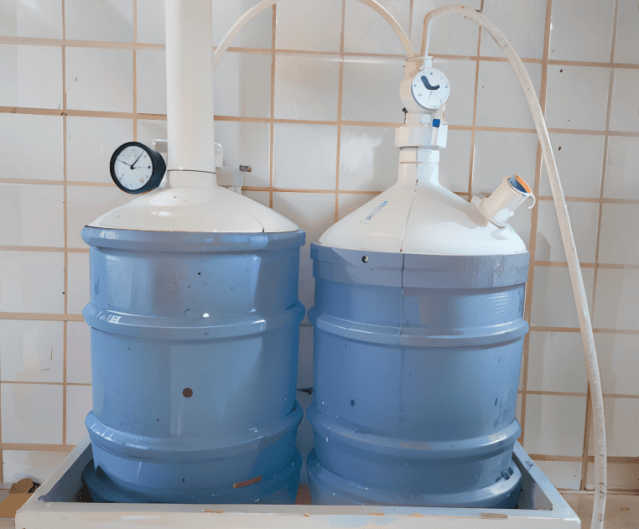
It’s astounding how many people stockpile gadgets, weapons, or flashlights but forget water—the literal foundation of survival. The rule is simple: one gallon per person per day, and that’s scratching the surface. Add pets, hygiene, cooking, and unforeseen emergencies, and that number climbs quickly.

If you think a few plastic bottles shoved in a closet is enough, you’re fooling yourself. Water sources get contaminated, municipal systems fail, and bottled water disappears instantly during any crisis. You need:

  • A minimum two-week supply stored
  • A long-term water storage plan
  • Filtration and purification systems
  • Redundant backup methods

Because if you don’t plan now, you’ll be fighting your neighbor at the nearest drainage ditch when the taps run dry.


3. Food Storage: Not the Instagram Version

People love the idea of food prepping until they realize it involves work and discipline. Emergency food storage is not about bragging rights or looking cool in a bunker selfie. It’s about having the calories and nutrients you need to keep going when grocery stores are stripped bare—which happens faster than most people believe.

Your food storage should include:

  • Shelf-stable staples (rice, beans, oats, pasta)
  • Freeze-dried meals
  • Canned protein
  • Long-term storage containers with oxygen absorbers
  • A rotation schedule

And before you even think it: no, your freezer doesn’t count. When the power goes out and everything inside turns into a thawed, useless mess, don’t say you weren’t warned.


4. Power: Because Sitting in the Dark Isn’t a Plan

If a grid failure happened right now, most people would be paralyzed. You need alternative power sources—plural. Relying on a single generator is a rookie mistake. Fuel runs out. Systems fail. Weather gets unpredictable.

A real prepper builds redundancy:

  • Solar power systems
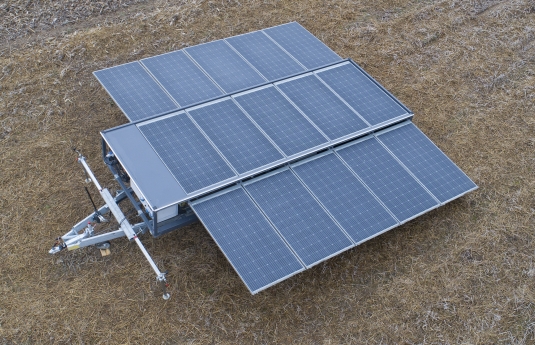
  • Portable solar panels
  • Battery banks
  • Hand-crank chargers
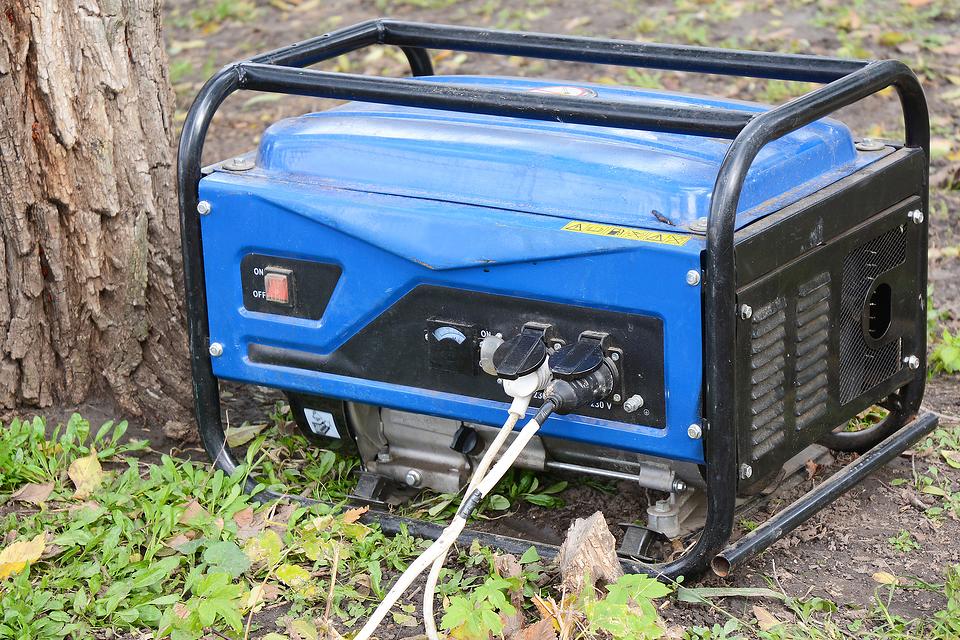
  • Generators (as a secondary system)

This isn’t paranoia. It’s accepting the reality that modern life depends on electricity, and electricity is far more fragile than anyone wants to admit.


5. First Aid: Because the World Doesn’t Hand Out Second Chances

You don’t need to be a doctor, but you need more than an outdated band-aid box from 2004. When emergencies strike, hospitals overload instantly, and you may be on your own.

Your first aid preparedness should include:

  • A professional-grade trauma kit
  • Knowledge of wound care
  • Skills in CPR and basic first aid
  • Over-the-counter medications
  • Prescription backups (if possible)

Because when someone gets hurt—and someone will get hurt—waiting for help isn’t an option.


6. Security: The Topic Everyone Tiptoes Around

Let’s be honest: during real emergencies, people can be almost as dangerous as the disaster itself. Society runs on rules and consequences—take those away, and human behavior becomes incredibly unpredictable.

You need a plan to keep yourself and your loved ones safe. That includes:

  • Physical security
  • Situational awareness
  • Reinforced entry points
  • Lighting
  • Alarms
  • Nonviolent self-defense tools
  • Communication plans

The point isn’t to live in fear; it’s to not be blindsided when people act desperate, irrational, or opportunistic.


7. Communication: Because Isolation Is a Death Sentence

You need to be able to reach others—and they need to be able to reach you—when the world goes quiet. Don’t rely on cell towers and internet providers; they’re usually the first to collapse during crises.

A real emergency communication setup should include:

  • Battery-powered radios
  • NOAA weather radios
  • Two-way radios
  • Backup power sources
  • Written communication plans for your group or family

Being disconnected during an emergency is not only dangerous—it’s completely avoidable with minimal planning.


8. A Mindset That Doesn’t Crumble

Gear is useless without the right mindset. Emergency preparedness is about being mentally ready to deal with unpredictability. It’s about accepting that you’re responsible for you, no matter how much society has trained people to outsource responsibility.

Mindset means:

  • Staying calm under pressure
  • Being adaptable
  • Making decisions when others freeze
  • Thinking ahead
  • Maintaining discipline even when everything feels pointless

Preparing isn’t pessimistic—it’s acknowledging reality. Anyone who thinks the world is stable hasn’t been paying attention.


Final Thoughts
Emergency preparedness planning isn’t complicated. What makes it difficult is the denial people cling to. If you’re reading this, you’re already ahead of most. But being aware is only step one. Doing something about it is what matters. Stocking up, planning, learning, and preparing aren’t overreactions. They’re survival.

If the world goes sideways—and eventually it will—your only regret will be not preparing sooner.

Alternative Power Sources – Solar panels, generators, wind power, and battery banks.

Alright, listen up, because I’m only going to say this once. If you’re out there thinking you can just sit back and rely on the grid when the world goes sideways, you’re dead wrong. The grid fails. It’s a ticking time bomb that can explode at any second — a blackout, a natural disaster, civil unrest, or a cyberattack — and then you’re left in the dark, literally and figuratively. If you don’t have alternative power sources locked down, you might as well kiss your survival chances goodbye.

I’m not here to sugarcoat it or hold your hand. Survival is about being ready, being ruthless, and being smart. If you don’t want to be a sitting duck, you better learn how to harness power on your own terms. Solar panels, generators, wind turbines, and battery banks are your lifelines in a SHTF scenario. But it’s not enough to just have them—you need to know how to use, maintain, and adapt these systems. Here’s the raw, no-BS breakdown.


15 Survival Skills for Alternative Power Sources

  1. Solar Panel Setup and Orientation
    If you don’t know how to properly set up your solar panels, you’re wasting time and resources. Panels need to face true south (in the northern hemisphere) and be angled based on your latitude. Learn how to adjust this seasonally for maximum efficiency.
  2. Solar Panel Maintenance
    Dust, snow, leaves, and grime kill your panel’s output. You need to be scrubbing those panels regularly with clean water and a soft cloth. Never use harsh chemicals or abrasive materials.
  3. Generator Operation and Fuel Management
    A generator isn’t magic; it’s a beast that needs fuel and proper care. Know how to start it cold, run it safely, and manage fuel reserves without letting gas go stale. Rotating your fuel stockpile is essential.
  4. Generator Troubleshooting
    Generators can fail. Know how to check spark plugs, fuel lines, oil levels, and air filters. Don’t wait until you need it—practice running your generator monthly.
  5. Wind Turbine Basics
    Wind power is often overlooked. Learn to build or set up a small wind turbine, identify optimal sites (look for steady, unobstructed wind), and know the common failure points like blade damage or electrical shorts.
  6. Battery Bank Assembly
    It’s not just about throwing a bunch of batteries together. Understand series vs. parallel connections, proper wiring, fusing, and ventilation to avoid deadly short circuits or fires.
  7. Battery Maintenance and Monitoring
    Lead-acid and lithium batteries need different care. You have to check water levels in flooded batteries, keep terminals clean, and use voltmeters or battery monitors to avoid deep discharge.
  8. Inverter Use and Power Management
    Converting DC to AC with an inverter wastes power. Know your inverter’s efficiency, the wattage limits, and how to prioritize what appliances get power.
  9. Power Load Calculation
    You must calculate the total wattage your system can handle. Overloading your system means failure when you need it most.
  10. Emergency Power Rationing
    Know how to ration your power output—turn off non-essential devices, switch to energy-saving modes, and rotate usage to stretch your reserves.
  11. Energy Storage Alternatives
    Aside from batteries, learn how to use capacitors, flywheels, or even old-school mechanical storage (like gravity-based energy storage) if you want to get creative.
  12. Portable Power Sources
    Learn to maintain portable solar chargers and small generators that can be transported easily—critical if you need to bug out.
  13. DIY Power Repair Skills
    Have basic electrical skills—knowing how to solder, crimp, and replace fuses or connectors can keep your system running when parts fail.
  14. Fuel Harvesting and Storage
    For generators, learn to store fuel safely and harvest alternative fuels like biodiesel or wood gas if you’re truly hardcore.
  15. Grid Tie-in and Isolation
    Know how to safely isolate your system from the grid or even tie into it if it’s still functioning. Backfeeding can kill linemen or damage your gear.

3 DIY Survival Hacks for Alternative Power

1. Build Your Own Solar Still to Power Small Devices

If you’re desperate, make a solar still with clear plastic, a container, and a water source. This isn’t just for water purification — you can use the condensation water to cool small solar panels or create micro-hydro setups. It’s a low-cost, low-tech way to get the basics when you have zero gear.

2. Repurpose Old Car Alternators for Wind or Water Power

Car alternators are rugged and made to generate electricity. Hook one up to a DIY wind turbine or a small water wheel. This is how you get electricity without buying expensive gear. Yes, it takes some work and know-how, but when the grid fails, a little elbow grease goes a long way.

3. Create a Bicycle Generator Setup

Turn your bike into a generator by attaching it to a DC motor wired to your battery bank. Pedaling spins the motor, generating power. It’s brutal work, but when you’re trapped with no fuel and no sun, the sweat on your brow will keep your lights on and your radio running.


Why This Matters

Look, survival isn’t a weekend hobby or a trendy Instagram post. It’s life or death. You don’t just get to rely on government help, the power company, or your neighbors. The power grid is a fragile beast that can fail without warning—and if you’re not prepared with alternative power sources, you’re dead in the water.

Solar panels don’t care about blackouts, wind turbines laugh at gas shortages, generators can keep you running when the sun goes down, and battery banks store precious power you can’t afford to lose. But only if you know how to use them.

Get out there, learn these skills, and build your own power fortress. Otherwise, when the blackout hits, don’t come whining to me because you didn’t prepare.


If you want me to break down each power source in excruciating detail, or if you want me to talk about long-term storage and fuel alternatives, just say the word. But until then? Get off your butt and start building. Because if you don’t, someone else will—and you’ll be begging for scraps in the dark.

Survival Prepper: How To Make An Electric-Free Refrigerator

One of the first problems that we face during a grid-down or emergency scenario is the loss of electricity and the failure to keep food from spoiling.

Equipment like generators and other off-grid power options can keep a refrigerator running for a while but drain the battery capacity that could have been used for other important resources.

Setting up an electricity-free refrigerator will assist in preserving battery and fuel stores.

Zeer Pots

Is a pot in another pot refrigeration system, using two unglazed clay pots. These pots are different sizes; the smaller one should fit inside the larger one leaving a gap of about an inch or so.

The inner pot is where the food you want to keep cold goes, and the outer pot serves to contain the sand that will fill the gap between the pots.

Through the process of evaporated cooling, Zeer pots can keep the food in the inner clay cool. As the water evaporates, it absorbs heat to turn the liquid water into vapor. While the water vapor absorbs the heat, it will replace the cool air that will settle in the inner pot.

If you’re interested in making your own Zeer pot, a simple google search will show you how easy it is and it only takes about 20 minutes to make. I’ve made life a little easier by providing step-by-step directions below!

  1. Get two unglazed ceramic pots—one that will fit inside the other—plus some sand and water.
  2. Fill the bottom of the larger pot with a couple of inches of sand.
  3. Put the smaller pot in the larger one.
  4. Fill the space between the pots with sand.
  5. Pour water into the sand.
  6. Cover the pots with a ceramic lid or wet cloth.

That’s it! You’re ready to store food inside. Just remember to add water to the sand every day, like mentioned earlier, it uses evaporation to cool food.

As water evaporates through the clay, it releases energy into the air and cools the space inside the pot. It’s like splashing water on your face on a hot day; the water evaporates off your skin, cooling it in the process. Refrigerator coolant actually works in a similar way, using evaporation to draw heat out of the fridge itself. That’s why the back of your Frigidaire is so warm.

I want to end this blog with an important reminder. KEEP YOUR FOOD COLD!!!
Keeping food cold without electricity is tricky. You have to keep your food at a consistent temperature to avoid the spread of bacteria. Make sure you have a thermometer to monitor proper food safety temperature.

Have you ever made a Zeer Pot refrigeration system? If so, what are some tips and tricks that have worked out for you?

Thank you for sticking through another important and informative SHTF situation and I hope this information was helpful.

Please remember to subscribe to my page and let me know which posts you have found most useful in your survival prepping.