

Rhode Island may be the smallest state in the union, but don’t let its size fool you. Danger doesn’t need square mileage to work its way into your life—it only needs complacency.
I’ve spent decades studying survival: wilderness, urban, maritime, kitchen-based (because yes, survival starts with what you eat and how you cook it), and human behavior under stress. And after analyzing patterns of accidental and preventable deaths in Rhode Island, one thing becomes painfully clear:
Most people don’t die because the world is unfair.
They die because they weren’t prepared.
This article breaks down the Top 10 non-disease, non-cancer, non-old-age causes of death in Rhode Island, explains why they happen, and—most importantly—what you must do to survive them.
Think of this like a perfectly executed meal. Every ingredient matters. One mistake, and dinner’s ruined. Or worse—you are.
Let’s sharpen the knives.
1. Motor Vehicle Crashes (Cars, Motorcycles, and Pedestrians)
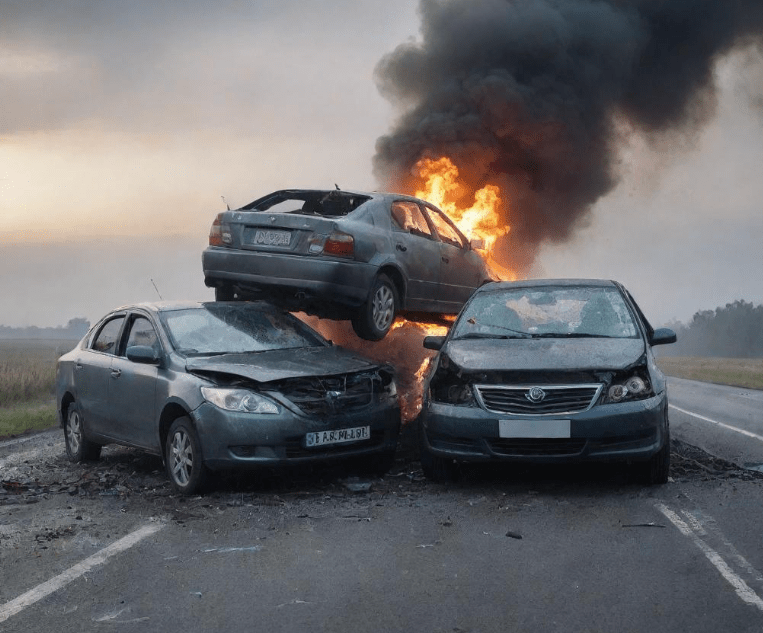
Why People Die This Way in Rhode Island
Rhode Island drivers suffer from a deadly combination:
- Dense traffic
- Short trips that breed complacency
- Aggressive driving habits
- Weather that changes its mind every 15 minutes
Most fatal crashes involve:
- Speeding
- Distracted driving (phones, GPS, food)
- Alcohol or drug impairment
- Failure to wear seatbelts
- Motorcyclists without proper protective gear
Pedestrians are especially vulnerable in urban areas like Providence, Pawtucket, and Warwick.
How to Survive It
A survivalist treats driving like operating heavy machinery—because that’s exactly what it is.
Rules to live by:
- Wear your seatbelt every single time. No excuses.
- Assume every other driver is tired, angry, distracted, or stupid.
- Slow down in rain, fog, and snow. Physics doesn’t care about your schedule.
- Motorcyclists: full-face helmet, armored jacket, gloves, boots. You are meat without armor.
- Pedestrians: wear reflective gear at night and never assume a driver sees you.
Survival mindset: You’re not trying to win the drive. You’re trying to survive it.
2. Drug Overdoses (Accidental Poisoning)
Why People Die This Way
Rhode Island has been hit hard by the opioid and fentanyl crisis. Many overdose deaths are:
- Accidental
- Involving unknown potency
- Mixed with alcohol or other drugs
- Occurring alone, with no one to help
Even experienced users misjudge doses when fentanyl contaminates substances.
How to Survive It
This is not a moral issue. This is chemistry and physiology.
Life-saving measures:
- Never use alone
- Carry naloxone (Narcan) and know how to use it
- Avoid mixing substances
- Test substances when possible
- Seek help early—overdose symptoms escalate fast
Survival is about odds. Stacking them in your favor is the only move.
3. Falls (Especially at Home and at Work)
Why People Die This Way
Falls are one of the most underestimated killers. In Rhode Island, fatal falls often involve:
- Ladders
- Stairs
- Slippery surfaces
- Roof work
- Construction and industrial jobs
Head injuries turn a simple misstep into a permanent end.
How to Survive It
A prepper respects gravity like a wild animal—it’s always hunting.
Stay alive by:
- Using proper ladders and stabilizers
- Wearing non-slip footwear
- Installing handrails and adequate lighting
- Never rushing physical tasks
- Wearing helmets in high-risk work environments
In the kitchen, I don’t rush a knife. On a ladder, I don’t rush gravity.
4. Suicide (Self-Harm)
Why People Die This Way
This is not weakness. It’s isolation, untreated mental distress, and hopelessness.
Contributing factors include:
- Economic stress
- Substance abuse
- Relationship breakdowns
- Chronic stress
- Untreated mental health issues
Many deaths occur during moments of temporary crisis that feel permanent.
How to Survive It
Survival sometimes means staying alive long enough for the storm to pass.
Critical survival steps:
- Remove yourself from isolation
- Talk to someone immediately
- Seek professional support
- Reduce access to lethal means during crisis periods
If you or someone you know is in immediate danger, contact 988 (Suicide & Crisis Lifeline) in the U.S.
A true survivalist knows when to fight—and when to call in backup.
5. Fires and Smoke Inhalation
Why People Die This Way
Most people don’t burn to death—they suffocate from smoke.
Common causes include:
- Faulty wiring
- Cooking accidents
- Space heaters
- Candles
- Smoking indoors
Many fatalities occur at night when people are asleep.
How to Survive It
Fire safety is non-negotiable.
Your survival checklist:
- Install smoke detectors on every level of your home
- Test them monthly
- Keep fire extinguishers accessible
- Never leave cooking unattended
- Practice fire escape plans
In my kitchen, I control heat. Fire respects discipline, not arrogance.
6. Drowning (Ocean, Rivers, Lakes, Pools)
Why People Die This Way
Rhode Island’s coastline is beautiful—and unforgiving.
Drownings often involve:
- Strong currents and rip tides
- Cold water shock
- Alcohol consumption
- Overestimating swimming ability
- Lack of life jackets
How to Survive It
Water doesn’t care how confident you feel.
Rules of survival:
- Learn rip current escape techniques
- Wear life jackets when boating or fishing
- Avoid swimming alone
- Limit alcohol near water
- Respect cold water temperatures
A chef knows water can kill a sauce—or save it. Same element, different outcome.
7. Carbon Monoxide Poisoning
Why People Die This Way
Carbon monoxide is silent, invisible, and deadly.
Common sources:
- Gas heaters
- Furnaces
- Generators
- Grills used indoors
- Blocked exhaust vents
People often fall asleep and never wake up.
How to Survive It
This one is stupidly preventable.
Do this now:
- Install carbon monoxide detectors
- Never run engines indoors
- Maintain heating systems
- Keep vents clear
If you can smell danger, it’s already too late. CO gives no warning.
8. Workplace Accidents
Why People Die This Way
Industries like construction, manufacturing, and maritime work carry inherent risks.
Deaths often involve:
- Heavy machinery
- Falls
- Electrocution
- Crushing injuries
- Safety shortcuts
How to Survive It
Golden rule: Safety rules are written in blood.
- Wear protective gear
- Follow lockout procedures
- Speak up about unsafe conditions
- Never bypass safety systems
- Stay alert and rested
Professional survival means respecting systems designed to keep you alive.
9. Extreme Weather Exposure (Hypothermia & Heat)
Why People Die This Way
Rhode Island weather kills quietly.
Hypothermia occurs:
- In cold, wet conditions
- With inadequate clothing
- During power outages
- Among the homeless or unprepared
Heat-related deaths happen during summer heatwaves.
How to Survive It
Dress and plan like weather wants you dead—because sometimes it does.
Survival basics:
- Layer clothing
- Stay dry
- Prepare emergency heating and cooling
- Hydrate aggressively in heat
- Never underestimate “mild” weather
Weather is the original apex predator.
10. Violence and Homicide
Why People Die This Way
Most violent deaths involve:
- Firearms
- Domestic disputes
- Gang-related incidents
- Escalated conflicts
Often, victims knew their attackers.
How to Survive It
Violence avoidance is survival mastery.
Stay alive by:
- Avoiding high-risk environments
- De-escalating conflicts
- Being situationally aware
- Securing your home
- Seeking help in volatile relationships
The best fight is the one you never enter.
Final Survivalist Thoughts

Survival isn’t about fear—it’s about preparation.
Most of the ways people die in Rhode Island are:
- Predictable
- Preventable
- The result of ignored warnings
You don’t need to live in a bunker or eat freeze-dried beans (though I can make beans taste better than Gordon Ramsay ever could).
You just need discipline, awareness, and respect for reality.
Live sharp. Stay prepared. And don’t die stupid.




 TheDailyChristian