Killer Bugs of Tennessee: A Survival Prepper’s Guide to Avoiding the State’s Deadliest Insects

When you live close to the woods, work with your hands, and believe in self-reliance, you learn quickly that the smallest threats are often the ones that hurt you the most.

In Tennessee, the terrain is generous but unforgiving. Thick forests, rolling farmland, humid summers, and mild winters make it prime territory not just for people, but for insects that can seriously injure—or in rare cases, kill—an unprepared individual.

This article isn’t written to scare you. Fear is useless in survival. Information, on the other hand, is a tool. My goal is to lay out the most dangerous insects found in the state of Tennessee, explain why they matter, and give you clear, practical steps to keep yourself and your family safe.

If you live, hunt, hike, camp, garden, or simply enjoy sitting on a back porch in this state, this knowledge belongs in your mental survival kit.


Why Insects Are a Serious Survival Threat in Tennessee

Most people think of survival threats as storms, power outages, or civil unrest. Insects rarely get the respect they deserve. That’s a mistake.

Insects are dangerous because:

  • They are easy to overlook
  • They thrive near homes and campsites
  • They often attack without warning
  • Some carry diseases with long-term consequences
  • Medical treatment may not be immediately available in rural areas

In a grid-down or disaster scenario, even a minor bite can become life-threatening if infection sets in or medical care is delayed. Prepared people don’t dismiss small threats—they manage them.


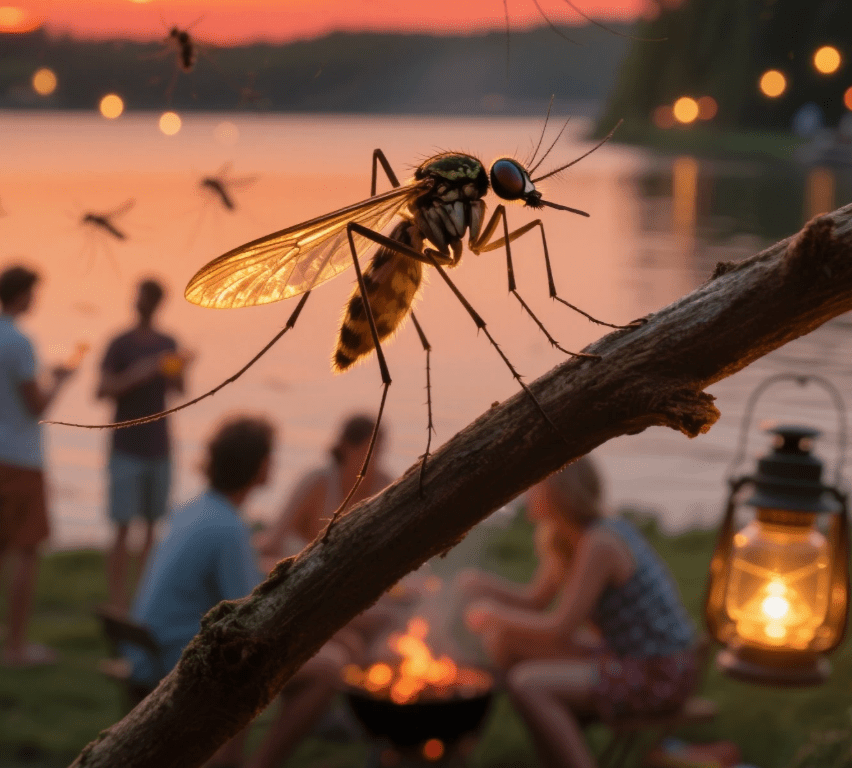
1. Mosquitoes: Tennessee’s Deadliest Insect by Numbers

If we’re talking strictly about human deaths, mosquitoes top the list—not just in Tennessee, but worldwide.

Why Mosquitoes Are Dangerous

Mosquitoes themselves aren’t the problem. What they carry is.

In Tennessee, mosquitoes are known vectors for:

  • West Nile Virus
  • Eastern Equine Encephalitis (EEE)
  • Zika Virus
  • La Crosse Encephalitis

While many infected individuals show mild or no symptoms, others—especially children, the elderly, and immunocompromised adults—can suffer severe neurological complications.

From a prepper’s perspective, disease-carrying insects are a long-term threat. You may not feel the damage immediately, but once symptoms appear, you’re already behind the curve.

Where You’ll Encounter Them

  • Standing water (ditches, buckets, birdbaths)
  • Creek bottoms and riverbanks
  • Shaded yards and overgrown brush
  • Campsites and hunting areas

How to Stay Safe from Mosquitoes

  • Eliminate standing water around your home weekly
  • Wear long sleeves and pants during dawn and dusk
  • Use proven repellents (DEET, picaridin, or oil of lemon eucalyptus)
  • Install window screens and repair holes
  • Run fans on porches—mosquitoes are weak flyers

Prepared households treat mosquito control as routine maintenance, not a seasonal afterthought.


2. Ticks: Silent, Patient, and Potentially Life-Altering

Ticks are not insects, but most folks group them together—and for good reason. In Tennessee, ticks are one of the most serious outdoor health threats.

Dangerous Tick Species in Tennessee

  • Lone Star Tick
  • Blacklegged Tick (Deer Tick)
  • American Dog Tick

These ticks can transmit:

  • Lyme disease
  • Rocky Mountain spotted fever
  • Ehrlichiosis
  • Alpha-gal syndrome (a red meat allergy caused by Lone Star ticks)

Alpha-gal alone has changed the lives of many outdoorsmen who suddenly can’t eat beef or pork without severe reactions.

Why Ticks Are a Prepper’s Concern

Ticks don’t bite and leave. They embed themselves, feed slowly, and often go unnoticed for hours or days. In a long-term emergency scenario, untreated tick-borne illness can remove a capable adult from usefulness entirely.

Tick Prevention Strategies

  • Treat clothing with permethrin
  • Wear light-colored pants to spot ticks
  • Tuck pants into boots when in tall grass
  • Perform full-body tick checks after outdoor activity
  • Shower within two hours of exposure

In my household, tick checks are non-negotiable. Discipline prevents disease.


3. Brown Recluse Spiders: Small, Reclusive, and Dangerous

The brown recluse spider is well established in Tennessee and deserves respect.

Why Brown Recluses Are Dangerous

Their venom can cause:

  • Severe skin damage
  • Necrotic wounds
  • Secondary infections

While fatalities are rare, untreated bites can result in long healing times and permanent tissue damage.

Where Brown Recluses Hide

  • Garages
  • Sheds
  • Woodpiles
  • Closets
  • Cardboard boxes
  • Undisturbed storage areas

They don’t roam looking to bite you. Most bites happen when someone puts on clothing or reaches into storage without looking.

How to Avoid Brown Recluse Bites

  • Shake out shoes and clothing
  • Store items in plastic bins, not cardboard
  • Reduce clutter
  • Wear gloves when moving stored items
  • Seal cracks and crevices in structures

Prepared living spaces are orderly for a reason—it limits hiding places for threats.


4. Black Widow Spiders: Recognizable and Medically Significant

Black widows are less common than brown recluses but still present throughout Tennessee.

Why Black Widows Are Dangerous

Their venom attacks the nervous system and can cause:

  • Severe muscle pain
  • Cramping
  • Nausea
  • Elevated blood pressure

Children and elderly individuals are at higher risk for complications.

Common Black Widow Locations

  • Under decks
  • In woodpiles
  • Crawl spaces
  • Outdoor furniture
  • Utility boxes

Safety Measures

  • Wear gloves when handling firewood
  • Inspect outdoor furniture before use
  • Keep woodpiles away from the home
  • Reduce insect populations that attract spiders

Respect their space, and they usually return the favor.


5. Fire Ants: Aggressive and Relentless

Imported fire ants are spreading in parts of Tennessee, particularly in the southern and western regions.

Why Fire Ants Are Dangerous

Fire ants attack as a group. Their stings cause:

  • Intense burning pain
  • Pustules
  • Secondary infections
  • Allergic reactions, including anaphylaxis

Multiple stings can overwhelm children or pets quickly.

Fire Ant Survival Tips

  • Learn to recognize mounds
  • Avoid standing still in infested areas
  • Treat mounds promptly
  • Keep yards maintained
  • Teach children what fire ant mounds look like

Prepared families educate early. Recognition saves pain.


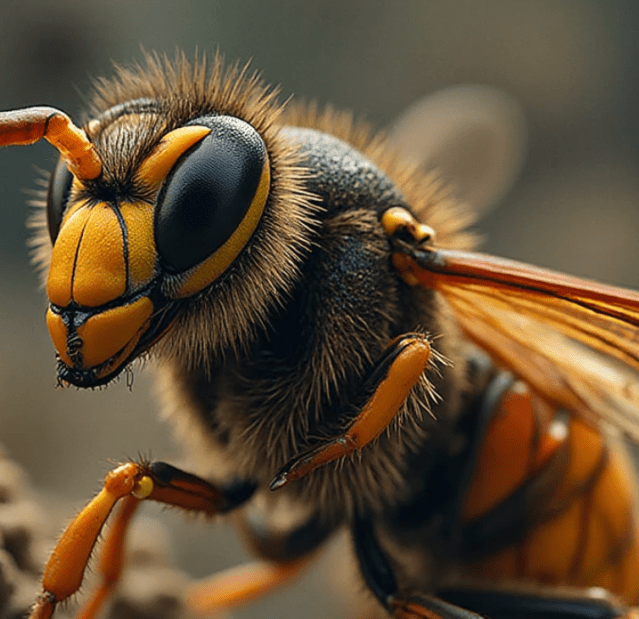
6. Wasps, Hornets, and Yellowjackets: Territorial Defenders

Stinging insects account for more insect-related deaths in the U.S. than spiders.

Why They’re Dangerous

  • They sting repeatedly
  • They attack in groups
  • They defend nests aggressively
  • Allergic reactions can be fatal without epinephrine

Yellowjackets are especially aggressive and commonly encountered during late summer and fall.

Where Encounters Happen

  • Trash cans
  • Picnic areas
  • Attics and eaves
  • Underground nests
  • Campsites

Staying Safe Around Stinging Insects

  • Avoid swatting
  • Cover food outdoors
  • Secure garbage lids
  • Inspect structures regularly
  • Remove nests early (or hire professionals)

In a survival scenario, stings are more than painful—they can be disabling.


7. Kissing Bugs: Rare but Worth Knowing

Kissing bugs are present in Tennessee, though encounters are uncommon.

Why They Matter

They can carry Chagas disease, a serious illness affecting the heart and digestive system. Transmission is rare in the U.S., but awareness matters.

Prepper Takeaway

  • Seal cracks in homes
  • Reduce outdoor lighting near doors
  • Keep pets indoors at night

Preparedness isn’t paranoia—it’s awareness.


Practical Survival Principles for Bug Safety

Here’s how a prepper thinks about insects:

  1. Control the environment – Reduce habitat and access
  2. Protect the body – Clothing, repellents, inspections
  3. Recognize early signs – Bites, rashes, unusual symptoms
  4. Maintain medical readiness – First aid supplies and knowledge
  5. Educate the family – Everyone plays a role

Insects don’t care how tough you are. They exploit complacency.


Essential Bug Defense Gear for Tennessee Homes

Every prepared household should have:

  • Insect repellent
  • Tick removal tools
  • Antihistamines
  • Hydrocortisone cream
  • Epinephrine (if prescribed)
  • Protective clothing
  • Mosquito netting for emergencies

These items are inexpensive compared to the cost of treatment—or regret.


Final Thoughts from a Prepper

Living prepared doesn’t mean living afraid. It means respecting reality.

Tennessee’s insects are part of the ecosystem, but they don’t have to be part of your medical history. Most injuries happen because people assume “it won’t happen to me.” Survival-minded folks don’t rely on luck—they rely on knowledge, habits, and discipline.

If you take nothing else from this article, remember this: the smallest threats succeed when ignored. Pay attention, prepare your space, and teach the next generation how to live smart in bug country.

Stay alert. Stay capable. Stay safe.

Colorado Insects That Can Kill You and Why You’re Not Ready

Let’s get one thing straight right out of the gate: nature does not care about you. Colorado doesn’t care about you. The mountains don’t care. The plains don’t care. And the insects crawling, flying, biting, and stinging their way across this state certainly don’t care. The world likes to sell you a postcard version of Colorado—clean air, blue skies, hiking trails, and sunshine. That’s the lie. The truth is that this state is crawling with small, angry, venomous, disease-carrying creatures that can ruin you—or kill you—faster than you think.



And before anyone jumps in with “technically that’s a spider, not an insect,” save it. When you’re on the ground in pain, your body shutting down, taxonomy won’t save you. Survival will.

This article isn’t here to comfort you. It’s here to warn you.


1. Wasps, Hornets, and Yellowjackets: Death by Allergy or Numbers

Let’s start with the obvious menace most people underestimate: stinging insects. Yellowjackets, paper wasps, hornets, and various bees are everywhere in Colorado—from urban backyards to remote campsites.

For most people, a sting is painful but survivable. For others, it’s a death sentence.

Anaphylaxis doesn’t announce itself politely. Your throat swells, your blood pressure drops, your airway closes, and panic sets in. If you don’t have immediate access to emergency treatment, you’re done. No heroics. No second chances.

Even if you’re not allergic, multiple stings can overwhelm your system. Disturb a nest while hiking or mowing the lawn, and you won’t be dealing with “one or two stings.” You’ll be dealing with dozens.

Survival Reality Check:

  • Know whether you’re allergic before you’re in the wilderness.
  • Carry emergency medication if prescribed.
  • Avoid ground nests like your life depends on it—because it might.
  • Don’t rely on cell service to save you. Out here, help is often far away.

2. Mosquitoes: The Silent Disease Delivery System

People laugh at mosquitoes. They shouldn’t.

Colorado mosquitoes are known carriers of West Nile virus, which can lead to severe neurological damage or death. You don’t feel it happening. You don’t hear it coming. You get bit, you move on, and days later your body starts betraying you.

The danger here isn’t drama—it’s invisibility. No venom. No warning. Just consequences.

Survival Reality Check:

  • Use insect repellent consistently, not occasionally.
  • Avoid stagnant water areas, especially at dusk.
  • Don’t ignore flu-like symptoms after heavy mosquito exposure.
  • Prevention is the only defense—there is no fast cure.

3. Ticks: Tiny Parasites with a Long Memory

Colorado is home to several tick species, including the Rocky Mountain wood tick. These things latch on quietly and stay there, feeding while transferring bacteria and viruses into your bloodstream.

Colorado tick fever is real. So are other tick-borne illnesses that can leave you hospitalized or worse.

Ticks don’t need wilderness. They thrive in grass, brush, and even suburban yards. You don’t have to be “roughing it” to get hit.

Survival Reality Check:

  • Do full-body checks every time you’re outdoors.
  • Remove ticks properly and promptly.
  • Don’t assume symptoms will show up immediately.
  • Treat tick bites as serious business, not an inconvenience.

4. Black Widow Spiders: Venom with a Bad Attitude

Yes, spiders aren’t insects. No, that doesn’t make them less dangerous.

The western black widow is present in Colorado and carries neurotoxic venom that can cause severe pain, muscle spasms, breathing difficulty, and systemic reactions. While deaths are rare, “rare” doesn’t mean impossible—especially for children, older adults, or anyone with underlying conditions.

They like dark, quiet places: woodpiles, sheds, garages, and yes, sometimes your home.

Survival Reality Check:

  • Wear gloves when handling debris or firewood.
  • Shake out boots and clothing left outside.
  • Seek medical attention immediately after a bite.
  • Ignoring symptoms is how people get into real trouble.

5. Blister Beetles: Chemical Warfare in a Shell

Blister beetles don’t sting or bite, which makes them more dangerous than you think. They secrete cantharidin, a toxic chemical that causes severe skin blistering and can be deadly if ingested.

Livestock deaths from blister beetles happen every year. Humans aren’t immune to the toxin’s effects—it can damage the digestive and urinary systems.

They’re common in Colorado during warmer months, especially in agricultural areas.

Survival Reality Check:

  • Never handle unfamiliar beetles with bare hands.
  • Wash skin immediately after contact.
  • Keep them away from food and water sources.
  • “Harmless-looking” is a trap.

6. Kissing Bugs: Rare but Real

Triatomine insects—commonly called kissing bugs—have been documented in Colorado. They can carry Trypanosoma cruzi, the parasite responsible for Chagas disease.

The disease can cause long-term heart and digestive damage and may be fatal years after infection. Most people don’t even realize they’ve been infected until the damage is done.

Survival Reality Check:

  • Seal cracks in homes and sleeping areas.
  • Use screens and reduce outdoor lighting that attracts insects.
  • Don’t ignore unexplained symptoms after insect exposure.
  • Just because something is “rare” doesn’t mean it won’t be you.

Final Thoughts: Survival Is a Mindset

Here’s the part no one likes to hear: the world is not getting safer, cleaner, or more forgiving. Medical systems are strained. Response times are slow. People are distracted, complacent, and unprepared.

Insects don’t care about your optimism.

Survival in Colorado—or anywhere—requires awareness, preparation, and a healthy distrust of anything small enough to crawl under your defenses. You don’t need to panic. You need to pay attention.

Because out here, it’s never the big threats that get you.
It’s the little ones you didn’t take seriously.

Texas’ Deadliest Insects That Will End You Faster Than You Can Run

Texas is not a forgiving place.
It is vast, hot, biologically aggressive, and packed with life that has evolved for one purpose: survival.

As a professional survival prepper who has spent decades studying poisonous and venomous insects, I can tell you this with certainty—Texas insects are not something to ignore, underestimate, or dismiss as “just bugs.” Some can permanently injure you. A few can kill you. Most will hurt you badly if you’re careless.

The good news?
Knowledge is stronger than venom.

This article is not written to scare you. It is written to prepare you. When you understand which insects are truly dangerous, how they behave, where they live, and—most importantly—how to avoid provoking them, you dramatically increase your odds of staying healthy and alive.

Let’s get one thing straight before we begin:

In Texas, insects don’t hunt humans—but they will defend themselves brutally when surprised, stepped on, cornered, or ignored.

If you live in Texas, travel through it, hike, camp, hunt, or even just maintain a backyard, this guide is essential reading.


Poisonous vs. Venomous: Know the Difference or Pay the Price

Before naming specific insects, we need clarity.

  • Poisonous means harmful if eaten or touched.
  • Venomous means harmful if it bites or stings you.

Most dangerous Texas insects are venomous, delivering toxins through stings or bites. That venom can cause:

  • Severe pain
  • Allergic reactions
  • Tissue damage
  • Infection
  • Cardiac or respiratory complications in rare cases

For survival purposes, venom plus ignorance is what kills people—not the insect itself.


1. Fire Ants: Small, Aggressive, and Relentless

Why Fire Ants Are Dangerous

Fire ants may look insignificant, but they are among the most medically significant insects in Texas due to their aggression and sheer numbers.

One fire ant sting is unpleasant.
Dozens or hundreds can become a medical emergency.

Fire ants:

  • Swarm when disturbed
  • Bite and sting repeatedly
  • Inject venom that causes burning pain and pustules
  • Can trigger severe allergic reactions in sensitive individuals

In survival situations, fire ants are especially dangerous because people often panic and fall, increasing exposure.

Where You’ll Find Them

  • Lawns
  • Fields
  • Roadside ditches
  • Pastures
  • Playgrounds
  • Campsites

Survival-Prepper Prevention Strategy

  • Never stand still on bare ground for long periods
  • Avoid sitting directly on the ground without inspection
  • Learn to recognize fire ant mounds
  • Wear closed-toe footwear outdoors
  • Shake clothing and bedding before use

If You Are Attacked

  • Move immediately
  • Brush ants off quickly (don’t slap)
  • Wash the area thoroughly
  • Monitor for signs of allergic reaction

Fire ants are not predators. They are territorial landmines. Step wrong, and they will punish you for it.


2. Africanized Honey Bees (“Killer Bees”)

Why They’re Dangerous

Africanized honey bees are not a myth, and they are not exaggerated by the media. They exist in Texas, and they are extremely defensive.

What makes them dangerous:

  • They attack in large numbers
  • They pursue threats for long distances
  • Multiple stings increase venom exposure
  • Attacks often happen near nests people didn’t see

While a single sting is similar to a regular honey bee, mass stings overwhelm the body, even in healthy individuals.

Common Nesting Areas

  • Hollow trees
  • Wall cavities
  • Attics
  • Sheds
  • Abandoned vehicles
  • Ground cavities

Survival-Prepper Rules

  • Never investigate buzzing you can’t see
  • Keep distance from unknown hives
  • Do not throw objects at nests
  • Teach children to run immediately if bees swarm

If Attacked

  • Cover your face
  • Run in a straight line
  • Seek shelter indoors or inside a vehicle
  • Do not jump into water (they will wait)

Africanized bees kill through volume, not potency. Avoid their territory, and you avoid the danger.


3. Brown Recluse Spider: The Silent Tissue Destroyer

Why It’s Dangerous

The brown recluse spider does not chase or hunt humans—but its venom can cause serious tissue damage in some cases.

Most bites are minor.
Some are not.

The danger lies in:

  • Bites that go unnoticed initially
  • Delayed reactions
  • Infection from untreated wounds

Where Brown Recluses Hide

  • Closets
  • Garages
  • Storage boxes
  • Attics
  • Under furniture
  • Inside shoes

Survival-Prepper Prevention

  • Shake out shoes and clothing
  • Reduce clutter
  • Wear gloves when moving stored items
  • Seal cracks and crevices

Key Insight

Brown recluses bite only when trapped against skin. Most bites happen when people put on clothing or roll over in bed.

Awareness and cleanliness eliminate nearly all risk.


4. Black Widow Spider: Venom That Attacks the Nervous System

Why It’s Dangerous

The black widow delivers neurotoxic venom that causes intense pain, muscle cramping, and systemic effects.

Fatalities are rare, but the pain can be severe and incapacitating.

Identifying Features

  • Shiny black body
  • Red hourglass marking on abdomen
  • Irregular, messy webs

Where They Live

  • Woodpiles
  • Sheds
  • Garages
  • Outdoor furniture
  • Under eaves

Survival-Prepper Strategy

  • Wear gloves when working outdoors
  • Inspect dark corners
  • Keep storage areas organized
  • Reduce insect populations they feed on

Black widows are defensive, not aggressive. Respect their space, and they won’t test your pain tolerance.


5. Scorpions (Especially the Striped Bark Scorpion)

Why Scorpions Matter

Texas is home to several scorpion species, but the striped bark scorpion is the most medically significant.

Stings can cause:

  • Intense pain
  • Numbness
  • Tingling
  • Muscle twitching

Children, elderly individuals, and pets are at higher risk.

Where They Hide

  • Under rocks
  • Inside shoes
  • Bedding
  • Bathrooms
  • Cracks in walls

Survival-Prepper Prevention

  • Seal entry points in homes
  • Use door sweeps
  • Shake bedding and shoes
  • Keep beds away from walls

Scorpions are nocturnal ambush predators. Nighttime awareness saves you from painful surprises.


6. Assassin Bugs & Kissing Bugs

Why They’re Dangerous

Certain assassin bugs, particularly kissing bugs, can transmit Chagas disease, a serious illness.

Additionally:

  • Their bites are extremely painful
  • They often bite while people sleep

Where They’re Found

  • Rural areas
  • Near rodent nests
  • Outdoor lighting
  • Cracks in walls

Survival-Prepper Actions

  • Reduce rodent populations
  • Seal home entry points
  • Use proper bedding protection
  • Keep lights away from sleeping areas

Knowledge turns an invisible threat into a manageable one.


7. Mosquitoes: The Most Dangerous Insect of All

Why Mosquitoes Top the List

Mosquitoes kill more humans worldwide than any other insect due to disease transmission.

In Texas, they can spread:

  • West Nile virus
  • Zika virus
  • Dengue (rare but possible)

Survival-Prepper Mosquito Defense

  • Eliminate standing water
  • Use screens
  • Wear long sleeves at dawn and dusk
  • Use repellents responsibly
  • Sleep under netting in high-risk areas

Mosquitoes are not just annoying. They are biological syringes.


Final Survival Principles for Texas Insect Safety

If you remember nothing else, remember this:

  1. Most dangerous insect encounters happen accidentally
  2. Prevention is more effective than treatment
  3. Calm reactions prevent escalation
  4. Protective clothing saves lives
  5. Awareness beats brute force every time

Texas insects are not monsters—but they are efficient defenders of their territory.

Respect that reality, prepare intelligently, and you will not only survive Texas—you will thrive in it.

The Deadly Side of Illinois: 10 Things That Can End Your Life and How to Escape Them

If you think Illinois is just flat cornfields, windy cities, and midwestern monotony, you are dead wrong—literally. I’ve been alive long enough to see the world crawl into decay, and Illinois is no exception. There’s a quiet lethality lurking in the corners of the state, in both its cities and its countryside. This is not a cheery tourist guide or a fluff piece for the fainthearted. This is your wake-up call. The top 10 threats I’ve identified are real, and each one can end you in a heartbeat if you don’t know how to survive.


The Top 10 Most Dangerous Things in the State of Illinois That Can Easily End Your Life—and How to Survive Them

1. Tornadoes – Nature’s Unpredictable Executioners

Illinois sits squarely in Tornado Alley’s eastern edge, and Mother Nature doesn’t care about your plans. Tornadoes can form in minutes, reaching wind speeds over 200 mph, capable of ripping buildings apart like cardboard. In rural areas, your chances of survival drop if you’re in a mobile home or a flimsy structure.

Survival Tips:

  • Know your safe spots—storm cellars, basements, or interior rooms with no windows.
  • Have an emergency kit with food, water, first aid, and a weather radio.
  • Stay informed through NOAA alerts. If a tornado warning sounds, don’t debate—it’s already too late to hesitate.

2. Highway Traffic – Death at 70 MPH

The I-90, I-55, and I-57 corridors are death traps masquerading as roads. Illinois drivers are notoriously aggressive, distracted, or just downright incompetent. Combine that with winter black ice and potholes the size of small lakes, and you have a recipe for instant death.

Survival Tips:

  • Always wear your seatbelt. This is not optional.
  • Keep a safe distance from other vehicles; tailgating is a fast ticket to death.
  • Maintain a winter emergency kit in your car: blankets, flares, food, water, and a small first-aid kit.

3. Chicago Crime – When Steel Meets Malice

Chicago gets a lot of heat for violence, and for good reason. Gang conflicts, shootings, and random acts of aggression are common. Walking into the wrong neighborhood without situational awareness is an invitation to become a statistic.

Survival Tips:

  • Stick to well-populated, well-lit areas and always know your exit routes.
  • Avoid confrontations. Your life is not worth proving a point.
  • Carry non-lethal self-defense tools where legally permitted.

4. Extreme Winter Weather – The Silent Killer

Illinois winters are brutal. Wind chills routinely hit negative numbers, ice storms make roads impassable, and snow can trap you in your home for days. Hypothermia and frostbite are silent, slow killers that catch the unprepared off guard.

Survival Tips:

  • Invest in proper winter clothing and layered insulation.
  • Keep extra food, water, and fuel in case you’re snowed in.
  • Don’t underestimate the danger of driving during ice storms. Sitting in your driveway is safer than hitting the roads.

5. Flash Floods – Illinois’ Hidden Water Hazard

You don’t need a hurricane to be drowned in Illinois. Flash floods happen fast, often after heavy rain. Rivers, creeks, and even urban streets can turn into raging torrents in minutes.

Survival Tips:

  • Never attempt to cross flooded roads. Six inches of water can sweep a person off their feet; two feet can float a car.
  • Move to higher ground immediately if there’s a flood warning.
  • Keep an emergency bag in your home with essentials. Water rises fast, but preparation rises faster.

6. Gun Accidents – The Silent Threat in Homes

Illinois may have strict gun laws in some areas, but accidents still happen. Unsecured firearms in homes or carelessness while hunting can end lives instantly. Even experienced hunters underestimate how fast a firearm can become a killer.

Survival Tips:

  • Always store guns unloaded and locked.
  • Educate everyone in your household about firearm safety.
  • Treat every gun as loaded until proven otherwise.

7. Poisonous Wildlife – Illinois’ Unexpected Predators

Everyone worries about bears or mountain lions, but Illinois has its own toxic residents: venomous snakes like copperheads and rattlesnakes, aggressive snapping turtles, and deer with nasty temperaments during mating season. Even ticks carrying Lyme disease are life-threatening if ignored.

Survival Tips:

  • Wear proper clothing when hiking or working outdoors.
  • Learn to identify dangerous snakes and give them a wide berth.
  • Use tick repellents and check for ticks after any exposure to tall grass or wooded areas.

8. Industrial Accidents – When Human Negligence Strikes

Illinois is a hub of factories, chemical plants, and construction zones. Explosions, chemical spills, and structural collapses aren’t rare—they’re inevitable somewhere in the state. One careless mistake or safety violation can make your life end before you see it coming.

Survival Tips:

  • Stay alert near industrial areas and heed warning signs.
  • Know your community’s emergency evacuation routes.
  • Keep a basic hazmat knowledge toolkit and protective equipment if you live near high-risk zones.

9. Urban Fires – Flames You Can’t Always Escape

Chicago and other cities aren’t immune to deadly fires. Whether it’s an apartment, a commercial building, or a row house, fires can spread in minutes. Smoke inhalation kills faster than flames, and panic spreads faster than the fire itself.

Survival Tips:

  • Install smoke detectors in every room and test them regularly.
  • Keep fire extinguishers within reach.
  • Plan multiple escape routes and practice fire drills. In urban fires, speed equals survival.

10. Illness and Pandemics – The Invisible Killer

Finally, let’s not forget the quiet killers: viruses, bacteria, and sudden outbreaks. Illinois has major travel hubs like Chicago O’Hare, making it a hotspot for contagious illnesses. One careless cough, one ignored warning, and your life could be over.

Survival Tips:

  • Stay up-to-date on vaccinations and health warnings.
  • Practice hygiene and keep a stock of basic medical supplies.
  • Isolate when necessary. Survival isn’t glamorous—it’s practical.

Conclusion: Survival in Illinois Isn’t Optional

If you think life in Illinois is safe because it doesn’t have volcanoes or desert storms, think again. From natural disasters to human negligence, the state is a minefield of threats waiting to strike at any moment. I don’t sugarcoat reality. Survival isn’t a weekend hobby—it’s a full-time, paranoid, angry occupation.

Prepare yourself. Know the dangers. Respect them. And remember: if you ignore this advice, Illinois won’t care about your excuses. Your survival depends on vigilance, preparation, and the bitter recognition that the world is a relentless predator—and Illinois has its share of fangs.

Pedaling Toward Peril: The Most Popular Yet Deadliest Bike Trails in America

Let’s get one thing straight: America’s obsession with “adventure” has turned into a parade of poorly prepared thrill-seekers marching straight into danger. Every summer, millions of people flock to the most popular bike trails in the United States, convinced that a little cardio and a fancy helmet will somehow protect them from everything nature—and their own stupidity—throws at them.

But as any realistic survival-minded person knows, the great outdoors is not your friend. It’s not a playground. It’s a gauntlet of cliffs, weather extremes, unpredictable terrain, wildlife, and human error. Yet people keep treating these dangerous trails like they’re amusement park rides with guaranteed safety bars.

And I’m here to tell you: if you underestimate these trails, they’ll chew you up and spit out what’s left.

These are the most popular—and most dangerous—bike trails in the United States. And if you insist on riding them, you’d better prepare like the world is out to get you… because it is.


1. The Whole Enchilada – Moab, Utah

Everyone loves to brag about conquering The Whole Enchilada, but most riders can barely digest the appetizer. This 30+ mile trail drops from alpine forest to red-rock desert, and every section is packed with hazards.

Riders underestimate the altitude, the temperature swings, the jagged ledges, and the sheer brutality of Moab’s terrain. The trail’s popularity has skyrocketed, which means more crowds, more accidents, and more people who think posting a GoPro video counts as survival training.

If you don’t know how to handle rock shelves, brutal downhill segments, and unpredictable weather, The Whole Enchilada will serve you a full course of misery—no refunds.


2. Slickrock Bike Trail – Moab, Utah (Again)

Yes, Moab shows up twice—because it’s a magnet for “outdoor warriors” who overestimate themselves. Slickrock looks smooth and harmless in photos, but anyone who has tried pedaling up those sandstone slopes knows they’re basically riding on a tilted cheese grater.

The summer heat cooks unprepared riders. The trail drains water faster than a desert sinkhole. And worse, tourists arrive with rental bikes, no conditioning, and the false belief that “slickrock” means “easy.”

That’s how people get stranded, dehydrated, injured, or rescued—if they’re lucky.


3. Downieville Downhill – Downieville, California

This famous downhill trail is a fan favorite for riders hungry for adrenaline, but it’s also one of the most dangerous. A 15-mile descent doesn’t mean a gentle coast; it means long, technical stretches that don’t forgive mistakes.

Loose rock, blind corners, narrow cliffside lines—pick your poison. The remoteness doesn’t help either. If you crash here, you’d better hope your group can drag you back, because help isn’t appearing out of thin air.

But sure, keep telling yourself that your weekend gym routine prepared you for it.


4. McKenzie River Trail – Oregon

Beautiful? Yes. Popular? Absolutely. Safe? Not even close.

This trail lures riders with its waterfalls, emerald pools, and lush forest—only to betray them with slippery lava rock, sudden drops, and narrow, technical sections.

Mother Nature doesn’t care how many Instagram followers you have. If you lose focus for a split second, that picturesque landscape becomes your personal obstacle course of broken bones.


5. Porcupine Rim Trail – Utah

Yet another Utah trail—because apparently the region exists to punish overconfident cyclists. Porcupine Rim is legendary for its views and notorious for its lethal fall potential. The exposure along the rim is no joke, and the descending rock slabs require more skill than most riders actually have.

One wrong move and the trail will remind you that gravity always wins. Newsflash: your expensive bike won’t save you from a 50-foot fall.


6. The Colorado Trail (Segments 1–28)

This massive trail system draws in countless riders who think they’re ready for the Rockies. The truth? They’re usually not.

Extreme elevation changes, violent weather shifts, lightning risk, wildlife, and long stretches without help make this trail as dangerous as it is breathtaking. But people still take it on with one bottle of water and a “let’s wing it” attitude.

Congrats—you’re winging your way straight into hypothermia or heatstroke.


7. The Captain Ahab Trail – Moab, Utah (Of Course)

If Moab had a motto, it would be: “Come for the scenery, stay because you broke your leg.”

Captain Ahab is technical, fast, and full of features that intimidate anyone who isn’t in peak riding shape. The drop-offs don’t care about your ego. The switchbacks don’t care about your fancy suspension system. And the rocks certainly don’t care about your skill level.

This trail is the perfect storm of popularity and danger—a disaster recipe for the unprepared.


8. Kingdom Trails – East Burke, Vermont

Unlike the rocky deserts out west, Vermont’s challenges come in the form of slick roots, mud, dense forests, and surprise obstacles. Riders flock here believing it’s “East Coast easy.” Spoiler: it’s not.

Fatigue hits quickly, visibility dips, and tight tree gaps send over-confident riders straight into bark at high speed. The terrain seems soft until you hit it face-first.


9. Bentonville Trails – Arkansas

Bentonville markets itself as the “Mountain Biking Capital of the World.” And yes, these trails are wildly popular. But with popularity comes injuries—lots of them.

The jump lines, wooden features, and fast-flow sections turn the overconfident into statistics. Riders ignore signage, push limits they’re not ready for, and treat technical lines like roller coasters. Gravity disagrees.


10. Angel Fire Bike Park – New Mexico

Downhill parks are a different beast entirely. Angel Fire is fast, steep, and designed for riders who know what they’re doing. Unfortunately, not everyone who visits fits that description.

Lift-access riding encourages overestimating your abilities. Riders go faster, push harder, and forget that speed amplifies every mistake. Add in unpredictable weather and rocky terrain, and you’ve got a recipe for disaster.


Why These Trails Are So Dangerous (And Why People Ignore the Warnings)

People get hurt on these trails for the same reasons they fail in any survival scenario:

1. Overconfidence

Everyone thinks they’re an expert until they’re bleeding.

2. Lack of preparation

People bring tiny water bottles as if they’re going on a casual walk.

3. Weather ignorance

Mountains and deserts don’t care about your forecast app.

4. Equipment failure

Cheap bikes—and poorly maintained ones—fail where it matters most.

5. Crowds

More people equals more chaos. And chaos equals danger.

Off-road trails reward experience, humility, and preparation. But today’s riders want thrill without skill, adventure without awareness, and danger without consequences. Bad combination.


A Prepper’s Final Warning

Biking can be exhilarating. It can also be fatal. These trails aren’t inherently evil—they’re just brutally honest. They expose every weakness, every unprepared rider, every lapse in judgment.

So if you insist on tackling these “bucket list” trails, do it like a survivalist, not a tourist:

  • Carry proper gear
  • Bring real water, not a sip
  • Know first aid
  • Ride in teams
  • Respect terrain
  • Respect weather
  • And above all, respect your limits

Because nature doesn’t care how popular the trail is.
It cares how prepared you are.
And most people? They’re not prepared at all.

From Spark to Flame: 10 Essential Fire Starting Techniques

You think you’re ready for the collapse? You think those fancy gadgets and your YouTube education are going to save you when the grid goes dark, the food trucks stop rolling, and the weak start begging for warmth? Think again. Fire is life, and if you can’t conjure a flame out of cold dirt and sweat, you’re just another statistic waiting to happen.

Let me tell you something that’ll stick: Mastering fire isn’t optional. It’s mandatory. It’s the backbone of any real survival setup. You can’t purify water, cook food, stay warm, fend off predators, or signal for rescue without it.

So strap in, sit down, and shut up. This is the only fire-starting lesson you’re getting before the world chews you up.


🔥 10 Essential Fire Starting Techniques

1. Ferro Rod and Striker

This ain’t your grandpa’s Bic lighter. A ferrocerium rod throws sparks hot enough to melt steel—5,500°F. Pair it with a carbon steel striker or the back of your knife and aim for a decent tinder bundle. It’s weatherproof, idiot-proof, and guaranteed to work if you know how to use it.

Survival Skill #1: Know your ferro rod angles. 45-degree strike, consistent pressure, and keep that wrist steady.

2. Flint and Steel

Older than your bloodline and twice as reliable. Strike steel against flint to shower sparks onto char cloth or dry fungus. This is old-world firecraft, and if you can’t manage it, you’re not ready.

Survival Skill #2: Make char cloth at home using cotton scraps and an Altoids tin. If you can’t DIY that, go home.

3. Bow Drill

Yeah, it’s primitive. Yeah, it’s hard. But when your gear fails and your pack’s lost, this baby will still save your skin. You need spindle, hearthboard, bow, and bearing block. No room for weakness or laziness here.

Survival Skill #3: Learn wood types—poplar spindle, cedar board. Get it wrong and you’ll smoke without fire.

4. Fire Plough

Rub a softwood stick into a groove on a hardwood base. Friction builds. Ember forms. Labor-intensive? Hell yes. But in a survival pinch, it’s a lifesaver.

Survival Skill #4: Endurance. If your arms quit, so do you. Keep grinding.

5. Magnesium Block

Scrape off magnesium shavings, then hit it with a spark. It burns hotter than your ex’s temper. Windproof. Wet-proof. Apocalypse-proof.

Survival Skill #5: Always scrape into a pile. Don’t scatter like a fool.

6. Solar Fire (Magnifying Glass or Fresnel Lens)

Use the sun like the burning eye of judgment. Focus that beam onto dry tinder and wait. It’s clean, silent, and free—just like you should be.

Survival Skill #6: Understand sunlight angles. No sun? No dice. Back it up with other methods.

7. Battery and Steel Wool

Touch steel wool to both battery terminals and watch it ignite. Fast and furious. 9-volt works best, but AA will do in a pinch.

Survival Skill #7: Keep steel wool in a Ziploc. Moisture kills this method dead.

8. Lighter

Yeah, I said it. Carry a damn Bic. But don’t trust it. Lighters break. They leak. They lie. But as a backup, it’s a must.

Survival Skill #8: Refillable Zippos are better in the long haul. Learn to repack the cotton and replace the flint.

9. Matches (Stormproof Preferred)

Stockpile the good ones. Dip regular matches in wax for homemade stormproofing. Keep them dry, sealed, and accessible.

Survival Skill #9: Know how to strike with frozen fingers. Practice in the cold.

10. Fire Piston

Science meets caveman. Rapid air compression ignites char cloth in a sealed piston. It’s exotic, but efficient. Just don’t be the idiot who loses the O-ring.

Survival Skill #10: Practice piston technique. This tool punishes the clumsy.


🛠️ 3 DIY Survival Fire Hacks

Hack #1: Vaseline Cotton Balls

Cotton balls soaked in petroleum jelly. Stuff them in an old film canister or pill bottle. Light one spark and you’ve got a 10-minute firestarter. Cheap, lightweight, and rainproof.

Hack #2: Egg Carton Fire Bombs

Take a cardboard egg carton, fill each cup with dryer lint or sawdust, pour in melted wax. When cool, rip off a section and light it. Better than commercial cubes, and made from trash.

Hack #3: Crayon Candles

Out of candles? Break out the kid’s art kit. A single crayon burns 15–30 minutes. Stack three and wrap in foil with a wick, and boom—emergency heat source.


🔥 Why Fire Is Your First and Last Line of Defense

Let me be brutally clear: fire is the only thing between you and death in a real collapse. If you can’t start a fire in 60 seconds under pressure, cold rain, and exhaustion, you’re not a survivor—you’re a liability.

Think the government will save you? That your neighbors will share? That your bug-out bag will somehow work itself? Wake up. The wild doesn’t care. Fire does.

Fire signals to rescue. Fire sterilizes your water. Fire cooks the bacteria out of squirrel meat. Fire scares off predators—man and beast. Fire gives you light when the dark swallows everything.


💥 Final Warning from the Edge

You don’t rise to the occasion. You fall to your level of training. The time to practice isn’t when your fingers are numb and your lungs are wheezing from panic. It’s right now—before the grid fails, before the looters roam, before the cold comes creeping.

Master these 10 techniques like your life depends on it—because it does. Load your bag with the right tools. Memorize the hacks. Drill the skills until they’re muscle memory.

If you’re not building fires weekly, you’re playing with fantasy, not prepping for reality. Don’t be the guy with the $300 knife and no clue how to make a coal.

Get angry. Get obsessed. Get ready.

Clear to the Last Drop: Mastering Water Purification Methods

Listen up, because I’m only going to say this once—your cushy modern lifestyle has made you soft, blind, and dangerously dependent on a system that’s teetering on the brink of collapse. You think that faucet will always spit out clean water? You think bottled water will save you when the trucks stop rolling? Wake the hell up. When the grid goes down, the shelves empty out, and the government forgets your ZIP code, the only water you’ll have is the water you can purify yourself. You better learn how to turn sludge into salvation—now. Not next week. Not when you’re already thirsty. Now.

Why Water Matters More Than You Realize

You can survive three weeks without food. But without water? Three days, maybe less if it’s hot and you’re exerting yourself. And no, guzzling from a river isn’t going to cut it unless you want your insides turned into a parasitic amusement park. Giardia, cryptosporidium, E. coli, cholera—you ever heard of them? If you haven’t, you will… when they’re drilling holes in your guts and you’re writhing in the dirt, praying to a sky that doesn’t give a damn.

Let’s fix that ignorance right now. I’m going to teach you how to purify water like your life depends on it—because it does.


10 Survival Skills to Purify Water When the World Goes to Hell

1. Boiling

Boiling is your first line of defense. Build a damn fire and get that water rolling. A good three to five minutes at a hard boil will kill most of the microscopic hellspawn. At higher altitudes? Boil longer. Firewood’s free if you’re willing to sweat for it.

2. Solar Disinfection (SODIS)

Fill a clear plastic bottle with water. Shake it to aerate, then lay it in direct sunlight for six hours—longer if it’s cloudy. UV-A radiation and heat will kill a lot of the bacteria. Is it perfect? No. But it’s better than drinking raw creek juice.

3. DIY Charcoal Filter

Layer gravel, sand, and activated charcoal in a bottle or hollow log. Pour your water through it. This won’t kill pathogens, but it’ll remove particulates and improve taste before you boil or disinfect chemically. Think of it as a pre-wash before you hit it with the heavy stuff.

4. Chemical Treatment (Iodine or Chlorine)

Carry iodine tablets or unscented household bleach. 2 drops of bleach per liter of water. Let it sit for 30 minutes. Taste the bleach? Good. That means it’s working. No bleach? Learn how to make it from salt and a car battery. (That’s a skill for another day.)

5. Distillation

Boiling water into steam and collecting the condensation will leave most nasties behind—including heavy metals and salts. Use a metal pot, tubing, and a collection vessel. Even seawater becomes drinkable. It’s slow, but it’s clean.

6. Pump Filters

There are portable survival filters out there with ceramic or carbon cartridges. They’re solid. If you can buy one, do it. But remember—they clog, they break, and replacement parts are rare when society tanks. Know how to clean and maintain them.

7. Improvised Evaporation Still

Dig a pit, put a container in the middle, and cover the pit with plastic. Put a pebble in the center to make the plastic dip. As water evaporates, it condenses and drips into the container. It’s not fast, but it’ll save your hide in arid hellscapes.

8. Tree Transpiration

Wrap a clear plastic bag around leafy branches. The tree will sweat out moisture, and it’ll collect in the bag. Bonus: It’s already distilled and safer than river water. Just don’t use toxic plants like poison oak or sumac, genius.

9. Snow and Ice Safety

Melt snow before you drink it. Never eat it raw—it lowers your core temperature and burns precious calories. Ice from moving water is safer than stagnant snowbanks. Don’t trust pristine looks. Mother Nature lies.

10. Rainwater Harvesting

Set up a tarp, metal sheeting, or even a poncho to channel rainwater into a container. Keep it covered. Birds crap mid-flight, and you don’t want that in your sip. Rain’s generally safe, but if you’re near factories or downwind of civilization, purify it anyway.


3 DIY Survival Hacks That’ll Make You Look Like a Water Wizard

Hack #1: The “Fire Bottle” Water Boiler

Got a metal water bottle? Good. Drop it into the edge of your campfire and let it boil. No pot required. Just don’t use aluminum—it’ll melt and leach into your water. Stainless steel is king. Pour it into another container or drink straight from it once cool.

Hack #2: Pine Needle Disinfection

Boil water with pine needles. Not only does it help kill bacteria, but pine contains vitamin C and mild antiseptic properties. It doesn’t replace proper purification, but it gives your water a fighting chance and a survivalist’s bouquet you’ll learn to love.

Hack #3: Bandana Pre-Filter

Before boiling or chemically treating, run water through a bandana or shirt to filter out sediment, bugs, and other nasty floaters. It won’t kill microbes, but it keeps your other gear from clogging and makes it easier to disinfect.


Gear Up or Shut Up

You want the easy route? Get a LifeStraw or Sawyer filter, iodine tablets, a stainless steel pot, and a solar still kit. But don’t just stash them in your bug-out bag and call it good. Use them. Practice in the woods, in your backyard, or on that next camping trip you always talk about but never take. Know how to improvise when the tools fail—because they will.


The Water Mindset

Screenshot

Every drop is precious. Learn to find it. Learn to protect it. Treat it like liquid gold. No one’s coming to save you, and thirst doesn’t wait for your Amazon order to arrive. Build a water strategy today—not tomorrow. Stockpile supplies. Practice techniques. Teach your kids. Tell your neighbors, or don’t—it’s up to you who lives when the tap runs dry.

I’m not here to sugarcoat or pat you on the back. I’m here to scream the truth into your face while you can still hear it.

Water is life. Learn how to keep it clean—or you won’t keep anything at all.

Built to Survive: Shelter Tactics Using Nature and Know-How

You think that store-bought tent is gonna save your sorry butt when the grid crashes? Think again. When the world turns upside-down—and trust me, it will—you better have more than a nylon cocoon and YouTube tutorials to protect you from Mother Nature’s full-blown wrath. If you’re not learning how to build your shelter from dirt, sticks, and brains, you’re not surviving—you’re delaying your expiration date.

Let me be blunt: your comfort zone is a kill zone. The wild doesn’t care about your feelings. The cold will strip the warmth from your bones like a butcher skinning a deer, and the rain will seep into your soul. Shelter isn’t optional—it’s survival Priority Number One right after you can breathe and not bleed out.

So listen up. You want to live? You better start learning like your life depends on it—because it does.


10 Survival Skills for Building Natural Shelters

1. Terrain Scouting

Don’t just plop down in a pretty clearing like some clueless city hiker. Learn to read the land. Avoid valleys where cold air pools and floods form. Stay clear of ridgelines where wind turns your tarp into a damn parachute. Pick elevated, flat ground near resources—but not too near water, unless you’re asking to be eaten alive by mosquitoes or flash-flooded into the afterlife.

2. Natural Windbreaks

Wind will suck the heat out of you faster than a thief in the night. Find natural windbreaks—thick brush, rock walls, or tree lines—or build your own using stacked logs, woven branches, or even your backpack if you’re desperate.

3. Insulation Gathering

Don’t build a shelter and sleep on bare earth like a fool. You need insulation—pine needles, leaves, moss, bark. Pile it thick—at least six inches—to keep ground chill from eating you alive. Better itchy than dead.

4. Framework Building

If you can’t build a solid frame, you’re gonna wake up with the roof on your chest or, worse, hypothermic. Learn to latch, lash, and lean. Use a basic A-frame or lean-to. No nails? No excuses. Use paracord, vines, inner bark strips—whatever it takes.

5. Water Runoff Management

Ever slept in a puddle? It’s a bad time. Angle your roof steep and make a trench around your shelter. Don’t be lazy unless you want rainwater spooning you at 2 a.m.

6. Camouflage Construction

Not every threat in the wild walks on four legs. Sometimes it walks on two—and it’s armed. Blend in. Use mud, foliage, bark. Don’t light up your shelter like a Vegas sign. Stay hidden, stay alive.

7. Fire Integration

Learn how to build a reflector wall to bounce fire heat into your shelter. And yeah, don’t set the damn place on fire. Keep flames at a safe distance, use a fire pit, and always have your fire on the windward side.

8. Moisture Barrier Creation

You want to stay dry? Layer bark and large leaves to create a water-resistant roof. Hell, you can even line the outside with trash bags if you’re lucky enough to find one. Smart survivors repurpose everything.

9. Emergency Cordage

Cordage isn’t a luxury—it’s a lifeline. If you didn’t bring paracord, shame on you. But you can make rope from inner tree bark (like basswood), dry grasses, or even plastic trash. Twist, braid, tie—it better hold your weight, or your broken leg will be the least of your problems.

10. Structural Adaptability

No two scenarios are the same. Snow cave in winter. Debris hut in the fall. Jungle platform in the wet season. Desert rock shelter when the sun’s trying to kill you. If you can’t adapt, nature’s going to crush you like a bug.


3 DIY Survival Hacks from a Realist, Not a Blogger

1. The Trash Tarp Trick

You ever find an old plastic sheet or trash bags in the woods? Jackpot. Stitch them together with thorny branches or tie with bark cordage to make a waterproof tarp. Reinforce the corners with stones or folded sticks. It’s ugly, but it keeps you dry—and that keeps you alive.

2. Pine Sap Glue

Need to stick something? Make glue. Heat pine sap over fire till it bubbles, mix with crushed charcoal and a bit of animal dung or powdered bark. Let it cool, and boom—you’ve got nature’s epoxy. Use it to patch holes, fix tools, even seal cracks in your shelter roof.

3. Bark Paneling

Got trees? You’ve got shelter walls. Use a sharp rock or knife to peel large bark sheets off dead trees (don’t kill healthy ones—you’re not a moron). Stack them like shingles, lash to your frame, and you’ve got windproof, semi-waterproof walls. Way better than freezing behind a blue tarp some weekend warrior left behind.


Hard Truth: You’re Not Ready

If your plan for “bugging out” includes a REI shopping spree and wishful thinking, you’re already dead. Gear fails. Batteries die. Comfort ends. You need knowledge that lives in your hands—not in your gear bag.

Start now. Practice in the woods. Sleep without your tent. Build with your hands, bleed a little, screw up, and fix it. Get your body and mind used to discomfort, cold, and exhaustion. Shelter building is dirty, it’s hard, and it’s necessary.

Don’t be the idiot who panics because their zipper broke or their app didn’t load. You want to survive? Learn to fight the cold, the rain, the wind—and your own softness.


Final Word

Shelter is more than a roof—it’s your battle line against the wild. If you can master nature’s tools, if you can build with sticks and instinct, you can endure damn near anything. But if you’re waiting for someone to come rescue you, you’re already part of the forest floor.

Get smart. Get skilled. Get angry enough to outlast anything. Because when it all goes down, it won’t be the richest, the strongest, or the best equipped who survive—it’ll be the ones who refused to die stupid.

So build like your life depends on it. Because one day, it just might.

Knot Your Average Skill: Survival Ties That Save Lives

Alright, buckle up, because I’m about to unload some no-nonsense survival truth on you — and it ain’t pretty. If you think survival is all about fancy gear or luck, you’re dead wrong. The raw, gritty reality? Your life depends on mastering the basics. And nothing — nothing — is more fundamental than knowing your knots. This isn’t some weekend camper fluff. This is survival ties that save lives. Your life. Your family’s life. And if you can’t tie a proper knot under pressure, you’re a liability, plain and simple.

I’m sick of seeing people waste precious time fumbling with rope or paracord when the clock’s ticking. That’s why you need to know these survival skills cold — no excuses. And because I’m not here to coddle you, I’m throwing down the gauntlet with eight survival skills focused on knots and three DIY survival hacks that’ll make you a walking, breathing survival machine.


Knot Your Average Skill: Survival Ties That Save Lives

1. Bowline Knot — The “Never-Fail” Loop

This is the knot that’s saved countless lives, and for good reason. The bowline creates a fixed loop that won’t slip or bind, but you can untie it even after it’s been under a heavy load. Use it to secure yourself to a harness, tie off gear, or create a makeshift sling. If you don’t know the bowline cold, you’re dead weight.

2. Square Knot (Reef Knot) — The Quick Bind

Don’t screw this one up. The square knot is a quick way to bind two ropes of the same thickness together. But beware — it’s not for heavy loads or critical holds. It’s great for first aid bandages or tying bundles, but if you need strength, it’s not your go-to. Know when to use it and when to ditch it.

3. Clove Hitch — The Fastener You’ll Need Yesterday

Want to tie a rope to a pole, tree, or post quickly? The clove hitch is your friend. It’s fast, adjustable, and perfect for setting up shelters or securing loads. But don’t rely on it alone for critical loads because it can slip under heavy strain unless backed up.

4. Taut-Line Hitch — The Adjustable Tensioner

This knot lets you create an adjustable loop that tightens under load but slides when you want to adjust it. It’s essential for setting up tarps, tents, or any shelter where tension matters. If your shelter collapses because you didn’t know this knot, you’ll have no one to blame but yourself.

5. Sheet Bend — The Heavy-Duty Rope Joiner

When you need to join two ropes of different thickness or materials, the sheet bend is your go-to. It’s strong, reliable, and won’t slip under tension. Never rely on a square knot to join mismatched ropes, or you’ll find yourself hanging by a thread — literally.

6. Figure Eight Follow-Through — The Life-Saver

This is the knot climbers and rescue teams swear by. It’s incredibly strong and used to tie a rope securely around a harness or anchor point. It won’t slip, and it’s easy to inspect. If you’re rappelling or doing any kind of rescue work, learn this knot before you even think about going out.

7. Double Fisherman’s Knot — The Ultimate Rope Connector

For when you absolutely, positively need to join two ropes together, especially in critical situations like climbing or rescue, the double fisherman’s knot won’t let you down. It’s a bit tricky to tie but worth every second you spend mastering it.

8. Prusik Knot — The Friction Loop Climber

Need to ascend a rope or create a backup in your climbing system? The prusik knot grips tightly when loaded but slides when unloaded. It’s your best friend for self-rescue or creating friction backups. If you don’t know this knot, you’re playing with fire.


Survival Skills That Demand Your Attention

Skill #1: Master Your Knots Before the Sh*t Hits the Fan

Practice tying these knots over and over until you can do them blindfolded and under pressure. In a crisis, your hands will shake, your mind will race, and you won’t have time to Google or watch a YouTube tutorial. Your knots must be muscle memory.

Skill #2: Keep Your Rope in Fighting Shape

Rope care is survival care. A frayed, dirty, or wet rope won’t hold when it counts. Know how to inspect, clean, and maintain your ropes. If your line snaps during a crucial moment, don’t blame the rope — blame your negligence.

Skill #3: Always Have Multiple Knot Options Ready

Different knots serve different purposes. You need the right knot for the right job — no exceptions. If you only know one or two knots, you’re handicapping yourself. Expand your knot repertoire and understand when and why to use each one.

Skill #4: Understand the Mechanics of Load and Tension

Knots don’t exist in a vacuum. You need to know how tension affects them, how the direction of pull changes their strength, and when knots might slip or jam. Ignorance here will cost you dearly.

Skill #5: Use Natural and Synthetic Materials Interchangeably

Paracord and nylon rope aren’t your only options. Sometimes you’ll have to rely on natural materials like vines, roots, or strips of fabric. Learn how to tie knots with these materials — they behave differently and require finesse.

Skill #6: Set Up Effective Shelters Using Knots

Your shelter is your lifeline. If your knots fail in the middle of the night during a storm, you’re exposed. Practice using knots like the taut-line hitch and clove hitch to build solid, adjustable shelters that can withstand weather and wildlife.

Skill #7: Craft Makeshift Tools and Traps with Knotting Skills

Knots are the backbone of survival traps, snares, and improvised weapons. If you want to eat, you need to be able to rig snares that hold. If you want to defend yourself, you need to know how to lash sticks and create handles. This isn’t optional.

Skill #8: Tie Up Injuries with Confidence

First aid in the wild often requires secure bandages and slings. Knowing knots like the square knot and bowline will let you immobilize limbs or stop bleeding effectively. Improperly tied bandages can kill just as surely as a predator.


3 DIY Survival Hacks Using Knots and Basic Materials

Hack #1: Paracord Tourniquet

You want to stop serious bleeding in the field? Use a length of paracord tied with a bowline loop at one end and a taut-line hitch to tighten. This DIY tourniquet can save a limb or life if applied correctly. Practice it — don’t wait for an emergency to learn.

Hack #2: Improvised Fishing Line with a Snare Knot

No fishing line? No problem. Strip fibers from your clothes or use thin vine strands. Tie a snare knot to create a loop that tightens around a fish’s body when it pulls. This simple snare knot turns ordinary string into a deadly fishing tool.

Hack #3: Lash Together a Shelter Frame with Square and Clove Hitches

If you’re stuck with only sticks and rope, use square knots to bind the sticks in bundles and clove hitches to secure your frame to trees. This DIY shelter hack keeps your structure sturdy and quick to assemble. Knowing how to lash properly can mean the difference between a night in safety and a night in misery.


Bottom Line — Get It Right or Don’t Bother

If you think knots are just some trivial camping skill, you’re courting disaster. In survival, your knots are the difference between holding on and falling off, between shelter and exposure, between life and death. You want to survive? Stop whining and start tying. Learn these eight knots, hone these survival skills, and use the hacks I just gave you. Do it until you bleed.

Because when the wild gets ugly — and it will — you’ll wish you had.

Bug Out Bags (BOB) – What to pack, how to tailor it to your needs, and keeping it ready.

Let me be crystal clear right off the bat: if you don’t have a Bug Out Bag (BOB) packed and ready to grab this dang second, you are not ready for anything but a front-row seat to your own demise. This isn’t some Boy Scout sleepover or a cute Instagram hike. This is survival, plain and ugly. When the world turns sideways — and trust me, it will — you won’t have time to debate the pros and cons of your gear choices. You either grab your bag and get out, or you stay put and rot. Those are your options.

What the Heck Is a Bug Out Bag, and Why You Need One Yesterday

A Bug Out Bag is your lifeline — your emergency pack for when staying where you are means death, detention, or destruction. It needs to sustain you for at least 72 hours of full self-reliance. You can build it for longer, but don’t make the mistake of packing your whole garage. You’re not moving house. You’re escaping Hell.

Most of the world walks around with their heads shoved so far up their rear ends they could see their own tonsils. They think Amazon Prime and a 911 call are going to save them. Let me tell you something, cupcake — no one’s coming to save you. You are the cavalry. So get off your ass and start packing your BOB.


The 15 Survival Skills You Better Damn Well Know Before You Bug Out

You can have the best gear in the world, but if you don’t know what the hell you’re doing, you’re just a well-equipped corpse. Learn these skills like your life depends on them — because it does.

  1. Fire Starting (Without a Lighter) – Learn to spark a flame with flint, steel, a ferro rod, or hell, even a damn battery and steel wool.
  2. Water Purification – Boil, filter, use iodine tablets — or die slowly from diarrhea. Your call.
  3. Shelter Building – Tarps, space blankets, or natural materials. Know how to stay dry and off the ground.
  4. Knot Tying – You think rope ties itself? Learn real knots: bowline, taut-line hitch, trucker’s hitch.
  5. Navigation Without GPS – Compass, topographical map, sun and stars. Your phone’s going to be dead weight in a real crisis.
  6. First Aid – CPR, wound care, infection control. Blood is slippery; learn how to deal with it.
  7. Food Foraging – Know what plants won’t kill you and which ones will make you vomit blood.
  8. Hunting and Trapping – You’re not living off granola bars forever. Know how to snare, fish, and shoot.
  9. Security and Self-Defense – Know how to use a knife and a firearm. And not like a damn movie star — properly.
  10. Stealth Movement – Loud people die first. Learn how to move like a ghost.
  11. Situational Awareness – Pay attention. Stop looking at your feet. Know your surroundings.
  12. Camouflage and Concealment – Blending in isn’t just fashion; it’s survival.
  13. Bartering and Negotiation – People will kill for toilet paper. Know how to deal and not get swindled.
  14. Mental Toughness – Stop crying. Stay calm. Think fast. Panic is a killer.
  15. Improvisation – You won’t always have gear. Learn to MacGyver your way through life-threatening situations.

How to Tailor Your BOB Without Being a Damn Idiot

Here’s where most people screw up — they copy a list from the internet without thinking. Tailor your bag to your region, your climate, your body, your skills, and your realistic bug-out plan.

Are you in the city or the woods?
If you’re in a city, weight matters more — you may be walking 20 miles in boots. You’ll need more water purification and urban navigation tools. If you’re out in the boonies, focus on shelter and hunting tools.

What’s your climate?
Cold? Pack layers, a thermal bivvy, and waterproof gear. Hot? Shade tarp, hydration tabs, light clothing, and sunscreen.

Got kids? A dog? Medical issues?
If you need meds, pack extra. If you have kids, double water and snacks. Dogs? They eat and drink too, genius.

Fitness level?
Don’t pack a 60-pound bag if you can’t jog across the street without wheezing. Tailor it to your real ability, not your fantasy.


What Goes in a Bug Out Bag – The Non-Negotiables

Screenshot

Here’s the foundation. Don’t argue. Just pack it.

  • Water: At least 1 liter per day. Bring purification tabs, LifeStraw, Sawyer Mini, and a metal container for boiling.
  • Food: MREs, energy bars, trail mix, jerky. High calories, low space. Rotate stock every 6 months.
  • Shelter: Tarp, space blanket, bivvy sack, paracord.
  • Fire: Ferro rod, waterproof matches, dryer lint in a pill bottle. Redundancy matters.
  • Knife: Fixed-blade full-tang. Don’t bring some flimsy kitchen crap.
  • Multi-tool: Leatherman or equivalent.
  • First Aid Kit: Stop bleeding. Kill infection. Include tourniquet, QuikClot, trauma shears, gauze.
  • Light: Headlamp with spare batteries.
  • Clothing: Season-appropriate. Layers. Wool socks. Underwear. Gloves.
  • Navigation: Compass, local map, laminated and marked.
  • Cash: Small bills. ATMs will be dead.
  • Documents: Copies of ID, insurance, prescriptions, in a waterproof pouch.
  • Comms: Crank radio, emergency whistle, signal mirror.
  • Self-defense: You do what’s legal in your area. Just be able to protect what’s yours.
  • Hygiene: Toothbrush, soap, toilet paper, feminine supplies. Sanity matters.
  • Misc: Duct tape, zip ties, super glue, fishing kit, sewing needle and thread.

3 DIY Survival Hacks You’ll Thank Me For Later

You want clever? Here’s your clever. These hacks are field-tested, dirt-approved, and desperation-certified.

1. Altoid Tin Survival Kit
Pack a mini kit in an old mint tin: fire striker, fish hooks and line, a mini compass, a razor blade, needle and thread, safety pins, water purification tabs. Throw it in your BOB as backup — or stash one in your glovebox, jacket, and every damn coat pocket you own.

2. Tampon Trick
Not just for first aid or hygiene — tampons are compact, sterile, and super absorbent. Use them to stop bleeding, as tinder, or even a water filter (in a pinch). Keep a couple in a Ziploc bag. Laugh now, live later.

3. Crayon Candle
In the dark and need light? A standard crayon burns for 20–30 minutes. Use a paperclip as a stand, light the tip — now you’ve got emergency lighting in a pinch. Carry a couple in your bag. Cheap, light, and long-burning.


Keep It Ready — Or Kiss Your Ass Goodbye

A Bug Out Bag that isn’t ready is just a duffel full of dead weight. Rotate your food every six months. Check your water filters, batteries, and meds. Do a seasonal gear audit. You want to find out your flashlight’s dead when your home’s on fire?

Stash your BOB by the exit. Not in the attic. Not buried under camping gear. Put it somewhere you can grab it with your eyes closed. Hell, practice doing just that. Run drills. Time yourself. You should be out the door in 60 seconds, max.


Final Thought

This world doesn’t owe you a damn thing. Not power. Not food. Not peace. If you’re still waiting for the government to take care of you, you’re already dead — they’ll get around to scraping up what’s left of you after the dust settles.

But if you’ve got a solid Bug Out Bag, real skills, and a plan, then maybe — just maybe — you’ll be one of the few standing when the smoke clears.

So get mad, get ready, and get packed.