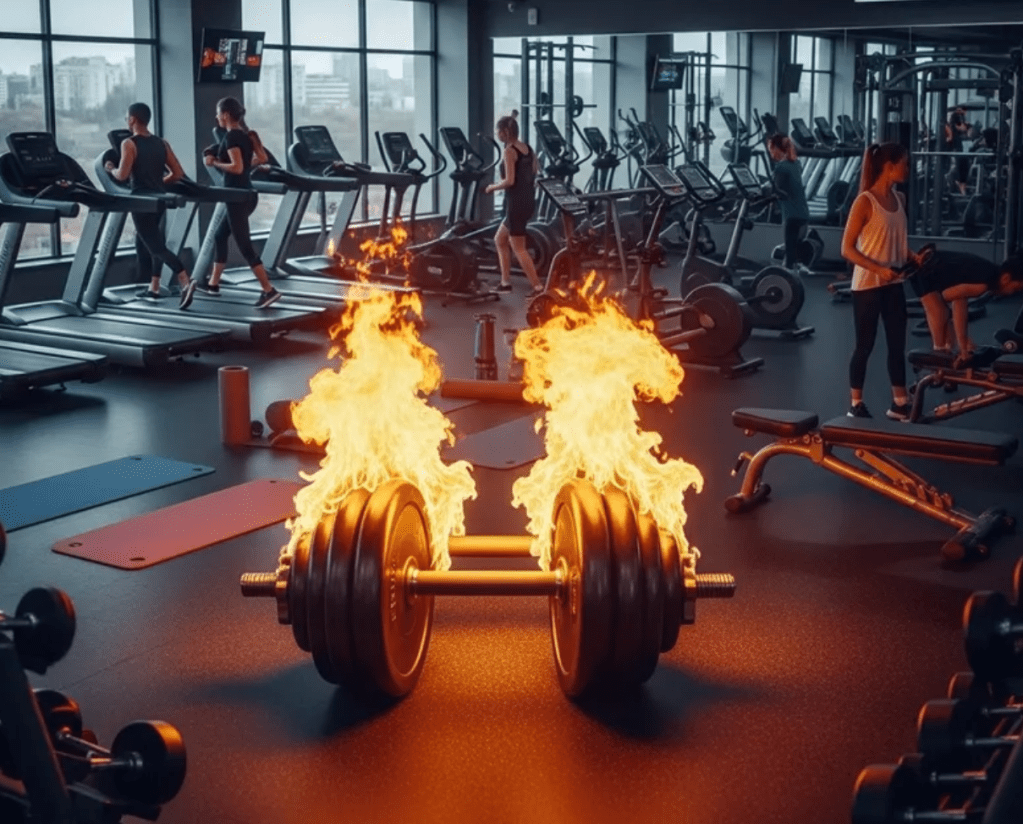
Mass Shooting at the Gym: How to Stay Alive When Your Workout Turns Deadly

I’ll be upfront: I hate working out at gyms in the evening.

Not because I dislike fitness—far from it. I hate it because evening gyms are loud, chaotic, overstimulated spaces filled with people wearing headphones, staring at mirrors, and completely disconnected from what’s happening around them. From a survival perspective, they are a nightmare.

Now layer in a worst-case scenario: an active shooter entering a gym during peak hours.

Gyms like 24 Hour Fitness, LA Fitness, Planet Fitness, or YMCA facilities are uniquely vulnerable. They’re open late, often understaffed at night, full of hard surfaces that echo sound, and packed with dozens—sometimes hundreds—of people spread across multiple rooms: weight floors, cardio decks, locker rooms, studios, pools, saunas, and childcare areas.

This article is not meant to scare you. It’s meant to prepare you.

Because survival favors the prepared, not the strongest, fastest, or most muscular.

What follows is a realistic, grounded survival guide to help you recognize danger early, escape if possible, hide effectively when escape isn’t an option, and increase your odds of survival during a mass shooting in a gym environment.


Understanding the Gym as a Survival Environment

Before we talk about what to do, you need to understand what makes gyms dangerous—and paradoxically, survivable.

Why Gyms Are High-Risk Locations

  • Large crowds during peak hours
  • Multiple unsecured entry points
  • Loud background noise masking gunfire
  • Mirrors, glass, and open floor plans
  • People distracted by music, screens, and workouts

Why Gyms Also Offer Survival Opportunities

  • Heavy equipment that can block or slow movement
  • Multiple exits (including emergency exits most people ignore)
  • Back-of-house spaces, offices, and storage rooms
  • Locker rooms with solid walls and limited access points
  • Pools, saunas, and steam rooms that obscure visibility

Your survival depends on how quickly you shift from “gym mode” to “survival mode.”


Early Warning Signs: Spotting a Threat Before the Shooting Starts

Most people imagine mass shootings as sudden and unavoidable. That’s not always true.

Many attackers display pre-incident indicators—small behavioral red flags that get ignored because people don’t want to “be weird” or “overreact.”

Survival preppers don’t worry about being polite. We worry about being alive.

Behavioral Red Flags in a Gym Setting

  • Wearing inappropriate clothing for workouts (heavy coats, masks, gloves indoors)
  • Refusing to make eye contact while scanning the room repeatedly
  • Appearing agitated, pacing, or muttering
  • Carrying large bags they never open or use
  • Standing idle for long periods without exercising
  • Entering and exiting repeatedly without explanation

None of these alone mean danger. Multiple indicators together should raise your alert level.

Environmental Red Flags

  • Propped emergency exits
  • Unattended bags near entrances or lockers
  • Sudden changes in staff behavior
  • Loud bangs that don’t match gym activity
  • People suddenly running, screaming, or dropping weights

Trust your gut. If something feels off, leave immediately. No workout is worth your life.


The Survival Priority List: What Matters Most
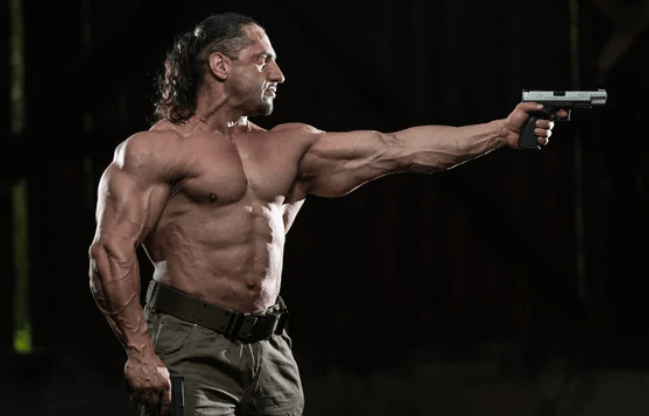
In any mass shooting scenario, your priorities are simple:

  1. Escape if possible
  2. Hide if escape is not possible
  3. Defend yourself only as an absolute last resort

Gyms complicate this because of noise, mirrors, and crowds—but the principles remain the same.


Escape: Getting Out Alive

Escape is always your best option if you can do it safely.

Know Your Exits Before You Lift

When you enter a gym, you should subconsciously note:

  • The main entrance
  • Emergency exits (often near pools or studios)
  • Side doors near locker rooms
  • Back hallways or staff-only corridors

Most people walk past emergency exits every day without noticing them. Don’t be most people.

When to Escape

  • If the shooter is far away
  • If you hear gunfire from another area
  • If you can move without crossing open spaces

How to Escape

  • Leave belongings behind
  • Move low and fast, but don’t sprint blindly
  • Avoid mirrored walls that reflect movement
  • Help others only if it does not slow your escape

Once outside, put distance and cover between you and the building. Do not linger.


Hiding to Survive: Gym-Specific Options

If escape isn’t possible, hiding correctly can save your life.

This is where gyms actually offer advantages—if you know how to use them.

Locker Rooms

Locker rooms are often your best hiding option.

Why they work:

  • Thick walls
  • Limited entrances
  • Lockable doors
  • Rows of metal lockers that disrupt movement and sound

What to do:

  • Barricade doors using benches, trash cans, or lockers
  • Turn off lights if possible
  • Silence phones completely
  • Spread out and stay low

Avoid bathroom stalls—they offer concealment, not cover.


Equipment Rooms and Staff Areas

These rooms are often overlooked and locked.

  • Storage rooms
  • Janitorial closets
  • Trainer offices

If you can access one, lock and barricade immediately.


Weight Floors

Not ideal—but sometimes unavoidable.

Use equipment to:

  • Create visual barriers
  • Block doorways with machines
  • Slow movement paths

Heavy machines can’t stop bullets, but they buy time and reduce visibility.


Studios and Class Rooms

Yoga rooms, spin studios, and dance rooms often have:

  • Fewer windows
  • Lockable doors
  • Thick walls

Barricade, silence, and wait.


Pools, Saunas, and Steam Rooms

These are controversial hiding spots—but context matters.

Pools:

  • Water distorts visibility and sound
  • Pool decks often have side exits
  • Chemical rooms nearby may offer concealment

Saunas & Steam Rooms:

  • Visibility is extremely limited
  • Sound is muffled
  • Doors are usually thick

However, these spaces can become traps if discovered. Use only if escape routes exist.


Slowing Down or Stopping a Shooter: Reality, Not Fantasy

Let’s be very clear.

You are not an action movie hero.

The goal is survival, not confrontation.

Non-Confrontational Ways Gyms Can Slow an Attacker

  • Barricading with heavy equipment
  • Blocking hallways and stairwells
  • Turning off lights in rooms
  • Creating obstacles that force detours

Weights, benches, and machines can block paths, delay movement, and prevent line of sight.

As a Last Resort

If directly confronted and escape is impossible:

  • Act decisively
  • Use whatever is available to disrupt, not pursue
  • Focus on creating an opportunity to escape

This is not about winning—it’s about surviving long enough to get away.


Everyday Survival Gear for the Gym

You don’t need to look like a doomsday prepper to be prepared.

Items You Can Reasonably Carry

  • Tourniquet (real one, not cheap knockoffs)
  • Pressure bandage
  • Small flashlight
  • Phone with emergency alerts enabled
  • Minimalist medical kit in gym bag

Mental Gear Matters More

  • Situational awareness
  • Exit familiarity
  • Willingness to leave early
  • Comfort being “rude” if something feels wrong

Mindset: The Most Important Tool You Have

Survival isn’t about fear—it’s about clarity.

Most people freeze because they don’t want to believe what’s happening. Preppers accept reality fast.

If you hear gunfire:

  • Don’t rationalize
  • Don’t wait for confirmation
  • Don’t assume it’s “probably nothing”

Act.


Why I Avoid Evening Gyms (And You Might Want To As Well)

Evening gyms are:

  • Overcrowded
  • Understaffed
  • Full of distractions

Early mornings, off-peak hours, or smaller facilities reduce risk significantly.

Preparedness isn’t paranoia. It’s respect for reality.


Final Thoughts: Survival Is a Skill, Not a Coincidence

No one wants to imagine violence during something as routine as a workout.

But preparation doesn’t make you afraid—it makes you capable.

You don’t need to be stronger than a shooter.
You need to be more aware, more decisive, and more prepared than the average person staring at their phone between sets.

Train your body—but train your awareness harder.

Your life may depend on it.
The 10 Biggest Killers in Ohio & How to Stay Alive

If you live in Ohio, congratulations—you’ve survived winter potholes, construction season that lasts 11 months, and at least one awkward conversation about college football allegiance. But surviving Ohio life requires more than avoiding Buckeye arguments and Skyline Chili debates.

As a professional survivalist prepper (and someone who owns more flashlights than friends), I study how people actually die—not in movies, not in zombie fantasies, but in real, boring, tragically preventable ways. And let me tell you something that should wake you up faster than a tornado siren at 3 a.m.:

Most people don’t die from rare disasters. They die from everyday stupidity, complacency, and underestimating risk.

This article breaks down the Top 10 most common non-disease, non-old-age causes of death in Ohio, why they happen, and what you must do to survive them—with a little humor, because if we can’t laugh while preparing to live, what’s the point?


1. Motor Vehicle Accidents (a.k.a. Ohio’s Most Popular Contact Sport)

Why People Die This Way

Ohio drivers are brave. Too brave. Texting, speeding, drunk driving, winter ice, farm equipment on highways, and “I’ll just beat that yellow light” optimism combine into a perfect storm of steel and regret.

Rural roads are especially deadly—less lighting, higher speeds, and longer emergency response times.

How to Survive It

  • Drive like everyone else is actively trying to kill you
  • Put the phone down (TikTok will survive without you)
  • Keep winter survival gear in your car (blanket, water, flashlight)
  • Slow down on back roads—deer don’t use crosswalks
  • Never drive impaired. Ever. Not even “just buzzed”

Prepper Rule: The most dangerous place you’ll ever be is inside a moving vehicle operated by a human.


2. Drug Overdoses (The Silent Epidemic)

Why People Die This Way

Ohio has been hit hard by opioids, fentanyl, and polysubstance use. Many overdoses happen accidentally—people don’t know what they’re taking or how strong it is.

This isn’t about moral failure. It’s about chemistry, addiction, and misinformation.

How to Survive It

  • Carry naloxone (Narcan)—yes, even if you “don’t know anyone who uses”
  • Never use alone
  • Avoid mixing substances (especially alcohol + opioids)
  • Test substances when possible
  • Get help early—addiction thrives in secrecy

Prepper Rule: Survival is about harm reduction, not judgment.


3. Suicide (The One We Don’t Talk About Enough)

Why People Die This Way

Stress, financial pressure, isolation, untreated mental health issues, and lack of support push people past a breaking point. Ohio’s economic and seasonal stressors don’t help.

This is not weakness. This is human overload.

How to Survive It

  • Talk. Seriously. Silence kills.
  • Build community—even awkward, imperfect community
  • Remove immediate means during emotional crises
  • Seek professional help early, not as a last resort
  • Check on people who “seem fine”

Prepper Rule: Mental resilience is survival gear.

If you or someone you know is struggling, call or text 988 in the U.S. Help is there.


4. Firearms Accidents & Violence

Why People Die This Way

Unsafe storage, lack of training, emotional decisions, and escalation of conflicts turn firearms from tools into tragedies.

Most accidental shootings happen at home.

How to Survive It

  • Get trained—seriously trained
  • Lock firearms and store ammo separately
  • Use safes, especially with kids present
  • De-escalate conflicts; walk away
  • Treat every firearm as loaded (because it might be)

Prepper Rule: Responsibility is the real safety switch.


5. Falls (No, You Don’t Have to Be Elderly)

Why People Die This Way

Ladders, roofs, icy sidewalks, workplace accidents, and alcohol combine into gravity doing what gravity does best.

Falls are especially deadly in construction, farming, and DIY home projects.

How to Survive It

  • Use proper ladders (not chairs… not buckets… not vibes)
  • Wear slip-resistant footwear in winter
  • Don’t work alone on risky tasks
  • Use harnesses and rails
  • Respect heights—your bones do

Prepper Rule: Gravity never takes a day off.


6. Drowning (Yes, Even in Ohio)

Why People Die This Way

Lakes, rivers, flooded creeks, boating accidents, alcohol use, and underestimating water currents cause more drownings than people expect.

Ohio rivers look calm—until they’re not.

How to Survive It

  • Wear life jackets (fashion is temporary, breathing is forever)
  • Never swim alone
  • Avoid alcohol when boating or swimming
  • Respect floodwaters—don’t drive through them
  • Learn basic water rescue techniques

Prepper Rule: Water doesn’t care how tough you are.


7. Fires & Carbon Monoxide Poisoning

Why People Die This Way

Faulty heaters, candles, overloaded outlets, and poor ventilation kill silently—especially during Ohio winters.

Carbon monoxide is invisible, odorless, and rude.

How to Survive It

  • Install CO and smoke detectors on every level
  • Test alarms monthly
  • Never use grills or generators indoors
  • Keep fire extinguishers accessible
  • Practice fire escape plans

Prepper Rule: If you can’t smell the danger, detect it electronically.


8. Workplace & Industrial Accidents

Why People Die This Way

Ohio has heavy industry, agriculture, logistics, and manufacturing. Fatigue, shortcuts, poor training, and outdated equipment turn jobs into hazards.

How to Survive It

  • Follow safety protocols—even when no one’s watching
  • Wear PPE (it’s cheaper than a funeral)
  • Report unsafe conditions
  • Take breaks—fatigue kills
  • Get trained and retrained

Prepper Rule: Productivity means nothing if you don’t live to enjoy it.


9. Extreme Weather (Ohio Is Sneaky Like That)

Why People Die This Way

Tornadoes, flash floods, heat waves, winter storms, and power outages catch people unprepared.

Ohio weather changes faster than gas prices.

How to Survive It

  • Have a weather radio
  • Build a basic emergency kit
  • Know shelter locations
  • Stay hydrated during heat waves
  • Never ignore warnings

Prepper Rule: Nature always bats last.


10. Recreational Accidents (ATVs, Boating, Hunting)

Why People Die This Way

Speed, alcohol, lack of helmets, poor training, and overconfidence turn fun into tragedy.

Most accidents happen close to home.

How to Survive It

  • Wear helmets and protective gear
  • Get trained and licensed
  • Don’t mix alcohol with machines
  • Inspect equipment
  • Hunt safely and visibly

Prepper Rule: Fun should not require a coroner.


Final Thoughts from Your Friendly Neighborhood Survivalist

Survival isn’t about fear—it’s about awareness, preparation, and humility. Ohio isn’t dangerous because it’s wild; it’s dangerous because people assume nothing bad will happen today.

Bad things don’t need permission.

If you take anything from this article, let it be this:

Prepared people don’t panic. They adapt. And they live.

Stay safe. Stay sharp. And please—put the phone down while driving.

Lights, Cameras, Survival: What to Do If a Mass Shooting Erupts at the Academy Awards

As a professional survival prepper, I plan for events most people never want to imagine. That isn’t paranoia—it’s preparation. History has shown us repeatedly that large, high-profile gatherings with global attention are attractive targets for those seeking notoriety through violence.

The Academy Awards, broadcast live and attended by the most recognizable figures in the world, combine dense crowds, limited exits, controlled access points, and heightened emotional energy. While security is extensive, no location is ever truly immune.

This article is not about fear. It is about mental readiness, awareness, and decisive action. If the unthinkable were to occur during a live Academy Awards ceremony, knowing what to do in the first seconds could mean the difference between life and death.


Understanding the Environment: Why the Academy Awards Are Unique

Survival planning always begins with environment assessment.

The Academy Awards typically involve:

  • A secured theater with layered access zones
  • Fixed seating with limited maneuverability
  • Large production equipment that creates visual and physical barriers
  • Loud audio that can delay threat recognition
  • Attendees in formal attire that restricts movement
  • Bright lighting inside, darkened backstage areas, and confusing corridors

These conditions demand adapted survival strategies. What works in a shopping mall or outdoor venue may not apply here.


The First Seconds: Recognizing a Mass Shooting Quickly

Most survivors report the same mistake: delay.

At an event like the Oscars, the first gunshots may be mistaken for:

  • Pyrotechnics
  • Special effects
  • Audio malfunctions
  • Staged performance elements

A professional prepper mindset means trusting your instincts immediately.

Warning Signs to Act On:

  • Sharp, irregular popping sounds with echoes
  • People suddenly dropping or fleeing in panic
  • Security personnel abandoning positions or drawing attention
  • Screaming combined with uncontrolled crowd movement

If something feels wrong, assume it is real and act decisively.


Primary Survival Priority: Distance from the Threat

Your goal is not to understand what is happening.
Your goal is to increase distance between you and the shooter.

If Escape Is Possible:

  • Move away from the sound, not toward exits you assume are safe
  • Avoid bottlenecks like main aisles and red-carpet entryways
  • Use backstage corridors, side exits, or service hallways if accessible
  • Keep moving until you are completely outside the structure

Once outside:

  • Continue moving away
  • Do not stop to film, call, or regroup near the building
  • Put solid structures between you and the venue

Distance saves lives.


Hiding to Survive Inside an Academy Awards Setting

If escape is not immediately possible, concealment and cover become critical.

Difference Between Cover and Concealment

  • Cover stops bullets (thick walls, heavy concrete, large equipment bases)
  • Concealment hides you but may not stop rounds (curtains, seating rows)

Always prioritize cover over concealment, but either is better than exposure.

Effective Hiding Locations at the Oscars:

  • Backstage dressing rooms
  • Production offices with solid walls
  • Storage rooms with heavy doors
  • Behind large set pieces with dense internal framing
  • Orchestra pit areas with concrete barriers

Barricading for Survival:

  • Lock doors if possible
  • Stack heavy furniture or equipment against entry points
  • Turn off lights
  • Silence phones completely (no vibration)
  • Spread people out—do not cluster

Remain quiet and still. Movement draws attention.


How to Slow Down or Reduce Harm Without Becoming a Target

This is where survival prepper ethics matter. You are not law enforcement. You are not required to confront a shooter.

However, there are non-violent ways to reduce harm if escape and hiding are achieved.

Passive Harm Reduction Measures:

  • Barricading doors to delay entry
  • Creating obstacles that slow movement
  • Directing others silently to safer areas
  • Locking secondary access points behind you
  • Providing emergency first aid to the wounded once safe

Crowd Control Survival:

  • Help prevent stampedes by staying low and calm
  • Avoid pushing—falls cause fatalities
  • Use hand signals instead of shouting
  • Move injured people only if they are in immediate danger

Survival is not about heroics. It is about preserving life.


Proactive Awareness: Spotting Threat Indicators Before Violence Starts

Prepared individuals observe before panic ever begins.

Behavioral Red Flags in High-Profile Events:

  • Someone ignoring security norms
  • Visible agitation or fixation on specific individuals
  • Inappropriate clothing for the environment
  • Repeated scanning of exits and security positions
  • Unusual bulges or concealed items inconsistent with attire
  • Refusal to comply with staff instructions

One sign alone means nothing. Patterns matter.

What to Do If You Notice Something Off:

  • Discreetly inform security or staff
  • Move yourself and companions to safer seating or exits
  • Increase your situational awareness
  • Pre-plan escape routes mentally

Preparedness begins before danger manifests.


Survival Gear You Can Have on Hand at Formal Events

You don’t need tactical equipment to improve your odds.

Everyday Survival Items That Fit Formal Wear:

  • Compact tourniquet (discreet pocket size)
  • Pressure bandage or hemostatic gauze
  • Small flashlight or phone flashlight familiarity
  • Comfortable shoes or foldable flats in a bag
  • Minimalist multitool (where permitted)

Mental Gear Is the Most Important:

  • Exit awareness upon arrival
  • Seating orientation relative to exits
  • Agreement with companions on emergency actions
  • Willingness to abandon belongings instantly

The best survival tool is decisive mindset.


What Not to Do During a Mass Shooting

Poor decisions cost lives.

Do not:

  • Freeze and wait for confirmation
  • Assume security will handle it instantly
  • Run toward celebrities or perceived authority figures
  • Film or livestream the event
  • Scream unless necessary to escape
  • Carry injured strangers unless required to prevent further harm

Survival requires clarity, not curiosity.


After You Escape: Critical Post-Incident Survival Steps

Leaving the venue is not the end.

Once Safe:

  • Follow law enforcement instructions immediately
  • Keep hands visible
  • Do not approach officers unexpectedly
  • Expect confusion and chaos

Medical Self-Check:

  • Look for bleeding
  • Apply pressure immediately
  • Use tourniquets when necessary
  • Help others only when secure

Psychological shock is real. Breathing deliberately can restore function.


Preparation is not fear—it is responsibility.

The Academy Awards represent glamour, success, and artistry. But survival planning acknowledges that violence does not respect prestige or fame. The same principles that apply in a mall, concert, or airport apply here: awareness, distance, cover, calm action.

You don’t need to imagine the worst constantly. You only need to be ready once.

Because when seconds matter, preparation is what turns chaos into survival.

How To Survive a Crowded Movie Theater Mass Shooting

Movie theaters present a unique set of risks. They are dark, loud, crowded, and often designed like controlled funnels with limited exits. When violence erupts in such an environment, confusion spreads faster than facts. Survival depends on decisions made in seconds, not minutes.

This article is not about heroics. It is about staying alive, helping others if you can do so safely, and getting home. We will cover how to hide effectively, how to slow down or disrupt a violent event without reckless action, how to spot danger before it unfolds, and what everyday gear can quietly increase your odds of survival.

Prepared people don’t panic. They execute plans.


Understanding the Movie Theater Environment

Before discussing survival actions, you need to understand the terrain.

A typical movie theater includes:

  • A large, dark auditorium
  • Narrow rows with limited mobility
  • Loud sound masking outside noise
  • A few exits, often behind or near the screen
  • Crowds that may freeze or stampede

These factors work against unprepared people. Your goal is to mentally map the environment before the lights go down.

Survival starts before the previews.


Being Proactive: Spotting a Potential Threat Before It Starts

Most people never look up from their phones when entering a theater. A survival prepper does.

Watch the Entrances

When you enter:

  • Identify all exits, not just the one you came through
  • Note side doors, emergency exits, and aisle spacing
  • Sit where you have line-of-sight to at least one exit

Avoid sitting dead center, deep in the middle of a packed row. End seats and aisle seats give you mobility.

Observe People, Not Paranoia

You are not profiling. You are observing behavior.

Potential warning signs include:

  • Someone entering late and lingering near the entrance
  • Bulky clothing inconsistent with weather
  • Visible agitation, pacing, or scanning the room excessively
  • Refusal to sit, standing in aisles, or blocking exits
  • Carrying items in a tense, concealed manner

Most of the time, nothing happens. But awareness buys you time, and time saves lives.

Trust Your Instincts

If something feels wrong:

  • Move seats
  • Leave the theater
  • Get a refund later

No movie is worth ignoring your intuition.


The First Seconds: What to Do When Violence Begins

When a mass shooting begins, chaos follows immediately. Your brain may struggle to process what’s happening.

The survival priority is simple:
Get out if you can. Hide if you can’t. Protect yourself until help arrives.

Do not wait for confirmation. Do not assume it’s part of the movie.


Escaping the Theater: When Running Is the Best Option

Escape is your best survival choice if a clear, safe path exists.

How to Move Safely

  • Move quickly but do not sprint blindly
  • Stay low if visibility is poor
  • Keep hands visible when exiting (law enforcement will arrive fast)
  • Do not stop to gather belongings

Avoid bottlenecks if possible. Side exits are often underused and can save lives.

Help Others Only If It’s Safe

If someone falls, you may want to help. But survival math is brutal: one trapped person becomes two.

Assist only if it does not stop your escape.


Hiding to Survive: Best Options Inside a Movie Theater

If escape is not immediately possible, hiding becomes critical.

What Makes a Good Hiding Spot

A survivable hiding position should:

  • Remove you from the shooter’s line of sight
  • Provide physical barriers between you and danger
  • Reduce noise and movement
  • Allow you to barricade if possible

Theater-Specific Hiding Options

Behind the Screen Area
Many theaters have access doors near the screen. If you can get behind the screen or into maintenance corridors, this can provide concealment and secondary exits.

Projection Rooms or Staff Areas
If accessible, these rooms often have lockable doors and solid walls.

Bathroom or Hallway Dead Ends
Not ideal, but better than open seating. Barricade with trash cans or heavy objects.

Between Rows (Last Resort)
If trapped in the auditorium, lie flat between rows, remain still, and avoid silhouetting yourself against aisle lights.

Silence your phone. Dim or disable smartwatches. Noise attracts attention.


Barricading: Slowing Down the Threat Without Direct Confrontation

Stopping a mass shooting is a law enforcement responsibility. However, civilians can slow or disrupt violence through defensive actions.

Barricading Principles

  • Lock doors if possible
  • Stack heavy objects against entry points
  • Wedge doors with furniture
  • Turn off lights
  • Stay out of sight lines

A barricade doesn’t need to be perfect. It needs to buy time.

Time allows:

  • Others to escape
  • Police to arrive
  • The situation to de-escalate

Non-Combat Actions That Can Disrupt a Shooting

This is not about fighting. It is about survival-focused disruption.

Examples include:

  • Pulling fire alarms once safely away (alerts others)
  • Blocking access routes
  • Creating confusion that prevents movement
  • Coordinating quiet evacuation with others

Avoid chasing, confronting, or attempting to “be a hero.” Survival is success.


What to Do When Law Enforcement Arrives

Police response will be fast and intense.

  • Follow commands immediately
  • Keep hands visible
  • Do not point or yell unless instructed
  • Expect to be treated as a potential suspect initially

This is normal. Stay calm.


Survival Gear You Can Always Have on Hand

Preparedness does not mean carrying weapons. It means carrying tools that increase survivability.

Everyday Carry (EDC) for Movie Theaters

Consider items that are legal, discreet, and practical:

  • Small flashlight (for dark exits)
  • Tourniquet or pressure bandage (bleeding control saves lives)
  • Phone with emergency alerts enabled
  • Minimalist first aid kit
  • Comfortable footwear (mobility matters)

Knowledge is also gear. Take a basic bleeding control or first aid class if available.


Mental Preparedness: The Survival Mindset

Your greatest survival tool is not in your pocket—it’s between your ears.

  • Accept that emergencies can happen
  • Decide in advance how you will respond
  • Visualize exits and actions
  • Stay calm under stress

Prepared people move with purpose. Unprepared people freeze.


After the Incident: What to Expect

Even if physically unharmed, emotional effects are normal.

  • Shock
  • Adrenaline crash
  • Confusion
  • Guilt or anger

Seek support. Talk to professionals if needed. Survival includes mental recovery.


Final Thoughts from a Survival Prepper

You don’t prepare because you expect the worst.
You prepare because life is unpredictable.

A movie theater should be a place of enjoyment, not fear. Awareness does not ruin the experience—it quietly protects it. By understanding your environment, recognizing warning signs, and knowing how to react, you dramatically improve your odds of survival.

Preparedness is not paranoia.
Preparedness is peace of mind.

Stay alert. Stay calm. Stay alive.

Chaos in the Aisles: How to Stay Alive During a Grocery Store Mass Shooting

I’ve spent most of my life preparing for disasters most people hope never come. Storms. Grid failure. Civil unrest. Food shortages. But one of the most sobering realities of modern life is this: violence can erupt anywhere, even in places designed to feel safe, familiar, and routine—like your local grocery store.

A grocery store is one of the worst possible environments for a mass-casualty event. Wide open aisles, reflective surfaces, limited exits, crowds of distracted shoppers, and carts that slow movement all work against you. You don’t have to be paranoid to survive—but you do have to be prepared.

This article is not about fear. It’s about awareness, decisiveness, and survival.


Understanding the Grocery Store Threat Environment

Before we talk about survival, you must understand the battlefield—because whether you want it or not, that’s exactly what a mass shooting turns a grocery store into.

Why Grocery Stores Are Vulnerable

  • Multiple public entrances and exits
  • Long, narrow aisles that limit escape angles
  • Loud ambient noise masking gunfire at first
  • Glass storefronts and windows
  • High population density
  • Shoppers mentally disengaged and focused on lists, phones, or kids

Survival begins before anything happens.


How to Be Proactive: Spotting Trouble Before It Starts

Most people don’t realize this, but many mass shooters telegraph their intent—sometimes subtly, sometimes blatantly. You don’t need to profile people. You need to recognize behavioral red flags.

Warning Signs to Watch For

  • Someone wearing heavy clothing in hot weather
  • Visible agitation, pacing, clenched jaw, or shaking hands
  • Fixated staring or scanning instead of shopping
  • Carrying a bag or object held unnaturally tight
  • Entering without a cart, basket, or intent to shop
  • Rapid movement toward central store areas
  • Audible statements of anger, grievance, or threats

Trust your instincts. If something feels wrong, leave immediately. Groceries can wait. Your life cannot.

Strategic Awareness Tips

  • Always identify two exits when entering
  • Note where bathrooms, stock rooms, and employee-only doors are
  • Avoid lingering in the center of the store
  • Shop near perimeter aisles when possible
  • Keep headphones volume low or off

Prepared people don’t panic—they move early.


Immediate Actions When a Shooting Begins

If gunfire erupts, seconds matter. Your goal is simple:

SurVIVE. ESCAPE if possible. HIDE if necessary. RESIST only as a last resort.

This is not movie hero time. This is survival time.


How to Escape a Mass Shooting in a Grocery Store

Escape is always the best option—but only if it can be done safely.

Escape Principles

  • Move away from gunfire, not toward it
  • Drop your cart immediately
  • Use side aisles, not main aisles
  • Avoid bottlenecks at main entrances
  • Exit through employee doors, stock areas, or fire exits if accessible
  • Leave belongings behind—speed is survival

If you escape:

  • Run until you are well clear of the store
  • Put hard cover between you and the building
  • Call 911 when safe
  • Do not re-enter for any reason

Hiding to Survive Inside a Grocery Store

If escape is impossible, hiding may save your life—but only if done correctly.

Best Places to Hide

  • Walk-in freezers or coolers (if they lock or can be barricaded)
  • Employee-only stock rooms
  • Behind heavy shelving units
  • Storage areas with solid doors
  • Office areas away from public access

How to Hide Effectively

  • Turn off all phone sounds immediately
  • Lock or barricade doors
  • Stack heavy items (carts, pallets, shelving)
  • Sit low and remain silent
  • Spread out if hiding with others
  • Prepare to stay hidden for an extended period

Avoid:

  • Bathrooms with no secondary exits
  • Glass-fronted rooms
  • Large open spaces
  • Hiding under checkout counters alone

Stillness and silence keep you alive.


Slowing or Stopping a Mass Shooting: Survival-Focused Actions

Let me be very clear: your primary responsibility is survival, not confrontation. However, there are non-offensive actions that can reduce harm and increase survival odds.

Defensive, Survival-Oriented Actions

  • Barricade access points with heavy objects
  • Pull shelving units down to block aisles
  • Lock or wedge doors
  • Turn off lights in enclosed areas
  • Break line of sight using obstacles

Group Survival Measures

  • Communicate quietly
  • Assign someone to watch entrances
  • Prepare to move only if necessary
  • Aid the injured if safe to do so

Direct confrontation should only be considered if immediate death is unavoidable, escape is impossible, and lives are imminently threatened. Even then, survival—not heroics—is the goal.


What to Do If You Are Injured

Bleeding kills faster than fear.

Immediate Medical Priorities

  • Apply direct pressure
  • Use tourniquets if available
  • Pack wounds if trained
  • Stay still once bleeding is controlled

If You Are Helping Others

  • Drag them to cover if safe
  • Do not expose yourself unnecessarily
  • Focus on stopping bleeding first

Learning basic trauma care saves lives.


Survival Gear You Can Always Have at the Grocery Store

Preparedness doesn’t mean looking tactical. It means being smart and discreet.

Everyday Carry (EDC) Survival Items

  • Tourniquet (compact, pocket-sized)
  • Pressure bandage
  • Flashlight
  • Whistle
  • Phone with emergency contacts preset
  • Minimal first-aid kit
  • Pepper spray (where legal, used defensively only)

Vehicle-Based Gear

  • Trauma kit
  • Extra tourniquets
  • Change of clothes
  • Emergency water
  • Phone charger

You don’t need everything—just the right things.


Mental Preparedness: The Survival Mindset

Survival is as much mental as physical.

Key Mental Rules

  • Accept reality quickly
  • Act decisively
  • Avoid freezing
  • Help others only if it doesn’t cost your life
  • Stay calm and breathe deliberately

People survive because they decide to survive.


After the Incident: What to Expect

Once law enforcement arrives:

  • Keep hands visible
  • Follow commands immediately
  • Expect confusion and delays
  • Provide information calmly
  • Seek medical evaluation even if you feel fine

Trauma doesn’t end when the noise stops. Take care of your mental health afterward.


Final Thoughts from a Survival Prepper

You don’t prepare because you expect violence—you prepare because you value life.

Most days, a grocery store is just a grocery store. But preparedness means acknowledging that things can change in seconds. Awareness, movement, concealment, medical readiness, and mindset save lives.

You don’t need fear.
You need readiness.

Stay aware. Stay humble. Stay alive.