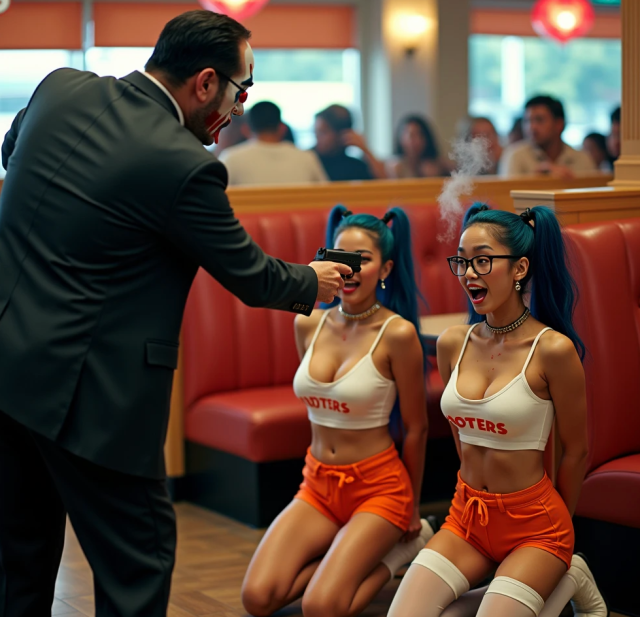
Survive a Disneyland Mass Shooting – Active Shooters Can Attack Anywhere

Disneyland is known worldwide as “The Happiest Place on Earth.” Families travel from across the globe expecting safety, joy, and unforgettable memories. Yet from a survival preparedness perspective, any large, crowded venue must be evaluated honestly and without emotion. Dense crowds, limited exits, sensory overload, and a false sense of security create vulnerabilities that cannot be ignored.

As a professional survival prepper, my goal is not to spread fear—but to replace blind trust with calm, practical awareness. Emergencies do not announce themselves politely, and violence does not respect location, intention, or innocence. Preparation is not paranoia. Preparation is responsibility.

This article focuses on how to survive a mass shooting scenario at Disneyland during a busy day, using principles of situational awareness, avoidance, hiding, and proactive behavior. This is about staying alive, protecting loved ones, and making it home.


Understanding the Reality of Disneyland as a High-Density Environment

Before discussing survival strategies, it is important to understand the environment itself.

Disneyland during peak hours contains:

  • Tens of thousands of people
  • High noise levels (music, rides, crowds)
  • Visual distractions everywhere
  • Bottlenecks at rides, restaurants, and walkways
  • Families with children, strollers, and mobility limitations

These factors significantly affect how emergencies unfold. In survival preparedness, crowd density is risk density. Panic spreads quickly. Movement slows dramatically. Information becomes unreliable.

Your advantage is awareness before chaos.


Being Proactive: Spotting Warning Signs Before Violence Starts

Most people assume a mass shooting begins suddenly and without warning. In reality, many incidents include observable pre-incident indicators that go unnoticed because people are distracted.

Behavioral Red Flags to Watch For

While no single sign confirms a threat, combinations matter:

  • A person moving against crowd flow without purpose
  • Heavy clothing inconsistent with weather
  • Visible agitation, pacing, or clenched posture
  • Fixation on entrances, exits, or security
  • Ignoring rides, entertainment, or companions
  • Repeatedly adjusting clothing or bags
  • Sudden isolation in a crowded environment

Trust your instincts. Humans evolved to sense danger. If something feels off, act early by creating distance.

Environmental Awareness Habits

Professional preppers constantly scan for:

  • Nearest exits (not just the main one)
  • Areas of cover vs. concealment
  • Crowd choke points
  • Quiet zones vs. high-density zones

Make it a habit to ask:

“If something goes wrong here, where do I go?”

You don’t need to obsess—just observe.


Immediate Survival Priorities If a Mass Shooting Begins

Survival doctrine prioritizes distance, barriers, and time. Your objective is not confrontation—it is survival.

1. Create Distance (Escape When Possible)

If you can safely move away:

  • Move immediately and decisively
  • Do not stop to film or investigate
  • Leave belongings behind
  • Help children first
  • Follow staff instructions when available
  • Move away from the sound of danger, not toward it

Avoid main entrances if they are congested. Side exits, service corridors, and less popular areas may offer safer escape routes.

2. Hiding: Surviving When Escape Is Not Possible

There will be situations where escape is impossible due to crowd pressure, locked areas, or proximity to danger. Hiding then becomes a survival tool.

Principles of Effective Hiding (Disneyland Context)

  • Break line of sight: You want barriers between you and danger.
  • Avoid predictable hiding spots: Bathrooms and obvious rooms fill quickly.
  • Stay quiet: Silence phones, children’s toys, and electronics.
  • Stay low and still: Movement attracts attention.
  • Barricade when possible: Use heavy objects to reinforce doors.

Ideal hiding characteristics include:

  • Solid walls or structures
  • Limited access points
  • Ability to lock or block entry
  • No external visibility

Remember: concealment hides you; cover protects you. Cover is always preferable.


Slowing or Stopping a Mass Shooting: A Survival-Focused Perspective

This is an important but sensitive subject.

As a survival prepper, I do not advocate for untrained civilians to pursue confrontation. Attempting to physically stop a shooter without training or coordination often increases casualties.

However, there are non-violent, survival-oriented actions that can reduce harm:

Actions That Can Reduce Impact Without Direct Combat

  • Early reporting of suspicious behavior to staff or security
  • Rapid evacuation to reduce available targets
  • Barricading and lockdown to limit movement
  • Using alarms or alerts to draw attention and trigger response
  • Providing first aid to the injured when safe

Disruption does not always mean physical engagement. Time, obstacles, and isolation save lives.

Law enforcement and trained security are responsible for neutralization. Your role is survival.


Family Survival: Protecting Children and Dependents

Children are especially vulnerable in crowded emergencies.

Prepper Rules for Families at Disneyland

  • Establish a rally point before entering the park
  • Teach children to:
    • Stay with adults
    • Follow instructions
    • Drop to the ground if separated
  • Use physical identifiers discreetly (bracelets inside clothing)
  • Assign roles:
    • One adult leads
    • One adult sweeps

Practice calm authority. Panic spreads faster than danger.


Everyday Survival Gear You Can Legally Carry at Disneyland

Preparedness does not require tactical equipment. Subtle, everyday items save lives.

Low-Profile Survival Items

  • Compact first aid kit (tourniquet, pressure bandage)
  • Whistle (for signaling)
  • Portable phone battery
  • Emergency contact card
  • Small flashlight
  • Hand sanitizer or wipes (for wound cleaning)
  • Comfortable footwear (mobility matters)

Knowledge is the most important gear. Learn basic trauma care. Bleeding control saves lives.


After the Incident: What to Do Once You Reach Safety

Survival does not end when the threat stops.

  • Follow law enforcement instructions
  • Avoid spreading rumors
  • Account for family members
  • Provide aid if trained and safe
  • Seek medical evaluation even if uninjured
  • Expect emotional aftereffects

Psychological survival matters too. Trauma is real. Acknowledge it.


The Prepper Mindset: Calm Beats Fear

Prepared people are not fearless—they are mentally rehearsed. Calm comes from knowing you have options.

Disneyland is designed to feel safe, and most visits will be. But survival preparation is about probability, not optimism.

You do not prepare because something will happen.
You prepare because if it does—you want to live.

Stay aware. Stay calm. Stay ready.
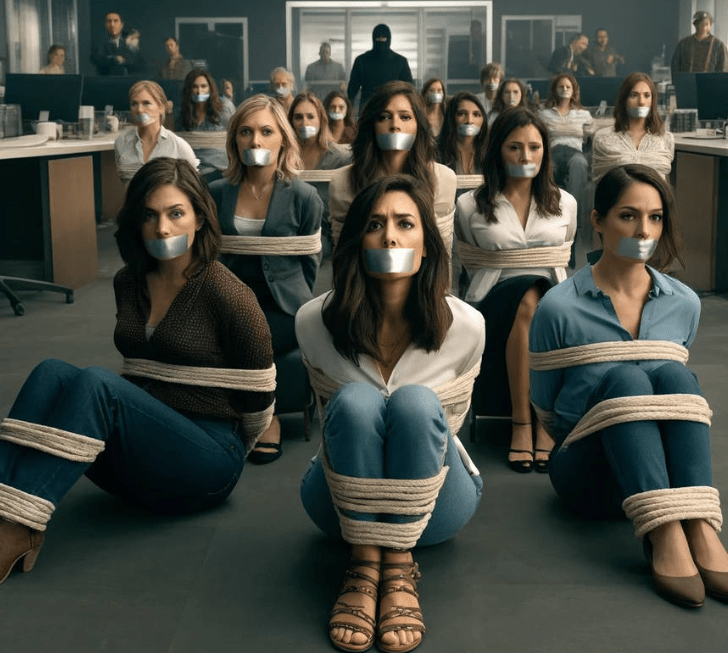

Don’t Be a Hero: How to Survive Being Held Hostage During a Robbery

The world is not full of good people waiting to do the right thing. It’s full of selfish, desperate, reckless individuals who will happily gamble with your life if it means getting what they want. Civilization is thin. Paper-thin. And when someone storms into a restaurant or bank with bad intentions, that illusion shatters instantly.

You didn’t choose to be there. You didn’t provoke it. But now you’re stuck inside someone else’s bad decisions. Survival becomes your only objective—not bravery, not justice, not heroics. Survival.

This isn’t about playing action-movie fantasy. This is about staying alive when the situation is completely out of your control.


First Rule: Accept Reality Immediately

The moment you realize a robbery is happening, kill the denial. People die because they hesitate, because they assume “this won’t involve me,” or because they wait for clarity that never comes.

If someone is threatening others, brandishing fear, or issuing commands, this is no longer a normal environment. Your job is to mentally switch into survival mode. That means:

  • You are not in charge
  • You are not special
  • You are not invincible

The faster you accept that, the faster you stop making dangerous assumptions.


Second Rule: You Are Not the Main Character

Hollywood lies. In the real world, “heroes” often end up as cautionary tales. When a robbery turns into a hostage situation, the people holding power are unstable, stressed, and unpredictable. Any action that draws attention to you increases risk.

Your goal is to become forgettable.

That means:

  • Don’t argue
  • Don’t make eye contact longer than necessary
  • Don’t stand out physically or verbally
  • Don’t volunteer information

You want to blend into the background like furniture.


Follow Instructions—Even If They’re Humiliating

Pride gets people killed. If you’re told to sit, lie down, stay quiet, or move slowly, you comply unless doing so puts you in immediate danger. Robbers and hostage-takers are often operating on adrenaline and fear. They’re looking for threats, not logic.

Sudden movements, resistance, or “correcting” them can trigger panic-driven violence.

It doesn’t matter how unfair or degrading it feels. Your dignity can be rebuilt later. Your life cannot.


Control Your Body Before It Betrays You

Fear causes people to shake, cry, hyperventilate, or freeze. While emotional reactions are natural, uncontrolled panic can make you look unpredictable—and unpredictable people get watched more closely.

Focus on:

  • Slow, steady breathing
  • Minimal movement
  • Keeping your hands visible if possible

You are trying to project compliance and calm, even if your mind is screaming.


Observe Quietly, Not Actively

There’s a difference between awareness and interference.

You should mentally note what’s happening around you without staring, pointing, or reacting. This helps you stay oriented and gives your mind something productive to do instead of spiraling into panic.

Pay attention to:

  • Where you are in the room
  • Who is near you
  • Changes in tone or urgency

But don’t try to “solve” the situation. You’re not there to intervene. You’re there to endure.


Do Not Try to Negotiate or Reason With Them

This isn’t a debate. These people are not interested in your opinions, explanations, or clever ideas. Attempting to reason can be interpreted as manipulation or defiance.

Unless you are directly spoken to, say nothing.

If addressed, keep responses:

  • Short
  • Neutral
  • Honest but minimal

The less emotional energy you inject into the situation, the safer you remain.


Time Is Not Your Enemy—Impatience Is

Hostage situations feel endless because fear stretches time. Minutes feel like hours. This is where people make fatal mistakes: they assume things are escalating when they aren’t, or they act because they want it to be over.

The ugly truth? Many situations end without harm if no one forces an outcome.

Your mindset should be:

“I can endure this longer than they can remain unstable.”

Patience is a survival tool.


Avoid Group Behavior

Crowds amplify panic. If people around you start crying, shouting, or moving unpredictably, do not mirror them. Emotional contagion can cause sudden chaos, and chaos leads to mistakes.

You don’t need to isolate yourself dramatically. Just don’t become part of a panicked cluster drawing attention.

Stay still. Stay quiet. Stay forgettable.


When Authorities Intervene, Stay Passive

If the situation changes suddenly—loud commands, rapid movement, confusion—this is not the moment to improvise.

Do not:

  • Run unless clearly directed
  • Grab objects
  • Make sudden movements

Follow commands exactly as given, even if they feel abrupt or harsh. In chaotic moments, clarity matters more than comfort.


Afterward: Expect the Shock

Surviving doesn’t mean walking away untouched. After the danger passes, your body may shake, your memory may feel fragmented, and emotions may hit hours or days later.

This is normal.

What’s not normal is pretending you’re fine when you’re not. Survival doesn’t end when the threat leaves. Give yourself space to recover.


Final Reality Check

The world is not getting kinder. Desperation is rising, patience is thinning, and people are increasingly willing to endanger strangers for personal gain. You don’t survive situations like this by being brave or bold.

You survive by being:

  • Calm
  • Compliant
  • Patient
  • Invisible

It’s not heroic. It’s not cinematic. But it works.

And when the worst kind of person walks into the room, staying alive is the only victory that matters.

American Women Are Being Targeted and Murdered on Subways

The subways and trains that once symbolized the pulse of major cities have devolved into breeding grounds for unpredictability. You can stand in a crowded car and still feel completely alone — and worse, completely unprotected. Women, especially, are being targeted more often, more brazenly, and in ways that make you question whether humanity’s collective moral compass snapped in half somewhere along the line.

I’m not interested in offering false hope or pretending that the world is still the safe, civilized place that people like to imagine. It isn’t. The headlines are everywhere — women assaulted while commuting to work, stalked between train cars, attacked on platforms, shoved onto tracks, harassed in empty cars, or cornered by violent offenders who know exactly how slow response times can be underground. The predators know the environment favors them. They thrive in the chaos.

If you’re a woman riding the subway today, you’re not paranoid. You’re paying attention. And in times like these, paying attention is the only thing keeping you alive.

Below is not a “feel good” guide. This is not a cheerful pamphlet you’d get at a transit kiosk. This is a reality check — written from the mindset of someone who assumes the worst because the worst keeps happening. If you ride subways or trains, you deserve to know what you’re up against and how to stack the odds in your favor.

Because the system isn’t going to protect you. Society certainly isn’t. You have to do it yourself.


The Ugly Truth About Modern Transit Violence

Let’s get something straight: attacks on women in public transit aren’t “random anomalies.” The system is full of cracks, and predators slip through them like water through rusted pipes. Look around any subway system and you’ll see:

  • Platforms with minimal visibility
  • Cars with no staff presence
  • Delayed police response times
  • Broken cameras or cameras that “aren’t monitored live”
  • Overcrowded tunnels paired with understaffed stations
  • Social decline, untreated mental illness, and growing desperation
  • Strangers who behave erratically but face no intervention
  • Bystanders glued to their phones, oblivious or frozen

This perfect storm creates an environment where violent individuals can target women with startling ease. And it’s getting worse, not better. Cities keep promising safety. Transit authorities keep posting cheery posters with “See Something, Say Something,” as if words on paper can physically stop a deranged attacker from lunging at you.

Down in those tunnels, you’re on your own. Let’s stop pretending otherwise.


Mindset: The Most Important Tool You Have

Forget the fantasy that “being nice” or “not making a scene” keeps you safe. Predators count on that kind of thinking. What women need today is situational awareness, controlled suspicion, and a survival mindset.

This doesn’t mean walking around terrified. It means walking around prepared.

Adopt These Mental Rules Immediately:

  1. Assume anyone can be a threat until proven otherwise.
    It’s not pessimism. It’s self-preservation.
  2. Never ignore your instincts.
    If someone makes you uncomfortable, listen to that discomfort as if it’s a warning siren.
  3. Don’t be polite at the expense of your own safety.
    Move seats. Move cars. Stand up. Speak up. Leave.
  4. Know where the exits and emergency intercoms are — always.
    Do not board a train without identifying your escape route.
  5. Keep your senses open.
    Headphones may as well be blindfolds underground. You can’t detect danger if you can’t hear it.

Before You Even Step on the Train

Your safety starts before your foot touches the platform.

1. Stay in well-lit, populated areas

Avoid standing at the far ends of the platform. Predators prefer isolation, and so should you — if you want to avoid them.

2. Let someone know your travel route

Not because you’re weak — because you’re practical. Create a breadcrumb trail in case something goes wrong.

3. Have your essentials ready

  • Keys accessible
  • Phone charged
  • Emergency numbers pre-set
  • Personal safety tool ready but discreet

Do not dig through your bag when seconds matter.

4. Scan everyone around you

Not in fear — in analysis. Who’s agitated? Who’s pacing? Who’s staring? Who’s intoxicated? Your brain is more powerful than you think at identifying danger if you let it.


Choosing the Safest Car (Yes, There Is Such a Thing)

You can’t guarantee safety, but you can make smarter tactical choices.

Best options:

  • Cars with more people, not fewer
  • Cars that are near the conductor
  • Cars with working cameras
  • Cars where you have a clear view of the exit doors

Worst options:

  • Nearly empty cars
  • Cars with a hostile or unbalanced individual already inside
  • Train ends or between-car areas
  • Cars where the only available seat is boxed into a corner with no escape route

If a car “feels wrong,” trust that thought. Move. You owe no one an explanation.


What to Do Once You’re Inside the Car

Once inside, your goal is simple: reduce exposure, increase awareness, and maintain control over your space.

1. Sit near the exit doors

This gives you mobility. If trouble sparks, you can get out before being trapped.

2. Keep your back toward a wall or pole

You want to minimize blind spots. Sitting with your back exposed in a crowded car is practically an invitation for trouble.

3. Keep your phone visible but your attention outward

Pretending to be distracted is never worth the risk.

4. Keep a safety tool ready

Something legal, discreet, and practical — but only used if your life is truly in danger. The goal is escape, not confrontation.

5. Watch for behavioral red flags

  • Someone moving too close
  • Unwanted staring
  • Aggressive mumbling
  • Someone shadowing your movements
  • Someone blocking your exit path

These are not “maybe it’s nothing” situations. These are “keep every alarm bell ringing” moments.


If You Sense You’re Being Targeted

This is the part no one wants to think about, but ignoring it won’t make it go away.

1. Move immediately

Switch seats. Switch cars. Step off the train.
Action beats hesitation.

2. Make yourself less isolated

Stand near others, even if they’re strangers. Predators want privacy. Don’t give it to them.

3. Use your voice if needed

A loud, commanding “BACK UP” or “STOP” can disrupt an attacker’s plan and draw witnesses.

4. Hit the emergency intercom

That’s what it’s there for. Use it. Don’t wait for “proof.”

5. Exit the moment the doors open

If something feels off, leave. Even if it’s not your stop. Survival beats convenience every time.


If a Situation Escalates

Let’s hope it never reaches this point, but if it does, prioritize escape over fighting. Fighting is a last resort — not because you’re incapable, but because the environment is unpredictable and confined.

If physically attacked, your goal is:

  • Create distance
  • Break the attacker’s grasp
  • Move toward the nearest exit
  • Get off the train or into the next car

Call for help loudly and directly. “YOU — IN THE BLUE JACKET — CALL 911!” works better than vague shouting.


After You Get to Safety

If you experience or witness an attack:

  • Report it as soon as possible
  • Mention every detail you remember
  • Get medical attention if needed
  • Contact someone you trust

Even if law enforcement is slow, reporting helps build a pattern and can protect future victims.


Final Thoughts From a Cynical Realist

We can’t pretend anymore. Public transit has become a battlefield disguised as a commute. Women are being targeted because predators know they can get away with it. So don’t wait for society to wake up or for the system to fix itself — it won’t. Your safety is your responsibility, and your awareness is your strongest weapon.

The world may be spiraling, but you don’t have to spiral with it. Prepare. Stay alert. Trust your instincts. And remember: hope is not a strategy.

Survival is.