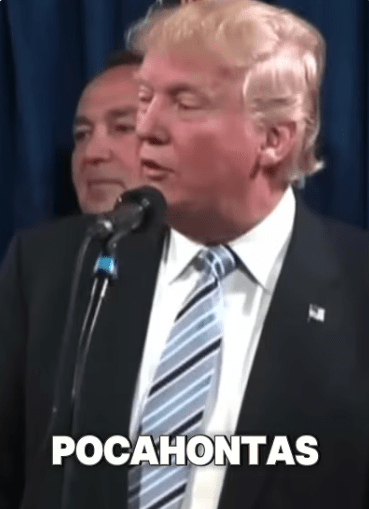
Trump Vs. Pocahontas – The Funniest Moment in Political History

The exchange unfolds in a way that feels less like a sharp confrontation and more like a slow-moving cable news segment that didn’t quite get its footing, as a reporter presses President Donald Trump about his repeated use of the nickname “Pocahontas” when referring to Senator Elizabeth Warren, a term that has long drawn criticism for being dismissive and offensive to Native Americans. Trump, standing at the podium with the familiar confidence of someone who believes repetition eventually turns controversy into routine, appears unfazed by the question, offering a response that seems designed less to clarify than to deflect, leaning on his usual argument that the nickname is political shorthand rather than a personal insult. The moment takes on added tension when another reporter suddenly shouts, “YOU’RE OFFENSIVE,” cutting through the air with a bluntness that disrupts the rhythm of the press conference.
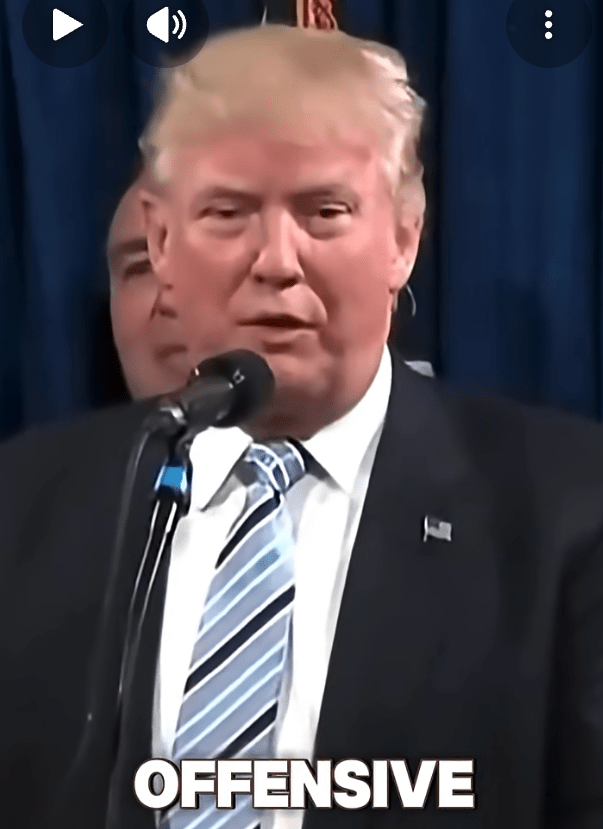
It’s the kind of interruption that briefly startles everyone involved, including the first reporter, who pauses just long enough to let the remark hang there, unanswered, like an awkward commercial break that came too early. From a professional standpoint, the scene reflects a familiar pattern in modern political media: a question about rhetoric, a response that reframes criticism as political correctness, and an unscripted outburst that becomes the headline. Trump’s reaction is measured in his own way—he neither apologizes nor escalates dramatically, instead opting to maintain his posture as someone being unfairly attacked, a stance that has served him well with his supporters over the years.
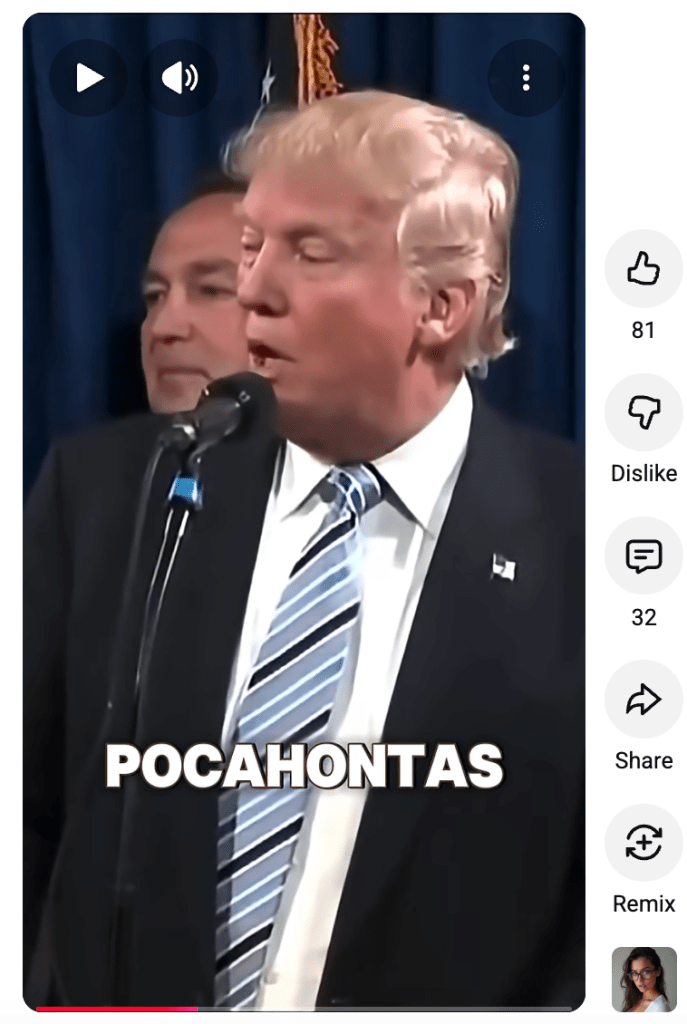
The reporters, meanwhile, appear caught between doing their jobs and reacting emotionally to language that many view as crossing a line, resulting in a moment that feels more reactive than analytical. Watching it play out, there’s a sense that the exchange never quite reaches a clear conclusion; no policy is discussed, no resolution is offered, and viewers are left instead with another example of how political discourse often stalls at the level of tone and terminology. The shouted accusation of “offensive” becomes less a decisive turning point and more a symptom of a larger frustration, one shared by critics who see such language as corrosive and by supporters who view the criticism itself as overblown. In the end, the clip captures a snapshot of a media environment where confrontations are brief, emotions flare quickly, and clarity sometimes takes a back seat to volume, leaving audiences to sort out for themselves whether the moment was an important stand or just another familiar chapter in an ongoing rhetorical battle.
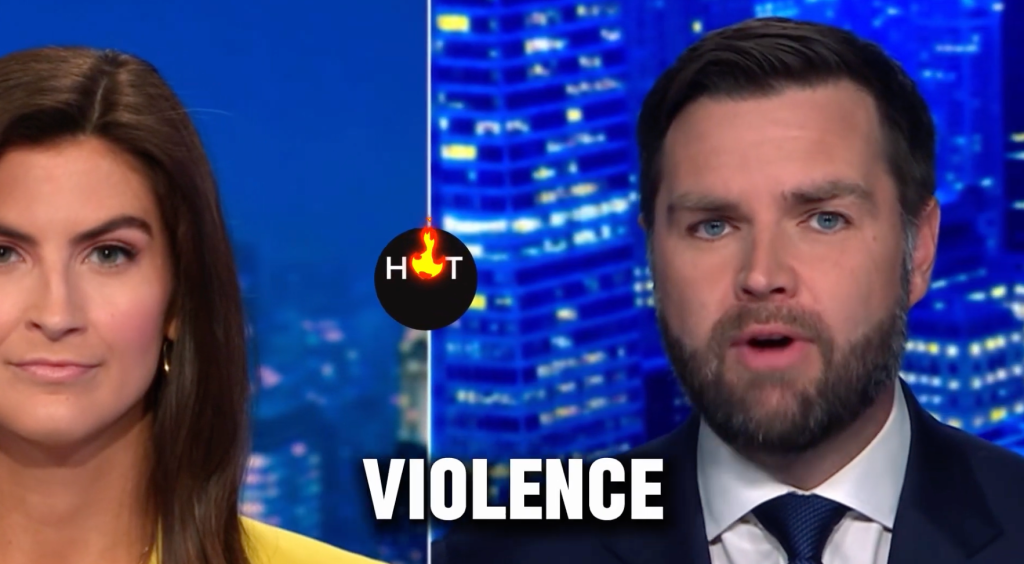
JD Vance SILENCES CNN’s Kaitlan Collins over the Hypocrisy of Protests

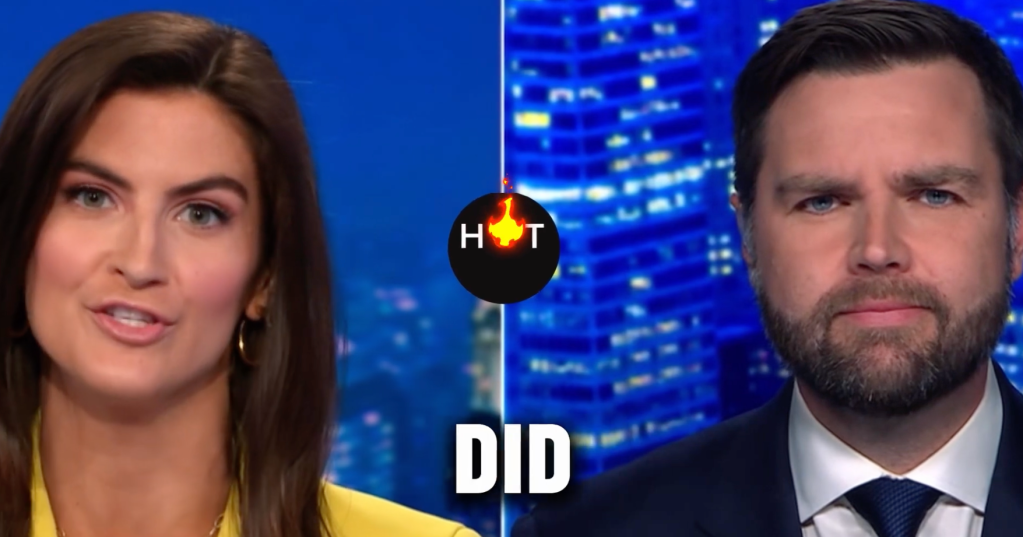
The clip opens with Vice President JD Vance sitting across from Kaitlan Collins on CNN, wearing the expression of a man who knows he’s about to walk into a conversational blender but decided to wear a suit anyway, as the discussion turns to what Vance describes as the left’s selective outrage over political violence.

Collins, calm and precise, frames the issue with that familiar anchor tone that says, “I’m just asking questions,” while Vance responds with the energy of someone who has watched the same highlight reel on a loop and finally gets a chance to commentate. He lays out his argument with a half-smile, pointing out that in recent years, violent protests involving burned buildings, smashed storefronts, and the occasional flying trash can were often explained away as “expressions of frustration,” “mostly peaceful,” or, in one memorable stretch, apparently just very aggressive community organizing.

(Please click or tap on any image to watch this amazing piece of history!)

Yet, Vance notes, when January 6th enters the chat, the tone shifts instantly to solemn piano music and emergency fonts. The humor of the exchange comes not from shouting but from contrast, as Vance lists examples with the cadence of a late-night monologue, pausing just long enough for the audience to connect the dots themselves. Collins pushes back, emphasizing the seriousness of January 6th and the threat to democratic institutions, and Vance nods along, agreeing that it was serious, before pivoting like a man who’s practiced this move in the mirror. He jokes that America now seems to have a protest rating system, where violence is either “an understandable outburst” or “the end of civilization,” depending entirely on which yard sign is in the background. The back-and-forth feels less like a shouting match and more like a comedy sketch performed by two people determined to stay polite while disagreeing fundamentally.

Vance’s delivery stays measured but playful, suggesting that hypocrisy has become the unofficial national pastime, right up there with streaming shows you don’t actually watch and arguing on social media with strangers who have anime avatars. Collins, to her credit, keeps the conversation grounded, occasionally raising an eyebrow in a way that practically deserves its own chyron. By the end of the clip, no minds are dramatically changed, no confetti falls from the ceiling, but the audience is left with a clear sense of why these debates resonate: not because they’re new, but because they highlight how quickly principles can become flexible when political convenience enters the room. It’s a segment that manages to be tense, informative, and unintentionally funny all at once, mostly because watching two smart people debate modern protest politics in America now feels a lot like watching siblings argue over rules they both helped rewrite.

Joe Biden Asked Jessica Alba for a Job? Lord Have Mercy!

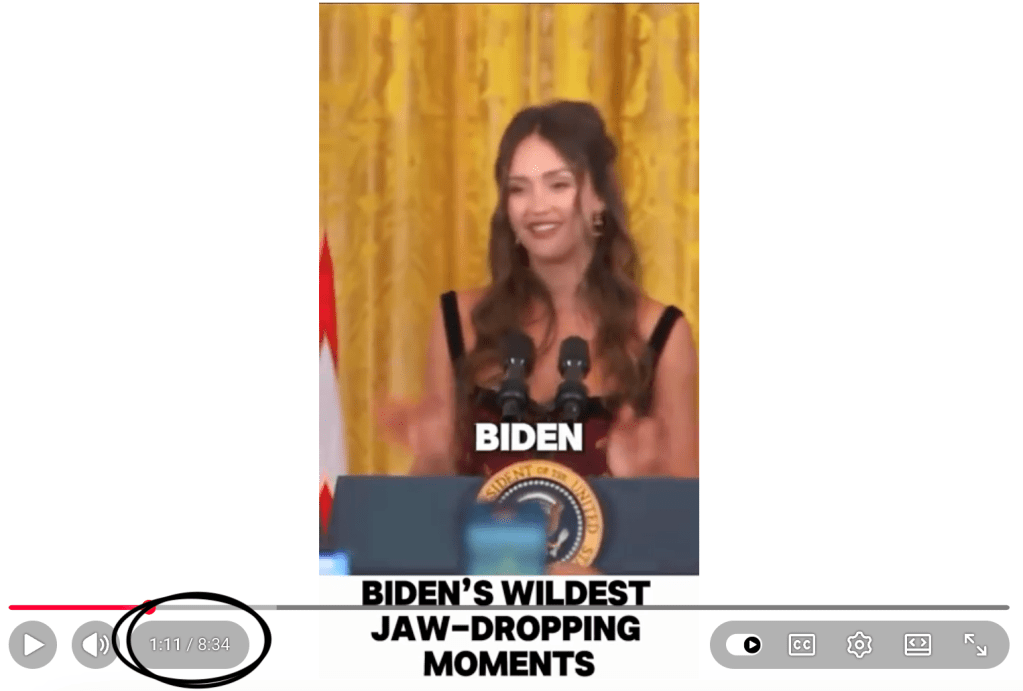
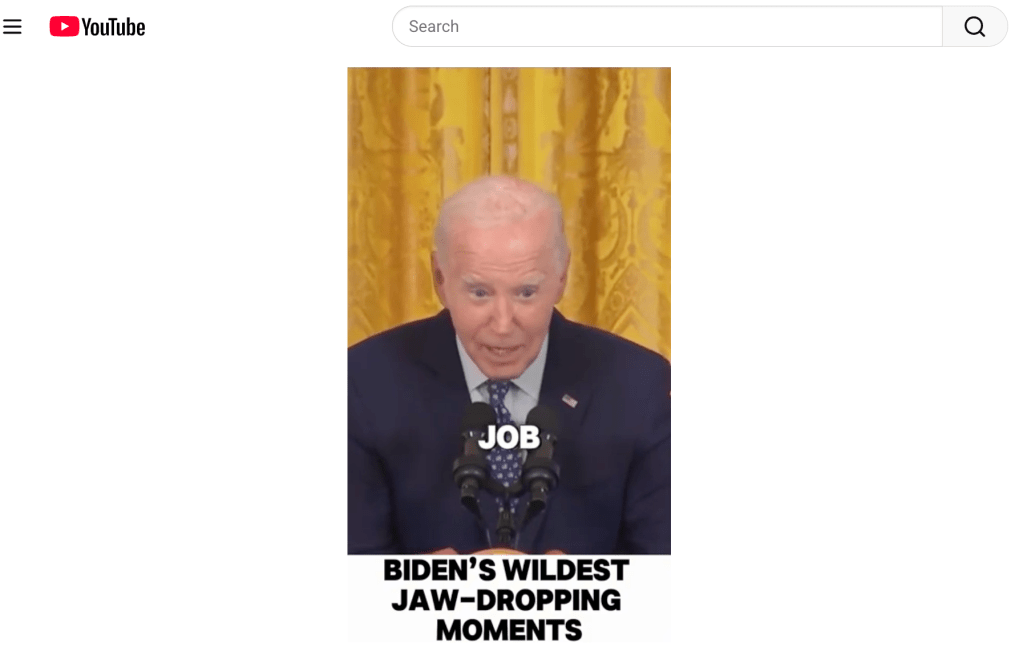
Please click or tap on the above, or below image to watch this cringeworthy moment in political history!

The clip starts at minute 1:11, with Jessica Alba stepping up to the podium looking like she accidentally wandered into a political event on the way to a movie premiere, delivering a gracious introduction of former President Joe Biden with the calm confidence of someone who has never had to introduce a man who once confused directions on a staircase. The crowd is polite, attentive, and ready for the usual handoff—celebrity smiles, politician waves, everyone goes home—but then Biden reaches the microphone and suddenly decides this is less of a speech and more of a networking opportunity.

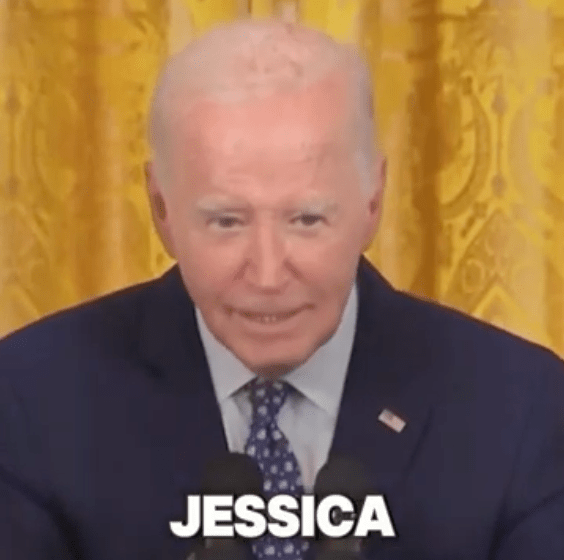
Instead of launching into policy or gratitude, he locks onto Alba like a LinkedIn connection he forgot to message back, and with the earnestness of a man who’s already updated his résumé, he starts half-joking, half-pleading about how she should “give him a job.” And that’s when the moment crosses from standard political fare into full stand-up territory, because there is something deeply funny about a former president of the United States, a man who once commanded nuclear codes, now casually pitching himself like an uncle asking for work at Thanksgiving. You can almost hear the internal monologue: “Sure, I ran the free world, but have you seen the benefits package at Honest Company?”

Alba laughs, the crowd laughs, and Biden keeps going just long enough for everyone to wonder if he’s kidding, or if he’s genuinely open to an entry-level position that involves team meetings and casual Fridays. The humor isn’t mean; it’s situational, like watching someone overshoot a joke and then decide to unpack their bags there. He praises her success, her business acumen, her acting career, and you get the sense that if there were a clipboard nearby, he’d be ready to sign up for onboarding. It’s the kind of moment that no one planned but everyone will remember, because it flips the power dynamic in the most unexpected way: Hollywood star introduces politician, politician immediately tries to pivot into Hollywood intern.

Alba handles it like a pro, smiling through the awkward charm, while the audience enjoys the rare sight of a political figure abandoning the script in favor of pure, unfiltered dad energy. By the time the clip ends, it’s less about the event itself and more about the reminder that politics, at its strangest, can feel like open mic night—where even a former president might shoot his shot, miss slightly, and still get a round of applause just for trying.