

Let’s kill the biggest lie Californians tell themselves:
“Winter storms aren’t really dangerous here.”
That belief gets people stranded, flooded, frozen, electrocuted, and killed every single year.
California winter storms don’t look like blizzards across cornfields. They look like:
- Torrential rain and flash flooding
- Mudslides that erase homes
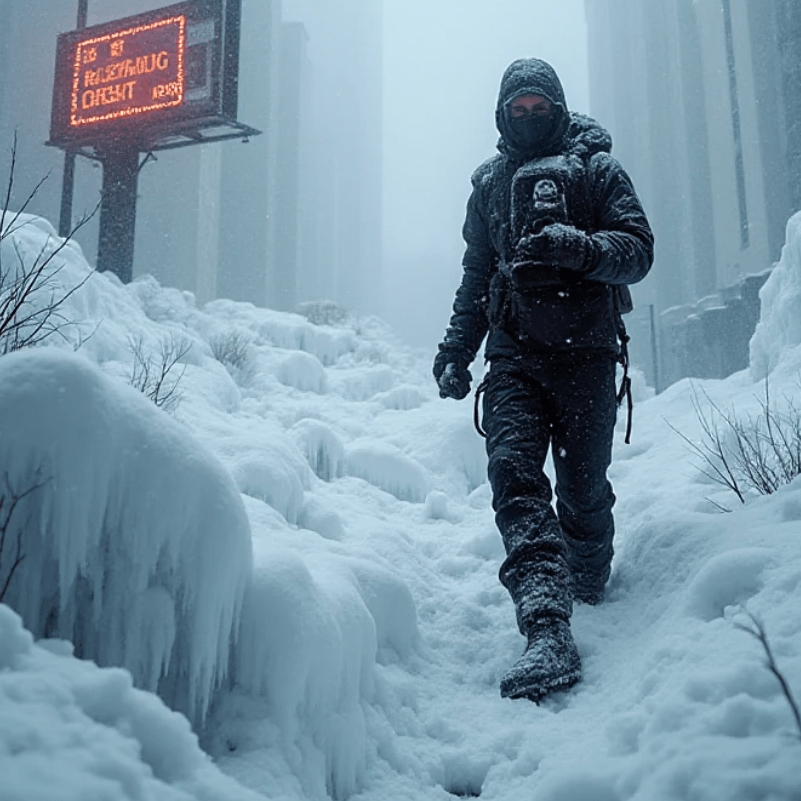
- Mountain blizzards that trap drivers
- Power outages that last days
- Roads washed out with no warning
And because people don’t mentally prepare for “winter survival” in California, they get caught with no food, no power, no heat, and no plan.
This article breaks down:
- How people actually die in California winter storms
- Why grocery stores still empty fast
- Why survival food and backup power matter even here
- What supplies keep you alive
- How to survive when the state’s systems fail
I’m not here to be polite. I’m here to tell you what actually happens when California weather turns violent.
Why Winter Storms in California Are More Dangerous Than People Admit

California winter storms are multi-threat events.
Depending on where you live, you face:
- Flash floods
- River flooding
- Snowed-in mountain highways
- Power grid failures
- Landslides and debris flows
- Cold exposure in homes built for mild weather
The danger isn’t cold alone—it’s infrastructure failure plus overconfidence.
The Top Ways People Die in Winter Storms in California

These deaths are consistent, preventable, and ignored until it’s too late.
1. Drowning in Floodwaters
This is the number one killer during California winter storms.
People die because they:
- Drive into flooded roads
- Walk through fast-moving water
- Underestimate depth and current
- Get trapped in vehicles or homes
It takes less than 12 inches of moving water to sweep away a car. Flash floods don’t announce themselves—they arrive fast and violently.
If the road is flooded, turn around. Every time.
2. Vehicle Accidents in Snowy Mountain Passes
California mountain storms are brutal:
- Donner Pass
- I-80
- Highway 50
- Tehachapi Pass
- Sierra Nevada routes
People die when they:
- Ignore chain controls
- Run out of fuel in snow
- Get stranded overnight
- Assume help is coming quickly
Mountain rescues can take hours or days. If you aren’t prepared to survive in your vehicle, you shouldn’t be there.
3. Hypothermia in Homes Without Power
California homes are not built for extended cold.
When storms knock out power:
- Electric heating fails
- Homes lose heat fast
- People don’t own cold-weather gear
- Indoor temperatures drop dangerously low
Hypothermia doesn’t care that it’s “California.”
Elderly residents and children are especially vulnerable when power stays out overnight.
4. Carbon Monoxide Poisoning
Every winter storm, the same deadly mistakes repeat:
- Generators run indoors or too close to homes
- Charcoal grills used inside
- Gas stoves used for heat
- Fireplaces misused
Carbon monoxide kills silently. Families go to sleep and never wake up.
If you own backup heat or power and don’t own CO detectors, you’re gambling with your life.
5. Landslides and Mudflows
This is a uniquely California killer.
Heavy rain after wildfires destabilizes hillsides. Entire neighborhoods are wiped out while people sleep.
- Homes crushed
- Roads buried
- Emergency access blocked
If you live near slopes or burn scars, winter storms are not “just rain.”
6. Medical Emergencies With No Access to Help
During severe storms:
- Roads are flooded or closed
- EMS response slows dramatically
- Pharmacies close
- Power-dependent medical devices fail
People die from:
- Missed medications
- Respiratory issues
- Heart attacks
- Dialysis disruptions
Storms don’t need to injure you directly—they just need to cut you off.
Will Grocery Stores Go Empty in California?
Yes. Absolutely. And fast.
California grocery stores rely on:
- Constant truck deliveries
- Highway access
- Functional ports and distribution centers
During major storms:
- Roads flood
- Trucks stop running
- Panic buying empties shelves
What disappears first:
- Bread
- Water
- Meat
- Baby supplies
- Batteries
- Shelf-stable food
If you shop after the storm warning, you’re already behind.
Why Survival Food Prepping Matters in California

Storms don’t need to last weeks to create food shortages.
If roads are flooded or snowed in:
- Stores can’t restock
- Power outages spoil food
- People panic-buy
A 7–14 day food buffer keeps you out of chaos.
Best Survival Food for California Storms
- Freeze-dried meals
- Canned meats and soups
- Rice and beans
- Protein bars
- Nut butters
- Shelf-stable snacks
If it requires refrigeration or daily store trips, it’s not reliable.
Solar Generators: The Smart Backup Power Choice for California
Gas generators are problematic in California:
- Fuel shortages
- Noise restrictions
- Emissions rules
- Carbon monoxide risk
Solar generators with battery storage are safer and more practical.
They can power:
- Phones and emergency alerts
- Refrigerators
- Medical equipment
- LED lights
- Internet modems
California gets sunlight even during storms—battery backup matters more than fuel.
Essential Winter Survival Supplies for California
This is baseline preparedness, not paranoia.
Power & Heat
- Solar generator with battery
- Power banks
- Indoor-safe heater
- Thermal blankets
Clothing & Shelter
- Warm layers
- Waterproof jackets
- Hats and gloves
- Sleeping bags
Food & Water
- 1 gallon of water per person per day
- Non-perishable food
- Manual can opener
Safety & Medical
- First aid kit
- Prescription backups
- Carbon monoxide detectors
- Fire extinguisher
Communication
- NOAA weather radio
- Flashlights and headlamps
- Extra batteries
If you’re missing these, you’re not prepared—you’re depending on luck.
Why Survival Prepping Matters in California
California storms don’t give warnings you can shop through.
Roads close.
Power fails.
Help is delayed.
And people who thought they were “safe” suddenly aren’t.
Prepping means:
- You don’t drive into floodwaters
- You don’t freeze in the dark
- You don’t panic-buy
- You don’t become another headline
A Simple Word of Advice from a Real California Prepper

California kills people in winter storms because they don’t look like winter storms.
Rain, snow, flooding, power loss, and isolation are just as deadly as blizzards—sometimes more.
Prepare now.
Because once the storm hits, the system you trust stops working.







 TheDailyChristian