

Dakota Drift: Surviving Off-Grid in South Dakota
Living in South Dakota isn’t for the faint of heart. From the flat plains to the rugged Black Hills, this state offers both beauty and peril. As a seasoned prepper, I’ve learned that surviving here isn’t just about having the right gear—it’s about understanding the land, the weather, and the threats that come with them.
🧭 Final Word from a South Dakota Survivalist: Preparedness Isn’t Paranoia—It’s a Way of Life
CLICK HERE TO LEARN HOW TO SURVIVE A FAMINE
Living in South Dakota teaches you a few hard truths early on—Mother Nature doesn’t negotiate, warnings don’t always come in time, and hope isn’t a plan. Whether it’s a blinding blizzard screaming across the plains, a tornado ripping across the horizon, or a flood swallowing the Black Hills in the dead of night, this state will test your grit. That’s why we don’t just prepare—we live prepared.
This isn’t about fear. It’s about freedom. When you’ve got six feet of snow outside, the grid goes down, and your driveway disappears under a sheet of ice, you’ll thank yourself for every gallon of water stored, every can of food sealed, every spare battery and radio tested. You’re not waiting on a rescue—you are the rescue.
Preparedness in South Dakota isn’t a weekend hobby—it’s woven into our daily routine. From stacking firewood and rotating food stores to training with our community and keeping tabs on weather alerts, we make it a lifestyle. Because out here, self-reliance isn’t old-fashioned. It’s survival.
The biggest threat isn’t just the storm itself—it’s the mindset that says, “It probably won’t happen to me.” That attitude gets people hurt. But when you’ve got a plan, when you’ve run the drills, when your gear is checked and your crew is ready, you replace panic with purpose.
Natural disasters may strike without warning, but you don’t have to be caught off guard. Whether you live in the heart of Sioux Falls, a ranch near Belle Fourche, or a cabin tucked in the Black Hills, you owe it to yourself—and your family—to be ready for anything.
So take that first step, or the next one. Check your supplies. Walk through your bug-out plan. Talk to your neighbors. Update your emergency contacts. Invest in a radio, sharpen your axe, charge your solar bank. Get after it.
Because in South Dakota, surviving the worst isn’t just about making it through the storm—it’s about being strong enough to rebuild after it.
And that, fellow preppers, is the real measure of preparedness.
🌪️ 1. Tornadoes: The Silent Destroyers

South Dakota lies in “Tornado Alley,” where twisters can form with little warning. The 1972 Black Hills Flood serves as a grim reminder of nature’s fury. In 1972, Rapid City experienced a devastating flash flood that claimed lives and reshaped the community. Visit Rapid City
Prepper Tip: Invest in a NOAA Weather Radio with tone alert and Specific Area Message Encoding (SAME) capability. These devices can provide critical warnings and are essential during power outages.Wikipedia
❄️ 2. Blizzards: Winter’s Wrath

Winters in South Dakota are brutal. Blizzards can drop temperatures to life-threatening levels, making travel impossible and power outages common.
Prepper Tip: Keep a winter survival kit in your vehicle, including blankets, non-perishable food, water, and a shovel. Ensure your home is stocked with heating fuel and backup power sources.
🌊 3. Flooding: The Hidden Threat
While not as frequent as other disasters, flooding can occur, especially in areas near rivers and streams. The 1972 flood in Rapid City is a stark reminder of this threat. Visit Rapid City
Prepper Tip: Elevate electrical appliances and utilities above potential flood levels. Consider installing sump pumps and backflow valves to protect your property.National Geographic
🔥 4. Wildfires: The Summer Menace
Dry conditions in the summer can lead to wildfires, especially during Red Flag Warnings when winds and low humidity create ideal fire conditions.
Prepper Tip: Create a defensible space around your home by clearing dead vegetation and using fire-resistant materials in construction.
🌪️ 5. Severe Thunderstorms: The Summer Squall
Summer brings severe thunderstorms with the potential for hail, damaging winds, and even tornadoes. These storms can cause significant property damage and power outages.
Prepper Tip: Secure loose objects outdoors and trim trees near your home to prevent wind damage. Keep an emergency kit with flashlights, batteries, and a first aid kit readily available.
🧭 6. Civil Air Patrol: Community Support
The South Dakota Wing Civil Air Patrol (CAP) plays a vital role in disaster response, offering aerial search and rescue, disaster relief, and humanitarian assistance. Wikipedia
Prepper Tip: Stay informed about CAP activities and consider volunteering or supporting their missions to enhance community resilience.Wikipedia
🛠️ 7. Emergency Preparedness: A Statewide Effort

South Dakota’s commitment to disaster preparedness is evident through initiatives like the Stephenson Disaster Management Institute, which provides geospatial data to assist in hazard mitigation and emergency planning. Wikipedia
Prepper Tip: Familiarize yourself with local emergency plans and participate in community preparedness programs to stay informed and ready.
🔥 8. Fire Safety: Year-Round Vigilance
Fire safety isn’t just a summer concern. In winter, heating equipment can pose fire risks, while dry conditions in spring and fall can lead to wildfires.
Prepper Tip: Install smoke detectors and fire extinguishers in key areas of your home. Regularly inspect and maintain heating equipment to prevent fire hazards.
🧊 9. Ice Storms: Slick and Dangerous
Ice storms can coat trees and power lines, leading to widespread outages and hazardous travel conditions.
Prepper Tip: Keep a battery-powered radio and extra blankets on hand. Avoid travel during icy conditions and ensure your vehicle is equipped with emergency supplies.
🚨 10. Stay Informed: Knowledge is Power
Being aware of potential threats and staying updated on weather conditions can make a significant difference in disaster preparedness.
Prepper Tip: Subscribe to local weather alerts and follow emergency management agencies on social media for real-time updates.
🧭 Final Word from a South Dakota Survivalist: Preparedness Isn’t Paranoia—It’s a Way of Life
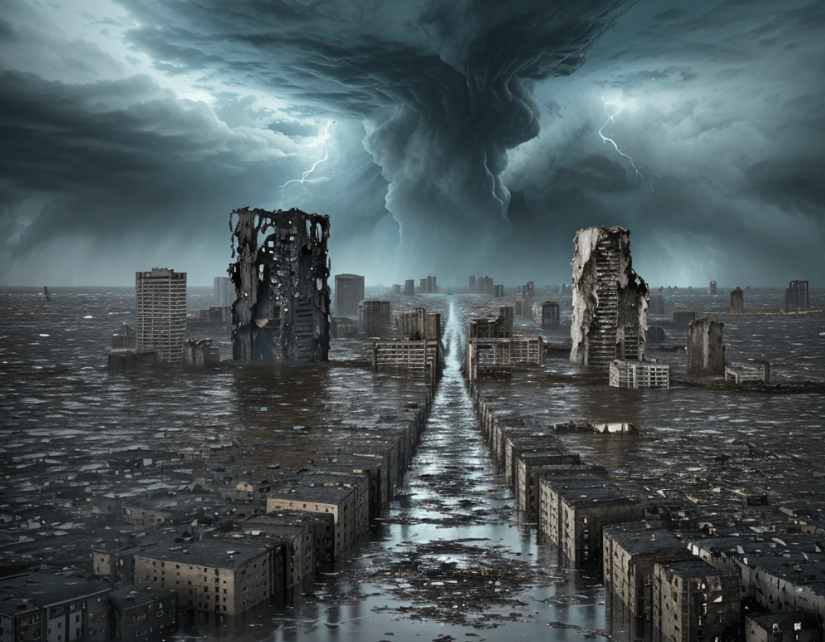
Living in South Dakota teaches you a few hard truths early on—Mother Nature doesn’t negotiate, warnings don’t always come in time, and hope isn’t a plan. Whether it’s a blinding blizzard screaming across the plains, a tornado ripping across the horizon, or a flood swallowing the Black Hills in the dead of night, this state will test your grit. That’s why we don’t just prepare—we live prepared.
This isn’t about fear. It’s about freedom. When you’ve got six feet of snow outside, the grid goes down, and your driveway disappears under a sheet of ice, you’ll thank yourself for every gallon of water stored, every can of food sealed, every spare battery and radio tested. You’re not waiting on a rescue—you are the rescue.
Preparedness in South Dakota isn’t a weekend hobby—it’s woven into our daily routine. From stacking firewood and rotating food stores to training with our community and keeping tabs on weather alerts, we make it a lifestyle. Because out here, self-reliance isn’t old-fashioned. It’s survival.
The biggest threat isn’t just the storm itself—it’s the mindset that says, “It probably won’t happen to me.” That attitude gets people hurt. But when you’ve got a plan, when you’ve run the drills, when your gear is checked and your crew is ready, you replace panic with purpose.
Natural disasters may strike without warning, but you don’t have to be caught off guard. Whether you live in the heart of Sioux Falls, a ranch near Belle Fourche, or a cabin tucked in the Black Hills, you owe it to yourself—and your family—to be ready for anything.
So take that first step, or the next one. Check your supplies. Walk through your bug-out plan. Talk to your neighbors. Update your emergency contacts. Invest in a radio, sharpen your axe, charge your solar bank. Get after it.
Because in South Dakota, surviving the worst isn’t just about making it through the storm—it’s about being strong enough to rebuild after it.
And that, fellow preppers, is the real measure of preparedness.



 TheDailyChristian