

Living in Louisiana, you get used to the idea that disaster can strike at any time. Whether it’s hurricanes, flooding, tornadoes, or even wildfires, the state is a prime target for a variety of natural catastrophes. As a prepper, I’ve learned to keep my family safe by planning, preparing, and thinking ahead—because when disaster strikes in the Bayou State, you don’t have time to figure it out.
Let’s talk about the big ones first—hurricanes. Hurricane season here runs from June to November, and while we may not get hit every year, the threat is always looming. I’ve seen what these storms can do to entire neighborhoods. In 2005, Hurricane Katrina devastated New Orleans and much of the Gulf Coast. The flooding, destruction, and loss of life were a wake-up call for many of us. Since then, I’ve focused on preparedness like never before.
But hurricanes aren’t the only worry. Louisiana is also prone to flooding, especially along the Mississippi River and in the low-lying bayous. Tornadoes, though less frequent, can still tear through communities, and let’s not forget the occasional wildfires in the dry season. With all of these potential threats, the key to surviving is a solid game plan. Here’s how I prepare for the worst.
1. Hurricane Preparedness
The first rule of prepping in Louisiana is always to have your hurricane kit ready. The goal is to stay safe during the storm, but also to make sure you’re set for the aftermath when power can be out for days or weeks. I keep my emergency supplies stocked year-round:
- Water: I store at least one gallon per person per day for a minimum of three days. More is better.
- Non-perishable food: Canned goods, freeze-dried meals, and high-energy snacks are crucial.
- Battery-powered radios: In case the power goes out, a weather radio will help you stay up to date on storm developments.
- Flashlights and extra batteries: These are essential for navigating through a darkened home or neighborhood.
- First aid kit: You’ll need it for minor injuries or emergencies when medical help may be delayed.
- Power banks: Keeping devices charged is a must, especially for communication and updates.
2. Evacuation Plan
Evacuation routes are critical. I’ve mapped out several routes to different safe areas in case the primary routes get blocked. We all know that traffic jams can become a nightmare when everyone is evacuating at once, so having a few options in mind is a lifesaver.
Also, having a bug-out bag for every member of the family—especially the kids—gives me peace of mind. I make sure the bags are packed with essential clothing, hygiene products, medicine, and important documents (ID, insurance papers, etc.).
3. Flooding and Water Safety
Living in Louisiana means we’re surrounded by water—rivers, lakes, and swamps. Flash floods are a common problem, and with climate change, they’re becoming more frequent. If you live in a flood zone, it’s important to elevate your home, if possible. I’ve raised mine a few feet above the base flood elevation, which is required for some properties, but it can make a huge difference when water levels rise unexpectedly.
When a flood is imminent, I make sure to move all valuable electronics and important documents upstairs to higher ground. Sandbags are useful, but if the water is rising quickly, nothing beats having a safe place to move to.
4. Tornadoes
Though Louisiana isn’t as tornado-prone as places like Oklahoma or Texas, we still get our fair share of twisters. Tornadoes can appear suddenly, often with little warning. I’ve learned that the best place to ride out a tornado is in a basement or interior room without windows. A storm shelter or a reinforced room is a lifesaver.
I also have an emergency kit specifically for tornadoes, with a focus on protection from flying debris—sturdy shoes, blankets, and helmets in case you need to hunker down fast.
5. Wildfires and Dry Conditions
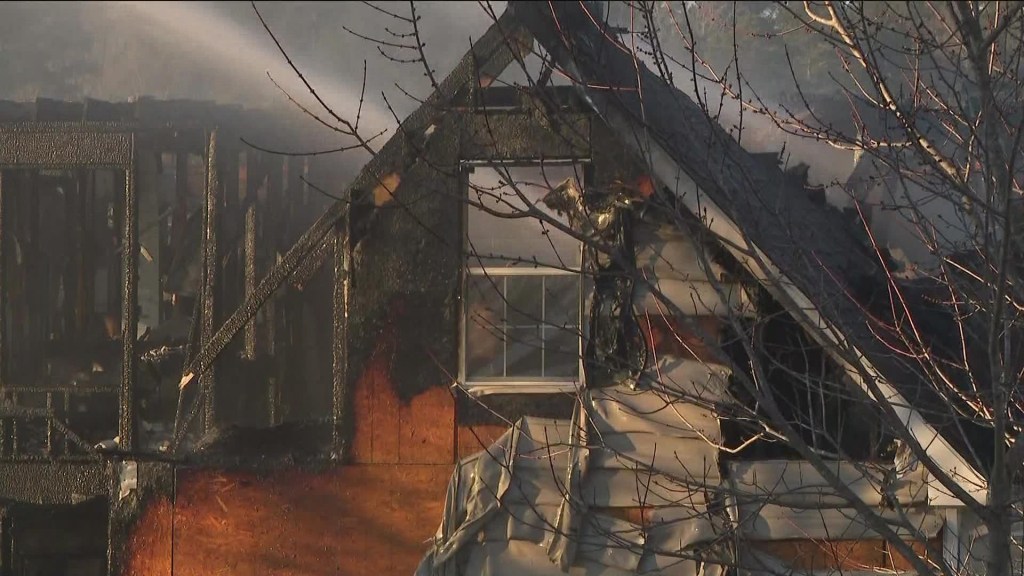
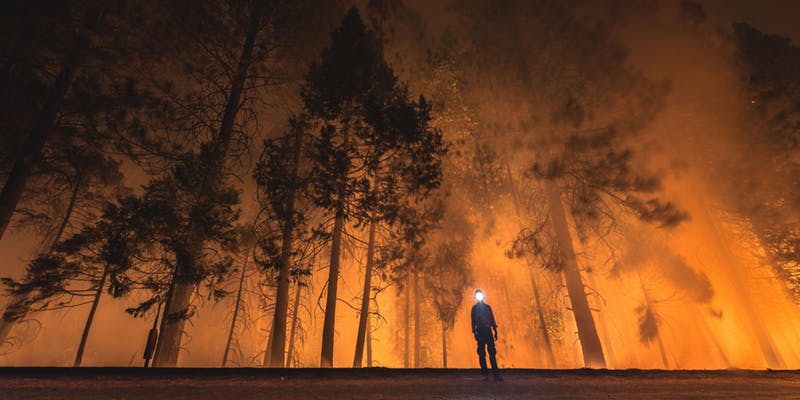
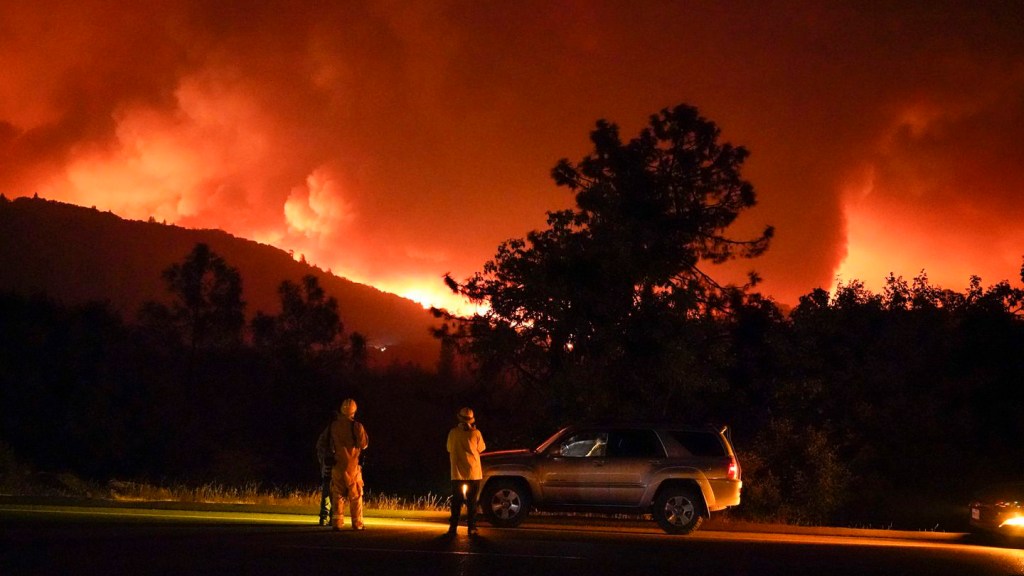
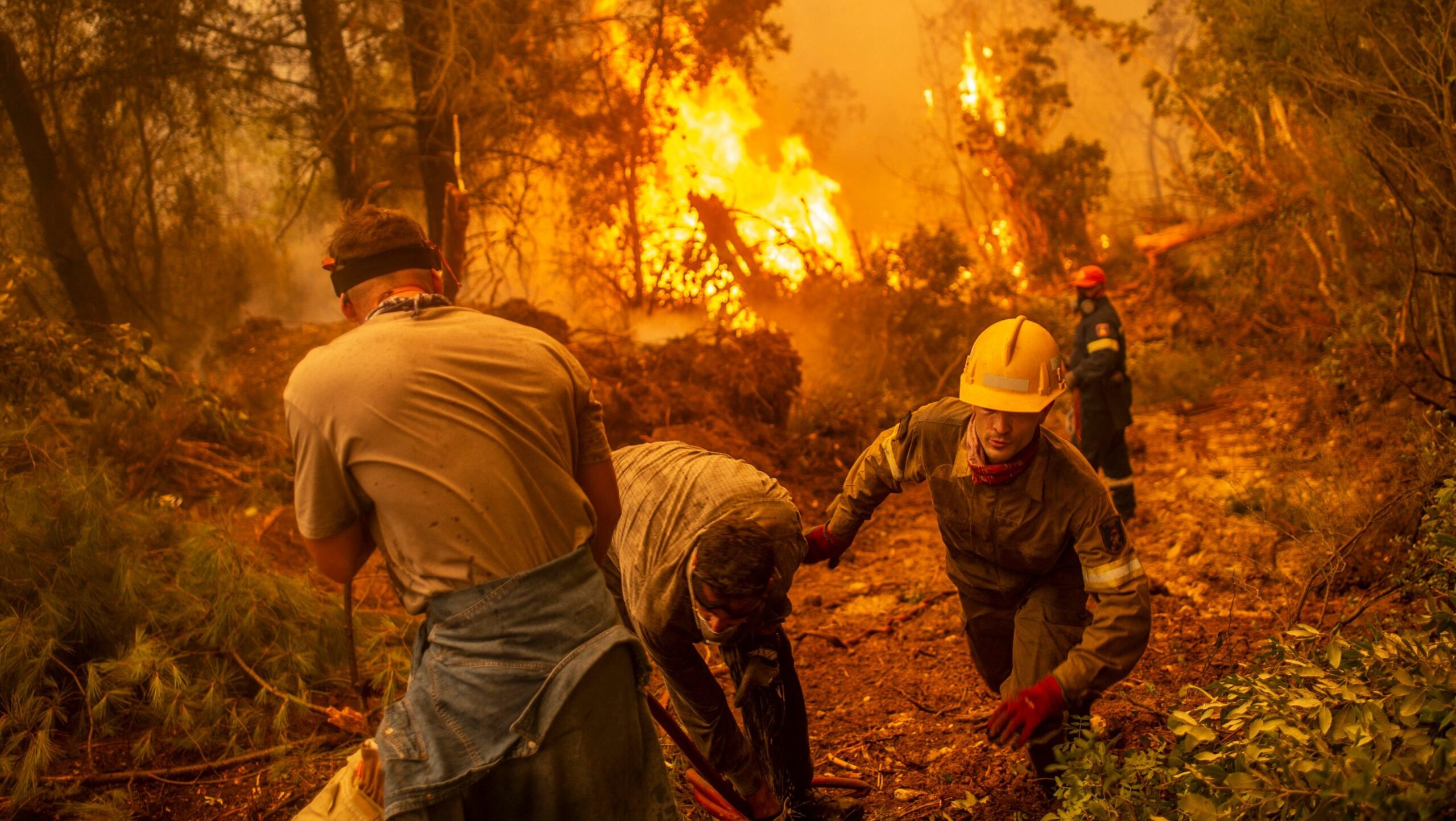
While it may seem strange, wildfires can be a real threat in Louisiana during the dry season. These fires can spread quickly, especially in the rural areas, and high winds can make them even more dangerous. Keeping a defensible space around your home is essential if you live near wooded areas. I trim back brush and trees regularly, and I have a water source nearby in case we need to create a fire break.
6. Maintaining Communication
The one thing that I never take for granted is communication. When the grid goes down, it’s easy to feel isolated. Having a satellite phone or a CB radio can help keep you connected when cell service isn’t available. I also rely on family and community groups for information and support. A local network is vital in an emergency.
7. Self-Sufficiency
In Louisiana, relying on the grid isn’t always the best option. If a storm knocks out power, it might take days or weeks to restore it. That’s why I invested in a backup generator for my home. Solar panels are a great addition as well, and they help keep things running when the power is out.
Growing my own food and learning skills like fishing, hunting, and basic carpentry has helped me become more self-reliant, which is critical during long-term disruptions.
10 Survival Prepper Tips for Louisiana’s Natural Disasters
- Create a Bug-Out Bag: Always have a go-bag ready with essentials like food, water, medications, and important documents.
- Know Your Flood Zones: Understand if you live in a flood-prone area and take action to raise your home if possible.
- Keep Extra Gasoline: After a hurricane, gas stations can run out of fuel. Keep at least a couple of cans of gasoline on hand for your vehicle or generator.
- Invest in a Solar-Powered Generator: This will keep your essentials running without the need for gas or electricity from the grid.
- Learn to Fish and Hunt: Louisiana has some of the best fishing and hunting spots in the country—skills like these can be lifesavers in times of scarcity.
- Stock Up on Supplies: Make sure you have a month’s worth of supplies, including food, water, and medicine, in case you need to hunker down for an extended period.
- Backup Power for Communication: Keep solar chargers or extra batteries to power your communication devices.
- Be Ready for Evacuation: Know multiple routes out of your area in case one gets blocked.
- Protect Your Home’s Exterior: Install storm shutters, elevate your home, and clear your yard of debris that could become dangerous projectiles.
- Stay Informed: Tune in to weather stations, have a weather app, and always keep an eye on the forecast, especially during hurricane season.










 TheDailyChristian