North Carolina’s Deadliest Insects and What to Do Before You Become a Cautionary Tale

I’ve broken every bone in my body at least once. Some of them twice. One of them three times, but that one was my fault and involved a ladder, a generator, and a poor decision made during a thunderstorm. Because of this long and painful résumé of injuries, people assume I’m afraid of big things—bears, hurricanes, chainsaws, or angry men named Earl.

They are wrong.

The things that scare me most in North Carolina are small. Six legs. Wings sometimes. No remorse. No warning. Just a bite, a sting, or a disease you won’t notice until you’re sweating through your socks wondering why your joints feel like they’ve been replaced with rusty door hinges.

North Carolina is a beautiful state full of forests, swamps, mountains, coastlines, and insects that would happily end your entire survival journey before you finish pitching a tent. While most bugs are just annoying, some can genuinely threaten your life under the wrong conditions. I’ve met them. I’ve underestimated them. I’ve survived them mostly through luck, stubbornness, and an impressive collection of first-aid kits.

This article is not meant to scare you indoors forever. It’s meant to keep you alive. Because nature doesn’t care how prepared you think you are, and insects don’t care how tough you act.

Let’s talk about the most dangerous insects in North Carolina—and what you can do to survive them without becoming an entry in a local news story.


1. The Tiny Flying Hypodermics of Doom – Mosquitoes

If mosquitoes had resumes, they’d be banned in most countries.

In North Carolina, mosquitoes aren’t just itchy nuisances. They are known carriers of serious diseases such as West Nile virus, Eastern equine encephalitis, and other infections that can, in rare cases, become life-threatening. You don’t feel heroic when a mosquito bites you. You feel mildly annoyed. That’s the problem.

The danger isn’t the bite itself—it’s what the bite delivers.

I once ignored mosquito protection because I was “just stepping outside for a minute.” Three hours later, I looked like a topographical map of bad decisions. Fever hit me days later, and while I recovered, I learned a lesson the hard way: mosquitoes don’t respect short trips or tough talk.

Survival Tips:

  • Wear long sleeves and pants in mosquito-heavy areas, especially at dawn and dusk.
  • Use insect repellent consistently, not just when you remember.
  • Eliminate standing water around your home or campsite.
  • If you develop fever, headache, or body aches after heavy mosquito exposure, seek medical attention early.

Preparedness lesson: the smallest enemy often causes the biggest problems.


2. Ticks Really Suck (Your Life Away)

Ticks don’t bite you like insects. They move in.

North Carolina has several species of ticks capable of transmitting serious illnesses, including Rocky Mountain spotted fever and other tick-borne diseases. These conditions can escalate quickly if untreated, and symptoms often begin deceptively mild.

Ticks are patient. They don’t sting dramatically. They don’t buzz angrily. They just wait, latch on, and let time do the damage.

I once found a tick in a place I will not describe for the sake of everyone’s breakfast. That moment changed me as a person.

Survival Tips:

  • Perform full body tick checks after outdoor activities.
  • Wear light-colored clothing to spot ticks more easily.
  • Tuck pants into socks when hiking through tall grass or woods.
  • Remove ticks promptly and properly.
  • Seek medical advice if you experience fever, rash, or fatigue after a tick bite.

If you take nothing else from this article, take this: ticks are not optional to deal with.


3. North Carolina’s Fire Ants Are Gonna Put a Fire in Your Spine

Fire ants are not technically native, but they’ve made themselves extremely comfortable in North Carolina—especially in warmer regions. They don’t just bite. They swarm. They coordinate. They commit.

For most people, fire ant stings are painful but manageable. For others, especially those with allergic reactions, they can become dangerous very quickly.

I once stepped into a fire ant mound while distracted by a survival checklist. I learned that ants can climb faster than panic.

Survival Tips:

  • Watch the ground before standing still outdoors.
  • Avoid disturbing ant mounds.
  • If stung multiple times, move away quickly and wash the area.
  • Seek emergency help if you experience swelling, difficulty breathing, or dizziness.

Fire ants don’t play defense. They play offense.


4. North Carolina Bees & Wasps Hate People

Bees are important. Wasps and yellowjackets are important too, I guess, but they wake up angry and choose chaos daily.

In North Carolina, stinging insects can pose a serious risk, especially to individuals with allergies. A single sting can trigger a severe reaction that escalates rapidly without treatment.

Yellowjackets, in particular, are aggressive and often nest underground, which means you don’t know they’re there until they are very much there.

I’ve been stung enough times that I now flinch when a leaf moves suspiciously.

Survival Tips:

  • Avoid wearing strong scents outdoors.
  • Stay calm if stinging insects are nearby.
  • Do not swat—slowly move away.
  • If stung and symptoms escalate beyond local pain, seek emergency help immediately.

Preparedness means respecting insects that can turn a picnic into a medical emergency.


5. Black Widow Spiders in North Carolina are Small, Shiny, and Unforgiving

Yes, spiders aren’t technically insects, but if one bites you and ruins your week, the distinction won’t matter much.

Black widows are present in North Carolina and are recognizable by their glossy black bodies and red markings. Their venom can cause severe pain, muscle cramps, and other systemic symptoms.

I once stuck my hand into a woodpile without gloves. That was a mistake I won’t repeat until I forget again in ten years.

Survival Tips:

  • Wear gloves when handling firewood or debris.
  • Shake out shoes and clothing stored outdoors.
  • Seek medical care if bitten and symptoms intensify.

Spiders thrive where clutter lives. So do bad outcomes.


6. Brown Recluse Spiders: Rare, But Worth Mentioning

Brown recluse spiders are uncommon in North Carolina, but they do exist. Their bites can cause serious skin damage and systemic reactions in rare cases.

The danger lies in delayed symptoms. You might think everything is fine until it very much isn’t.

Survival Tips:

  • Reduce clutter in storage areas.
  • Avoid reaching into dark, undisturbed spaces.
  • Seek medical care for unusual or worsening bite reactions.

Preparedness includes knowing what’s unlikely—but possible.


7. Kissing Bugs: The One Nobody Talks About

Kissing bugs are stealthy insects known for biting near the face while people sleep. In rare cases, they can transmit Chagas disease.

While the risk in North Carolina is low, it’s not zero.

That’s enough for me to mention it.

Survival Tips:

  • Seal cracks and gaps in homes.
  • Use screens on windows.
  • Keep sleeping areas clean and well-lit when possible.

You don’t need paranoia. You need awareness.


8. Deer Flies and Horse Flies: Pain with Wings

These insects don’t just bite—they slice. Their bites are painful and can become infected if not treated properly.

While rarely deadly on their own, secondary infections or allergic reactions can complicate things.

I once thought a horse fly was a small bird attacking my neck. I was wrong. But the fear was real.

Survival Tips:

  • Cover exposed skin near water or wooded areas.
  • Clean bites thoroughly.
  • Monitor for signs of infection.

Pain is survivable. Infection is optional if you’re careful.


What Survival Really Means in North Carolina’s Bug Country

Survival isn’t about carrying the biggest knife or building the fanciest shelter. It’s about preparation, awareness, and humility. I’ve learned—through fractures, stings, and infections—that insects don’t care how prepared you think you are.

They care whether you took the small precautions.

Wear the repellent. Check your skin. Respect the insects you can’t see coming. Don’t laugh off a bite that feels wrong. Don’t assume you’re immune because you’ve “always been fine before.”

I’ve been fine before too. Until I wasn’t.

North Carolina is worth exploring. Just don’t let the smallest residents write the ending of your story.

Stay alert. Stay prepared. And for the love of everything, check your boots before putting them on.
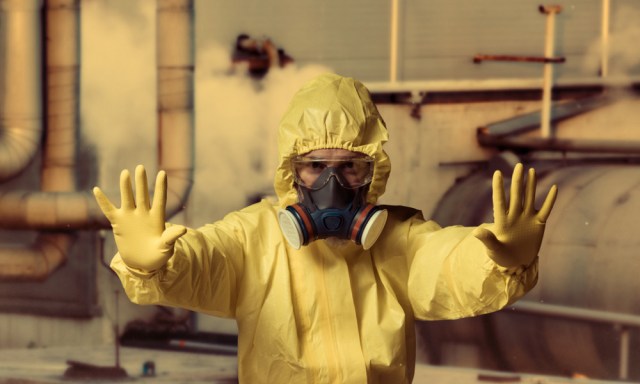
Don’t Be a Sitting Duck: How to Survive a Nuclear Disaster in the U.S.

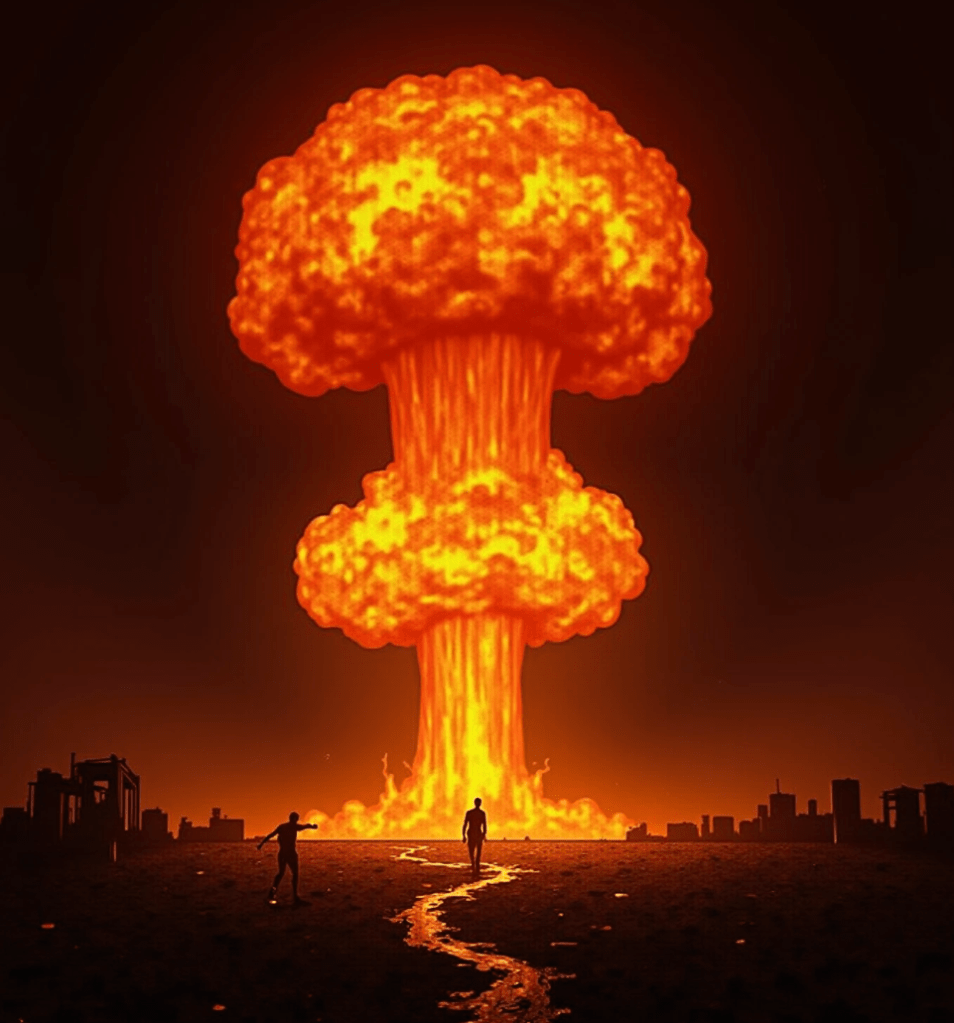
I’m not here to sugarcoat anything: the United States is sitting on a goddamn ticking nuclear time bomb. And no, your elected clowns in Washington won’t save you. They’re too busy arguing over budget sheets and selfies while our country’s nuclear reactors age like moldy cheese. You want to live when—no, if—a meltdown hits? Then you better start paying attention, because your life, and anyone dumb enough to rely on Uncle Sam, is on the line.

First, let’s get something straight: nuclear reactors are NOT invincible. They are massive piles of metal, concrete, and radioactive fuel rods that can and do fail. Look at Chernobyl, Fukushima, Three Mile Island… these weren’t fairy tale disasters; they were very real, very deadly, and entirely preventable if someone had been paying attention. In America, we like to tell ourselves, “Oh, that could never happen here.” Wrong. Complacency is the fastest path to being irradiated like a rotisserie chicken.

Here’s a little secret the government won’t shout from the rooftops: most U.S. nuclear plants were designed decades ago. Maintenance is patchy at best, corners are cut, and the same engineers who warn about risks are often ignored because the suits don’t want to spend a dime on safety. So yes, the risk of a nuclear meltdown in the United States is higher than you think. Higher than you care to admit. And if you’re one of those people whining about the stock market or the latest TikTok trend, congratulations—you’re about to become radioactive dust.

Let’s talk reality. In the event of a meltdown, you’re looking at catastrophic radiation exposure. I’m not talking a little rash or feeling woozy. I’m talking immediate sickness, death, and a slow, painful decay if you survive the initial blast. Fallout spreads with the wind, contaminating water, soil, and food for miles. Your average grocery store is a death trap, your city is a ghost town before you even figure out which way to run. And don’t expect FEMA or the National Guard to swoop in like heroes—they’re more likely to be evacuating their own sorry asses while you scramble in the dust.

So, what do you do if you actually have the guts to survive instead of whining about it? Step one: knowledge. Know where the nearest nuclear reactors are. There are over 90 operating in the United States, and they aren’t all tucked away in “safe” places. If you live within 50 miles of one, consider that a death zone in case of meltdown. Check evacuation routes, understand wind patterns, and never assume authorities will guide you safely—they won’t.

Step two: shelter. You think your flimsy suburban home will stop radiation? Wrong. You need a fallout shelter. If you don’t have one, improvise. Basements, storm cellars, or even the center of large, concrete buildings can provide partial protection. The goal is to put as much dense material between you and the radioactive particles outside as possible. Lead, concrete, dirt—stack it up. If you can, stockpile at least two weeks’ worth of food, water, and medical supplies inside that shelter. You’ll be too busy praying to the gods that you remembered your potassium iodide tablets to complain about taste or boredom.

Step three: gear up. This isn’t optional. A proper gas mask or respirator is your first line of defense against inhaling radioactive dust. Thick gloves, protective clothing, and sturdy boots are next. You need to be ready to step outside to gather supplies without turning yourself into a walking beacon of gamma radiation. Forget the latest fashion trends; if you’re not coated like a hazmat zombie, you’re toast.

Step four: water and food. Radiation contamination isn’t just about the air. Streams, lakes, and even tap water can become dangerous within hours of a meltdown. Store at least a month of clean water per person if you can manage it. Canned goods, freeze-dried meals, and anything shelf-stable is your friend. And for the love of all that’s holy, don’t trust anything grown in contaminated soil unless you have a damn Geiger counter to test it.

Step five: radiation monitoring. If you can afford it, invest in a Geiger counter or a dosimeter. No, your phone’s app doesn’t count. You need hard data to know if it’s safe to leave your shelter or not. Radiation doesn’t care if you feel fine—it’s silent, invisible, and deadly. And the longer you expose yourself, the faster your body turns into a glowing skeleton. That’s not hyperbole. That’s nuclear reality.

Here’s the part most people won’t tell you: a meltdown isn’t a one-day event. Fallout lingers. Weeks, months, maybe even years. Your survival isn’t about sprinting to the nearest bunker and calling it a day; it’s about long-term planning. Rotate food, purify water, maintain ventilation in your shelter, and be ready for the psychological toll of isolation. Most people won’t survive the panic, depression, and sheer boredom. But the ones who prepare will have a fighting chance.

And let’s get one thing crystal clear: if you don’t act, you’re a liability. You’re not just risking your own skin; you’re endangering others who might count on you. Families, neighbors, coworkers—they can be collateral damage if you run around clueless. Don’t be that guy. Take responsibility. Stop whining about politics or waiting for the “government to handle it.” They’re too busy pretending everything is fine while you rot.

If there’s one last nugget of truth I can shove down your oblivious throat, it’s this: survival is brutal, selfish, and ugly. You have to accept that. Caring about others in a nuclear meltdown is a luxury. You need to think: “How do I stay alive?” because if you’re dead, your moral high ground is meaningless. Prepare ruthlessly. Protect yourself. Ignore the weak-willed naysayers. And when the fallout settles, only the prepared, smart, and ruthless will be left standing.

So stop reading this and start acting. Buy your supplies, fortify your shelter, learn your escape routes, and practice your radiation drills. Because one day, maybe soon, you’re going to wish you had listened. And if you don’t, don’t come crying to anyone. Survival isn’t for everyone, but if you follow this advice, at least you’ll have a chance. And that, my friends, is more than half the battle in this radioactive nightmare we call America.

California is Killing You: The Top 10 Non-Health Hazards You’re Ignoring

Wake up, California. You might think your biggest threats are the latest flu strain or a heart attack, but that’s only half the story. The truth is far grimmer. Life in the Golden State isn’t just expensive; it’s a constant hazard zone. If you’re walking around thinking the state’s only threat is invisible bacteria or the occasional bad fast food, think again. This article isn’t here to sugarcoat reality—this is your wake-up call.

I’ve lived through enough disasters, near-misses, and face-to-face encounters with the chaos of California life to know one thing: your survival isn’t guaranteed. The state is a beautiful trap filled with lethal risks, many of which have nothing to do with health. Here are the top 10 non-health-related reasons why people in California die, and why ignoring them is basically a death sentence.


1. Car Accidents – The Rolling Killers

You don’t need a virus to die in California; you need only step into your car—or the car of someone else. With congested highways, aggressive drivers, and one-too-many distracted texters behind the wheel, car accidents are rampant. Los Angeles, San Francisco, and even smaller towns see thousands of fatal crashes every year. High-speed collisions, drunk drivers, and motorcycles weaving through traffic are just waiting for you to make one wrong move. And let’s be honest: traffic laws exist more as suggestions than as enforceable rules.

If you think you can “just be careful,” think again. The odds are not in your favor. California drivers are famously impatient, and the infrastructure is stressed to the max. One moment you’re minding your own business, the next—boom.


2. Wildfires – Nature’s Inferno

California’s wildfires are legendary, but most people still underestimate them. These aren’t small backyard blazes—they’re monstrous infernos that can consume entire neighborhoods in hours. Houses, cars, pets, and yes, people, vanish in the flames.

Evacuation is chaotic, emergency services are stretched thin, and wind patterns can change in an instant. You could literally be trapped in your own home as fire storms sweep down hillsides. If you think your insurance or city alerts will save you, you’re already thinking like a sheep waiting for slaughter.


3. Earthquakes – The Ground Betrays You

California sits on a network of faults that are just waiting for the next big quake. And let me tell you, “big” isn’t an exaggeration. Buildings crumble, roads crack open, and bridges collapse without warning. Earthquakes don’t discriminate—wealthy neighborhoods and sleepy towns alike can be reduced to rubble in seconds.

Don’t fool yourself into thinking your modern apartment is safe. Structural engineering only delays death; it doesn’t prevent it when the earth decides it’s time.


4. Extreme Heat & Environmental Exposure

You might scoff at the idea that weather can kill you in a state known for its beaches and sunshine, but California’s heat waves are no joke. Temperatures can soar past 110°F in the Central Valley and inland deserts. Heatstroke, dehydration, and exposure kill people every year—often those foolish enough to think they can beat the sun by ignoring it.

And let’s not forget that climate change is making these extremes more frequent and intense. This isn’t just discomfort; it’s deadly.


5. Crime – Humans as Predators

People often overlook the fact that humans are often the deadliest threat. California has areas plagued by violent crime, from urban centers to seemingly quiet suburbs. Shootings, muggings, and home invasions are a daily hazard for the unprepared.

Gang violence isn’t confined to the movies—it’s a very real danger in some neighborhoods. And even if you live somewhere “safe,” opportunistic crimes happen everywhere. Trust no one too easily.


6. Traffic & Pedestrian Accidents

It’s not just car-on-car collisions. Pedestrians, cyclists, and scooters face a deadly gauntlet. Drivers are distracted, reckless, or downright hostile. Every crosswalk could be your last if you don’t maintain a paranoid level of vigilance.

Sidewalks and bike lanes aren’t sanctuaries—they’re just another layer of danger in a state obsessed with speed and convenience over safety.


7. Industrial & Workplace Hazards

From oil refineries in Southern California to tech warehouses in the Bay Area, workplace accidents kill hundreds every year. Machinery malfunctions, chemical exposures, and human error combine to create a daily lottery where survival is not guaranteed.

And don’t expect a lawsuit to save you. By the time lawyers get involved, it’s too late. The system is slow, inefficient, and indifferent to human life.


8. Homelessness and Exposure to Violence

California has a massive homeless population, many of whom live in conditions that guarantee premature death. Violence, exposure, and malnutrition aren’t just statistics—they are daily realities for thousands.

Even for those not homeless, the ripple effects can touch you. Encampments and urban decay lead to crime spikes and unsafe public spaces, turning what should be routine errands into potential hazards.


9. Fires (Other than Wildfires) – Urban Arson & Accidents

People think of fire as only a forest problem, but urban fires are just as deadly. Faulty wiring, careless smoking, and arson claim lives every year. In densely populated areas, a small spark can become a deadly inferno before firefighters even arrive.

And don’t fool yourself into thinking “it won’t happen to me.” Disasters rarely pick their victims—they just find someone vulnerable.


10. Infrastructure Failures – When the State Betrays You

Bridges collapse, levees break, and dams fail. California has a long list of infrastructure weak points. Aging structures, deferred maintenance, and overpopulation create the perfect storm for unexpected death.

A simple drive across a structurally compromised bridge, or living downstream from a poorly maintained dam, could be enough to kill you. And the government’s safety nets? Half the time they’re just bureaucratic mirages.


Final Thoughts – Wake Up Before It’s Too Late

If you’re still reading this, hopefully you’re feeling the chill of reality. California isn’t just a sunny paradise; it’s a deadly game of survival. And while health risks get headlines, these ten non-health hazards are just as lethal—often more so because people refuse to prepare for them.

Survival in California demands awareness, preparation, and a ruthless understanding of your environment. Traffic, fires, earthquakes, crime, heat—these aren’t abstract possibilities. They’re imminent threats that could strike today, tomorrow, or next week.

If you want to stay alive, stop pretending the world is safe. Stock supplies, learn situational awareness, and never underestimate the lethal combination of human error and environmental chaos. Your survival isn’t guaranteed—but with preparation, it’s possible.

Ignore this warning, and California will show you the meaning of the phrase “golden state” in the harshest way possible.

Are You Ready for Mississippi’s Worst Natural Disasters? Here’s How

When you live in Mississippi, you understand that the state has its fair share of natural disasters, and you have to be ready for whatever Mother Nature throws your way. Whether it’s hurricanes, tornadoes, floods, or wildfires, residents here know that survival is about more than just having a plan; it’s about being self-sufficient, adaptable, and prepared for the worst. Mississippi’s diverse geography and unpredictable weather patterns mean that you need a solid survival strategy, and we’re here to break down how we prepare for the state’s worst natural disasters, and what you can do to keep your family safe when disaster strikes.

Hurricanes

CLICK HERE TO LEARN HOW TO SURVIVE A FAMINE

Mississippi is no stranger to hurricanes, especially along its Gulf Coast. The threat of a massive storm hitting the coast is always there, and residents who live near the water have to be extra vigilant. The key to hurricane preparedness is to have a plan in place before the storm even hits. First, know your evacuation routes and have a go-bag ready with essentials like water, non-perishable food, first aid supplies, and any necessary medications.

It’s also essential to have a weather radio or a reliable means of receiving up-to-date information. During hurricane season (June to November), it’s crucial to keep an eye on any developing storms. Boarding up windows and securing your property is also a must, and having a stockpile of fuel for your vehicle and generator will keep you ready in case power goes out.

Tornadoes

Mississippi sits in “Tornado Alley,” and the state sees more than its fair share of tornadoes, particularly in the spring. These storms can strike without much warning, and they move fast. The best way to prepare for a tornado is to have a safe room in your home—a basement, storm shelter, or interior room without windows. Stock your shelter with blankets, a flashlight, extra batteries, and a portable radio.

Having a weather alert system that provides immediate notifications of tornado watches and warnings is crucial. Always have your emergency kit accessible and include essentials like water, food, a first aid kit, and any important documents.

Floods

Mississippi is known for its rivers, but all that water can lead to flooding, especially during heavy rains. Flash floods can happen quickly, and if you live in a flood-prone area, it’s vital to know your evacuation routes and avoid driving through flooded areas. The key to flood preparedness is staying informed. Flood-prone areas should have sandbags, water pumps, and waterproof storage for important items.

Wildfires

While wildfires are more common out west, Mississippi has seen an uptick in them in recent years due to drought conditions and changing weather patterns. It’s essential to maintain defensible space around your property, clearing brush, and making sure trees are trimmed. Having a garden hose long enough to reach any part of your home and keeping fire extinguishers at the ready will give you a fighting chance if a wildfire threatens your property.

Survival Prepper Tips for Mississippi Residents:

  1. Stay Informed: Keep a weather radio on hand and always stay tuned to local news broadcasts, especially during the storm season. Early warnings can save your life.
  2. Create a Family Plan: Know where to meet up in case of evacuation, and establish communication methods in case your cell phone doesn’t work. A family plan is crucial in any disaster scenario.
  3. Have an Emergency Kit: Your survival kit should include a 72-hour supply of water, food, medicine, flashlights, first aid supplies, and a battery-powered radio.
  4. Invest in a Generator: Mississippi can experience extended power outages during storms. A portable generator is essential to keep the lights on and critical appliances running.
  5. Keep Your Gas Tank Full: Whether you’re evacuating or just need to get to safety, you don’t want to be caught without fuel. Keep your tank at least half full at all times during hurricane season.
  6. Have Cash on Hand: Credit card machines may be down during power outages, so having cash available can make the difference when you need to buy supplies or gas.
  7. Know Your Evacuation Routes: It’s critical to know the fastest routes to get out of town. Have multiple routes planned in case one is blocked by fallen trees or flooding.
  8. Fortify Your Home: During hurricane and tornado season, make sure your home is reinforced. Install storm shutters or board up windows, and secure loose outdoor items that could become projectiles.
  9. Food Storage: Stock up on canned goods, dried foods, and bulk items like rice and beans that don’t require refrigeration. It’s always a good idea to have more than enough food and water.
  10. Train Your Family in Basic Survival Skills: Knowing how to use a fire extinguisher, perform CPR, or administer first aid can save lives when help is not immediately available.

Preparing for the Worst

The best way to prepare for any natural disaster is to assume it could happen at any time. If you’re a Mississippi resident, make sure you’ve done everything you can to protect your family, your property, and your community.

Whether you’re boarding up windows for a hurricane or heading to your safe room for a tornado, being ready can make all the difference. The peace of mind that comes with preparation is invaluable, and while we can’t predict when disaster will strike, we can control how we respond.