Everyone loves to pretend that society is stable. People cling to their smartphones, TikTok trends, and grocery-store convenience like it’s some kind of permanent blessing instead of the fragile illusion it really is. Meanwhile, the world teeters on the edge of failure—economies shaking, grids aging, infrastructure rotting, leadership clueless, and people softer than wet cardboard.
“Off Grid Survival Gear: The Only Things That Actually Matter When the World Falls Apart” – My Mom
But sure, keep believing that someone’s coming to save you. FEMA? The government? Your neighbors who panic-buy toilet paper at the first sign of trouble? Yeah… that’ll work out great.
If you want even a fighting chance of surviving off-grid, especially long-term, you need gear that actually works—not gimmicks, not influencer trash, not overpriced corporate “prepper starter kits.” Real gear. Rugged gear. Gear that performs when everything else fails.
I’m not here to entertain you with positivity. I’m here to tell you the truth: If you don’t take off-grid survival seriously, the world will chew you up and spit out your bones.
So let’s break down the only off-grid survival gear worth your time before the collapse—because it’s coming whether you’re ready or not.
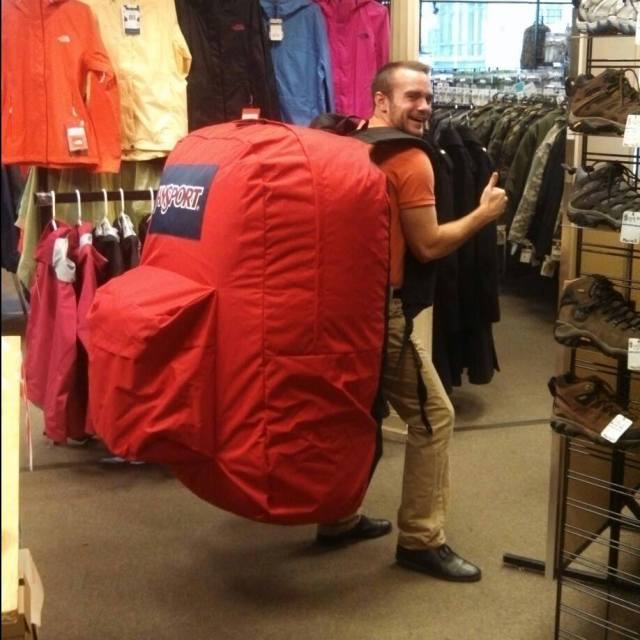
1. A Real Backpack (Not the Amazon Special That Rips on Day One)
You can’t survive off-grid if you can’t carry your gear, and too many people trust bargain-bin backpacks that can’t even withstand a weekend hike.
A real off-grid pack needs:
1,000D Cordura or stronger
MOLLE webbing
Reinforced stitching
Padded waist belt
At least 50–75 liters of capacity
If your bag fails, you fail. Simple as that. When you’re miles away from civilization and your shoulder strap snaps, you’re not just annoyed—you’re compromised.
2. A Water Filtration System That Won’t Quit
Humans can last weeks without food but only days without water. And when you’re off-grid, you’re not drinking from a cute plastic bottle—you’re drinking from rivers, ponds, snowmelt, and whatever questionable puddle nature hands you.
You need:
A gravity-fed filter for base camp
A personal survival straw for emergencies
A pump filter for on-the-move travel
Purification tablets as backup
If your filtration system fails, enjoy dehydration, parasites, and organ failure—because nature doesn’t care about your feelings.
3. Solar Power and the Means to Store It
Unless you’re planning to spend your off-grid life sitting in the dark like a cave troll, you need reliable, renewable power. But solar gear isn’t some magical energy fairy—you need the right components:
A rugged foldable solar panel (100W–200W minimum)
A power bank with high-capacity lithium storage
A compact solar generator if staying in one place
Durable cables and adapters that don’t fray
Cheap solar setups die fast. Real ones keep emergency communications running, power lights, charge essential tools, and help you not lose your mind in total darkness.
4. A Cutting Tool That Could Survive an Apocalypse
Every off-grid scenario demands a real blade. And no, your kitchen knife isn’t going to cut it. You need:
A full tang survival knife
A folding EDC blade for daily tasks
A machete or hatchet for clearing brush and splitting wood
Your knife is your lifeline—not an accessory. A dull, weak blade is basically an insult to your own survival.
5. Fire-Starting Gear That Works Even When Everything Is Wet
If you can’t make fire, you can’t stay warm, boil water, or cook food. Fire is the difference between freezing at night or living to see the next sunrise.
You need redundancy, because things fail—especially when you desperately need them. A proper off-grid fire kit includes:
Ferro rod and striker
Stormproof matches
Butane lighter
Tinder (cotton balls with petroleum jelly, fatwood, or commercial cubes)
If you have only one method, congratulations—you’re planning to fail.
6. Rugged Off-Grid Shelter and Sleep System
People underestimate how quickly exposure kills. Hypothermia doesn’t care if you’re tough or motivated. Without real shelter gear, the elements become your executioner.
Your off-grid setup must include:
A compact 4-season tent or durable tarp setup
A high-quality sleeping bag rated for low temps
Thermal blankets as backup
A sleeping pad to keep your body off the cold ground
Nature does not negotiate. If you sleep in the wrong conditions, you won’t wake up.
7. Off-Grid Cooking Essentials
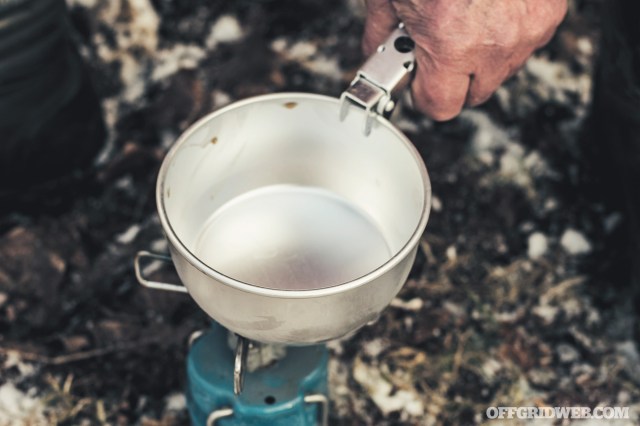
Close up Shot of a Camper at the Forest Cooking for Something Using Portable Stove on the Ground.
No power grid means no microwave, no stove, and no convenient meals. You need a way to cook in all weather conditions.
Your cooking kit should include:
A portable camp stove with multi-fuel capability
A stainless steel pot or cook set
A metal water bottle you can boil water in
Long-term food storage meals (freeze-dried or dehydrated)
And remember: off-grid life means learning primitive skills—because Skittles and instant ramen won’t feed you forever.
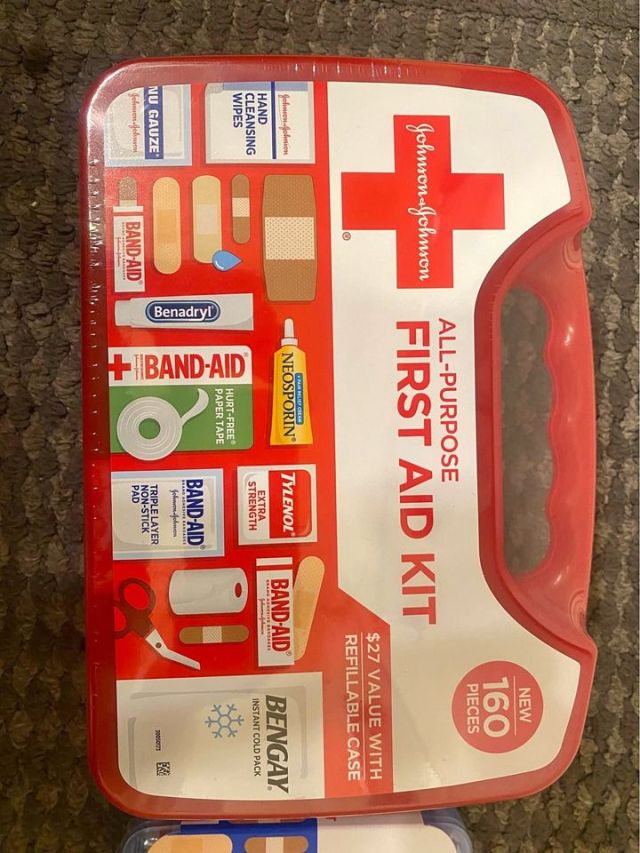
8. First Aid Gear—Because Injuries Off-Grid Are Unforgiving
In the wild, small wounds escalate into infections, infections become life-threatening, and emergency rooms are hours (or days) away.
Too many people treat first aid like an afterthought. Those people don’t last long.
9. Navigation Tools—Because GPS Won’t Save You Forever
When the grid goes down, and your phone dies, you’ll need real tools:
A compass (a real one, not a toy)
Paper maps of your area
A backup GPS device for as long as satellites stay functional
If you’re lost off-grid, the world stops being your home and becomes your hunter.
10. Defensive Gear (Because Desperation Turns People Into Animals)
Let’s be honest: if society collapses, the biggest threat won’t be nature—it’ll be people. Desperate, unprepared, angry, panicked people who waited too long and now want your supplies.
You need defensive tools that fit your local laws, your skills, and your comfort level, such as:
Bear spray
A survival staff or hiking pole
Noise deterrents
Perimeter alarms for camp
Defense isn’t optional. It’s reality.
11. The Tools That Keep You Alive Long-Term
Short-term survival gear is easy. Anyone can buy a knife and a flashlight. Long-term gear? That’s where the herd gets thinned.
You need:
A folding saw or compact chainsaw
A repair kit (duct tape, paracord, sewing needles, patches)
Fishing gear
A multitool with real steel, not cheap aluminum junk
Off-grid life is nonstop maintenance. If you can’t fix things, they fail—and then you fail too.
Final Reality Check
The harsh truth is simple: Most people won’t survive off-grid. They’re too soft, too dependent, too fragile, too delusional about how the world really works.
But if you’re reading this, maybe you’re different. Maybe you’re one of the few who still understands that survival takes preparation, grit, and gear that won’t betray you.
Ohio’s Natural Disasters: The Top Prepper Tips You Need
Living in Ohio means experiencing a variety of natural disasters that can strike at any moment, and for those of us who have embraced the survivalist mindset, preparation is key. Ohio may not have the frequent wildfires or hurricanes that other parts of the country face, but we are certainly not immune to serious threats like tornadoes, severe winter storms, flooding, and even earthquakes. As a survival prepper in Ohio, I’ve learned that the only way to face these challenges is to plan ahead, be aware of the risks, and make sure that you and your loved ones are ready for whatever comes our way.
1. Understanding Ohio’s Most Dangerous Natural Disasters
Ohio is known for its unpredictable weather patterns, which can sometimes change in the blink of an eye. The state is especially susceptible to severe storms, tornadoes, flooding, and harsh winters. Understanding the nature of each disaster is critical to being able to prepare for them.
Tornadoes: The Silent Destroyer
Ohio is part of “Tornado Alley,” and although we don’t experience as many tornadoes as states like Kansas or Oklahoma, we still see dozens of them each year. In fact, Ohio averages 15-20 tornadoes annually, particularly in the spring and summer months. Tornadoes can strike with little warning, and their damage is often catastrophic. Knowing how to respond quickly and effectively is crucial.
Winter Storms and Extreme Cold
While not as intense as some of the blizzards that hammer the Northeast, Ohio still experiences significant winter storms, with heavy snowfalls, freezing rain, and temperatures that regularly dip below zero. These winter conditions can leave roads impassable, power lines downed, and homes without heat.
Flooding
Ohio has many rivers, and when heavy rain hits, they can overflow and flood homes, roads, and fields. The worst flooding in Ohio’s history occurred in 1937, but more recent floods have still caused severe damage. Communities along the Ohio River and its tributaries are particularly vulnerable, but flash floods can also strike with little warning anywhere in the state.
Earthquakes
While Ohio is not known for frequent seismic activity, the state has experienced earthquakes in the past. The 1937 Anna Earthquake and the 1931 Anna Earthquake were both significant, and there is always the possibility of a small earthquake occurring near Ohio’s fault lines.
Extreme Heat
Though Ohio winters can be harsh, the summer months can bring scorching heatwaves, especially in urban areas where heat islands form. These high temperatures can lead to heat exhaustion, dehydration, and in severe cases, heatstroke, especially for vulnerable populations like the elderly and children.
Severe Thunderstorms and Lightning
Thunderstorms are frequent in Ohio, particularly in the spring and summer. These storms can bring dangerous lightning, hail, and strong winds. A particularly dangerous aspect of these storms is the possibility of downed power lines and flooding due to heavy rain.
2. Building a Comprehensive Emergency Kit for Ohio’s Disasters
A major part of prepping is ensuring that you have the right supplies. Whether you’re dealing with a tornado, a winter storm, or flooding, certain items will be essential to your survival. Here’s a breakdown of what every Ohioan prepper should have in their emergency kit:
Water – At least one gallon per person per day for at least three days.
Non-perishable food – Canned goods, freeze-dried meals, and protein bars.
First-aid kit – Bandages, antiseptics, pain relievers, and prescription medications.
Flashlights – Preferably hand-crank or solar-powered to save batteries.
Extra batteries – Always have spares for flashlights, radios, and other devices.
Portable charger – Solar-powered chargers are the best option.
Blankets and sleeping bags – Warmth is essential in Ohio’s cold winters.
Multi-tool – A good multi-tool can help in a variety of situations.
Weather radio – A NOAA weather radio will keep you updated on the latest emergency alerts.
Fire-starting tools – Matches, lighters, and a fire starter.
Important documents – Copies of IDs, insurance papers, and medical records.
Clothing and footwear – Pack durable and weather-appropriate clothing for each member of your family.
Pet supplies – Don’t forget your furry friends – food, water, and medicines.
Cash – During and after a disaster, access to banks and ATMs may be limited.
In addition to these supplies, make sure you have a plan for food storage, heating, and cooking if the power goes out for an extended period.
3. Ten Survival Prepper Tips for Ohio Residents
Preparing for natural disasters isn’t just about having an emergency kit—it’s also about knowing how to respond in different situations. Here are ten tips for Ohio preppers:
Have a Shelter Plan – Ohio is home to tornadoes, and you need to know where to go for safety. A basement or storm cellar is ideal, but if you don’t have one, a small interior room without windows is your best option.
Winterize Your Home – Before winter hits, make sure your heating system is in good working condition, windows are sealed, and you have extra blankets, coats, and warm clothing on hand. Stock up on salt for driveways and sidewalks, and keep a snow shovel handy.
Know Your Flood Zones – Research the flood-prone areas in your community and consider moving valuable items to higher ground. Keep an emergency evacuation route mapped out in case floodwaters rise unexpectedly.
Prepare for Power Outages – Ohio’s storms can knock out power for days at a time. Have backup generators, a battery-powered charger, and enough fuel to run them for several days. Keep the refrigerator door closed to prevent food from spoiling.
Stockpile Emergency Water – Ohioans know that floods can happen after heavy rains, but so can droughts. Keep a good supply of water on hand, especially if you’re in an area susceptible to supply interruptions.
Stay Informed – Always keep an eye on the weather forecast, especially during spring and summer, when severe weather is most common. A reliable weather radio can be a lifesaver.
Create a Family Communication Plan – If the power goes out, and you are separated from your family, it’s essential to know how to contact each other. Have a designated meeting point, and ensure that everyone knows how to reach emergency services.
Learn Basic First Aid – In emergencies, medical care may be delayed, so it’s important to know how to treat injuries, stop bleeding, and perform CPR if necessary.
Secure Your Home – For tornadoes and other high-wind events, reinforce your roof, windows, and doors. In some cases, it may even be worth investing in storm shutters or a reinforced storm shelter.
Practice Emergency Drills – Practice your tornado, fire, and flood evacuation plans regularly. The more familiar you and your family are with your disaster plan, the quicker and more calmly you’ll respond in an emergency.
4. Prepare for the Unexpected
Ohio residents know that disaster preparation is a way of life. In a state where the weather can change in an instant, it’s not just about surviving; it’s about thriving during difficult times. Whether it’s stockpiling the right supplies, learning new skills, or building a strong network of like-minded preppers, you have to be ready for anything. Ohio’s natural disasters may not be predictable, but your ability to respond can make all the difference when it matters most.
Conclusion: Preparedness is Key to Ohio’s Survival
As a survival prepper in Ohio, I’ve come to understand that the state’s weather and environmental conditions can be unpredictable, and no matter how resilient we might think we are, nature has a way of keeping us on our toes. Ohioans have faced some of the most extreme weather patterns in the country, and while the state may not be at the forefront of national disaster headlines, the risks are still very real. The responsibility to stay prepared falls on all of us, and it’s a crucial step in ensuring not only our own survival but the well-being of our families and communities.
The Importance of Preparation
Preparation is the foundation of survival in Ohio. Whether it’s a tornado barreling down on a summer afternoon, a blizzard that traps you indoors for days, or a flash flood sweeping through a nearby river, knowing what to do when disaster strikes can be the difference between life and death. The state may be known for its agriculture, vibrant cities, and the rolling landscapes of rural areas, but it is also home to volatile weather patterns and natural disasters that can be just as severe as those in other parts of the country.
Having a plan, a kit, and the knowledge to respond quickly can reduce panic and help you manage the situation more effectively. Ohio’s residents are no strangers to challenges, and our history of overcoming adversity has fostered a strong spirit of community and resilience. But it’s not just about having the right equipment—it’s about mindset. Being proactive in preparing for the worst allows you to remain calm in the face of chaos, which ultimately makes it easier to help others when disaster strikes.
Adaptability: The Key to Surviving Natural Disasters
One of the most important lessons I’ve learned as an Ohio prepper is the need to be adaptable. Natural disasters don’t come with a warning sign, and their impact can be immediate and devastating. The very nature of preparedness involves not just accumulating supplies, but developing the skills to think critically in high-stress situations. Whether you’re preparing for a tornado, winter storm, or flood, each event requires a different strategy, and being flexible in your approach is essential.
For example, a winter storm might force you to focus on keeping your home warm and your water supply clean, while a tornado may leave you seeking shelter in the lowest, most secure part of your home. Being adaptable in these situations—whether it’s your response to power outages, first aid, or even how to deal with damaged property—will enhance your chances of survival.
Building Community and Support Networks
While personal preparedness is crucial, the strength of any prepper’s plan is greatly enhanced when they have a support network. In Ohio, we’re no strangers to community spirit, and fostering relationships with neighbors and local organizations can make a significant difference when disaster strikes. In times of emergency, those who have worked together in advance to share resources, ideas, and skills will find it easier to come together and help one another out.
Consider starting a local prepper group or participating in community preparedness activities. Whether it’s sharing information about weather patterns, emergency response training, or simply creating a list of local resources, building a network will help ensure that your community remains strong and self-sufficient during difficult times. The better connected we are, the more effective our response will be.
The Role of Ongoing Learning
Survival isn’t a one-time thing—it’s an ongoing process of learning, improving, and adapting to new risks. In Ohio, where the weather is ever-changing, staying up-to-date on emergency procedures, weather patterns, and even new survival techniques is essential. Don’t wait for the next disaster to occur before you start thinking about what you might have missed in your preparation. Constantly improve your knowledge about self-defense, food storage, first aid, and even long-term survival techniques like farming or water purification.
Take courses, read books, watch videos, and engage with other preppers to expand your skill set. The more you learn, the more prepared you’ll be when a disaster strikes. And don’t forget the psychological aspect of survival. Managing stress, maintaining a positive attitude, and staying focused during the chaos of a natural disaster are critical survival skills that can be just as important as physical preparedness.
Ohio’s Future: Preparedness for the Next Generation
As we look to the future, it’s essential to consider the long-term effects of natural disasters on Ohio’s communities. Flooding, tornadoes, and harsh winters will continue to be a reality for generations to come, and the next generation of Ohioans will need to be just as prepared as we are. It’s our responsibility to teach younger generations about survival, preparedness, and resilience. Passing down knowledge about emergency procedures, practical survival skills, and the importance of being self-reliant will ensure that future generations are ready to face Ohio’s unpredictable natural events.
Consider getting children and young adults involved in your prepping activities. Teach them how to prepare an emergency kit, practice evacuation drills, and educate them on the importance of maintaining mental and physical health during an emergency. Ensuring that they are equipped with these life-saving skills will go a long way in making sure Ohio remains a resilient and prepared state in the years to come.
In Conclusion: A Call to Action
If there’s one thing I’ve learned in my years as a prepper living in Ohio, it’s that we can’t afford to wait for a disaster to happen before we take action. Being proactive is the only way to ensure our safety and the safety of our loved ones. In a state that’s prone to tornadoes, flooding, extreme winter weather, and other natural events, preparation is not just an option—it’s a necessity.
Start by assessing your current level of preparedness. Take stock of your emergency supplies, review your family’s disaster plan, and ensure that you have the skills and knowledge to respond effectively when the worst happens. Look for ways to improve your preparedness and invest in your future safety by learning new skills, connecting with others, and staying informed.
At the end of the day, survival in Ohio isn’t just about facing the next disaster; it’s about thriving in the face of adversity, supporting one another, and living with a mindset of readiness that will help us weather any storm. Stay prepared, stay informed, and always be ready to adapt—because in Ohio, you never know what the weather will bring tomorrow, but you can be sure that your preparedness will give you the best chance to survive, no matter what.





 TheDailyChristian