The Brutal Truth Why Your “Survival Kit” Is A Joke – And What You Actually Need to Survive

Let’s get something straight: the world is not your friend. It never has been. And every time you scroll through social media watching people argue about meaningless garbage — politics, celebrity drama, whatever nonsense is trending — you can almost feel civilization cracking under the weight of its own stupidity. Most people think “preparedness” means buying a flashlight and hoping the government saves them. These are the same people who panic when the grocery store runs out of milk for 48 hours. Pathetic.

But you’re here because you’re not one of them — or at least, you’re trying not to be. You want a real survival kit. A kit that won’t crumble the moment the power grid collapses or society finally implodes under its own ignorance. Good. Because we’re done pretending that everything is fine. It’s not. And if you don’t have the right essentials, you’re going to learn the hard way why every serious survivalist keeps their gear ready, organized, and non-negotiable.

Below are the actual best survival kit essentials — not the watered-down, cute little lists written by lifestyle bloggers who think “minimalist living” is the same thing as surviving catastrophe. This is the gear you need when the world stops pretending.


1. A Real Knife — Not a Toy

If your knife came in a plastic package at a gas station, throw it in the trash. A survival knife is not a fashion accessory. It’s a tool, a weapon, a lifeline, and in the worst-case scenario, the only thing between you and becoming a cautionary tale.

Your knife should be:

  • Full-tang
  • Carbon steel or high-quality stainless
  • Strong enough to baton wood
  • Sharp enough to cut rope, fabric, and meat

The world will not hesitate to put you in situations where your knife is your only defense. Expect it.


2. Water Filtration — Because Clean Water Won’t Magically Appear

People act like water is always going to flow from their faucets forever. News flash: when the grid goes down, the pumps stop. And when that happens, the unprepared will drink whatever they can find — contaminated ponds, roadside runoff, bacteria-infested puddles. They’ll get sick. You won’t. Because you’ll have:

  • A portable water filter (Sawyer Mini or similar)
  • Purification tablets
  • A metal canteen for boiling water

Without clean water, you have 3 days. Maybe. Plan accordingly.


3. Fire-Starting Gear — Because Cold and Darkness Don’t Care
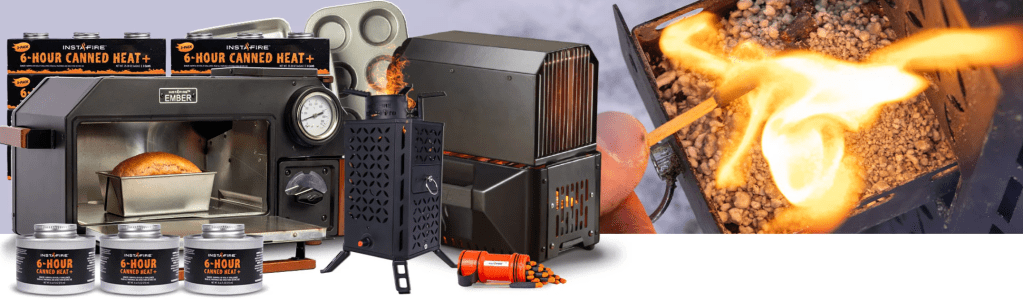
If you think one cheap lighter is enough, you’re already halfway to failure. You need multiple ways to create fire because fire means warmth, sterilization, cooking, signaling, and psychological stability.

A real kit includes:

  • Ferro rod
  • Stormproof matches
  • Butane lighter
  • Tinder sources (cotton balls, fatwood, etc.)

Fire is life. And life doesn’t come easy.


4. Shelter Materials — Because Exposure Will Kill You First
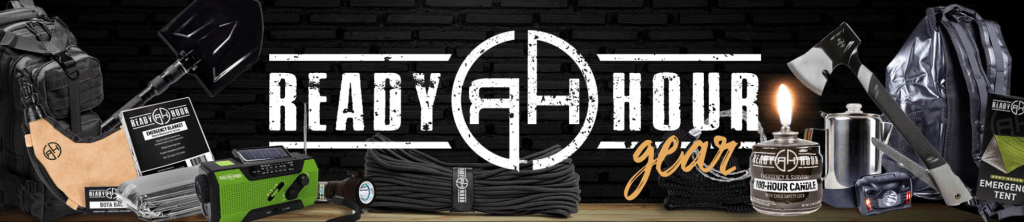
Most people think they’re invincible. They aren’t. One night of cold rain will crush morale and end your chances. Shelter isn’t optional — it’s the backbone of survival.

Your kit must include:

  • Emergency reflective blanket
  • Tarp or lightweight shelter
  • Paracord
  • Stakes or makeshift anchors

Comfort is irrelevant. Survival is everything.


5. First Aid — Because Injuries Don’t Heal Themselves

The world is full of hazards — rusty nails, broken glass, cliffs, hostile people, and plain old bad luck. And guess what? Hospitals won’t be open when everything collapses.

Your first aid essentials:

  • Bandages, gauze, and wraps
  • Antiseptic wipes
  • Antibiotic ointment
  • Painkillers
  • Trauma supplies (tourniquet, hemostatic gauze)
  • Medical gloves

There’s no dignity in dying from an infection. Handle it.


6. Multi-Tool — Because You Need More Than Two Hands

A multi-tool is the unsung hero of survival gear. Opening cans, fixing gear, cutting wire, tightening screws — it’s the stuff you don’t think about until you need it. And in survival situations, you will need it.

Avoid the cheap ones. If it breaks in your hand when you’re desperate, that’s on you.


7. Reliable Light Source — Because Darkness Is the Enemy
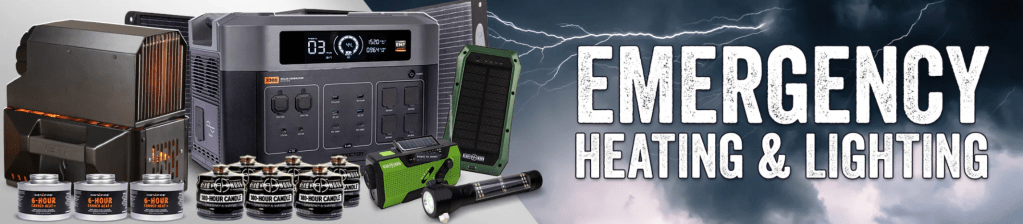
A flashlight is more than a convenience — it’s control. It’s the ability to move, work, and defend yourself at night. It’s the difference between panic and clarity.

You need:

  • A rugged LED flashlight
  • Spare batteries
  • A small back-up light or headlamp

Without light, your environment owns you.


8. Navigation Gear — Because Phone GPS Is a Luxury
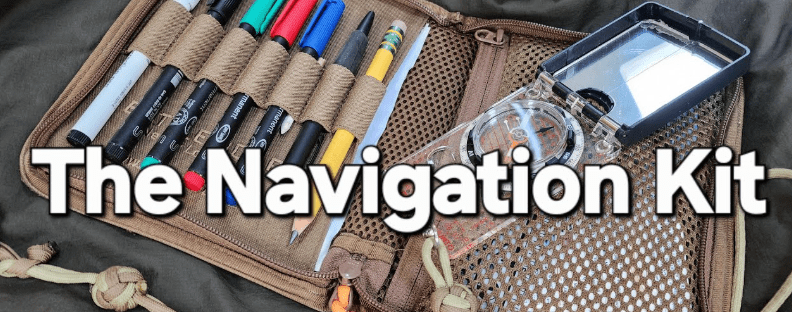
Technology-dependent people are going to be completely lost — literally. Batteries die. Cell towers fail. Satellites get compromised. And then what?

Your kit must include:

  • Compass
  • Physical map of your region
  • Backup notes of routes, landmarks, and safe zones

If you can’t navigate without a smartphone, you’re prey.


9. Food Rations — Because Hunger Makes People Stupid
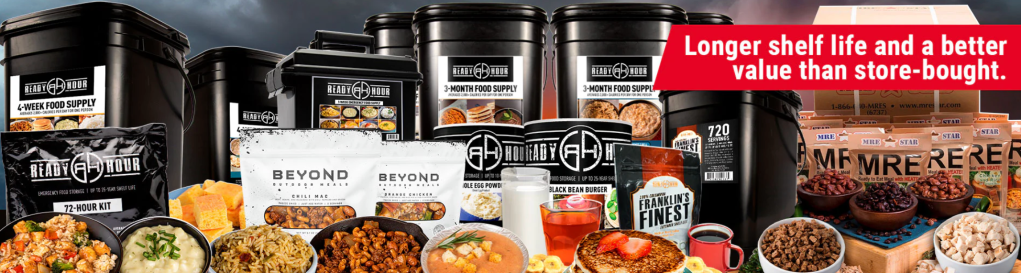
When people get hungry, they make bad decisions — desperate decisions. You need rations that don’t rely on refrigeration, cooking, or delicate packaging.

Go for:

  • High-calorie emergency bars
  • Freeze-dried meals
  • Nuts and protein-dense snacks

This isn’t gourmet dining. This is “stay alive until tomorrow.”


10. Clothing Layers — Because Weather Doesn’t Care About Your Plans
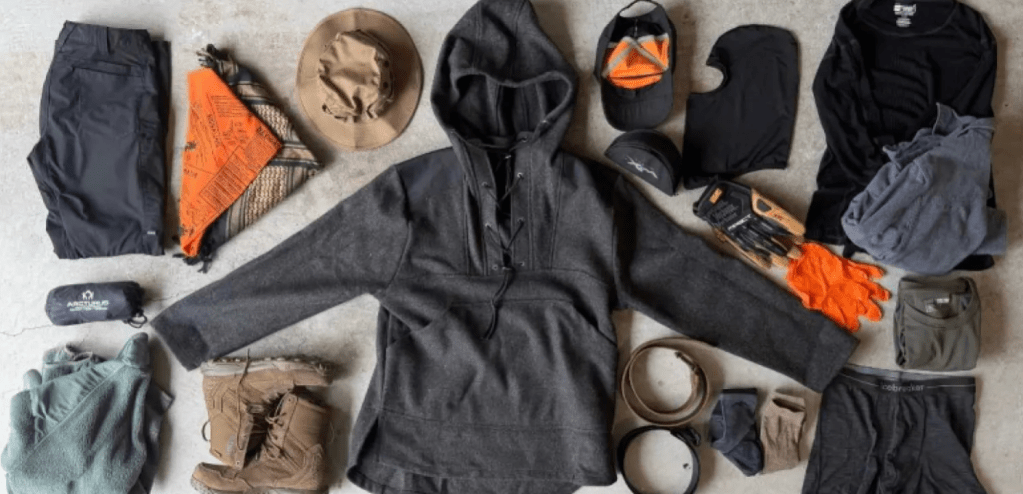
A proper survival kit includes more than gear — it includes what you wear. Weather changes faster than society collapses, and if you aren’t ready, the environment will make you pay.

Pack:

  • Thermal base layers
  • Waterproof shell
  • Wool socks
  • Gloves and a beanie

Comfort is optional. Protection is not.


11. Self-Defense Tools — Because People Become the Real Threat
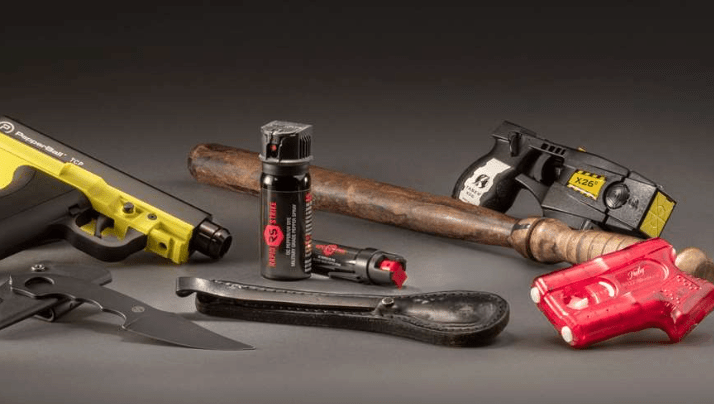
When systems fail, people unravel. Desperation turns good people dangerous, and dangerous people malicious. You don’t need paranoia — you need realism.

Consider carrying:

  • Pepper spray
  • A sturdy knife (again — you should have two)
  • A tactical pen
  • A self-defense training mindset

Because the worst thing you can do in a crisis is trust the wrong person.


12. The Mental Will to Survive

All the gear in the world can’t save someone who’s mentally weak. Survival demands grit — the kind this modern world has stripped from most people. When panic hits, when exhaustion tries to break you, when the world around you falls apart, the only thing that keeps you alive is your will.

And that’s something no one can pack for you.


Conclusion

The world is unpredictable, fragile, and full of people who think “preparedness” is unnecessary until it’s too late. Don’t be one of them. Build your survival kit like your life depends on it — because one day, it might.

When the world fails — and it will — your survival kit is either your life insurance or a reminder of your own negligence. Choose wisely.

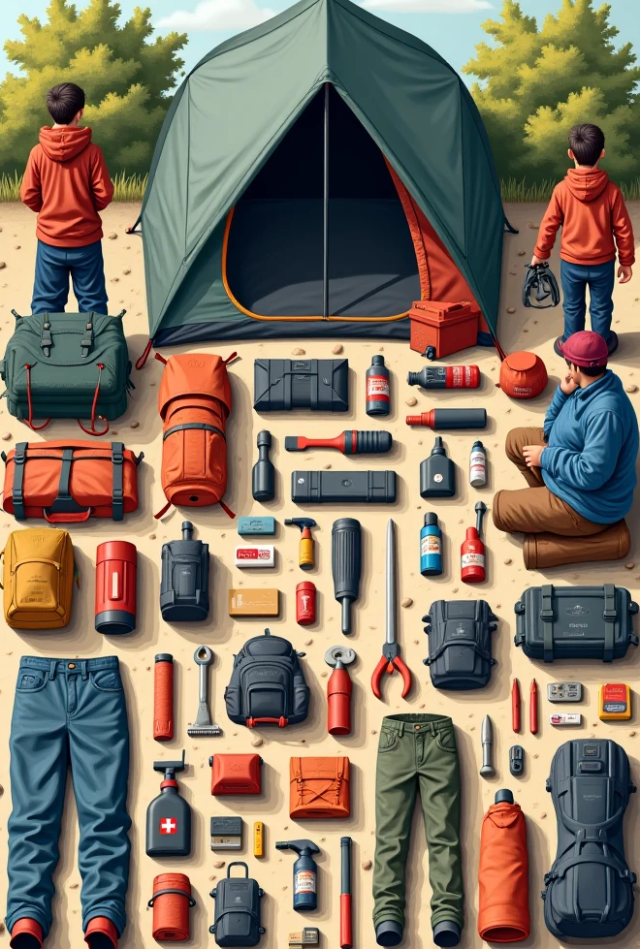
The Ultimate EDC Checklist: Are These Key Items in Your Kit?

Imagine this scenario for a moment—you’re heading out the door, running errands, or even just walking to the mailbox. Everything seems perfectly normal. Then, suddenly, the unexpected happens. A power outage. A car breakdown. An emergency situation where you need to think on your feet and act fast.

Now, ask yourself: Are you really prepared for the unexpected?

Most people go about their day with the bare minimum in their pockets or bags: a wallet, a smartphone, and a set of keys. But what if that wasn’t enough? What if you could make a few small changes to your everyday carry (EDC) that could help you in a survival situation or simply make life a little easier?

It’s time to think beyond the basics and upgrade your EDC. When disaster strikes—whether it’s a natural disaster, power outage, or even just an unexpected situation—you’ll want to be as prepared as possible. With the right EDC, you can navigate these events with confidence, without being caught off guard.

Let’s go over the crucial items every survivalist should have in their everyday carry kit. These tools could very well be the difference between surviving and being caught unprepared.

1) Multi-tool

A multi-tool is perhaps the most essential item in your EDC. This versatile tool is your Swiss Army knife for modern-day survival. From knives and screwdrivers to bottle openers and pliers, a quality multi-tool will serve you in nearly any situation. Whether you’re fixing a broken item, opening a package, or handling an unexpected repair on the go, having a multi-tool at your disposal is invaluable.

Survival Prepper Tip: Choose a multi-tool that’s compact, durable, and easy to carry. Look for one that includes a knife, scissors, pliers, and a few screwdrivers. Don’t forget about the weight – you want something that’s easy to carry without weighing you down.

2) Flashlight

When the lights go out, a flashlight is your best friend. Whether you’re facing a power outage at home, navigating through a dark area, or even just trying to find something in a poorly lit space, a flashlight is a must-have in your EDC. Opt for a small, durable, and powerful flashlight that can be easily carried in your bag or pocket. There’s nothing worse than fumbling around in the dark when you need light the most.

Survival Prepper Tip: Look for a flashlight that uses rechargeable batteries, which can save you money in the long run. Solar-powered models are an excellent choice for preppers who want a sustainable option. Always have spare batteries in your kit as well.

3) Fire Starter

When you’re caught in a situation where you need warmth, cooking, or a signal for help, a reliable fire starter can be a game-changer. A Ferro rod fire starter is compact and easy to carry, and it’s capable of igniting a fire even in wet conditions. You never know when you might need to create a fire to cook food, stay warm, or send out an emergency signal. Fire is also essential for purification, whether you’re boiling water for drinking or disinfecting something.

Survival Prepper Tip: Practice using your fire starter before you need it. The last thing you want is to struggle with it during an emergency. Keep a few fire-starting supplies, like cotton balls soaked in petroleum jelly or tinder, in your kit for easy ignition.

4) Water Bottle

Water is life, and in any survival scenario, access to clean drinking water is critical. Carrying a durable, reusable water bottle ensures you’re never without hydration when you need it. Additionally, a high-quality water bottle with a built-in filter can help you purify water from lakes, streams, or questionable sources. Having access to clean water is a fundamental survival skill, and carrying it with you makes it a part of your everyday readiness.

Survival Prepper Tip: Choose a stainless steel or BPA-free plastic water bottle. If you’re worried about contamination, consider one with a built-in filtration system. This ensures you can purify water from a variety of sources in the wild.

5) First Aid Kit

When you’re in a survival situation, injuries can happen fast—whether it’s a cut, burn, sprain, or something more serious. A small but well-stocked first aid kit is essential in your EDC. You should be able to address minor injuries and have supplies for more serious situations, like infection prevention or wound care.

Survival Prepper Tip: At the very least, your first aid kit should include antiseptic wipes, bandages, gauze, medical tape, tweezers, pain relievers, and any personal medications. Don’t forget to include an emergency whistle, as it can help you signal for help if you need it.

6) Paracord

Paracord is one of those items that you’ll be glad you packed, even though you might never need it. However, when you do, you’ll be amazed at its versatility. From building shelter, tying down gear, making repairs, to even using it for fire-starting (by stripping it), paracord is a survivalist’s go-to utility tool. Keep at least 10 feet of it in your EDC kit.

Survival Prepper Tip: Choose a high-quality, 550-paracord with a higher tensile strength. It should be durable enough to withstand harsh conditions. If possible, look for a paracord bracelet, so you have it easily accessible.

7) Survival Blanket (Mylar Blanket)

A Mylar survival blanket, also known as a space blanket, is a must-have in your EDC. It’s small, lightweight, and helps retain body heat in extreme temperatures. It can also be used as a reflective signaling device in emergencies. These blankets are an essential part of your kit because they protect you from hypothermia and other weather-related dangers.

Survival Prepper Tip: The reflective nature of Mylar blankets makes them ideal for signaling. Use them in survival situations to attract attention from rescuers. Consider carrying a small survival shelter or poncho for added protection.

8) Knife

A high-quality, folding pocket knife is essential for your EDC. From preparing food to cutting rope, a sharp knife can help you handle multiple survival tasks. Choose a compact, easy-to-carry knife that is capable of handling heavy-duty tasks. Make sure the blade is durable, and the handle is comfortable to grip.

Survival Prepper Tip: When selecting a knife, consider the lock mechanism for safety. Always sharpen your blade and check for rust to maintain optimal performance.

9) Compact Tool Kit

While a multi-tool is great, sometimes you need specialized tools for specific tasks. A small, compact tool kit with essentials like a small wrench, pliers, or even a screwdriver set can be a lifesaver. This can help you with repairs or minor fixes during your day-to-day life or in emergency situations.

Survival Prepper Tip: A lightweight, minimal tool kit with just a few essential tools will help you make repairs on the go without adding unnecessary bulk to your kit.

10) Tactical Pen

A tactical pen is another item that can be part of your EDC kit without drawing attention. While it functions as a regular pen, it also serves as a self-defense weapon, glass breaker, and even a tool for small repairs. It’s an inconspicuous but practical addition to your gear, and it could come in handy in a wide variety of scenarios.

Survival Prepper Tip: Choose a tactical pen made of heavy-duty materials, like aluminum or titanium, so it can withstand rugged use. Ensure it also has a reliable writing mechanism to make it functional as a regular pen.


Final Thoughts:

In a survival situation, your ability to adapt, improvise, and make use of the resources at hand is what will keep you alive. Your EDC is more than just a collection of random items. It’s a critical component of your overall preparedness strategy. The key to an effective EDC is to make sure you have the tools that you need to handle unexpected situations, whether that’s a minor inconvenience or a full-blown emergency.

By having these items in your kit, you’re setting yourself up for success. Keep refining your gear, add more items as necessary, and always stay alert. The world is unpredictable, but with the right tools in your pocket, you’ll be ready for whatever comes your way.

Survival Prepper Tip: Regularly review your EDC kit. Seasons change, your needs evolve, and new gear becomes available. Keeping your kit up to date will ensure that you’re always ready for whatever life throws your way.

The Wifi Trap: What Most Preppers Overlook When SHTF

As preppers, we’re always thinking about the “what ifs” — what if the power grid goes down? What if food becomes scarce? What if our security is compromised? But one thing that often gets overlooked in prepping is how we handle something as common as wifi when SHTF (Sh*t Hits The Fan).

Sure, most of us are used to having wifi at our fingertips. It’s something we take for granted in our daily lives, whether we’re at home, at a café, or even traveling. But when disaster strikes—whether it’s a natural disaster, an EMP, or some form of societal collapse—the wifi we rely on can become a huge liability.

Think about it: every time a major storm hits or an earthquake shakes things up, what happens? The power grid goes down, cell towers collapse, and suddenly, we’re cut off from the world. The internet disappears. But if you’re a prepper, you’ve probably planned ahead. You’ve got your own generator, and maybe even a backup power source for your wifi. You’re sitting pretty, right?

Well, not quite.


The Dangerous Wifi Mistake Most People Make

The truth is, while having wifi during a crisis can be a blessing—it can also make you a target. When you’ve got a working wifi signal in an otherwise digitally dead area, you’re sending out a beacon. A signal to anyone with a device searching for a connection. And when people are desperate—whether it’s for information, communication, or resources—they’ll stop at nothing to get to you. That includes the possibility of using force.

Picture this: a massive power outage or grid failure. You’re sitting in your home with your backup generator, using your wifi to access essential information or stay in touch with other preppers. But that signal, that tiny little wave bouncing off your router, is broadcasting to anyone nearby. And when resources are scarce, there are plenty of people who would be willing to do whatever it takes—perhaps even storm your house or break into your perimeter—to steal those resources.

This is a situation we must be prepared for. If you’ve got wifi set up for a SHTF scenario, there are a few things you need to understand to stay safe.


Reducing Your Wifi Range: A Smart Strategy

What’s the solution? Do we simply throw our routers out the window during a power outage? Of course not. But there are steps you can take to ensure your wifi doesn’t make you an easy target in an already dangerous situation.

One way to protect yourself is by reducing the range of your wifi signal. Most modern wifi routers allow you to adjust the power output—basically controlling how far your signal reaches. By lowering the power, you can restrict your wifi’s range and make it much less noticeable to anyone outside your immediate vicinity.

This is a smart strategy for preppers who don’t want to broadcast their presence to the wrong people.

Tip #1: Most wifi routers allow you to control the transmit power. Check your router’s settings and adjust the power output. You’ll want to reduce it to a level where only those inside your home or immediate property can access the signal.

Tip #2: Always refer to your router’s manual or interface to make sure you’re adjusting the correct settings. Each router model is different, but most will have an option to control the signal strength or transmit power.


How to Hide Your Wifi with Physical Barriers

Now, let’s say you’re not tech-savvy or don’t want to mess with your router settings. There’s another simple method you can use: physical barriers. You can reduce the range of your wifi signal by surrounding your router with dense materials like concrete or stones.

Think about it: wifi signals can only travel through certain materials. Concrete, metal, and stone are excellent at blocking signals. By placing your router in a space surrounded by these materials, you’re naturally limiting the range without having to adjust any settings. For example, if you have a basement or a sturdy, windowless room in your house, that could serve as a great space to keep your router safe.

Tip #3: A simple and effective method is placing your router in a room with thick concrete walls or a storage area made of dense materials. This will help shield the signal from reaching the outside world.


Prepping for Emergencies Beyond the Basics

As a prepper, it’s crucial to think outside the box, especially when you’re facing an unprecedented situation. Most people think of wifi as a convenience, not as a potential vulnerability. But in an emergency, your technology can become both a tool and a liability. The key is to adapt.

Tip #4: Don’t just prep for short-term scenarios. Plan for long-term sustainability. A few days without the grid is one thing; surviving for months or even years is something entirely different.


The Importance of Digital Security

Just as you would lock your doors and secure your home, you need to protect your digital space. In the chaos following a major disaster, people might go to extreme lengths to obtain your resources. You need to be aware of how much you’re broadcasting. This goes beyond just wifi—think about all the digital signals your devices are sending out. Cell phones, radios, and even Bluetooth can be tracked or intercepted if you aren’t careful.

Tip #5: Turn off Bluetooth, GPS, and Wi-Fi on devices when not in use. The fewer signals you send out, the less chance you’ll attract attention from those looking to exploit your resources.


Additional Wifi Safety Measures

Another smart move is to create a network that’s encrypted and secure. In a post-collapse world, information is power, and anyone who can hack into your system will have a major advantage. Set up a VPN (Virtual Private Network) to protect your online communications and data.

Tip #6: Always use a VPN on your devices. It encrypts your online activity and adds an extra layer of security when accessing the internet in a crisis.


Know Your Neighbors (But Keep Your Distance)

If you’re living in a close-knit neighborhood, don’t underestimate the value of knowing who is nearby. The stronger your community connections, the better prepared you’ll be to handle any situation. But even within a close community, you need to remain vigilant. Trust is built, not given.

Tip #7: Form a prepper group with trusted neighbors, but always remain cautious about who you allow into your circle. Trust, but verify.


Redundancy is Key to Prepper Success

While you’re reducing your wifi signal and securing your digital footprint, remember that redundancy is critical. You can’t rely on a single system. A backup communications plan is necessary, whether it’s a two-way radio or even an old-fashioned CB.

Tip #8: Invest in walkie-talkies or ham radios for backup communication in case the internet and cell towers fail completely.


Stay One Step Ahead

At the end of the day, the goal is to stay one step ahead of the game. By taking these simple but effective precautions, you reduce your exposure and keep your home from becoming a target when the chips go down.

Tip #9: Be proactive, not reactive. Anticipate problems before they occur, and stay prepared for any scenario that may unfold.


Conclusion: A Tactical Approach to Wifi in a Crisis

When SHTF, you’re going to face a whole new set of challenges. Wifi may be a tool, but it can also be a dangerous liability if you don’t handle it right. From adjusting power settings to using physical barriers, there are simple and effective ways to reduce the range of your wifi signal and avoid drawing attention to yourself.

Tip #10: Continuously reassess your preparedness plan. Emergencies evolve, and your prepping must evolve with them.

By being aware of the wifi mistake that many preppers overlook, you’re one step closer to ensuring that your home remains secure—and that you’re truly ready when the chips go down.

Surviving Without a Hospital: Medic Skills You Need When SHTF

Surviving Without a Hospital: Medic Skills You Need When SHTF

When the world collapses and the grid goes down, most of us will be cut off from the very systems that we rely on for survival—no electricity, no cell service, and no access to medical professionals. In those moments, you’ll need to rely on yourself. One of the most important skills you can develop is knowing how to be your own medic when SHTF. You won’t have the luxury of rushing to the emergency room, so your knowledge and your ability to treat injuries and illnesses will be critical to your survival.

The Importance of Medic Skills When SHTF

In a survival situation, you are the first responder. When disaster strikes, the hospitals and emergency services will be overwhelmed, or they may not even be available. You’ll need to step up, stay calm, and take control of your health. That means knowing how to handle common medical issues on your own—from minor cuts to more serious wounds, sprains, burns, fractures, and everything in between.

The good news is that with some basic training and the right mindset, you can equip yourself to manage medical emergencies until help arrives—or until you can find it. This might sound overwhelming at first, but it’s a skill set that will make the difference between life and death when the chips are down. So, let’s dive into some essential first aid skills and survival tips you need to know.

First Aid Basics for Survival Situations

1. Cuts and Scrapes: The First Line of Defense

Cuts and scrapes are the most common injuries you’ll encounter, and thankfully, they’re also some of the easiest to treat. If it’s a minor cut, you should:

  • Clean the wound with warm water and soap to prevent infection.
  • Apply an antibiotic ointment like Neosporin to ward off bacteria.
  • Cover the wound with a bandage to keep it clean and dry.

But if you’re dealing with a deeper cut or gash, things get more complicated.

  • Stop the bleeding by applying direct pressure with a clean cloth. Hold it in place until the bleeding slows.
  • For severe bleeding, use a tourniquet above the injury (only if you cannot stop the bleeding with pressure), but this should be a last resort. Remember, tourniquets can cause damage if left on too long, so it’s vital to get medical help as soon as possible.

2. Sprains and Strains: The R.I.C.E. Method

If you twist your ankle or injure your wrist, it’s crucial to address the injury immediately to prevent further damage. The R.I.C.E. method is your go-to strategy:

  • Rest: Limit movement to prevent further strain on the injury.
  • Ice: Apply an ice pack or a makeshift cold compress to reduce swelling.
  • Compression: Wrap the injured area with a bandage to provide stability and reduce swelling.
  • Elevation: Raise the injured limb above the level of your heart to reduce swelling.

While it may not completely heal the injury, it can minimize the damage and reduce pain until you get help or the injury heals naturally.

3. Burns: Treating Heat Injuries in the Wild

We’ve all burned ourselves at some point. Whether it’s from touching a hot pan or getting too close to a fire, burns can be debilitating. Here’s how to handle them:

  • For minor burns, immediately immerse the area in cool water (not ice-cold, which could cause more damage). You can also apply aloe vera or a soothing burn ointment.
  • For severe burns, cover the area with a clean, dry cloth (don’t use anything that could stick to the wound, like gauze or cotton). Don’t pop any blisters, as this can lead to infection. Seek medical help as soon as possible—burns can be life-threatening if they cover a large area.

4. Broken Bones: Immobilization Is Key

If you suspect a broken bone, the most important thing is to immobilize the area. Movement can worsen the damage and cause more pain. Here’s how you can handle it:

  • Immobilize the limb using a splint or any rigid material you have at hand, such as a stick, board, or even a rolled-up newspaper.
  • Apply a cold compress to reduce swelling.
  • Elevate the injured limb to reduce swelling and pain, if possible.

Remember, a fracture may be painful, but with proper immobilization, you can manage it until you can either get to help or set up a longer-term solution.

The Role of Knowledge in Survival Medicine

Now that we’ve covered some basic injuries, it’s important to stress that knowledge is your best weapon when dealing with medical emergencies in a survival situation. The key to surviving when medical help isn’t available is not just knowing how to stop bleeding or treat a sprain. You need to think on your feet and stay calm under pressure.

10 Prepper Tips for Managing Medical Emergencies When SHTF

  1. Master First Aid and CPR: Make sure you’re certified in both basic first aid and CPR. These certifications provide the knowledge you need to treat a variety of injuries and help keep someone alive until professional help arrives.
  2. Assemble a Fully Stocked First Aid Kit: Ensure that your first aid kit includes essential supplies like bandages, antiseptics, pain relievers, splints, and tourniquets. But don’t stop there—think about additional items like saline solution for wound irrigation, a good pair of scissors, and medical gloves.
  3. Learn to Use Herbal Remedies: In a grid-down situation, over-the-counter medications might not be available. Learn to identify and use medicinal plants for natural pain relief, wound care, and other common ailments. Echinacea, garlic, and yarrow are all great examples.
  4. Know How to Suture Wounds: In a real emergency, you might need to close a deep wound yourself. Take a class or practice using a suture kit. It could save your life or someone else’s.
  5. Prepare for Infection: Keep your wounds as clean as possible and apply antibacterial ointment. In a survival situation, infections can become life-threatening without antibiotics, so keep wounds covered and change dressings regularly.
  6. Learn to Make a Splint: You don’t always have a store-bought splint on hand. Learn how to improvise using sticks, cloth, or whatever materials you can find in your environment.
  7. Stockpile Antibiotics: While illegal in many areas, antibiotics are a must-have in a prepper’s medical supplies. Talk to a healthcare professional about obtaining them for emergency situations and learn how to use them properly.
  8. Stay Calm Under Pressure: One of the most important skills in a medical emergency is maintaining composure. Stay calm and assess the situation before rushing into action. The more calm and collected you are, the better your chances of dealing with the injury.
  9. Learn How to Build a Survival Medical Kit: You can’t always rely on pre-packaged kits. Consider building your own kit with the items that you know will be most useful in a survival situation. Don’t forget tools for improvisation.
  10. Practice Regularly: Medic skills are like any other skill—they get better with practice. Regularly practice treating injuries using your kit, and familiarize yourself with emergency procedures so you’re ready when things go sideways.

Conclusion: Be Your Own Medic, Be Your Own Lifeline

In a world where hospitals may not be an option, your ability to be your own medic could make all the difference. The knowledge you gain now will prepare you for any medical emergency that may arise, ensuring that you can handle everything from simple cuts to serious trauma.

By investing in your medical knowledge today, you’ll have the skills you need to survive and thrive in a world where help is no longer on the way. Keep learning, keep practicing, and above all, be prepared. Your life, and the lives of those around you, could depend on it.

The Survival Essential That Should Be in Every Prepper’s Kit

The Survival Essential That Should Be in Every Prepper’s Kit

When it comes to prepping, many people focus on the flashy gear—the tactical knives, the high-tech radios, or the heavy-duty survival tools. These items might be essential, but there’s one overlooked gem in the survival world that doesn’t get the attention it deserves. It’s small, simple, and probably sitting right in your kitchen right now: baking soda.

CLICK HERE TO LEARN HOW TO NEVER STARVE WHEN DOOMSDAY HITS!

Yes, you read that right. Baking soda. It’s not flashy, it’s not high-tech, and it’s definitely not something that screams “survival gear.” But believe me, this humble compound is one of the most versatile and useful tools you can have in your survival kit. It’s more than just a baking ingredient or fridge deodorizer—it could be the difference between thriving and simply surviving when disaster strikes.

Now, you might be wondering why I’m recommending something so seemingly mundane. Well, let me walk you through just a few reasons why baking soda needs a spot in your emergency supplies—and how it can make a world of difference when the chips are down.

1. First Aid in a Pinch

In a survival situation, the likelihood of encountering minor injuries is high. Whether it’s a burn from cooking over an open flame, a sting from an insect, or a scratch from rough terrain, you need solutions that are easy to apply and effective. Baking soda can serve as a simple first-aid tool to treat these ailments.

  • Burns: If you’ve suffered a minor burn, make a paste of baking soda and water and apply it to the affected area. It will help soothe the pain and speed up the healing process.
  • Insect Bites and Stings: Same idea applies for insect bites and stings. A baking soda paste will help neutralize the itching and discomfort.
  • Skin Irritations: Baking soda can also work as an exfoliant for your skin and help soothe rashes or other minor irritations. It’s gentle but effective, making it ideal for when you don’t have a lot of options.

2. Personal Hygiene in Tight Spots

When you’re out in the wilderness or trying to survive without access to stores, staying clean is a priority, but not always an easy one. Baking soda can save the day when conventional hygiene products are unavailable.

  • Toothpaste Alternative: If you’re out of toothpaste or don’t have access to the store, baking soda makes a great stand-in. It’ll help clean your teeth, freshen your breath, and prevent bad odors.
  • Deodorant: You may not have access to your regular deodorant, but a little baking soda rubbed into your underarms can help neutralize body odor and keep you feeling fresh.
  • Body Scrub: If you need a scrub to exfoliate your skin and remove dirt or oils, baking soda is your go-to. Just mix it with a little water, and it’s perfect for a quick clean-up.

3. Taking Care of Your Equipment

In a survival situation, your gear becomes an extension of your life. Keeping it in good working condition is critical, and baking soda can help you with that, too.

  • Rust Removal: If you’ve been in wet conditions and your metal gear is showing signs of rust, baking soda can help. A simple paste of baking soda and water applied to the rusted area will gently scrub it away without damaging your tools.
  • Cleaning Pots and Pans: After a long day of cooking over a campfire, cleaning your cookware might feel like a chore. Baking soda can help you remove grease and grime from your cooking pots and pans. Just sprinkle it on, add a little water, and scrub away.
  • Cleaning Gear: Baking soda can also be used to clean the exterior of your gear—your knives, backpacks, or even your boots. It can help get rid of dirt and grime and leave things looking sharp and ready for the next mission.

4. A Fire-Fighting Agent

When SHTF, the ability to put out a fire quickly and safely can be a game-changer. A small grease or electrical fire could turn deadly if not contained. Baking soda can be used to smother these types of fires.

  • Fire Extinguisher: If you don’t have a fire extinguisher on hand, a decent amount of baking soda can help extinguish small fires. Simply pour it over the fire (especially grease or electrical fires) and watch it snuff out the flames.

However, let’s be clear: baking soda is not a substitute for a fire extinguisher. It’s a quick solution for small fires, but if the fire is large, you need to move quickly and use proper fire-fighting equipment.

5. Combatting Odors and Pollutants

In a survival setting, odors can become a major problem, whether it’s from food, waste, or something else. Thankfully, baking soda is a powerful odor neutralizer and can help keep your shelter and supplies smelling fresh.

  • Deodorize Your Shelter: Whether it’s your bug-out bag, tent, or shelter, baking soda can be used to absorb and neutralize odors, preventing them from becoming unbearable.
  • Food Preservation: If you’re storing food, baking soda can also help neutralize any funky smells, especially from canned goods or dried food. It helps to maintain a cleaner environment.

6. Natural Cleaning Agent

In survival situations, you can’t always count on store-bought cleaners or disinfectants. But you can count on baking soda as an excellent all-purpose cleaner.

  • Kitchen Cleaning: Use baking soda to scrub surfaces in your cooking area or even to clean your hands after handling raw meat or fish. It’s effective, non-toxic, and easy to use.
  • Deodorize Clothing: Baking soda can be used to freshen up your clothes, even if you don’t have a washer and dryer available. Sprinkle it on and let it sit, then shake or brush it off for a fresher-smelling outfit.

7. Relieving Heartburn and Digestive Issues

In the absence of medication, baking soda can serve as a home remedy for heartburn or indigestion. It neutralizes stomach acid, helping relieve discomfort quickly.

8. A Compact, Lightweight Addition to Your Kit

One of the best things about baking soda is how easy it is to pack. It’s lightweight, cheap, and incredibly versatile, making it a no-brainer to include in your bug-out bag, emergency supplies, or camping gear.


10 Survival Prepper Tips for Using Baking Soda:

  1. Store Baking Soda Properly: Make sure you keep it in a sealed container to protect it from moisture. You don’t want it to clump or lose its effectiveness.
  2. Use it for Personal Hygiene: Mix it with a bit of water to clean your teeth and freshen your breath when toothpaste isn’t available.
  3. Rust-Proof Your Gear: Regularly clean your metal tools with a baking soda paste to prevent rust buildup.
  4. Fire Safety: Keep a small container of baking soda close to your cooking area for quick fire suppression.
  5. Deodorize Your Shelter: Sprinkle baking soda around your shelter to help keep things smelling fresh.
  6. Cookware Cleaning: Use baking soda to clean grease and grime off your cookware after meals.
  7. Bug and Plant Care: Use baking soda as a natural pesticide to keep bugs away from your survival garden.
  8. Treat Minor Wounds: Use a baking soda paste to treat burns or stings on the go.
  9. Relieve Indigestion: Pack it as an emergency remedy for digestive discomfort.
  10. Always Have a Backup: Store extra baking soda in your long-term food supplies to ensure you have it when needed.

Final Thoughts

Baking soda may not be the most glamorous survival tool, but its versatility and practicality make it an essential item for any prepper. Whether you’re dealing with a burn, freshening your breath, or cleaning your gear, baking soda can serve you well in numerous survival situations. So, the next time you’re preparing your kit, make sure to add this humble compound—it’s a small investment that could pay huge dividends in the field.

The Brutal Truth: Why Most Will Fail When SHTF

Imagine you’re planning a road trip for a week. You plot your route, book places to stay, pack meals, and maybe schedule a few scenic stops along the way. You’ve got a plan, and you’re feeling good about it.

Now imagine that trip doesn’t last a week… but a year. No hotels. No grocery stores. No running water. No gas stations. No internet. No police. Just you, your family, and whatever you can carry—or grow, build, and protect.

Could you survive it?

That’s not just a hypothetical. That’s a real possibility. And if you think it can’t happen, you’re already in danger.

When SHTF—and it will, sooner or later—your life won’t just change for a few days. It could change forever. Most people are prepping for the wrong timeline. They prepare for a blackout or a short-term emergency. But they’re not thinking long-term. They’re not ready for the hard truth: the collapse of society won’t have a set expiration date.


Why Most People Will Fail

The average person is prepping for a weekend storm, not for societal collapse. When the shelves are empty, the power grid fails, and law enforcement is overwhelmed or gone, most people will fall apart in less than 72 hours.

Why? Because survival isn’t just about stuff. It’s about mindset, adaptability, and skills. Most folks are comfortable and soft. They rely on systems they don’t control. And when those systems go offline, they freeze, panic, or turn dangerous.

You and I both know: survival is a lifestyle, not a hobby.


The Shift in Thinking That Saves Lives

Canned food, bottled water, a flashlight, and a pack of batteries might get you through a blizzard or a flood. Maybe even a week-long power outage. But what happens when that stockpile runs dry?

The real preppers—the ones who’ll survive—aren’t just storing supplies. They’re building skills. They’re thinking five, ten, twenty years down the road.

That’s the difference between short-term survival and long-term resilience.

Your ancestors didn’t stockpile snack packs and battery-powered lanterns. They lived off the land. They built what they needed. They fixed what broke. They worked with the seasons and respected nature. And they didn’t wait for someone else to save them.

If we want to survive when SHTF—really survive—we’ve got to reclaim that mindset.


10 Survival Prepper Tips for Long-Term SHTF Living

These aren’t just “nice to haves.” These are the skills and principles that will separate the survivors from the statistics.


1. Learn to Grow Your Own Food

Canned beans won’t feed you forever. Learn to plant, cultivate, and harvest. Start small: lettuce, tomatoes, beans, potatoes. Expand into seed-saving, composting, and year-round gardening.

Tip: Practice crop rotation and companion planting to maintain soil health and improve yields.


2. Master Water Collection and Purification

Clean water is non-negotiable. Store it, but more importantly—know how to find it and purify it. Streams, rainwater, dew traps—learn them all.

Tip: Keep multiple purification options on hand—boiling, filters, tablets—and practice using each.


3. Practice Food Preservation

Dehydrating, canning, fermenting, smoking, salting—learn how to stretch your harvest. Your food isn’t useful if it spoils before you can eat it.

Tip: Build a root cellar or create a cool, dry place for long-term storage.


4. Build Practical First Aid Skills

You won’t be calling 911 when you’re miles from help. Learn wound care, splinting, infection control, and herbal remedies.

Tip: Take a wilderness first aid course and stock your kits accordingly.


5. Strengthen Your Body

A weak body can’t hike, haul, build, or fight. Prepping isn’t about having six-pack abs—it’s about stamina, mobility, and resilience.

Tip: Include lifting, cardio, and real-world movements (chopping wood, carrying loads) in your fitness routine.


6. Hone Situational Awareness

The unprepared walk blindly into danger. You need to be alert—always. The more you notice, the safer you’ll be.

Tip: Practice the OODA loop (Observe, Orient, Decide, Act) until it becomes automatic.


7. Learn Basic Carpentry and Repair

When things break—and they will—you need to know how to fix them. Simple tools, strong hands, and know-how can save the day.

Tip: Focus on multi-purpose tools and basic mechanical skills like using hand drills, patching roofs, or fixing plumbing without modern parts.


8. Create Community (But Choose Wisely)

A strong community is a force multiplier. Lone wolves get exhausted. But beware: not everyone is an asset. Some are leeches—or worse.

Tip: Vet people now. Build trust slowly. Train together. Have clear plans for roles, barter, and defense.


9. Get Comfortable With Discomfort

Most people are addicted to comfort. But discomfort builds toughness. Sleep on the ground. Work in the rain. Get dirty.

Tip: Do at least one thing every month that pushes you out of your comfort zone. Cold weather drills. Off-grid weekends. No electricity challenges.


10. Commit to Lifelong Learning

Prepping is never “done.” The world changes. Threats evolve. Your skills need to grow. Read. Practice. Repeat.

Tip: Keep a “prepper journal” to track skills, failures, and lessons learned. Teach others—it reinforces your own knowledge.


It’s a Marathon, Not a Sprint

Most people will fail when SHTF because they never truly committed. They bought gear but didn’t train. They stored food but never grew it. They talked tough but stayed soft.

But you? You know better.

You’re training now—not just to survive, but to thrive. You’re building a future where your family doesn’t just get by… but stands strong, off-grid, self-reliant, and untouchable.

Prepping isn’t about fear—it’s about freedom.

Don’t be like most people. Think long-term. Build real skills. And when the world changes—you’ll already be ready for it.

Stay alert. Stay sharp. Stay free.


Are You Ready for Pennsylvania’s Worst? How to Prep for Natural Disasters

As a resident of Pennsylvania, we all know the risks that come with living in this beautiful but often unpredictable state. From the rugged mountains to the fertile valleys, Pennsylvania is a land of contrasts. But with those natural blessings come real threats — severe weather, floods, snowstorms, and even the occasional earthquake. For those of us who believe in preparedness, ensuring that we’re ready for whatever nature throws our way is not just a lifestyle, but a necessity.

In Pennsylvania, we face several types of natural disasters. While some might think of snowstorms first, we also have tornadoes, flooding, severe thunderstorms, and the risk of wildfires, particularly in the dry summer months. This is why it’s important for each of us to take a proactive approach to survival. If you want to ensure that your family is safe when disaster strikes, it’s vital to know how to prepare for the worst.

1. Snowstorms and Winter Weather Preparedness

Let’s face it — Pennsylvania winters can be brutal. From the frigid cold to the heavy snow and ice, winter storms are a major concern. Every prepper in this state knows that the first step in surviving a snowstorm is making sure you have enough food and water stored up. You don’t want to be caught off guard when the snow piles up and roads become impassable.

During the winter months, power outages are common, and the cold temperatures can make staying warm a real challenge. Make sure your home is winterized with insulation, and keep blankets, sleeping bags, and extra clothing on hand. A backup power supply, like a generator or extra fuel, can be a lifesaver when the electricity goes out. If you have a wood stove or fireplace, keep a stockpile of firewood, as this can keep you warm if the power goes out for an extended period.

2. Flooding and Heavy Rain Preparedness

Due to the state’s many rivers, creeks, and valleys, flooding is another major risk. Heavy rains, especially during spring and fall, can quickly lead to flooding, especially in low-lying areas. It’s essential to be aware of your flood zone and take necessary steps to protect your home. In flood-prone areas, elevate critical utilities, such as your furnace or electrical panel, above the potential flood line.

A good flood prepper tip is to keep sandbags or other barriers on hand to protect entryways and other vulnerable areas. If you live near a stream or river, monitor rainfall forecasts, and be prepared to evacuate if conditions worsen. An emergency bug-out bag with clothes, food, and necessary medications should always be within easy reach.

3. Tornadoes and Severe Thunderstorms Preparedness

While tornadoes aren’t as common in Pennsylvania as they are in the Midwest, they still happen — usually as part of severe thunderstorms. Tornadoes can cause significant damage and put lives at risk in a matter of minutes. The key to surviving a tornado in Pennsylvania is having a designated safe room. This could be a basement, storm cellar, or even an interior room on the lowest level of your home without windows. It’s also wise to have a weather radio or an app that provides real-time alerts for severe weather conditions.

In addition to preparing a safe space, ensure that your home is structurally sound. Reinforce the roof, walls, and windows to prevent damage. Keep emergency supplies, such as flashlights, batteries, and a first-aid kit, readily available in your safe space.

4. Wildfires Preparedness

Though not as frequent as in western states, wildfires are becoming a growing concern in Pennsylvania. During dry spells in late summer and fall, conditions can become ripe for fires, especially in wooded areas. If you live near forests or in more rural areas, it’s essential to create defensible space around your property. This means clearing dead leaves, brush, and other flammable materials that could fuel a fire.

CLICK HERE TO LEARN HOW TO SURVIVE A FAMINE

Keep a fire extinguisher in your home and know the quickest routes to evacuate if necessary. Stock up on N95 masks to protect your lungs from smoke inhalation, and have plenty of bottled water on hand for hydration in case local water supplies become contaminated.

5. Earthquakes in Pennsylvania

Believe it or not, Pennsylvania is not immune to earthquakes. While the state doesn’t experience the large, devastating quakes that are common in places like California, small tremors can still occur, especially in the western part of the state. It’s important to secure heavy furniture and appliances to walls, particularly in bedrooms and living areas. This can help prevent injuries in the event of a sudden tremor.

You should also have an emergency kit with water, food, and a flashlight in case you’re trapped inside your home after an earthquake. Practice “Drop, Cover, and Hold On” drills with your family to make sure everyone knows how to react if an earthquake strikes.


10 Survival Prepper Tips for Natural Disasters in Pennsylvania

  1. Keep a Well-Stocked Emergency Kit: Include at least a three-day supply of water, non-perishable food, first-aid supplies, blankets, and essential medications. Don’t forget batteries, a flashlight, and a weather radio.
  2. Monitor Local Weather Reports: Stay informed about approaching storms, snow, or any potential flooding. Knowing what’s coming gives you the edge in preparing before disaster strikes.
  3. Store Extra Firewood: During the winter, keep enough wood to last you for weeks in case of a power outage. A wood stove or fireplace can keep you warm when the grid goes down.
  4. Maintain a Backup Power Source: A portable generator can keep essential appliances running during power outages, but remember to follow safety guidelines to avoid carbon monoxide poisoning.
  5. Flood-Proof Your Property: If you live in a flood zone, elevate appliances, use flood barriers, and clear gutters regularly to prevent water buildup.
  6. Have a Family Emergency Plan: Know how to contact loved ones and where to meet if you’re separated during a disaster. Practice your plan regularly so everyone knows what to do.
  7. Secure Your Home’s Exterior: During storm season, ensure that windows and doors are secure. Consider adding storm shutters or reinforced glass to withstand strong winds.
  8. Prepare for Evacuation: Have a go-bag packed with essential documents, a change of clothes, and money, and plan multiple routes to evacuate if needed.
  9. Invest in a Water Filtration System: Clean water may become scarce during and after a disaster. A portable filtration system or water purification tablets can be lifesavers.
  10. Stay Calm and Organized: In any disaster situation, staying calm is key to effective decision-making. Make sure everyone in your household knows their role and responsibilities.

Missouri Preppers Prepare for the Worst: Are You Ready?

How Missouri Residents Prepare for the State’s Worst Natural Disasters

Living in Missouri means being ready for anything. Between the Midwest’s unpredictable weather patterns, its geographical location, and seasonal shifts, we often find ourselves facing various natural disasters that demand attention. As a prepper living in the Show-Me State, I’ve learned firsthand that the key to survival is preparation. Missourians have a unique set of challenges to contend with, and we need to be strategic in how we prepare for them. Whether it’s flooding, severe storms, tornadoes, or even earthquakes, knowing how to stay ahead of these disasters can make all the difference between life and death.

Understanding Missouri’s Natural Disasters

Before diving into how to prepare, it’s important to understand the risks Missourians face. Our state is geographically located in the heart of Tornado Alley, making us prone to frequent and violent tornadoes, especially in spring and early summer. Beyond that, Missouri is prone to extreme flooding, often caused by intense rainfall or the overflow of major rivers like the Missouri and Mississippi.

Severe storms are another threat, bringing with them high winds, hail, and even the occasional derecho (a widespread, long-lived wind storm). Additionally, Missouri sits on the New Madrid Seismic Zone, which means we are also at risk for earthquakes, even though they aren’t as frequent as the other disasters. With all of this in mind, having a robust preparedness plan is essential for surviving Missouri’s natural disasters.

CLICK HERE TO LEARN HOW TO SURVIVE A FAMINE

The Prepper’s Guide to Surviving Missouri’s Natural Disasters

  1. Tornadoes
    Tornadoes are a significant threat here in Missouri. When the weather starts to get rough in the spring, the conditions are right for twisters to form. The key is to have a plan in place before the sirens go off. Prepper Tip #1: Have a basement or storm shelter ready. If you don’t have one, create an interior safe room in the lowest level of your home, away from windows. Stock it with essentials like food, water, a first-aid kit, and communication devices.
  2. Flooding
    Missouri is prone to flooding, especially in areas near rivers and low-lying regions. Flooding can come quickly, often within hours, and it’s important to stay informed. Prepper Tip #2: Invest in waterproof storage containers to protect important documents and valuables. Also, consider elevating electrical outlets and appliances if you live in a flood-prone area.
  3. Severe Thunderstorms and Hail
    Severe thunderstorms with hail can cause damage to your home, vehicles, and crops. It’s vital to stay prepared, as these storms can crop up without warning. Prepper Tip #3: Always have a weather radio that broadcasts real-time alerts. This will help you stay ahead of the storm and take action to protect your family and property.
  4. Earthquakes
    While earthquakes aren’t common, Missouri residents in the New Madrid Seismic Zone need to be prepared for a potential quake. Earthquakes can cause major structural damage and disrupt utilities. Prepper Tip #4: Secure heavy furniture and appliances to walls to prevent them from falling during a quake. Make sure to also have emergency supplies and a plan for what to do if an earthquake strikes.
  5. Winter Storms
    Missouri is no stranger to heavy snow and freezing temperatures. These winter storms can cause power outages, isolate communities, and leave roads impassable. Prepper Tip #5: Have a winter survival kit stocked with blankets, non-perishable foods, extra batteries, and a manual can opener. Keep your car winter-ready with antifreeze, windshield washer fluid, and an emergency kit.
  6. Wildfires
    While wildfires are less frequent than other disasters, they can still pose a threat, particularly during dry spells and in rural areas. Prepper Tip #6: Maintain defensible space around your property. Trim trees and bushes, and keep brush away from your home to reduce the chance of wildfire spreading to your area.
  7. Power Outages
    Missouri’s weather can knock out power lines during storms, leaving you without power for extended periods. Preparing for this means more than just having candles and flashlights. Prepper Tip #7: Consider investing in a portable generator and fuel. Also, stock up on essential items like water, non-perishable foods, and medical supplies.
  8. Heat Waves
    Missouri summers can bring scorching heat waves. If you’re not prepared, these can be life-threatening, particularly for the elderly and vulnerable. Prepper Tip #8: Stay hydrated, have a cooling plan in place, and ensure you have an air conditioning system that works. Stock up on fans, cool towels, and sunscreen to manage the heat.
  9. Disease Outbreaks
    While not strictly a natural disaster, disease outbreaks can spread rapidly during or after a disaster. Missouri residents need to be prepared for the unexpected. Prepper Tip #9: Have a well-stocked first aid kit, as well as extra hygiene supplies like soap, sanitizers, and masks. Ensure your family’s vaccinations are up-to-date to prevent disease outbreaks from getting worse.
  10. Evacuations and Sheltering
    Disasters like flooding, tornadoes, or hazardous materials spills may require evacuation. Knowing the routes and where to go can save precious time.

Prepper Tip #10: Plan and practice an evacuation route with your family. Keep a “go-bag” with essentials like water, food, medicine, and important documents ready to grab in case of an emergency.

Preparing for Natural Disasters in Missouri: A Final Word

Missouri’s unpredictable weather and geological risks demand that we be proactive when it comes to preparing for natural disasters. From tornadoes to earthquakes, floods to winter storms, survival preparation is crucial. By following these survival tips, you can ensure that you and your loved ones stay safe during whatever disaster may come your way.

WATCH THIS MIND NUMBING SURVIVAL PREPPER DOCUMENTARY – IT’S ACTUALLY FREE

Now, it’s not enough to simply have plans and supplies. It’s about being adaptable and staying ahead of the curve. Keep an eye on weather forecasts, pay attention to emergency warnings, and make sure your entire family is on the same page when it comes to disaster preparedness.

Here’s a final piece of advice: always be ready to adapt and change as needed. Disasters are unpredictable, but by staying prepared and vigilant, you can ensure that you’re never caught off guard.

Off-Grid and Thriving: The Rise of Homesteading in Missouri

Is Homesteading Popular in Missouri? You Bet It Is—Here’s Why

As a seasoned survival prepper, I keep a close eye on the trends that actually matter—like where people are moving when they get serious about self-reliance. And let me tell you, Missouri is gaining ground fast in the homesteading world. It’s not just popular—it’s practically a magnet for folks who are ready to take control of their own food, water, and security.

Let’s break it down.

1. Missouri Has the Land for It
You want fertile soil? Check. Rolling hills, fresh water sources, and affordable acreage? Double check. Compared to states like Colorado or even Tennessee, you can still buy land in Missouri without selling your soul to the bank. Whether you’re planting heirloom crops, raising chickens, or going full permaculture, the Ozarks and surrounding regions offer space and variety most homesteaders only dream of.

2. Friendly Laws for Freedom-Lovers
Missouri is one of the most liberty-minded states in the U.S. Want to collect rainwater? Go ahead. Thinking about going off-grid entirely? No problem. You’ll find fewer regulatory headaches here than in many coastal states. Plus, the state’s stand-your-ground laws and low property taxes make it especially appealing for those of us who take self-defense and financial resilience seriously.

3. A Tight-Knit Prepper and Homesteader Community
This isn’t some isolated endeavor. There are entire communities here focused on barter, food independence, solar power, and herbal medicine. You’re not alone, and that matters when the power grid goes down or supply chains start to wobble. Missouri hosts multiple homesteading and survival expos every year, and networking with like-minded folks has never been easier.

4. Climate That Works with You, Not Against You
Sure, winters can be brisk, and summers get humid—but compared to the droughts out west or hurricanes down south, Missouri’s climate is relatively stable. A long growing season and good rainfall support a wide range of crops, livestock, and even alternative energy setups like hydro and solar.

5. Strategic Location
You’re not too far from major supply routes, but far enough to disappear if needed. Missouri sits dead-center in the country, which makes it a strategic spot for bug-out planning. Whether you’re concerned about civil unrest, economic collapse, or just want to live off the land in peace, this state offers the kind of terrain and resources that make it possible.

Final Thoughts


So, is homesteading popular in Missouri? Absolutely—and for good reason. If you’re prepping for whatever comes next—be it economic instability, grid failure, or just the desire to live free—Missouri should be on your radar. I made the move myself, and I haven’t looked back.

Stay sharp, stay ready, and remember: the best time to prepare was yesterday. The second-best time? Right now.

Survival Gourmet: Crafting Mouthwatering Meals from Foraged Foods

As survivalists, we’re not here just to endure when things go south—we’re here to thrive. It’s about living comfortably and even enjoying a level of self-sufficiency that would leave most people scratching their heads in disbelief. When the world seems to crumble around us, why should we settle for just surviving? We should be aiming to live well, even in the worst of situations.

If you’ve been reading this newsletter for a while, you know that we’re not just focusing on scraping by on the bare essentials. We’re looking for ways to elevate our prepping and survival strategies—ways that allow us to thrive. One of the most overlooked aspects of prepping is the culinary potential of foraged foods.

When people think of foraged foods, they often ask, “Can I eat that?” or “How many calories does this have?” But have you ever considered that you can actually make gourmet meals from the wild ingredients you find around you? You heard me right—gourmet meals. In an emergency, it might seem a little far-fetched, as we often focus on surviving with the bare minimum, but it doesn’t have to be that way.

Nature, my fellow preppers, is an overflowing pantry, full of edible plants, roots, and berries that can be transformed into meals that not only nourish you, but actually delight your taste buds. Sure, it takes a little time to learn what’s safe to eat, and it requires some knowledge and skill. But once you’ve got a grip on your local foraged foods, turning them into meals that others would envy—whether it’s during normal times or post-collapse—isn’t as difficult as it might seem.

Getting Started: Learn Your Local Flora

Before we dive into recipes, the first step is to learn how to identify edible plants in your area. Knowledge is power when it comes to foraging. You don’t want to find yourself looking at a plant you think is edible only to realize it’s toxic or inedible. Start by getting a field guide specific to your area, or even better, attend foraging courses, and practice regularly.

Some basics to focus on include:

  • Wild greens like dandelion, lamb’s quarters, and purslane.
  • Nuts and seeds such as acorns and pine nuts.
  • Roots and tubers like Jerusalem artichokes and cattails.
  • Fruits and berries like elderberries, wild strawberries, and blackberries.

By studying these plants, you’ll build the foundation for successful foraging. Once you know what’s safe to eat, you can begin experimenting with different ways to prepare and combine your finds.

Gourmet Meals in the Wilderness? Absolutely.

Here’s where it gets interesting: once you’re comfortable with your foraging knowledge, you can move beyond survival foods and start creating delicious, gourmet-style meals. The key is in how you approach these wild ingredients. You’re not just throwing plants into a pot and calling it good; you’re using what nature has to offer to elevate your meals to something special.

For example:

  • Jerusalem Artichokes: These little tubers are often overlooked, but they can make a delicious faux potato salad when boiled and mixed with wild herbs, mustard, and olive oil (or whatever fat you’ve got).
  • Acorn Flour: If you’ve never tried it, acorn flour can be used to thicken stews or even make rustic flatbreads. It has a nutty, earthy flavor that gives your meal an amazing depth.
  • Wild Mushrooms: Certain wild mushrooms like morels and chanterelles can be sautéed in fat and added to just about anything for a gourmet touch. They provide a savory, meaty flavor that’s perfect for adding richness to a simple dish.

While it may seem complicated at first, you’ll find that once you get the hang of it, preparing meals from foraged ingredients becomes a skill that’s not only practical but also enjoyable. It requires creativity, an understanding of what flavors complement each other, and a willingness to experiment.

Cooking Without Your Gadgets

One of the biggest challenges when it comes to preparing meals in a post-SHTF world is cooking without your usual kitchen gadgets. Don’t worry, though—primitive cooking methods can be incredibly effective, and many of them can be done over an open fire or with minimal tools.

Here are some primitive cooking methods to consider:

  • Open Fire Cooking: A well-constructed fire pit can serve as your cooking hub. You can cook food in cast iron pots, or even use foil to wrap food and place it in the coals.
  • Dutch Oven: If you have a Dutch oven, it’s one of the best tools for slow cooking. Perfect for stews, soups, or even bread, a Dutch oven can withstand the heat of an open fire.
  • Clay Cooking: You can fashion cooking vessels out of clay or use stones to make primitive “bake ovens.” Just remember to test any homemade stoneware in a fire before using it for actual cooking.
  • Smoking and Drying: Learn to preserve meat and fish by smoking it or drying it over a fire. This is a valuable skill that will keep your foraged meats from spoiling.

10 Prepper Tips for Foraging and Cooking with Wild Foods

  1. Start Small and Build Knowledge: Don’t try to learn everything at once. Start with a few easily identifiable edible plants and build from there. Familiarize yourself with seasonal foraging to ensure you’re never left without options.
  2. Have a Foraging Kit Ready: Pack a foraging bag with a few essential items, such as a small knife, a notebook for notes, a field guide, and some gloves to protect your hands from rough plants or potential toxins.
  3. Practice Safe Foraging: Always be 100% sure that the plant is safe to eat. If in doubt, don’t eat it. Make use of online groups or local experts to double-check your finds.
  4. Know Your Toxic Plants: Familiarize yourself with the plants that are toxic or unsafe to eat. These include poison ivy, poison oak, and certain species of mushrooms. Avoid them at all costs.
  5. Prioritize Nutrition: When foraging, focus on plants that are rich in nutrients. Wild greens, nuts, berries, and tubers can provide the vitamins and calories needed to sustain you.
  6. Use Natural Condiments: Foraged plants like wild garlic, mustard, or even wild herbs can make excellent seasonings. Use them to bring flavor to otherwise bland meals.
  7. Stockpile Dried Foraged Foods: Preserve what you find by drying or dehydrating it. Herbs, fruits, and even mushrooms can be dried for long-term storage. This gives you a pantry to draw from in leaner times.
  8. Try Wild Game: In addition to plant foraging, learn how to hunt and fish. Wild game, including small animals like squirrels or rabbits, can be an essential protein source. Make sure you have a solid hunting or trapping plan.
  9. Practice Primitive Cooking Techniques: Set up a small campfire and practice cooking with primitive methods. This could include roasting food on sticks, using foil, or learning to cook in a Dutch oven.
  10. Stay Creative: The beauty of foraging is that it forces you to be resourceful. Look at wild ingredients and experiment—wild berries can be turned into jam, wild mushrooms into gravy, and greens into hearty salads.

Conclusion: Thrive with Foraged Foods

In a survival situation, you don’t have to settle for bland or basic meals. Nature is a treasure trove of delicious, nutritious, and varied ingredients just waiting for you to discover them. By learning how to identify and cook with foraged foods, you’ll be able to not just survive—but thrive.

So go ahead, prepper. Don’t just survive; live well, even when times are tough. Expand your knowledge, sharpen your skills, and get creative with the wild ingredients that are all around you. When the world falls apart, you’ll be eating gourmet meals over an open fire—and that’s a luxury worth having.

Fueling Your Survival: How Many Calories Should You Consume in an Emergency?

Fueling Your Survival: How Many Calories Should You Consume in an Emergency?

When it comes to surviving a crisis, one of the most overlooked yet essential factors is nutrition. Sure, you can stockpile cans of beans and bags of rice, but do you know how much food you and your family actually need to stay alive when the worst hits? How many calories do you need to keep your body functioning during an emergency, and how should you prepare for the long haul? Let’s break it down.

The Basics of Caloric Needs

First off, let’s address a fundamental question: How many calories does a person really need to survive?

It turns out that the average adult requires only about 1,200 to 1,500 calories per day for basic survival. This number might seem low, but it’s based on the bare minimum your body needs to perform essential physiological functions—like keeping your heart pumping, your lungs breathing, and your body temperature stable. Researchers have shown that the body can survive on this minimal caloric intake for a period, provided there’s no physical exertion involved.

But here’s the catch: Survival is not the same as thriving. When you’re in an emergency situation, especially when it’s long-term, your body is going to be put under serious stress. It’s not just about staying alive—it’s about staying sharp, staying strong, and keeping your mental focus intact. You’ll be moving, lifting, thinking, and possibly defending yourself. Your calorie needs will increase.

What’s Your Actual Caloric Need in a Crisis?

If you’re in a situation where you’re physically active—whether it’s from preparing your shelter, gathering water, scavenging, building a fire, or defending yourself from threats—your caloric intake needs will skyrocket. In an emergency or survival situation, your body will burn through calories much faster than when you’re just sitting around.

For an average, moderately active man, the caloric requirement could easily be around 2,500 calories per day, and for an average, moderately active woman, about 2,000 calories per day. But even that might not be enough if you’re really working hard. If you’re chopping wood for hours, hiking long distances to find supplies, or performing other strenuous tasks, your body could easily demand an extra 500 to 1,000 calories per day.

Now, keep in mind, that’s just to maintain your weight and health. If you want to thrive, if you want to keep your energy levels high and your mind sharp, you’ll need to be even more strategic with what you eat.

Fueling for Long-Term Survival

When you’re preparing for a survival situation, you’re not just stocking up on food. You need to think about the quality of food, not just the quantity. High-calorie, nutrient-dense foods are a must. Your body needs more than just empty calories. It needs protein for muscle repair, healthy fats for energy, and carbohydrates for sustained fuel. The trick is choosing foods that pack a punch without being too bulky or hard to store.

Here are a few suggestions for survival-friendly foods that should be at the top of your list:

  • Nuts and seeds: These are calorie-dense and packed with healthy fats, protein, and fiber. A small handful of almonds or sunflower seeds can provide a substantial amount of energy.
  • Dried fruits: High in natural sugars, dried fruits like apricots, raisins, and figs can give you an instant energy boost. Plus, they’re lightweight and easy to store.
  • Canned goods: Canned beans, vegetables, and meats are calorie-rich and don’t require refrigeration. Just be sure to rotate them regularly and consider the sodium content, as too much salt can be a problem in large quantities.
  • Protein bars: A great way to get protein, carbs, and fat all in one portable package. They’re lightweight and easy to carry with you, making them perfect for survival situations.
  • MREs (Meals Ready to Eat): MREs are designed to be lightweight, nutrient-dense, and easy to prepare in the field. While they can be expensive, they’re a great addition to any prepper’s pantry for emergencies.
  • Dehydrated meals: These are a bit more convenient than MREs, and they offer a variety of meal options. Just add water, and you’ve got a decent meal that’s loaded with the calories you need.

The Importance of Prepping for Nutrient-Rich Calories

While stockpiling enough food for your family is essential, you need to make sure your food stores are not just full of empty calories. A steady diet of nothing but high-carb foods like ramen noodles or white bread will give you the calories you need to survive for a short period, but it won’t provide the nutrients your body needs to function at its best.

In an emergency, you’ll need foods that keep you alert and give you the stamina to keep moving. If you’re relying on canned chili and potato chips, your energy levels will plummet, and your mind will become sluggish. That’s why it’s so important to prioritize high-calorie, nutrient-dense foods—things that offer a full spectrum of vitamins, minerals, and other nutrients, not just calories.

Survival Prepper Tips for Managing Caloric Intake

Here are 10 survival prepper tips to make sure you have the calories you need when the worst happens:

  1. Know Your Caloric Needs: Understanding how many calories you need is the first step. Factor in your level of activity, your age, and your weight to determine the calories necessary to keep you going during a crisis.
  2. Prioritize High-Calorie, Nutrient-Dense Foods: Focus on calorie-dense foods that are rich in protein, healthy fats, and fiber. These will give you sustained energy without weighing you down.
  3. Stockpile Diverse Foods: Don’t just store one type of food. A variety of proteins, carbs, fats, and vitamins will keep your body functioning properly.
  4. Consider Freeze-Dried Meals: Freeze-dried foods have a long shelf life, are lightweight, and are packed with calories. Just add water, and you’ve got a hearty meal.
  5. Rotate Your Stock: Regularly rotate your food supply to ensure everything remains fresh and doesn’t go to waste. Set a schedule for checking expiration dates and using up older food.
  6. Carry Compact, High-Energy Snacks: Have portable, high-calorie snacks like protein bars, trail mix, or beef jerky on hand for when you need a quick energy boost on the go.
  7. Focus on Food Preservation: Learn how to preserve food in various ways—canning, drying, fermenting, and smoking. This will give you access to a variety of nutrient-dense foods for long-term storage.
  8. Hydrate Properly: Water is essential for survival, but so is the electrolyte balance. Keep a stash of electrolyte powders or sports drinks to replenish lost minerals during physical exertion.
  9. Think About Sustainable Sources: If you’re relying on wild foraging or hunting, know what’s edible and calorie-dense. Learn about local plants, nuts, and berries, and how to trap or fish.
  10. Avoid Junk Food: It’s tempting to buy cheap junk food that’s calorie-dense, but it’s often full of empty calories and won’t keep you feeling energized or healthy. Avoid overly processed, sugary, or high-sodium options.

Conclusion: Fueling the Fight for Survival

When SHTF, survival is a marathon, not a sprint. Keeping your body in peak condition is critical to navigating the challenges that lie ahead. Whether you’re holed up in a shelter or out scavenging for supplies, your body will need proper fuel to perform at its best.

By calculating your caloric needs and prioritizing high-energy, nutrient-rich foods, you can ensure that you and your loved ones will have the stamina to thrive, not just survive. Make sure your food stores are stocked with the right items, and plan for a long-term emergency. When the worst happens, you’ll be ready to keep moving, thinking clearly, and ultimately, surviving.