
THE CRUEL REALITY OF LONG-TERM FOOD STORAGE: Your Family Will Pay the Price for Your Laziness

Let’s rip the bandage off immediately:
If you don’t have long-term food storage, your family isn’t just “at risk” — they’re already doomed.

When the shelves go empty and the trucks stop rolling, you won’t be the one who suffers first. It’ll be the people you love — the ones counting on you to be prepared instead of distracted, careless, or complacent.

You think the world is stable?
You think “it won’t happen here”?
Then you’re living in the same fantasy land as the rest of the pacified, screen-addicted herd.

The hard truth is this:

Civilization is hanging on by a thread, and that thread is fraying.
When it breaks, families won’t just go hungry — they will face choices no human being should ever face.

Starvation doesn’t care about your feelings.
Reality doesn’t soften itself for your comfort.
And collapse won’t politely ask whether you’re ready.


WHEN THE FOOD STOPS, SO DOES HUMANITY

Starvation changes people.
It strips away morals, empathy, compassion, and sanity the way fire strips paint.

And you better believe it happens fast.

After the first week without food, people become desperate.
After the second, they become unrecognizable.
After the third, they become dangerous — even to the people they love.

Families fracture.
Communities turn hostile.
The neighbor you waved at for ten years will bash your door in for a bag of rice.

And the worst part?
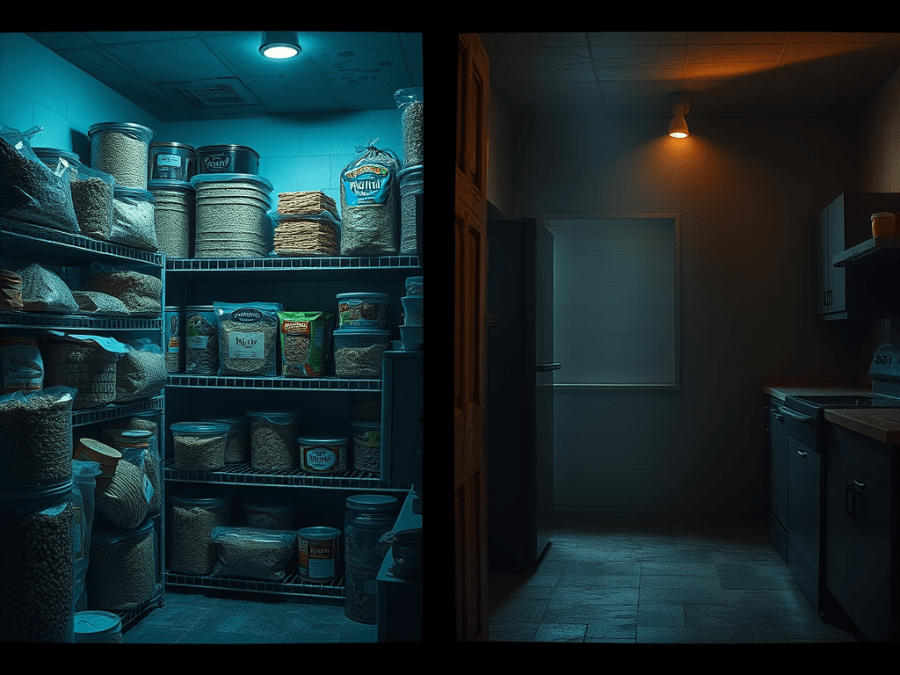
Most households don’t even have enough food to last 72 hours.

Three days.
That’s all it takes for society to slip into madness.

If you have nothing stored, if your pantry is a joke, if your “preps” consist of a few expired cans and denial, then you’re not planning to survive.

You’re planning a front-row seat to the most savage side of humanity.


**THE HARSH TRUTH:

Your Family Will Look to YOU — and You’ll Have Nothing to Give**

Imagine being the person your spouse, your parents, your children, your siblings turn to as hunger sets in.
Imagine the hollow eyes, the trembling hands, the fear that builds when every cupboard is empty.

And imagine having no plan, no supplies, no backup — nothing to offer except excuses.

You’ll watch the people who depend on you grow weaker, angrier, and more desperate by the day.

Pretend all you want.
Rationalize all you want.
Call it “fearmongering” or “overreacting.”

But when collapse comes — whether it’s a grid failure, an economic breakdown, a cyberattack, a drought, a strike, or something far worse — the unprepared will descend into panic long before the prepared even break a sweat.


WHY LONG-TERM FOOD STORAGE ISN’T OPTIONAL — IT’S THE DIFFERENCE BETWEEN SANITY AND SAVAGERY

Let’s stop pretending this is optional.

You need:

  • Bulk staples (rice, beans, oats, pasta)
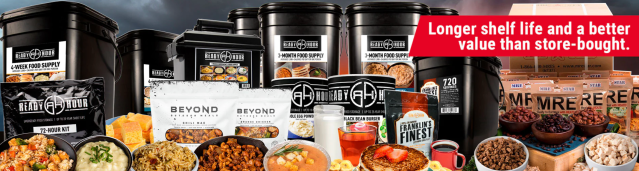
  • Freeze-dried foods (25–30 years shelf life)
  • Shelf-stable proteins
  • High-calorie fats
  • Complete meal kits
  • Cooking fuels
  • Water storage & purification
  • Backup systems for when everything fails

You need months, ideally years, of food security — not because it’s “cool,” not because it makes you a prepper, but because society is a rickety circus tent held up by corrupt clowns and broken poles.

The second the music stops, the whole thing collapses.

And the people without food?
They won’t think.
They won’t negotiate.
They won’t stay rational.

Hungry humans become predators — and unprepared families become victims.


IF YOU THINK THIS IS OVERKILL, YOU’RE NOT PAYING ATTENTION

Look around.

Crop failures.
Supply chain chaos.
Inflation.
Climbing food prices.
Global conflict.
Utility failures.
Governments that can’t even keep their own operations functioning.
Society ripping itself apart from the inside.

And every time chaos hits, the shelves empty instantly.

Now imagine an event that doesn’t get fixed.
Imagine a system that doesn’t restart.
Imagine emergency services that don’t show up.
Imagine a grocery industry that doesn’t recover.

What then?

The answer is simple:
Those who prepared will live.
Those who didn’t will face horrors that never had to happen.


THE FUTURE BELONGs TO THE PREPARED — OR NOT AT ALL
This isn’t “oh cool, prepping is a hobby.”
This is life and death.
This is civilization versus collapse.
This is security versus desperation.
This is preparation versus regret.

Every pound of rice you store is a shield.
Every can of meat is a safety net.
Every bucket of staples is another day your family doesn’t have to suffer.
Every freeze-dried meal is one more piece of sanity in a world gone feral.

You don’t prep because you’re afraid.
You prep because reality is unforgiving — and you refuse to let your family face that reality unprotected.

Those who fail to prepare will face desperation.
Those who prepare will face inconvenience.

Which future are you choosing?

Because when everything collapses, the window to choose closes forever.

Survival Gold: Highest Calorie Canned Goods to Stockpile Now

Listen up, you soft city dwellers and clueless suburbanites. If you’re still prancing around thinking a few cans of soup and a bag of rice will keep you alive when the world goes sideways, you’re dead wrong. You’re not prepping; you’re playing pretend. When the grid goes down, when the shelves are bare, and when the chaos hits, you better have the right fuel to keep your body running. And that fuel isn’t some low-calorie, nutrient-deficient nonsense. It’s high-calorie, shelf-stable, and packed with the energy you need to survive. So, let’s talk about the real survival gold: the highest calorie canned goods you should be hoarding right now.


🔥 1. SPAM – The Calorie Beast

Let’s start with the king of canned calories: SPAM. Each can packs a whopping 1,080 calories. That’s right—1,080 calories of pure, unadulterated energy. It’s compact, shelf-stable, and doesn’t require refrigeration. In a survival situation, that’s gold. Sure, it’s not gourmet, but when you’re hungry and the world’s gone to hell, you’ll be thankful for every greasy bite.


🥩 2. Libby’s Corned Beef – Protein Powerhouse

Next up, Libby’s Corned Beef. This isn’t just a salty snack; it’s a protein-packed powerhouse. With 2.1 calories per gram, it’s dense, filling, and perfect for long-term storage. It’s been a staple in American pantries since 1868, and for good reason. When you’re rationing food, you want something that sticks with you.


🐟 3. Tuna in Oil – Omega-3 and Calories

Don’t overlook canned tuna in oil. While tuna in water is leaner, tuna in oil is calorie-dense and provides essential omega-3 fatty acids. A 5-ounce can can deliver around 160 calories, and that’s before you even factor in the oil. It’s lightweight, easy to store, and doesn’t require cooking. In a pinch, that’s invaluable.


🌶️ 4. Chili with Beans – Comfort and Calories

Chili with beans is more than just a comfort food; it’s a survival staple. A 19-ounce can can pack up to 540 calories. It’s hearty, filling, and provides a good balance of protein and carbohydrates. Plus, it’s easy to eat cold if you don’t have a way to heat it up. When the world is falling apart, a warm meal can do wonders for morale.


🥩 5. Roast Beef – Ready-to-Eat Protein

Canned roast beef is a must-have for any serious prepper. A 15-ounce can can deliver around 400 calories. It’s ready to eat, requires no preparation, and is packed with protein. When you’re on the move or don’t have the luxury of a full kitchen, this is the kind of food that keeps you going.


🍗 6. Chunk Chicken Breast – Lightweight Protein

Canned chunk chicken breast is another excellent protein source. With around 240 calories per can, it’s lightweight, easy to store, and versatile. You can eat it straight from the can, mix it with other foods, or use it in recipes. In a survival situation, versatility is key.


🥫 7. Canned Beans – Carbs and Fiber

Don’t forget about canned beans. They’re not just for chili; they’re a great source of carbohydrates and fiber. A cup of canned black beans can deliver around 200 calories. They’re shelf-stable, easy to store, and can be eaten cold if necessary. In a long-term survival situation, you’ll need carbs to keep your energy up.


🥥 8. Coconut Milk – High-Calorie Liquid

Coconut milk is often overlooked, but it’s a high-calorie liquid that’s perfect for cooking or drinking. A cup can deliver around 552 calories. It’s also shelf-stable and can add variety to your meals. When you’re stuck eating the same things day after day, a little variety can make a big difference.


🍫 9. Dark Chocolate – Sweet Survival

Yes, dark chocolate. It’s not just a treat; it’s a survival food. An ounce can deliver around 150–170 calories. It’s also packed with antioxidants and can boost morale. In a survival situation, keeping your spirits up is just as important as keeping your body fueled.preppingprotips.com


🍜 10. Instant Noodles – Quick and Calorie-Dense

Instant noodles are a prepper’s best friend. A package can deliver around 380 calories. They’re lightweight, easy to store, and cook quickly. In a survival situation, time and energy are precious commodities. Anything that saves you both is worth its weight in gold.


🔧 15 Survival Skills You Better Master (continued)

Fire Starting – Without fire, you’re dead.

Water Purification – You can’t drink from just any stream.

Shelter Building – Hypothermia kills.

Foraging – Know what’s edible and what’s not.

Hunting and Trapping – Food doesn’t just appear.

Fishing – Rivers and lakes are full of food if you know how to catch it.

Self-Defense – Not everyone is friendly.

Navigation – A map and compass are your best friends.

First Aid – Injuries happen; know how to treat them.


🛠️ 3 DIY Survival Hacks That Actually Work

You don’t need fancy gear. You need grit, brains, and a little ingenuity. These three hacks could make the difference between dying cold in a ditch or seeing another sunrise.


1. DIY Rocket Stove (Out of Cans)

Forget lugging a propane burner. You can build a small rocket stove with just a large coffee can, a smaller soup can, and a knife. Cut an L-shaped channel in the sides, nest the smaller can inside, and boom—you’ve got a high-efficiency burner that uses sticks and dry leaves to boil water in minutes. Lightweight, compact, and hot as hell. That’s the kind of stove that saves lives.


2. Crayon Fire Starters

That’s right—those dumb crayons you gave your kids can burn for up to 30 minutes each. Wrap a few in foil, keep them in your bug-out bag, and when you need to get a fire going in wet weather or high wind, light the paper wrapper. You’ll thank me when your hands are frozen and your lighter’s sputtering.


3. Plastic Bottle Fishing Kit

Take a water bottle, wrap 10-15 feet of fishing line around it, tuck in a couple of hooks and sinkers, and seal the whole thing up. Now you’ve got a compact, waterproof fishing kit that can catch you dinner in any river, lake, or pond. Lightweight, stealthy, effective—like every survival tool should be.


🧭 Final Thoughts from an Angry Survivalist

Here’s the ugly truth: Most people aren’t gonna make it. They’ll run to the grocery store three days too late, get trampled for a loaf of bread, and starve in the comfort of their own panic.

But not you.

You’re here because you see the storm on the horizon. You know that survival isn’t about who has the nicest solar generator or the fanciest bug-out location. It’s about planning. It’s about discipline. And yes—it’s about calories.

Canned food isn’t just convenient—it’s currency, it’s fuel, and it’s life insurance. And every single can you stack today is a bullet dodged tomorrow.

So don’t listen to the soft voices telling you, “you don’t need that much food,” or “you’re being paranoid.” No, you’re being prepared. And when things go sideways—and they will—you’ll be alive, well-fed, and ready to rebuild while the rest are curled up in their living rooms, wondering where the Wi-Fi went.

Stock up. Train up. And for the love of survival—don’t wait.

This isn’t a game. It’s survival. And only the prepared will eat.

You Ain’t Gonna Make It Unless You’re Ready: A Survivalist’s Guide to Food Storage & Preservation

Let me tell you something straight—you either prep or perish. When the trucks stop rolling, the power goes down, and the store shelves go bare in less than 24 hours, your excuses won’t keep your stomach full. You can cry, beg, or pray all you want, but if you haven’t put in the work to build a rock-solid food storage system, you’re screwed.

Food storage and preservation aren’t hobbies—they’re life-or-death skills. The kind of skills your great-grandparents used just to get through the winter, and here you are in the 21st century, still relying on frozen pizzas and two-day shipping. Shameful.

So pull your head out of the sand and start learning the hard truth about what it takes to stay alive when the system crashes. I’m going to give you 15 survival skills and 3 DIY survival hacks that will keep you fed long after your neighbors have eaten the dog food and torn into their drywall looking for mice.


Survival Skills for Food Storage & Preservation

1. Canning (Water Bath & Pressure)

Master both. Water bath is for high-acid foods—tomatoes, jams. Pressure canning is for low-acid foods—meat, beans, veggies. Don’t screw this up unless you want a side of botulism with dinner.

2. Dehydrating

Buy a good dehydrator—or build one yourself. Dry fruits, jerky, herbs, even cooked rice and pasta. Light, compact, shelf-stable. Perfect for bug-out bags or tight storage.

3. Freeze-Drying

Yeah, the machines are expensive, but so’s your life. Freeze-dried food lasts 25 years. No power needed to keep it good. And unlike that freeze-dried crap from big box prepper stores, your homemade version isn’t full of garbage chemicals.

4. Vacuum Sealing

Oxygen is the enemy. Suck it out and your food lasts longer. Pair it with Mylar bags and O2 absorbers and you’re halfway to invincible.

5. Root Cellaring

No power? No problem. Learn to store potatoes, carrots, apples, cabbage, and more the old-fashioned way—buried in cool, dark places. This is pre-electric refrigeration technology. Use it.

6. Smoking Meat

Salt, smoke, and time—three ingredients to survive. Whether it’s fish, pork, or game you hunted yourself, knowing how to preserve meat without a freezer is priceless.

7. Fermentation

Kimchi, sauerkraut, kefir, pickles. This ain’t hipster nonsense—it’s a time-tested, bacteria-friendly preservation method that boosts gut health and keeps your food edible for months.

8. Making Jerky

Lean meat, sliced thin, salted, and dried. Easy to make, easy to store. It’s what nomads and pioneers lived on. You should too.

9. Using Mylar Bags with O2 Absorbers

This is non-negotiable. Store rice, flour, beans, oats—anything dry—in these and it’ll last a decade or more. Stack your buckets, seal your bags, and sleep better at night.

10. Salt Preservation

You got salt? You got food. It pulls moisture out, kills bacteria, and keeps things shelf-stable. From salt-cured fish to dry brining meat, it’s a primitive technique that still works.

11. Making Hardtack

It’s like eating drywall, but this flour-water-salt cracker lasts forever and keeps you alive. Store it dry and rehydrate it in soup when your taste buds finally revolt.

12. Rotating Your Pantry

Oldest in front, newest in back. You don’t want to find a crate of bloated tomato cans five years from now. Rotate monthly. Label dates. Be meticulous.

13. Batch Cooking & Canning Meals

Don’t just can green beans. Can chili. Can beef stew. Can soup. When it’s cold and you’re exhausted, opening a ready-made meal you canned yourself is worth gold.

14. Making Pemmican

This high-calorie mix of dried meat, fat, and berries can last years without refrigeration. Used by Native Americans and polar explorers. Make it now before you need it.

15. Building a Real Prepper Pantry

Don’t just throw stuff on shelves. Organize by type, date, and calories. Include spices, comfort food, and barter items. Your pantry should be an armory of nutrition.


DIY Survival Hacks That’ll Keep You Fed and Ready

Hack #1: DIY Zeer Pot (Desert Fridge)

Take two unglazed clay pots, one smaller than the other. Fill the space between them with wet sand, cover with a damp cloth, and place your perishables inside. As the water evaporates, it cools the inner pot—primitive refrigeration with zero electricity. Works best in dry climates.

Hack #2: Homemade Solar Dehydrator

Grab some scrap wood, black paint, clear plastic, and a screen. Build a box with airflow and sunlight access. Let nature do the work. Dehydrate apples, jerky, herbs, and more without touching your grid-powered devices.

Hack #3: Dig-a-Hole Cold Storage

No root cellar? No problem. Dig a 3-4 foot deep hole in a shaded spot. Line it with bricks or wood if you can. Place your sealed buckets or containers inside and cover with a tight lid or a pallet and tarp. Natural insulation keeps things cool year-round.


The Uncomfortable Truth

Let’s be clear: if you think this is overkill, you haven’t been paying attention. The government won’t save you. FEMA will roll in three days too late, and the National Guard won’t hand out pizza and soda. If a cyberattack hits the grid or supply chains collapse, the people with full pantries and solid skills will be the last ones standing.

This isn’t about fear. It’s about responsibility—to yourself, your family, your community. You don’t prep for fun, you prep because you understand how fragile civilization really is. Every time you put a new jar on the shelf or vacuum seal a bag of rice, you’re buying a little more time when it all goes to hell.

The rest of them? They’ll panic-buy bottled water and microwave popcorn. You’ll be sitting on beans, bullets, and a five-year plan. And when they come knocking? That’s your call to make. But you better believe you’ll feel a hell of a lot better turning people away from a stocked pantry than being the one begging for handouts.


Closing Rant – And You’d Better Listen

So here’s the deal: Quit waiting. Quit making excuses. Quit telling yourself you’ll start next month. Next month, the inflation will be worse, the shelves emptier, and your window to act even smaller. Start today. Learn the skills. Build your pantry. Do the work.

Don’t just survive. Overcome. Because when SHTF, you don’t rise to the occasion—you fall to the level of your training. So you better train like your life depends on it.

Because it does.

Prepper’s Pantry: 10 Foods You Should Always Keep on Hand

Prepper’s Pantry: 10 Foods You Should Always Keep on Hand for Tiny House Living

Living in a tiny house doesn’t just mean downsizing your belongings—it’s about embracing a more intentional lifestyle. Every item you bring into your tiny home should serve a purpose, and food storage is no exception. A prepper’s pantry isn’t just for hoarding massive amounts of canned goods and bags of rice; it’s about curating a collection of foods that are practical, space-efficient, and long-lasting. When space is limited, smart food storage becomes a crucial part of sustainable living. The key to prepping in a tiny house is striking a balance between the right amount of food to meet your needs without overcrowding your limited space.

CLICK HERE TO LEARN HOW TO NEVER STARVE WHEN DOOMSDAY HITS!

In this post, we’ll explore 10 foods that every tiny house dweller should always keep on hand for a well-stocked, sustainable pantry. With a little planning, you can have everything you need to weather unexpected situations—without sacrificing too much valuable space.


1. Canned Vegetables and Beans

When you live in a tiny house, versatility is your best friend. Canned vegetables and beans are non-negotiable pantry staples because they’re easy to store, have a long shelf life, and are ready to use with minimal prep. Whether you’re making soups, stews, or casseroles, canned beans are a quick and nutritious way to get protein without taking up precious refrigerator space. Vegetables like corn, peas, and carrots can be great options for adding a quick serving of greens to any meal.

Tip #1: Buy in bulk—Purchase large cans to save space and money. Also, consider choosing BPA-free canned goods for better health and eco-friendliness.


2. Rice and Quinoa

Rice and quinoa are essential pantry items that are both filling and versatile. These grains can serve as a base for countless meals, from stir-fries to grain bowls. Since both rice and quinoa have long shelf lives when stored in airtight containers, they’re perfect for small spaces like tiny houses. Quinoa also packs in extra protein, which is great for tiny house dwellers looking for more nutritional density in a small package.

Tip #2: Store rice and quinoa in airtight jars to prevent pests from invading your pantry. And consider using glass containers to cut down on plastic waste.


3. Dried Fruits and Nuts

Living small means making the most of every square inch, and dried fruits and nuts are a must for quick, nutritious snacks or meal add-ins. These foods are calorie-dense, so you don’t need much to get a lot of energy. Almonds, walnuts, dried apricots, and raisins can be great for on-the-go or mixed into oatmeal, salads, or baked goods. Plus, they have a long shelf life, making them perfect for long-term storage.

Tip #3: Store dried fruits and nuts in vacuum-sealed bags or mason jars to keep them fresh longer. This will also help maximize your storage space.


4. Canned Fish and Meats

Protein is a critical component of any diet, and canned fish and meats like tuna, salmon, and chicken provide a convenient, shelf-stable solution. These canned proteins can be added to everything from salads to sandwiches and are ideal for quick meals. In a tiny house, you don’t have the luxury of a massive freezer, so canned options are a great alternative to fresh or frozen meats.

Tip #4: Rotate your stock—Use older cans first to prevent anything from sitting in your pantry for too long. Stockpiling a variety of meats ensures that you don’t get tired of the same options.


5. Canned Tomatoes

Canned tomatoes are a versatile ingredient that forms the base for many dishes—from pasta sauces to soups. They have a long shelf life and are easy to store, making them a great choice for tiny house living. You can use canned tomatoes in everything from homemade pizza sauce to chili, adding both flavor and nutrition to your meals. They’re also great for making quick and easy meals when you’re short on time.

Tip #5: Buy in bulk—If you use canned tomatoes often, buying larger quantities can help save money and reduce packaging waste.


6. Pasta and Noodles

Pasta is a staple in almost any pantry because it’s cheap, easy to prepare, and can be paired with a variety of sauces, proteins, and vegetables. The best part is that pasta stores well and takes up little space—perfect for tiny house living. You can stock a variety of pasta shapes, from spaghetti to macaroni, and use them in everything from quick weeknight dinners to hearty pasta salads.

Tip #6: Use clear storage containers for your pasta to make it easy to see what you have on hand. This way, you can keep your pantry organized and avoid over-purchasing.


7. Powdered Milk

If you’re living in a tiny house, refrigeration space is precious. Powdered milk is a great substitute for fresh milk and can be used in everything from coffee and tea to baking and cooking. Since it doesn’t require refrigeration, it’s perfect for stocking up in a small space. Plus, it has a long shelf life, so you won’t need to worry about it going bad any time soon.

Tip #7: Store powdered milk in a cool, dry place to keep it fresh. Keep it in airtight containers to ensure its longevity.


8. Spices and Seasonings

In a tiny house, you want to make sure you’re packing only the essentials, and that means choosing your spices wisely. A few high-quality seasonings, like salt, pepper, garlic powder, and chili flakes, can make a huge difference in the flavor of your meals. Instead of stocking every spice under the sun, focus on the ones you use most often, and keep them in small containers or spice racks to save space.

Tip #8: Opt for multi-use spices—For example, a good all-purpose seasoning can work for many dishes, cutting down on the number of containers you need.


9. Honey and Maple Syrup

Honey and maple syrup are excellent natural sweeteners that also have medicinal properties. Honey can be used in tea, spread on toast, or added to baked goods. Maple syrup is another great natural sweetener that works well in pancakes, oatmeal, and desserts. Both honey and maple syrup have long shelf lives, which makes them great for your pantry. In tiny house living, these versatile sweeteners can do double duty as both food and medicine.

Tip #9: Store honey at room temperature—Honey doesn’t spoil, but storing it in a cool place ensures it stays at its best consistency.


10. Oats and Granola

Oats are a fantastic and filling food that can be used in a variety of ways, from oatmeal to granola bars. They’re a great source of fiber and are perfect for breakfast or even as a base for savory dishes. Granola is another good option to have on hand as a quick snack or a topping for yogurt and fruit. Both oats and granola are compact, making them perfect for tiny house living.

Tip #10: Keep oats in airtight containers to prevent pests and moisture from ruining your stock. You can also use oats for baking, adding to smoothies, or making homemade granola.


10 Tiny House Living Tips for Efficient Food Storage

  1. Use vertical space—Maximize storage by using shelves or hanging storage for jars and canned goods.
  2. Opt for multi-purpose foods—Choose ingredients that can be used in several dishes to reduce the variety of items needed.
  3. Keep your pantry organized—Invest in clear containers or labels so you can easily find what you need without taking up extra space.
  4. Use airtight containers—To prevent spoilage and pests, store grains, nuts, and dried fruits in airtight containers.
  5. Grow your own herbs—Even in a tiny home, you can grow herbs like basil, thyme, and mint in small pots or hanging planters.
  6. Shop in bulk—Buying in bulk not only saves you money but also reduces packaging waste.
  7. Plan meals around your pantry—Make sure to use up older items first to avoid waste and keep your pantry fresh.
  8. Preserve seasonal produce—Stock up on fresh fruits and vegetables when they’re in season and preserve them through canning or freezing.
  9. Keep a running inventory—Having an up-to-date list of your pantry items will help you avoid buying duplicates and save you time.
  10. Keep food prep simple—Simplify your meals by focusing on staple ingredients that can be transformed into multiple dishes.

The Critical Role of Survival Food in Keeping Your Family Safe and Healthy

When disaster strikes, one of the first things that becomes critically important is food. Without food, your body won’t have the fuel it needs to survive. But when it comes to survival, it’s not just about having any food—it’s about having the right kind of food. That’s where survival food comes in.

Survival food isn’t just a convenience item. It’s an essential component of your long-term survival plan. Whether you’re preparing for a natural disaster, a societal collapse, or any other crisis that disrupts the normal supply of food, having a stockpile of nutritious and long-lasting survival food can make the difference between life and death for you and your family. Let’s break down why survival food is so crucial and how it fits into your preparedness strategy.


1. Disasters Disrupt Food Supply Chains

Prepper Tip #1: Stock up on non-perishable survival foods such as freeze-dried meals, canned goods, and vacuum-sealed items. Aim for a minimum of a three-month supply for your family.

In the event of a disaster, whether it’s a natural one like a hurricane or a man-made one like an economic collapse, the food supply chain can quickly break down. Grocery stores might run out of stock within hours, and transportation systems may be disrupted, leaving you with nothing but empty shelves. During these times, having a supply of survival food allows you to feed your family without relying on the failing supply chains.

Survival food is designed for long-term storage and can withstand extreme conditions. Items like freeze-dried meals, dehydrated vegetables, and vacuum-sealed protein provide you with a reliable source of nutrients when fresh food is no longer available.


2. Nutritional Needs During Crisis Situations

Prepper Tip #2: Ensure your survival food supply includes a balanced mix of protein, carbohydrates, fats, and micronutrients. Focus on foods that are high in calories to sustain energy levels.

When a crisis hits, the last thing you want is to survive on food that’s nutrient-poor. You need food that not only fills your stomach but provides the calories and nutrients needed to keep your body functioning at its best. When you’re under stress, possibly in harsh weather or physically demanding situations, your body needs fuel to stay sharp.

Survival food is formulated with this in mind. The best survival food options include high-calorie meals that provide protein, fats, and carbohydrates—all essential for maintaining your energy levels. For example, freeze-dried meat, nut butters, instant rice, and energy bars are all great options for providing long-lasting energy and keeping your immune system strong.


3. Shelf Life of Survival Food

Prepper Tip #3: Store survival food in cool, dry places to maximize shelf life. Rotate older supplies regularly to ensure they remain fresh and usable.

One of the biggest advantages of survival food is its long shelf life. Depending on the type, survival food can last anywhere from 5 to 25 years, making it ideal for long-term storage. Canned goods, freeze-dried meals, and vacuum-sealed options can last far longer than fresh food. If stored correctly, they provide you with a security blanket in uncertain times.

However, the key to making sure your survival food lasts is to store it properly. Keep it in a cool, dry area, away from sunlight and humidity. Proper rotation is also important. Use the first-in, first-out (FIFO) method to make sure you’re always consuming the oldest stock first, ensuring your survival food stays fresh.


4. Survival Food Saves Time and Energy

Prepper Tip #4: Choose easy-to-prepare survival food like MREs (Meals Ready to Eat) or freeze-dried meals. These meals don’t require cooking and can be eaten straight out of the bag or after just adding water.

When the grid goes down, cooking becomes a challenge. The last thing you want to worry about is preparing a meal from scratch when you’re trying to keep your family safe, secure, and healthy. Survival food is designed for ease and convenience. Meals like MREs, freeze-dried soup, and instant oatmeal require minimal effort to prepare—sometimes just adding water and waiting a few minutes.

This ease of preparation allows you to focus on other critical survival tasks like securing shelter, gathering water, or defending your home, instead of worrying about how to cook a full meal from raw ingredients.


5. Peace of Mind in Uncertain Times

Prepper Tip #5: Make a family plan and discuss how you will distribute survival food during a crisis. Having a plan in place reduces stress and increases your efficiency during emergencies.

One of the most overlooked aspects of survival preparedness is the peace of mind that comes with knowing you’re ready. When you have a solid stockpile of survival food, you don’t need to panic when the lights go out or the grocery stores close. You’re prepared, and that sense of readiness can reduce anxiety and help you think clearly when everything else seems chaotic.

By having a well-stocked survival food supply, you know that if the worst happens, you’ll be able to provide for your family. This peace of mind is critical for making rational decisions during emergencies.


6. Flexibility in Meal Planning

Prepper Tip #6: Keep varied survival food options so that meals don’t become monotonous. A mix of freeze-dried meals, canned goods, and snacks can help maintain morale.

While having enough food is crucial, the variety of food you have also plays a role in survival. During long-term emergencies, eating the same thing day after day can lead to “survival fatigue,” which can impact your morale and mental health. Survival food provides the ability to mix and match meals, preventing the monotony that can come from eating nothing but canned beans or rice.

In addition to the basics, consider adding treats like jerky, dried fruit, and trail mix to your survival food stash. These foods are not only delicious, but they help lift spirits during challenging times.


7. The Role of Survival Food in Bug-Out Bags

Prepper Tip #7: Always include high-calorie survival food in your bug-out bag. Compact, calorie-dense foods like granola bars or energy gels will keep you energized while on the move.

During an emergency, you may need to bug out—that is, evacuate your home and seek refuge elsewhere. Having survival food in your bug-out bag is essential. You won’t have the luxury of preparing a meal or hunting for food while you’re on the go. Carry foods that are calorie-dense, lightweight, and easy to consume.

Energy bars, nut butter packets, and high-calorie trail mix are great options that will keep you going without weighing you down.


8. Enhancing Your Survival Skills with Food

Prepper Tip #8: Learn how to forage for food and hunt in your area, but supplement these skills with stored survival food to ensure you don’t run out.

While survival food is essential, it should never be your only food source. In addition to your stockpile, learning how to forage, hunt, and fish will increase your self-reliance. Supplementing survival food with wild edibles or small game can help diversify your diet and reduce the need to dip into your emergency stockpile too quickly.


9. Keeping the Family Healthy During Crisis

Prepper Tip #9: Include vitamins and minerals in your survival food plan to keep everyone’s immune system strong, especially when fresh produce is unavailable.

During a crisis, it’s easy to forget about nutrition, especially if you’re relying on a steady diet of canned foods or dried meals. However, maintaining a healthy immune system is more important than ever when disease or injury can be much harder to treat.

Ensure your survival food supply includes multi-vitamin supplements and vitamin-rich foods to support long-term health.


10. Long-Term Sustainability of Survival Food

Prepper Tip #10: Incorporate food-growing plans into your overall prepper strategy. Consider starting a garden with non-perishable seeds for vegetables, herbs, and fruits.

In addition to stocked survival food, you should be planning for long-term sustainability. Consider integrating food-growing strategies into your survival plan. Growing your own food can help replenish your stockpiles, providing you with a renewable food source during extended crises.


Conclusion

Survival food is an essential part of any prepper’s plan, and understanding its critical role in keeping your family safe and healthy is key to successful preparedness. From providing energy and nutrients to ensuring that you can endure a long-term crisis, survival food is your lifeline during emergencies. Whether you’re facing a short-term power outage or a long-term societal collapse, a well-stocked supply of survival food will ensure that you and your loved ones are taken care of, no matter what comes your way.

By following these survival tips and maintaining a healthy stockpile, you’ll be ready to face any disaster and keep your family safe, healthy, and prepared.