10 Deadliest Insects in North America That Can Kill You If You’re Not Paying Attention

People love to pretend North America is “safe.” Safe neighborhoods. Safe hiking trails. Safe backyards. That lie falls apart the second you realize how many things here can kill you without making a sound. No growl. No warning. Just a sting, a bite, or a microscopic parasite riding in on six legs.

Insects don’t care about your politics, your optimism, or your belief that “it won’t happen to me.” They’ve been killing humans long before cities existed, and they’ll keep doing it long after society collapses under its own stupidity.

Below are 10 of the most dangerous insects in North America—where they live, how they kill, and how you might survive if you stop being careless and start paying attention.


1. Mosquito

Location: Everywhere. Literally everywhere.
Why It’s Deadly: Disease transmission

If you think mosquitoes are just annoying, you’re already behind. Mosquitoes kill more humans than any other creature on the planet, and North America is no exception. West Nile virus, Eastern Equine Encephalitis, Zika—take your pick. You don’t feel the danger until it’s already in your bloodstream.

How to Survive:

  • Eliminate standing water around your home
  • Wear long sleeves at dusk and dawn
  • Use real insect repellent, not “natural” nonsense
  • Install window screens and actually maintain them

Ignore mosquitoes, and you’re gambling with your nervous system.


2. Africanized Honey Bee (“Killer Bee”)

Location: Southwest U.S., spreading north
Why It’s Deadly: Mass stings and venom overload

One bee sting won’t kill most people. Hundreds will. Africanized honey bees don’t stop when you run. They don’t warn you politely. They attack in swarms and chase victims for long distances.

How to Survive:

  • Run immediately if attacked—do not stand your ground
  • Cover your face and airway
  • Get indoors or into a vehicle fast
  • Seek medical attention after multiple stings

These bees don’t care that humans “own” the land now.


3. Brown Recluse Spider

Location: Midwest and Southern U.S.
Why It’s Deadly: Necrotic venom

This spider doesn’t kill everyone it bites—but when it does, it does it slowly and horribly. The venom destroys tissue, causing wounds that rot from the inside out. Infection and organ failure follow if untreated.

How to Survive:

  • Shake out shoes, gloves, and clothing
  • Seal cracks in walls and foundations
  • Seek medical help immediately after a suspected bite

Brown recluses thrive in clutter. Clean your environment or pay for it.


4. Black Widow Spider

Location: Throughout North America
Why It’s Deadly: Neurotoxic venom

Black widow venom attacks the nervous system, causing muscle paralysis, severe pain, and respiratory distress. Children, elderly adults, and people with weak health are especially vulnerable.

How to Survive:

  • Wear gloves when working in sheds or woodpiles
  • Reduce insect populations that attract spiders
  • Get medical treatment quickly—antivenom exists

Ignoring pain because you “don’t want to overreact” is how people die.


5. Fire Ant

Location: Southern U.S.
Why It’s Deadly: Venom and allergic reactions

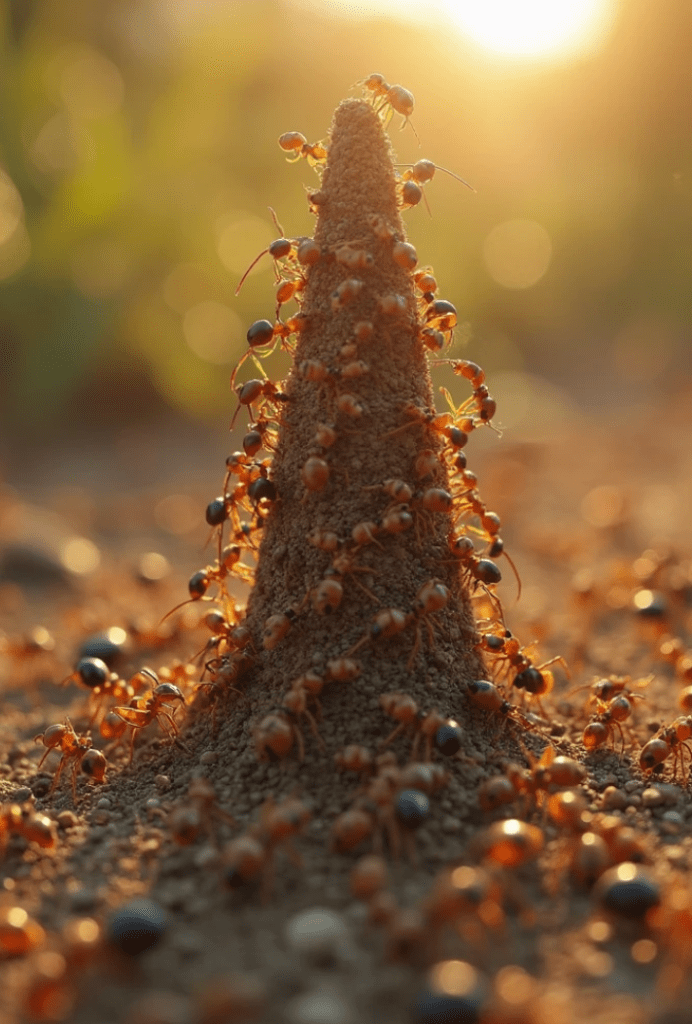
Fire ants don’t sting once. They swarm, latch on, and inject venom repeatedly. For people with allergies, this can trigger fatal anaphylaxis. Even without allergies, massive stings can lead to infection and systemic reactions.

How to Survive:

  • Avoid ant mounds—watch where you step
  • Treat property infestations aggressively
  • Carry antihistamines or an EpiPen if allergic

Fire ants are proof that size doesn’t matter when numbers are on your enemy’s side.


6. Tsetse Fly (Rare but Documented Risk)

Location: Extremely rare, imported cases
Why It’s Deadly: African sleeping sickness

This isn’t common—but globalization keeps bringing foreign threats home. The tsetse fly transmits parasites that cause neurological collapse if untreated.

How to Survive:

  • Seek medical attention after unexplained fevers post-travel
  • Avoid complacency with imported insects

Nature doesn’t respect borders. Neither should your preparedness.


7. Kissing Bug (Triatomine Bug)

Location: Southern and Southwestern U.S.
Why It’s Deadly: Chagas disease

This insect feeds on blood and defecates near the bite wound. That waste carries parasites that enter the body and quietly destroy the heart over years.

How to Survive:

  • Seal cracks in homes
  • Keep pets indoors at night
  • Get tested if bitten

Some deaths don’t happen fast. They happen quietly while you’re busy ignoring reality.


8. Deer Fly

Location: Forests, wetlands, rural areas
Why It’s Deadly: Disease transmission

Deer flies deliver painful bites and can spread tularemia, a potentially fatal bacterial infection.

How to Survive:

  • Wear light-colored clothing
  • Use head nets in heavy fly areas
  • Clean and disinfect bites immediately

One infected bite can spiral into organ failure if untreated.


9. Fleas

Location: Anywhere mammals live
Why It’s Deadly: Plague and typhus

Yes, plague still exists. Fleas don’t care that it’s “medieval.” When sanitation breaks down, fleas become efficient killers again.

How to Survive:

  • Control rodents
  • Treat pets regularly
  • Maintain hygiene even when society doesn’t

History repeats itself because people refuse to learn.


10. Velvet Ant (Cow Killer Ant)

Location: Southern and Central U.S.
Why It’s Deadly: Extreme venom, allergic reactions

Despite the name, it’s a wasp. Its sting is legendary—intense pain that can cause shock, heart issues, or fatal allergic responses.

How to Survive:

  • Don’t handle unfamiliar insects
  • Wear protective footwear outdoors
  • Treat stings immediately

Curiosity is not a survival trait.


Final Reality Check

The world is not built for your comfort. It’s built to test whether you adapt or die. Insects don’t need claws, teeth, or intelligence. They just need you to stay ignorant long enough.

Preparedness isn’t paranoia—it’s the bare minimum. Learn where these insects live. Learn how they kill. Learn how to respond. Because help won’t always come in time, and nature doesn’t give second chances.

Stay alert. Stay angry. Stay alive.

Starting From Nothing: My Painful Journey Into Basic Food Storage Prepping After Losing It All

I’m not proud of the man I became after everything fell apart.
When people talk about SHTF scenarios, they do it with a strange mix of fear and fascination. Some even romanticize it—imagining themselves as rugged lone wolves, capable of thriving when society collapses. I used to be one of them. I thought surviving would be instinctive, automatic, part of some primal ability buried deep inside. But instincts mean nothing when reality is colder, harsher, and hungrier than your imagination ever prepared you for.

I lost everything because I thought I was smarter than the disaster that came for me. I believed I had “enough” without really knowing what enough meant. I confused optimism for readiness, and that failure cost me more than possessions—it cost me people, comfort, security, and a sense of worth I still struggle to regain.

So now I write these words not as an expert, not as a brave prepper, but as someone who learned every lesson in the most painful way possible. If you are just getting started with basic food storage preps for an SHTF moment, I hope my failures will keep you from repeating them.


Why Food Storage Matters More Than You Think

When the world is still intact, food feels like an afterthought. Grocery stores glow on every corner. Restaurants hum with life. Delivery apps bring meals to your doorstep in minutes. It all feels so permanent—until the day it isn’t.

When SHTF hit my area, the grocery stores were empty within hours. Not days. Hours.
I remember walking down an aisle stripped bare, my footsteps echoing off metal shelves like the sound of a coffin lid closing. I had canned beans at home, maybe a bag of rice that I’d been ignoring in the pantry, and some stale cereal that I had forgotten to throw out. It wasn’t enough. Not even close.

If you think you have time to prepare later, you don’t. If you think you can improvise, you can’t. When everyone is scrambling, desperation destroys creativity. People who never stole a thing in their lives will fight over a dented can of tomatoes. People you trusted will become strangers. And you—if you’re like I was—will learn the meaning of regret in its rawest form.

That’s why food storage isn’t optional. It’s the foundation of survival.


Start Small—Because Small Is Still Better Than Nothing

Before everything fell apart, I always imagined prepping as something huge—stockpiling bunkers full of supplies, shelves fortified with military rations, huge five-gallon buckets lining the basement. I never started because it always felt overwhelming.

What I should have done—and what you should do—was start small. Even a single week of food stored properly can make the difference between panic and calm.

Here’s what I wish someone had told me:

1. Begin With a 7-Day Supply

A solid first step is simply making sure you can feed yourself (and your family, if you have one) for seven days without outside help.
This baseline prep includes:

  • Rice (cheap, long-lasting, filling)
  • Beans (dried or canned)
  • Canned meat like tuna or chicken
  • Pasta
  • Tomato sauce or canned vegetables
  • Oatmeal
  • Peanut butter
  • A few comfort foods (your sanity will thank you later)

This isn’t glamorous. It doesn’t look like the prepper fantasy you see online. But this humble supply can hold you steady when the world begins to tilt.

2. Build Up to 30 Days

Once you have a week, build toward a month.
At 30 days of food, something changes inside you. You begin to feel a kind of quiet strength. A stability. Not the loud confidence of someone bragging about their gear, but the soft, steady reassurance that you won’t starve tomorrow.


Keep Your Food Simple and Shelf-Stable

One of my big mistakes was buying “prepper food” without understanding my needs. I bought freeze-dried meals that required more water than I had available. I bought bulk grains without storing them correctly. Mice had a better feast than I did.

Focus on what lasts and what you’ll actually eat. Survival isn’t a diet—it’s nourishment.

Food Items That Last

  • White rice
  • Pasta
  • Rolled oats
  • Peanut butter
  • Canned tuna, chicken, and sardines
  • Canned vegetables
  • Canned soups
  • Honey (never spoils)
  • Salt and spices
  • Instant potatoes
  • Powdered drink mixes (helps fight taste fatigue)

Store It Right

This is where my downfall truly began: poor storage.
No matter how much food you gather, it’s worthless if ruined by:

  • Moisture
  • Heat
  • Pests
  • Light
  • Poor containers

Store food in cool, dry areas. Use airtight containers for grains. Label everything with dates. Don’t let your efforts rot away in silence the way mine did.


Rotate—Or Watch Your Supplies Die in the Dark

I used to think storing food meant sealing it away and forgetting it until disaster struck. That’s how I lost half my supplies: expiration dates quietly creeping past, cans rusting behind clutter, bags of rice turning to inedible bricks.

The rule you need to tattoo onto your mind is:

“Store what you eat. Eat what you store.”

Rotation keeps your stock fresh. It keeps you used to the foods you rely on. And it stops your prepping investment from becoming a graveyard of wasted money and ruined nourishment.


Water: The Part Everyone Ignores Until It’s Too Late

I had food. Not enough—but some. But water?
I had barely any. When the taps ran dry, reality hit harder than hunger ever did.

For every person, you need one gallon of water per day—minimum. Drinking, cooking, cleaning, sanitation—it all drains your supply faster than you think.

Start with:

  • A few cases of bottled water
  • Larger jugs or water bricks
  • A reliable filtration method (LifeStraw, Sawyer Mini, etc.)

Food will keep you alive.
Water will keep you human.


Don’t Learn the Hard Way Like I Did

Prepping isn’t paranoia.
It isn’t fearmongering.
It isn’t overreacting.

It’s the quiet, painful understanding that no one is coming to save you when everything falls apart.

I learned too late.
I lost too much.
I live every day with the weight of those failures.

But you can learn from me.
You can start now, with something small, something humble, something that grows over time.

And when the next disaster comes—and it will—you won’t feel that crushing panic I felt standing in an empty store staring at empty shelves. Instead, you’ll feel a sense of calm strength, knowing you took your future seriously.

I hope you prepare.
I hope you start today.
And I hope you never have to feel the kind of regret that still keeps me awake at night.

How to Keep Your Teeth Healthy While Surviving Off the Grid with No Dentist for 3,000 Miles

When you’re living off the grid, society has already failed you. The power grid is unreliable, the medical system is bloated and useless, and dentists—those cheerful merchants of pain and debt—are nowhere to be found. Maybe you chose this life. Maybe you were pushed into it by economic collapse, climate chaos, or governments that couldn’t organize a bake sale without ruining lives. Either way, you’re on your own now.

And here’s the part nobody likes to talk about: your teeth.

You can survive a lot without modern conveniences, but once a tooth goes bad, it can cripple you. Infection doesn’t care how self-reliant you think you are. Pain doesn’t negotiate. And when the nearest dentist is 3,000 miles away—or buried under rubble—you’d better know how to keep your teeth intact using nothing but discipline, paranoia, and a deep distrust of everything labeled “convenient.”

This isn’t about pretty smiles. This is about survival.


Why Dental Health Matters More Than You Think

People love to romanticize off-grid living. They talk about freedom, simplicity, and “getting back to nature.” What they don’t mention is how fast a minor dental issue can spiral into a life-threatening infection when antibiotics are scarce and professional care doesn’t exist.

A cracked tooth can become an abscess. An abscess can become sepsis. And sepsis will kill you quietly while the world keeps burning.

Your teeth are bones sticking out of your skull, exposed to bacteria every time you eat. Ignore them, and they will betray you. This is not optional maintenance. This is frontline survival work.


Brushing Without a Bathroom Sink Fantasy

Forget electric toothbrushes. Forget minty gels shipped from factories that no longer exist. You need a manual toothbrush—several of them—and you need to guard them like ammunition.

If toothpaste runs out, you adapt. Baking soda works. Wood ash (from clean, untreated hardwood) can work in small amounts. Crushed eggshell powder provides mild abrasion and calcium. None of this is pleasant. None of it tastes good. That’s the point. Survival isn’t supposed to feel like a spa day.

Brush at least once a day. Ideally twice. Use boiled or filtered water. Spit away from your living area because bacteria doesn’t deserve hospitality.

And no, skipping brushing because you’re “too tired” isn’t an excuse. Pain later will be worse.


Flossing: The Most Ignored Lifesaver

People hate flossing because it’s inconvenient. That’s ironic, because inconvenience is your entire lifestyle now.

Food trapped between teeth leads to decay. Decay leads to infection. Floss prevents that. Stockpile floss while you still can. If you can’t, improvise—thin fishing line (cleaned thoroughly), plant fibers, or even fine thread in a pinch.

Is it comfortable? No. Is it effective? Yes.

If you think flossing is optional, you’re gambling with pain that will make you regret every lazy choice you ever made.


Diet: Sugar Is the Enemy You Invited In

Modern diets rot teeth because they’re built on sugar, starch, and processed garbage. Off the grid, you have an advantage—if you’re not stupid enough to recreate the same mistakes.

Avoid constant snacking. Your mouth needs time to rebalance. Eat real food: meat, fibrous plants, nuts, and whatever you can grow or hunt. Fermented foods help. Refined sugars destroy.

If you’re storing honey, dried fruit, or grains, understand this: they are luxuries with consequences. Rinse your mouth with water after eating them. Chew fibrous plants to stimulate saliva. Saliva is your first defense when toothpaste runs out and nobody’s coming to help.


Herbal Allies (Because Pharmacies Are a Memory)

Nature isn’t kind, but it does provide tools if you bother to learn them.

Clove is a powerful natural analgesic and antiseptic. Clove oil can numb pain temporarily. Peppermint has mild antibacterial properties. Sage and thyme can be used in mouth rinses. Chewing on certain bitter roots can help clean teeth mechanically.

These are not miracles. They are stopgaps. But in a world where antibiotics are finite and dentists are myths, stopgaps matter.

Learn your local plants before you need them. Ignorance is expensive out here.


Preventing Damage Is Easier Than Fixing It

Cracked teeth happen when people use their mouths like tools. Stop doing that. Don’t bite metal. Don’t crack nuts with your teeth. Don’t chew rocks because you’re bored.

Wear a mouth guard if you grind your teeth at night. Stress causes grinding, and off-grid life is nothing but stress wrapped in isolation. A cracked molar in the wilderness is a slow-motion disaster.

Protect your teeth like the irreplaceable assets they are—because they are.


Emergency Dental Reality (The Part Nobody Likes)

Let’s be honest: if a tooth becomes severely infected and you have no antibiotics, no tools, and no training, your options are grim. People have pulled their own teeth throughout history. Many died from it.

This article is not telling you how to perform medieval dentistry. It’s telling you how to avoid ever needing to.

The best dental survival plan is relentless prevention. Everything else is damage control and prayers.


The Bitter Truth

The world doesn’t care if you’re in pain. Systems collapse. Professionals vanish. And suddenly, the smallest problems become existential threats.

Keeping your teeth healthy off the grid isn’t about vanity or comfort. It’s about refusing to let something stupid take you out after you’ve already survived everything else.

Brush. Floss. Eat like an adult. Learn your herbs. Protect what you can’t replace.

Because when civilization is gone, your teeth don’t get a second chance—and neither do you.

Top Survival Foods You Better Have Before Everything Goes Wrong (And It Will)

If you’re reading this, congratulations—you’ve at least realized that the world is one minor disaster away from going completely off the rails. Most people wander through life thinking the grocery store shelves magically refill themselves, or that disasters only happen on TV. Spoiler alert: they don’t. And when things inevitably go sideways, those same people will be crying in parking lots looking for bottled water. Meanwhile, you—if you actually follow through—might stand a fighting chance. But only if you stock the right survival food in your kit. And please, for your own sake, don’t pack the usual garbage people think qualifies as “emergency food.”

So let’s go through the best survival food items for your survival kit—the ones that won’t get you killed. I’ll even break down why they matter, though frankly, it’s the kind of common sense people should already know.


Why Survival Food Matters (If That Isn’t Obvious Already)

Look, survival isn’t a cooking show. You’re not going to be flambéing anything when the power’s out or when you’re trekking through debris and broken glass. Survival food has one job: keep you alive. That means it has to meet a few basic criteria that too many people ignore:

  • Long shelf life – Because you’re not rotating your stock like a grocery store.
  • High-calorie density – Starving is a terrible hobby.
  • Low preparation requirement – You may not even have clean water, let alone a working stove.
  • Portability – If your kit weighs as much as your regrets, you won’t make it far.

If a food item doesn’t meet those requirements, it doesn’t belong in your survival kit. Period.


1. Peanut Butter: The Undisputed Champion of Not Dying

Peanut butter is cheap, dense, portable, shelf-stable, and calorie-loaded. It’s basically the perfect survival food. Unless you’re allergic—in which case, well, you’ve got a different set of problems.

One jar can pack over 2,500 calories, tons of fat (which you need when you’re burning energy like a madman), and protein. You don’t need to heat it, cook it, or refrigerate it. You don’t even need to like it—survival isn’t a gourmet experience.


2. Energy Bars: Because You Won’t Be Sitting Down for a Meal

Forget your fancy protein bars with quinoa sprinkles and “forest berry drizzle.” I’m talking about high-calorie, dense energy bars—the type hikers choke down because they’re too useful to ignore.

These bars take up almost no space and deliver a hit of carbs, fats, and sugars that can keep your body from shutting down while you’re slogging through a disaster zone.

Just keep in mind that some bars pretend to be healthy and barely hit 150 calories. If you want to survive, not starve, pick bars in the 300–400 calorie range. And no, you don’t get bonus points for organic.


3. Canned Meat: The Not-So-Glamorous Lifesaver

A lot of people gag at the idea of canned meat, which tells me they’ve never been hungry enough. Tuna, chicken, spam, salmon—pick your protein. These cans last forever, they’re packed with nutrients, and they can be eaten straight from the can if you don’t mind looking like a character from a post-apocalyptic movie.

To make it even better, canned meats don’t need refrigeration until they’re opened. Just remember to pack a can opener unless you plan on bashing the cans open with a rock like a caveman.


4. Rice and Beans: The Classic Combo That Refuses to Die

If civilization ends tomorrow, rice and beans will probably still be around in some dusty pantry. And for good reason:

  • Together, they form a complete protein.
  • They’re cheap.
  • They store forever—especially if you repackage them with oxygen absorbers.

Yes, they require cooking and water, which isn’t ideal. That’s why these belong in your home stash or long-term survival bag, not your small emergency kit or bug-out bag. Still, they’re worth mentioning because few foods give you more nutrition per dollar.


5. Freeze-Dried Meals: The Fancy Option (But Actually Smart)

Freeze-dried meals get mocked by people who think survival food should taste like cardboard. But here’s the reality: these meals are lightweight, last 20–30 years, and only require hot water. That’s a pretty sweet deal when the alternative is gnawing on dry pasta.

Get meals that have at least 500 calories per pouch, not those pathetic backpacking meals made for people pretending to “rough it.” Go for brands known for high calorie counts and decent macros.

And don’t forget: freeze-dried isn’t the same as dehydrated. Freeze-dried lasts much longer and keeps more nutrients intact. Your future half-starved self will thank you—though you might not deserve it.


6. Instant Oatmeal: Low Glamour, High Payoff

Instant oats are a survival staple. They’re cheap, flexible, lightweight, and ridiculously easy to prepare. In worst-case scenarios, you can even “cold soak” them in water if you have to. Sure, the texture will be awful, but again, this is survival—not brunch.

Pick plain oats, not the sugary varieties. You need calories, not cavities.


7. Trail Mix: Because You’ll Need Fuel, Not Motivation

Trail mix is what happens when nuts, dried fruit, and chocolate decide to form a survival alliance. It’s loaded with fats, carbs, and sugar—all things your doomsday body will burn through in minutes.

Make sure your trail mix includes:

  • Nuts (fat and protein)
  • Dried fruit (quick carbs)
  • Chocolate or M&Ms (morale and calories)

Skip the trendy stuff with kale chips or yogurt drops. The goal is survival, not pretending to be healthy during the apocalypse.


8. Hardtack or Survival Rations: The Food Brick You’ll Hate but Depend On

Hardtack is basically the bread equivalent of a brick—hard, tasteless, and nearly indestructible. But it lasts decades if kept dry and can keep you alive when everything else runs out.

Modern emergency rations (like 2,400–3,600 calorie bars) are much more efficient. Yes, they taste like slightly sweet cardboard, but they’re designed to survive heat, cold, moisture, and probably nuclear winter. And you only need a few bars to survive a couple of days.


9. Shelf-Stable Ready-to-Eat Meals (MREs)

If you want the convenience of a full meal without any preparation, MREs are the way to go. They come with heaters, so you can eat hot food even if everything around you is on fire—literally or metaphorically.

They’re heavy, so don’t pack too many in a go-bag, but having one or two can make a miserable situation slightly less unbearable.


Final Thoughts: If You Don’t Prepare Now, Don’t Complain Later

Most people wait until disaster hits before realizing they should’ve prepared. Don’t be one of them. A survival kit without proper food is just a fancy bag of regrets. Start with the basics above and pack enough calories to sustain you for at least 72 hours. More if you actually want a fighting chance.

Because when things fall apart—and they will—your survival kit is the only thing standing between you and becoming another cautionary tale that people pretend they learned something from.