If you’re reading this, congratulations—you’re officially one of the very few people who haven’t been hypnotized into believing society is stable. Most folks happily scroll through their feeds while the world around them bleeds, burns, and breaks apart. But not you. You’re here because you know the truth: the system is cracking, and when it finally collapses, you’ll only survive with what’s on your back.
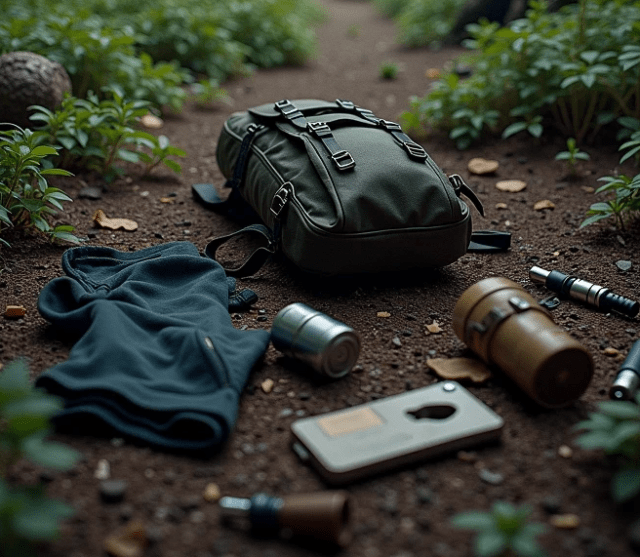
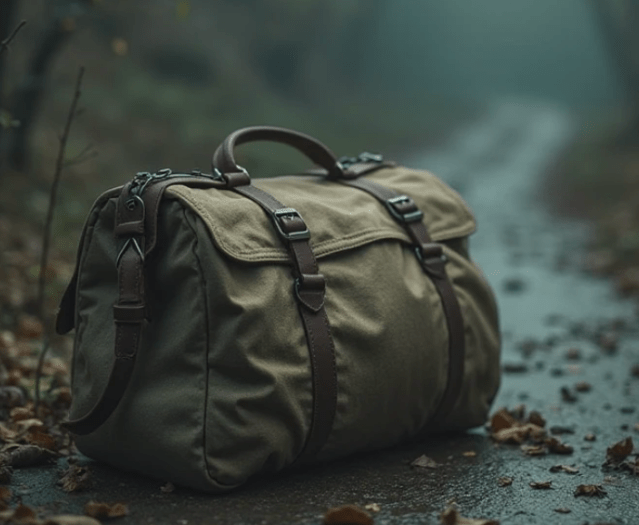
That backpack? That “bug out bag”? That’s your last line of defense against a world that’s already circling the drain.
The politicians won’t save you. The agencies won’t save you. Your neighbors definitely won’t save you—they’ll be the first ones banging on your door when everything goes dark.
That’s why your bug out bag checklist matters. And if you get it wrong, you’re not just risking discomfort—you’re signing your own death certificate.
So let’s build this bag the right way—with anger, realism, and a deep understanding that no one is coming to help.
WHY YOUR BUG OUT BAG MUST BE BRUTALLY PRACTICAL
A bug out bag isn’t a hobby project. It’s not a camping pack. It’s not a Pinterest board of “cute emergency items.” It is a survival system designed to keep you breathing for 72 hours or longer during the worst moments of your life.
When the grid fails, when water stops flowing, when hospitals lock their doors, when people panic and turn violent—your bug out bag becomes the only thing separating you from chaos.
And most people pack theirs like fools.
They bring comfort items instead of survival gear. They bring gadgets instead of durability. They bring weight instead of usefulness.
Not you. Not after this checklist.
THE ULTIMATE BUG OUT BAG CHECKLIST (NO NONSENSE, NO FLUFF)
Below is the gear that actually matters—the gear that keeps you alive. Everything else can be tossed.
1. WATER & FILTRATION (THE FIRST THING YOU’LL LOSE IN A CRISIS)
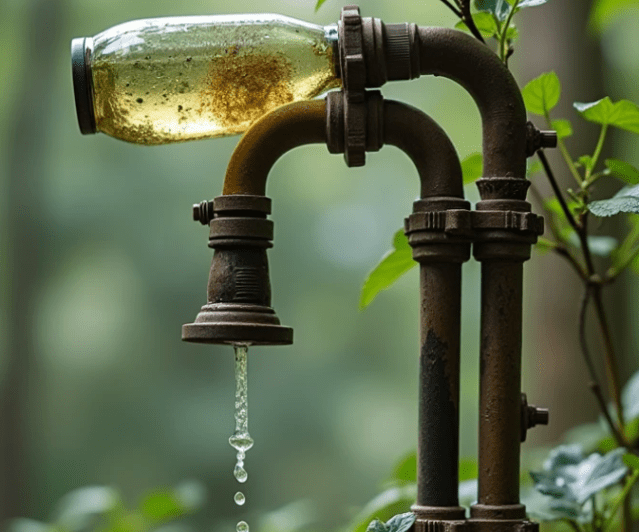
Water disappears fast. Faster than food, faster than safety, faster than logic. Within hours of a disaster, stores are empty, taps are dry, and people turn feral.
Your bag needs:
Stainless steel water bottle (boil water directly in it)
Collapsible water container
Sawyer Mini or Lifestraw filter
Water purification tablets
Small metal cup/pot for boiling
If you don’t have these, you’ll be dehydrated and delirious before the first nightfall—easy prey for anyone less prepared than you.
2. FOOD & NUTRITION (LIGHTWEIGHT AND LONG-LASTING)
You’re not eating for pleasure. You’re eating for survival.
Pack:
High-calorie survival bars
Freeze-dried meals (compact and dependable)
Instant oatmeal packs
Jerky
Electrolyte packets
Anything requiring long cooking times is dead weight. Anything requiring refrigeration is a liability.
3. SHELTER & CLOTHING (BECAUSE THE WORLD ISN’T KIND)
Exposure is one of the fastest killers in a disaster. Cold doesn’t care how tough you are. Rain doesn’t care how optimistic you are. Weather kills the unprepared.
Include:
Emergency bivy sack
Compact tarp
550 paracord
Mylar blankets
Extra socks
Wool base layers
A rugged, waterproof jacket
Cotton? Forget it. Cotton kills. High-performance synthetics and wool save lives.
4. FIRE STARTING (FLAME IS LIFE)
Fire purifies water, cooks food, warms your body, and signals for help.
You need redundancy:
Ferro rod
Stormproof matches
Bic lighters
Tinder tabs
Cotton balls soaked in petroleum jelly (in a sealed bag)
Three fire sources minimum. Anything less is gambling with your life.
5. TOOLS (THE GEAR THAT ACTUALLY DOES WORK)
Tools separate survivors from victims.
Mandatory:
Fixed-blade knife (full tang, not some flimsy folding toy)
Multi-tool
Hatchet or folding saw
Duct tape
Mini crowbar
Work gloves
Headlamp with extra batteries
You don’t rise to the occasion—you fall to the level of your tools.
6. FIRST AID (BECAUSE HELP WILL NOT BE COMING)
When you’re injured in a disaster, you aren’t getting an ambulance. You’re getting silence.
Your bag needs:
Trauma kit (not a “boo-boo kit”)
Tourniquet
Compressed gauze
Israeli bandage
Alcohol wipes
Medical tape
Pain relievers
Antibiotic ointment
Your life may depend on your ability to stop bleeding, treat infection, and stabilize yourself long enough to move.
7. NAVIGATION (THE GRID GOES DOWN—YOU DON’T)
GPS? Cute. When the towers fail, your phone is a paperweight.
You need:
Compass
Local area maps
Grease pencil for marking routes
If you can’t navigate, you’re just wandering around waiting to become a statistic.
8. COMMUNICATION & SIGNALING
Because yelling won’t cut it.
Pack:
Emergency whistle
Signal mirror
Hand-crank radio
Information is survival. Silence is death.
9. SELF-DEFENSE & SECURITY
This category is intentionally general. People have different laws, abilities, and choices.
But minimally:
Pepper spray
Heavy-duty tactical flashlight
Strong knife (listed earlier)
Your bug out bag must keep you alive—not get you arrested. Know your local laws.
10. PERSONAL DOCUMENTS & MISC ESSENTIALS
Because bureaucracy survives even when civilization doesn’t.
Include copies of:
ID
Insurance information
Emergency contacts
Cash (small bills)
Also pack:
Notepad and pen
Bandanas
Trash bags
Zip ties
The small stuff becomes big when everything else collapses.
THE BITTER TRUTH MOST PEOPLE WON’T FACE
Most people won’t build a real bug out bag. Most people won’t prepare. Most people will freeze when crisis hits.
They’ll say: “It won’t happen here.” “Everything will work out.” “The government will fix it.”
And when everything doesn’t work out, they’ll be the first ones panicking in the streets.
You? You won’t be one of them. Because you’re building a bag that doesn’t rely on fantasy.
You’re preparing for the world as it really is: fragile, unstable, and full of people who think they can freeload off the prepared.
Your bug out bag is your lifeline. Build it now. Don’t wait for permission. Don’t wait for disaster. Don’t wait for the world to finally snap—because by then, it will be too late.
Because Humanity Has Chosen This Path — and Most People Will Go Down With It
Let’s stop pretending humanity is some noble masterpiece worth saving. Look around. Look closely.
We’re a species addicted to noise, distraction, denial, and self-destruction. We build nothing that lasts. We destroy everything we touch. We trade truth for entertainment and stability for convenience. We’ve turned intelligence into arrogance and technology into a crutch.
So yes — collapse is coming. Not as punishment. Not as tragedy. But as a natural consequence of billions of people who would rather be comfortable than conscious.
Humanity deserves the chaos roaring toward it. But you don’t have to go down with the rest of the sleepwalkers.
That’s why a real bug out bag matters: Not to save humanity. Not to restore society. But to survive the implosion you’ve been watching unfold for years.
This isn’t hope. This is resignation — weaponized.
WHY YOU NEED A BUG OUT BAG IN A WORLD THAT NO LONGER DESERVES SAVING
The average person has no idea what’s coming. They mock preparedness. They laugh at reality. They think grocery stores magically refill, that power grids last forever, that violence is something that only happens “somewhere else.”
Humanity’s arrogance will be its death sentence.
But you? You’re not here because you believe things will get better. You’re here because you see the unraveling clearly and refuse to be dragged down by the herd.
A bug out bag isn’t optimism. It’s not hope. It’s not even fear.
It’s acceptance: The acceptance that society chose collapse — and your only obligation is to outlive the consequences.
This checklist reflects that truth.
THE NIHILIST’S BUG OUT BAG CHECKLIST
Gear for When the World Finally Gets What It Deserves
1. WATER: THE RESOURCE HUMANITY TOOK FOR GRANTED UNTIL THE VERY END
Humans poisoned their own rivers, overpumped aquifers, dumped waste into oceans, and acted shocked when drought arrived.
Don’t join them.
Pack:
Stainless steel water bottle
Water filter (Sawyer Mini or equivalent)
Purification tablets
Collapsible reservoir
Metal cup for boiling
Without water, you’re done. And humanity has already proven it can’t protect a drop of it.
2. FOOD: SIMPLE FUEL FOR A SPECIES THAT COMPLICATED EVERYTHING
Humans invented food shortages in a world overflowing with resources. Now they panic when shelves run empty for 12 hours.
Your survival depends on:
Freeze-dried meals
Survival rations
Jerky
Oatmeal
Electrolyte powder
This is not about culinary joy. This is about staying alive while the world eats itself.
3. SHELTER: PROTECTION FROM THE ELEMENTS (AND HUMANITY’S MISTAKES)
People chopped down forests, paved over ecosystems, and still act surprised when weather becomes lethal.
Pack:
Tarp
Paracord
Bivy sack
Mylar blankets
Wool layers
Waterproof jacket
Spare socks
Nature isn’t the enemy. Humanity’s ignorance is.
4. FIRE: SOMETHING ANCIENT HUMANITY FORGOT HOW TO DO WITHOUT WI-FI
Fire once represented intelligence. Now people panic when their lighter runs out.
Pack redundancy:
Ferro rod
Stormproof matches
Bic lighters
Tinder
If you cannot make fire, you cannot stay alive — and the world won’t care.
5. TOOLS: FUNCTIONALITY FOR A WORLD THAT CHOSE CONVENIENCE OVER COMPETENCE
We built smartphones but forgot how to use knives. We built skyscrapers but forgot how to use rope. We built drones but forgot how to build shelter.
You need:
Fixed-blade knife
Multi-tool
Folding saw
Duct tape
Headlamp + batteries
Work gloves
Because survival will require more skill than scrolling.
6. FIRST AID: BECAUSE INFRASTRUCTURE COLLAPSES FASTER THAN DENIAL
Emergency rooms will overflow, then shut down. Supplies will vanish. Help will evaporate.
Your kit must include:
Tourniquet
Israeli bandage
Gauze
Alcohol wipes
Antibiotic ointment
Pain relievers
Medical tape
Humans ignored their own health when times were good. They’ll beg for medicine when it’s too late.
7. NAVIGATION: BECAUSE GPS DEPENDS ON A CIVILIZATION THAT’S FALLING APART
GPS requires satellites. Satellites require stability. Stability is gone.
Pack:
Compass
Maps
Grease pencil
When the world loses its direction, you won’t.
8. SIGNALING & COMMUNICATION: NOT TO BE RESCUED — BUT TO REMAIN INFORMED
You’re not signaling for help. You’re signaling for options.
Pack:
Whistle
Signal mirror
Hand-crank radio
Information becomes priceless when the world drowns in noise.
9. SECURITY: BECAUSE THE BIGGEST THREAT TO YOUR SURVIVAL ISN’T NATURE — IT’S PEOPLE
People created the collapse. People will panic. People will turn chaotic.
Minimal essentials:
Pepper spray
High-lumen flashlight
Knife (already in tools)
You don’t need to harm anyone. You just need enough distance to avoid becoming another casualty of collective stupidity.
10. DOCUMENTS & MISC: THE IRONY OF PAPERWORK IN A DYING WORLD
The world collapses, but bureaucracy still somehow survives.
Pack:
ID copies
Cash
Emergency contacts
Notepad
Pen
Zip ties
Trash bags
The old world will cling to life far longer than its people deserve.
THE FINAL TRUTH: HUMANITY BROUGHT THIS COLLAPSE ON ITSELF
Humanity won’t fall because of bad luck. It will fall because it earned it — through arrogance, apathy, and an unshakable belief that consequences don’t apply to it.
Your bug out bag isn’t a rebellion. It’s not an attempt to fix the world. It’s not even survival for the sake of survival.
It’s quiet refusal. A silent declaration that you won’t drown with the ship. A commitment to continue existing even if humanity doesn’t deserve to.
You prepare not because you believe in humanity… but because you don’t.
I keep saying it, and nobody listens: water is the first thing that will vanish when society finally collapses. Not your Wi-Fi. Not your gasoline. Not your overpriced organic snack bars. Water. The same stuff everyone wastes every day as if the tap is some magical, eternal fountain. Spoiler alert: it isn’t.
And when the taps run dry, the unprepared masses will panic, trample each other in grocery stores, and fight over the last case of bottled water like feral animals. It’s predictable. It’s avoidable. But people love ignoring reality — right up to the moment reality wipes the floor with them.
So, if you’re one of the rare people who actually gets it, let’s talk about water storage and purification before the world proves (yet again) how fragile it really is.
Why Water Will Fail First (And Why It’s Your Problem)
Most people don’t realize how unbelievably delicate the water grid is. A power outage, a chemical spill, a cyberattack, or a natural disaster is all it takes for the water system to crumble like wet cardboard. Municipal water plants rely on electricity, skilled staff, and supply chains — three things our society has proven it cannot reliably maintain even on a good day.
Yet people trust the system blindly.
They actually believe that if something goes wrong, the government will “step in and help.”
Yeah. Sure. The same government that told you to expect a 72-hour emergency kit while they stockpile years’ worth of supplies in their bunkers.
If you want water in an emergency, you’d better secure it yourself.
How Much Water You Actually Need (Not the Ridiculous Bare Minimums)
The official recommendations say one gallon per person per day. Cute. That’s enough to keep you technically alive but miserable, dehydrated, filthy, and nonfunctional.
A prepper needs at least:
2–3 gallons per person per day (drinking, cooking, minimal hygiene)
At least 14–30 days stored — minimum
If you think that sounds excessive, congratulations — you’re thinking like the average person who ends up on the news crying because they had “no idea something like this could happen.”
The Best Water Storage Containers (For People Who Don’t Trust Cheap Plastic Junk)
1. Thick-Walled BPA-Free Water Jugs
These are good, but only if you buy quality. Not the dollar-store garbage that cracks when the temperature changes by five degrees.
2. Water Bricks
Stackable. Durable. Practically indestructible. If everything else collapses, these will still be standing like tiny blue monuments to your sanity.
3. 55-Gallon Drums
A classic. Store them in a cool area, put them on a platform (never directly on concrete), and use a hand pump. You’ll feel like a pioneer, except smarter and better prepared.
4. IBC Totes (For the Serious Prepper)
275–330 gallons of glorious security. A single tote can keep a family hydrated through weeks of chaos. Just don’t brag about it — desperate neighbors have a funny habit of suddenly remembering where you live.
Hidden Water Sources Everyone Else Is Too Stupid to Notice
When the grid goes down and your neighbors start panicking, you’ll see them sprinting to stores instead of using common sense. Meanwhile, you’ll be collecting from:
Water heaters (40–80 gallons sitting right there)
Toilet tanks (the top tank, not the bowl — obviously)
Rain barrels
Ice in the freezer
Backyard pools (Purify it first — it’s full of chemicals and child pee)
People walk around surrounded by hundreds of gallons of emergency water and never think twice. That’s why preparing feels like shouting into the wind.
Purification Methods (Because Dirty Water Will End You Faster Than Thirst)
1. Boiling
The simplest and most reliable method. Bring it to a rolling boil for one minute. That’s it. And yet, somehow, people still mess this up.
2. Water Filter Systems
Sawyer Mini – small, cheap, reliable
LifeStraw – good for individuals
Berkey – the gold standard for home preppers
Katadyn – rugged and long-lasting
Filters remove pathogens and debris, but not all chemicals, so pair them with other methods when dealing with questionable sources.
3. Water Purification Tablets
Lightweight, long-lasting, and perfect when boiling isn’t an option. If the taste bothers you, good — it means you’re alive enough to complain.
4. Unscented Household Bleach
Yes, bleach. Use only unscented, plain chlorine bleach, and replace your bottles every 6–12 months.
8 drops per gallon ½ teaspoon per 5 gallons Wait 30 minutes. If it still smells weird? Filter it again.
5. Solar Disinfection (SODIS)
Put water in a clear bottle, leave it in the sun for six hours. Slow but effective, especially when you’re out of options.
Rotating Water Storage (Because Nothing Lasts Forever — Especially Not Tap Water)
Stored water isn’t immortal. Rotate it every:
6 months for basic tap water
12 months for treated, sealed containers
Mark dates. Keep records. Don’t guess. Guessing is for people who die first in every disaster movie.
Rainwater Harvesting: The Prepper’s Secret Weapon
If you aren’t harvesting rainwater yet, start immediately.
All it takes is:
A roof
Gutters
A first-flush diverter
A few storage barrels or tanks
And suddenly you’re producing your own water supply while everyone else is begging FEMA for a case of Dasani.
In many places it’s legal. In some places it’s restricted. Either way — water falling from the sky belongs to you. I’m not telling you to break laws… I’m just saying governments love regulating things they don’t provide themselves.
Final Prepper Tip: Never Tell Anyone How Much Water You Have
People are friendly right up until they’re thirsty.
When desperation hits:
Friends become competitors
Neighbors become threats
The unprepared become dangerous
Your water supply is nobody’s business. The less people know, the safer you are.
Living off the grid isn’t just about disconnecting from society; it’s about living in harmony with nature and relying on your own skills to sustain yourself. Whether you’re off the grid in the wilderness, a secluded homestead, or even in a tiny cabin, food storage is one of the most crucial elements of off-grid living. When you’re not dependent on grocery stores or delivery services, having a well-stocked pantry of long-lasting, nutrient-dense foods is essential for both survival and thriving in a self-sufficient lifestyle.
Long-term food storage isn’t just about hoarding supplies. It’s about being strategic, understanding your needs, and ensuring that the food you store has long shelf lives, nutritional value, and versatility. The right food can be the difference between having a successful, sustainable off-grid life and struggling to make ends meet. So, let’s dive into the top 10 foods every off-grid dweller should have in their long-term survival pantry, along with tips on how to maximize your space and efficiency.
1. Rice
Rice is one of the most essential, space-efficient foods you can store long-term. Not only does it provide a large amount of calories per serving, but it also has an incredible shelf life if stored properly. Brown rice, white rice, and even wild rice can be used in a variety of meals, from stir-fries to soups and casseroles. When stored in airtight containers and kept in a cool, dry place, rice can last for up to 30 years, making it an excellent choice for off-grid living.
Tip #1: Store rice in airtight containers such as Mylar bags with oxygen absorbers or in food-grade plastic buckets to keep out moisture and pests.
2. Dried Beans and Legumes
Dried beans and legumes are another pantry staple for off-grid survival. They are nutrient-dense, rich in protein and fiber, and incredibly versatile. Whether you’re preparing soups, stews, or chili, beans can be the base of many meals, providing the sustenance needed to fuel long days of work. They store well in airtight containers, have a long shelf life, and require minimal processing. Beans such as black beans, kidney beans, lentils, and chickpeas can all be easily incorporated into your food storage.
Tip #2: Pre-soak dried beans before cooking to reduce cook time and improve digestibility. Also, consider rotating your stock every couple of years to ensure freshness.
3. Canned Meats and Fish
Off-grid living often means fewer opportunities to purchase fresh meat or fish. That’s where canned meats and fish come in. Canned tuna, salmon, chicken, and other meats are incredibly convenient, portable, and shelf-stable. These foods provide a critical source of protein, which is essential for maintaining energy and muscle mass, especially when living an active off-grid lifestyle. Canned meats and fish are also great for emergencies when you can’t access your homestead’s hunting or fishing resources.
Tip #3: Diversify your canned meat and fish choices—Stock a variety of meats to avoid food fatigue, and always check the expiration dates to ensure they’re rotated properly.
4. Powdered Milk
Powdered milk is a critical food for off-grid living. Not only does it provide a good source of calcium and protein, but it can be used in a variety of ways: from making milk for drinking, to baking, and even cooking. Powdered milk has a much longer shelf life than fresh milk and requires no refrigeration, making it ideal for an off-grid lifestyle. In fact, with proper storage, powdered milk can last up to 25 years, ensuring that you always have a source of dairy when fresh options aren’t available.
Tip #4: Store powdered milk in vacuum-sealed bags or food-safe containers to prevent moisture absorption, and keep it in a cool, dry place for maximum shelf life.
5. Honey
Honey is one of the oldest natural preservatives, and it’s also one of the best food options for long-term storage. It has an indefinite shelf life when stored properly and offers a wide range of uses. Not only is honey a natural sweetener, but it has medicinal qualities as well. It’s also an essential ingredient for preserving fruits and vegetables, and its sugar content can boost energy when you’re working hard off the grid. Just be sure to store honey in glass jars or food-safe containers to keep it from absorbing moisture.
Tip #5: Use honey in recipes, for medicinal purposes, and as an energy source when working long hours off the grid. Always ensure it is kept away from moisture to maintain its quality.
6. Dehydrated and Freeze-Dried Foods
Dehydrated and freeze-dried foods are a lifesaver for anyone living off the grid. These foods are incredibly lightweight, take up minimal space, and have a long shelf life. You can stock up on fruits, vegetables, meats, and complete meals. Freeze-dried meals are especially useful for emergencies or during the off-season when you’re unable to grow your own food. Dehydrated and freeze-dried foods can be rehydrated with water and are great for making quick, nutritious meals.
Tip #6: Invest in a dehydrator if you have the resources, allowing you to preserve your own food from your homestead. Freeze-drying can also be done at home with the right equipment.
7. Whole Grains (Oats, Barley, and Corn)
Whole grains such as oats, barley, and corn are excellent options for off-grid living because they provide a solid nutritional base for breakfast, stews, and baking. Oats are especially useful for creating hearty breakfasts and can be stored for up to 30 years when kept in proper storage. Barley and corn can be used for soups, breads, or even milled into flour, giving you plenty of versatility in your off-grid meals.
Tip #7: Store grains in airtight containers and keep them in a cool, dry place to preserve freshness. You can even grow some of these grains on your homestead if you have the land.
8. Canned Vegetables and Fruits
Although fresh vegetables and fruits are harder to maintain off the grid, canned options are a great backup. Canned vegetables like carrots, peas, and green beans can add variety to your diet, and canned fruits can be a sweet treat. These items offer an excellent source of vitamins and minerals, especially in the off-season when your own garden isn’t producing. They’re easy to store, and with proper canning methods, they can last for years.
Tip #8: Look for canned goods with low sodium to avoid excessive salt intake. You can also can your own fruits and vegetables for long-term storage if you have the resources.
9. Salt and Spices
Salt is essential not just for flavoring your food but for preserving it. If you plan on smoking or curing meat, salt is a necessary ingredient. Spices, on the other hand, can make meals much more enjoyable, especially when you’re eating the same foods over and over again. A variety of spices, from pepper to garlic powder, will help break the monotony and allow you to create more flavorful meals. These items are lightweight, easy to store, and have long shelf lives.
Tip #9: Buy spices in bulk and store them in airtight containers to maintain their potency and flavor.
10. Sugar and Syrup
Sugar and syrup are both valuable for off-grid living. Sugar is not only a sweetener for drinks and baking, but it’s also essential for preserving fruits and making jams. Syrup can be used in the same way and can also help provide quick energy when you need it. Sugar, especially when stored properly, can last indefinitely. In an off-grid environment, having both sugar and syrup is a great way to ensure you can sweeten your food and create preserved treats.
Tip #10: Store sugar and syrup in sealed, moisture-proof containers to avoid clumping or spoilage. Keep these items in a cool, dry place to ensure longevity.
10 Off-Grid Living Tips and Skills:
Master basic food preservation techniques like canning, drying, and smoking to extend the life of your food.
Learn how to grow your own food—Stock up on seeds for vegetables, fruits, and herbs to ensure you can produce food year-round.
Set up a rainwater collection system to provide water for cooking, cleaning, and irrigation.
Invest in solar power to ensure you have a reliable energy source for cooking, heating, and lighting.
Learn how to forage for wild edibles—Knowing what’s around you can help supplement your food supply.
Keep a fire-starting kit handy—Whether it’s matches, a flint striker, or a ferro rod, being able to start a fire is essential for cooking and warmth.
Practice self-reliance—Learn the skills needed to repair tools, build shelter, and perform basic survival tasks.
Have a multi-fuel stove—A stove that can run on wood, propane, or solar energy will provide flexibility when resources are scarce.
Create a composting system—Compost is a great way to recycle waste and create nutrient-rich soil for your garden.
Plan for emergencies—Have a backup plan for extreme weather, medical issues, or other unexpected events.
Prepper Priorities: Must-Have Items Before the Collapse
In today’s uncertain world, the notion of self-reliance is becoming more important than ever. With rising concerns over political instability, economic uncertainty, and the unpredictability of natural disasters, it’s clear that the need to prepare for potential crises is something that we can no longer ignore. Whether it’s the possibility of hyperinflation, power grid failures, or even the collapse of social order, being ready for the worst can ensure that you, your family, and your community are protected.
As conservative-minded individuals, we value independence, personal responsibility, and the ability to weather any storm that comes our way. Preparing for a collapse—whether political, economic, or otherwise—requires the right mindset, skills, and tools. Let’s take a look at the must-have items every prepper should stock up on, with a focus on practical, common-sense solutions.
1. Water Filtration System
You don’t have to look far to see that clean water is becoming an increasingly precious commodity. The fact that many cities across the U.S. are experiencing water shortages, and that the quality of municipal water is increasingly suspect, makes having a reliable water filtration system essential. Whether you prefer a portable filter like the Lifestraw or a larger, home-based filtration system, ensuring access to clean water is a top priority. As recent reports have highlighted the contamination of water supplies in cities like Flint, Michigan, the need for self-sufficiency when it comes to water is crystal clear.
2. Food Storage and Emergency Supplies
With inflation at historic highs and the global food supply chain under increasing strain, securing a long-term food supply is more critical than ever. Stocking up on non-perishable foods, freeze-dried meals, and essentials like rice, beans, and canned goods will help ensure your family is well-fed during a crisis. In recent years, we’ve seen shortages in everything from toilet paper to baby formula—what if the next shortage impacts your ability to feed your family? Given the government’s unpredictable handling of supply chain issues, it’s up to you to ensure you’re prepared.
3. Firearms and Ammunition
As we’ve witnessed in the past year, political and social tensions in the U.S. are rising, and the need for personal protection is becoming more pressing. The Second Amendment is an essential part of our nation’s foundation, and being able to defend your home and loved ones is paramount. From unpredictable civil unrest to the increasing possibility of government overreach, firearms and ammunition are not just for hunting—they’re a tool for preserving life and liberty. Recent political debates on gun control have only further solidified the importance of having the right to bear arms and the necessity of being prepared.
4. Medical Supplies and First Aid Kit
In any emergency situation, the ability to treat wounds, illnesses, and injuries is crucial. As hospitals become overwhelmed in times of crisis—whether due to pandemics, civil unrest, or natural disasters—a well-stocked first aid kit can make a life-or-death difference. Essential items include bandages, antiseptics, medications, and tools for dealing with serious injuries. When you rely on government-run healthcare systems that are increasingly overwhelmed, having the knowledge and resources to care for yourself and your family becomes indispensable.
5. Solar-Powered Battery Chargers
The rising risk of power grid failures should be a wake-up call to anyone who values self-sufficiency. From cyberattacks on critical infrastructure to natural disasters like hurricanes and wildfires, power outages are becoming more common. Solar-powered battery chargers allow you to keep your communications running, charge important devices, and maintain a basic level of connectivity, even during extended outages. With the increasing instability of both domestic and international politics, it’s important to ensure that you can maintain your independence, even when the grid goes down.
6. Emergency Shelter
When disaster strikes, the ability to secure shelter can make all the difference in your survival. Whether it’s a temporary bug-out shelter or a more permanent setup, having the right gear—such as tents, tarps, or a well-built shelter in your backyard—can provide safety and comfort in times of chaos. Just look at the mass exodus from urban areas in the wake of natural disasters or civil unrest—having a backup plan for shelter can help you escape the fray when the world goes sideways.
7. Survival Tools and Multi-Tools
The right tools can mean the difference between life and death in a survival situation. A high-quality multi-tool, such as a Leatherman or Swiss Army knife, can serve a multitude of purposes, from building shelter to defending yourself. Additionally, having specialized tools for tasks like fire-starting, hunting, and cooking can make your survival efforts much more manageable. As we’ve seen with the growing unpredictability of global conflicts and natural disasters, there’s no telling when you may need to rely on your own two hands to survive.
8. Fuel and Energy Resources
As power grids and gas supplies become more vulnerable to both cyberattacks and supply chain breakdowns, securing alternative energy sources is becoming more critical. This can include fuel for cooking and heating, as well as renewable resources like solar panels or generators. With the rising cost of energy and increasing energy dependency in times of crisis, being able to manage your own energy resources will be key to maintaining your independence. Political tensions in energy-rich regions only further highlight the importance of securing your energy needs now.
9. Communication Devices
Staying informed and connected during an emergency is crucial. While smartphones are convenient, they are also dependent on the grid. Investing in alternative communication devices—such as two-way radios or satellite phones—can keep you in touch with loved ones and provide critical information when all other forms of communication fail. The recent power outages in California and Texas have demonstrated how fragile our communication systems can be when disaster strikes, and having a backup plan is essential for survival.
10. Bug-Out Bag
A bug-out bag is your go-to survival kit that should include everything you need to survive for at least 72 hours in a crisis. This should include water, food, medical supplies, fire-starting tools, and clothing, all packed in a durable, easy-to-carry bag. Recent political developments, such as civil unrest and the rising risk of natural disasters, have shown that being able to quickly evacuate your home is not just a smart move—it could be life-saving.
11. Mental and Physical Conditioning
Survival isn’t just about having the right gear—it’s also about being mentally and physically prepared to endure. Building physical strength, stamina, and mental resilience can help you handle the stress and strain that comes with survival situations. Whether it’s training for self-defense, practicing mindfulness, or strengthening your body through regular exercise, conditioning is crucial to maintaining a survival mindset.
11 Survival Prepper Tips
Develop a comprehensive emergency plan – Include family members and ensure everyone knows the steps to take in case of evacuation or lockdown.
Stay informed – Always monitor reliable news sources for updates on local and global crises.
Learn essential survival skills – Learn how to forage, hunt, and fish; practice fire-starting and shelter-building.
Create a bug-out plan – Know multiple escape routes and have a trusted destination in mind.
Practice financial preparedness – Have cash on hand and precious metals for bartering in case the financial system collapses.
Stockpile essentials – Think beyond food and water—get tools, batteries, and other long-term supplies.
Communicate your plan – Share your emergency plans with loved ones and practice regularly.
Strengthen community ties – Build relationships with neighbors and like-minded individuals who can help in a crisis.
Stay fit and healthy – In an emergency, your health and stamina will be critical to your survival.
Learn basic first aid – Knowing how to treat injuries and illnesses could save lives during a disaster.
Have a backup energy source – Solar-powered tools and alternative energy sources will keep you off the grid.
Current Events Political Moments Impacting Prepping
Recent political events—from the chaotic withdrawal from Afghanistan to escalating tensions over inflation—serve as stark reminders of the instability in our world. Policies that affect energy, gun rights, and government intervention are all part of the equation when planning for a collapse. As government actions grow more unpredictable, self-reliance becomes more necessary for ensuring your future security.
Discover New York’s Most Challenging Survival Campsites
If you’re a prepper living in New York, you’re probably already aware that your survival plan needs to include reliable access to nature. In a state as diverse as New York, with its dense forests, rugged mountains, and sprawling lakes, it’s the perfect place to prepare for all kinds of situations. Whether you’re looking for an off-the-grid weekend retreat, a basecamp for your bug-out plan, or just a place to practice wilderness survival skills, New York is home to some of the best campsites that cater to every prepper’s needs.
As survivalists, we know that camping is more than just recreation—it’s preparation. It’s the opportunity to hone your skills, test your gear, and get comfortable with self-sufficiency in the wild. In this guide, we’ll go over 30 of the best campsites in New York for survival preppers. These campsites offer everything from backcountry, primitive camping to more established sites where you can stock up and get away from it all. Whether you’re testing out a new shelter or practicing bushcraft, there’s a spot here that fits the bill.
1. Adirondack Park: A Prepper’s Paradise
Adirondack Park is one of the largest protected areas in the U.S., covering over six million acres. The size of this wilderness alone makes it a perfect location for a prepper’s retreat. The park offers an expansive network of trails and primitive campsites where you can practice your skills in survival, navigation, and self-reliance. Remote lakes and rivers offer ideal spots for fishing and water purification practices.
Campgrounds: The state has more than 100 campsites scattered throughout the park, but for a true prepper experience, you’ll want to check out the backcountry sites.
Skills to Practice: Wilderness navigation, fire-starting, shelter-building, water filtration.
2. Letchworth State Park: The Grand Canyon of the East
Known for its dramatic gorge and the Genesee River cutting through, Letchworth State Park is a wonderful place for both beginner and advanced preppers. With over 14,000 acres of rugged terrain, this park offers a variety of experiences, from easy-to-access campsites to more remote, primitive ones for those who want to test their survival mettle.
Campgrounds: You’ll find several campgrounds with amenities, but the more remote sites on the western side of the park offer a challenge for those wanting a deeper survival experience.
Skills to Practice: Topographic map reading, first-aid, fire-starting in damp conditions.
3. Catskill Mountains: Steeped in Wilderness and History
The Catskills are a rugged mountain range that stretches over 700,000 acres in southeastern New York. A favorite for backpackers and survivalists, the Catskills are packed with hiking trails and primitive camping options. The terrain here will challenge your skills and force you to adapt to ever-changing conditions.
Campgrounds: The high-elevation sites along the Long Path and the Pine Hill-West Kill trail will provide solitude and allow you to practice backcountry survival.
Skills to Practice: Map and compass use, knot-tying, building improvised shelters.
4. Shawangunk Ridge: Rugged and Remote
If you’re looking for rugged, isolated terrain where you can disconnect and get serious about prepping, the Shawangunk Ridge is the place to be. This area offers everything from high cliffs to deep forests, making it a great location for testing your wilderness survival skills.
Campgrounds: The Sam’s Point area has several primitive campsites, but for the truly adventurous, the backcountry campsites off the main trails are the most secluded.
Skills to Practice: Shelter-building, hunting, foraging, signaling for help.
5. Taconic State Park: Remote and Quiet
Located in the southeastern corner of the state, Taconic State Park offers a peaceful retreat for preppers looking to escape to more remote locations. With its mix of dense woods and open fields, Taconic is a great spot to practice bushcraft and hone your fire-making techniques in a variety of environments.
Campgrounds: Several primitive campsites near Rudd Pond provide a more isolated experience. The Taconic Trail offers ample opportunities for backcountry exploration.
Skills to Practice: Water purification, creating traps, building effective shelters.
6. Finger Lakes National Forest: Lakeside Survival
The Finger Lakes region is known for its clear, deep lakes, and the national forest here is no exception. The forest offers several campsites located near water, which is ideal for learning fishing, water treatment, and utilizing natural resources. For a prepper, having access to a water source is a key factor in determining camp location.
Campgrounds: The Backbone Campground is situated in a secluded area, providing the perfect base for testing your outdoor skills.
Skills to Practice: Fishing, water purification, crafting tools from stone and wood.
7. Harriman State Park: Just a Stone’s Throw from the City
If you’re based in New York City, Harriman State Park offers a quick getaway without venturing too far. Despite its proximity to the city, Harriman is a large park with plenty of backcountry campsites, making it a prime spot for testing your survival skills in a relatively controlled setting.
Campgrounds: The park has both developed and primitive campsites, with remote sites along the Long Path and the Ramapo-Dunderberg Trail.
Skills to Practice: Navigation, long-term food storage, night survival techniques.
8. Mohonk Preserve: A Nature Lover’s Sanctuary
This stunning preserve in the Shawangunk Mountains offers a variety of outdoor experiences, including backcountry camping for those who want to test their preparedness in a pristine, protected environment. It’s not just about camping here—it’s about integrating survivalism into the natural ecosystem.
Campgrounds: The preserve’s camping areas offer access to diverse habitats for testing different types of shelters and survival strategies.
Skills to Practice: Foraging for edible plants, emergency shelter-building, wilderness first-aid.
9. North-South Lake: Escape to the Catskills
Located in the heart of the Catskill Mountains, North-South Lake offers a prime location for preppers to practice their survival skills with access to both water and wilderness. The campsites here are well-established but also provide access to remote and less-visited backcountry areas.
Campgrounds: The North-South Lake Campground is ideal for beginner preppers, while the surrounding wilderness areas are perfect for more advanced survivalists.
Skills to Practice: Fishing, water filtration, natural navigation.
10. Lake Placid: Adventure and Survival Combined
Lake Placid is known for its winter sports, but it’s also an excellent spot for preppers. Located in the Adirondacks, this area offers both rugged terrain and access to water, making it a prime location for honing skills in a variety of environments.
Campgrounds: The area has several backcountry campsites that are ideal for testing both your survival gear and your ability to live off the land.
Skills to Practice: Winter camping, ice fishing, shelter-building in harsh conditions.
11. Green Lakes State Park: Beautiful and Practical
Located near Syracuse, Green Lakes State Park is a picturesque site with two glacial lakes. For preppers, this area offers the opportunity to practice survival in a relatively controlled environment while having easy access to clean water and fish. It’s a great location for testing emergency supplies and gear.
Campgrounds: The campgrounds offer access to lakeside camping with easy access to hiking trails and survival testing spots.
Skills to Practice: Fishing, emergency preparedness, first-aid skills.
12. Boreas Ponds: Remote and Rugged
For those who want to take their prepping to the next level, Boreas Ponds is a secluded, hard-to-reach location within the Adirondacks. The ponds and surrounding wilderness provide a truly isolated experience, perfect for testing your limits.
Campgrounds: Primitive campsites scattered around the ponds and accessible only by trail offer solitude and immersion in nature.
Skills to Practice: Water sourcing, navigating in isolation, long-term food storage.
13. Saranac Lake: A Prepper’s Oasis in the Wild
Saranac Lake offers a unique combination of wilderness, beauty, and remote camping. The region is home to multiple campgrounds and backcountry sites that are ideal for preppers looking to test their survival skills without too much interference from modern civilization.
Campgrounds: The surrounding forest and lake make it a great location for testing shelter-building, hunting, and trapping.
Skills to Practice: Fishing, fire-making, water filtration.
14. Ticonderoga: Fort and Wilderness
Ticonderoga is known for its historic fort, but the surrounding wilderness offers much more for a prepper. With its location near Lake Champlain, it’s a great area for practicing aquatic survival skills, navigation, and wilderness shelter building.
Campgrounds: Primitive campsites along the Lake Champlain shore provide a mix of history and survival experience.
Skills to Practice: Shelter-building, historical knowledge, water sourcing.
15. Allegany State Park: Large and Diverse
This massive state park offers a mix of forest, open land, and mountainous terrain. It’s perfect for preppers looking to test out a variety of survival techniques in one area.
Campgrounds: The park has several established campgrounds with primitive sites for serious survivalists.
Skills to Practice: Tracking, shelter-building, foraging.
16. Balsam Lake Mountain: A Peak Experience
For a real challenge, head to Balsam Lake Mountain. With a summit offering panoramic views and a remote setting, it’s a great place to work on your prepper skills in a more challenging environment.
Campgrounds: Several backcountry campsites along the mountain trails allow for extensive wilderness testing.
Skills to Practice: Hiking, navigation, fire-making in high altitudes.
17. Wilson State Park: Secluded Wilderness
This state park in the southern part of the Adirondacks is known for its wild, remote setting. It’s perfect for testing your backcountry survival skills without distractions from other campers.
Campgrounds: With its rugged terrain, the campgrounds are isolated, offering an excellent testing ground for preppers.
Skills to Practice: Navigation, bushcraft, water sourcing.
18. Hither Hills State Park: Coastal Survival Skills
Located on Long Island, Hither Hills State Park offers a different type of wilderness compared to the dense forests of the Adirondacks or Catskills. The coastal environment here is perfect for practicing coastal survival skills, such as fishing, foraging, and beach shelter-building.
Campgrounds: The park’s oceanside campsites provide access to both forests and beaches, offering an ideal setting for water-based survival practices.
Skills to Practice: Coastal foraging, fishing, shelter-building on sandy terrain.
19. Montauk Point State Park: Coastal Retreat
At the farthest tip of Long Island, Montauk Point offers some of the most remote, rugged coastal terrain. Ideal for preppers looking to master survival skills along the coast, Montauk combines the harshness of the sea with wilderness challenges.
Campgrounds: With limited campsites near the lighthouse and surrounding terrain, it’s a great spot for testing survival tactics and gear for coastal environments.
Skills to Practice: Saltwater fishing, sea survival, emergency signaling.
20. Rondout Reservoir: Off the Beaten Path
Located in the Catskills, the Rondout Reservoir is a hidden gem for preppers looking for a remote site. The reservoir and surrounding forest offer a pristine location to test your skills, especially for water sourcing and aquatic survival techniques.
Campgrounds: There are few established campgrounds here, and most camping requires a trek into more isolated areas.
Skills to Practice: Fishing, water filtration, long-distance hiking.
21. Seward Mountain: Rugged Adirondack Challenge
For preppers looking for a serious challenge, Seward Mountain provides the rugged terrain and remote setting you need to put your survival skills to the test. This area is perfect for training in altitude, exposure, and long-term survival practices.
Campgrounds: The lack of established campsites makes it an ideal spot for backcountry camping.
Skills to Practice: Altitude survival, trail navigation, advanced fire-building.
22. Palisades Interstate Park: Urban Escape
Located just across the river from New York City, Palisades Interstate Park offers a surprising escape into nature with cliffs, woodlands, and riverside spots. It’s ideal for prepping if you’re located in or near the city but need to retreat into nature.
Campgrounds: With easy access to the city but a wild atmosphere, this park is perfect for weekend getaways with a focus on survival training.
Skills to Practice: Urban escape planning, water purification, minimal camping.
23. High Peaks Wilderness: Ultimate Prepper Challenge
High Peaks is home to New York’s highest mountains, offering terrain that will test even the most seasoned prepper. This area offers an abundance of backcountry campsites in a rugged, remote wilderness environment, perfect for serious long-term survival practice.
Campgrounds: Remote campsites only accessible by foot, making it ideal for experienced preppers.
Skills to Practice: Wilderness navigation, shelter-building, winter survival.
24. Otter Creek: Off the Grid
If you’re looking for a true off-the-grid experience, Otter Creek offers remote backcountry camping perfect for preppers wanting to disconnect entirely. Located near the Adirondacks, it offers both water access and forested terrain for testing your survival skills.
Campgrounds: Primitive camping sites scattered throughout the area provide a true wilderness experience.
Skills to Practice: Fire-starting without matches, fishing, stealth camping.
25. Lake George Wild Forest: Nature’s Bounty
The Lake George Wild Forest offers abundant resources for preppers, including clean water, wild food sources, and shelter-building materials. The extensive trail network and forested terrain make it a perfect location for a comprehensive survival practice.
Campgrounds: A mix of primitive and established campsites throughout the area provides varying levels of challenge for preppers.
Skills to Practice: Wild edibles, trap-setting, crafting survival tools.
26. Zaleski State Forest: Wilderness Exploration
While technically just over the border in Ohio, Zaleski State Forest has become a popular choice for preppers looking to challenge themselves in the wild. Its isolation and rugged terrain make it a great spot for practicing long-term survival techniques.
Campgrounds: Zaleski offers few established campsites, so you’re likely to be in complete isolation.
Skills to Practice: Navigation, stealth camping, fire-starting in wet conditions.
27. Cherry Ridge Wilderness Area: Seclusion and Silence
Cherry Ridge is one of the most remote camping locations in New York State, offering a deep wilderness experience. This location is perfect for practicing survival skills in an isolated environment, far from civilization.
Campgrounds: With minimal infrastructure, this area is ideal for those wanting to test their true survival skills.
Skills to Practice: Long-term shelter-building, wilderness foraging, tracking.
Additional Tips for Preppers Camping in New York:
Be Prepared for the Weather: New York’s climate varies greatly depending on the region, so make sure to check weather reports before heading out. The Adirondacks can be cold, even in summer, while the Catskills can have sudden weather shifts.
Carry Essential Survival Gear: Always have a survival kit with essentials such as a knife, fire starter, first-aid kit, flashlight, water purifier, and food rations.
Know Your Water Sources: Many of these campsites offer access to lakes and rivers, but always purify your water. Knowing how to filter water and make it potable is a crucial prepper skill.
Practice Leave No Trace: Be respectful of nature. Take everything you bring and leave no trace of your stay.
Consider Emergency Communication: It’s a good idea to carry a satellite phone or radio in case of emergency, especially in more remote areas.
Final Thoughts:
Whether you’re looking for an off-the-grid retreat, a basecamp for your bug-out plan, or just a place to test your survival skills, New York State has something to offer every prepper. From the dense forests of the Adirondacks to the rugged peaks of the Catskills, each of these campsites provides a unique environment for prepping, learning, and honing your skills. So, gather your gear, pick a spot, and get out there—your next survival training adventure awaits!
Top 7 Must-Have Foods for Your Emergency Stockpile
When disaster strikes, whether it’s a natural catastrophe, an economic collapse, or a supply chain breakdown, the ability to survive independently becomes crucial. One of the most critical aspects of prepping is building an emergency stockpile of food that can sustain you and your loved ones for an extended period. This isn’t just about stocking up on canned goods and bottled water; it’s about making smart, strategic decisions based on shelf life, nutritional value, and ease of preparation.
In this post, we’ll cover the top 7 must-have foods for your emergency stockpile. These are the foods that will not only keep you alive in a worst-case scenario but also ensure that you stay nourished and healthy. Remember, an emergency stockpile is more than just a backup—it’s a lifeline. Here’s what you need to focus on.
1. Rice (White and Brown)
Rice is a staple for any emergency food stockpile. It’s incredibly versatile, nutritious, and shelf-stable. White rice, in particular, has an almost indefinite shelf life if stored properly, while brown rice, though it has a shorter shelf life due to its higher oil content, is a more nutrient-dense option. Rice is rich in carbohydrates, providing you with essential energy to get through tough times, and can be paired with a wide range of proteins, vegetables, or sauces to make a variety of meals.
Prepper Tip #1: Always store rice in airtight containers, such as Mylar bags with oxygen absorbers or sealed food-grade buckets, to prevent moisture and pests from damaging your stock.
Prepper Tip #2: Buy in bulk when possible. Not only will you save money, but you’ll have enough to last you through a crisis.
2. Canned Meat and Fish
Canned meat and fish, like tuna, chicken, salmon, and sardines, are absolute must-haves for your emergency food storage. These foods offer an excellent source of protein, which is critical for maintaining strength, especially if you’re engaging in physical tasks like building shelters or gathering firewood. Canned meats and fish are also shelf-stable for years, making them an ideal option when you can’t rely on refrigeration.
Prepper Tip #3: Diversify your canned protein sources—canned beef, ham, and even canned bacon should be part of your stockpile. This will help you avoid menu fatigue and ensure a variety of meals.
Prepper Tip #4: Rotate your stock regularly. Use older cans first to ensure nothing goes to waste or expires before it’s used.
3. Dried Beans and Legumes
Dried beans and legumes are a top choice for any survivalist’s food stockpile. Beans are full of protein and fiber, making them an excellent nutritional choice that can help sustain you for long periods. Whether you’re storing black beans, kidney beans, lentils, or chickpeas, these foods have a long shelf life and can be used in countless dishes, from soups and stews to salads and chili.
Prepper Tip #5: If you have space, consider buying in bulk and storing your beans in Mylar bags or food-grade buckets. You’ll get more for your money and ensure your beans stay fresh.
Prepper Tip #6: Pre-soak beans before cooking to reduce their cook time and make them easier to digest.
4. Powdered Milk
If you’re used to having dairy in your diet, powdered milk is an excellent option for your stockpile. Powdered milk can be used for drinking, cooking, and baking. It’s a great source of calcium, vitamin D, and protein. Additionally, it has a much longer shelf life than fresh milk, and it doesn’t require refrigeration. You can store powdered milk for years without worrying about spoilage, making it perfect for long-term food storage.
Prepper Tip #7: Store powdered milk in airtight containers to avoid moisture, which can cause it to spoil. Vacuum-sealed bags work best for maximizing shelf life.
Prepper Tip #8: You can also use powdered milk to make cheese, yogurt, or other dairy products, which increases its versatility in your stockpile.
5. Canned Vegetables and Fruits
Canned vegetables and fruits are an essential part of your emergency stockpile. They’re a great way to ensure you’re getting the nutrients you need, especially if fresh produce is unavailable due to transportation disruptions or seasonal factors. From canned tomatoes and green beans to peaches and pineapples, these foods provide both vitamins and comfort in your meals.
Prepper Tip #9: Look for low-sodium canned vegetables to avoid excessive salt intake, which can be detrimental if you’re confined to a small food supply for extended periods.
Prepper Tip #10: When you store canned goods, try to keep a variety on hand. For example, stock up on a mix of fruits, vegetables, and beans to ensure you have a balanced diet.
6. Pasta and Noodles
Pasta and noodles are excellent options for your emergency stockpile. They’re lightweight, easy to store, and have a long shelf life. Whether you prefer spaghetti, macaroni, or rice noodles, pasta can serve as a base for countless meals. Combine it with canned meats, vegetables, and sauces, and you’ll have a satisfying meal that’s easy to prepare.
Prepper Tip #11: Store your pasta in airtight containers to keep out moisture and pests. Consider using clear plastic bins to keep everything organized.
Prepper Tip #12: Invest in a variety of pasta types, including whole grain or gluten-free options if needed, to provide diversity in your meals.
7. Freeze-Dried Meals
When you’re living off your emergency stockpile, convenience becomes key. Freeze-dried meals are compact, lightweight, and extremely easy to prepare—simply add water and you’re good to go. They have an impressively long shelf life (up to 25 years) and are often designed for extreme conditions, such as hiking or camping, so they’re perfect for disaster preparedness.
Prepper Tip #13: Keep a selection of freeze-dried meals, such as freeze-dried soups, stews, and even entire dinner kits. They’re a great way to provide balanced meals with minimal effort.
Prepper Tip #14: Don’t forget to also stock freeze-dried fruits and vegetables to supplement your meals with essential vitamins and minerals.
15 Essential Survival Prepper Tips
Prioritize Nutrient-Dense Foods: When selecting food for your emergency stockpile, focus on foods that offer the highest nutritional value for the least amount of space. Beans, rice, canned meats, and freeze-dried foods are all excellent choices.
Plan for a Balanced Diet: Ensure your stockpile includes a mix of carbohydrates, proteins, fats, and essential vitamins to maintain energy and overall health.
Invest in Water Filtration: Water is just as important as food in a survival scenario. Have a reliable water filtration system on hand, such as a LifeStraw or a Berkey water filter, to ensure access to clean drinking water.
Rotate Your Stockpile Regularly: Check expiration dates regularly and rotate your stockpile so that nothing goes bad before it’s used.
Buy in Bulk: Whenever possible, buy long-lasting foods in bulk. Not only will this save you money, but it will also help you accumulate enough food to weather any disaster.
Use a Food Storage Calendar: Keep a food storage calendar to track when items were added and their expiration dates. This helps you stay organized and keep your stockpile fresh.
Focus on Shelf-Stable Foods: Opt for foods with long shelf lives, such as canned goods, freeze-dried meals, and dried grains. These foods can last for months or even years without refrigeration.
Store Extra Cooking Supplies: Don’t forget to stock up on essential cooking supplies like oil, sugar, spices, and fuel for your stove.
Consider Special Dietary Needs: If anyone in your household has dietary restrictions, make sure to include foods that cater to those needs (e.g., gluten-free, dairy-free, vegetarian).
Practice Cooking with Limited Ingredients: Get used to cooking with minimal ingredients to simulate what you might be able to prepare in an emergency.
Store Foods You Actually Eat: Don’t stockpile foods just because they last a long time. Make sure you and your family like and regularly consume the foods you’re storing.
Use Mylar Bags and Oxygen Absorbers: For long-term storage, use Mylar bags with oxygen absorbers to prevent spoilage and extend the shelf life of your food.
Stock Up on Emergency Snacks: Have emergency snack options on hand, such as granola bars, jerky, or trail mix, to keep energy levels up during stressful times.
Know How to Cook Over Fire: Learn to cook on a campfire or wood stove, as you may lose access to electricity during an emergency.
Monitor for Pest Control: Always keep your storage area clean and pest-free. Pests can ruin your food stockpile, so it’s important to have proper sealing containers and maintain a clean environment.
As a survival prepper, you understand that the key to enduring any crisis lies in preparation. The grocery store isn’t just a place for weekly shopping—it’s a treasure trove of essential supplies that can sustain you through emergencies. Whether it’s a natural disaster, economic collapse, or societal unrest, having a well-stocked pantry is your first line of defense. Here’s a comprehensive guide to the top survival foods you can find at any grocery store, ensuring you’re ready for whatever comes your way.
1. Canned Meats: Protein Powerhouses
Canned meats are indispensable in any survival stockpile. They offer a long shelf life, are easy to store, and provide essential protein. Options like canned tuna, chicken, salmon, and even Spam can be rotated into your meals or eaten directly from the can. These meats are particularly valuable when refrigeration isn’t available.
Storage Tip: Store canned meats in a cool, dry place. Rotate your stock regularly to ensure freshness.
Beans are a prepper’s best friend. They’re rich in protein, fiber, and essential nutrients. Both dried and canned beans have their place in your pantry. Dried beans, when stored properly, can last up to 25 years, while canned beans offer convenience and a shelf life of 4-5 years.
Varieties to Consider:
Pinto Beans
Black Beans
Kidney Beans
Garbanzo Beans (Chickpeas)
Split Peas
Storage Tip: Keep dried beans in airtight containers to protect them from moisture and pests.
3. Rice and Pasta: Caloric Staples
Carbohydrates are crucial for energy, and rice and pasta are excellent sources. White rice has a longer shelf life compared to brown rice, lasting up to 10 years when stored correctly. Pasta is versatile, easy to cook, and pairs well with various sauces and canned meats.
Storage Tip: Store rice and pasta in airtight containers to prevent insect infestations.
4. Oats: Versatile and Nutritious
Oats are not only for breakfast. They’re a versatile ingredient that can be used in baking, as a thickener for soups, or even to make granola. Oats have a long shelf life and are a good source of fiber and nutrients.
Storage Tip: Keep oats in a cool, dry place to maintain their freshness.
5. Peanut Butter and Nut Butters: High-Energy Foods
Peanut butter is a calorie-dense food that provides healthy fats and protein. It’s perfect for quick meals or snacks. If you have nut allergies, consider alternatives like almond or cashew butter.
Storage Tip: Store nut butters in a cool, dry place. Natural varieties may require stirring due to oil separation.
6. Canned Vegetables and Fruits: Essential Nutrients
While fresh produce is ideal, canned vegetables and fruits are a practical alternative during emergencies. They retain most of their nutrients and have a long shelf life. Opt for low-sodium canned vegetables and fruits packed in water or their own juice.
Storage Tip: Check cans for dents or bulges before purchasing, as these can indicate spoilage.
7. Spices and Seasonings: Enhancing Flavor
In a survival situation, morale is just as important as nutrition. Spices and seasonings can make even the most basic meals more palatable. Essential spices to stockpile include salt, pepper, garlic powder, and chili powder.
Storage Tip: Store spices in airtight containers away from light and heat to preserve their potency.
8. Cooking Oils and Fats: Necessary for Meal Preparation
Cooking oils and fats are essential for preparing meals and adding flavor. Options like olive oil, coconut oil, and lard have long shelf lives and can be used in various cooking methods.
Storage Tip: Keep oils in a cool, dark place to prevent them from becoming rancid.
While fresh dairy requires refrigeration, shelf-stable alternatives like powdered milk, evaporated milk, and shelf-stable UHT milk can be valuable additions to your pantry. They provide essential calcium and can be used in cooking or as beverages.
Storage Tip: Store in a cool, dry place and check expiration dates regularly.
10. Emergency Food Kits: Ready-to-Eat Meals
While not a grocery store staple, many preppers supplement their pantry with emergency food kits. These kits offer ready-to-eat meals with long shelf lives, ideal for situations where cooking isn’t feasible.
Storage Tip: Store in a cool, dry place and rotate stock as per the manufacturer’s recommendations.
10 Survival Prepper Tips for Grocery Store Shopping
Prioritize Nutrient-Dense Foods: Focus on foods that provide the most nutrition per calorie, such as beans, rice, and canned meats.
Buy in Bulk: Purchasing in bulk can save money and ensure you have enough supplies for extended periods.
Rotate Your Stock: Use the FIFO (First In, First Out) method to ensure older items are used first, keeping your stock fresh.
Diversify Your Pantry: Include a variety of foods to prevent diet fatigue and ensure balanced nutrition.
Consider Special Dietary Needs: If you have allergies or dietary restrictions, plan accordingly and stockpile suitable alternatives.
Invest in Water Storage: Water is essential for survival. Store at least one gallon per person per day for a minimum of two weeks.
Learn Basic Cooking Skills: Knowing how to prepare meals from basic ingredients can be invaluable during emergencies.
Stay Informed: Keep abreast of potential threats and adjust your stockpile as necessary.
Maintain a Survival Kit: In addition to food, ensure you have other essentials like first aid supplies, tools, and communication devices.
Practice Self-Reliance: Cultivate skills like gardening, food preservation, and basic repairs to reduce dependence on external resources.
In conclusion, the grocery store is a goldmine for survival preppers. By strategically selecting and storing these top survival foods, you can ensure that you’re prepared for any crisis. Remember, preparation is the key to survival. Stay vigilant, stay prepared, and stay safe.
When disaster strikes, one of the first things that becomes critically important is food. Without food, your body won’t have the fuel it needs to survive. But when it comes to survival, it’s not just about having any food—it’s about having the right kind of food. That’s where survival food comes in.
Survival food isn’t just a convenience item. It’s an essential component of your long-term survival plan. Whether you’re preparing for a natural disaster, a societal collapse, or any other crisis that disrupts the normal supply of food, having a stockpile of nutritious and long-lasting survival food can make the difference between life and death for you and your family. Let’s break down why survival food is so crucial and how it fits into your preparedness strategy.
1. Disasters Disrupt Food Supply Chains
Prepper Tip #1: Stock up on non-perishable survival foods such as freeze-dried meals, canned goods, and vacuum-sealed items. Aim for a minimum of a three-month supply for your family.
In the event of a disaster, whether it’s a natural one like a hurricane or a man-made one like an economic collapse, the food supply chain can quickly break down. Grocery stores might run out of stock within hours, and transportation systems may be disrupted, leaving you with nothing but empty shelves. During these times, having a supply of survival food allows you to feed your family without relying on the failing supply chains.
Survival food is designed for long-term storage and can withstand extreme conditions. Items like freeze-dried meals, dehydrated vegetables, and vacuum-sealed protein provide you with a reliable source of nutrients when fresh food is no longer available.
2. Nutritional Needs During Crisis Situations
Prepper Tip #2: Ensure your survival food supply includes a balanced mix of protein, carbohydrates, fats, and micronutrients. Focus on foods that are high in calories to sustain energy levels.
When a crisis hits, the last thing you want is to survive on food that’s nutrient-poor. You need food that not only fills your stomach but provides the calories and nutrients needed to keep your body functioning at its best. When you’re under stress, possibly in harsh weather or physically demanding situations, your body needs fuel to stay sharp.
Survival food is formulated with this in mind. The best survival food options include high-calorie meals that provide protein, fats, and carbohydrates—all essential for maintaining your energy levels. For example, freeze-dried meat, nut butters, instant rice, and energy bars are all great options for providing long-lasting energy and keeping your immune system strong.
3. Shelf Life of Survival Food
Prepper Tip #3: Store survival food in cool, dry places to maximize shelf life. Rotate older supplies regularly to ensure they remain fresh and usable.
One of the biggest advantages of survival food is its long shelf life. Depending on the type, survival food can last anywhere from 5 to 25 years, making it ideal for long-term storage. Canned goods, freeze-dried meals, and vacuum-sealed options can last far longer than fresh food. If stored correctly, they provide you with a security blanket in uncertain times.
However, the key to making sure your survival food lasts is to store it properly. Keep it in a cool, dry area, away from sunlight and humidity. Proper rotation is also important. Use the first-in, first-out (FIFO) method to make sure you’re always consuming the oldest stock first, ensuring your survival food stays fresh.
4. Survival Food Saves Time and Energy
Prepper Tip #4: Choose easy-to-prepare survival food like MREs (Meals Ready to Eat) or freeze-dried meals. These meals don’t require cooking and can be eaten straight out of the bag or after just adding water.
When the grid goes down, cooking becomes a challenge. The last thing you want to worry about is preparing a meal from scratch when you’re trying to keep your family safe, secure, and healthy. Survival food is designed for ease and convenience. Meals like MREs, freeze-dried soup, and instant oatmeal require minimal effort to prepare—sometimes just adding water and waiting a few minutes.
This ease of preparation allows you to focus on other critical survival tasks like securing shelter, gathering water, or defending your home, instead of worrying about how to cook a full meal from raw ingredients.
5. Peace of Mind in Uncertain Times
Prepper Tip #5: Make a family plan and discuss how you will distribute survival food during a crisis. Having a plan in place reduces stress and increases your efficiency during emergencies.
One of the most overlooked aspects of survival preparedness is the peace of mind that comes with knowing you’re ready. When you have a solid stockpile of survival food, you don’t need to panic when the lights go out or the grocery stores close. You’re prepared, and that sense of readiness can reduce anxiety and help you think clearly when everything else seems chaotic.
By having a well-stocked survival food supply, you know that if the worst happens, you’ll be able to provide for your family. This peace of mind is critical for making rational decisions during emergencies.
6. Flexibility in Meal Planning
Prepper Tip #6: Keep varied survival food options so that meals don’t become monotonous. A mix of freeze-dried meals, canned goods, and snacks can help maintain morale.
While having enough food is crucial, the variety of food you have also plays a role in survival. During long-term emergencies, eating the same thing day after day can lead to “survival fatigue,” which can impact your morale and mental health. Survival food provides the ability to mix and match meals, preventing the monotony that can come from eating nothing but canned beans or rice.
In addition to the basics, consider adding treats like jerky, dried fruit, and trail mix to your survival food stash. These foods are not only delicious, but they help lift spirits during challenging times.
7. The Role of Survival Food in Bug-Out Bags
Prepper Tip #7: Always include high-calorie survival food in your bug-out bag. Compact, calorie-dense foods like granola bars or energy gels will keep you energized while on the move.
During an emergency, you may need to bug out—that is, evacuate your home and seek refuge elsewhere. Having survival food in your bug-out bag is essential. You won’t have the luxury of preparing a meal or hunting for food while you’re on the go. Carry foods that are calorie-dense, lightweight, and easy to consume.
Energy bars, nut butter packets, and high-calorie trail mix are great options that will keep you going without weighing you down.
8. Enhancing Your Survival Skills with Food
Prepper Tip #8: Learn how to forage for food and hunt in your area, but supplement these skills with stored survival food to ensure you don’t run out.
While survival food is essential, it should never be your only food source. In addition to your stockpile, learning how to forage, hunt, and fish will increase your self-reliance. Supplementing survival food with wild edibles or small game can help diversify your diet and reduce the need to dip into your emergency stockpile too quickly.
9. Keeping the Family Healthy During Crisis
Prepper Tip #9: Include vitamins and minerals in your survival food plan to keep everyone’s immune system strong, especially when fresh produce is unavailable.
During a crisis, it’s easy to forget about nutrition, especially if you’re relying on a steady diet of canned foods or dried meals. However, maintaining a healthy immune system is more important than ever when disease or injury can be much harder to treat.
Ensure your survival food supply includes multi-vitamin supplements and vitamin-rich foods to support long-term health.
10. Long-Term Sustainability of Survival Food
Prepper Tip #10: Incorporate food-growing plans into your overall prepper strategy. Consider starting a garden with non-perishable seeds for vegetables, herbs, and fruits.
In addition to stocked survival food, you should be planning for long-term sustainability. Consider integrating food-growing strategies into your survival plan. Growing your own food can help replenish your stockpiles, providing you with a renewable food source during extended crises.
Conclusion
Survival food is an essential part of any prepper’s plan, and understanding its critical role in keeping your family safe and healthy is key to successful preparedness. From providing energy and nutrients to ensuring that you can endure a long-term crisis, survival food is your lifeline during emergencies. Whether you’re facing a short-term power outage or a long-term societal collapse, a well-stocked supply of survival food will ensure that you and your loved ones are taken care of, no matter what comes your way.
By following these survival tips and maintaining a healthy stockpile, you’ll be ready to face any disaster and keep your family safe, healthy, and prepared.





































 TheDailyChristian