Surviving South Carolina: Your Guide to Preparing for the Worst Natural Disasters

As a survival prepper living in South Carolina, I’ve learned to take the unpredictable nature of our state’s weather seriously. From hurricanes to flooding to the occasional tornado, it’s a constant reminder that Mother Nature can be both beautiful and deadly. Prepping isn’t just about collecting gear; it’s about understanding the threats and putting strategies in place to protect yourself and your family. For South Carolinians, it’s about being ready for the worst, no matter when it strikes. Here’s what you need to know to survive and thrive during the state’s worst natural disasters.

Hurricanes in South Carolina

One of the biggest threats to residents of South Carolina is hurricanes. These monstrous storms are not only a risk along the coast but also inland, especially when they dump torrential rains and cause massive flooding. As someone who lives in the Lowcountry, I’ve experienced firsthand the devastation these storms can cause. You can’t control the weather, but you can control how you prepare.

CLICK HERE TO LEARN HOW TO SURVIVE A FAMINE

For hurricane season, which runs from June to November, it’s vital to have a comprehensive disaster plan in place. First, make sure you have a well-stocked emergency kit with enough food and water to last at least 72 hours. Don’t forget non-perishable foods, a can opener, and batteries for flashlights. A portable power bank to keep your phone charged is a must—communication is critical during these times.

Another thing you must consider is evacuation. Know your evacuation routes, and if you live in a flood-prone area, have a plan to leave early. Don’t wait for the last minute. Hurricanes move fast, and evacuation orders can come with little notice. I’ve seen roads become impassable due to downed trees, and gas stations can quickly run out of fuel. Keep your vehicle’s gas tank full and have extra gas cans if possible.

Lastly, secure your home. Install storm shutters, reinforce doors, and check your roof for vulnerabilities. I’ve spent a few evenings reinforcing windows and ensuring the gutters are clear of debris—small steps that can make a big difference in protecting your home.

Flooding in South Carolina

Flooding is a significant risk for South Carolina, especially with our low-lying coastal areas and numerous rivers. While hurricanes can certainly contribute to flooding, you don’t need a hurricane for floodwaters to rise. Heavy rainfall, especially after a few days of consistent storms, can overwhelm the landscape. Flash floods are particularly dangerous because they can strike with little warning.

When it comes to prepping for flooding, there’s no such thing as being too prepared. Start by checking if your property is in a flood zone. If you live in a flood-prone area, consider installing sump pumps or French drains to divert water away from your home. Elevating electrical appliances, utilities, and valuables above potential flood levels is essential. I know people who have elevated their HVAC units to avoid water damage, and it’s a strategy I recommend.

In addition to these physical precautions, you need to be able to respond quickly when floods strike. A good rule of thumb is to have a set of waterproof bags to store important documents, such as insurance papers and IDs. Consider a portable, battery-powered radio or a weather radio with an alert system to stay informed about incoming storms and potential flash floods.

Tornadoes in South Carolina

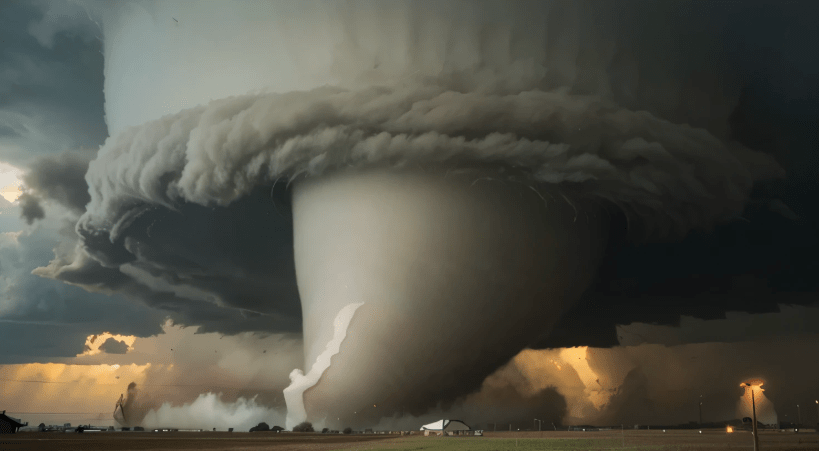
While tornadoes aren’t as common in South Carolina as they are in places like Oklahoma, they’re still a real threat. Our state can experience severe thunderstorms and tornadoes, especially during the spring and fall months. These storms can form quickly and without warning, so it’s important to have a plan in place.

If you live in an area susceptible to tornadoes, make sure you know the safest areas in your home. Basements or interior rooms on the lowest floor, away from windows, are the best places to shelter. Have a “go-bag” ready with essentials like a flashlight, extra batteries, a first-aid kit, and a whistle in case you’re trapped and need to signal for help.

Be sure to invest in a reliable weather alert system or download an app on your phone that can warn you of impending storms. I also recommend having a sturdy helmet or padded headgear on hand to protect your head in case of flying debris.

Severe Thunderstorms

South Carolina is no stranger to severe thunderstorms. These storms often bring high winds, heavy rainfall, and hail. They can knock down trees, cause power outages, and create dangerous driving conditions. If you’re caught outside, the most dangerous hazard is the risk of falling branches or flying debris. The best way to prepare for these storms is to know when they’re coming and stay indoors during the worst of it.

Before a storm hits, trim trees and remove any loose items from your yard. High winds can turn anything into a projectile. Make sure your home is protected by reinforcing your roof and windows and securing loose shutters or screens. If a power outage occurs, keep flashlights, lanterns, and batteries in a designated, easily accessible place. Keep a portable power bank charged to maintain phone communication and access to emergency alerts.

Wildfires

Though not as common as in some Western states, wildfires have started to pose a growing risk to areas of South Carolina, especially in forested or rural regions. Drought conditions, combined with high winds, can turn even a small spark into a raging wildfire. If you live near wooded areas, you’ll want to take steps to prevent fires from reaching your home.

Creating defensible space around your home is a crucial strategy. Clear brush, leaves, and debris from your property, and keep firewood and other flammable materials away from the home. Installing fire-resistant materials on your roof and siding can also help protect against the spread of fire. Always stay aware of burn bans in your area, and be cautious when using grills or outdoor fires during dry spells.

10 Survival Prepper Tips for South Carolina Natural Disasters

  1. Create a Family Emergency Plan: Know where to meet, how to contact each other, and what routes to take during evacuation.
  2. Stock Up on Water: Have at least one gallon per person per day for at least three days in case of a disaster.
  3. Keep a “Go-Bag” Ready: A well-stocked emergency kit is crucial. Include medical supplies, non-perishable food, and a flashlight.
  4. Maintain a Weather Radio: Stay up-to-date with the latest forecasts and warnings, even when the power goes out.
  5. Fortify Your Home: Install storm shutters, reinforce doors, and ensure your roof and windows are secure.
  6. Plan for Pets: Make sure you have food, water, and other supplies for your pets in case of evacuation.
  7. Have Cash On Hand: In case of power outages or bank closures, cash can be essential for purchasing necessities.
  8. Be Prepared for Power Outages: Keep extra batteries, a generator, and an alternative light source for extended outages.
  9. Stay Informed: Download apps or sign up for weather alerts to stay on top of emergency situations.
  10. Learn First Aid and CPR: Knowing basic life-saving skills can be invaluable during emergencies.

By keeping these survival tips in mind and preparing yourself for South Carolina’s unique threats, you’ll be ready for whatever nature throws your way. Stay safe, stay smart, and always be prepared!

How We Survive Maine’s Toughest Natural Disasters

Living in Maine, you learn quickly that it’s not just the harsh winters that demand your respect—it’s the full range of natural disasters that can strike this rugged, wild state. As a prepper, I’ve spent years developing a strategy for dealing with everything from ice storms to wildfires. Whether you live near the coast, out in the woods, or in one of the towns tucked into the heart of the state, there are always steps you can take to ensure you’re ready for the worst. Let’s break down how Mainers prepare for natural disasters, and I’ll give you a few tips that could save your life when disaster strikes.

CLICK HERE TO LEARN HOW TO SURVIVE A FAMINE

The Natural Disasters of Maine

Maine is known for its beautiful forests, snowy winters, and coastal towns. But this beauty comes with its share of dangerous forces of nature. Here’s a rundown of the most common disasters you should be preparing for if you live here:

  1. Winter Storms & Ice Storms: Maine’s winters can be brutal. Snowstorms can bury you in feet of snow, and ice storms can knock out power for days on end. These weather conditions can make travel dangerous and leave people stranded for extended periods.
  2. Flooding: Although Maine isn’t known for massive floods like those in other parts of the country, heavy rains in the spring or intense summer storms can cause flash floods, especially in coastal or low-lying areas. And don’t forget about rising sea levels in the future—they’ll likely increase the frequency of coastal flooding.
  3. Wildfires: While Maine’s forests are beautiful, they can also be a fire hazard, particularly during dry spells. A wildfire may not be as common here as it is in the West, but they do happen, especially in more rural areas where firefighting resources are spread thin.
  4. Coastal Storms & Hurricanes: Maine’s coastline is no stranger to hurricanes and nor’easters. These storms bring high winds, heavy rain, and coastal flooding, and they can knock out power and damage buildings. As our climate shifts, these storms may become more frequent and intense.
  5. Earthquakes: While we aren’t dealing with the kind of seismic activity found out West, Maine does experience occasional small earthquakes. Though rare, these tremors are a reminder that no area is completely immune to nature’s unpredictability.

How We Prepare for Maine’s Worst Natural Disasters

Living in Maine, preparing for natural disasters isn’t a luxury—it’s a necessity. With the state’s unpredictable weather, it’s essential to plan ahead, build strong shelters, and develop emergency strategies for your family. Here’s how I’ve prepared for the worst:

  1. Stockpile Essential Supplies: First and foremost, every prepper in Maine should have a well-stocked emergency kit. When winter storms hit and power goes out for days, or when a wildfire forces you to evacuate, you’ll want to have non-perishable food, water, a first-aid kit, and other essentials like flashlights, batteries, and warm clothing. I’ve made sure to stock up for at least two weeks—food that doesn’t need refrigeration is key, like freeze-dried meals, canned goods, and dried fruits and nuts. For water, a simple filtration system or purification tablets are worth their weight in gold.
  2. Cold-Weather Gear: If you live here in Maine, you know the cold is real. When preparing for winter storms or ice storms, a solid set of cold-weather gear is essential. Waterproof boots, insulated gloves, thick wool socks, and a few warm coats that can withstand the coldest temperatures are must-haves. I also suggest getting a quality sleeping bag that’s rated for subzero temperatures—because when you lose heat in a storm, you’ll need something to help you survive through the night.
  3. Firewood and Fuel: One of the biggest dangers during a Maine winter is losing power for extended periods. That’s why I have a fireplace stocked with firewood, as well as a backup generator that can run on gas or propane. For the generator, make sure you have enough fuel to last a few days in case you can’t get to a store. You’ll also need extra propane for cooking and heating.
  4. Weatherproofing Your Home: Mainers need homes that can handle the worst nature throws at them. If you’re building or renovating, make sure your home is well-insulated and can withstand strong winds and heavy snow. If you’re in a coastal area, invest in storm windows, durable roofing, and an extra layer of protection against flooding.
  5. Emergency Communication Plan: When disaster strikes, traditional communication lines can go down. That’s why I’ve invested in a reliable satellite phone and walkie-talkies. The goal is to stay connected with family members even if cell towers go down. Keep in mind, battery life is critical—invest in solar chargers to keep devices running if the power’s out for an extended period.
  6. Evacuation Routes & Shelters: Know your evacuation routes, and always have a few backup options. Maine’s backroads can get tricky in a storm, so make sure you’ve scouted out the safest routes ahead of time. Have a shelter plan, whether it’s a family member’s house or a designated local shelter. I also suggest having a “bug-out bag” ready to go with essentials in case you need to leave in a hurry.
  7. Stay Informed: The key to surviving any disaster is staying informed. Keep an eye on weather alerts, flood warnings, and wildfire advisories. Sign up for emergency alerts on your phone and make sure your radio is equipped to receive emergency broadcasts, especially if the power goes out.
  8. Maintain Your Vehicle: Having a reliable vehicle is crucial when natural disasters strike. Make sure your car is always in good shape, and keep a kit in your vehicle with jumper cables, blankets, food, and water. A full tank of gas is essential, especially in winter when gas stations might be down for a while.
  9. Practice Your Plan: It’s all well and good to have a plan, but it’s important to practice it. Run through evacuation drills with your family and test your emergency gear regularly. In a real emergency, you don’t want to be fumbling around trying to figure out how your generator works or where you stored the emergency blankets.
  10. Keep an Eye on Climate Trends: Maine’s weather patterns are changing. Warmer summers and more intense storms are becoming the new normal. Stay on top of climate-related news and adjust your preparations as needed. Wildfires, coastal flooding, and other threats might increase in the coming years, so being proactive is the best defense.

10 Survival Prepper Tips for Maine’s Natural Disasters

  1. Keep an eye on weather forecasts—especially during winter and hurricane seasons.
  2. Invest in a wood-burning stove for heating during power outages.
  3. Stock up on alternative lighting sources like lanterns and candles.
  4. Prepare a backup heat source like a kerosene heater or propane space heater.
  5. Know how to turn off utilities like gas and electricity in case of an emergency.
  6. Carry a portable water filter for emergency hydration.
  7. Have a “bug-out bag” ready for quick evacuations with food, water, and medical supplies.
  8. Monitor local fire danger levels in the summer to avoid wildfires.
  9. Check your insurance coverage to make sure your home is protected against flooding and storm damage.
  10. Get a weather radio to listen for storm warnings even when the power’s out.

When you’re living in Maine, it’s all about being prepared. From harsh winters to unpredictable coastal storms, the more you can do now to get ready for the worst, the better you’ll be able to handle whatever comes your way. Stay safe, stay prepared, and stay ready to weather any storm—literally.

Missouri Preppers Prepare for the Worst: Are You Ready?

How Missouri Residents Prepare for the State’s Worst Natural Disasters

Living in Missouri means being ready for anything. Between the Midwest’s unpredictable weather patterns, its geographical location, and seasonal shifts, we often find ourselves facing various natural disasters that demand attention. As a prepper living in the Show-Me State, I’ve learned firsthand that the key to survival is preparation. Missourians have a unique set of challenges to contend with, and we need to be strategic in how we prepare for them. Whether it’s flooding, severe storms, tornadoes, or even earthquakes, knowing how to stay ahead of these disasters can make all the difference between life and death.

Understanding Missouri’s Natural Disasters

Before diving into how to prepare, it’s important to understand the risks Missourians face. Our state is geographically located in the heart of Tornado Alley, making us prone to frequent and violent tornadoes, especially in spring and early summer. Beyond that, Missouri is prone to extreme flooding, often caused by intense rainfall or the overflow of major rivers like the Missouri and Mississippi.

Severe storms are another threat, bringing with them high winds, hail, and even the occasional derecho (a widespread, long-lived wind storm). Additionally, Missouri sits on the New Madrid Seismic Zone, which means we are also at risk for earthquakes, even though they aren’t as frequent as the other disasters. With all of this in mind, having a robust preparedness plan is essential for surviving Missouri’s natural disasters.

CLICK HERE TO LEARN HOW TO SURVIVE A FAMINE

The Prepper’s Guide to Surviving Missouri’s Natural Disasters

  1. Tornadoes
    Tornadoes are a significant threat here in Missouri. When the weather starts to get rough in the spring, the conditions are right for twisters to form. The key is to have a plan in place before the sirens go off. Prepper Tip #1: Have a basement or storm shelter ready. If you don’t have one, create an interior safe room in the lowest level of your home, away from windows. Stock it with essentials like food, water, a first-aid kit, and communication devices.
  2. Flooding
    Missouri is prone to flooding, especially in areas near rivers and low-lying regions. Flooding can come quickly, often within hours, and it’s important to stay informed. Prepper Tip #2: Invest in waterproof storage containers to protect important documents and valuables. Also, consider elevating electrical outlets and appliances if you live in a flood-prone area.
  3. Severe Thunderstorms and Hail
    Severe thunderstorms with hail can cause damage to your home, vehicles, and crops. It’s vital to stay prepared, as these storms can crop up without warning. Prepper Tip #3: Always have a weather radio that broadcasts real-time alerts. This will help you stay ahead of the storm and take action to protect your family and property.
  4. Earthquakes
    While earthquakes aren’t common, Missouri residents in the New Madrid Seismic Zone need to be prepared for a potential quake. Earthquakes can cause major structural damage and disrupt utilities. Prepper Tip #4: Secure heavy furniture and appliances to walls to prevent them from falling during a quake. Make sure to also have emergency supplies and a plan for what to do if an earthquake strikes.
  5. Winter Storms
    Missouri is no stranger to heavy snow and freezing temperatures. These winter storms can cause power outages, isolate communities, and leave roads impassable. Prepper Tip #5: Have a winter survival kit stocked with blankets, non-perishable foods, extra batteries, and a manual can opener. Keep your car winter-ready with antifreeze, windshield washer fluid, and an emergency kit.
  6. Wildfires
    While wildfires are less frequent than other disasters, they can still pose a threat, particularly during dry spells and in rural areas. Prepper Tip #6: Maintain defensible space around your property. Trim trees and bushes, and keep brush away from your home to reduce the chance of wildfire spreading to your area.
  7. Power Outages
    Missouri’s weather can knock out power lines during storms, leaving you without power for extended periods. Preparing for this means more than just having candles and flashlights. Prepper Tip #7: Consider investing in a portable generator and fuel. Also, stock up on essential items like water, non-perishable foods, and medical supplies.
  8. Heat Waves
    Missouri summers can bring scorching heat waves. If you’re not prepared, these can be life-threatening, particularly for the elderly and vulnerable. Prepper Tip #8: Stay hydrated, have a cooling plan in place, and ensure you have an air conditioning system that works. Stock up on fans, cool towels, and sunscreen to manage the heat.
  9. Disease Outbreaks
    While not strictly a natural disaster, disease outbreaks can spread rapidly during or after a disaster. Missouri residents need to be prepared for the unexpected. Prepper Tip #9: Have a well-stocked first aid kit, as well as extra hygiene supplies like soap, sanitizers, and masks. Ensure your family’s vaccinations are up-to-date to prevent disease outbreaks from getting worse.
  10. Evacuations and Sheltering
    Disasters like flooding, tornadoes, or hazardous materials spills may require evacuation. Knowing the routes and where to go can save precious time.

Prepper Tip #10: Plan and practice an evacuation route with your family. Keep a “go-bag” with essentials like water, food, medicine, and important documents ready to grab in case of an emergency.

Preparing for Natural Disasters in Missouri: A Final Word

Missouri’s unpredictable weather and geological risks demand that we be proactive when it comes to preparing for natural disasters. From tornadoes to earthquakes, floods to winter storms, survival preparation is crucial. By following these survival tips, you can ensure that you and your loved ones stay safe during whatever disaster may come your way.

WATCH THIS MIND NUMBING SURVIVAL PREPPER DOCUMENTARY – IT’S ACTUALLY FREE

Now, it’s not enough to simply have plans and supplies. It’s about being adaptable and staying ahead of the curve. Keep an eye on weather forecasts, pay attention to emergency warnings, and make sure your entire family is on the same page when it comes to disaster preparedness.

Here’s a final piece of advice: always be ready to adapt and change as needed. Disasters are unpredictable, but by staying prepared and vigilant, you can ensure that you’re never caught off guard.

Off-Grid and Thriving: The Rise of Homesteading in Missouri

Is Homesteading Popular in Missouri? You Bet It Is—Here’s Why

As a seasoned survival prepper, I keep a close eye on the trends that actually matter—like where people are moving when they get serious about self-reliance. And let me tell you, Missouri is gaining ground fast in the homesteading world. It’s not just popular—it’s practically a magnet for folks who are ready to take control of their own food, water, and security.

Let’s break it down.

1. Missouri Has the Land for It
You want fertile soil? Check. Rolling hills, fresh water sources, and affordable acreage? Double check. Compared to states like Colorado or even Tennessee, you can still buy land in Missouri without selling your soul to the bank. Whether you’re planting heirloom crops, raising chickens, or going full permaculture, the Ozarks and surrounding regions offer space and variety most homesteaders only dream of.

2. Friendly Laws for Freedom-Lovers
Missouri is one of the most liberty-minded states in the U.S. Want to collect rainwater? Go ahead. Thinking about going off-grid entirely? No problem. You’ll find fewer regulatory headaches here than in many coastal states. Plus, the state’s stand-your-ground laws and low property taxes make it especially appealing for those of us who take self-defense and financial resilience seriously.

3. A Tight-Knit Prepper and Homesteader Community
This isn’t some isolated endeavor. There are entire communities here focused on barter, food independence, solar power, and herbal medicine. You’re not alone, and that matters when the power grid goes down or supply chains start to wobble. Missouri hosts multiple homesteading and survival expos every year, and networking with like-minded folks has never been easier.

4. Climate That Works with You, Not Against You
Sure, winters can be brisk, and summers get humid—but compared to the droughts out west or hurricanes down south, Missouri’s climate is relatively stable. A long growing season and good rainfall support a wide range of crops, livestock, and even alternative energy setups like hydro and solar.

5. Strategic Location
You’re not too far from major supply routes, but far enough to disappear if needed. Missouri sits dead-center in the country, which makes it a strategic spot for bug-out planning. Whether you’re concerned about civil unrest, economic collapse, or just want to live off the land in peace, this state offers the kind of terrain and resources that make it possible.

Final Thoughts


So, is homesteading popular in Missouri? Absolutely—and for good reason. If you’re prepping for whatever comes next—be it economic instability, grid failure, or just the desire to live free—Missouri should be on your radar. I made the move myself, and I haven’t looked back.

Stay sharp, stay ready, and remember: the best time to prepare was yesterday. The second-best time? Right now.