Weathering the Worst: How to Prep for Tennessee’s Top Natural Disasters

Living in Tennessee, we’re no strangers to the unpredictable nature of weather and natural disasters. Our beautiful state, nestled between the Appalachian Mountains and the Mississippi River, boasts lush landscapes and diverse ecosystems, but it’s also prone to a variety of extreme weather conditions. As a survival prepper in Tennessee, I know firsthand that it’s not just the beauty of the state that makes it special, but the need to be prepared for any disaster that could come our way. Whether it’s tornadoes, floods, winter storms, or even the occasional earthquake, preparation is key to ensuring the safety of you and your family.

Tornadoes: A Tennessee Staple

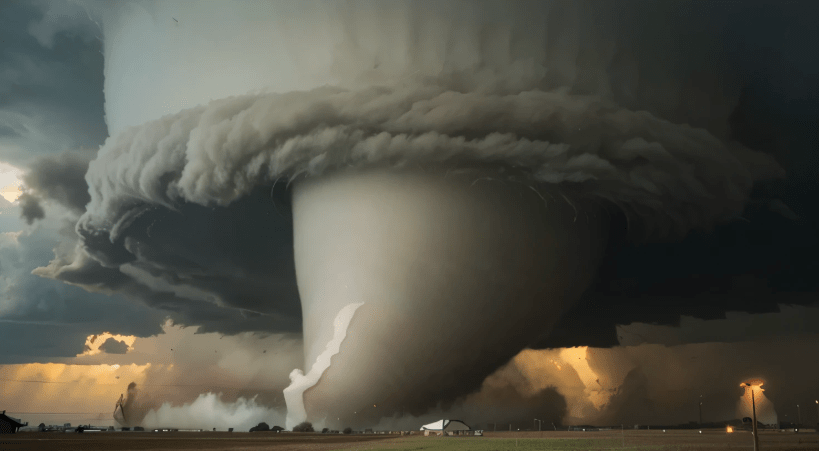
Tennessee lies in “Tornado Alley,” where tornadoes can strike with little warning, especially during the spring and fall. We’ve all seen the devastation they cause, tearing through entire communities in a matter of minutes. As someone who’s lived through several tornadoes, I can tell you that preparation is essential. You can’t always predict when or where a tornado will strike, but you can certainly increase your chances of surviving one by knowing what to do.

Survival Tip #1: Always have a tornado shelter or a basement to retreat to. If you don’t have a basement, consider investing in a reinforced storm shelter. Make sure it’s stocked with food, water, flashlights, and a first-aid kit. Don’t forget a battery-powered weather radio to keep up with alerts.

Flooding: Rising Waters in Tennessee

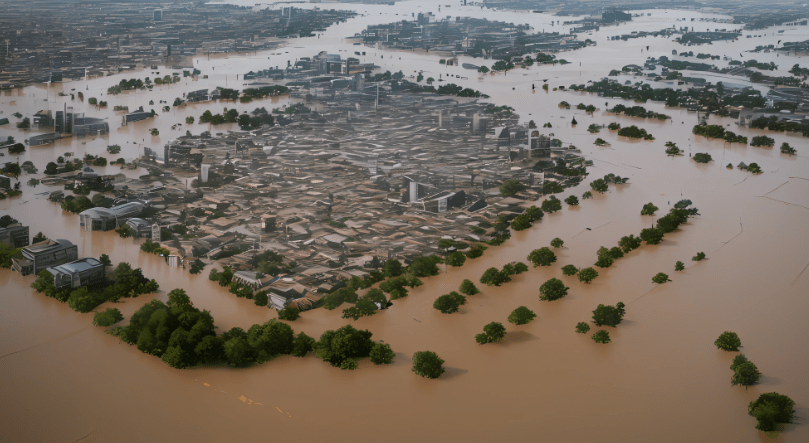
Flooding is another common natural disaster that Tennesseans face, particularly in the spring when heavy rains cause rivers and creeks to overflow. Parts of Tennessee, especially the lower-lying areas, are especially susceptible to flooding. The memories of the 2010 Nashville flood are still fresh in our minds, as the rising water destroyed homes and took lives. This is a reminder that even if you live in an area that doesn’t typically flood, it’s vital to be prepared.

Survival Tip #2: Keep your home’s foundation and exterior properly sealed to prevent water from seeping inside. You should also have sandbags on hand and a pump to remove water if needed. Elevate important belongings, and make sure to know the flood zones in your area so you can evacuate quickly if necessary.

Winter Storms: Ice and Snow in the Volunteer State

While winter storms might not be as frequent in Tennessee as they are in other parts of the country, they still pack a punch when they do occur. Ice storms, in particular, are common, and these storms can cause widespread power outages, hazardous road conditions, and even damage to trees and power lines. Winter preparedness is critical because even though Tennessee winters aren’t as harsh as those up north, they can still cause chaos.

Survival Tip #3: Stock up on firewood, propane, or alternative heating sources for when the power goes out. Keep blankets, warm clothing, and sleeping bags in your emergency kit, and don’t forget extra batteries for flashlights. Prepare your vehicle by ensuring it’s winter-ready with antifreeze, chains, and a full tank of gas.

Earthquakes: The New Threat to Tennessee

CLICK HERE TO LEARN HOW TO SURVIVE A FAMINE

While Tennessee isn’t traditionally known for its earthquakes, we’re not immune to seismic activity. The New Madrid Seismic Zone, just north of the state, has the potential to cause massive earthquakes that could be felt across much of the state. The last significant earthquake in this region was over 200 years ago, but it’s crucial to remember that an earthquake could strike at any time, with little to no warning.

Survival Tip #4: Strengthen your home’s structure by retrofitting it for earthquake preparedness. Secure heavy furniture and objects to walls, and have an emergency kit ready to go with food, water, and other essentials.

Severe Heat: A Growing Concern

Tennessee summers can be brutal. The combination of heat and humidity often pushes the temperatures well above 90°F, and we also face the risk of heat-related illnesses, especially for the elderly and vulnerable. As climate change continues to affect weather patterns, heat waves could become more frequent and intense.

Survival Tip #5: Have a cooling strategy in place. Keep a good stockpile of water, portable fans, and a backup generator to keep air conditioning running during power outages. Stay aware of the heat index, and be ready to take action if conditions become dangerous.

Survival Prepper Tips for Natural Disasters in Tennessee

Being a prepper in Tennessee means knowing what types of disasters are most likely and being ready to face them. Here are 10 more survival prepper tips that will help you stay safe and self-sufficient:

Survival Tip #6: Always have a comprehensive first-aid kit that includes items like bandages, antiseptic, prescription medications, and any other specialized items you might need.

Survival Tip #7: Develop a family emergency plan and practice it regularly. Know the safest routes for evacuation, meeting points in case of separation, and how to stay in communication when cell service is down.

Survival Tip #8: Learn how to purify water from natural sources such as streams or rainwater. Keeping a reliable filtration system in your emergency kit is key.

Survival Tip #9: Have a bug-out bag for each family member with clothing, food, and water for at least 72 hours. This bag should be easy to grab and go if you need to evacuate quickly.

Survival Tip #10: Stay informed by subscribing to local weather alerts and installing weather apps on your phone. Knowledge is power, and knowing what’s coming can give you the upper hand in any disaster situation.

Survival Tip #11: Stock up on non-perishable foods that are high in nutrition, such as canned goods, rice, pasta, and freeze-dried meals. These foods will help sustain you during long-term emergencies.

Survival Tip #12: Consider investing in solar-powered chargers and alternative power sources for your home. Solar panels, generators, and battery backups can be lifesavers during power outages.

Survival Tip #13: Create a home defense plan to protect your property from looters in the event of a widespread disaster. This could involve reinforcing doors and windows or having tools for self-defense.

Survival Tip #14: Build a network with other preppers in your area. During a disaster, having a community to rely on can make all the difference in terms of resources and safety.

Survival Tip #15: Don’t forget about pets. Make sure to have food, water, and medicine stocked up for your animals. They depend on you to keep them safe during a disaster.

Staying Safe in Tennessee: The Prepper’s Mindset

Being a prepper in Tennessee means always being ready for what Mother Nature can throw at us. From tornadoes and floods to winter storms and earthquakes, Tennessee offers its own unique set of challenges. But with the right mindset, tools, and preparation, you can ensure that you and your loved ones are well-equipped to handle whatever comes your way. Whether you’re dealing with a flash flood or an ice storm, the key to survival is always staying calm, informed, and prepared.
As a prepper, it’s not just about having the gear—it’s about being mentally and emotionally prepared to handle disaster when it strikes. Tennessee residents who take the time to prepare today will be able to weather the storms of tomorrow. So, gather your supplies, plan your escape routes, and stay vigilant. Because in Tennessee, the next disaster could be just around the corner.


How Virginians Stay Ready for Mother Nature’s Fury

How We Virginians Prepare for the State’s Worst Natural Disasters

Living in Virginia, it’s not a matter of if a natural disaster will strike, but when. The state is vulnerable to a wide range of catastrophic events, from hurricanes and tornadoes to blizzards and flooding. As a prepper, it’s my duty to always be ready for the unexpected, and let me tell you, the unpredictable weather in Virginia can keep you on your toes.

Having lived here for years, I know firsthand the kinds of disasters that can strike at any moment. But with the right mindset and proper preparation, you can survive just about anything. Whether you’re on the coastal plains or nestled in the Appalachian foothills, being ready for the worst can mean the difference between life and death.

Virginia’s Natural Disaster Threats

CLICK HERE TO LEARN HOW TO SURVIVE A FAMINE

Here in Virginia, we face a variety of natural disasters. While the types of events may vary by region, it’s crucial to understand the risks specific to your area. I’ve seen firsthand how much chaos can result from a single storm, but I’ve also learned how to mitigate that chaos. Here’s a rundown of the most common threats Virginians face:

  1. Hurricanes and Tropical Storms
    The coastal regions, especially near Hampton Roads, are most at risk for hurricanes. These storms can pack a punch, flooding homes, downing power lines, and causing massive wind damage. The remnants of hurricanes can even affect inland areas, bringing heavy rainfall, flash flooding, and tornadoes.
  2. Flooding
    Whether it’s from heavy rainfall, overflowing rivers, or coastal storm surges, flooding is a major risk across Virginia. We’ve had many years where cities like Richmond and Charlottesville see water levels rise to dangerous heights. Flash floods, in particular, can occur without warning, especially after heavy rains.
  3. Tornadoes
    While not as frequent as in the Midwest, Virginia does experience tornadoes, particularly in the spring and summer months. These violent storms can destroy homes and leave a trail of devastation in their wake. In 2011, a significant tornado outbreak affected parts of Virginia, so it’s something we can’t ignore.
  4. Winter Storms and Blizzards
    If you live in the mountainous regions, particularly along the Blue Ridge or Appalachian Mountains, you’re no stranger to snow. While Virginia’s winters aren’t as harsh as those farther north, winter storms and blizzards can still bring about power outages and travel disruptions.
  5. Earthquakes
    While Virginia isn’t known for frequent earthquakes, the state does experience them from time to time. The most notable event was the 2011 earthquake near Mineral, VA, which was felt all the way to Washington, D.C. and beyond. It’s a reminder that earthquakes can happen even in places you wouldn’t expect.

10 Survival Prepper Tips for Virginia’s Natural Disasters

Now, let me share some survival prepper tips that have kept me and my family safe through countless storms. These strategies are designed to prepare you for the variety of natural disasters that can strike in Virginia. You don’t have to be caught off-guard—get ahead of the curve with these tips.

  1. Stock Up on Emergency Supplies
    It’s essential to have enough food and water for at least 72 hours. I recommend a 1-week supply, just in case. Canned goods, freeze-dried meals, and water filtration systems are key. Don’t forget a manual can opener.
  2. Create a Disaster Plan
    Knowing where to go and what to do in case of an evacuation can save lives. Have a designated meeting point for your family, and make sure everyone knows how to communicate if phone lines go down.
  3. Invest in a Generator
    Power outages are a regular part of life here, whether from hurricanes or winter storms. A backup generator, along with extra fuel, is a must. Just make sure it’s stored safely outside to avoid carbon monoxide poisoning.
  4. Secure Your Home Against Flooding
    If you live in an area prone to flooding, elevate critical appliances and move important documents to higher ground. Invest in sandbags or flood barriers to protect your home.
  5. Prepare for Winter Weather
    Stock up on blankets, warm clothing, and winter survival gear like a wood stove, propane heater, and hand warmers. You’ll also want to make sure you have shovels and ice melt on hand in case of snow and ice.
  6. Install a Weather Radio
    Early warning systems can give you a heads-up about severe weather. A battery-powered weather radio can alert you to things like tornado warnings, flood risks, and other emergencies, even if the power goes out.
  7. Maintain Your Vehicle
    During winter storms or evacuation situations, you may need to drive. Ensure your car has a full gas tank, working tires, and a survival kit. I keep a flashlight, extra blankets, non-perishable snacks, and water in my trunk just in case.
  8. Stay Informed
    Sign up for local emergency alerts through your county or city government. The National Weather Service is another excellent resource. Stay on top of forecasts during hurricane season and during times of high flood risk.
  9. Learn First Aid and CPR
    Knowing basic first aid and CPR can save a life, especially in remote areas where help might be delayed. Make sure you have a well-stocked first aid kit and know how to use it.
  10. Have a Bug-Out Bag Ready
    Your bug-out bag should contain everything you need to survive for at least 72 hours in case you have to evacuate. This includes food, water, first aid supplies, important documents, and clothes. Make sure it’s easy to carry and kept in a ready-to-go condition.

How We Survive Maine’s Toughest Natural Disasters

Living in Maine, you learn quickly that it’s not just the harsh winters that demand your respect—it’s the full range of natural disasters that can strike this rugged, wild state. As a prepper, I’ve spent years developing a strategy for dealing with everything from ice storms to wildfires. Whether you live near the coast, out in the woods, or in one of the towns tucked into the heart of the state, there are always steps you can take to ensure you’re ready for the worst. Let’s break down how Mainers prepare for natural disasters, and I’ll give you a few tips that could save your life when disaster strikes.

CLICK HERE TO LEARN HOW TO SURVIVE A FAMINE

The Natural Disasters of Maine

Maine is known for its beautiful forests, snowy winters, and coastal towns. But this beauty comes with its share of dangerous forces of nature. Here’s a rundown of the most common disasters you should be preparing for if you live here:

  1. Winter Storms & Ice Storms: Maine’s winters can be brutal. Snowstorms can bury you in feet of snow, and ice storms can knock out power for days on end. These weather conditions can make travel dangerous and leave people stranded for extended periods.
  2. Flooding: Although Maine isn’t known for massive floods like those in other parts of the country, heavy rains in the spring or intense summer storms can cause flash floods, especially in coastal or low-lying areas. And don’t forget about rising sea levels in the future—they’ll likely increase the frequency of coastal flooding.
  3. Wildfires: While Maine’s forests are beautiful, they can also be a fire hazard, particularly during dry spells. A wildfire may not be as common here as it is in the West, but they do happen, especially in more rural areas where firefighting resources are spread thin.
  4. Coastal Storms & Hurricanes: Maine’s coastline is no stranger to hurricanes and nor’easters. These storms bring high winds, heavy rain, and coastal flooding, and they can knock out power and damage buildings. As our climate shifts, these storms may become more frequent and intense.
  5. Earthquakes: While we aren’t dealing with the kind of seismic activity found out West, Maine does experience occasional small earthquakes. Though rare, these tremors are a reminder that no area is completely immune to nature’s unpredictability.

How We Prepare for Maine’s Worst Natural Disasters

Living in Maine, preparing for natural disasters isn’t a luxury—it’s a necessity. With the state’s unpredictable weather, it’s essential to plan ahead, build strong shelters, and develop emergency strategies for your family. Here’s how I’ve prepared for the worst:

  1. Stockpile Essential Supplies: First and foremost, every prepper in Maine should have a well-stocked emergency kit. When winter storms hit and power goes out for days, or when a wildfire forces you to evacuate, you’ll want to have non-perishable food, water, a first-aid kit, and other essentials like flashlights, batteries, and warm clothing. I’ve made sure to stock up for at least two weeks—food that doesn’t need refrigeration is key, like freeze-dried meals, canned goods, and dried fruits and nuts. For water, a simple filtration system or purification tablets are worth their weight in gold.
  2. Cold-Weather Gear: If you live here in Maine, you know the cold is real. When preparing for winter storms or ice storms, a solid set of cold-weather gear is essential. Waterproof boots, insulated gloves, thick wool socks, and a few warm coats that can withstand the coldest temperatures are must-haves. I also suggest getting a quality sleeping bag that’s rated for subzero temperatures—because when you lose heat in a storm, you’ll need something to help you survive through the night.
  3. Firewood and Fuel: One of the biggest dangers during a Maine winter is losing power for extended periods. That’s why I have a fireplace stocked with firewood, as well as a backup generator that can run on gas or propane. For the generator, make sure you have enough fuel to last a few days in case you can’t get to a store. You’ll also need extra propane for cooking and heating.
  4. Weatherproofing Your Home: Mainers need homes that can handle the worst nature throws at them. If you’re building or renovating, make sure your home is well-insulated and can withstand strong winds and heavy snow. If you’re in a coastal area, invest in storm windows, durable roofing, and an extra layer of protection against flooding.
  5. Emergency Communication Plan: When disaster strikes, traditional communication lines can go down. That’s why I’ve invested in a reliable satellite phone and walkie-talkies. The goal is to stay connected with family members even if cell towers go down. Keep in mind, battery life is critical—invest in solar chargers to keep devices running if the power’s out for an extended period.
  6. Evacuation Routes & Shelters: Know your evacuation routes, and always have a few backup options. Maine’s backroads can get tricky in a storm, so make sure you’ve scouted out the safest routes ahead of time. Have a shelter plan, whether it’s a family member’s house or a designated local shelter. I also suggest having a “bug-out bag” ready to go with essentials in case you need to leave in a hurry.
  7. Stay Informed: The key to surviving any disaster is staying informed. Keep an eye on weather alerts, flood warnings, and wildfire advisories. Sign up for emergency alerts on your phone and make sure your radio is equipped to receive emergency broadcasts, especially if the power goes out.
  8. Maintain Your Vehicle: Having a reliable vehicle is crucial when natural disasters strike. Make sure your car is always in good shape, and keep a kit in your vehicle with jumper cables, blankets, food, and water. A full tank of gas is essential, especially in winter when gas stations might be down for a while.
  9. Practice Your Plan: It’s all well and good to have a plan, but it’s important to practice it. Run through evacuation drills with your family and test your emergency gear regularly. In a real emergency, you don’t want to be fumbling around trying to figure out how your generator works or where you stored the emergency blankets.
  10. Keep an Eye on Climate Trends: Maine’s weather patterns are changing. Warmer summers and more intense storms are becoming the new normal. Stay on top of climate-related news and adjust your preparations as needed. Wildfires, coastal flooding, and other threats might increase in the coming years, so being proactive is the best defense.

10 Survival Prepper Tips for Maine’s Natural Disasters

  1. Keep an eye on weather forecasts—especially during winter and hurricane seasons.
  2. Invest in a wood-burning stove for heating during power outages.
  3. Stock up on alternative lighting sources like lanterns and candles.
  4. Prepare a backup heat source like a kerosene heater or propane space heater.
  5. Know how to turn off utilities like gas and electricity in case of an emergency.
  6. Carry a portable water filter for emergency hydration.
  7. Have a “bug-out bag” ready for quick evacuations with food, water, and medical supplies.
  8. Monitor local fire danger levels in the summer to avoid wildfires.
  9. Check your insurance coverage to make sure your home is protected against flooding and storm damage.
  10. Get a weather radio to listen for storm warnings even when the power’s out.

When you’re living in Maine, it’s all about being prepared. From harsh winters to unpredictable coastal storms, the more you can do now to get ready for the worst, the better you’ll be able to handle whatever comes your way. Stay safe, stay prepared, and stay ready to weather any storm—literally.