

Did you know getting good at chess would improve your prepping abilities?
Don’t worry, I’m not going to ask you to learn how to play chess.
In fact, I don’t even know the rules of that game!
But I do know that it requires a lot of strategic thinking.
And that professional chess players can quickly think of 15 or 20 moves ahead in each move.
This is exactly what is needed for prepping.
Being prepared means more than just stocking up on food and weapons.
It means having a comprehensive plan in place that covers a wide range of scenarios and contingencies.
Without a plan, we risk being caught unaware and unable to respond effectively to emergencies.
But planning for emergencies is not easy.
There is always something different to prepare for.
Earthquakes…
Tornados…
Power Outages…
One can’t ever account for everything.
Sometimes we don’t even know what we are preparing for.
Take the chemical spill in Ohio, for example.
How could the residents see this coming?
And how could they even prepare for it?
Well, the truth is, with a proper planning system, you can prepare for anything.
You’ll see how in a minute.
First, you need to know:
Why Planning Is So Important.
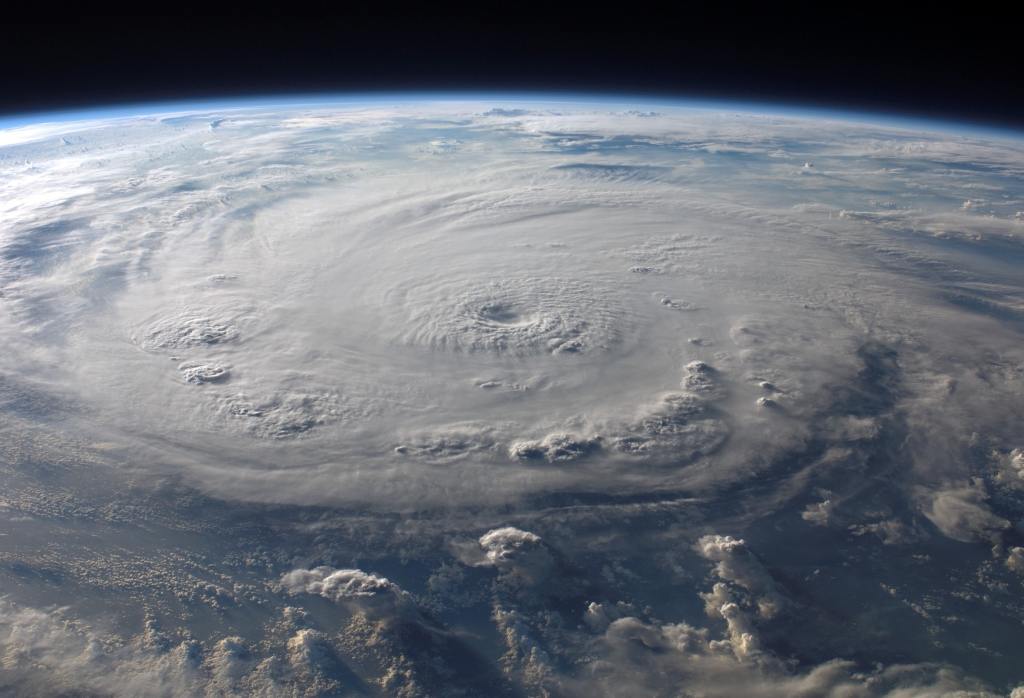
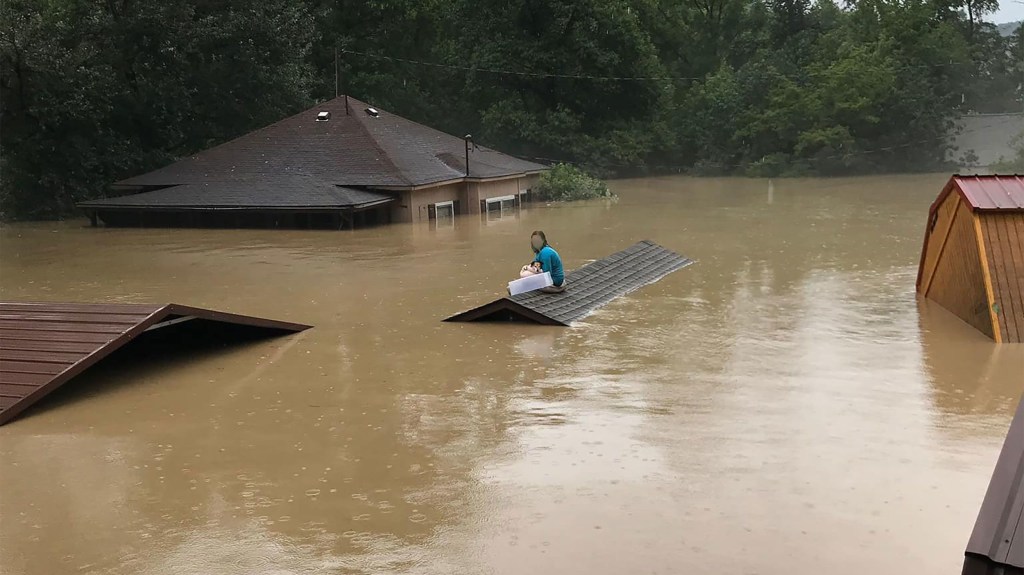
Imagine you lived in an area that is prone to hurricanes.
You’ve stocked up on food and water…
You have a generator…
…and you’ve secured your house as best you can.
You feel confident that you are prepared for the next big storm.
But suddenly, a huge storm hits.
One that is bigger than any other storm your area has seen.
It completely destroys your preparations and your house is not safe anymore.
You have to bug out.
But the issue is, it happened on a school day. And your children still haven’t gotten back from school.
How will you let them know where to meet?
Your smartphone is not working because the power grid stopped working.
It’s a disaster!
Well, this is where foresight comes in handy.
If you had agreed on a meeting place in case your preparations didn’t work, then this would have been solved.
Getting good at planning means preparing for things that most people would not even think about.
Of course, this was a far-fetched scenario…
But it goes to show…
A proper plan can help you and your family overcome even the craziest catastrophe.
That’s why I’ll show you simple ways to become good at this skill.
And give you ideas on how to practice your planning abilities so that you are always ready.
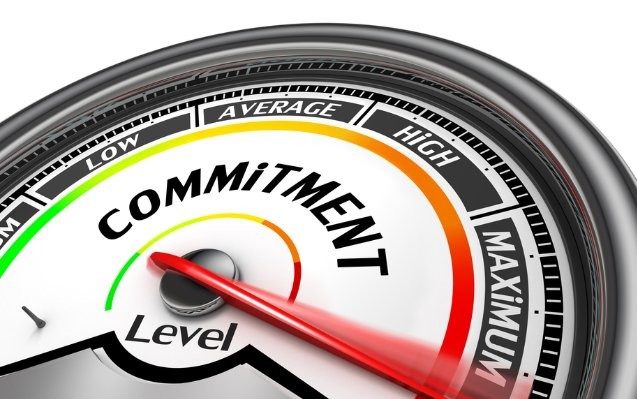
Find Your Commitment Level
Before you start working on your planning skills, there is something that you have to figure out first…
You need to assess your level of commitment.
The reason this is so important is that developing this skill is not something easy.
You will not become good at it overnight.
Just like professional chess players work very hard to improve their skills, you will have to go over some roadblocks.
If you are aware of your commitment level before you even start, however, you will be in a much better position to work through these roadblocks.
Before you read the rest of the article, ask yourself these questions:
- How much time and effort are you willing to invest in planning for emergencies?
- If improving your planning skills gets too hard, would you continue working on them?
- What challenges are you willing to face?
Take your time and honestly answer these questions.
This way, you can set realistic goals for yourself and ensure that you don’t overcommit or burn out.
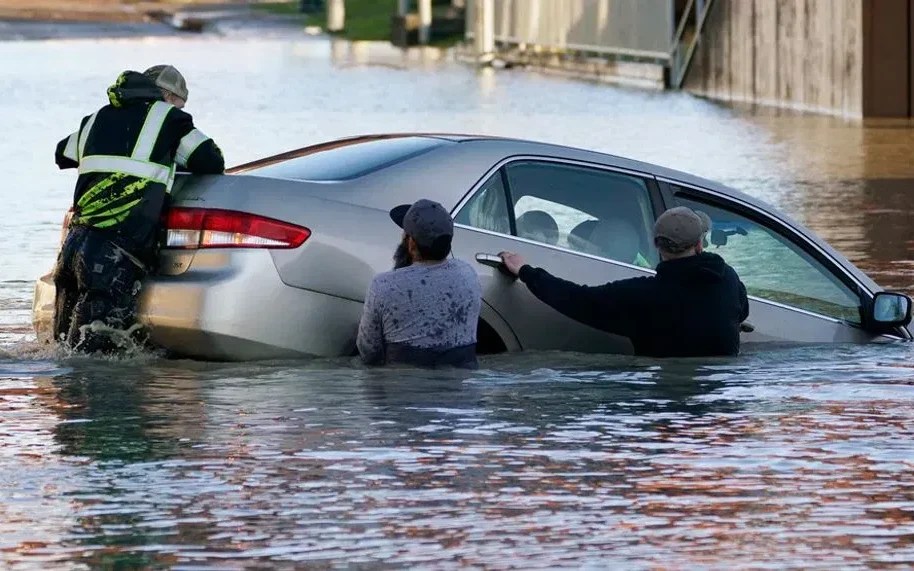
How To Improve Your Planning Skills
Once you’ve figured out your commitment level, it is finally time to improve your planning abilities.
When it comes to planning for emergencies, there are some key elements that every prepping plan should include.
These elements include risk assessment, threat analysis, resource inventory, and contingency planning.
Let’s explore each of these elements in more detail:
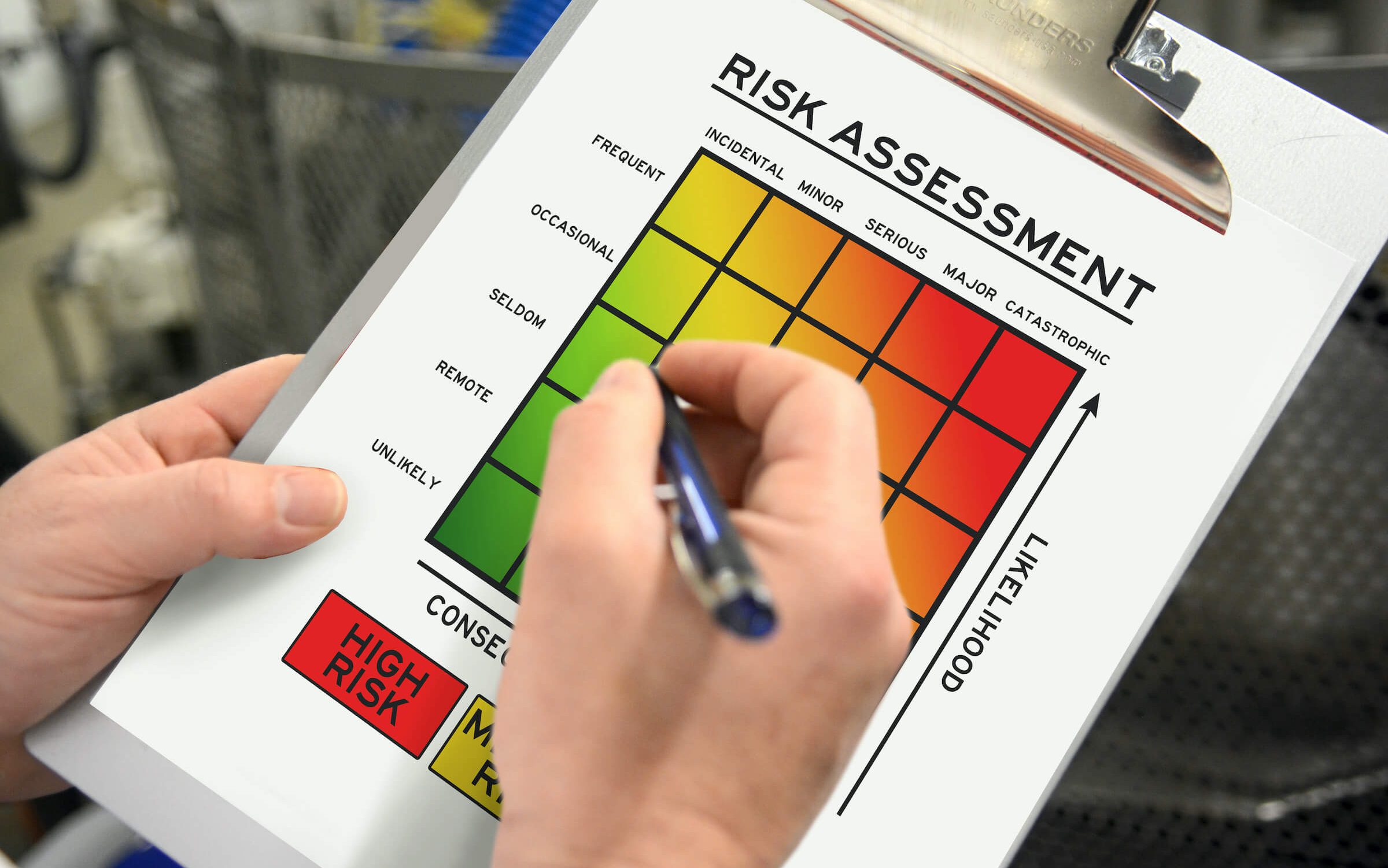
Risk assessment.
This is the process of identifying potential risks and hazards that could affect you and your loved ones.
This includes natural disasters, economic collapse, civil unrest, and other potential emergencies.
You can even include risks that are not your plan.
Neglecting to prepare for something is also a risk.
Consider everything that could go wrong.

Threat analysis.
This is where you evaluate the risks.
Conduct a threat analysis to evaluate:
- The likelihood of each threat.
- The potential impact of each threat.
This will help you prioritize your planning efforts and allocate resources.
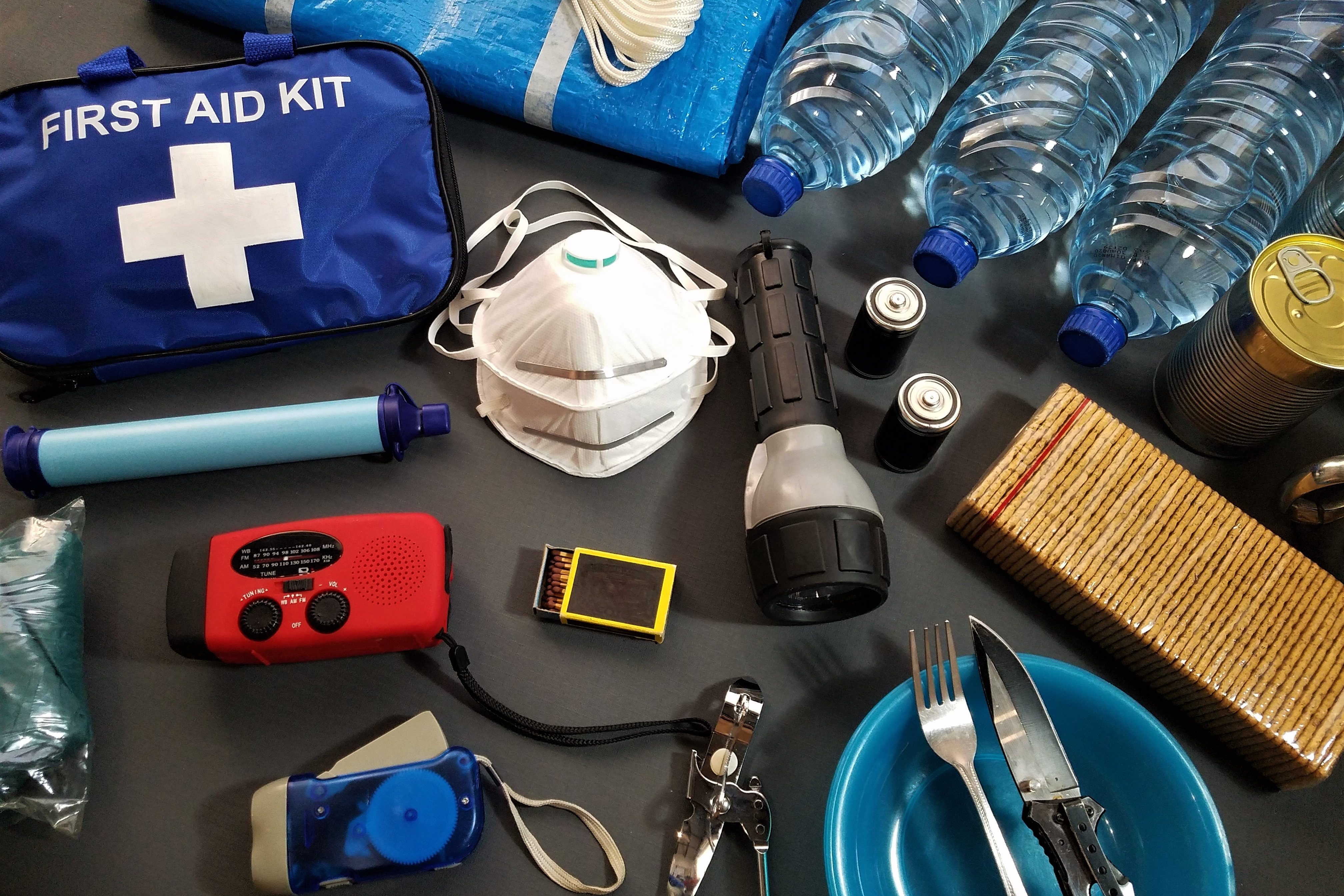
Resource inventory.
A resource inventory involves taking stock of the resources you have on hand and identifying any gaps in your preparedness.
This includes:
- Food,
- Water,
- Medication
- Weapons and ammunition
- Other essential items.
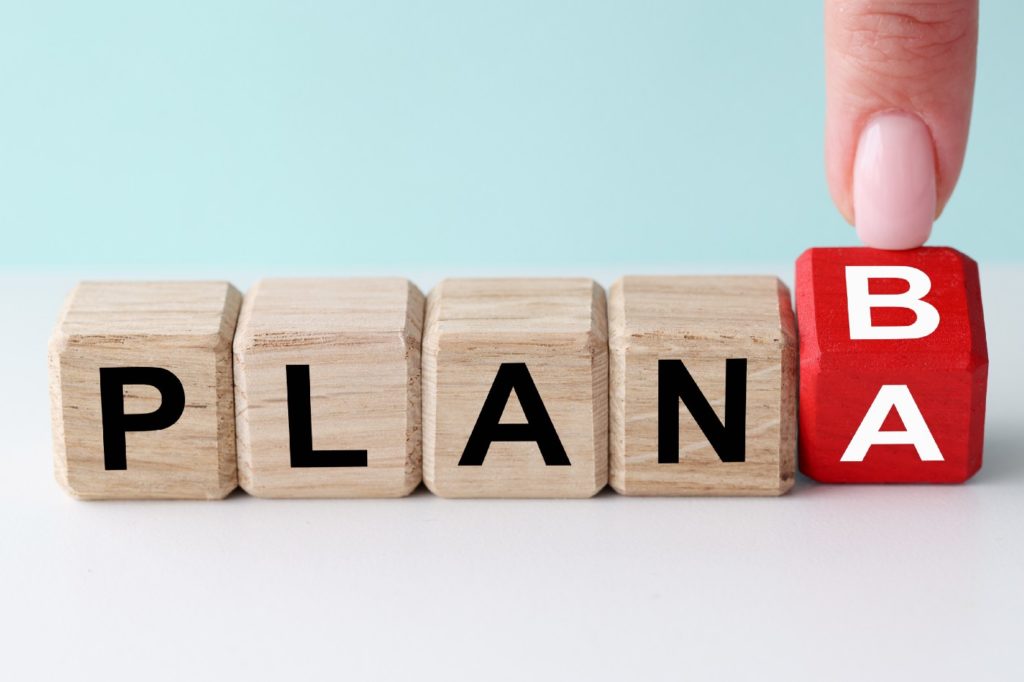
Contingency planning.
Contingency planning involves developing a plan B in case your primary plan fails (Remember the storm example?).
This can include backup evacuation routes, secondary locations for shelter, or contingency supply sources.
By including these key elements in your prepping plan, you can be better prepared for a wide range of emergencies and increase your probability of survival.
Tips That Will Make This Easier
If you’ve read this far, you have probably realized that this will take some work.
But, remember, you are committed.
Which means that you are willing to do whatever it takes to become better at planning.
However, this doesn’t mean that you can’t use simple advice that will make this journey easier.
- Start small.
If you are not an experienced prepper, it is easy to become overwhelmed.
Start with a simple plan for a specific scenario, such as a short power outage.
This will help you build confidence and develop your planning skills.
Once you feel ready, move on to harder challenges, such as natural disasters.
- Set goals.
Determine what you want to achieve with your prepping plan.
And set realistic, measurable goals to help you stay motivated and on track.
- Involve your family.
Doing everything alone is tough. And definitely not fun.
If you involve your whole family in the prepping process, everything will proceed much smoother.
Plus, everyone is going to be on the same page so they will know what to do in emergencies.
- Stay organized.
Keep your prepping plan and items organized and easily accessible so you can quickly respond to emergencies.
You can use checklists, journal entries, or your preferred way of taking notes.
- Continuously review and update your plan.
The risks we face are constantly changing.
So it’s important to regularly review and update your prepping plan to ensure that it remains effective and relevant.
Planning is a crucial part of prepping.
And can make a huge difference in ensuring your family’s safety.
By developing this skill, you will be in a much better position to survive any emergency.










 TheDailyChristian