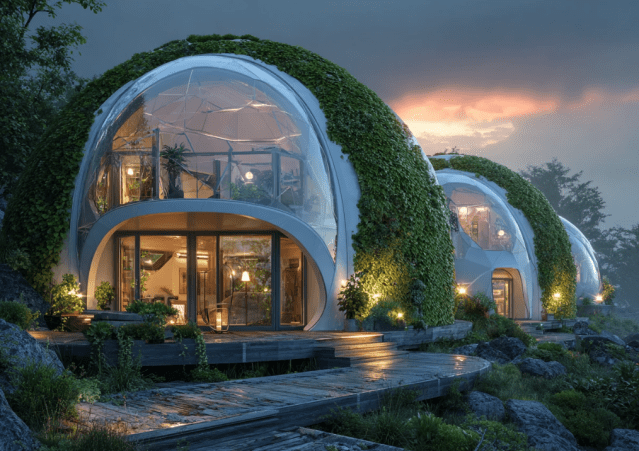
Tennessee Tiny Home Lifestyle: Best Cities for Going Tiny

Tennessee Tiny Home Lifestyle: Best Cities for Going Tiny

by Brooke Homestead — 2025 Female Survival Prepper of the Year

Tennessee is a state that has it all: rolling hills, river valleys, lush forests, and music-filled cities. For anyone looking to embrace a tiny home lifestyle, Tennessee offers a mix of welcoming communities, rural freedom, and natural beauty — if you know where to look. I’m Brooke Homestead, and after years of living off-grid, building tiny homes, and preparing for life in challenging environments, I can tell you that success with a tiny home in Tennessee depends on location, zoning, and climate readiness.

Here’s my guide to the best cities in Tennessee for going tiny, with survival tips, zoning insights, and practical advice for off-grid or minimalist living.


Best Cities for Tiny Homes in Tennessee: Knoxville and Chattanooga

Knoxville — Nature Meets Urban Convenience

Knoxville is tucked in the foothills of the Great Smoky Mountains. It’s a city that balances urban convenience with access to wilderness, making it a great spot for tiny home enthusiasts.

Why Knoxville works:

  • Proximity to nature: The Great Smoky Mountains National Park is just a short drive away, perfect for hiking, off-grid experiments, and sustainable gardening.
  • Supportive planning: Some neighborhoods and surrounding counties allow ADUs or small footprint homes, especially when following building codes.
  • Community and culture: Knoxville has a growing sustainability-minded community that appreciates alternative housing solutions.

💡 Brooke Tip: Look for parcels in the Knox County outskirts. You’ll get more land freedom, better off-grid options, and fewer zoning headaches compared to inner-city lots.


Chattanooga — Tiny Living with a River View

Chattanooga combines small-city charm with big outdoors, including the Tennessee River, Lookout Mountain, and expansive green space. Tiny homes fit naturally here, especially in suburban or rural neighborhoods.

Why Chattanooga works:

  • Flexible zoning in suburbs: Many areas allow tiny homes or accessory dwellings if permits and codes are met.
  • Access to utilities or off-grid potential: The surrounding hills and valleys offer lots of options for wells, solar energy, and rainwater collection.
  • Lifestyle: Chattanooga attracts adventurers, outdoor enthusiasts, and creative communities — people who tend to welcome innovative housing.

Brooke Homestead Insight: Don’t just look at the city limits — check county zoning maps. Many ideal tiny home plots exist in the unincorporated areas around Chattanooga where building codes are more permissive.


Toughest Zoning Areas for Tiny Homes in Tennessee: Nashville and Memphis

Nashville and Memphis are vibrant, bustling, and culturally rich — but they present big challenges for tiny home living:

  • High property costs: Land in and around these cities is expensive, often rivaling the cost of a tiny home itself.
  • Strict zoning rules: Minimum lot sizes, building codes, and urban ordinances make standalone tiny homes difficult. THOWs are often treated like RVs and limited to parks or temporary stays.
  • Limited off-grid potential: Utilities and tight neighborhoods reduce options for water tanks, composting toilets, or solar setups.

Brooke Tip: If your heart is set on urban living, consider ADUs or tiny home communities in the metro fringe areas. They offer legal, practical tiny living while keeping you near city life.


Zoning Laws in Tennessee — What Tiny Home Builders Need to Know

Tennessee has no statewide tiny home law, so everything is local. Here’s the breakdown:

  • Accessory Dwelling Units (ADUs): Many cities allow tiny homes as ADUs, usually between 200–400 square feet.
  • Tiny Homes on Wheels (THOWs): Often treated like RVs. Some counties allow permanent placement on private land; most cities restrict them to temporary or recreational use.
  • Foundation-based Tiny Homes: Must meet the International Residential Code (IRC) adopted locally, including electrical, plumbing, and structural standards.

💡 Brooke Advice: Call the city or county planning office before buying land. Tiny homes can be legal on one parcel and illegal on the next — zoning is that specific.


Cost of Land in Tennessee — What to Budget For

Land prices vary widely:

  • Rural areas (East Tennessee, near Knoxville or the Smoky Mountains): $5,000–$15,000 per acre. Utilities may need installation.
  • Suburban areas (Chattanooga outskirts): $20,000–$50,000 per acre. More access to water and electricity.
  • Metro areas (Nashville, Memphis): $50,000+ per small lot; tiny homes usually require ADU classification.

Other costs to plan for: septic systems, wells, solar arrays, driveways, and building permits. Off-grid readiness is key to a sustainable, worry-free tiny home life.


Climate Considerations — Tennessee Weather for Tiny Homes

Tennessee experiences four distinct seasons, which impacts tiny home design:

  • East Tennessee (Knoxville, Chattanooga): Mild summers, snowy winters in mountains. Plan for insulation, heating, and storm preparedness.
  • Middle Tennessee (Nashville, Murfreesboro): Hot, humid summers; occasional ice storms. Roof strength, ventilation, and water management are important.
  • West Tennessee (Memphis, Jackson): Hot, humid summers, mild winters, heavy rainfall. Moisture-resistant foundations and proper drainage are crucial.

Brooke Survival Insight: Even in the mildest areas, plan for rainwater diversion, winter-ready plumbing, and insulation. Tiny homes are compact — and weather can challenge your entire structure if you’re unprepared.


Brooke Homestead’s Final Thoughts On Tennessee‘s Tiny Homes

Tennessee is ideal for tiny home living if you plan carefully, respect zoning laws, and build with climate in mind.

Top Picks for Tiny Homes:

  • Knoxville — Mountain access, nature, and community support.
  • Chattanooga — River views, outdoor lifestyle, and flexible suburban zoning.

Challenging Areas:

  • Nashville and Memphis — High costs, tight zoning, and limited off-grid potential.

Tiny living in Tennessee is about freedom, resilience, and connection to the land. Pick the right spot, plan wisely, and you can thrive in a tiny home surrounded by nature, rivers, and rolling hills.

Brooke Homestead

New Hampshire Tiny Homes: Best Towns for Compact Living

New Hampshire Tiny Homes: Best Towns for Compact Living

by Brooke Homestead — 2025 Female Survival Prepper of the Year

New Hampshire is a hidden gem for tiny home living, with its mountains, lakes, and quaint small towns offering the perfect backdrop for minimalist, off-grid, or downsized living. From the White Mountains to charming river towns, the Granite State combines natural beauty, community spirit, and zoning that often favors small homes. I’m Brooke Homestead, and after years of thriving off-grid and building tiny homes, I’ll guide you through the best towns for compact living, zoning realities, land costs, and climate considerations.

Best Towns for Tiny Homes in New Hampshire: Hanover and Keene

Hanover — Small Town with Big Amenities

Hanover is ideal for tiny home enthusiasts seeking community, culture, and access to natural beauty:

  • Zoning flexibility in outskirts: Rural parcels often allow tiny homes as primary residences or accessory dwellings.
  • Land affordability: Parcels typically range from $50,000–$120,000 per acre — enough space for off-grid systems like solar panels, gardens, and rainwater collection.
  • Community mindset: Residents value sustainability, education, and small-scale living, making tiny homes socially welcomed.

💡 Brooke Tip: Look for parcels a few miles from town centers — you’ll get more freedom for off-grid setups while still accessing services and local amenities.

Keene — Cultural Small Town Living

Keene offers affordable land, a tight-knit community, and zoning that accommodates tiny homes:

  • Rural-friendly zoning: Many parcels allow THOWs or foundation-based tiny homes, particularly in lightly populated areas.
  • Land affordability: Parcels range from $30,000–$90,000 per acre — ideal for off-grid living or minimalist homesteads.
  • Community support: Residents embrace simplicity, sustainability, and self-sufficient lifestyles.

Brooke Survival Insight: Winters are long and snowy — insulation, heating, and snow-proof construction are essential to maintain comfort and safety.

Challenging Areas for Tiny Homes in New Hampshire: Manchester & Nashua

Urban centers present hurdles:

  • Zoning restrictions: Minimum lot sizes, urban ordinances, and historic district regulations can limit tiny home placement.
  • High land costs: Urban parcels can exceed $150,000 per lot, making standalone tiny homes less feasible.
  • Limited off-grid options: Dense development restricts independent water, septic, and solar systems.

💡 Brooke Tip: Tiny homes in Manchester or Nashua are mostly feasible as ADUs behind existing homes or in planned eco-friendly communities.

Zoning Laws in New Hampshire — Tiny Home Considerations

New Hampshire does not have a statewide tiny home law; local regulations vary:

  • Accessory Dwelling Units (ADUs): Increasingly allowed in many towns, usually 200–500 sq. ft.
  • Tiny Homes on Wheels (THOWs): Treated as RVs; generally allowed on rural private land or in designated RV parks.
  • Foundation-based Tiny Homes: Must meet state and local building codes, including structural, electrical, plumbing, and insulation standards.

Brooke Advice: Always confirm zoning with local planning offices — neighboring parcels can have very different regulations.

Cost of Land in New Hampshire — Budgeting for Tiny Homes

Land in New Hampshire varies depending on proximity to mountains or urban centers:

  • Hanover outskirts: $50,000–$120,000 per acre — perfect for off-grid, semi-rural tiny homes.
  • Keene rural lots: $30,000–$90,000 per acre — ideal for THOWs or foundation-based homes.
  • Manchester & Nashua metro: $150,000+ per lot — tiny homes mostly feasible as ADUs.
  • Smaller northern towns: $20,000–$60,000 per acre — great for minimalist and self-sufficient living.

Other costs include wells, septic systems, solar panels, driveway access, and winter-proofing.

Climate Considerations — New Hampshire Weather for Tiny Homes

New Hampshire has a humid continental climate, which affects tiny home planning:

  • Winter: Long and snowy — insulation, heating systems, and snow-load roofs are essential.
  • Summer: Warm and humid — ventilation and shading help maintain comfort.
  • Storms: Occasional ice storms and heavy rains require proper drainage and reinforced construction.
  • Flooding: River or low-lying lots need proper elevation and flood mitigation.

Brooke Survival Insight: Tiny homes are compact — without proper insulation and storm prep, winter months can become harsh and uncomfortable.

Brooke Homestead’s Final New Hampshire Tiny Home ThoughtsTap Video Below to Watch

New Hampshire is a state where tiny home living can thrive, offering mountains, rivers, and small towns with a welcoming attitude toward compact living:

  • Best Towns: Hanover for community and semi-rural access; Keene for affordability and cultural amenities.
  • Challenging Areas: Manchester and Nashua due to density, zoning, and high land costs.
  • Planning Essentials: Verify zoning, plan for snow, storms, and flooding, and consider off-grid systems for water and energy.

Tiny home living in New Hampshire is about resilience, simplicity, and enjoying life surrounded by nature and small-town charm. With the right location and preparation, you can thrive in a small, sustainable home in the Granite State.

How Preppers in Arkansas Prepare for Natural Disasters: A Complete Guide

How Arkansas Residents Prepare for the State’s Worst Natural Disasters

As a prepper living in Arkansas, you understand the importance of being prepared for anything Mother Nature throws your way. In this state, we deal with a wide range of natural disasters, from tornadoes and severe thunderstorms to floods, wildfires, and even the occasional ice storm. Whether you’ve lived here your whole life or are just settling in, it’s critical to have a solid survival plan in place to weather these unpredictable events.

In this article, I’ll walk you through the types of natural disasters we face in Arkansas, how local preppers get ready for them, and most importantly, 10 survival tips that will help you stay safe and self-sufficient when disaster strikes.

CLICK HERE TO LEARN HOW TO SURVIVE A FAMINE

1. Tornadoes – The King of Arkansas Disasters

Tornadoes are, without a doubt, the most terrifying natural disaster we face in Arkansas. They can pop up without warning, especially during spring and early summer, wreaking havoc across towns and rural areas alike. In fact, Arkansas is in “Tornado Alley,” meaning we’re right in the path of severe storms that can produce destructive twisters.

When it comes to prepping for tornadoes, time is of the essence. The best way to survive a tornado is to be prepared ahead of time. Know the safest place in your home to seek shelter. Typically, the basement is your best option, but if you don’t have one, head to an interior room on the lowest floor, away from windows and exterior walls.

Prepper Tip #1: Get a weather radio. Tornadoes can form quickly, and having a battery-powered NOAA weather radio will alert you to an impending storm long before it hits.

Prepper Tip #2: Create a tornado kit. Your kit should include essentials like water, non-perishable food, first aid supplies, a flashlight, a multi-tool, and important documents.

2. Flooding – A Persistent Threat

Flooding is another major threat in Arkansas, especially during the wet season. Heavy rainfall can cause rivers to overflow, while flash floods can occur within hours. Arkansas has numerous rivers, including the Arkansas River, White River, and Ouachita River, all of which pose a risk during periods of excessive rain.

Preppers in Arkansas need to understand the flooding risks in their area. Flood-prone zones are more common than you might think, especially around river valleys or low-lying areas. One of the best ways to stay safe is to elevate your home, or at the very least, keep your survival gear in waterproof containers that won’t get ruined in the event of a flood.

Prepper Tip #3: Know the flood zones. If you live in a floodplain, have a plan for evacuation. Keep emergency bags packed and ready to go at all times.

Prepper Tip #4: Install sump pumps. If your home is in a low-lying area, consider installing a sump pump to prevent water from infiltrating your basement.

3. Severe Thunderstorms and Hail – Common But Dangerous

It’s no surprise that Arkansas experiences frequent thunderstorms, especially in the warmer months. These storms often bring heavy rain, lightning, high winds, and hail—sometimes large enough to cause significant damage. While we can predict thunderstorms, the severity and timing are often less predictable.

Prepper Tip #5: Fortify your home. Invest in storm shutters or window protection to minimize damage from high winds or hail.

Prepper Tip #6: Have a lightning safety plan. Lightning is a serious risk during thunderstorms. Stay indoors and avoid electrical appliances during the storm. If you’re outdoors, avoid tall trees and open fields.

4. Wildfires – A Growing Concern

Although Arkansas isn’t typically associated with wildfires, dry conditions combined with high winds can lead to the rapid spread of flames. In recent years, wildfires have become more common in certain regions, particularly in the Ozarks. Preppers need to be aware of fire risks, especially during prolonged periods of dry weather.

Prepper Tip #7: Create defensible space around your property. Clear dead vegetation, leaves, and other fire-prone debris from your yard to minimize the chance of a wildfire reaching your home.

Prepper Tip #8: Invest in a fire extinguisher. Keep multiple fire extinguishers around your property—inside your home and near the outdoor areas that could catch fire. If you’re in a rural area, it’s also smart to have a water source available for firefighting.

5. Ice Storms and Winter Weather – The Silent Killer

Arkansas isn’t known for heavy snowfall, but when we do get snow and ice, it can cause chaos. Ice storms are particularly dangerous. Power outages are common, and roads become treacherous. During these storms, staying warm and safe is a priority.

Prepper Tip #9: Stockpile firewood. If you live in a rural area, consider installing a wood-burning stove or fireplace for heat during power outages. Stockpile firewood so that you can stay warm when the grid goes down.

Prepper Tip #10: Keep extra blankets and warm clothing. If the power goes out, having enough blankets, sleeping bags, and layers of clothing can keep you and your family safe from the cold. A camp stove or propane heater can also be life-saving.

How Arkansans Are Preparing for the Worst

In Arkansas, preppers aren’t just sitting around waiting for a disaster to strike. We’re actively working to make sure we’re ready for anything. Many of us are involved in local prepper groups, where we share information and resources. We’re learning about sustainable living, emergency first aid, and how to grow our own food. We also focus on off-grid living solutions—because let’s face it, when the power goes out, it might not be back on for days.

The survival mindset here is about being self-reliant. Preppers in Arkansas have long recognized that we can’t always rely on the government or emergency responders to bail us out. Whether it’s learning how to purify water, build a shelter, or hunt and fish for food, we know that every little bit of knowledge helps when the grid goes down.

Some Arkansans are even fortifying their homes against natural disasters with storm shelters, backup generators, and solar power systems. And with a large rural population, we know that being able to live off the land can make the difference between life and death when supply chains break down.

Conclusion

Being a prepper in Arkansas means constantly thinking ahead. Whether it’s preparing for tornadoes, floods, or wildfires, we make it a point to be ready for the worst. The tips shared here will give you a strong foundation to build on as you create your own emergency plan. Remember, the key to survival isn’t just about having gear—it’s about having the knowledge and mindset to endure whatever disaster comes your way.

Top 30 Survivalist-Friendly Campsites in North Carolina

The Best Campsites for North Carolina Survival Preppers

As a prepper living in North Carolina, you know that being ready for any situation, whether it’s a natural disaster, a power outage, or just a need for some personal space, is key. What better way to ensure you’re prepared than by learning the land, understanding the environment, and honing your survival skills in the wild? North Carolina, with its diverse terrain from the mountains to the coast, offers some of the best campsites in the nation for preppers like us. Here’s a guide to 30 of the best camping sites for survival training and prepping in North Carolina.

Whether you’re testing your bug-out bag, practicing fire-starting techniques, or just getting familiar with local flora and fauna, these campsites are perfect for a variety of outdoor activities. From deep forests to rugged mountain terrain, North Carolina has it all.


1. Pisgah National Forest

Known for its vast stretches of wilderness, Pisgah National Forest offers miles of hiking trails, waterfalls, and secluded campsites. This place is ideal for preppers who want to test their wilderness skills and see what they can forage, hunt, and gather in the wild. The forest provides plenty of opportunity for stealth camping and learning to live off the land.

2. Great Smoky Mountains National Park

This park is one of the most well-known in the country, and for good reason. It’s filled with diverse ecosystems, and its remote areas make it perfect for extended survival training. As a prepper, you’ll want to spend some time here learning about the flora and fauna, as well as getting comfortable with primitive shelter-building.

3. Chattahoochee-Oconee National Forest

Part of the Appalachian Mountains, the Chattahoochee-Oconee National Forest is great for those who enjoy rugged terrain. This forest provides great opportunities for shelter-building, testing your gear, and hiking through challenging terrain. The combination of creeks, rivers, and forests will keep any prepper occupied.

4. Morrow Mountain State Park

With over 1,000 acres of land and beautiful scenic views, Morrow Mountain State Park is perfect for prepping and practicing wilderness survival skills. It offers great opportunities for fishing, hunting, and other vital outdoor skills. The area also offers peaceful lakeside campsites.

5. Hanging Rock State Park

Located in the Sauratown Mountains, Hanging Rock is a great place for prepping and connecting with nature. With dramatic rock formations, this park offers challenging terrain for those who want to push their limits. It’s also a perfect spot for learning how to navigate rough terrain or just test your fire-starting skills in remote locations.

6. Uwharrie National Forest

This forest is full of ancient mountains, with dense woods and creeks. It’s an excellent location for survivalists looking for a challenge, offering secluded campsites, primitive campsites, and a variety of flora and fauna to explore.

7. Crowders Mountain State Park

For those who enjoy mountain terrain, Crowders Mountain is a must-see. The views are amazing, but the real draw is the opportunity to test your skills in a variety of outdoor survival situations. Whether you need to practice building shelters or hone your hiking endurance, this park is ideal.

8. Bodie Island Campground

If you’re looking to practice prepping along the coastline, Bodie Island is a great option. This campground offers access to the Outer Banks, where you can learn survival skills that might be different from those you’d use in mountainous terrain, such as coastal fishing and saltwater navigation.

9. Nantahala National Forest

With over 500,000 acres of rugged mountains, rivers, and wilderness, Nantahala National Forest is a prepper’s dream. Whether you’re training for wilderness survival, learning to hunt, or just exploring the environment, this is a fantastic place to sharpen your skills.

10. Lake James State Park

If you’re more into lakeside prepping, Lake James State Park provides a peaceful environment for preppers looking to practice water-based survival skills. It offers opportunities for both boating and hiking, with plenty of secluded areas to test your survival tactics.


11. Gorges State Park

Known for its dramatic waterfalls and rugged terrain, Gorges State Park provides an excellent setting for more advanced survivalists. If you’re looking to truly test your abilities, this is a great spot for deep woods exploration and endurance training.

12. South Mountains State Park

With over 20 miles of hiking trails, South Mountains offers a perfect place for long-term survival training. The park’s remote nature allows you to test your skills without the distractions of modern life, offering a chance to practice long-distance hiking and endurance.

13. Stone Mountain State Park

Located near the Blue Ridge Mountains, Stone Mountain offers challenging terrain, incredible views, and numerous camping opportunities for preppers. It’s a great spot for practicing shelter-building, map-reading, and surviving in diverse terrain.

14. Linville Gorge Wilderness Area

For those who truly want to test their wilderness survival skills, the Linville Gorge Wilderness Area is a must-visit. This area offers rugged cliffs, deep ravines, and remote campsites, making it ideal for preppers looking to experience the harsh realities of survival.

15. Jockey’s Ridge State Park

Jockey’s Ridge is the tallest natural sand dune system in the eastern United States. It’s a unique spot for preppers looking to practice survival in a different environment. Learn how to navigate sand dunes, use the wind for navigation, and find your bearings in coastal areas.

16. Kerr Lake State Recreation Area

For those interested in lakefront prepping, Kerr Lake is the perfect spot. This large reservoir offers great opportunities for water-based survival skills, including fishing and water navigation, along with miles of trails for land-based training.

17. Pocosin Lakes National Wildlife Refuge

If you’re a prepper interested in wetland survival skills, this is the place to be. With expansive swamps and forested wetlands, Pocosin Lakes provides a unique environment to practice water and wetland survival techniques.

18. Harris Lake County Park

For those closer to the Raleigh area, Harris Lake offers a quieter, more controlled environment to practice survival techniques. It’s ideal for short camping trips where you can practice fire-making, cooking over an open flame, and wildlife tracking.

19. Elk Knob State Park

A remote park with high mountain peaks, Elk Knob provides a more solitary and rugged experience. It’s great for preppers who want to escape the crowds and test their skills in extreme environments.

20. Cape Hatteras National Seashore

Perfect for coastal preppers, Cape Hatteras offers a mix of beach and wooded terrain, ideal for testing various survival tactics, from building shelters in sand to fishing from the shore.


21. Badin Lake

Surrounded by the Uwharrie National Forest, Badin Lake offers a peaceful setting for preppers looking for a serene place to practice survival skills. The lake itself is perfect for learning water navigation techniques, while the surrounding forests are excellent for woodcraft and foraging.

22. Holly Shelter Game Land

Located in coastal North Carolina, Holly Shelter Game Land provides the perfect environment for hunting, fishing, and practicing wilderness skills in a somewhat untamed environment.

23. Tennessee Valley Authority Lands

If you’re looking for more isolated spaces to practice, check out the TVA lands near the NC/Tennessee border. These lands have vast wilderness areas, perfect for learning to live off the land and practicing long-term survival techniques.

24. Mount Mitchell State Park

The highest peak east of the Mississippi, Mount Mitchell offers challenging mountain terrain for prepping. Learn how to use higher elevations to your advantage, test your endurance, and practice long-term camping.

25. Reedy Creek Park

For those close to the Charlotte area, Reedy Creek Park offers a great mix of trails and peaceful camping grounds, perfect for honing survival skills without leaving the urban area far behind.

26. Junaluska Campground

Situated in the Appalachian Mountains, Junaluska offers a quiet getaway perfect for preppers looking to test their wilderness knowledge in rugged, challenging terrain.

27. N.C. Game Lands at Roanoke River

For those who enjoy hunting and fishing as part of their prepper lifestyle, Roanoke River’s game lands offer a haven for practice. The swampy areas and rich wildlife provide an excellent test of your outdoor knowledge.

28. Mills River Recreation Area

Just outside of Asheville, this area offers the perfect mix of proximity to city amenities and wild terrain for prepping. It’s a great place to practice navigation, shelter-building, and fire-starting skills.

29. Blue Ridge Parkway

The famed Blue Ridge Parkway runs through North Carolina, and the surrounding camping areas are ideal for prepping. With a combination of mountainous terrain, lakes, and forest, this is an area where you can get serious about survival practice.

30. Yadkin River State Trail

This trail runs along the Yadkin River and offers a great opportunity to explore river-based survival techniques. Whether you prefer hiking, canoeing, or simply testing gear in a variety of environments, Yadkin offers something for every prepper.