How To Stay Safe and Survive During a Riot in Michigan

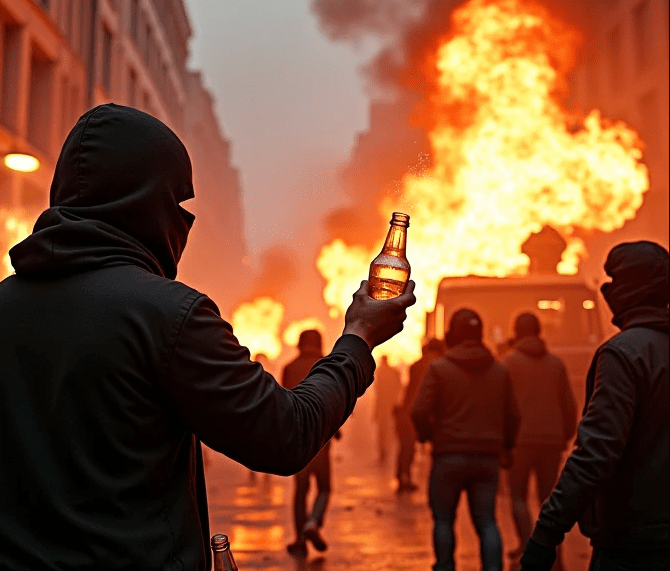
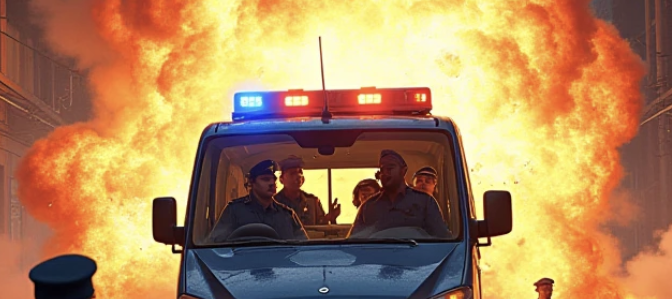
When civil unrest breaks out, things can spiral fast—especially in cities where tensions are already boiling over. I’ve lived through chaos, trained for uncertainty, and helped others get out of life-threatening situations with nothing but grit, brains, and a well-packed bug-out bag. If you’re in Michigan and riots hit your area, don’t rely on chance or hope. Rely on skills. This guide lays out what you need to know to stay safe and survive a riot.

Mindset: Situational Awareness Over Fear

Before you start swinging bats or thinking you can brawl your way out of trouble, let me give you the golden rule of surviving civil unrest: avoidance is better than confrontation. Awareness and preparation beat strength every time. You have to be calm, fast-thinking, and light on your feet. Always know where your exits are, who’s nearby, and what’s happening within your line of sight.

You don’t have to be a fighter to survive—but knowing how to defend yourself if it comes to it? That’s priceless.


8 Self-Defense Skills Every Civilian Should Master

  1. The Hammer Fist Strike
    Easy to learn, devastating to apply. Use the meaty bottom of your fist like a hammer—target the nose, collarbone, or side of the head. Practice this with a tire or punching bag until it becomes second nature.
  2. Knee Strikes
    When it’s close-quarters, your knees are deadly weapons. Drive them upward into the attacker’s midsection, groin, or thigh. Knee strikes can neutralize even larger opponents when timed right.
  3. Elbow Strikes
    In tight crowds, swinging a fist is tough. Your elbows, however, are perfect for close-range defense. Practice horizontal and downward elbow strikes—aim for the temple, jaw, or ribs.
  4. Wrist Grab Escape
    Riots are chaotic, and people may grab you—either to harm you or stop you. Learn the wrist escape: rotate your wrist toward the attacker’s thumb and pull sharply away. This simple trick can save your life.
  5. Chokehold Escape (Standing Rear Choke)
    If someone catches you from behind, don’t panic. Step to the side, lower your center of gravity, and strike backward with elbows or stomp their foot—then peel their arm from your neck. Learn this through video demos or martial arts classes.
  6. Use of Makeshift Shields
    Riot environments often rain debris. Use a backpack as a shield. A rolled-up jacket wrapped around your arm can block blades. Know how to turn everyday items into protection.
  7. Ground Defense Basics
    If you fall, don’t curl up. Get into a defensive position—knees up, arms shielding your head—and find a way to get back to your feet fast. Ground-and-pound situations are deadly.
  8. Weapon Retention
    If you’re carrying any tool or weapon, you better know how to keep it. Practice keeping control of your gear, especially if you’re carrying a baton, pepper spray, or a knife. If someone takes it from you, they’ll use it on you.

Your Riot Survival Toolkit

Michigan’s weather can be unpredictable, and that adds another layer to any survival situation. A good kit is half the battle won. Here’s what you need in a mobile, low-profile riot survival bag:

  • Compact first-aid kit
  • Bandana (for dust, debris, or makeshift tourniquet)
  • Flashlight with strobe feature
  • Leather gloves
  • Water bottle with purification tablets
  • Energy bars
  • Power bank
  • Folding knife or multi-tool
  • Pepper spray or gel (gel preferred in wind-prone Michigan cities)
  • Backup phone with prepaid SIM
  • Map of your local area (yes, paper—because GPS may go down)

Keep your kit light and ready to go. Leave flashy gear at home. You want to blend in—not stand out.


3 DIY Survival Weapon Builds

Let me be clear: these are for defense. Never use these for aggression. But when you’re cornered and the law is twenty minutes away—or not coming at all—you’ll be glad you know how to improvise.

  1. PVC Pipe Baton
    • Materials: 18-24” of 1-inch PVC pipe, steel bolts, duct tape
    • Fill the pipe halfway with bolts or small stones. Cap both ends. Wrap the grip with duct tape. You now have a makeshift baton that’s light but delivers heavy hits.
  2. Sling Shot from Paracord and Metal Spoon
    • Cut the handle off a sturdy metal spoon. Bend the bowl into a Y-shape. Attach paracord or surgical tubing to the arms. Use small stones or ball bearings as ammo. Great for distracting and defensive distance strikes.
  3. Canister Flash Device
    • Use a small metal container (Altoids tin), flashlight guts, and a burst of magnesium shavings (from fire-starter blocks). When ignited briefly, it creates a blinding flash that gives you 3–5 seconds to escape. Do not use near flammable material.

Route Planning and Escape Strategy

If you’re in Detroit, Grand Rapids, Flint, or Lansing—expect the possibility of demonstrations getting heated. The key to riot survival is knowing multiple exits and blending in.

Do:

  • Memorize 2-3 escape routes from your home and workplace.
  • Know where police stations, hospitals, and fire stations are.
  • Avoid main roads and commercial districts after dark.
  • Dress neutral: gray, black, or navy. No flashy gear.

Don’t:

  • Film everything. You’re not a journalist. Phones attract attention.
  • Wear open-toed shoes. Always be ready to run or fight.
  • Get involved in any protest unless you understand the risks.

Teamwork: Survive Together

If you’ve got a family, establish a rally point. If phones go down, have backup communication plans like whistles or pre-set radio channels (FRS/GMRS). Practice this with your kids if you have any. Drill it. Repetition builds instinct.

Got neighbors you trust? Form a mutual watch agreement. Strength in numbers still applies when society breaks down.


Final Thoughts

Riots are terrifying not because of one threat—but because they contain many threats. Fires. Gunfire. Crowds. Police responses. Opportunistic criminals. In those moments, law and order are concepts, not guarantees. Your survival depends on how quickly you recognize danger, how well you prepare, and how ruthlessly you execute your plan.

If you’re reading this after the chaos starts—get somewhere safe, quiet, and defensible. If you’re reading this before it starts, you’re already ahead of the curve. Stay gray. Stay smart. Stay alive.

How To Stay Alive During a New York Riot

Let’s be real — when chaos strikes in a place like New York City, it happens fast, and it hits hard. I’ve lived through enough urban unrest and trained others on how to navigate it without freezing up or making deadly mistakes. Riots are unpredictable, and the average person doesn’t have a plan. But you’re not average — not if you’re reading this. So let me give it to you straight, skill for skill, tool for tool, mindset for mindset. Here’s how to stay safe and survive during a riot in New York.

First Rule of Survival: Know the Terrain

New York is dense. That’s both your greatest challenge and greatest advantage. High population means riots escalate quickly, but it also means there are more exits, more cover, and more places to hide. If you live here, walk your neighborhood weekly. Know alternate exits in every subway station. Know where alleyways connect, which buildings have open lobbies, and where construction zones give access to makeshift cover.

A prepper doesn’t wait for things to go sideways to start learning the streets.

8 Self-Defense Skills You Need to Master

1. Situational Awareness (SA)
This isn’t just “looking around.” SA means understanding what people are doing and why. If you see crowds forming, tension rising, and aggressive energy building — that’s your signal to exit. Notice patterns. Stay off your phone. Constant scanning of exits, people’s hands, and body language can give you a 30-second advantage. That’s life or death.

2. Verbal De-Escalation
It’s not cowardly to avoid a fight — it’s smart. Learn how to lower your voice, use non-threatening body posture, and speak in a way that calms aggressors. You want to give off the vibe: “I’m not your enemy, and I don’t want trouble.” That buys you time.

3. Close Quarters Elbow Strikes
In a crowd, you don’t have space for wide punches. Your elbows are devastating and fast. Strike to the jaw, neck, or ribs. Your goal isn’t to fight — it’s to escape. Learn how to use your elbows like daggers.

4. Knife Defense
If someone pulls a blade on you in a riot, distance is king. But if you’re trapped, you need to know how to redirect, trap, and disable. Look into techniques like the “Pak Sao” (slap-and-trap) used in Filipino martial arts and Krav Maga. Practice with a training knife at home.

5. Escape from Holds and Grabs
Get someone trained to help you drill escapes from wrist grabs, shirt grabs, and rear chokes. You’re more likely to be grabbed in a riot than punched. Your escape moves need to be muscle memory. There’s no time to think.

6. Improvised Weapons
Turn what you have into a tool. A pen in your hand is a stabber. A heavy keychain is a flail. Your belt buckle? A swing weapon. Everything around you can become a defense mechanism when you’re trained to see it.

7. Mobility Training
Learn how to jump fences, scale small walls, and squeeze through tight spaces. If you’re boxed in, mobility is your freedom. Practice parkour basics — vaulting, rolling, and wall climbs — in safe environments.

8. Striking for Distraction, Not Domination
You don’t need to knock someone out. A quick jab to the throat, kick to the knee, or rake across the eyes gives you a chance to run. That’s your win condition.

3 DIY Survival Weapons You Can Make at Home

1. Tactical Baton from a Flashlight
Get a heavy-duty flashlight like a Maglite. Wrap the handle in paracord for grip and stability. It’s legal, useful, and when used right, it’s a powerful blunt-force tool. Bonus: you’ve still got a working light source.

2. PVC Pipe Blow Dart Launcher
You’d be surprised how easy this is. Use a 1/2” PVC pipe, 2 feet long. Carve darts from wooden skewers or nails. Fletch with duct tape. Add a mouthpiece from rubber tubing. Can be used for distraction, pest control, or quiet defense if you train with it.

3. Slingshot with Steel Ball Bearings
Use surgical tubing and a forked branch or 3D-printed frame. Aim for temple, throat, or knee shots if you’re forced to defend. It’s silent, powerful, and easy to hide. Practice precision at 15–25 feet.

Remember: weapon legality in New York is strict. Keep these tools for survival, not aggression. And always know the law.

Shelter In or Bug Out?

If a riot breaks out while you’re home — shelter in. Secure your doors with a bar lock or wedge. Turn off lights, stay silent, and stay away from windows. Keep water and canned food in a blackout kit. Have a backup escape route — like a fire escape or rear hallway — if the building gets compromised.

If you’re caught outside, get out of the crowd. Head perpendicular to the mob’s direction. Avoid getting funneled into alleys or dead ends. Blend in — don’t make yourself stand out. Drop flashy gear and logos. A gray hoodie and jeans go unnoticed.

Survival Gear Checklist for Riot Conditions

  • N95 mask (for smoke, dust, pepper spray)
  • Impact-resistant goggles
  • Compact first aid kit (with clotting agent and bandages)
  • Sturdy gloves (for climbing, protection)
  • Water bottle with filter
  • Tactical flashlight (doubles as weapon)
  • Multi-tool
  • Bandana or shemagh (disguise or filter air)
  • Cash (small bills)
  • Burner phone or power bank

Everything fits in a small, inconspicuous backpack. This is your Riot Go-Bag. Always ready, never flashy.

Mental Fortitude

A lot of survival is mindset. Fear makes people freeze or panic. You’ve got to stay calm, assess, act. Practice stress inoculation: train under pressure, simulate chaos, learn how your body reacts. Breathe slow. Focus your senses. Move with purpose.

You aren’t a hero in a riot. Your goal is survival. You save yourself, your family, your gear. Anyone looking to play vigilante ends up in jail — or worse.

Team Up and Have a Plan

If you’ve got family or close friends in the city, establish a rendezvous point. Make a signal — a phrase or emoji — that means “Meet now.” Text is better than voice. Don’t rely on GPS or phone service. Have an offline map.

Train together. If someone panics, it drags the whole group down. Practice drills. Role-play. Even one hour a month of coordinated prep makes a difference.

Final Word

Riots are like wildfires — unpredictable and destructive. But they’re survivable if you’re trained, aware, and prepared. Whether you’re in Queens, the Bronx, or downtown Manhattan, the same rules apply: stay calm, be smart, and use what you’ve got.

You don’t need to be a Navy SEAL to survive. You need street sense, grit, and the will to keep moving when others freeze. I’ve trained a lot of people, and the ones who make it through the chaos are the ones who prepared when it was calm.

This city tests you. But you’ve got the tools now. So prep smart — and walk safe.

How To Stay Safe and Survive During a Riot in California (Especially LA)

Riots are unpredictable, chaotic, and fast-moving. In a place like California—where cities are densely populated and political tensions run high—things can spiral out of control in an instant. I’ve spent years honing my survival and self-defense skills, not just for wilderness emergencies, but for exactly these kinds of urban disasters. If you’re reading this, you’re likely looking to protect yourself and your loved ones. You’re in the right place. Let me walk you through how to stay safe and survive during a riot in California, using practical strategies, real-world self-defense techniques, and a few DIY weapon skills that could save your life.


1. Stay Informed – Before It Hits the Fan

The first rule of survival is awareness. Riots don’t usually just explode without warning. There are always signs: heated protests, political turmoil, viral videos igniting public anger. Monitor news outlets, police scanners, and social media feeds. In California, apps like Citizen, Nextdoor, and local Reddit threads can give you real-time updates.

Keep a Get-Home Bag in your vehicle, especially if you’re traveling into a city like Los Angeles, San Francisco, or Sacramento. It should include essentials: water, energy bars, N95 mask, eye protection, gloves, a flashlight, multitool, and a burner phone with emergency contacts.


2. Avoid the Chaos If You Can

Let me be clear: your #1 strategy is to avoid confrontation. Don’t be a hero. Get out before things escalate. If you’re at work and see unrest brewing downtown, leave early. If you’re at home, fortify your entry points and stay inside.

Do NOT try to “watch” the riot or record it for social media clout. That kind of foolishness can get you targeted in seconds.


3. Situational Awareness is Your Best Defense

I can’t stress this enough: stay alert. Keep your head on a swivel. In a riot, threats don’t always come from the angry crowd—you could be ambushed by opportunists looting, mugging, or looking to cause harm.

Watch for exit points, safe zones (like police stations or fire departments), and stay away from choke points like bridges or alleys. Always have an escape route.


4. Learn and Master These 8 Self-Defense Skills

When escape is no longer an option, you’ll need to defend yourself. These eight self-defense skills could make the difference between life and death:

1. Situational De-escalation

Before you engage physically, try to de-escalate. Calm voice, hands visible, avoid aggressive posture. Many confrontations can be avoided with the right words and tone.

2. Palm-Heel Strike

Simple, effective. Aim for the nose or jaw. The base of your palm is strong and unlikely to injure you. Practice striking upward from a neutral position.

3. Elbow Strikes

If you’re in close quarters, elbows are powerful tools. Strike the side of the head, temple, or collarbone.

4. Escape from Wrist Grabs

Always pull toward the thumb. Practice breaking free from various grips. Pair it with a strike and run.

5. Knee Strikes

Deliver a strong knee to the groin or solar plexus. Even large attackers will drop if you hit with force and precision.

6. Tactical Flashlight Usage

A sturdy tactical flashlight can blind, distract, and serve as a blunt weapon. Shine it directly into the eyes and follow with a strike if necessary.

7. Ground Defense

If you’re taken down, protect your head and get to your feet quickly. Learn how to shrimp and kick upward if pinned.

8. Improvised Weapon Defense

You won’t always have a knife or baton—learn to defend using what’s around you: a backpack, a belt, a pen, or a water bottle.

Pro tip: train regularly. Muscle memory can save your life when adrenaline spikes.


5. Blending In – The Gray Man Strategy

Dress to blend. If you’re walking through an angry crowd, don’t stand out. No flashy clothes, no political logos, no bright colors. Go full “gray man”—neutral clothing, low profile, calm demeanor.

Avoid eye contact, keep your head low, and walk with purpose but without fear. Confidence without aggression makes you less of a target.


6. DIY Survival Weapons – When You Have to Improvise

In some riot situations, police and security are overwhelmed, and 911 might as well be out of service. You may need to build and arm yourself with improvised tools. Here are three DIY survival weapons you can make at home or in a pinch:

1. PVC Pipe Baton

  • Take a 1.5 ft length of 1-inch PVC pipe.
  • Fill it with sand or gravel for weight.
  • Seal both ends with duct tape.
  • Wrap the middle with paracord for grip.

It’s non-lethal but effective for crowd control or breaking windows in an emergency.

2. Tactical Sling Weapon

  • Use a strong sock or paracord pouch.
  • Fill it with heavy coins, ball bearings, or small rocks.
  • Whip it like a medieval flail.

Compact and silent, this weapon can deliver serious pain and force attackers to back off.

3. Makeshift Spear

  • Duct tape or lash a kitchen knife or sharpened stick to a broom handle or metal rod.
  • Use zip ties, paracord, or sturdy tape.

Great for defense at a distance and keeping attackers out of arm’s reach.

Note: these are last-resort tools. Don’t bring a weapon into a crowd unless you’re absolutely sure you need it—and understand the legal consequences under California law.


7. Shelter in Place – Fortify Your Home

If the riot is near your neighborhood, stay home and lock down.

  • Reinforce doors with a security bar or heavy furniture.
  • Close blinds and curtains to prevent visibility inside.
  • Keep lights off in front rooms.
  • Fill bathtubs with water (in case of power or water loss).
  • Charge all devices and power banks.
  • Have your defensive tools within arm’s reach.

And don’t answer the door for anyone except law enforcement, and even then, verify credentials if possible.


8. Know When and How to Bug Out

If your home becomes unsafe—fires spreading, mobs looting homes—you need to bug out fast.

Have a Bug Out Bag ready:

  • Copies of ID
  • Cash in small bills
  • Water and purification tablets
  • Lightweight food
  • Knife/multitool
  • First-aid kit
  • Change of clothes
  • Flashlight
  • Emergency radio

Pre-plan multiple evacuation routes. Avoid highways if they’re clogged. Think like a scout: move silently, stick to the shadows, and trust no one unless you know them well.


9. Post-Riot Recovery

Even after the chaos dies down, danger still lingers—downed power lines, fires, civil unrest, and desperate people. Stay alert, continue monitoring communications, and only return home if it’s safe.

Document any damage for insurance, but be ready to defend your property if looters return. And take mental health seriously—what you experience in a riot can leave psychological scars. Talk to someone if you need to.


Final Words from One Prepper to Another

Surviving a riot in California—or anywhere—comes down to mindset, preparation, and adaptability. You don’t have to be a Navy SEAL to make it out alive. You just need to stay smart, stay calm, and be ready to act when others panic.

Remember: You are your own first responder.

Train. Prepare. Stay safe. And may you never need to use what you’ve learned—though it’s better to know it and not need it than the other way around.

Stay sharp out there.