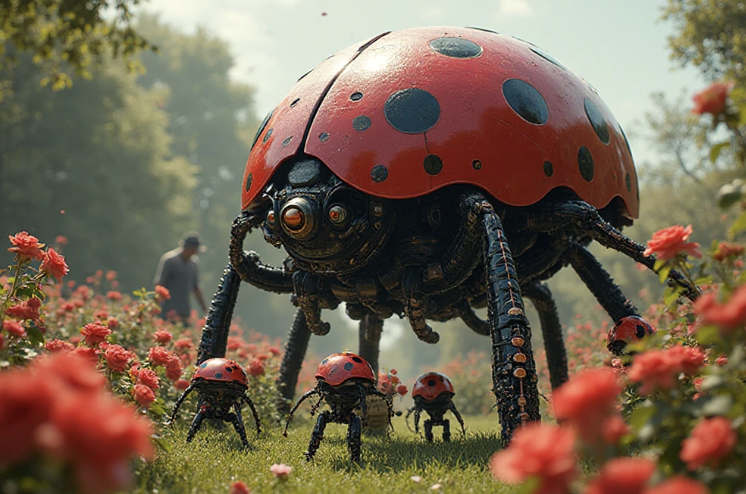
The Most Dangerous Insects in Massachusetts – What Can Kill You and How to Stay Alive

Pull up a chair. Pour yourself something hot. If you’re living, hiking, hunting, fishing, or even sipping tea off the grid here in Massachusetts, there’s something you need to understand right now:

You don’t need bears, blizzards, or back-alley nonsense to end up dead in the Bay State.

Sometimes all it takes is an insect small enough to miss during a shower.

I’ve spent years prepping, teaching, and living the self-reliant life—half woodsman, half neighborhood uncle who knows how to fix things when they break. And I’ll tell you this straight: Massachusetts doesn’t look dangerous until it is. The insects here don’t roar or rattle. They bite, sting, and vanish—and if you don’t know what you’re dealing with, they can absolutely put you in the ground.

Let’s break down the most dangerous insects in Massachusetts and, more importantly, how to survive them like someone who plans to see tomorrow.


1. Ticks: The Silent Assassins of New England
If Massachusetts had an unofficial insect mascot of doom, it would be the tick.

Blacklegged ticks—also called deer ticks—are everywhere: woods, lawns, parks, stone walls, and yes, your own backyard. They don’t buzz. They don’t warn you. They hitch a ride and dig in.

The real danger isn’t the bite—it’s what comes with it.

Ticks in Massachusetts are known carriers of Lyme disease, anaplasmosis, babesiosis, and other serious illnesses. Left untreated, these infections can lead to long-term neurological damage, organ failure, and in rare but very real cases, death.

Survival Tips from the Field:

  • Wear long sleeves and pants when in brush or woods. Light-colored clothing helps you spot them.
  • Use permethrin-treated clothing or proper insect repellent.
  • Perform full body tick checks every single time you come in from outdoors.
  • Remove ticks immediately with fine-tipped tweezers—slow, steady pull, no twisting.
  • If symptoms show up (fever, fatigue, joint pain), don’t tough it out. Get medical help.

Ticks don’t care how strong you are. Knowledge is your armor.


2. Mosquitoes: Flying Syringes of Disease

Most folks think mosquitoes are just itchy annoyances. That thinking gets people hurt.

In Massachusetts, mosquitoes are known carriers of Eastern Equine Encephalitis (EEE) and West Nile Virus. EEE, in particular, is no joke. While rare, it carries a high fatality rate and can cause severe brain inflammation.

These insects thrive near standing water, wetlands, and during warm, humid months. One bite. That’s all it takes.

Survival Tips from the Field:

  • Eliminate standing water around your property.
  • Use screens, netting, and repellents when outdoors.
  • Avoid dusk and dawn exposure during peak mosquito season.
  • Wear loose, long clothing when possible.
  • If severe headache, fever, confusion, or stiff neck appear—seek medical attention immediately.

Mosquitoes don’t look like killers. That’s exactly why they are.


3. Bees, Wasps, and Hornets: When One Sting Is One Too Many

Most stings are painful. Some are deadly.

In Massachusetts, yellow jackets, hornets, and bees cause thousands of emergency room visits each year. For people with severe allergies, a single sting can trigger anaphylaxis, a rapid and potentially fatal reaction that shuts down breathing and drops blood pressure fast.

You don’t need to be deep in the woods for this—backyards, picnics, sheds, and even trash cans are hot zones.

Survival Tips from the Field:

  • Know if you or family members have allergies.
  • Carry an epinephrine auto-injector if prescribed.
  • Avoid swatting—slow movements reduce aggression.
  • Keep food sealed outdoors.
  • If stung and symptoms escalate (swelling of face/throat, dizziness, difficulty breathing), call emergency services immediately.

Nature doesn’t care if it was an accident.


4. Deer Flies and Horse Flies: Pain, Infection, and Blood Loss Risks

These flies don’t just bite—they slice.

Deer flies and horse flies are aggressive, fast, and persistent during summer months. While they’re not major disease vectors like ticks, their bites can lead to serious infections, allergic reactions, and significant blood loss in vulnerable individuals.

They’re especially dangerous for children, the elderly, or anyone with compromised immune systems.

Survival Tips from the Field:

  • Wear hats and light-colored clothing—deer flies target dark colors.
  • Use insect repellents that target biting flies.
  • Clean bites thoroughly and monitor for infection.
  • Cover open wounds immediately.

Pain is one thing. Infection is another.


5. Spiders: Rare but Worth Respecting

Massachusetts doesn’t have many deadly spiders, but black widows do exist, though encounters are rare. Their venom can cause severe muscle pain, cramping, and systemic reactions, especially in children or older adults.

Brown recluses, despite popular myth, are not native to Massachusetts.

Survival Tips from the Field:

  • Shake out gloves, boots, and stored clothing.
  • Reduce clutter in sheds and basements.
  • Seek medical care if severe pain or symptoms develop after a bite.

Low probability doesn’t mean zero risk.

Here’s the truth they don’t teach in glossy brochures:

Survival in Massachusetts isn’t about fear—it’s about awareness.

The most dangerous insects here don’t hunt you. They wait for ignorance, laziness, or bad habits. A prepper’s edge isn’t weapons or gear—it’s discipline.

Check yourself.
Protect your space.
Act early when something feels off.

Do that, and you’ll keep enjoying that off-grid tea with folks who trust you to know what you’re talking about.

And that, my friend, is how you survive the Bay State—one tiny threat at a time.

How to Keep Your Teeth Healthy While Surviving Off the Grid with No Dentist for 3,000 Miles

When you’re living off the grid, society has already failed you. The power grid is unreliable, the medical system is bloated and useless, and dentists—those cheerful merchants of pain and debt—are nowhere to be found. Maybe you chose this life. Maybe you were pushed into it by economic collapse, climate chaos, or governments that couldn’t organize a bake sale without ruining lives. Either way, you’re on your own now.

And here’s the part nobody likes to talk about: your teeth.

You can survive a lot without modern conveniences, but once a tooth goes bad, it can cripple you. Infection doesn’t care how self-reliant you think you are. Pain doesn’t negotiate. And when the nearest dentist is 3,000 miles away—or buried under rubble—you’d better know how to keep your teeth intact using nothing but discipline, paranoia, and a deep distrust of everything labeled “convenient.”

This isn’t about pretty smiles. This is about survival.


Why Dental Health Matters More Than You Think

People love to romanticize off-grid living. They talk about freedom, simplicity, and “getting back to nature.” What they don’t mention is how fast a minor dental issue can spiral into a life-threatening infection when antibiotics are scarce and professional care doesn’t exist.

A cracked tooth can become an abscess. An abscess can become sepsis. And sepsis will kill you quietly while the world keeps burning.

Your teeth are bones sticking out of your skull, exposed to bacteria every time you eat. Ignore them, and they will betray you. This is not optional maintenance. This is frontline survival work.


Brushing Without a Bathroom Sink Fantasy

Forget electric toothbrushes. Forget minty gels shipped from factories that no longer exist. You need a manual toothbrush—several of them—and you need to guard them like ammunition.

If toothpaste runs out, you adapt. Baking soda works. Wood ash (from clean, untreated hardwood) can work in small amounts. Crushed eggshell powder provides mild abrasion and calcium. None of this is pleasant. None of it tastes good. That’s the point. Survival isn’t supposed to feel like a spa day.

Brush at least once a day. Ideally twice. Use boiled or filtered water. Spit away from your living area because bacteria doesn’t deserve hospitality.

And no, skipping brushing because you’re “too tired” isn’t an excuse. Pain later will be worse.


Flossing: The Most Ignored Lifesaver

People hate flossing because it’s inconvenient. That’s ironic, because inconvenience is your entire lifestyle now.

Food trapped between teeth leads to decay. Decay leads to infection. Floss prevents that. Stockpile floss while you still can. If you can’t, improvise—thin fishing line (cleaned thoroughly), plant fibers, or even fine thread in a pinch.

Is it comfortable? No. Is it effective? Yes.

If you think flossing is optional, you’re gambling with pain that will make you regret every lazy choice you ever made.


Diet: Sugar Is the Enemy You Invited In

Modern diets rot teeth because they’re built on sugar, starch, and processed garbage. Off the grid, you have an advantage—if you’re not stupid enough to recreate the same mistakes.

Avoid constant snacking. Your mouth needs time to rebalance. Eat real food: meat, fibrous plants, nuts, and whatever you can grow or hunt. Fermented foods help. Refined sugars destroy.

If you’re storing honey, dried fruit, or grains, understand this: they are luxuries with consequences. Rinse your mouth with water after eating them. Chew fibrous plants to stimulate saliva. Saliva is your first defense when toothpaste runs out and nobody’s coming to help.


Herbal Allies (Because Pharmacies Are a Memory)

Nature isn’t kind, but it does provide tools if you bother to learn them.

Clove is a powerful natural analgesic and antiseptic. Clove oil can numb pain temporarily. Peppermint has mild antibacterial properties. Sage and thyme can be used in mouth rinses. Chewing on certain bitter roots can help clean teeth mechanically.

These are not miracles. They are stopgaps. But in a world where antibiotics are finite and dentists are myths, stopgaps matter.

Learn your local plants before you need them. Ignorance is expensive out here.


Preventing Damage Is Easier Than Fixing It

Cracked teeth happen when people use their mouths like tools. Stop doing that. Don’t bite metal. Don’t crack nuts with your teeth. Don’t chew rocks because you’re bored.

Wear a mouth guard if you grind your teeth at night. Stress causes grinding, and off-grid life is nothing but stress wrapped in isolation. A cracked molar in the wilderness is a slow-motion disaster.

Protect your teeth like the irreplaceable assets they are—because they are.


Emergency Dental Reality (The Part Nobody Likes)

Let’s be honest: if a tooth becomes severely infected and you have no antibiotics, no tools, and no training, your options are grim. People have pulled their own teeth throughout history. Many died from it.

This article is not telling you how to perform medieval dentistry. It’s telling you how to avoid ever needing to.

The best dental survival plan is relentless prevention. Everything else is damage control and prayers.


The Bitter Truth

The world doesn’t care if you’re in pain. Systems collapse. Professionals vanish. And suddenly, the smallest problems become existential threats.

Keeping your teeth healthy off the grid isn’t about vanity or comfort. It’s about refusing to let something stupid take you out after you’ve already survived everything else.

Brush. Floss. Eat like an adult. Learn your herbs. Protect what you can’t replace.

Because when civilization is gone, your teeth don’t get a second chance—and neither do you.

How To Survive to 100 Years Old During the Post Apocalypse

The post apocalypse isn’t a movie montage with acoustic guitars and found families. It’s starvation, stupidity, betrayal, and the slow grinding realization that most people were dead weight before the world ended.

If you want to live to 100 years old after everything collapses, you’ll need to accept one harsh truth: survival is lonely, bitter, and unforgiving. The weak die early. The careless die loudly. And the optimistic usually die first.

This isn’t about heroics. This is about outlasting everyone else.

Step One: Accept That Civilization Is Gone (For Good)

One of the biggest killers in a post-apocalyptic world is denial. People cling to the idea that “things will go back to normal.” They wait for governments that no longer exist, rescue teams that were never coming, and systems that collapsed under their own incompetence.

You don’t survive to 100 by waiting.

You survive by understanding that civilization was fragile, bloated, and overdue for collapse. There is no cavalry. There is no reset button. The faster you accept that the old world is dead, the faster you stop making fatal decisions based on nostalgia.

Survivors adapt. Everyone else reminisces until they starve.

Step Two: Stop Trusting People Blindly

Before the apocalypse, people were already selfish, short-sighted, and dangerously ignorant. Remove laws, comfort, and consequences, and you don’t get cooperation—you get predators.

If you think “community” will save you, ask yourself this: how many people around you were useful before everything fell apart? How many could grow food, purify water, repair tools, or shut up when silence mattered?

Exactly.

Living to 100 means being selective. Alliances should be temporary, transactional, and constantly reassessed. Trust is earned through consistency, not shared misery. Anyone who talks too much about unity usually wants something from you.

Keep your circle small. Keep your expectations smaller.

Step Three: Master Boring Skills (They Keep You Alive)

Forget tactical fantasies. Survival to old age depends on boring, repetitive, unglamorous skills that never trend on social media.

You need to know how to:

  • Grow calorie-dense food in poor soil
  • Preserve food without electricity
  • Filter and boil water endlessly
  • Repair clothing, tools, and shelter
  • Treat basic injuries without hospitals
  • Walk long distances without destroying your joints

Living to 100 isn’t about being dangerous—it’s about being durable.

The apocalypse rewards people who can wake up every day and do the same miserable tasks without complaint. If you need excitement, you won’t last.

Step Four: Calories Are Everything (Moral High Ground Is Optional)

You don’t live to 100 by eating “clean.” You live to 100 by eating enough.

Calories are survival currency. Fat is not your enemy. Protein is not optional. Anyone who wastes food to prove a point will be dead long before old age becomes a concern.

You should prioritize:

  • Long-term calorie storage
  • Animals that reproduce quickly
  • Crops that don’t require constant babysitting
  • Eating parts of animals people used to throw away

Ethics change when hunger is permanent. That’s not cruelty—that’s reality.

Step Five: Avoid Violence When Possible (But Be Capable of It)

Violence shortens lifespans. Every fight risks injury, infection, and retaliation. People who glorify combat usually don’t live long enough to regret it.

That said, weakness invites violence.

If you want to reach 100, you must project capability without constantly proving it. Know how to defend yourself. Know how to escape. Know when to disappear rather than “win.”

The smartest survivors are the ones nobody notices until it’s too late to bother them.

Step Six: Build for the Long Haul, Not the Headlines

Temporary shelters kill people slowly. Exposure, bad posture, and untreated injuries compound over decades. You don’t need luxury—but you need sustainability.

Focus on:

  • Weather-resistant shelter
  • Proper sleeping arrangements
  • Warmth without constant fuel consumption
  • Redundancy in tools and systems
  • Minimal reliance on scavenging

Scavenging is a young person’s game. If you want to be alive at 80, you’d better have systems in place by 40.

Step Seven: Protect Your Body Like It’s the Last One You’ll Ever Have

Because it is.

There are no replacements. No surgeries. No miracle drugs. Every injury is permanent damage to your timeline.

Stretch. Rest. Avoid unnecessary strain. Learn how to lift, carry, and work efficiently. Pain ignored today becomes disability tomorrow.

Survivors who last decades treat their bodies like irreplaceable machinery, not expendable tools.

Step Eight: Prepare for Mental Decay (It’s Coming)

Longevity isn’t just physical. Isolation, grief, and monotony erode the mind. People crack. They take risks. They stop caring.

You need structure. Routine. Purpose—even if it’s arbitrary.

Read. Write. Track seasons. Teach yourself something pointless just to keep thinking. A dull mind makes fatal mistakes.

The apocalypse doesn’t just kill bodies—it rots attention spans.

Step Nine: Expect to Be Disappointed Constantly

People will fail you. Plans will collapse. Crops will fail. Weather will ruin everything you worked for.

If you expect fairness, you’ll break.

Living to 100 requires emotional calluses. You don’t rage at reality. You adapt, adjust, and keep going. Anger is fuel—but only if you aim it inward as discipline, not outward as chaos.

Step Ten: Outlive the Noise

Most people won’t make it 10 years. Fewer will make it 20. By the time you’re old, the world will be quieter—not because it’s peaceful, but because most voices are gone.

That’s when patience pays off.

You survive to 100 not by being special, but by being relentless, cautious, and deeply unimpressed by human nature.

The post apocalypse doesn’t reward optimism. It rewards preparation, stubbornness, and the refusal to die just because the world thinks you should.

If that makes you bitter, good.

Bitterness lasts longer than hope.

Super Duper Important Food Storage Organization: The Harsh Reality Preppers Keep Ignoring

If there’s one thing I’ve learned after years of watching society march itself off a cliff with a smile, it’s this: most people can barely keep their sock drawer organized, let alone their food storage. Everyone loves to talk big about “stocking up” and “being prepared,” but when it comes down to actually doing the unglamorous grunt work—taking inventory, rotating supplies, labeling containers—suddenly everyone becomes lazy, distracted, or “too busy.”

The truth, whether anyone wants to face it or not, is that food storage isn’t some Instagram-friendly pantry makeover. It’s not an aesthetic hobby. It’s a survival system, and if you treat it like anything less, you might as well hand your supplies to the nearest looter and call it a day.

So let’s get something straight: organization and inventory aren’t optional. They are the backbone of any real survival food plan. If you can’t track what you have, where it is, how long it will last, and what you need to replenish, then your entire so-called “prepping” is nothing more than a pile of false confidence waiting to collapse at the worst possible moment.

And moments like that are coming. Don’t kid yourself.


Why Food Storage Matters Even More Than You Think

Every year the world gets a little more chaotic, a little more unstable, and a lot more unpredictable. Supply chains break, crops fail, fuel prices spike, storms hit, and cities melt down—yet somehow the average person still believes grocery stores magically refill themselves overnight.

Maybe they think there’s a fairy in the back room restocking the shelves. Who knows.

But the reality is simple: the more unstable society becomes, the more critical your food storage system is. Not just the amount of food you have—though that matters too—but the management of that food.

Preppers often brag about having “months of supplies.” But when you ask them for specifics, like how many pounds of rice they have, the expiration dates on their canned goods, or how many calories their stash actually provides per day, they suddenly turn into philosophers—lots of vague answers and no actual numbers.

That’s not prepping. That’s denial.


Inventory Is the One Thing Lazy Preppers Refuse to Take Seriously

Let’s talk inventory. Most people hate it. It’s tedious. It requires writing things down. It forces you to face the fact that maybe you’re not as prepared as you thought.

And that’s exactly why it’s essential.

You cannot build a functional food storage system without knowing:

  • What you currently have
  • What’s expiring soon
  • What you need to rotate
  • What you need to replenish
  • How much you actually use over time
  • Where each item is stored
  • Your total caloric reserves
  • How long those reserves will last for each person in your household

If you’re rolling your eyes right now, maybe prepping isn’t actually your thing. Because survival is math, whether you like it or not.

Imagine waking up during a grid-down scenario, digging through your pantry, and realizing half your supplies expired last year because you never bothered to check them. Or discovering you bought 40 cans of soup… but all the same flavor your family hates. Or worse, realizing you stocked up on rice but didn’t buy a single pound of salt, seasonings, or oil to actually cook with it.

Inventory prevents disasters before they become disasters.


Organization: Because Chaos Won’t Save You

Some preppers treat their pantry like a junk drawer. Bags of beans shoved behind flour, cans stacked wherever they happen to fit, random Mylar bags tossed onto shelves “for later,” and half-empty containers leaning sideways like they’re begging to spill.

Do you know what that creates?

Chaos. Confusion. Waste. And vulnerability.

If you ever experience a real emergency, you won’t have time to “dig around and see what’s here.” You need to be able to access what you need immediately—and you need to know it’s still good, sealed, and edible.

Here are the harsh truths:

1. If it isn’t labeled, it doesn’t exist.

Write dates on EVERYTHING—every bucket, every can, every jar, every Mylar bag. If you’re too lazy to label, you’re too lazy to survive.

2. If you can’t see it, you won’t use it.

Deep shelves and unlit storage rooms are silent killers of supplies. Install lighting, use clear containers, and never bury critical food behind junk.

3. If it isn’t rotated, it WILL expire.

FIFO (First In, First Out) isn’t a suggestion. It’s the law of food storage. Treat it like one.

4. If it’s not grouped, it’s not organized.

Cans with cans. Grains with grains. Snacks with snacks. Stop mixing categories like a chaotic raccoon scavenging a dumpster.

5. If your storage isn’t protected, rodents and moisture will destroy it.

You’d be shocked how many preppers lose food to conditions they should have controlled.


People Who Don’t Organize Always Pay the Price Later

Most people assume they’ll be calm and rational when trouble comes. They won’t. Stress shuts down logical thinking. Panic makes people sloppy. Chaos fuels mistakes.

And when your brain is foggy with fear, trying to organize your pantry will be a disaster.

Do it NOW, when your hands aren’t shaking, when lighting still works, and when society hasn’t descended into noise and confusion.

Because here’s the ugly truth:

If you can’t manage your supplies during peace, you won’t magically become competent during crisis.


Building a Real Food Storage System

Here’s what actually works—tested, proven, and reliable:

1. Create a master inventory sheet
Digital or paper—doesn’t matter. Update it weekly.

2. Categorize everything
Grains, canned meats, canned vegetables, freeze-dried meals, spices, oils, comfort foods, etc.

3. Track calories, not just volume
Who cares how many jars you have if they don’t add up to enough daily fuel?

4. Use storage zones
Pantry, basement, long-term storage, emergency bug-out supply.

5. Keep a running “use and replace” list
If you take one item out, write it down immediately. No excuses.

6. Do monthly expiration checks
Yes, monthly. Not yearly like the optimistic amateurs.

7. Overprotect everything
Oxygen absorbers, Mylar, buckets, vacuum sealing—treat food like treasure because soon it might be.


Final Thoughts: Don’t Be Another Unprepared Statistic

The world isn’t getting kinder. It’s not getting more stable. And it sure isn’t getting more self-reliant. Every year, more people depend on fragile systems that can barely handle normal demand, let alone crisis.

You don’t have to be one of them.

But only if you stop pretending that buying food is the same as storing food. Only if you stop believing that survival is about “having stuff” instead of managing it.

Inventory and organization will either save you—or expose you.

It all depends on whether you take them seriously now, while you still have the chance.

Because once things go bad—and they will eventually—there’s no do-over.

The Brutal Truth About Surviving a Long-Term SHTF

If you’re even thinking about how to survive a long-term SHTF (S**t Hits The Fan) event, congratulations—you’re already ahead of 90% of the population. And you know what? Most of them don’t deserve saving anyway. They’ve spent their lives glued to screens, worshiping convenience, and depending on systems that were rotting from the inside decades ago. They laughed at preppers. Mocked anyone who stocked a few extra cans of food. Called us paranoid, delusional, fanatics.

But when the lights finally go out—when the trucks stop rolling, the stores go empty, and the illusion of stability cracks into dust—we’ll see who’s laughing then.

This article isn’t here to sugarcoat anything. Long-term SHTF survival isn’t glamorous. It isn’t the fantasy land the movies sell. It’s brutal, exhausting, unforgiving, and—let’s be honest—not everyone is cut out for it. But if you’re reading this, you might be one of the rare few who actually has a chance.

So let’s get into the harsh, ugly truth of long-term SHTF survival, because the world isn’t getting any better out there—and hope sure as hell isn’t going to save you.


1. Accept That No One Is Coming to Save You

If you’re still clinging to the idea that some government agency, humanitarian organization, or magical cavalry is going to swoop in and rescue you during a long-term collapse… let go of that fantasy right now.

In a true SHTF situation:

  • Emergency services collapse first.
  • Law enforcement becomes overwhelmed or disappears entirely.
  • Governments prioritize their own continuity—not yours.
  • Utilities, supply chains, and hospitals crumble almost immediately.

You are on your own. Your family is on their own. Survival becomes entirely your responsibility. Once you fully accept this, you’re finally starting at the right mindset level.


2. Food: The Number One Problem Nobody Takes Seriously

People love to pretend they’ll “just hunt” or “live off the land” during a collapse. Sure—because nothing says “long-term survival strategy” like fighting the entire desperate population over the same dwindling wildlife and edible plants.

In reality:

  • Hunting will be depleted fast.
  • Fishing will become competitive and unsustainable.
  • Farming takes time, land, knowledge, and luck.
  • Foraging can’t sustain you long-term unless you live in an untouched wilderness.

So what’s the real solution?

Stockpile like the world is ending—because someday it very well might.

Long-term SHTF survival requires:

  • Shelf-stable foods (rice, beans, oats, canned meats, dehydrated goods)
  • Long-term storage buckets with oxygen absorbers
  • Seeds—lots of them—for future growing
  • Knowledge of food preservation (canning, smoking, dehydrating)

And don’t kid yourself—food will be the new gold. It will be the most fought-over resource on the planet. If you can secure it, you have power. If you can’t, you’re a future cautionary tale.


3. Water: The Resource Everyone Takes for Granted

The average clueless person assumes clean water will “somehow” still be available in a disaster. Wrong.

Municipal water systems depend on:

  • Electricity
  • Chemical treatment
  • Staff
  • Functioning infrastructure
    …all of which evaporate quickly during a long-term collapse.

You need:

  • A reliable water source (well, spring, river, captured rainwater)
  • Multiple purification methods (filters, boiling, tablets)
  • Redundancy—because filters break, boil times increase, supplies run out

If you don’t have water or a way to purify it, you’re dead within days. It’s that simple.


4. Security: Because Desperation Turns Good People Into Monsters

Everyone pretends humanity is inherently good—right up until the shelves empty. Then morality evaporates, and survival instincts take over.

Long-term SHTF means:

  • Looting won’t last days—it will last months.
  • People will not “ask nicely.”
  • Neighbors turn into threats.
  • Desperation turns ordinary citizens into violent opportunists.

You don’t have to be a soldier, but you damn well better understand:

  • Defensive positioning
  • Hardening your home or retreat
  • Situational awareness
  • Strength in numbers
  • Avoiding confrontation whenever possible

Survival is about staying alive—not playing hero.


5. Community: Because Lone Wolves Die Fast

Despite the rugged lone-wolf fantasies people love to cling to, real long-term survival requires community. Not a massive group—just a small, trustworthy circle.

Why?

  • One person cannot guard, garden, gather, cook, repair, and watch for threats 24/7.
  • Group labor multiplies your capabilities.
  • Shared resources strengthen security and sustainability.

But here’s the catch:
Don’t wait until after SHTF to assemble your tribe. That’s how you end up trusting the wrong people and paying the price.

Vet people now. Build networks now. Discuss expectations now.

In a long-term collapse, your community is your greatest asset—and your greatest liability if chosen poorly.


6. Skill Over Stuff: Your Gear Can Be Stolen, but Knowledge Stays With You

Everyone loves shiny gear. Gadgets. Tactical toys. Tools that look cool but mean nothing if you don’t know how to use them. But in a long-term SHTF?

Skills outrank gear every single time.

Learn:

  • Gardening and seed saving
  • Water filtration
  • Basic medical care
  • Food preservation
  • Navigation
  • Bartering
  • Repair and maintenance
  • Situational awareness and basic defensive tactics

Gear breaks. Batteries die. Tools rust.
Knowledge and skill don’t.


7. Mental Fortitude: The Most Overlooked Survival Skill

Most people aren’t mentally strong enough to survive a long-term collapse. They crumble under pressure. They panic. They freeze. They wallow in denial.

Long-term SHTF survival demands:

  • Mental resilience
  • Adaptability
  • Grit
  • The ability to push through discomfort
  • Control over fear and despair

Survival isn’t about being fearless—it’s about moving forward in spite of fear.

If you can’t manage your mind, you won’t manage your survival.


8. The Harsh Reality: Survival Won’t Be Pretty, Easy, or Fair

Here’s the ugly truth that no one wants to say out loud:

A real long-term SHTF situation will be miserable. It will be grinding, exhausting, and emotionally punishing. You’ll lose people. You’ll face scarcity. You’ll question your decisions. You’ll wonder if the old world—broken as it was—wasn’t so bad after all.

But if you prepare now, while everyone else is asleep at the wheel, you give yourself a fighting chance.

Most people won’t make it.

But maybe you will.

If you’re angry at the world, good. Use that anger. Turn it into preparation. Turn it into discipline. Turn it into the fuel that keeps you alive while society’s fragile shell finally shatters.

The world is already unraveling.
You can’t stop it.
But you can survive it.
If you’re willing to accept the truth—and act on it.

Beyond the Basics: What Survival Skills Alone Can’t Prepare You For

Anyone who’s been around the prepping world long enough knows this: book knowledge and bushcraft skills will only get you so far.

Yes, it’s great if you know how to start a fire with a bow drill or set up a lean-to shelter with paracord. But if you think survival is just about skills, you’re not seeing the whole picture. Survival isn’t just about staying alive—it’s about staying functional, smart, and sane under pressure.

When the grid goes down, society breaks, or you’re deep in the wild with no backup, you’ll need more than just skills—you’ll need grit, mental clarity, and adaptability.


The Real-World Truth About Survival

In real-life situations, things don’t happen like they do in the manuals. You don’t get perfect weather. You don’t get all the right gear. You don’t always have time to think. And your biggest threats? They’re not just hunger or cold. They’re panic, poor judgment, fatigue, and people making bad decisions—including you if you’re not ready.

That’s why mental preparedness, physical endurance, and adaptability are just as critical as any survival skill.


10 Survival Prepper Tips to Go Beyond the Basics

1. Train Your Mind Before You Train Your Hands
It doesn’t matter how good you are with a ferro rod if you can’t stay calm when you’re wet, cold, and lost. Mental discipline saves lives.

2. Get Uncomfortable on Purpose
Practice survival scenarios when conditions suck—rain, cold, hunger, or fatigue. Comfort-based training breeds weakness.

3. Know When to Fight and When to Flee
Prepping isn’t just defense—it’s strategy. Sometimes survival means walking away and saving your strength.

4. Build a System, Not Just a Bag
Your bug-out bag is only part of the plan. Without a system—routes, contacts, backups—it’s just expensive dead weight.

5. Practice Real-World Scenarios
Blindfold yourself and build a fire. Purify water at night. Escape a “stranded vehicle” with limited gear. Don’t train only in fair weather.

6. Harden Your Body Now
You won’t rise to the occasion—you’ll fall to your level of training. Hike. Carry weight. Get stronger. Fitness is survival currency.

7. Learn to Work with People You May Not Like
In a survival situation, you might not get to pick your group. Learn to lead, follow, and manage tension under stress.

8. Diversify Your Skills
Don’t just master fire-starting. Learn comms, basic mechanics, first aid, negotiation, navigation, and bartering. Prepping is about being multi-dimensional.

9. Prepare for Boredom and Isolation
Mental fatigue kills. Pack low-tech distractions—cards, a notepad, even a harmonica. Your mind needs fuel just like your body does.

10. Stock Resilience, Not Just Supplies
The strongest prep isn’t in your pantry—it’s in your mindset. Keep adapting, learning, and staying three steps ahead. That’s the real edge.


Final Word: Skills Are Just the Beginning

Survival is a full-spectrum discipline. It’s not about being the best woodsman or having the fanciest gear. It’s about enduring the unexpected, staying sharp when it matters, and being prepared when others panic.

So train smart. Think deeper. Prepare harder.

Because when it hits the fan, survival doesn’t reward the skilled—it rewards the ready.

DAY 10 AFTER THE SHTF — SURVIVAL ISN’T JUST ABOUT FINDING FOOD

It’s Day 10 since everything went sideways. The grid’s down. The streets are lawless. You’re living off what’s left of your preps and what you can scavenge in the ruins. Your family comes first—your kids eat before you do—because that’s what a real protector does.

Your gut’s been gnawing at itself for days now, that deep hunger turning into something primal. You’ve grown used to the emptiness. It becomes part of you. A constant reminder: you’re still alive.


Watch What The Off Grid Survivalist of the Year Has to Say About Survival Prepper!

Then it happens. You strike gold—a hidden stash of food. Maybe it was buried, maybe left behind in a rush, maybe a forgotten emergency cache. Either way, it’s yours now.

You dig in like a starving wolf. Your family devours every bite. For a moment, you taste victory.

And then—bam. Nausea. Dizziness. Weakness. Your body betrays you. What you thought was salvation turns into a full-blown emergency.

You’ve just met the silent killer called refeeding syndrome.


WHAT IS REFEEDING SYNDROME?

When you go without food for an extended time—say 10 days or more—your body hits the brakes. It slows your metabolism, conserves every last ounce of energy. You’re running on fumes, and your electrolytes (magnesium, potassium, phosphorus) get drained.

Then, you eat like it’s Thanksgiving. Your system gets shocked. That sudden spike in nutrients flips the metabolic switch, demanding electrolytes you no longer have. The result? Cardiac failure, seizures, coma—or worse.


SURVIVAL PREPPER TIPS: AVOIDING THE REFEEDING TRAP

  1. Reintroduce food SLOWLY after extended starvation.
    Start with fluids or broths. Give your system time to adjust.
  2. Focus on electrolyte-rich foods first.
    Bananas, bone broth, leafy greens, nuts—these can restock your depleted reserves.
  3. Avoid carbs in the first refeeding stage.
    Carbs spike insulin and demand phosphorus. Go with fats and proteins first.
  4. Keep oral rehydration salts (ORS) in your bug-out bag.
    They’re lightweight and can save your life during refeeding.
  5. Know the symptoms: weakness, confusion, shortness of breath.
    Don’t mistake these signs for just being “tired.” It could be fatal.
  6. Keep a stash of electrolyte tablets or powders.
    A little prep now can prevent a deadly crash later.
  7. Always rotate your food preps to avoid long fasts.
    Prevent running out altogether by tracking expiry dates and cycling through supplies.
  8. Train your body to adapt with occasional fasts before disaster strikes.
    This builds metabolic resilience and makes you more adaptable.
  9. Teach your family about phased eating.
    Survival isn’t just about feeding them—it’s about feeding them smart.
  10. Don’t let relief override discipline.
    Finding food isn’t the finish line—it’s just another checkpoint. Stay sharp.

Remember: In survival, it’s not always the obvious threats that take you down. Sometimes it’s the first meal after the storm that does it.

Stay vigilant. Stay smart. And for the love of all that’s sacred, don’t let your guard down just because you’ve found food. Survival is a marathon, not a sprint.

Prep hard. Stay ready. Live to tell the tale.