Bleed, Breathe, Survive: A Prepper’s Guide to Emergency Care

Bleed, Breathe, Survive: A Prepper’s Guide to Emergency Care

Listen up. When the world goes sideways — whether it’s a natural disaster, a collapse, or some unholy mix of both — the one thing that’ll separate you from the rotting herd is how fast and sharp you act when it comes to emergency care. I’m talking real, raw, in-your-face survival knowledge, not some PC classroom fluff. You’re bleeding out, choking on dust, or gasping for air — you don’t have time for pansy medical training or waiting for an ambulance that ain’t coming. You fix it. You keep yourself or your people alive. Period.

If you don’t get this, you’re dead meat. So pay attention, because I’m about to drop some serious survival wisdom. Here’s your no-bullshit, angry survivalist guide to handling emergency care when it counts the most.


Survival Skill #1: Stop the Bleed – FAST and HARD
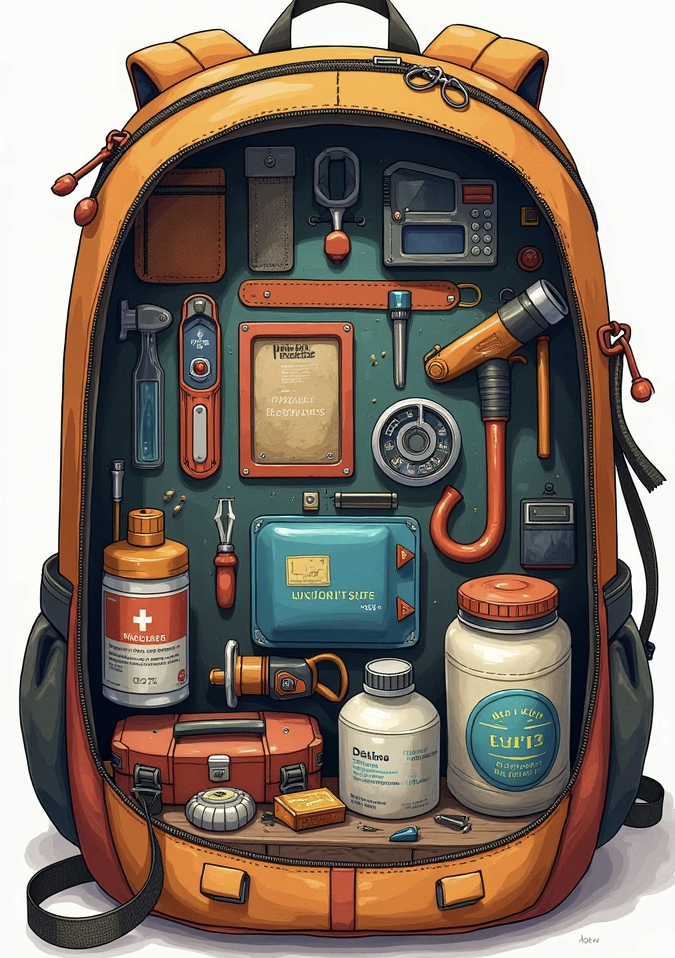
Bleeding out is the number one killer in any emergency scenario. If you don’t stop the blood, your body goes into shock and you’re toast. I’m not just talking about a small scrape; I mean a serious artery gushing blood like a busted fire hydrant.

Skill: Master the tourniquet and pressure bandage like your life depends on it — because it does.

  • Tourniquet — This ain’t just a fancy word. A tourniquet is a lifesaver when a limb is bleeding uncontrollably. Wrap it above the wound tight enough to stop the flow of blood, but not so tight you tear skin or nerves. Get a proper commercial one, but if you don’t have it, make one out of a sturdy belt or cloth and twist it with a stick or pen to tighten.
  • Pressure bandage — If the wound’s on your torso or can’t be tourniquetted, apply direct pressure with clean cloth or gauze. Don’t let up for a minute. If you don’t have gauze, use a T-shirt, towel, or anything clean-ish.

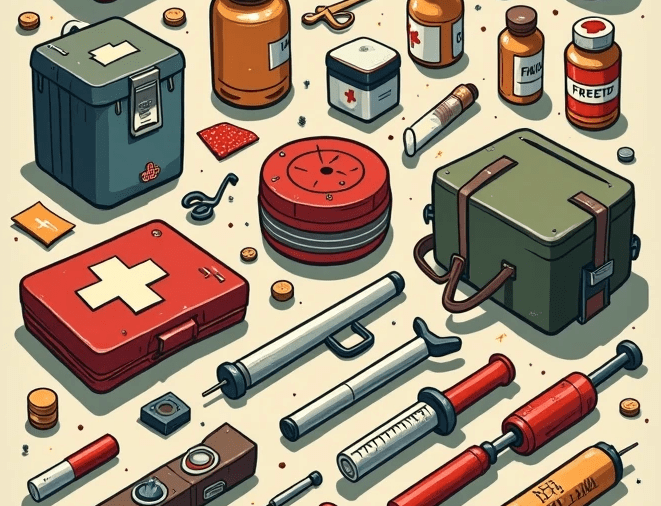
Pro Tip: Always carry a compact trauma kit with a tourniquet, pressure bandages, and hemostatic agents. Hemostatic agents are powders or dressings that make blood clot faster. If you don’t have those, improvise but prioritize stopping the bleeding first.


Survival Skill #2: Control Your Airway – Clear It, Keep It Open

What good is stopping the bleeding if you can’t breathe? When disaster strikes, choking on blood, vomit, or debris is a very real threat. If you don’t keep that airway open, you’re dead before you even get a chance to bleed out.

Skill: Learn to do the Head-Tilt Chin-Lift maneuver and the Heimlich maneuver.

  • Head-Tilt Chin-Lift — If someone’s unconscious or semi-conscious, tilt their head back and lift the chin to open the airway. Clear any visible obstruction with your fingers or a tool.
  • Heimlich Maneuver — If someone’s choking on food or debris, hit that abdomen hard just above the belly button until the obstruction pops out.

Pro Tip: Don’t wait to be a medic to learn CPR. That’s your bread and butter when someone stops breathing or their heart stops. Get certified or at least watch good tutorials and practice.


Survival Skill #3: Build and Use a Splint

Broken bones are no joke in the wild or disaster zones. Without proper immobilization, you risk further injury, bleeding, or infection. You can’t call an ambulance — you are the ambulance.

Skill: Use what you have — sticks, branches, metal, or anything rigid — to immobilize broken or sprained limbs.

  • Find two strong sticks or any sturdy straight object.
  • Pad them with cloth to prevent cutting into the skin.
  • Secure them tightly with rope, tape, strips of cloth, or even shoelaces.
  • Make sure the splint immobilizes the joints above and below the injury.

Pro Tip: Practice making a splint now, so when you need it, you don’t fumble like a scared city slicker.


Survival Skill #4: Improvise a Breathing Filter or Mask

Smoke, chemical fumes, dust, and toxic air can kill you just as fast as a bullet. If you don’t have a gas mask or proper respirator, don’t sit there choking. Use your brain and improvise.

Skill: Make a basic filter using materials around you.

  • Take a clean cloth or bandana and wet it.
  • Layer it with activated charcoal (if you have it) or charcoal from a campfire crushed finely.
  • Fold it to cover nose and mouth tightly.
  • Breathe through it — it won’t be perfect, but it’ll filter out much of the dust and chemicals.

Pro Tip: Store activated charcoal tablets or powder in your survival kit. If you can’t get charcoal, use multiple layers of damp fabric as a minimum barrier.


Survival Skill #5: Keep Calm and Prioritize Care

You can’t do anything if you lose your head. Panic is the biggest killer after injury or trauma. Your body’s adrenaline will spike, but your brain needs to stay cold and tactical.

Skill: Train yourself mentally to triage and act swiftly.

  • Assess the situation quickly: who needs the most urgent care?
  • Stop the bleeding first.
  • Keep the airway clear second.
  • Immobilize injuries third.
  • Prevent shock by keeping the patient warm and calm.

Pro Tip: Practice these steps under pressure with your group or family. If you freeze up in a real disaster, your survival odds drop drastically.


DIY Survival Hack #1: Make a Field Dressing from Household Items

You don’t need fancy medical gear to make a functional dressing.

  • Take clean cotton T-shirts, towels, or even sanitary napkins (they’re sterile and absorbent).
  • Fold them thickly.
  • Use duct tape or strips of cloth to secure them over wounds.
  • If you have honey, rub a thin layer on the wound before dressing. Honey is a natural antibacterial agent and helps prevent infection.

This field dressing will buy you time to get serious care or stabilize someone long enough for evacuation.


DIY Survival Hack #2: Create a DIY Splint from Magazine Pages and Tape

No sticks handy? No problem.

  • Fold several pages of a magazine tightly into a thick, rigid strip.
  • Use duct tape or cloth to secure it firmly around the injured limb.
  • This crude splint isn’t perfect but will stabilize a sprain or minor fracture enough to prevent further damage.

Practice this now so you can whip one out in a pinch.


DIY Survival Hack #3: Homemade Mouth-to-Mouth Shield

If someone’s unconscious and not breathing, you’ll need to perform rescue breaths safely.

  • Cut a small piece of plastic from a sandwich bag or cling wrap.
  • Poke a small hole in the middle (about the size of a dime).
  • Use this as a barrier between your mouth and theirs to reduce infection risk while doing mouth-to-mouth.

This simple device is cheap, easy, and could save a life without risking your own health.


Bottom Line: Bleed, Breathe, Survive
If you think emergency care is something only doctors or medics should worry about, you’re already dead. This survival game is brutal, and you will get hurt — maybe badly. The difference between life and death is having the skills, guts, and knowledge to act immediately and decisively.

You stop the bleeding, clear the airway, immobilize injuries, protect yourself from toxic air, and keep a cool head under pressure. Every second wasted is a second closer to the grave. Get the right gear, practice these skills, and learn these hacks now. Because when SHTF, the world won’t be handing out Band-Aids and breathing masks. You’ll have to be your own damn EMT.

Remember: Bleed, Breathe, Survive. It’s that simple. Or not at all.

10 Non-Negotiables for the Serious Doomsday Prepper

10 Non-Negotiables for the Serious Doomsday Prepper: A Christian Perspective

As Christians, we are called to be good stewards of all that God has entrusted to us. This includes our families, our resources, and our ability to prepare for uncertain times. The Bible teaches us to be wise and prudent, especially in times of trial. Proverbs 22:3 tells us, “The prudent see danger and take refuge, but the simple keep going and pay the penalty.” This verse serves as a reminder that we are not to live in fear, but rather in preparation for challenges that may arise. For the serious doomsday prepper, this means equipping ourselves spiritually, mentally, and physically for any eventuality that could disrupt our lives.

While the world around us seems increasingly unstable—with political unrest, natural disasters, and economic upheaval—God calls us to trust Him while also taking practical steps to ensure our survival and the well-being of our loved ones. Below, we’ll explore ten non-negotiable items that every serious prepper should have, all through the lens of faith, prayer, and wisdom from the Word of God.


1. Faith and Trust in God

Before anything else, the foundation of all preparation must be a firm reliance on God. As Christians, we know that no matter what happens in the world, our ultimate security rests in the hands of our Heavenly Father. Psalm 46:1 assures us, “God is our refuge and strength, an ever-present help in trouble.” While it’s important to prepare, we must remember that it is God who ultimately sustains us.

Prayer:
“Father, help me to trust You in all circumstances. Grant me wisdom to prepare, but peace in knowing that You are in control of my future. In Jesus’ name, Amen.”


2. Water Filtration and Storage

Water is essential to life, and it is vital that you have a reliable source of clean water, especially in the event of a disaster. A water filtration system is non-negotiable for preppers. The Bible speaks about water being life-sustaining, as in John 4:14, where Jesus says, “Whoever drinks the water I give them will never thirst.” As we prepare, let us also remember that God provides for our needs. Nevertheless, we must be responsible stewards of the resources He provides.

Ensure you have an emergency supply of water, as well as the means to filter and purify water in case it becomes contaminated.


3. Food Storage and Emergency Supplies

In Matthew 6:11, Jesus teaches us to pray, “Give us today our daily bread.” While we trust in God to provide, it is also wise to prepare for times when food might be scarce. Having a well-stocked pantry filled with non-perishable foods, freeze-dried meals, and essential items like rice, beans, and canned goods is an essential part of any prepper’s plan.

It’s important not only to stock food but also to rotate it regularly to ensure it stays fresh and usable when needed. Also, consider adding a manual can opener to your kit, as it could become a crucial tool in an emergency.


4. First Aid Kit and Medical Supplies

Health emergencies can arise unexpectedly, and we must be prepared to care for ourselves and others when necessary. The Bible encourages us to take care of our bodies as temples of the Holy Spirit (1 Corinthians 6:19-20). A comprehensive first aid kit that includes bandages, antiseptics, medications, and tools for dealing with serious injuries is a non-negotiable item for every prepper.

Additionally, consider learning basic first aid and CPR to better assist those in need. In times of crisis, being able to provide medical assistance could save lives.


5. Firearms and Self-Defense Tools

In times of disaster, the ability to defend yourself and your loved ones becomes critical. The Bible doesn’t shy away from the fact that, at times, we may need to defend what God has entrusted to us. Nehemiah 4:14 says, “Don’t be afraid of them. Remember the Lord, who is great and awesome, and fight for your families, your sons and your daughters, your wives and your homes.” While our trust is in God, it’s also wise to equip ourselves with the means to protect what is valuable to us.

Ensure that you are well-trained and proficient in the use of firearms and other self-defense tools.


6. Bibles and Spiritual Resources

No matter how prepared we are physically, we must never forget our spiritual needs. A Bible is a non-negotiable item for every prepper. In times of crisis, it is the Word of God that provides us with comfort, peace, and hope. Psalm 119:105 says, “Your word is a lamp for my feet, a light on my path.” Having Bibles for yourself and your family, along with Christian books that offer encouragement and wisdom, will help you stay grounded spiritually.

Prayer:
“Lord, thank You for Your Word. Help me to keep it in my heart and use it as a guide through all trials. May I always find comfort and strength in Your promises. Amen.”


7. Emergency Shelter and Warmth

Whether it’s a tent, tarp, or other forms of shelter, having the ability to protect yourself from the elements is crucial. The Bible speaks of God’s provision and care even in the most difficult circumstances. In Psalm 91:4, it says, “He will cover you with His feathers, and under His wings you will find refuge.” Just as God provides shelter and protection, we must ensure that we have the means to shelter ourselves in case of an emergency.

Also, stock up on blankets, sleeping bags, and warm clothing, especially if you live in an area prone to cold weather or extreme conditions.


8. Communication Devices

While it’s important to have physical preparedness, staying connected with others is also essential. The Bible encourages us to look out for one another, as seen in Galatians 6:2: “Carry each other’s burdens, and in this way, you will fulfill the law of Christ.” Having communication devices, such as two-way radios or satellite phones, will help you stay connected with family, friends, and fellow believers during a disaster.

Ensure your communication devices are fully charged and have backup power sources to keep them operational when needed most.


9. Cash and Barterable Goods

In a financial collapse or in times when electronic payments no longer work, cash and tangible items for bartering will become invaluable. Proverbs 11:1 tells us, “The Lord detests dishonest scales, but accurate weights find favor with Him.” While we are to trust God with our finances, it is wise to keep some cash on hand, as well as items like gold, silver, or other resources that can be traded if currency becomes obsolete.


10. Mental and Emotional Resilience

When disaster strikes, mental and emotional resilience is as important as physical survival. Proverbs 24:10 reminds us, “If you falter in a time of trouble, how small is your strength!” Preparing for mental and emotional challenges is just as important as preparing for physical ones. Build a strong, prayerful mindset that relies on God’s strength. Practice gratitude, hope, and trust in God’s plan, no matter what comes.


5 Survival Prepper Tips

  1. Develop a Family Emergency Plan – Communication is key. Create a plan that includes where to meet, how to contact each other, and who to rely on in case of emergency.
  2. Learn Basic Survival Skills – From fire-starting to shelter-building, learning these essential skills ensures you can thrive even when your gear fails.
  3. Train for Self-Defense – Equip yourself with the knowledge of self-defense techniques, firearms training, and situational awareness to protect your family.
  4. Stay Physically Fit – Your body is your first line of defense in a disaster. Exercise regularly to build strength and stamina to endure tough situations.
  5. Trust in God’s Provision – Above all, trust that God will provide for your needs, even when times are uncertain. Remember Matthew 6:33: “But seek first His kingdom and His righteousness, and all these things will be given to you as well.”

Prepper Priorities: Must-Have Items Before the Collapse

Prepper Priorities: Must-Have Items Before the Collapse

In today’s uncertain world, the notion of self-reliance is becoming more important than ever. With rising concerns over political instability, economic uncertainty, and the unpredictability of natural disasters, it’s clear that the need to prepare for potential crises is something that we can no longer ignore. Whether it’s the possibility of hyperinflation, power grid failures, or even the collapse of social order, being ready for the worst can ensure that you, your family, and your community are protected.

As conservative-minded individuals, we value independence, personal responsibility, and the ability to weather any storm that comes our way. Preparing for a collapse—whether political, economic, or otherwise—requires the right mindset, skills, and tools. Let’s take a look at the must-have items every prepper should stock up on, with a focus on practical, common-sense solutions.


1. Water Filtration System

You don’t have to look far to see that clean water is becoming an increasingly precious commodity. The fact that many cities across the U.S. are experiencing water shortages, and that the quality of municipal water is increasingly suspect, makes having a reliable water filtration system essential. Whether you prefer a portable filter like the Lifestraw or a larger, home-based filtration system, ensuring access to clean water is a top priority. As recent reports have highlighted the contamination of water supplies in cities like Flint, Michigan, the need for self-sufficiency when it comes to water is crystal clear.


2. Food Storage and Emergency Supplies

With inflation at historic highs and the global food supply chain under increasing strain, securing a long-term food supply is more critical than ever. Stocking up on non-perishable foods, freeze-dried meals, and essentials like rice, beans, and canned goods will help ensure your family is well-fed during a crisis. In recent years, we’ve seen shortages in everything from toilet paper to baby formula—what if the next shortage impacts your ability to feed your family? Given the government’s unpredictable handling of supply chain issues, it’s up to you to ensure you’re prepared.


3. Firearms and Ammunition

As we’ve witnessed in the past year, political and social tensions in the U.S. are rising, and the need for personal protection is becoming more pressing. The Second Amendment is an essential part of our nation’s foundation, and being able to defend your home and loved ones is paramount. From unpredictable civil unrest to the increasing possibility of government overreach, firearms and ammunition are not just for hunting—they’re a tool for preserving life and liberty. Recent political debates on gun control have only further solidified the importance of having the right to bear arms and the necessity of being prepared.


4. Medical Supplies and First Aid Kit

In any emergency situation, the ability to treat wounds, illnesses, and injuries is crucial. As hospitals become overwhelmed in times of crisis—whether due to pandemics, civil unrest, or natural disasters—a well-stocked first aid kit can make a life-or-death difference. Essential items include bandages, antiseptics, medications, and tools for dealing with serious injuries. When you rely on government-run healthcare systems that are increasingly overwhelmed, having the knowledge and resources to care for yourself and your family becomes indispensable.


5. Solar-Powered Battery Chargers

The rising risk of power grid failures should be a wake-up call to anyone who values self-sufficiency. From cyberattacks on critical infrastructure to natural disasters like hurricanes and wildfires, power outages are becoming more common. Solar-powered battery chargers allow you to keep your communications running, charge important devices, and maintain a basic level of connectivity, even during extended outages. With the increasing instability of both domestic and international politics, it’s important to ensure that you can maintain your independence, even when the grid goes down.


6. Emergency Shelter

When disaster strikes, the ability to secure shelter can make all the difference in your survival. Whether it’s a temporary bug-out shelter or a more permanent setup, having the right gear—such as tents, tarps, or a well-built shelter in your backyard—can provide safety and comfort in times of chaos. Just look at the mass exodus from urban areas in the wake of natural disasters or civil unrest—having a backup plan for shelter can help you escape the fray when the world goes sideways.


7. Survival Tools and Multi-Tools

The right tools can mean the difference between life and death in a survival situation. A high-quality multi-tool, such as a Leatherman or Swiss Army knife, can serve a multitude of purposes, from building shelter to defending yourself. Additionally, having specialized tools for tasks like fire-starting, hunting, and cooking can make your survival efforts much more manageable. As we’ve seen with the growing unpredictability of global conflicts and natural disasters, there’s no telling when you may need to rely on your own two hands to survive.


8. Fuel and Energy Resources

As power grids and gas supplies become more vulnerable to both cyberattacks and supply chain breakdowns, securing alternative energy sources is becoming more critical. This can include fuel for cooking and heating, as well as renewable resources like solar panels or generators. With the rising cost of energy and increasing energy dependency in times of crisis, being able to manage your own energy resources will be key to maintaining your independence. Political tensions in energy-rich regions only further highlight the importance of securing your energy needs now.


9. Communication Devices

Staying informed and connected during an emergency is crucial. While smartphones are convenient, they are also dependent on the grid. Investing in alternative communication devices—such as two-way radios or satellite phones—can keep you in touch with loved ones and provide critical information when all other forms of communication fail. The recent power outages in California and Texas have demonstrated how fragile our communication systems can be when disaster strikes, and having a backup plan is essential for survival.


10. Bug-Out Bag

A bug-out bag is your go-to survival kit that should include everything you need to survive for at least 72 hours in a crisis. This should include water, food, medical supplies, fire-starting tools, and clothing, all packed in a durable, easy-to-carry bag. Recent political developments, such as civil unrest and the rising risk of natural disasters, have shown that being able to quickly evacuate your home is not just a smart move—it could be life-saving.


11. Mental and Physical Conditioning

Survival isn’t just about having the right gear—it’s also about being mentally and physically prepared to endure. Building physical strength, stamina, and mental resilience can help you handle the stress and strain that comes with survival situations. Whether it’s training for self-defense, practicing mindfulness, or strengthening your body through regular exercise, conditioning is crucial to maintaining a survival mindset.


11 Survival Prepper Tips

  1. Develop a comprehensive emergency plan – Include family members and ensure everyone knows the steps to take in case of evacuation or lockdown.
  2. Stay informed – Always monitor reliable news sources for updates on local and global crises.
  3. Learn essential survival skills – Learn how to forage, hunt, and fish; practice fire-starting and shelter-building.
  4. Create a bug-out plan – Know multiple escape routes and have a trusted destination in mind.
  5. Practice financial preparedness – Have cash on hand and precious metals for bartering in case the financial system collapses.
  6. Stockpile essentials – Think beyond food and water—get tools, batteries, and other long-term supplies.
  7. Communicate your plan – Share your emergency plans with loved ones and practice regularly.
  8. Strengthen community ties – Build relationships with neighbors and like-minded individuals who can help in a crisis.
  9. Stay fit and healthy – In an emergency, your health and stamina will be critical to your survival.
  10. Learn basic first aid – Knowing how to treat injuries and illnesses could save lives during a disaster.
  11. Have a backup energy source – Solar-powered tools and alternative energy sources will keep you off the grid.

Current Events Political Moments Impacting Prepping

Recent political events—from the chaotic withdrawal from Afghanistan to escalating tensions over inflation—serve as stark reminders of the instability in our world. Policies that affect energy, gun rights, and government intervention are all part of the equation when planning for a collapse. As government actions grow more unpredictable, self-reliance becomes more necessary for ensuring your future security.

Oregon’s Top Bug-Out Locations for Hardcore Preppers

Primitive But Powerful: Oregon’s Most Prepped Campsites

As a seasoned prepper in Oregon, I’ve scouted and tested campgrounds that not only offer breathtaking views but also provide the solitude, resources, and terrain ideal for long-term survival training, bug-out scenarios, or just reconnecting with the land. From dense old-growth forests to high-desert plateaus, Oregon’s diverse landscapes offer unparalleled opportunities for self-reliance practice.

CLICK HERE TO LEARN HOW TO SURVIVE A FAMINE


🏕️ Top 30 Prepper-Friendly Campgrounds in Oregon

  1. Bull of the Woods Wilderness – A rugged, old-growth forest in the Cascades, perfect for stealth camping and water purification training. Wikipedia
  2. Santiam State Forest – Offers diverse terrain with creeks, waterfalls, and fire lookout access, ideal for navigation and shelter-building exercises. Wikipedia
  3. Suttle Lake Campgrounds – Provides access to water for purification practice and opportunities for fishing and boating. Wikipedia+7Wikipedia+7Axios+7
  4. Glass Buttes – A volcanic high-desert area with abundant obsidian, excellent for tool crafting and survival crafting skills. Wikipedia
  5. Derrick Cave – A lava tube cavern offering natural shelter for emergency scenarios and exploration. Wikipedia
  6. Opal Creek Wilderness – Features pristine rivers and old-growth forests, perfect for water sourcing and stealth camping.
  7. Trillium Lake Campground – Provides clear water sources and opportunities for fishing and kayaking.
  8. Devils Lake State Recreation Area – Offers nearly 700 acres of fish-rich waters, suitable for fishing and water purification practice. Axios
  9. Whalen Island County Campground – A rustic coastal retreat ideal for birdwatching, kayaking, and enjoying serene sunsets. Axios
  10. L.L. Stub Stewart Memorial State Park – Known as “Portland’s backyard,” featuring extensive trails and biking paths. Axios
  11. Silver Falls State Park – Offers waterfall hikes and diverse terrain for navigation and shelter-building exercises.
  12. Redwood National and State Parks – Provides serene experiences with ancient coast redwoods and diverse ecosystems. Condé Nast Traveler
  13. Mount Hood National Forest – Features diverse terrain with opportunities for hiking, fishing, and wildlife observation.Wikipedia
  14. Willamette National Forest – Offers a variety of trails and campgrounds for diverse outdoor activities.
  15. Deschutes National Forest – Provides access to lakes, rivers, and trails for fishing, boating, and hiking.
  16. Umpqua National Forest – Features hot springs, waterfalls, and diverse wildlife for exploration.
  17. Wallowa-Whitman National Forest – Offers rugged terrain and diverse ecosystems for hiking and wildlife observation.
  18. Fremont-Winema National Forest – Provides access to lakes and rivers for fishing and boating activities.
  19. Ochoco National Forest – Features diverse terrain with opportunities for hiking and wildlife observation.
  20. Siuslaw National Forest – Offers coastal access and diverse ecosystems for exploration.
  21. Wallowa Lake State Park – Provides access to Wallowa Lake for fishing and boating activities.
  22. Catherine Creek Campground – Offers access to Catherine Creek for fishing and hiking activities.
  23. Timothy Lake Campground – Provides access to Timothy Lake for fishing and boating activities.
  24. Lost Lake Campground – Offers access to Lost Lake for fishing and hiking activities.Wikipedia+2Axios+2Wikipedia+2
  25. Diamond Lake Campground – Provides access to Diamond Lake for fishing and boating activities.
  26. Alvord Desert – A remote desert area offering solitude and opportunities for survival training.
  27. Steens Mountain – Features rugged terrain and diverse ecosystems for hiking and wildlife observation.Condé Nast Traveler
  28. Owyhee River Canyon – Offers remote canyon landscapes for exploration and survival training.
  29. John Day Fossil Beds National Monument – Provides unique geological formations and opportunities for exploration.
  30. Hells Canyon National Recreation Area – Features rugged terrain and diverse ecosystems for hiking and wildlife observation.

🧭 Prepper’s Checklist for Oregon Campgrounds

  • Water Sources: Ensure access to clean water for drinking and purification practice.Wikipedia
  • Terrain Variety: Look for areas with diverse landscapes for navigation and shelter-building exercises.
  • Seclusion: Choose remote locations to practice stealth camping and avoid detection.
  • Wildlife: Familiarize yourself with local wildlife for safety and food sourcing.
  • Emergency Access: Know the nearest exit routes and emergency services.

🔥 Survival Skills to Practice

  • Fire Starting: Practice using various methods to start fires in different conditions.
  • Shelter Building: Construct shelters using natural materials and available resources.
  • Water Purification: Test different methods of purifying water from natural sources.
  • Food Sourcing: Identify edible plants and practice fishing and hunting techniques.