
Surviving the Northern Plains: A Prepper’s Guide to North Dakota’s Natural Disasters
Living in North Dakota isn’t for the faint of heart. From the bone-chilling blizzards of winter to the unpredictable tornadoes of summer, this state demands resilience and preparation. As a seasoned prepper residing in the heart of the Great Plains, I’ve learned that survival isn’t just about having the right gear—it’s about understanding the land, the weather, and the unique challenges our environment presents.
Understanding North Dakota’s Natural Disasters
North Dakota’s vast landscapes and extreme weather patterns make it prone to several natural disasters:
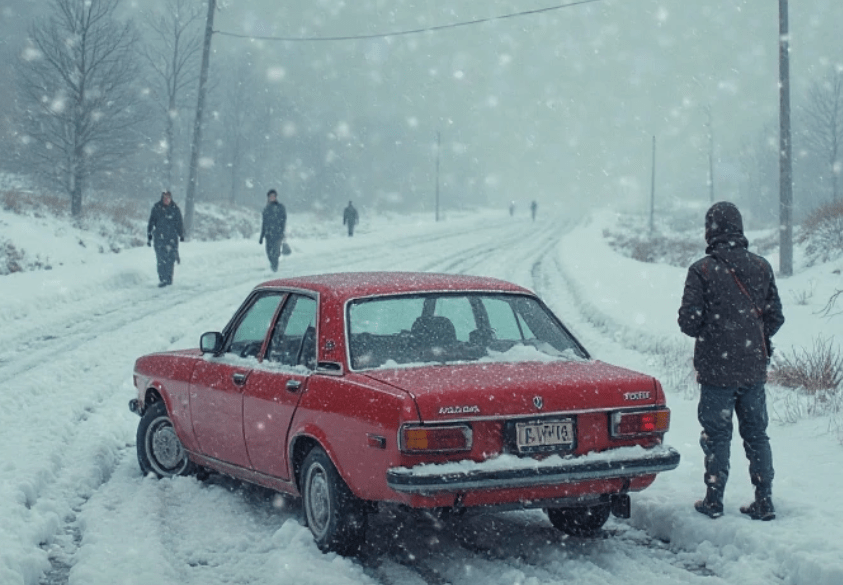
- Blizzards and Extreme Cold: Winters here can be brutal, with temperatures plummeting well below freezing and snowstorms that can immobilize entire regions.
- Flooding: Spring thaws and heavy rains can lead to rapid snowmelt, causing rivers like the Red River to overflow and flood surrounding areas.
- Tornadoes: While less frequent than in “Tornado Alley,” North Dakota still experiences tornadoes, especially during the warmer months.
- Wildfires: Dry conditions, high winds, and low humidity can quickly escalate into dangerous wildfires, particularly in the western part of the state.Wikipedia
10 Essential Survival Prepper Tips for North Dakota Residents
- Winterize Your Home and Vehicle: Ensure your heating systems are efficient and have backup fuel sources. Keep your vehicle’s gas tank at least half full to prevent fuel line freeze-up. American Red Cross
- Build a Comprehensive Emergency Kit: Include items like non-perishable food, water, flashlights, batteries, a first aid kit, and essential medications. Don’t forget pet supplies if you have animals. casscountynd.gov
- Stay Informed with Local Alerts: Sign up for local emergency notification systems like Cass Clay Alerts to receive timely updates on weather events and other emergencies. Fargo+1casscountynd.gov+1
- Create a Family Communication Plan: Establish meeting points and communication methods in case of separation during a disaster. Ensure all family members are familiar with the plan. casscountynd.gov+1Fargo+1
- Elevate Electrical Systems: In flood-prone areas, raise electrical panels, outlets, and wiring above potential flood levels to prevent damage. North Dakota Insurance Department+1North Dakota State University+1
- Protect Your Property from Flooding: Install sump pumps, backflow valves, and ensure proper drainage around your property to divert water away from your home. North Dakota Insurance Department
- Maintain Fire Safety Measures: Keep fire extinguishers accessible, clear brush and dry vegetation around your property, and stay informed about local fire danger levels.
- Secure Loose Items During Storms: Strong winds can turn everyday objects into projectiles. Secure or bring inside items like patio furniture, grills, and tools.
- Stockpile Emergency Supplies: In addition to basics, consider items like a portable generator, extra fuel, and a battery-powered weather radio to stay informed during power outages.
- Practice Regular Drills: Conduct family drills for various scenarios—blizzards, floods, fires—to ensure everyone knows their role and can act swiftly when needed.
Living Off the Land: A Prepper’s Lifestyle
Beyond stockpiling supplies, true preparedness in North Dakota means becoming self-reliant. This includes growing your own food, raising livestock, and learning traditional skills like canning and preserving. The harsh winters can isolate communities, making it crucial to have the means to sustain yourself and your family.
Community and Networking
While self-sufficiency is vital, community support can be a lifesaver during disasters. Join local prepper groups, attend community emergency response training, and build relationships with neighbors. In times of crisis, a strong network can provide resources, information, and assistance when needed most.
Conclusion
CLICK HERE TO LEARN HOW TO SURVIVE A FAMINE
Surviving in North Dakota requires more than just enduring the elements—it demands preparation, knowledge, and a proactive mindset. By understanding the unique challenges our state presents and taking steps to mitigate risks, we can ensure the safety and well-being of ourselves and our loved ones. Remember, in the world of survival prepping, it’s better to be over-prepared than under-prepared.
 TheDailyChristian