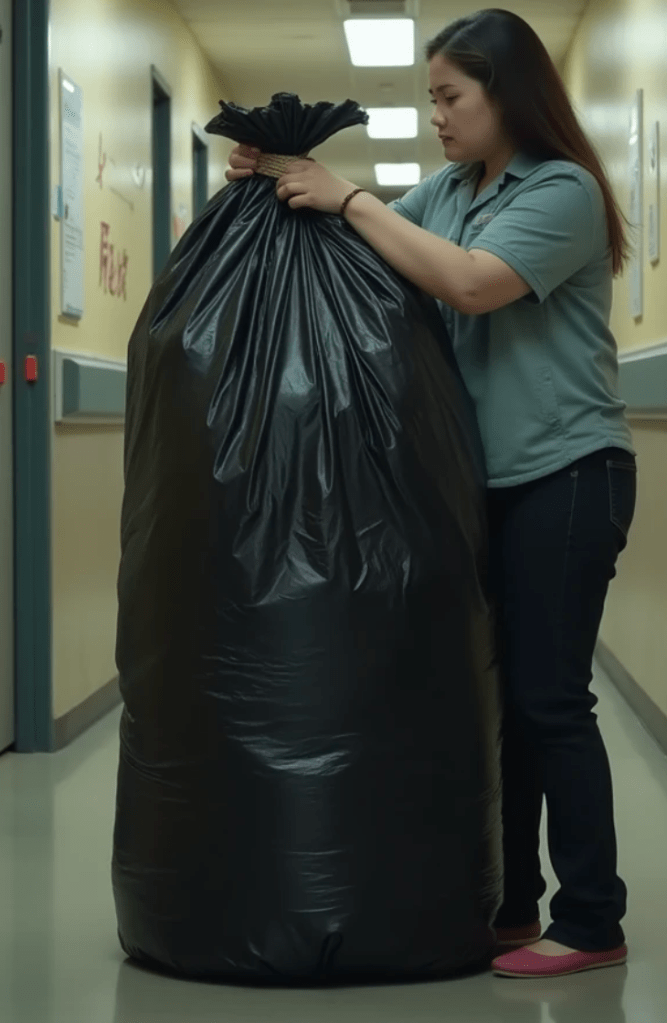
The SHTF Wake-Up Call: How to Prepare for a World Where What You Have Is All That Matters

The SHTF Wake-Up Call: How to Prepare for a World Where What You Have Is All That Matters

If you’re still sitting around, thinking that everything is going to be fine and that some miracle will come along to save you, then it’s time for a serious wake-up call. You’ve been warned, and if you haven’t taken action yet, you’re a fool. When shit hits the fan (SHTF) for real, you won’t have time to run to the store and pick up a few cans of beans. You won’t have a backup plan that depends on someone else’s help. The hard truth is, what you have on hand will be ALL that matters. That’s it. You think you’re prepared? Think again. You can’t survive on optimism or hope alone.

So, let me make it crystal clear: You better have your act together now, or you’re done.

The problem with most people today is that they’re completely blind to the real threats we face. They walk around, heads buried in their phones, oblivious to the fact that this whole society could collapse in the blink of an eye. But it’s not just some far-off apocalypse I’m talking about. I’m talking about economic collapse, social unrest, grid failures, natural disasters, pandemics, and everything in between. The kind of world where your food, your water, your shelter, and your ability to protect yourself from the chaos around you will depend entirely on what you’ve managed to gather and the skills you’ve learned.

That’s right. Skills. Skills that you better start mastering now.

Here’s the thing: when the grid goes down and the grocery stores empty out, you won’t be able to waltz into your friendly local convenience store to grab a snack. And let me tell you, unless you live in a rural area and have prepared for the worst, you won’t be seeing those preppers with “lots of ammo and supplies” coming to save you. It’s every man for himself, and you will quickly realize just how unprepared you are if you don’t start taking this seriously.

So, let’s get into it. If you want to survive the collapse, you need to have the right skills in your back pocket. Here are 15 critical SHTF survival skills you need to master before it’s too late.

1. Water Filtration and Purification

If there’s one thing that’s more precious than gold when SHTF, it’s water. You can go without food for weeks, but you can’t survive more than a few days without water. Stockpiling water is smart, but you also need the knowledge to purify any water you come across. Learn how to boil water, use filtration systems, and make DIY purification methods.

2. Fire Starting

A fire isn’t just for cooking or warmth. It’s a beacon for rescue, a deterrent for predators, and a signal to others. Learn how to start a fire with limited supplies. I’m talking about using flint and steel, magnifying glasses, fire starters, and even primitive methods like rubbing sticks together. If you can’t make fire, you’re screwed.

3. Food Preservation

Stockpiling food is essential, but do you know how to make it last? Canning, dehydrating, and fermenting food are all necessary skills. If you’re relying solely on canned goods, you’re setting yourself up for failure in the long run. Learning how to preserve your own food can make the difference between life and death.

4. Self-Defense

Let me say it loud and clear: the world isn’t going to be a safe place when SHTF. People will become desperate, and desperation breeds violence. If you don’t know how to defend yourself—whether that’s with a firearm, a knife, or your bare hands—you’re putting yourself at extreme risk. Learn how to use weapons, but also know how to fight without them.

5. Shelter Building

When your home is no longer safe, you’ll need to know how to build a shelter. Do you know how to construct a lean-to, a tarp shelter, or even use natural resources for protection? If you’re stuck in the wilderness, your survival depends on your ability to stay dry, warm, and protected.

6. Hunting and Fishing

You’re not going to find a butcher shop to supply you with steaks once society falls apart. Knowing how to hunt, fish, trap, and forage is vital for long-term survival. You need to have the skills to put food on the table in a world where hunting for a meal isn’t just a recreational activity.

7. First Aid and Medical Knowledge

When help isn’t on the way, you better know how to take care of yourself. You need more than just a basic first aid kit—you need to know how to use it. Learn basic field medicine, including how to treat wounds, fractures, infections, and even how to perform CPR. The human body is fragile, and when it goes wrong, you’ll be on your own.

8. Navigation

If the GPS goes down, are you prepared to find your way? Learn how to read a map and use a compass. In a collapsed world, you’ll need to be able to navigate through urban areas or the wilderness. Whether you’re running from danger or searching for a safer place, the ability to find your way will be crucial.

9. Bartering

Cash is worthless when the economy collapses, but goods and services still hold value. If you don’t understand how to barter, you’re going to be at a serious disadvantage. Learn how to negotiate and trade supplies or skills to get what you need.

10. Composting and Growing Food

When you can no longer rely on grocery stores, you better know how to grow your own food. If you can’t grow your own crops or raise livestock, you’ll quickly run out of resources. Learn how to compost, plant, and maintain a garden. It’s one of the most valuable survival skills you can have.

11. Mental Toughness

Let’s face it: survival isn’t just about physical skills; it’s also about mental resilience. If you lose your nerve when things get tough, you won’t last long. You need to stay calm, think critically, and be able to make tough decisions when everything around you is falling apart. Mental toughness will be your secret weapon.

12. Improvised Weapons

When ammunition and weapons are scarce, you need to know how to improvise. A sharp stick or a hammer can be just as effective as a firearm in a pinch. Learn how to turn everyday objects into weapons for self-defense.

13. Electricity Alternatives

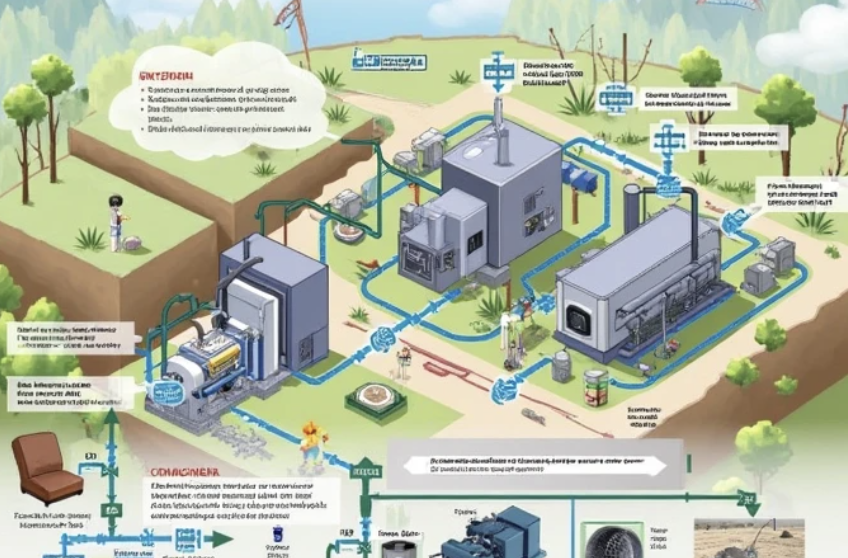
You won’t have access to the grid when it goes down, so you better know how to create your own power. Solar panels, wind turbines, and hand-crank generators are all viable options. You also need to know how to repair basic electrical systems.

14. Communication

When cell towers and the internet are gone, you need to know how to communicate without relying on modern technology. Ham radios, signal fires, and other low-tech methods will keep you connected when everyone else is in the dark.

15. Mental Health Care

When society breaks down, your emotional and psychological state can make or break your survival. Depression, stress, and anxiety can destroy your ability to function. Learn techniques for maintaining mental health during chaotic times. You need to stay strong, calm, and focused.


3 DIY SHTF Survival Hacks

Now, let’s talk about some simple, DIY hacks that can save your life when SHTF. If you’re relying on a pre-made kit, you’re already behind the curve. Here are three hacks you need to know:

1. DIY Water Filter

You don’t need an expensive water filtration system to clean dirty water. Create a simple water filter using sand, gravel, charcoal, and a piece of cloth. Just layer these materials in a plastic bottle, and it will filter out the bigger contaminants, leaving you with cleaner water. It won’t purify it entirely, but it will make it much safer to drink.

2. DIY Solar Still

If you’re out in the wilderness without access to clean water, a solar still can help. Dig a small hole, place a container at the bottom, and surround it with plastic sheeting. Place a small stone in the center of the plastic to create a low point, and the sun will cause the water to evaporate, collect, and drip into the container. It’s a slow process, but it can provide clean water.

3. Fire Starter with Cotton Balls and Vaseline

When you don’t have matches, and you need to start a fire, make your own fire starter. Soak cotton balls in Vaseline and store them in a waterproof container. When you need to start a fire, just light one of these balls. The Vaseline will act as an accelerant, giving you a fast and hot flame to get your fire going.

If you think all of this is overkill, fine. Keep living in your fantasy world where someone else will save you when the world falls apart. But remember this: when SHTF, what you have is all you’ll have. No backup plans, no help from anyone. It’s time to wake up, get real, and start preparing. Or you’ll be one of the ones begging for help when it’s already too late. Your survival starts now, not tomorrow.


The Stockpiler’s Survival Guide

In 2002, a man named Jack Whittaker from West Virginia hit the Powerball jackpot. It was the biggest prize of its time—hundreds of millions. Most folks would think he hit the ultimate jackpot. But if you dig deeper, you’ll find a cautionary tale that every prepper should take to heart.

Jack’s windfall didn’t bring joy. It brought chaos, greed, tragedy, and death. The moment people found out he was rich, they came out of the woodwork—begging, scheming, and circling like vultures. His house turned into a battleground of handouts and deception. He faced constant legal troubles, and worse, he lost both his daughter and granddaughter under tragic circumstances that many say were linked—directly or not—to the poison of sudden wealth.

Eventually, Jack said publicly that he wished he had torn up that lottery ticket.

CLICK HERE TO LEARN HOW TO NEVER STARVE WHEN DOOMSDAY HITS!

And that got me thinking.

As preppers, we’re not chasing lottery wins. But if you’re stockpiling wisely—if you’ve been planning for what others refuse to see coming—then in the eyes of the unprepared, you’re rich. Maybe not with cash, but with things that matter when the system collapses: food, water, fuel, skills, and know-how.

And just like Jack, if the wrong people find out, you become a target.

When SHTF, desperation turns good people bad. Neighbors turn into looters. Friends can become beggars. And strangers—well, don’t even count on mercy from them. It won’t matter if it’s your kid’s formula, your last bag of rice, or the meds you set aside for your spouse. If someone knows you have it, they will do anything to get it.

Lesson One: Conceal What You Have.

You don’t need to parade your supplies on social media. You don’t need to show off your stash in YouTube videos or brag about your “bug-out” plans at work. Loose lips sink ships. In a true crisis, every can of beans becomes gold. Every gallon of water becomes leverage.

Think about this: If every grocery store and supermarket shut down tonight, and folks knew you were stocked, your house might not survive the week. And that’s not paranoia—it’s math. Hungry people act fast. Starving people act violently.

Take a lesson from Jack Whittaker: if you have value—whether it’s dollars, gear, or provisions—keep it quiet. Because the more they know, the more they’ll take. And they won’t ask nicely.

Now, let’s talk about how to keep your prepping smart, quiet, and effective. Here are ten essential prepper tips every stockpiler should follow if they want to survive and stay off the radar.


10 Survival Prepper Tips for Smart Stockpiling and Stealth Survival

1. Don’t Tell, Don’t Show

It’s tempting to share your plans with friends or neighbors, especially if you’re proud of your setup. But limit your disclosures. Tell only those you trust with your life—and even then, keep details vague.

2. Diversify Your Stash

Don’t keep all your supplies in one place. Spread your stockpile across your home, vehicle, shed, and even hidden caches if possible. That way, if one area gets compromised, you’re not left high and dry.

3. Practice OPSEC

Operational Security (OPSEC) is a mindset. Don’t throw out packaging from large food purchases. Avoid bulk deliveries when neighbors are watching. Blend in. Be the “average Joe” who shops like everyone else.

4. Train, Don’t Just Store

All the gear in the world is worthless if you don’t know how to use it. Practice purifying water, making fire without matches, cooking off-grid, and self-defense. Build muscle memory.

5. Develop Community—but Quietly

Survival is easier in a group, but choose your circle carefully. Build quiet alliances with like-minded individuals. Barter, trade, and train together—but keep things low-key and never disclose your full inventory.

6. Gray Man Strategy

Look harmless, unprepared, and average. In public, don’t dress like you’re headed into the wild. When disaster strikes, don’t be the guy with the latest tactical gear walking down the street. Blend in to avoid attention.

7. Rotate and Maintain Supplies

Your food, fuel, and meds have expiration dates. Rotate stock, label everything, and use a spreadsheet if needed. The worst time to realize your food is spoiled is when your life depends on it.

8. Harden Your Home

Your house is your first line of defense. Reinforce doors, add security film to windows, set up motion lights, and consider solar cameras. You’re not being paranoid—you’re being ready.

9. Prepare for Power Loss

Most people think about food and water but forget energy. Stock up on batteries, solar chargers, hand-crank radios, and backup heating options. When the grid fails, you need to adapt quickly.

10. Have an Exit Plan

Sometimes you can’t shelter in place. Know where you’ll go, how you’ll get there, and what you’ll bring. Keep bug-out bags ready and have alternate routes. Never assume your first plan will work.


Survival Isn’t Just About Stuff—It’s About Mindset

Jack Whittaker’s story is more than a tragedy—it’s a mirror. When society collapses, the rules change. The rich won’t be the ones with stock portfolios—they’ll be the ones with clean water, warm meals, and working flashlights.

And just like Jack learned, if people know you’ve got something they don’t, they’ll come for it.

So stay sharp. Stay quiet. Stockpile smart. And remember: stealth is strength.

We prep not to boast, but to survive. And the best preppers don’t just prepare for disasters—they prepare to stay invisible when the world starts watching.

The Survival Essential That Should Be in Every Prepper’s Kit

The Survival Essential That Should Be in Every Prepper’s Kit

When it comes to prepping, many people focus on the flashy gear—the tactical knives, the high-tech radios, or the heavy-duty survival tools. These items might be essential, but there’s one overlooked gem in the survival world that doesn’t get the attention it deserves. It’s small, simple, and probably sitting right in your kitchen right now: baking soda.

CLICK HERE TO LEARN HOW TO NEVER STARVE WHEN DOOMSDAY HITS!

Yes, you read that right. Baking soda. It’s not flashy, it’s not high-tech, and it’s definitely not something that screams “survival gear.” But believe me, this humble compound is one of the most versatile and useful tools you can have in your survival kit. It’s more than just a baking ingredient or fridge deodorizer—it could be the difference between thriving and simply surviving when disaster strikes.

Now, you might be wondering why I’m recommending something so seemingly mundane. Well, let me walk you through just a few reasons why baking soda needs a spot in your emergency supplies—and how it can make a world of difference when the chips are down.

1. First Aid in a Pinch

In a survival situation, the likelihood of encountering minor injuries is high. Whether it’s a burn from cooking over an open flame, a sting from an insect, or a scratch from rough terrain, you need solutions that are easy to apply and effective. Baking soda can serve as a simple first-aid tool to treat these ailments.

  • Burns: If you’ve suffered a minor burn, make a paste of baking soda and water and apply it to the affected area. It will help soothe the pain and speed up the healing process.
  • Insect Bites and Stings: Same idea applies for insect bites and stings. A baking soda paste will help neutralize the itching and discomfort.
  • Skin Irritations: Baking soda can also work as an exfoliant for your skin and help soothe rashes or other minor irritations. It’s gentle but effective, making it ideal for when you don’t have a lot of options.

2. Personal Hygiene in Tight Spots

When you’re out in the wilderness or trying to survive without access to stores, staying clean is a priority, but not always an easy one. Baking soda can save the day when conventional hygiene products are unavailable.

  • Toothpaste Alternative: If you’re out of toothpaste or don’t have access to the store, baking soda makes a great stand-in. It’ll help clean your teeth, freshen your breath, and prevent bad odors.
  • Deodorant: You may not have access to your regular deodorant, but a little baking soda rubbed into your underarms can help neutralize body odor and keep you feeling fresh.
  • Body Scrub: If you need a scrub to exfoliate your skin and remove dirt or oils, baking soda is your go-to. Just mix it with a little water, and it’s perfect for a quick clean-up.

3. Taking Care of Your Equipment

In a survival situation, your gear becomes an extension of your life. Keeping it in good working condition is critical, and baking soda can help you with that, too.

  • Rust Removal: If you’ve been in wet conditions and your metal gear is showing signs of rust, baking soda can help. A simple paste of baking soda and water applied to the rusted area will gently scrub it away without damaging your tools.
  • Cleaning Pots and Pans: After a long day of cooking over a campfire, cleaning your cookware might feel like a chore. Baking soda can help you remove grease and grime from your cooking pots and pans. Just sprinkle it on, add a little water, and scrub away.
  • Cleaning Gear: Baking soda can also be used to clean the exterior of your gear—your knives, backpacks, or even your boots. It can help get rid of dirt and grime and leave things looking sharp and ready for the next mission.

4. A Fire-Fighting Agent

When SHTF, the ability to put out a fire quickly and safely can be a game-changer. A small grease or electrical fire could turn deadly if not contained. Baking soda can be used to smother these types of fires.

  • Fire Extinguisher: If you don’t have a fire extinguisher on hand, a decent amount of baking soda can help extinguish small fires. Simply pour it over the fire (especially grease or electrical fires) and watch it snuff out the flames.

However, let’s be clear: baking soda is not a substitute for a fire extinguisher. It’s a quick solution for small fires, but if the fire is large, you need to move quickly and use proper fire-fighting equipment.

5. Combatting Odors and Pollutants

In a survival setting, odors can become a major problem, whether it’s from food, waste, or something else. Thankfully, baking soda is a powerful odor neutralizer and can help keep your shelter and supplies smelling fresh.

  • Deodorize Your Shelter: Whether it’s your bug-out bag, tent, or shelter, baking soda can be used to absorb and neutralize odors, preventing them from becoming unbearable.
  • Food Preservation: If you’re storing food, baking soda can also help neutralize any funky smells, especially from canned goods or dried food. It helps to maintain a cleaner environment.

6. Natural Cleaning Agent

In survival situations, you can’t always count on store-bought cleaners or disinfectants. But you can count on baking soda as an excellent all-purpose cleaner.

  • Kitchen Cleaning: Use baking soda to scrub surfaces in your cooking area or even to clean your hands after handling raw meat or fish. It’s effective, non-toxic, and easy to use.
  • Deodorize Clothing: Baking soda can be used to freshen up your clothes, even if you don’t have a washer and dryer available. Sprinkle it on and let it sit, then shake or brush it off for a fresher-smelling outfit.

7. Relieving Heartburn and Digestive Issues

In the absence of medication, baking soda can serve as a home remedy for heartburn or indigestion. It neutralizes stomach acid, helping relieve discomfort quickly.

8. A Compact, Lightweight Addition to Your Kit

One of the best things about baking soda is how easy it is to pack. It’s lightweight, cheap, and incredibly versatile, making it a no-brainer to include in your bug-out bag, emergency supplies, or camping gear.


10 Survival Prepper Tips for Using Baking Soda:

  1. Store Baking Soda Properly: Make sure you keep it in a sealed container to protect it from moisture. You don’t want it to clump or lose its effectiveness.
  2. Use it for Personal Hygiene: Mix it with a bit of water to clean your teeth and freshen your breath when toothpaste isn’t available.
  3. Rust-Proof Your Gear: Regularly clean your metal tools with a baking soda paste to prevent rust buildup.
  4. Fire Safety: Keep a small container of baking soda close to your cooking area for quick fire suppression.
  5. Deodorize Your Shelter: Sprinkle baking soda around your shelter to help keep things smelling fresh.
  6. Cookware Cleaning: Use baking soda to clean grease and grime off your cookware after meals.
  7. Bug and Plant Care: Use baking soda as a natural pesticide to keep bugs away from your survival garden.
  8. Treat Minor Wounds: Use a baking soda paste to treat burns or stings on the go.
  9. Relieve Indigestion: Pack it as an emergency remedy for digestive discomfort.
  10. Always Have a Backup: Store extra baking soda in your long-term food supplies to ensure you have it when needed.

Final Thoughts

Baking soda may not be the most glamorous survival tool, but its versatility and practicality make it an essential item for any prepper. Whether you’re dealing with a burn, freshening your breath, or cleaning your gear, baking soda can serve you well in numerous survival situations. So, the next time you’re preparing your kit, make sure to add this humble compound—it’s a small investment that could pay huge dividends in the field.

Food Security 101: Top 10 Stockpile Staples

Food Security 101: Top 10 Stockpile Staples for the Homestead

Living on a homestead is more than just a lifestyle choice; it’s a commitment to self-sufficiency and preparedness. One of the most important aspects of this way of life is ensuring that you have a solid foundation for food security. There’s a certain peace of mind that comes from knowing you can feed your family no matter what the world throws your way. Whether you’re preparing for an unexpected crisis or simply want to make sure you’re well-stocked for the long haul, knowing what to stockpile is key.

CLICK HERE TO LEARN HOW TO NEVER STARVE WHEN DOOMSDAY HITS!

Food security on the homestead isn’t just about having enough food in the pantry. It’s about being resourceful, thinking ahead, and building up a collection of staples that will help your family thrive, even in uncertain times. There’s a strong sense of responsibility when it comes to providing for yourself and your loved ones. The Bible says in 1 Timothy 5:8, “Anyone who does not provide for their relatives, and especially for their own household, has denied the faith and is worse than an unbeliever.” As homesteaders, we take that verse to heart, ensuring that we are prepared and able to provide for our families.

Let’s dive into the top 10 food stockpile staples that every homesteader should have. These items will not only provide you with essential nutrition but will also give you peace of mind knowing that you’re ready for whatever the future may bring.


1. Canned Goods

Canned goods are an absolute essential in any food stockpile. They have a long shelf life, are easy to store, and can provide you with a wide range of meal options in a pinch. Stocking up on canned vegetables, beans, soups, meats, and fruits will ensure that you have access to nutrients even when fresh food isn’t available. When purchasing canned goods, make sure to check expiration dates and rotate your stock regularly to ensure freshness.

Tip #1: Always buy a variety of canned goods to prevent food fatigue—opt for a mix of vegetables, meats, beans, and fruits.


2. Grains (Rice, Oats, and Quinoa)

Grains are a staple of any long-term food storage plan because they’re versatile, nutrient-dense, and easy to store. Rice is a homesteader’s best friend—it’s cheap, stores well, and can be used in a variety of dishes. Oats are perfect for breakfast and can be used in baked goods or as a thickener for soups and stews. Quinoa, while a bit pricier, is a great gluten-free option that packs a lot of protein and fiber.

Tip #2: Consider purchasing grains in bulk to save money, and store them in airtight containers to protect them from pests and moisture.


3. Beans and Legumes

Beans are another essential staple for homesteaders. They’re full of protein and fiber, which makes them an excellent choice for maintaining a balanced diet. Dried beans have an incredibly long shelf life, which is why they’re a popular item for long-term food storage. Stock up on various types, including black beans, kidney beans, lentils, and chickpeas. They’re perfect for soups, stews, salads, or as a main dish.

Tip #3: Buy dried beans in bulk and be sure to soak them before cooking to reduce cooking time and improve digestibility.


4. Salt and Spices

Salt is one of the most important stockpile items you can have—not only for flavoring food but for preservation as well. Salt is a time-tested method for curing meats, preserving vegetables, and seasoning dishes. Alongside salt, don’t forget to stock up on your favorite spices. Fresh herbs may not always be available, but dried herbs and spices can transform a basic meal into something flavorful and comforting.

Tip #4: Store salt in airtight containers, and consider vacuum-sealing smaller spice packets for long-term freshness.


5. Sugar and Honey

Sugar and honey are important staples for sweetening dishes and making preserves. Sugar is also crucial in the process of canning fruits and vegetables. Honey, on the other hand, has natural antibacterial properties and can be used in many medicinal and culinary ways. Both have a long shelf life and can be used in a variety of recipes.

Tip #5: Store sugar in airtight containers to prevent clumping, and opt for raw honey if possible, as it has a longer shelf life.


6. Flour and Baking Ingredients

If you’re a homesteader, you likely do a lot of baking. Flour, yeast, and other baking ingredients are essential for creating bread, muffins, pancakes, and other staples. Flour has a relatively long shelf life when stored properly, but make sure to rotate it regularly and keep it in airtight containers. You’ll also want to have a variety of other baking essentials like baking powder, soda, and cornstarch on hand.

Tip #6: Consider storing flour in the freezer for longer shelf life and to prevent pests from getting into it.


7. Dehydrated and Freeze-Dried Foods

Dehydrated and freeze-dried foods are perfect for the homestead pantry. They’re lightweight, easy to store, and offer a great shelf life, making them an excellent addition to any emergency stockpile. Freeze-dried fruits, vegetables, and even meats can provide valuable nutrition when fresh food is not available. These foods can be rehydrated with water and used in a variety of recipes.

Tip #7: Consider investing in a food dehydrator or freeze dryer to make your own dehydrated food at home for ultimate self-sufficiency.


8. Canned Dairy or Powdered Milk

Dairy can be difficult to store long-term, but there are options that will ensure you don’t miss out on this important part of your diet. Canned dairy and powdered milk are both excellent choices for homesteaders looking to stock up. They may not replace fresh milk, but they’re great for cooking, baking, and making drinks. Powdered milk can also be used to make cheese or yogurt, providing valuable protein and calcium.

Tip #8: Store powdered milk in airtight containers and keep it in a cool, dark place to extend its shelf life.


9. Root Vegetables (Potatoes, Sweet Potatoes, Onions)

Root vegetables are an essential part of any homestead’s food stockpile. They store well, provide essential vitamins and minerals, and can be eaten in a variety of ways. Potatoes and sweet potatoes are packed with carbohydrates and can be used in everything from soups to casseroles. Onions are a great addition to many dishes and can be dehydrated for long-term storage.

Tip #9: Store root vegetables in a cool, dry place to prevent sprouting and spoilage. If possible, grow your own to increase self-sufficiency.


10. Nuts and Seeds

Nuts and seeds are nutrient-dense and packed with protein, fats, and vitamins. Almonds, walnuts, sunflower seeds, and pumpkin seeds are great options for your stockpile. They can be eaten as snacks, added to meals, or used for making nut butters. These foods are especially helpful in adding variety and texture to your meals.

Tip #10: Store nuts and seeds in airtight containers or vacuum-seal bags to prevent them from going rancid due to exposure to air.


10 Homestead Tips for Food Security:

  1. Rotate your stock regularly – Make sure you’re using older items first and replenishing your stock to keep everything fresh.
  2. Preserve your own food – Canning, dehydrating, and freezing your homegrown produce helps build up your food security.
  3. Grow a garden – The best way to ensure a steady supply of fresh food is by growing it yourself.
  4. Start a compost pile – Composting kitchen scraps will help nourish your garden, ensuring you have a sustainable food source.
  5. Invest in root cellars – A root cellar is a great way to store vegetables and fruits for long periods, keeping them fresh without refrigeration.
  6. Learn to forage – Wild edibles can supplement your food supply, and knowledge of local plants can be invaluable.
  7. Preserve your own meat – Learn to butcher and preserve meat through methods like curing, smoking, or canning.
  8. Store water – Having a water filtration system and backup water supplies is just as important as food.
  9. Barter with neighbors – Building strong relationships within your community can be a valuable resource for exchanging goods and services.
  10. Be prepared for emergencies – Having a well-stocked pantry and emergency plan in place will give you peace of mind.

Survival Essentials: The 10 Best Foods to Store Long-Term for Off-Grid Living

Living off the grid isn’t just about disconnecting from society; it’s about living in harmony with nature and relying on your own skills to sustain yourself. Whether you’re off the grid in the wilderness, a secluded homestead, or even in a tiny cabin, food storage is one of the most crucial elements of off-grid living. When you’re not dependent on grocery stores or delivery services, having a well-stocked pantry of long-lasting, nutrient-dense foods is essential for both survival and thriving in a self-sufficient lifestyle.

Long-term food storage isn’t just about hoarding supplies. It’s about being strategic, understanding your needs, and ensuring that the food you store has long shelf lives, nutritional value, and versatility. The right food can be the difference between having a successful, sustainable off-grid life and struggling to make ends meet. So, let’s dive into the top 10 foods every off-grid dweller should have in their long-term survival pantry, along with tips on how to maximize your space and efficiency.


1. Rice

Rice is one of the most essential, space-efficient foods you can store long-term. Not only does it provide a large amount of calories per serving, but it also has an incredible shelf life if stored properly. Brown rice, white rice, and even wild rice can be used in a variety of meals, from stir-fries to soups and casseroles. When stored in airtight containers and kept in a cool, dry place, rice can last for up to 30 years, making it an excellent choice for off-grid living.

Tip #1: Store rice in airtight containers such as Mylar bags with oxygen absorbers or in food-grade plastic buckets to keep out moisture and pests.


2. Dried Beans and Legumes

Dried beans and legumes are another pantry staple for off-grid survival. They are nutrient-dense, rich in protein and fiber, and incredibly versatile. Whether you’re preparing soups, stews, or chili, beans can be the base of many meals, providing the sustenance needed to fuel long days of work. They store well in airtight containers, have a long shelf life, and require minimal processing. Beans such as black beans, kidney beans, lentils, and chickpeas can all be easily incorporated into your food storage.

Tip #2: Pre-soak dried beans before cooking to reduce cook time and improve digestibility. Also, consider rotating your stock every couple of years to ensure freshness.


3. Canned Meats and Fish

Off-grid living often means fewer opportunities to purchase fresh meat or fish. That’s where canned meats and fish come in. Canned tuna, salmon, chicken, and other meats are incredibly convenient, portable, and shelf-stable. These foods provide a critical source of protein, which is essential for maintaining energy and muscle mass, especially when living an active off-grid lifestyle. Canned meats and fish are also great for emergencies when you can’t access your homestead’s hunting or fishing resources.

Tip #3: Diversify your canned meat and fish choices—Stock a variety of meats to avoid food fatigue, and always check the expiration dates to ensure they’re rotated properly.


4. Powdered Milk

Powdered milk is a critical food for off-grid living. Not only does it provide a good source of calcium and protein, but it can be used in a variety of ways: from making milk for drinking, to baking, and even cooking. Powdered milk has a much longer shelf life than fresh milk and requires no refrigeration, making it ideal for an off-grid lifestyle. In fact, with proper storage, powdered milk can last up to 25 years, ensuring that you always have a source of dairy when fresh options aren’t available.

Tip #4: Store powdered milk in vacuum-sealed bags or food-safe containers to prevent moisture absorption, and keep it in a cool, dry place for maximum shelf life.


5. Honey

Honey is one of the oldest natural preservatives, and it’s also one of the best food options for long-term storage. It has an indefinite shelf life when stored properly and offers a wide range of uses. Not only is honey a natural sweetener, but it has medicinal qualities as well. It’s also an essential ingredient for preserving fruits and vegetables, and its sugar content can boost energy when you’re working hard off the grid. Just be sure to store honey in glass jars or food-safe containers to keep it from absorbing moisture.

Tip #5: Use honey in recipes, for medicinal purposes, and as an energy source when working long hours off the grid. Always ensure it is kept away from moisture to maintain its quality.


6. Dehydrated and Freeze-Dried Foods

Dehydrated and freeze-dried foods are a lifesaver for anyone living off the grid. These foods are incredibly lightweight, take up minimal space, and have a long shelf life. You can stock up on fruits, vegetables, meats, and complete meals. Freeze-dried meals are especially useful for emergencies or during the off-season when you’re unable to grow your own food. Dehydrated and freeze-dried foods can be rehydrated with water and are great for making quick, nutritious meals.

Tip #6: Invest in a dehydrator if you have the resources, allowing you to preserve your own food from your homestead. Freeze-drying can also be done at home with the right equipment.


7. Whole Grains (Oats, Barley, and Corn)

Whole grains such as oats, barley, and corn are excellent options for off-grid living because they provide a solid nutritional base for breakfast, stews, and baking. Oats are especially useful for creating hearty breakfasts and can be stored for up to 30 years when kept in proper storage. Barley and corn can be used for soups, breads, or even milled into flour, giving you plenty of versatility in your off-grid meals.

Tip #7: Store grains in airtight containers and keep them in a cool, dry place to preserve freshness. You can even grow some of these grains on your homestead if you have the land.


8. Canned Vegetables and Fruits

Although fresh vegetables and fruits are harder to maintain off the grid, canned options are a great backup. Canned vegetables like carrots, peas, and green beans can add variety to your diet, and canned fruits can be a sweet treat. These items offer an excellent source of vitamins and minerals, especially in the off-season when your own garden isn’t producing. They’re easy to store, and with proper canning methods, they can last for years.

Tip #8: Look for canned goods with low sodium to avoid excessive salt intake. You can also can your own fruits and vegetables for long-term storage if you have the resources.


9. Salt and Spices

Salt is essential not just for flavoring your food but for preserving it. If you plan on smoking or curing meat, salt is a necessary ingredient. Spices, on the other hand, can make meals much more enjoyable, especially when you’re eating the same foods over and over again. A variety of spices, from pepper to garlic powder, will help break the monotony and allow you to create more flavorful meals. These items are lightweight, easy to store, and have long shelf lives.

Tip #9: Buy spices in bulk and store them in airtight containers to maintain their potency and flavor.


10. Sugar and Syrup

Sugar and syrup are both valuable for off-grid living. Sugar is not only a sweetener for drinks and baking, but it’s also essential for preserving fruits and making jams. Syrup can be used in the same way and can also help provide quick energy when you need it. Sugar, especially when stored properly, can last indefinitely. In an off-grid environment, having both sugar and syrup is a great way to ensure you can sweeten your food and create preserved treats.

Tip #10: Store sugar and syrup in sealed, moisture-proof containers to avoid clumping or spoilage. Keep these items in a cool, dry place to ensure longevity.


10 Off-Grid Living Tips and Skills:

  1. Master basic food preservation techniques like canning, drying, and smoking to extend the life of your food.
  2. Learn how to grow your own food—Stock up on seeds for vegetables, fruits, and herbs to ensure you can produce food year-round.
  3. Set up a rainwater collection system to provide water for cooking, cleaning, and irrigation.
  4. Invest in solar power to ensure you have a reliable energy source for cooking, heating, and lighting.
  5. Learn how to forage for wild edibles—Knowing what’s around you can help supplement your food supply.
  6. Keep a fire-starting kit handy—Whether it’s matches, a flint striker, or a ferro rod, being able to start a fire is essential for cooking and warmth.
  7. Practice self-reliance—Learn the skills needed to repair tools, build shelter, and perform basic survival tasks.
  8. Have a multi-fuel stove—A stove that can run on wood, propane, or solar energy will provide flexibility when resources are scarce.
  9. Create a composting system—Compost is a great way to recycle waste and create nutrient-rich soil for your garden.
  10. Plan for emergencies—Have a backup plan for extreme weather, medical issues, or other unexpected events.

The Brutal Truth: Why Most Will Fail When SHTF

Imagine you’re planning a road trip for a week. You plot your route, book places to stay, pack meals, and maybe schedule a few scenic stops along the way. You’ve got a plan, and you’re feeling good about it.

Now imagine that trip doesn’t last a week… but a year. No hotels. No grocery stores. No running water. No gas stations. No internet. No police. Just you, your family, and whatever you can carry—or grow, build, and protect.

Could you survive it?

That’s not just a hypothetical. That’s a real possibility. And if you think it can’t happen, you’re already in danger.

When SHTF—and it will, sooner or later—your life won’t just change for a few days. It could change forever. Most people are prepping for the wrong timeline. They prepare for a blackout or a short-term emergency. But they’re not thinking long-term. They’re not ready for the hard truth: the collapse of society won’t have a set expiration date.


Why Most People Will Fail

The average person is prepping for a weekend storm, not for societal collapse. When the shelves are empty, the power grid fails, and law enforcement is overwhelmed or gone, most people will fall apart in less than 72 hours.

Why? Because survival isn’t just about stuff. It’s about mindset, adaptability, and skills. Most folks are comfortable and soft. They rely on systems they don’t control. And when those systems go offline, they freeze, panic, or turn dangerous.

You and I both know: survival is a lifestyle, not a hobby.


The Shift in Thinking That Saves Lives

Canned food, bottled water, a flashlight, and a pack of batteries might get you through a blizzard or a flood. Maybe even a week-long power outage. But what happens when that stockpile runs dry?

The real preppers—the ones who’ll survive—aren’t just storing supplies. They’re building skills. They’re thinking five, ten, twenty years down the road.

That’s the difference between short-term survival and long-term resilience.

Your ancestors didn’t stockpile snack packs and battery-powered lanterns. They lived off the land. They built what they needed. They fixed what broke. They worked with the seasons and respected nature. And they didn’t wait for someone else to save them.

If we want to survive when SHTF—really survive—we’ve got to reclaim that mindset.


10 Survival Prepper Tips for Long-Term SHTF Living

These aren’t just “nice to haves.” These are the skills and principles that will separate the survivors from the statistics.


1. Learn to Grow Your Own Food

Canned beans won’t feed you forever. Learn to plant, cultivate, and harvest. Start small: lettuce, tomatoes, beans, potatoes. Expand into seed-saving, composting, and year-round gardening.

Tip: Practice crop rotation and companion planting to maintain soil health and improve yields.


2. Master Water Collection and Purification

Clean water is non-negotiable. Store it, but more importantly—know how to find it and purify it. Streams, rainwater, dew traps—learn them all.

Tip: Keep multiple purification options on hand—boiling, filters, tablets—and practice using each.


3. Practice Food Preservation

Dehydrating, canning, fermenting, smoking, salting—learn how to stretch your harvest. Your food isn’t useful if it spoils before you can eat it.

Tip: Build a root cellar or create a cool, dry place for long-term storage.


4. Build Practical First Aid Skills

You won’t be calling 911 when you’re miles from help. Learn wound care, splinting, infection control, and herbal remedies.

Tip: Take a wilderness first aid course and stock your kits accordingly.


5. Strengthen Your Body

A weak body can’t hike, haul, build, or fight. Prepping isn’t about having six-pack abs—it’s about stamina, mobility, and resilience.

Tip: Include lifting, cardio, and real-world movements (chopping wood, carrying loads) in your fitness routine.


6. Hone Situational Awareness

The unprepared walk blindly into danger. You need to be alert—always. The more you notice, the safer you’ll be.

Tip: Practice the OODA loop (Observe, Orient, Decide, Act) until it becomes automatic.


7. Learn Basic Carpentry and Repair

When things break—and they will—you need to know how to fix them. Simple tools, strong hands, and know-how can save the day.

Tip: Focus on multi-purpose tools and basic mechanical skills like using hand drills, patching roofs, or fixing plumbing without modern parts.


8. Create Community (But Choose Wisely)

A strong community is a force multiplier. Lone wolves get exhausted. But beware: not everyone is an asset. Some are leeches—or worse.

Tip: Vet people now. Build trust slowly. Train together. Have clear plans for roles, barter, and defense.


9. Get Comfortable With Discomfort

Most people are addicted to comfort. But discomfort builds toughness. Sleep on the ground. Work in the rain. Get dirty.

Tip: Do at least one thing every month that pushes you out of your comfort zone. Cold weather drills. Off-grid weekends. No electricity challenges.


10. Commit to Lifelong Learning

Prepping is never “done.” The world changes. Threats evolve. Your skills need to grow. Read. Practice. Repeat.

Tip: Keep a “prepper journal” to track skills, failures, and lessons learned. Teach others—it reinforces your own knowledge.


It’s a Marathon, Not a Sprint

Most people will fail when SHTF because they never truly committed. They bought gear but didn’t train. They stored food but never grew it. They talked tough but stayed soft.

But you? You know better.

You’re training now—not just to survive, but to thrive. You’re building a future where your family doesn’t just get by… but stands strong, off-grid, self-reliant, and untouchable.

Prepping isn’t about fear—it’s about freedom.

Don’t be like most people. Think long-term. Build real skills. And when the world changes—you’ll already be ready for it.

Stay alert. Stay sharp. Stay free.


Surviving Vermont’s Worst Disasters: Are You Prepared for the Worst?

This is How Vermont Residents Prepare for the State’s Worst Natural Disasters

Living in Vermont, we understand that the weather and natural environment can be unpredictable and harsh, especially when it comes to natural disasters. Being a prepper here means adapting to the unique challenges that our beautiful state offers. From snowstorms to floods, we know firsthand that being prepared can make all the difference when the worst happens.

Vermont’s natural disasters aren’t like the catastrophic hurricanes or earthquakes you might hear about in other parts of the country. Instead, they come in the form of things like heavy snow, intense flooding, ice storms, and even the occasional tornado. While we’re lucky enough to be far removed from some of the extreme weather patterns, we don’t take our safety lightly. We know that preparation isn’t just about stockpiling supplies; it’s about having the skills, knowledge, and mindset to thrive no matter what nature throws at us.

The Power of Preparation in Vermont

CLICK HERE TO LEARN HOW TO SURVIVE A FAMINE

Vermont’s weather is not for the faint-hearted. Winters can bring heavy snowfalls, freezing temperatures, and power outages that can last for days. In the summer, flooding from sudden rains can wreak havoc on homes, roads, and infrastructure. And then there’s the unpredictable threat of tornadoes, especially in the spring. As preppers, we don’t sit around waiting for a disaster to strike. We actively plan, prepare, and adapt to make sure we’re as self-sufficient as possible when the worst happens.

The Top Natural Disasters Vermonters Face

  1. Heavy Snowstorms and Blizzards
    Winters in Vermont are brutal, with snowstorms and blizzards often hitting the state hard. It’s not unusual for a storm to dump several feet of snow, and combined with subzero temperatures, these events can cause power outages, block roads, and make travel nearly impossible.
  2. Flooding from Spring Rains
    Vermont’s rivers and streams are subject to rapid rises in water levels during the spring thaw or after heavy rainfalls. This can lead to severe flooding, especially in areas near the Winooski and Otter Creek. Flooding can damage homes, businesses, and infrastructure, and the aftermath is often a long recovery process.
  3. Ice Storms
    Ice storms are another common issue. Freezing rain can coat everything, including trees and power lines, leading to widespread power outages. These storms can be just as dangerous as blizzards and often result in hazardous driving conditions and downed trees.
  4. Tornadoes
    While Vermont is not as tornado-prone as places like the Midwest, tornadoes do occur here, typically in the spring and early summer. They can cause sudden and violent destruction in their path, and while they are generally weaker than those in more tornado-prone areas, they can still be deadly.
  5. Wildfires
    While not as common as in western states, wildfires have become more of a concern in Vermont in recent years due to changing climate patterns. Dry conditions combined with gusty winds can create the perfect storm for fast-moving fires in forested areas, especially in the late summer and fall.

The Importance of Self-Reliance

Being a prepper in Vermont isn’t just about having a stash of supplies in your basement or garage. It’s about self-reliance, resourcefulness, and building a lifestyle that can withstand whatever nature throws your way. Here are ten essential tips that all Vermonters should consider when preparing for natural disasters:

1. Winterize Your Home and Vehicles

Snow and freezing temperatures are a given in Vermont. Ensure your home is well-insulated, with backup heating options such as a wood stove or propane heater. Keep your car stocked with essentials like blankets, extra gloves, and a shovel. Never rely on your car to keep you warm for long periods.

2. Stockpile Emergency Supplies

The importance of having a solid supply of food, water, and medical necessities cannot be overstated. In Vermont, snowstorms and power outages can keep us cut off from stores for days. Store at least 72 hours’ worth of supplies, including non-perishable food, bottled water, and any medications you may need.

3. Invest in a Generator

Vermont’s winter storms often result in power outages that can last for several days. A generator can be a game-changer, providing power for essentials like lighting, heating, and refrigeration. Ensure your generator is in good working order and that you have enough fuel to run it.

4. Create an Emergency Evacuation Plan

Flooding, wildfires, and even tornadoes can force you to evacuate. Know the safest routes out of your area and establish a communication plan with family and neighbors. Practice this plan regularly so that everyone knows what to do in case of an emergency.

5. Be Prepared for Ice Storms

Ice storms can create hazardous conditions very quickly. Keep your driveway and walkways clear of ice, and keep a supply of sand or salt handy for traction. In the event of a power outage, a battery-powered radio or a crank-powered device can keep you informed.

6. Prepare Your Land for Fires

Even if wildfires aren’t frequent in Vermont, they are a possibility, especially with the changing climate. Clear brush and dead trees from around your property, and make sure that you have a water source nearby in case of a fire emergency.

7. Stay Informed with Weather Alerts

Vermont’s weather can change quickly. Sign up for emergency weather alerts, whether through your phone or local news stations, so you’re always in the loop. A NOAA weather radio is also a great backup in case the power goes out.

8. Have a Bug-Out Bag Ready

A bug-out bag (BOB) should contain the basics for survival: food, water, clothing, first aid supplies, and tools. Make sure that every family member has one, and keep it easily accessible in case you need to leave in a hurry.

9. Understand Local Terrain and Risks

Vermont’s landscape can be both beautiful and dangerous. Understand your local risks, whether that’s flooding along a river, avalanche zones, or areas prone to wildfires. Knowing the terrain can help you make better decisions when it comes to evacuation and survival strategies.

10. Grow Your Own Food

If you have the space, growing your own food is a sustainable and rewarding practice. Vermont’s growing season may be short, but hardy crops like root vegetables and cold-weather crops can thrive here. A garden can help you stay self-sufficient, especially if grocery stores become inaccessible.

Community Preparedness: Helping Each Other

In Vermont, we’re a tight-knit community. Whether it’s lending a hand to a neighbor after a blizzard or checking in on elderly family members during an ice storm, we know the value of community in times of disaster. Keep in touch with your neighbors and family members and establish a support system. In emergencies, it’s not just about surviving on your own—it’s about surviving together.

Conclusion

While Vermont may not face the same level of natural disasters as other parts of the country, we’re still vulnerable to the forces of nature. As Vermonters, we understand the importance of preparation, self-reliance, and community. By following these tips and taking a proactive approach to disaster preparedness, we can ensure that we’re ready for whatever comes our way. When disaster strikes, it’s not about panicking; it’s about staying calm, staying prepared, and staying safe.

Off-Grid Survival in Maryland: Preparing for Natural Disasters

Maryland’s Off-Grid Survival Blueprint: Preparing for Nature’s Fury

Living off the grid in Maryland isn’t just a lifestyle—it’s a necessity. With the unpredictable nature of disasters like hurricanes, floods, and winter storms, being prepared isn’t optional. It’s about ensuring you and your family can withstand whatever nature throws your way. Here’s how Maryland residents can prepare for the state’s worst natural disasters.


Understanding Maryland’s Natural Disasters

Maryland’s diverse geography—from the Atlantic coastline to the Appalachian Mountains—exposes residents to various natural disasters:

  • Hurricanes: Coastal areas like Ocean City and parts of Baltimore are vulnerable to hurricanes, especially during the Atlantic hurricane season from June 1 to November 30.
  • Flooding: Heavy rains, especially during spring and summer, can lead to flash floods, particularly in areas near rivers like the Potomac and Susquehanna.
  • Winter Storms: The western part of the state, including Garrett and Allegany counties, often experiences heavy snowfall and ice storms.
  • Tornadoes: While less common, tornadoes have been reported, especially in central and eastern Maryland.
  • Heatwaves: Urban areas like Baltimore and Washington, D.C., can experience extreme heat, leading to health risks.

10 Off-Grid Survival Tips for Maryland Residents

CLICK HERE TO LEARN HOW TO SURVIVE A FAMINE

  1. Know Your Evacuation Zone: Maryland has designated evacuation zones (A, B, C) for coastal areas. Familiarize yourself with your zone and have an evacuation plan in place.
  2. Build a Comprehensive Emergency Kit: Include essentials like water (one gallon per person per day for at least three days), non-perishable food, first aid supplies, flashlight, batteries, and important documents.
  3. Secure Your Shelter: Ensure your home is fortified against storms. This includes reinforcing roofs, windows, and doors. For off-grid living, consider structures built to withstand high winds and heavy snow.
  4. Alternative Power Sources: Invest in solar panels, wind turbines, or backup generators to maintain power during outages. Store fuel safely and ensure your systems are properly maintained.
  5. Water Collection and Filtration: Set up rainwater harvesting systems and have water purification methods like filters or purification tablets on hand.
  6. Food Storage: Grow your own food and store seeds for future planting. Canning and dehydrating are excellent methods for preserving food long-term.
  7. Communication Plans: Establish a communication plan with family members. In case of evacuation, know where to meet and how to contact each other.
  8. Stay Informed: Use the Maryland Prepares app for real-time alerts and emergency information.
  9. First Aid Training: Equip yourself with basic first aid and CPR skills. Having medical supplies and knowledge can be lifesaving during emergencies.
  10. Community Engagement: Join local preparedness groups or networks. Sharing resources and knowledge strengthens community resilience.

Financial Preparedness

Beyond physical preparations, financial readiness is crucial:

  • Document Storage: Keep copies of important documents (birth certificates, insurance policies, medical records) in a waterproof and fireproof container.
  • Cash Reserves: Maintain a small amount of cash in case ATMs and credit card systems are down.
  • Insurance: Ensure your property insurance covers flood and storm damage. Regularly review and update policies.

Conclusion

Living off the grid in Maryland requires foresight, planning, and resilience. By understanding the state’s natural disaster risks and implementing these survival tips, you can ensure your safety and self-sufficiency. Remember, preparation is the key to survival.

Buzz Off Naturally: Chemical-Free Mosquito Solutions

Buzz Off Naturally: Chemical-Free Mosquito Solutions for Preppers

It’s that time of year again, folks. The sun’s hanging longer in the sky, the air’s getting thick, and the bugs—especially the blood-sucking kind—are coming out in force.

I was sitting outside on my porch the other evening, enjoying a rare moment of peace. I had my gear packed by the door, the radio tuned in to emergency chatter, and a thermos of hot pine-needle tea in my hand. Everything was calm.

And then I heard it.

“BZZZZZZ.”

That high-pitched whine that cuts through the quiet like a bullet through a tarp. I didn’t even have to look. I knew what it was. A goddamn mosquito.

CLICK HERE TO LEARN HOW TO SURVIVE A FAMINE

Now, for the average person, that might just mean an itchy arm or two. But for those of us who live the prepper lifestyle—who plan, train, and prepare for what most people deny is coming—a mosquito is more than just a nuisance. It’s a threat. And in a true survival situation, it can be a deadly one.

Let’s break this down like survivalists should.

The Real Threat Mosquitoes Pose

Sure, they’re annoying. They bite, they itch, they buzz. But in a bug-out scenario, or even just extended time off-grid, they can do a hell of a lot more damage than that.

  • They contaminate food and water: One mosquito in your water stash or ration bag can render it unusable—or worse, dangerous.
  • They disrupt sleep: Try pulling night watch with a cloud of skeeters around your face. You’ll get no rest, and your reaction time the next day could cost you your life.
  • They carry disease: Zika, West Nile, malaria—mosquitoes are flying hypodermic needles loaded with disease. In a grid-down scenario, you won’t have access to hospitals, vaccines, or antibiotics.

That’s why I’ve spent years learning how to repel mosquitoes naturally, without relying on commercial sprays full of chemicals I can’t pronounce. In a survival situation, you might not have a store to run to. But you will have nature.

Let’s get into it.


1. Plant-Based Defenses

Nature gave us the tools. You just have to use ‘em.

Citronella, lavender, basil, lemongrass, peppermint, and marigolds are your front-line defense. These plants emit strong scents that mosquitoes absolutely hate. If you’re bugging in, plant these around your perimeter—windows, doors, and patios. If you’re bugging out, keep seeds in your go-bag or crush leaves to rub on your skin.

Prepper Tip #1: Keep heirloom seeds of mosquito-repelling plants in your survival seed vault. They’ll grow year after year without corporate dependence.


2. Essential Oils Aren’t Just for Hippies

Don’t let the aromatherapy crowd fool you—essential oils are a prepper’s secret weapon. Tea tree, eucalyptus, lemon balm, cedarwood, and clove oil are all potent mosquito repellents. Mix them with a carrier oil (like coconut or olive) and rub onto exposed skin.

Prepper Tip #2: Stash a few essential oils in your bug-out bag. They’re lightweight, multi-purpose, and last forever if sealed properly.

Prepper Tip #3: Use soaked cotton balls in film canisters (or spent shotgun shells) with a few drops of oil for on-the-go repellents.


3. Standing Water = Breeding Grounds

This one’s basic, but often overlooked. Mosquitoes lay eggs in still, stagnant water. That birdbath? That tarp sagging under rainwater? That forgotten bucket behind your shed? It’s a mosquito maternity ward.

Drain it. Flip it. Burn it if you have to.

Prepper Tip #4: In a bug-out camp, dig your gray water pit far from your sleeping area and cover it with leaves or brush.

Prepper Tip #5: Carry a small vial of Bacillus thuringiensis israelensis (BTI) tablets in your kit. It’s a natural bacteria that kills mosquito larvae without harming wildlife.


4. Garlic – Not Just for Vampires

Turns out, mosquitoes hate garlic almost as much as the undead do. Crush it, boil it, and spray it. You can mix a few cloves with water and spritz it on plants, clothes, or even around your tent.

Prepper Tip #6: Eat garlic regularly in the summer. It seeps out through your pores and makes your scent less attractive to bloodsuckers.


5. Smoke: The Old-School Method

Mosquitoes are weak flyers and even weaker when it comes to smoke. A campfire, a charcoal tin, or even smoldering herbs like sage and rosemary will keep them at bay. Bonus—it also masks your scent from other threats.

Prepper Tip #7: Pack dried herbs for burning. Sage and rosemary bundles are easy to make, store, and use.


6. DIY Mosquito Traps

Make your own bait traps using sugar water and yeast. The CO₂ emitted mimics human breath and draws them in. Once inside the bottle, they drown.

Prepper Tip #8: In a stationary camp, set multiple traps around your perimeter to draw mosquitoes away from your living quarters.


7. Natural Clothing Treatments

You don’t need DEET. Soak your clothes in permethrin before a trip—it’s derived from chrysanthemum flowers and lasts several washes. You can also add a few drops of essential oil to your laundry for lightweight protection.

Prepper Tip #9: Treat bandanas and neck gaiters with oils or permethrin. It’ll protect vital areas like your neck, face, and wrists.


8. Camp Hygiene = Fewer Bugs

Sweat, dirty socks, and food waste attract more than just bears. Stay clean. Bury waste. Use vinegar or lemon juice in your wash water to neutralize odors.

Prepper Tip #10: Sprinkle wood ash around your tent or bedroll—it helps absorb odors and deters insects.


Final Thoughts

Look, mosquitoes aren’t just annoying—they’re a legitimate threat to your survival. In the field, in the woods, or even in your own backyard, they can wreck your sleep, spread disease, and make an already tough situation unbearable.

But you don’t need to rely on a can of DEET and hope for the best. You can fight back, naturally, using the resources around you. Because if you’re serious about preparedness, you know the battle doesn’t end when the grid goes down—it just changes shape.

So this summer, take action. Build your mosquito defense plan. Stock the right oils, grow the right plants, treat your gear, and stay alert.

Because when the world’s gone sideways, the last thing you need is to be grounded by a damn mosquito.

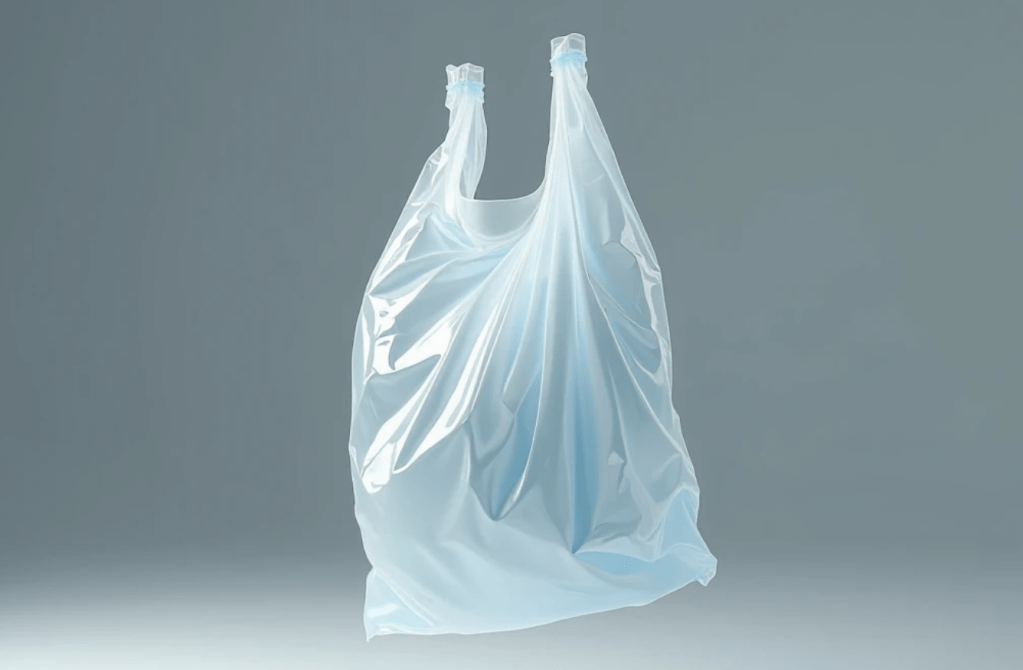
Survival Hack: How a Plastic Bag Could Save Your Life When SHTF

Survival Hack: How a Plastic Bag Could Save Your Life When SHTF

If there’s one golden rule in the world of survival—it’s this:

Make do with what you’ve got.

When the grid goes down, when the trucks stop rolling, when the food supply vanishes and chaos takes root in the streets, it won’t be your fancy gadgets that keep you alive. It’ll be your mindset. It’ll be your ability to adapt, improvise, and see value in things that others would call trash.

And few things represent that mindset better than the humble plastic bag.

We’ve all got them. Stuffed in drawers, tucked in glove compartments, crammed into backpacks. Most people toss them aside without a second thought. But not us. Not real preppers. We know better.

Let me walk you through just how powerful this overlooked tool can be when the world goes sideways.

CLICK HERE TO LEARN HOW TO SURVIVE A FAMINE


1. Hauling and Carrying

Let’s start with the obvious.

Plastic bags are made for carrying—and when SHTF, you’ll be moving gear, supplies, food, firewood, or wild edibles across rough terrain. A strong plastic bag—especially a thicker one like a trash bag or contractor bag—can handle a surprising amount of weight.

Survival Tip #1:
Keep a few large contractor bags in your bug-out bag. They fold flat, take up virtually no space, and can carry over 50 pounds of supplies if needed.


2. Water Collection and Storage

Water is life. If you don’t have access to clean, drinkable water, your chances of survival plummet fast. And out in the wild, even a pristine mountain stream can carry invisible killers—giardia, E. coli, cryptosporidium.

A plastic bag gives you a container—one of the most valuable things in the wilderness. Scoop up water from a stream, pond, or rainfall, and purify it using tablets, boiling, or your water filter.

Survival Tip #2:
Line a hole in the ground with a plastic bag to catch rainwater or morning dew. Cover it with a tarp or another bag to reduce evaporation.


3. DIY Solar Still

Here’s one most folks overlook—making a solar still with a plastic bag. If you’re in a survival situation with no clean water around, you can extract moisture from plants or damp earth using the sun’s power.

Fill a clear plastic bag with green, non-toxic vegetation (like dandelion greens or clover), tie it shut, and place it in direct sunlight. Over time, condensation will form on the inside, collecting at the lowest point of the bag.

Survival Tip #3:
Add a small rock inside the bag to help direct the condensation toward a corner for easy collection.


4. Emergency Shelter or Poncho

Caught in the rain? Exposure is one of the deadliest threats in survival. Hypothermia can set in fast, even in mild temperatures if you’re wet and the wind picks up.

A large trash bag can become a makeshift poncho. Cut holes for your head and arms, and you’ve got instant rain protection.

You can also cut the bag open and use it as a tarp for an improvised shelter roof, windbreak, or ground barrier.

Survival Tip #4:
Line the inside of your shelter with plastic bags to keep body heat in and moisture out.


5. Insulation and Warmth

Plastic is waterproof, and when layered with natural materials (like dry leaves or pine needles), it can create excellent insulation.

Stuff a trash bag full of soft, dry materials and use it as a pillow, mattress, or blanket insulation layer.

Survival Tip #5:
Use two plastic bags—one filled with insulation and one around your feet—to create emergency foot warmers for cold nights.


6. Signal for Help

Black plastic bags, especially when inflated, create a sharp contrast against natural landscapes. You can tie one to a stick or toss it into an open field as a makeshift distress signal.

Some preppers even write SOS or HELP on them with white paint or duct tape.

Survival Tip #6:
Inflate a black bag, tie it off, and place it in a high, open area to catch attention from air or drone rescue units.


7. Waterproof Your Gear

Electronics, maps, fire-starting materials, and dry clothes are essential in a survival scenario. And they’re all useless if soaked.

Plastic bags are your first line of defense against rain, floods, or even accidental drops into rivers.

Survival Tip #7:
Double-bag your fire-starting kit (matches, lighters, tinder) and store it in a dry section of your pack.


8. Improvised Gloves or Footwear Protection

If you have to cross contaminated areas, like flood zones, or deal with waste, plastic bags over your hands and feet offer basic protection against bacteria or harsh terrain.

Survival Tip #8:
Duct tape plastic bags around your shoes or boots to keep them dry during water crossings.


9. Makeshift Floatation Aid

Need to cross a body of water? A large plastic bag filled with air and tied off can act as a flotation aid. It’s not a life jacket, but it can help you keep your pack above water or assist with buoyancy in a pinch.

Survival Tip #9:
Use multiple inflated plastic bags tied together inside a net or fabric wrap for added flotation support.


10. Waste Disposal and Sanitation

Sanitation is key when bugging out or hunkering down. Illness spreads quickly when waste isn’t handled properly. A plastic bag gives you a clean, temporary toilet option or a way to seal off contaminated materials.

Survival Tip #10:
Use a bag-lined bucket as a portable toilet. Cover waste with dirt or sawdust and seal the bag tightly to reduce odor and bacteria.


Final Thoughts

Listen—plastic bags won’t replace your knife, your firestarter, or your firearm. But when SHTF, you’ll find that the small things often make the biggest difference. A simple plastic bag can haul your gear, keep you dry, provide drinking water, signal for rescue, or insulate you from the cold.

The key is always the same: think creatively, act decisively, and never underestimate the ordinary.

Next time you see a plastic bag blowing across the road or jammed in a fence—don’t scoff. Pick it up. Tuck it away. When the lights go out and society crumbles, that piece of plastic might just save your life.

Are you seeing the survival potential in your everyday gear?