
Montana Survival Gardening Advice, Tricks, and the Best Emergency Food Storage Preparedness Tips Around

2025 Survivalist of the Year: Brooke Homestead’s Montana Survival Blueprint

When you talk about rugged living in the American West, you cannot ignore Montana. Vast distances. Bitter winters. Short growing seasons. Wildlife that does not negotiate.

And according to Brooke Homestead, that’s exactly why Montana is one of the most empowering places in America to build real self-reliance.

Below, Brooke shares her Montana survival gardening and food storage strategy — in her own words.


Brooke Homestead Introduces Herself

“Hey friends — Brooke here.

Montana doesn’t whisper. It tests you.

The first time I tried growing food here, I lost half my seedlings to a late June frost and the other half to wind that felt like it came straight off a glacier. That’s when I realized something important:

Montana isn’t hard. It’s honest.

If you prepare correctly, it will provide more abundance than almost anywhere in the country. But you must respect the land, the cold, and the calendar.”


Brooke’s Survival Gardening Strategy for Montana
Montana’s growing season can range from 60–120 frost-free days depending on elevation. Winters are long, dry, and often severe. Brooke’s approach is precision-based.


Grow What Thrives — Not What Looks Good on Instagram

“In Montana, ego gardening gets you humbled.”

Her go-to survival crops:

  • Yukon Gold and Russet potatoes
  • Carrots
  • Beets
  • Cabbage
  • Kale
  • Spinach
  • Peas
  • Turnips
  • Short-season winter squash

“These crops tolerate cold soil and light frost. They store beautifully. That’s survival value.”


2️⃣ Season Extension Is Mandatory

Brooke uses:

  • Heavy-duty hoop houses
  • Cold frames
  • Floating row covers
  • Black mulch to warm soil early

“I start seeds indoors 8 weeks early. And I never trust the ‘average last frost date.’ Montana laughs at averages.”


3️⃣ Wind & Wildlife Defense

Montana brings two major threats beyond frost:

  • Relentless wind
  • Deer, elk, and even moose

Her solution:

  • Strong fencing (minimum 8 feet for deer)
  • Windbreaks (shrubs or temporary fencing panels)
  • Deep mulch to retain soil moisture

“Out here, your garden is part farm, part fortress.”


4️⃣ Build Soil Like You Mean It
Montana soils can vary — sandy plains to rocky mountain ground.

Brooke’s survival soil mix:

  • Native soil
  • Aged manure
  • Compost
  • Leaf mold
  • Bone meal

“You can’t control the weather. But you can control your soil health.”


Montana Food Storage — Brooke’s System

“Montana winters are not cute. They are operational tests.”

Snowstorms can isolate rural properties for days. Brooke’s rule:

Store six months of calories minimum.


🧊 Root Cellar Power

Montana’s climate is perfect for underground storage.

Brooke stores:

  • Potatoes
  • Carrots
  • Beets
  • Onions
  • Cabbage
  • Apples

Ideal temp: 32–40°F

“With proper curing, root crops become winter insurance.”


🫙 Pressure Canning for Protein Security

She pressure cans:

  • Venison
  • Elk
  • Beef
  • Bone broth
  • Stews

“Protein is the hardest thing to secure long-term. That’s why I preserve it aggressively.”


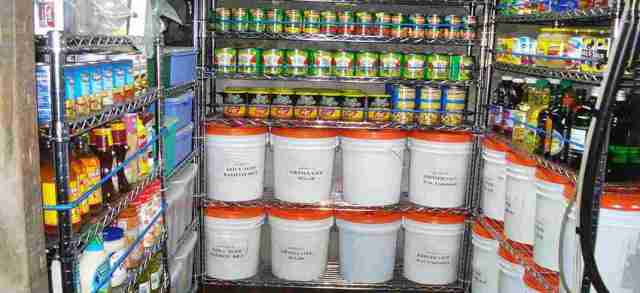
🌾 Long-Term Dry Storage

Brooke keeps:

  • Hard red wheat
  • White rice
  • Pinto beans
  • Lentils
  • Rolled oats

Stored in:

  • Mylar bags
  • Oxygen absorbers
  • Food-grade buckets

“In rural Montana, one bad winter storm can empty store shelves fast. I prefer independence over panic.”


❄️ Why Survival Gardening in Montana Is Critical
Brooke explains:

  • Long winters limit fresh food access.
  • Rural isolation means long supply chains.
  • Severe storms can block highways.
  • Wildlife can damage commercial crops and supply lines.
  • Economic shifts in agricultural regions impact food pricing.

“If you live in Montana and you’re not building some level of food independence, you’re gambling.”


🌄 Brooke’s Final Montana Advice

Study your microclimate. Elevation changes everything here.

Plant windbreaks early.
Build raised beds.
Compost year-round.
Store more calories than you think you need.

And don’t be intimidated by the cold.

Montana will reward discipline with abundance.

When the snow is falling sideways and your pantry shelves are full — that’s real peace.

South Dakota Survival Gardening Advice, Tricks, and the Best Emergency Food Storage Preparedness Tips Around

🌾 2025 Survivalist of the Year: Brooke Homestead’s South Dakota Resilience Plan

When you talk about wide-open land, punishing winters, scorching summers, and winds that never seem to clock out, you’re talking about South Dakota.

And according to Brooke Homestead, South Dakota is one of the most underrated survival states in America — if you understand its rhythm.

Below is Brooke’s South Dakota survival gardening and food storage strategy, delivered in her voice — practical, sharp, and built for real-world resilience.


🌻 Brooke Homestead Introduces Herself

“Hey friends — Brooke here.

South Dakota doesn’t pretend to be gentle.

You’ll get blazing summer sun, sudden hail, prairie winds, and winters that freeze your water lines solid. But here’s the thing — that unpredictability builds strong homesteaders.

The first season I gardened here, I underestimated the wind. Lost half my lettuce crop in one afternoon. Lesson learned.

In South Dakota, you don’t dabble in preparedness. You commit.”


🌱 Brooke’s Survival Gardening Strategy for South Dakota

South Dakota has a moderate but unpredictable growing season — typically 120–150 frost-free days depending on your zone. Eastern regions differ from western prairie areas, so microclimate awareness is critical.


1️⃣ Choose Hardy, Dual-Purpose Crops

“Every plant should earn its space.”

Brooke’s survival crop list for South Dakota:

  • Potatoes
  • Sweet corn (short-season varieties)
  • Carrots
  • Beets
  • Onions
  • Cabbage
  • Kale
  • Green beans
  • Winter squash

“These crops handle temperature swings and store well. That’s survival math.”


2️⃣ Wind Is the Prairie’s Weapon

Prairie winds can:

  • Dry soil quickly
  • Snap stems
  • Stress seedlings
  • Increase evaporation

Brooke’s solutions:

  • Sturdy fencing as windbreak
  • Dense planting blocks instead of long rows
  • Heavy mulching (straw or shredded leaves)
  • Drip irrigation to conserve water

“If you don’t control moisture loss, you’re gardening on hard mode.”


3️⃣ Prepare for Temperature Swings

South Dakota can shift 30+ degrees in a day.

Brooke uses:

  • Floating row covers
  • Hoop tunnels
  • Cold frames in early spring
  • Soil thermometers before planting

“Planting by calendar alone is rookie behavior. Plant by soil temperature.”


4️⃣ Build Soil for Extremes

South Dakota soils vary — from fertile eastern farmland to tougher western ground.

Her soil strategy:

  • Heavy compost application annually
  • Aged manure
  • Deep mulch layers
  • Cover cropping in fall

“Healthy soil buffers extreme weather. Weak soil magnifies it.”


🥕 Food Storage Strategy for South Dakota Winters

“South Dakota winters demand respect.”

Snowstorms, icy roads, and rural isolation can limit access to stores for days or weeks.

Brooke’s rule:

Store five to six months of essential calories.


🧊 Root Cellar & Cold Storage

South Dakota’s climate is ideal for root storage.

Brooke stores:

  • Potatoes
  • Carrots
  • Beets
  • Onions
  • Winter squash
  • Apples

Ideal temp range: 32–40°F

“If you grow it, you better know how to store it.”


🫙 Pressure Canning

She cans:

  • Beef
  • Venison
  • Chicken
  • Stews
  • Broth
  • Beans

“Protein stability equals household stability.”


🌾 Long-Term Dry Storage

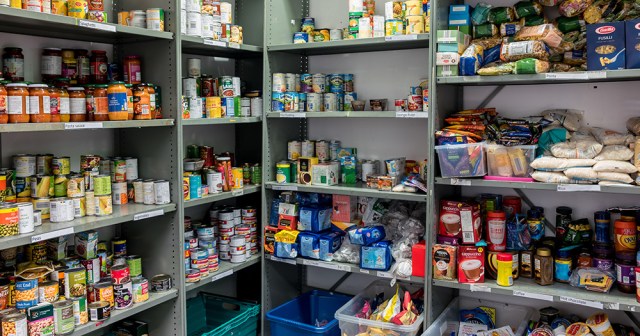
ROTHERHAM, ENGLAND, UK – FEBRUARY 14, 2019: Storage shelves in a Trussell Trust local church food bank warehouse showing a variety of tins and store cupboard essentials ready for food parcels

Brooke keeps:

  • Hard wheat
  • White rice
  • Pinto beans
  • Lentils
  • Rolled oats
  • Salt and baking essentials

Stored in:

  • Mylar bags
  • Oxygen absorbers
  • Food-grade buckets

“In prairie states, storms can shut down supply lines fast. Independence is built before the blizzard.”


🌾 Why Survival Gardening in South Dakota Matters

Brooke breaks it down clearly:

  • Harsh winters limit fresh food availability.
  • Rural communities often have long drives to grocery stores.
  • Severe weather can interrupt transportation.
  • Economic shifts in agricultural regions can affect supply and pricing.
  • Self-reliance culture is strong — and necessary.

“In South Dakota, preparedness isn’t paranoia. It’s heritage.”


🌤️ Brooke’s Final Take on South Dakota Survival Gardens

“Know your zone. Study your frost dates. Build wind protection early. Grow calorie-dense crops. Preserve aggressively.

And most importantly — don’t wait for a crisis to practice.

Preparedness is a lifestyle, not a reaction.

When the wind is howling across the prairie and your shelves are stocked, that’s not luck.

That’s discipline.