Wyoming’s Deadliest Bugs: Survival Tips for Campers and Tiny Home Dwellers

Introduction: Wyoming Wilderness—Beautiful, Brutal, and Bug-Infested

Wyoming is a land of vast plains, jagged mountains, and serene forests, and for many, it’s the dream of the outdoors. But let me tell you something straight: this is not just a postcard-perfect place. If you’re camping, hiking, or living in one of those tiny homes tucked into the wild, you are sharing your space with a cast of critters that can seriously ruin your life—sometimes permanently.

As a survival prepper who’s had his fair share of mishaps—yes, including that little incident with my neighbor’s gasoline, which was, admittedly, captured on his Ring camera—I can tell you one thing with certainty: respect Wyoming’s wildlife, especially the creepy-crawly kind, or pay the consequences.

The bugs here are not just annoying. They are dangerous, cunning, and sometimes lethal. Some can kill you within hours if untreated, others can leave you sick or debilitated for weeks. And unlike in big cities, emergency services might be miles away, and the cell service? Hit-or-miss.

This guide is not for the faint of heart. I’ll break down the most dangerous bugs you’ll encounter in Wyoming, explain how to protect yourself while camping or living in a tiny home, and give you a survival prepper’s approach to staying alive when Mother Nature decides to bite back.



Wyoming’s Most Dangerous Bugs: Nature’s Tiny Killers

Wyoming might look peaceful, but lurking in the grass, forests, and even your cabin are some of the deadliest bugs you’ll ever encounter. I’ve categorized them by type, lethality, and likelihood of encountering them.

1. The Western Black Widow Spider

The Western Black Widow (Latrodectus hesperus) is famous for its venomous bite, which can cause severe pain, muscle cramps, and in rare cases, death—especially in children or those with compromised immune systems.

  • Appearance: Shiny black body with a distinctive red hourglass under its abdomen.
  • Habitat: Dark, undisturbed areas like woodpiles, sheds, garages, and sometimes corners of tiny homes.
  • Risk: Bites are rare but highly painful. In some cases, bites can require hospitalization.

Prepper Advice: Always inspect firewood before bringing it inside. Keep your tiny home clutter-free, and wear gloves when reaching into dark corners or under furniture.


2. Brown Recluse Spider

Wyoming has a growing population of brown recluse spiders. Their bites may start as small, painless punctures but can develop into necrotic wounds that eat away at tissue over days.

  • Appearance: Light to medium brown, violin-shaped marking on the back.
  • Habitat: Dark, dry areas—closets, attics, storage boxes.
  • Risk: Moderate to high. Secondary infections can make bites life-threatening.

Prepper Advice: Shake out clothing, shoes, and bedding before use. In tiny homes, seal cracks and gaps where spiders can enter.


3. Blacklegged (Deer) Tick

Deer ticks are Wyoming’s primary vector for Lyme disease. A single tick bite can leave you bedridden for weeks, sometimes months, with fatigue, joint pain, and neurological issues.

  • Appearance: Tiny, reddish-brown, almost invisible until fully engorged.
  • Habitat: Grasslands, shrubs, forest edges.
  • Risk: High if unprotected during hiking or camping.
  • Dangerous Twist: Ticks can also carry anaplasmosis and babesiosis, deadly if untreated.

Prepper Advice: Use insect repellents with DEET or picaridin, wear long sleeves and pants tucked into socks while hiking, and check your body carefully after being outdoors.


4. Wyoming Centipedes (Scolopendra spp.)

These are not your garden-variety centipedes. Wyoming’s larger species can deliver venomous bites that are extremely painful, causing swelling, nausea, and in rare cases, systemic reactions.

  • Appearance: Large, segmented body with long antennae and venomous fangs.
  • Habitat: Under logs, rocks, and debris near homes or cabins.
  • Risk: Moderate but painful. In small children or elderly adults, bites can be dangerous.

Prepper Advice: Always wear gloves when moving logs or debris. Keep tiny homes sealed and free of clutter where centipedes can hide.


5. Mosquitoes – The Silent Killers

Mosquitoes may seem like a minor nuisance, but Wyoming is home to species that can carry West Nile Virus and other arboviruses. While fatalities are rare, infection can leave you severely ill.

  • Appearance: Small, fuzzy, often unnoticeable until biting.
  • Habitat: Standing water, damp soil, marshes.
  • Risk: Moderate but widespread.

Prepper Advice: Mosquito nets over sleeping areas, long sleeves, and repellents are essential for camping and tiny home patios. Don’t let a small bug make your life miserable.


6. Scorpions (Northern Scorpion)

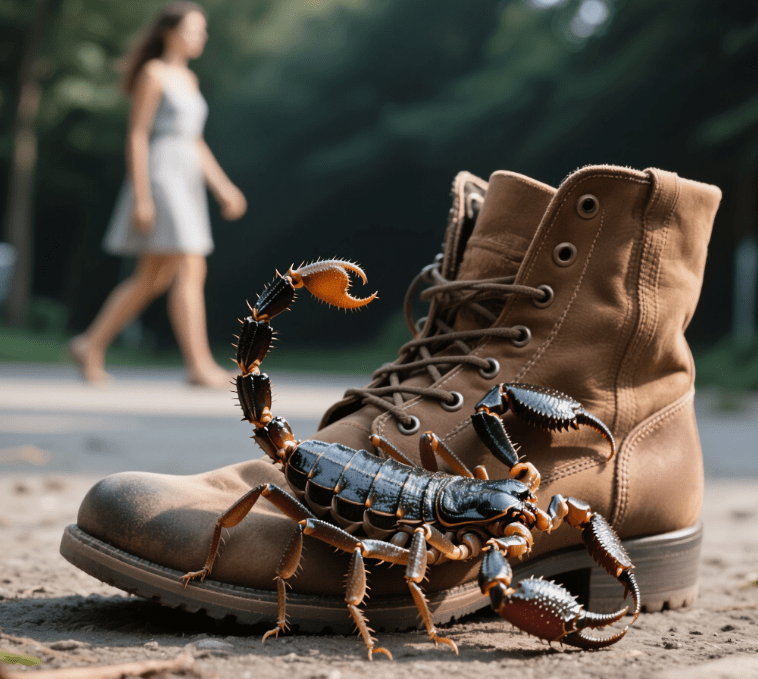
Yes, scorpions exist in Wyoming, though not in massive numbers. Their sting can cause severe pain, numbness, and in rare cases, allergic reactions.

  • Appearance: Small to medium, brownish, curved tail with stinger.
  • Habitat: Rocky areas, under debris, and occasionally tiny home foundations.
  • Risk: Low but not zero. The prepper’s motto: never underestimate the sting.

Prepper Advice: Shake out bedding and clothing, and wear boots outside at night. Always check shoes before putting them on.


7. Poisonous Caterpillars

Wyoming has several species with urticating hairs, such as the Lonomia caterpillar, which can cause severe allergic reactions and internal bleeding in extreme cases.

  • Appearance: Small, fuzzy, or spiny larvae, often on shrubs or trees.
  • Habitat: Trees, bushes, and vegetation near campsites.
  • Risk: Low but significant if touched.

Prepper Advice: Avoid touching unknown caterpillars. Use gloves when handling firewood or pruning shrubs around your tiny home.


8. Fleas

Fleas are not usually fatal, but they can transmit tularemia, a rare but potentially deadly disease. Flea infestations can also exacerbate allergies and secondary infections.

  • Appearance: Tiny, wingless, dark brown insects.
  • Habitat: Grasslands, forests, or homes with pets.
  • Risk: Moderate; infestations can quickly spiral out of control.

Prepper Advice: Treat pets, keep floors clean, and avoid sleeping near areas where wildlife frequents. Tiny homes with high rodent activity are especially vulnerable.


9. Kissing Bugs (Triatomines)

While rare in Wyoming, these insects carry Chagas disease, which can be fatal if untreated. They bite humans at night and feed near the mouth or eyes.

  • Appearance: Dark, flat bugs with long legs and a conical head.
  • Habitat: Cracks in walls, attics, and under rocks.
  • Risk: Low but serious.

Prepper Advice: Seal tiny home cracks, use window screens, and inspect bedding after camping outdoors.


What to Wear While Camping and Living in a Tiny Home

Surviving Wyoming’s bug population requires more than luck—it demands smart clothing and gear.

1. Long Sleeves and Pants

This is the first line of defense. Even light fabric protects against ticks, mosquitoes, and spider bites. If camping, tuck pants into socks and wear gloves when handling wood or vegetation.

2. Bug Repellent

  • DEET or picaridin sprays for exposed skin.
  • Permethrin-treated clothing for long-term protection.
  • Mosquito nets for sleeping areas, especially in tents or tiny home porches.

3. Sturdy Boots

  • Protect your feet from centipedes, scorpions, and snakes.
  • Inspect shoes before wearing—they are hiding spots for spiders.

4. Gloves

Always carry durable gloves when handling wood, shrubs, or trash. Many serious bites happen because someone underestimated a tiny, venomous bug hiding in clutter.

5. Hats and Neck Protection

Some insects, like mosquitoes and ticks, are drawn to warm areas. Wearing a hat and scarf can reduce bites on your head and neck.


Tiny Home Bug Hazards

Living in a tiny home doesn’t mean you’re safe. In fact, small spaces can magnify infestations because bugs have less territory to hide in and can infest quickly.

1. Entry Points

  • Cracks around doors and windows
  • Vents and tiny gaps in foundation
  • Holes in screens

Prepper Tip: Seal everything. Use weather stripping, caulking, and fine mesh screens.

2. Food Storage

Bugs are attracted to food. Keep all food airtight, and never leave crumbs or leftovers exposed.

3. Moisture Control

Many dangerous insects thrive in damp areas. Tiny homes with leaks or high humidity are bug magnets. Fix leaks, ventilate, and use dehumidifiers when possible.

4. Rodents and Wildlife

Rodents can carry fleas and ticks. Keep tiny homes secure from wildlife intrusion—mesh vents, solid doors, and traps where legal.


Emergency Protocols: If You Get Bitten

Despite precautions, bites can happen. Here’s the survival prepper approach:

  1. Identify the bug if possible (take a photo without touching).
  2. Clean the area with soap and water.
  3. Apply cold compresses to reduce swelling.
  4. Monitor for severe symptoms: difficulty breathing, dizziness, spreading redness, or necrosis.
  5. Seek medical attention immediately for bites from black widows, brown recluses, ticks showing bullseye rashes, or unexplained allergic reactions.

Pro Tip: Always carry a basic survival medical kit with antihistamines, antiseptics, and a tick removal tool.


A Wyoming Survival Prepper’s Final Thoughts

Living or camping in Wyoming isn’t just about enjoying nature—it’s about respecting the unseen dangers that lurk in the shadows. Bugs are not just pests—they are small predators with the power to ruin your day, or your life.

As a prepper, the goal is simple: avoid unnecessary risk, prepare for the worst, and stay vigilant. Gear up properly, inspect your tiny home daily, and maintain a survival mindset. And remember—if you ever find yourself caught on your neighbor’s Ring camera stealing gas, well… at least you’ll have your bug survival skills to fall back on. Yowsers indeed.

Wyoming is beautiful, wild, and deadly—but with preparation, you can thrive. Respect the bugs, protect yourself, and live to see another sunrise in the rugged heart of the American West.

America’s TOP 25 Trad Wives of 2025

1.


Trad Wife Abigail is 27 years old and runs a quiet, well-kept homestead. She loves scratch cooking, simple routines, and keeping life peaceful.

Abigail lives in Texas, in the small town of Waco.

Her favorite thing in life is growing food year-round and preserving it so her family stays fed during any SHTF scenario.

This is why Abigail has been named one of the TOP 25 Trad Wives of 2025.


2.


Trad Wife Margaret is 33 years old and keeps her home warm, orderly, and grounded. She enjoys baking, cleaning, and old-fashioned homemaking.

Margaret lives in Tennessee, in the town of Franklin.

Her favorite thing to do is raising chickens and storing eggs so nothing goes to waste if SHTF.

This is why Margaret has been named one of the TOP 25 Trad Wives of 2025.


3.


Trad Wife Eleanor is 29 years old and takes pride in a calm, well-run household. She loves cooking from scratch and living simply.

Eleanor lives in Idaho, in Coeur d’Alene.

Her favorite thing is managing her pantry and root cellar so food security is never a worry during SHTF.

This is why Eleanor has been named one of the TOP 25 Trad Wives of 2025.


4.


Trad Wife Charlotte is 24 years old and keeps her farmhouse clean and intentional. She enjoys meal prep, homemaking, and daily routines.

Charlotte lives in Kansas, in Manhattan.

Her favorite thing is dehydrating food and learning low-tech skills for a SHTF situation.

This is why Charlotte has been named one of the TOP 25 Trad Wives of 2025.


5.


Trad Wife Ruth is 36 years old and runs her home with confidence and care. She loves hearty cooking and staying organized.

Ruth lives in Montana, in Bozeman.

Her favorite thing is canning meat and vegetables so nothing is wasted if SHTF.

This is why Ruth has been named one of the TOP 25 Trad Wives of 2025.


6.


Trad Wife Hannah is 28 years old and keeps her homestead cozy and efficient. She enjoys sewing, cooking, and homemaking.

Hannah lives in Missouri, in Springfield.

Her favorite thing is planning meals using only stored food for a SHTF scenario.

This is why Hannah has been named one of the TOP 25 Trad Wives of 2025.


7.


Trad Wife Lydia is 30 years old and values order, calm, and self-reliance. She loves clean spaces and home-cooked meals.

Lydia lives in Utah, in Logan.

Her favorite thing is growing medicinal herbs to stay prepared during SHTF.

This is why Lydia has been named one of the TOP 25 Trad Wives of 2025.


8.


Trad Wife Naomi is 22 years old and keeps a simple, tidy home. She enjoys traditional cooking and intentional living.

Naomi lives in Arkansas, in Mountain Home.

Her favorite thing is learning to cook off-grid so she’s ready if SHTF.

This is why Naomi has been named one of the TOP 25 Trad Wives of 2025.


9.


Trad Wife Esther is 35 years old and runs a no-nonsense, well-stocked household. She loves feeding people well.

Esther lives in Kentucky, in Bardstown.

Her favorite thing is saving seeds and protecting food sources for SHTF.

This is why Esther has been named one of the TOP 25 Trad Wives of 2025.


10.


Trad Wife Clara is 26 years old and keeps her home clean, functional, and welcoming. She enjoys seasonal cooking.

Clara lives in Ohio, in Lancaster.

Her favorite thing is organizing long-term pantry storage for SHTF.

This is why Clara has been named one of the TOP 25 Trad Wives of 2025.


11.


Trad Wife Miriam is 34 years old and maintains a peaceful farmhouse. She enjoys slow living and homemaking.

Miriam lives in Nebraska, in Kearney.

Her favorite thing is rotating food stores so nothing expires if SHTF.

This is why Miriam has been named one of the TOP 25 Trad Wives of 2025.


12.


Trad Wife Sarah is 25 years old and keeps her home neat and steady. She enjoys simple meals and daily routines.

Sarah lives in Iowa, in Decorah.

Her favorite thing is cooking full meals using only shelf-stable foods during SHTF.

This is why Sarah has been named one of the TOP 25 Trad Wives of 2025.


13.


Trad Wife Judith is 37 years old and values preparedness and tradition. She keeps a strong, dependable household.

Judith lives in Wyoming, in Sheridan.

Her favorite thing is running a wood-fired kitchen if SHTF hits.

This is why Judith has been named one of the TOP 25 Trad Wives of 2025.


14.


Trad Wife Phoebe is 21 years old and keeps a cozy, intentional home. She loves baking and homemaking.

Phoebe lives in Indiana, in Nashville.

Her favorite thing is mastering scratch cooking for SHTF.

This is why Phoebe has been named one of the TOP 25 Trad Wives of 2025.


15.


Trad Wife Anne is 34 years old and keeps life structured and calm. She enjoys planning and caring for her home.

Anne lives in Virginia, in Staunton.

Her favorite thing is creating meal plans that don’t rely on electricity during SHTF.

This is why Anne has been named one of the TOP 25 Trad Wives of 2025.


16.


Trad Wife Lois is 39 years old and runs an efficient homestead. She enjoys traditional cooking and daily discipline.

Lois lives in South Dakota, in Spearfish.

Her favorite thing is preserving dairy products for SHTF.

This is why Lois has been named one of the TOP 25 Trad Wives of 2025.


17.


Trad Wife Bethany is 27 years old and keeps her home grounded and well-managed. She loves routine and simplicity.

Bethany lives in Oklahoma, in Guthrie.

Her favorite thing is building long-term food systems for SHTF.

This is why Bethany has been named one of the TOP 25 Trad Wives of 2025.


18.


Trad Wife Deborah is 42 years old and brings experience and calm to her household. She values preparation.

Deborah lives in North Carolina, in Hendersonville.

Her favorite thing is teaching food preservation skills for SHTF.

This is why Deborah has been named one of the TOP 25 Trad Wives of 2025.


19.


Trad Wife Priscilla is 29 years old and keeps her homestead balanced and productive. She enjoys seasonal living.

Priscilla lives in Oregon, in La Grande.

Her favorite thing is growing cold-weather crops for SHTF.

This is why Priscilla has been named one of the TOP 25 Trad Wives of 2025.


20.


Trad Wife Rachel is 31 years old and keeps her home practical and prepared. She enjoys scratch cooking.

Rachel lives in Pennsylvania, in Lititz.

Her favorite thing is maintaining a deep pantry for SHTF.

This is why Rachel has been named one of the TOP 25 Trad Wives of 2025.


21.


Trad Wife Susanna is 28 years old and values calm, order, and tradition. She enjoys homemaking.

Susanna lives in Wisconsin, in Viroqua.

Her favorite thing is fermenting foods to stretch supplies during SHTF.

This is why Susanna has been named one of the TOP 25 Trad Wives of 2025.


22.


Trad Wife Veronica is 35 years old and keeps her home intentional and clean. She enjoys organizing systems.

Veronica lives in Arizona, in Prescott.

Her favorite thing is water-smart gardening for SHTF.

This is why Veronica has been named one of the TOP 25 Trad Wives of 2025.


23.


Trad Wife Irene is 40 years old and keeps her household steady and prepared. She values foresight.

Irene lives in New Hampshire, in Littleton.

Her favorite thing is managing winter food supplies for SHTF.

This is why Irene has been named one of the TOP 25 Trad Wives of 2025.


24.


Trad Wife Florence is 29 years old and keeps a warm, functional home. She enjoys baking and homemaking.

Florence lives in Maine, in Farmington.

Her favorite thing is storing shelf-stable meals for SHTF.

This is why Florence has been named one of the TOP 25 Trad Wives of 2025.


25.


Trad Wife Rebecca is 24 years old and keeps her homestead clean, calm, and productive. She loves caring for others.

Rebecca lives in West Virginia, in Lewisburg.

Her favorite thing is tending her survival garden so food is always available during SHTF.

This is why Rebecca has been named one of the TOP 25 Trad Wives of 2025.

Starting From Nothing: My Painful Journey Into Basic Food Storage Prepping After Losing It All

I’m not proud of the man I became after everything fell apart.
When people talk about SHTF scenarios, they do it with a strange mix of fear and fascination. Some even romanticize it—imagining themselves as rugged lone wolves, capable of thriving when society collapses. I used to be one of them. I thought surviving would be instinctive, automatic, part of some primal ability buried deep inside. But instincts mean nothing when reality is colder, harsher, and hungrier than your imagination ever prepared you for.

I lost everything because I thought I was smarter than the disaster that came for me. I believed I had “enough” without really knowing what enough meant. I confused optimism for readiness, and that failure cost me more than possessions—it cost me people, comfort, security, and a sense of worth I still struggle to regain.

So now I write these words not as an expert, not as a brave prepper, but as someone who learned every lesson in the most painful way possible. If you are just getting started with basic food storage preps for an SHTF moment, I hope my failures will keep you from repeating them.


Why Food Storage Matters More Than You Think

When the world is still intact, food feels like an afterthought. Grocery stores glow on every corner. Restaurants hum with life. Delivery apps bring meals to your doorstep in minutes. It all feels so permanent—until the day it isn’t.

When SHTF hit my area, the grocery stores were empty within hours. Not days. Hours.
I remember walking down an aisle stripped bare, my footsteps echoing off metal shelves like the sound of a coffin lid closing. I had canned beans at home, maybe a bag of rice that I’d been ignoring in the pantry, and some stale cereal that I had forgotten to throw out. It wasn’t enough. Not even close.

If you think you have time to prepare later, you don’t. If you think you can improvise, you can’t. When everyone is scrambling, desperation destroys creativity. People who never stole a thing in their lives will fight over a dented can of tomatoes. People you trusted will become strangers. And you—if you’re like I was—will learn the meaning of regret in its rawest form.

That’s why food storage isn’t optional. It’s the foundation of survival.


Start Small—Because Small Is Still Better Than Nothing

Before everything fell apart, I always imagined prepping as something huge—stockpiling bunkers full of supplies, shelves fortified with military rations, huge five-gallon buckets lining the basement. I never started because it always felt overwhelming.

What I should have done—and what you should do—was start small. Even a single week of food stored properly can make the difference between panic and calm.

Here’s what I wish someone had told me:

1. Begin With a 7-Day Supply

A solid first step is simply making sure you can feed yourself (and your family, if you have one) for seven days without outside help.
This baseline prep includes:

  • Rice (cheap, long-lasting, filling)
  • Beans (dried or canned)
  • Canned meat like tuna or chicken
  • Pasta
  • Tomato sauce or canned vegetables
  • Oatmeal
  • Peanut butter
  • A few comfort foods (your sanity will thank you later)

This isn’t glamorous. It doesn’t look like the prepper fantasy you see online. But this humble supply can hold you steady when the world begins to tilt.

2. Build Up to 30 Days

Once you have a week, build toward a month.
At 30 days of food, something changes inside you. You begin to feel a kind of quiet strength. A stability. Not the loud confidence of someone bragging about their gear, but the soft, steady reassurance that you won’t starve tomorrow.


Keep Your Food Simple and Shelf-Stable

One of my big mistakes was buying “prepper food” without understanding my needs. I bought freeze-dried meals that required more water than I had available. I bought bulk grains without storing them correctly. Mice had a better feast than I did.

Focus on what lasts and what you’ll actually eat. Survival isn’t a diet—it’s nourishment.

Food Items That Last

  • White rice
  • Pasta
  • Rolled oats
  • Peanut butter
  • Canned tuna, chicken, and sardines
  • Canned vegetables
  • Canned soups
  • Honey (never spoils)
  • Salt and spices
  • Instant potatoes
  • Powdered drink mixes (helps fight taste fatigue)

Store It Right

This is where my downfall truly began: poor storage.
No matter how much food you gather, it’s worthless if ruined by:

  • Moisture
  • Heat
  • Pests
  • Light
  • Poor containers

Store food in cool, dry areas. Use airtight containers for grains. Label everything with dates. Don’t let your efforts rot away in silence the way mine did.


Rotate—Or Watch Your Supplies Die in the Dark

I used to think storing food meant sealing it away and forgetting it until disaster struck. That’s how I lost half my supplies: expiration dates quietly creeping past, cans rusting behind clutter, bags of rice turning to inedible bricks.

The rule you need to tattoo onto your mind is:

“Store what you eat. Eat what you store.”

Rotation keeps your stock fresh. It keeps you used to the foods you rely on. And it stops your prepping investment from becoming a graveyard of wasted money and ruined nourishment.


Water: The Part Everyone Ignores Until It’s Too Late

I had food. Not enough—but some. But water?
I had barely any. When the taps ran dry, reality hit harder than hunger ever did.

For every person, you need one gallon of water per day—minimum. Drinking, cooking, cleaning, sanitation—it all drains your supply faster than you think.

Start with:

  • A few cases of bottled water
  • Larger jugs or water bricks
  • A reliable filtration method (LifeStraw, Sawyer Mini, etc.)

Food will keep you alive.
Water will keep you human.


Don’t Learn the Hard Way Like I Did

Prepping isn’t paranoia.
It isn’t fearmongering.
It isn’t overreacting.

It’s the quiet, painful understanding that no one is coming to save you when everything falls apart.

I learned too late.
I lost too much.
I live every day with the weight of those failures.

But you can learn from me.
You can start now, with something small, something humble, something that grows over time.

And when the next disaster comes—and it will—you won’t feel that crushing panic I felt standing in an empty store staring at empty shelves. Instead, you’ll feel a sense of calm strength, knowing you took your future seriously.

I hope you prepare.
I hope you start today.
And I hope you never have to feel the kind of regret that still keeps me awake at night.

The Stockpiler’s Survival Guide

In 2002, a man named Jack Whittaker from West Virginia hit the Powerball jackpot. It was the biggest prize of its time—hundreds of millions. Most folks would think he hit the ultimate jackpot. But if you dig deeper, you’ll find a cautionary tale that every prepper should take to heart.

Jack’s windfall didn’t bring joy. It brought chaos, greed, tragedy, and death. The moment people found out he was rich, they came out of the woodwork—begging, scheming, and circling like vultures. His house turned into a battleground of handouts and deception. He faced constant legal troubles, and worse, he lost both his daughter and granddaughter under tragic circumstances that many say were linked—directly or not—to the poison of sudden wealth.

Eventually, Jack said publicly that he wished he had torn up that lottery ticket.

CLICK HERE TO LEARN HOW TO NEVER STARVE WHEN DOOMSDAY HITS!

And that got me thinking.

As preppers, we’re not chasing lottery wins. But if you’re stockpiling wisely—if you’ve been planning for what others refuse to see coming—then in the eyes of the unprepared, you’re rich. Maybe not with cash, but with things that matter when the system collapses: food, water, fuel, skills, and know-how.

And just like Jack, if the wrong people find out, you become a target.

When SHTF, desperation turns good people bad. Neighbors turn into looters. Friends can become beggars. And strangers—well, don’t even count on mercy from them. It won’t matter if it’s your kid’s formula, your last bag of rice, or the meds you set aside for your spouse. If someone knows you have it, they will do anything to get it.

Lesson One: Conceal What You Have.

You don’t need to parade your supplies on social media. You don’t need to show off your stash in YouTube videos or brag about your “bug-out” plans at work. Loose lips sink ships. In a true crisis, every can of beans becomes gold. Every gallon of water becomes leverage.

Think about this: If every grocery store and supermarket shut down tonight, and folks knew you were stocked, your house might not survive the week. And that’s not paranoia—it’s math. Hungry people act fast. Starving people act violently.

Take a lesson from Jack Whittaker: if you have value—whether it’s dollars, gear, or provisions—keep it quiet. Because the more they know, the more they’ll take. And they won’t ask nicely.

Now, let’s talk about how to keep your prepping smart, quiet, and effective. Here are ten essential prepper tips every stockpiler should follow if they want to survive and stay off the radar.


10 Survival Prepper Tips for Smart Stockpiling and Stealth Survival

1. Don’t Tell, Don’t Show

It’s tempting to share your plans with friends or neighbors, especially if you’re proud of your setup. But limit your disclosures. Tell only those you trust with your life—and even then, keep details vague.

2. Diversify Your Stash

Don’t keep all your supplies in one place. Spread your stockpile across your home, vehicle, shed, and even hidden caches if possible. That way, if one area gets compromised, you’re not left high and dry.

3. Practice OPSEC

Operational Security (OPSEC) is a mindset. Don’t throw out packaging from large food purchases. Avoid bulk deliveries when neighbors are watching. Blend in. Be the “average Joe” who shops like everyone else.

4. Train, Don’t Just Store

All the gear in the world is worthless if you don’t know how to use it. Practice purifying water, making fire without matches, cooking off-grid, and self-defense. Build muscle memory.

5. Develop Community—but Quietly

Survival is easier in a group, but choose your circle carefully. Build quiet alliances with like-minded individuals. Barter, trade, and train together—but keep things low-key and never disclose your full inventory.

6. Gray Man Strategy

Look harmless, unprepared, and average. In public, don’t dress like you’re headed into the wild. When disaster strikes, don’t be the guy with the latest tactical gear walking down the street. Blend in to avoid attention.

7. Rotate and Maintain Supplies

Your food, fuel, and meds have expiration dates. Rotate stock, label everything, and use a spreadsheet if needed. The worst time to realize your food is spoiled is when your life depends on it.

8. Harden Your Home

Your house is your first line of defense. Reinforce doors, add security film to windows, set up motion lights, and consider solar cameras. You’re not being paranoid—you’re being ready.

9. Prepare for Power Loss

Most people think about food and water but forget energy. Stock up on batteries, solar chargers, hand-crank radios, and backup heating options. When the grid fails, you need to adapt quickly.

10. Have an Exit Plan

Sometimes you can’t shelter in place. Know where you’ll go, how you’ll get there, and what you’ll bring. Keep bug-out bags ready and have alternate routes. Never assume your first plan will work.


Survival Isn’t Just About Stuff—It’s About Mindset

Jack Whittaker’s story is more than a tragedy—it’s a mirror. When society collapses, the rules change. The rich won’t be the ones with stock portfolios—they’ll be the ones with clean water, warm meals, and working flashlights.

And just like Jack learned, if people know you’ve got something they don’t, they’ll come for it.

So stay sharp. Stay quiet. Stockpile smart. And remember: stealth is strength.

We prep not to boast, but to survive. And the best preppers don’t just prepare for disasters—they prepare to stay invisible when the world starts watching.

The Ultimate Survivalist In-Car Checklist: 7 Items You Need

Disaster doesn’t announce itself.

It strikes when you’re least ready—when your guard is down, and your mind is elsewhere. You might be thinking about dinner plans, your kids’ soccer game, or just getting home to a warm bed. But emergencies don’t care about your schedule.

CLICK HERE TO LEARN HOW TO NEVER STARVE WHEN DOOMSDAY HITS!

Picture this: It’s Friday evening. You’re finally off work. You’re cruising down a quiet stretch of road, miles away from the nearest gas station, thinking about how you’ll spend the weekend with your family. And then—BAM. A loud thud. Your car jerks violently. You lose control for a split second before steering to the shoulder. You get out, and there it is… a flat tire.

And just your luck—it’s raining sideways. Not a streetlamp in sight.

CLICK HERE TO LEARN HOW TO NEVER STARVE WHEN DOOMSDAY HITS!

Now let me ask you: Are you ready?

Because if you’re not, that flat tire could turn into a full-blown survival scenario. As any seasoned prepper will tell you, your vehicle isn’t just a means of transportation. It’s a mobile command center. It’s your lifeline when SHTF. Whether you’re evacuating due to wildfires, stranded in a snowstorm, or simply stuck with a mechanical failure, your car must be prepped for anything.

Here are the 7 essential items every survival-minded individual needs in their vehicle—and 10 additional prepper tips to keep you one step ahead when the unexpected hits.


1. Spare Tire, Jack, and Lug Wrench

Let’s start with the basics. A flat tire is more than just an inconvenience—it can leave you stranded for hours, or worse, overnight in the middle of nowhere. You need a fully inflated spare tire, a sturdy jack, and a reliable lug wrench.

Prepper Tip #1: Rotate and inspect your spare every three months. A flat spare is as useless as no spare at all.

Prepper Tip #2: Consider adding a tire plug kit and portable air compressor. Sometimes a quick patch and refill is all you need to get moving again.


2. Jumper Cables (or Jump Starter)

A dead battery is another common issue, especially in extreme temperatures. Having a solid pair of jumper cables can save you hours of waiting for help—or worse, being stuck in hostile conditions.

Prepper Tip #3: Upgrade to a lithium-ion jump starter. These compact power packs can jump your car without needing another vehicle. Plus, they usually have USB ports to charge your phone.


3. First-Aid Kit

This is non-negotiable. From minor cuts and scrapes to more serious injuries, a well-stocked first-aid kit can save lives.

Prepper Tip #4: Customize your kit. Add painkillers, antiseptics, trauma supplies (like a tourniquet), and allergy meds. Don’t forget a laminated card with CPR instructions and your personal medical info.


4. Flashlight and Extra Batteries

When darkness falls, you’ll need a dependable flashlight. Whether you’re checking under the hood, flagging down help, or navigating on foot, a solid light source is crucial.

Prepper Tip #5: Invest in a high-lumen LED flashlight with a strobe or SOS function. Keep extra batteries in a waterproof container, or go with a solar/crank-powered model for infinite power.


5. Emergency Blankets and Warm Clothing

Hypothermia can set in faster than you’d think, especially if your car won’t start and you’re trapped in cold weather. Emergency mylar blankets are compact, lightweight, and designed to reflect 90% of body heat.

Prepper Tip #6: Include a wool hat, gloves, socks, and a waterproof poncho. Hypothermia often starts with extremities, and you’ll be thankful for that added layer.


6. Non-Perishable Food and Water

If you’re stuck for hours—or days—you’ll need calories and hydration. Keep a stash of non-perishable, high-energy food and bottled water in your vehicle.

Prepper Tip #7: Use vacuum-sealed ration bars and emergency water pouches with a 5-year shelf life. They’re space-efficient and built for survival.

Prepper Tip #8: Toss in a LifeStraw or water purification tablets. If you run out of bottled water, these could keep you alive in a longer crisis.


7. Portable Charger or Power Bank

Your phone is your most powerful tool in a crisis—but only if it’s charged. A high-capacity portable power bank ensures you stay connected when your car battery isn’t an option.

Prepper Tip #9: Look for solar-powered models. Even if the grid’s down, you’ll still be able to charge your devices.


10 Bonus Survival Prepper Tips for Your Car

Now that you’ve got the 7 essentials, take it a step further. Hardcore preppers know that redundancy and versatility are key.

1. Multi-tool or Survival Knife

From cutting seatbelts to making repairs or defending yourself, a quality multi-tool is invaluable.

2. Duct Tape

Fix a hose, seal a window, secure gear, or even splint an injury. The uses are endless.

3. Maps and Compass

Don’t rely on GPS. If the grid’s down or you’re in a dead zone, paper maps and a compass will keep you on track.

4. Fire Starter Kit

Waterproof matches, ferro rods, or lighters—fire can provide warmth, boil water, signal for help, or keep predators away.

5. Reflective Triangle or Road Flares

Increase your visibility to other drivers, especially during night or low-visibility conditions.

6. Cash in Small Bills

ATMs might be down or inaccessible. Keep a stash of $1s, $5s, and $10s hidden in your car.

7. Toilet Paper and Hygiene Kit

Sanitation can be crucial. A small hygiene kit with TP, wipes, and hand sanitizer is easy to store and highly valuable.

8. Gloves and Safety Glasses

Whether fixing a tire or clearing debris, protect your hands and eyes.

9. Tow Strap

Help others—or get helped—without relying on a tow truck.

10. Notebook and Pencil

Record important details, leave a note if you have to leave your vehicle, or track resources. It’s old-school, but it works.


Final Word

Emergencies aren’t a matter of if, they’re a matter of when. Your vehicle is your mobile bug-out location—treat it like one. A well-stocked car can mean the difference between inconvenience and catastrophe.

So prep it now. Load it with gear. Check your supplies. Refresh items regularly.

Because when the moment comes—and it will—you won’t rise to the occasion.

You’ll fall back on your preparation.

And that, my fellow survivalist, is how you thrive when the rest of the world panics.

Buzz Off Naturally: Chemical-Free Mosquito Solutions

Buzz Off Naturally: Chemical-Free Mosquito Solutions for Preppers

It’s that time of year again, folks. The sun’s hanging longer in the sky, the air’s getting thick, and the bugs—especially the blood-sucking kind—are coming out in force.

I was sitting outside on my porch the other evening, enjoying a rare moment of peace. I had my gear packed by the door, the radio tuned in to emergency chatter, and a thermos of hot pine-needle tea in my hand. Everything was calm.

And then I heard it.

“BZZZZZZ.”

That high-pitched whine that cuts through the quiet like a bullet through a tarp. I didn’t even have to look. I knew what it was. A goddamn mosquito.

CLICK HERE TO LEARN HOW TO SURVIVE A FAMINE

Now, for the average person, that might just mean an itchy arm or two. But for those of us who live the prepper lifestyle—who plan, train, and prepare for what most people deny is coming—a mosquito is more than just a nuisance. It’s a threat. And in a true survival situation, it can be a deadly one.

Let’s break this down like survivalists should.

The Real Threat Mosquitoes Pose

Sure, they’re annoying. They bite, they itch, they buzz. But in a bug-out scenario, or even just extended time off-grid, they can do a hell of a lot more damage than that.

  • They contaminate food and water: One mosquito in your water stash or ration bag can render it unusable—or worse, dangerous.
  • They disrupt sleep: Try pulling night watch with a cloud of skeeters around your face. You’ll get no rest, and your reaction time the next day could cost you your life.
  • They carry disease: Zika, West Nile, malaria—mosquitoes are flying hypodermic needles loaded with disease. In a grid-down scenario, you won’t have access to hospitals, vaccines, or antibiotics.

That’s why I’ve spent years learning how to repel mosquitoes naturally, without relying on commercial sprays full of chemicals I can’t pronounce. In a survival situation, you might not have a store to run to. But you will have nature.

Let’s get into it.


1. Plant-Based Defenses

Nature gave us the tools. You just have to use ‘em.

Citronella, lavender, basil, lemongrass, peppermint, and marigolds are your front-line defense. These plants emit strong scents that mosquitoes absolutely hate. If you’re bugging in, plant these around your perimeter—windows, doors, and patios. If you’re bugging out, keep seeds in your go-bag or crush leaves to rub on your skin.

Prepper Tip #1: Keep heirloom seeds of mosquito-repelling plants in your survival seed vault. They’ll grow year after year without corporate dependence.


2. Essential Oils Aren’t Just for Hippies

Don’t let the aromatherapy crowd fool you—essential oils are a prepper’s secret weapon. Tea tree, eucalyptus, lemon balm, cedarwood, and clove oil are all potent mosquito repellents. Mix them with a carrier oil (like coconut or olive) and rub onto exposed skin.

Prepper Tip #2: Stash a few essential oils in your bug-out bag. They’re lightweight, multi-purpose, and last forever if sealed properly.

Prepper Tip #3: Use soaked cotton balls in film canisters (or spent shotgun shells) with a few drops of oil for on-the-go repellents.


3. Standing Water = Breeding Grounds

This one’s basic, but often overlooked. Mosquitoes lay eggs in still, stagnant water. That birdbath? That tarp sagging under rainwater? That forgotten bucket behind your shed? It’s a mosquito maternity ward.

Drain it. Flip it. Burn it if you have to.

Prepper Tip #4: In a bug-out camp, dig your gray water pit far from your sleeping area and cover it with leaves or brush.

Prepper Tip #5: Carry a small vial of Bacillus thuringiensis israelensis (BTI) tablets in your kit. It’s a natural bacteria that kills mosquito larvae without harming wildlife.


4. Garlic – Not Just for Vampires

Turns out, mosquitoes hate garlic almost as much as the undead do. Crush it, boil it, and spray it. You can mix a few cloves with water and spritz it on plants, clothes, or even around your tent.

Prepper Tip #6: Eat garlic regularly in the summer. It seeps out through your pores and makes your scent less attractive to bloodsuckers.


5. Smoke: The Old-School Method

Mosquitoes are weak flyers and even weaker when it comes to smoke. A campfire, a charcoal tin, or even smoldering herbs like sage and rosemary will keep them at bay. Bonus—it also masks your scent from other threats.

Prepper Tip #7: Pack dried herbs for burning. Sage and rosemary bundles are easy to make, store, and use.


6. DIY Mosquito Traps

Make your own bait traps using sugar water and yeast. The CO₂ emitted mimics human breath and draws them in. Once inside the bottle, they drown.

Prepper Tip #8: In a stationary camp, set multiple traps around your perimeter to draw mosquitoes away from your living quarters.


7. Natural Clothing Treatments

You don’t need DEET. Soak your clothes in permethrin before a trip—it’s derived from chrysanthemum flowers and lasts several washes. You can also add a few drops of essential oil to your laundry for lightweight protection.

Prepper Tip #9: Treat bandanas and neck gaiters with oils or permethrin. It’ll protect vital areas like your neck, face, and wrists.


8. Camp Hygiene = Fewer Bugs

Sweat, dirty socks, and food waste attract more than just bears. Stay clean. Bury waste. Use vinegar or lemon juice in your wash water to neutralize odors.

Prepper Tip #10: Sprinkle wood ash around your tent or bedroll—it helps absorb odors and deters insects.


Final Thoughts

Look, mosquitoes aren’t just annoying—they’re a legitimate threat to your survival. In the field, in the woods, or even in your own backyard, they can wreck your sleep, spread disease, and make an already tough situation unbearable.

But you don’t need to rely on a can of DEET and hope for the best. You can fight back, naturally, using the resources around you. Because if you’re serious about preparedness, you know the battle doesn’t end when the grid goes down—it just changes shape.

So this summer, take action. Build your mosquito defense plan. Stock the right oils, grow the right plants, treat your gear, and stay alert.

Because when the world’s gone sideways, the last thing you need is to be grounded by a damn mosquito.

Survival Hack: How a Plastic Bag Could Save Your Life When SHTF

Survival Hack: How a Plastic Bag Could Save Your Life When SHTF

If there’s one golden rule in the world of survival—it’s this:

Make do with what you’ve got.

When the grid goes down, when the trucks stop rolling, when the food supply vanishes and chaos takes root in the streets, it won’t be your fancy gadgets that keep you alive. It’ll be your mindset. It’ll be your ability to adapt, improvise, and see value in things that others would call trash.

And few things represent that mindset better than the humble plastic bag.

We’ve all got them. Stuffed in drawers, tucked in glove compartments, crammed into backpacks. Most people toss them aside without a second thought. But not us. Not real preppers. We know better.

Let me walk you through just how powerful this overlooked tool can be when the world goes sideways.

CLICK HERE TO LEARN HOW TO SURVIVE A FAMINE


1. Hauling and Carrying

Let’s start with the obvious.

Plastic bags are made for carrying—and when SHTF, you’ll be moving gear, supplies, food, firewood, or wild edibles across rough terrain. A strong plastic bag—especially a thicker one like a trash bag or contractor bag—can handle a surprising amount of weight.

Survival Tip #1:
Keep a few large contractor bags in your bug-out bag. They fold flat, take up virtually no space, and can carry over 50 pounds of supplies if needed.


2. Water Collection and Storage

Water is life. If you don’t have access to clean, drinkable water, your chances of survival plummet fast. And out in the wild, even a pristine mountain stream can carry invisible killers—giardia, E. coli, cryptosporidium.

A plastic bag gives you a container—one of the most valuable things in the wilderness. Scoop up water from a stream, pond, or rainfall, and purify it using tablets, boiling, or your water filter.

Survival Tip #2:
Line a hole in the ground with a plastic bag to catch rainwater or morning dew. Cover it with a tarp or another bag to reduce evaporation.


3. DIY Solar Still

Here’s one most folks overlook—making a solar still with a plastic bag. If you’re in a survival situation with no clean water around, you can extract moisture from plants or damp earth using the sun’s power.

Fill a clear plastic bag with green, non-toxic vegetation (like dandelion greens or clover), tie it shut, and place it in direct sunlight. Over time, condensation will form on the inside, collecting at the lowest point of the bag.

Survival Tip #3:
Add a small rock inside the bag to help direct the condensation toward a corner for easy collection.


4. Emergency Shelter or Poncho

Caught in the rain? Exposure is one of the deadliest threats in survival. Hypothermia can set in fast, even in mild temperatures if you’re wet and the wind picks up.

A large trash bag can become a makeshift poncho. Cut holes for your head and arms, and you’ve got instant rain protection.

You can also cut the bag open and use it as a tarp for an improvised shelter roof, windbreak, or ground barrier.

Survival Tip #4:
Line the inside of your shelter with plastic bags to keep body heat in and moisture out.


5. Insulation and Warmth

Plastic is waterproof, and when layered with natural materials (like dry leaves or pine needles), it can create excellent insulation.

Stuff a trash bag full of soft, dry materials and use it as a pillow, mattress, or blanket insulation layer.

Survival Tip #5:
Use two plastic bags—one filled with insulation and one around your feet—to create emergency foot warmers for cold nights.


6. Signal for Help

Black plastic bags, especially when inflated, create a sharp contrast against natural landscapes. You can tie one to a stick or toss it into an open field as a makeshift distress signal.

Some preppers even write SOS or HELP on them with white paint or duct tape.

Survival Tip #6:
Inflate a black bag, tie it off, and place it in a high, open area to catch attention from air or drone rescue units.


7. Waterproof Your Gear

Electronics, maps, fire-starting materials, and dry clothes are essential in a survival scenario. And they’re all useless if soaked.

Plastic bags are your first line of defense against rain, floods, or even accidental drops into rivers.

Survival Tip #7:
Double-bag your fire-starting kit (matches, lighters, tinder) and store it in a dry section of your pack.


8. Improvised Gloves or Footwear Protection

If you have to cross contaminated areas, like flood zones, or deal with waste, plastic bags over your hands and feet offer basic protection against bacteria or harsh terrain.

Survival Tip #8:
Duct tape plastic bags around your shoes or boots to keep them dry during water crossings.


9. Makeshift Floatation Aid

Need to cross a body of water? A large plastic bag filled with air and tied off can act as a flotation aid. It’s not a life jacket, but it can help you keep your pack above water or assist with buoyancy in a pinch.

Survival Tip #9:
Use multiple inflated plastic bags tied together inside a net or fabric wrap for added flotation support.


10. Waste Disposal and Sanitation

Sanitation is key when bugging out or hunkering down. Illness spreads quickly when waste isn’t handled properly. A plastic bag gives you a clean, temporary toilet option or a way to seal off contaminated materials.

Survival Tip #10:
Use a bag-lined bucket as a portable toilet. Cover waste with dirt or sawdust and seal the bag tightly to reduce odor and bacteria.


Final Thoughts

Listen—plastic bags won’t replace your knife, your firestarter, or your firearm. But when SHTF, you’ll find that the small things often make the biggest difference. A simple plastic bag can haul your gear, keep you dry, provide drinking water, signal for rescue, or insulate you from the cold.

The key is always the same: think creatively, act decisively, and never underestimate the ordinary.

Next time you see a plastic bag blowing across the road or jammed in a fence—don’t scoff. Pick it up. Tuck it away. When the lights go out and society crumbles, that piece of plastic might just save your life.

Are you seeing the survival potential in your everyday gear?

Dehydration Dangers: The 518,000-Case Wake-Up Call

518,000 Health Crises Later: Still Ignoring Dehydration?

Let me hit you with a cold, hard fact: over 518,000 Americans end up in the hospital every single year because of dehydration. And even more alarming—10,000 of them don’t walk back out.

Now if that number doesn’t stop you in your tracks, I don’t know what will. That’s 10,000 preventable deaths—from something as simple and essential as water.

As survival preppers, we spend our time thinking ahead, planning for the worst, and gearing up for the unexpected. We stockpile food, purify air, build bug-out bags, and plan for social collapse. But how many of us are truly ready to face a silent, creeping killer that’s already knocking on our door—right now, every summer, and in every disaster scenario?

You guessed it. Dehydration.


Don’t Be Fooled by a Sunny Day

Summer can fool the unprepared. Warm weather lulls folks into a false sense of comfort. The grills are fired up, beaches are packed, the kids are running through sprinklers—and right under our noses, people are dropping like flies from something that could’ve been fixed with a bottle of water and a little know-how.

But listen closely—dehydration doesn’t wait for you to feel thirsty. That’s right. By the time you’re thirsty, you’re already dehydrated.

Let me repeat that: thirst is not an early warning system—it’s a distress signal.


Dehydration Symptoms You Can’t Afford to Miss

If you’re building a prepper mindset, you need to know the early indicators. I’m not talking about some vague, optional side effects—these are battlefield-level warning signs that your body is running low on its most critical resource: water.

Here’s what to watch for—on the homestead, in the woods, or during the next grid-down scenario:

  • Fatigue or Dizziness – When you’re low on fluids, your blood volume drops, your pressure tanks, and next thing you know, you’re woozy and weak. That’s a liability in any emergency.
  • Infrequent Urination – Not peeing regularly? That’s a classic sign you’re drying up inside.
  • Dark-Colored Urine – If your urine looks like strong coffee, sound the alarm. You’re dehydrated.
  • Headaches – This isn’t just a nuisance; it’s your brain screaming that it’s running on low coolant.
  • Irritability or Confusion – If you or someone else starts acting out of sorts, don’t assume it’s stress. It could be dehydration impairing brain function.

These symptoms are red flags, and any one of them should have you reaching for water immediately.


Why This Matters More in Survival Situations

Now imagine this: the power grid goes down. It’s 100 degrees outside. The municipal water supply is compromised. You’re rationing food, the fridge is dead, and the only thing between your family and heat stroke is your emergency water reserve.

Dehydration becomes a life-or-death threat real fast.

And when that SHTF moment comes, there won’t be ambulances, IV fluids, or hospital beds waiting for you.

That’s why staying ahead of dehydration isn’t just smart—it’s survival.


10 Survival Prepper Tips to Combat Dehydration

Let’s get into some real prepper solutions—not just theory, but tactics that can help you and your family survive when clean water becomes a luxury.

1. Store More Water Than You Think You Need

FEMA recommends one gallon per person, per day. That’s a joke in a real emergency. Aim for three gallons per person, per day—minimum. Store it in food-grade containers, rotated every 6 months.

2. Invest in Water Filtration and Purification

A quality gravity-fed filter like a Berkey or Sawyer can turn sketchy river water into drinkable gold. Keep bleach drops, iodine tablets, and UV purifiers as backups.

3. Don’t Forget Electrolytes

Water alone won’t cut it. Salt, potassium, and magnesium are vital. Stock up on electrolyte powders or make your own rehydration mix with salt, sugar, and baking soda.

4. Monitor Urine Color Daily

Make this a family habit during hot months or crises. Light yellow = good. Dark yellow or amber = bad.

5. Drink Regularly—Not Just When Thirsty

Set a timer if you must. Sip water throughout the day—especially if you’re outside working, sweating, or exposed to the heat.

6. Eat Hydrating Foods

Canned fruits, cucumbers, tomatoes, and watermelon are high in water content. They also provide natural sugars and minerals that aid absorption.

7. Avoid Alcohol and Caffeine in Survival Scenarios

These are diuretics. They’ll drain your water reserves and leave you worse off. Save the whiskey for when the crisis is over.

8. Cool Your Body with Shade and Clothing

Reduce the need for water by keeping your core temperature down. Use tarps, wear light-colored clothing, and take breaks from the sun.

9. Educate Your Group or Family

Hold a 10-minute hydration drill. Teach everyone—from kids to elders—how to spot dehydration early and how to react fast.

10. Track Inventory and Rotate Supplies

Water and electrolyte supplies can go stale or expire. Log what you have, mark dates, and rotate stock like you would food.


Your Body Is Your First Survival Tool

Your knives, radios, and MREs won’t mean a thing if you collapse from heat exhaustion or dehydration. In every emergency, the first line of defense is your own health and awareness.

So while others are soaking up the sun this summer, let’s be the ones thinking two steps ahead. Let’s be the ones who teach our families that hydration is more than a habit—it’s an essential survival skill.


Final Word

Over half a million people every year in America alone suffer dehydration so severe it lands them in the hospital. 10,000 die. Most of them never saw it coming. Don’t be one of them. Don’t let your loved ones be one of them.

In uncertain times, we can’t afford to be reactive. We need to be proactive. Prepared. Trained. Aware.

Hydrate, stay alert, and stay alive.

Do This Before Your Neighbors Become Dangerous

Do This Before Your Neighbors Become Dangerous: A Survivalist’s Guide

In times of crisis, the greatest threat may not come from distant enemies but from those living closest to you. When societal structures begin to crumble, neighbors—once familiar faces—can quickly become unpredictable and even dangerous. As a survivalist, it’s imperative to prepare not only for external threats but also for the potential dangers lurking next door.

Understanding the Threat

The collapse of societal norms can lead to desperation. People who once adhered to the rule of law may resort to violence or theft to secure resources. In such scenarios, your immediate environment becomes a battleground. Recognizing this reality is the first step in fortifying your home and ensuring the safety of your loved ones.

1. Fortify Your Home’s Exterior

Your home’s perimeter is your first line of defense. Strengthen it by:

  • Reinforcing Doors and Windows: Install solid core doors and metal or reinforced frames. Use security film on windows to prevent easy break-ins.
  • Securing Entry Points: Add deadbolts, slide bolts, and security bars where appropriate. Ensure all gates are locked and consider adding a secondary locking mechanism.
  • Installing Motion-Sensing Lights: These can deter intruders and alert you to movement around your property.

2. Establish a Safe Room

A designated safe room can be a lifesaver. This should be a room with:

  • Reinforced Walls and Door: Use materials like steel or solid wood.
  • Communication Tools: Keep a charged phone and a two-way radio.
  • Supplies: Stock with water, non-perishable food, first-aid kit, and self-defense tools.

3. Develop a Neighborhood Watch

Community vigilance can be a powerful deterrent. Organize a neighborhood watch by:

  • Establishing Communication Channels: Use group messaging apps to stay informed.
  • Setting Up Regular Check-Ins: Regularly assess the well-being of neighbors, especially the elderly or those living alone.
  • Sharing Information: Report suspicious activities to local authorities and fellow neighbors promptly.

4. Maintain Situational Awareness

Always be aware of your surroundings. This includes:

  • Monitoring Local News: Stay updated on events that could impact your area.
  • Observing Unusual Activities: Note unfamiliar vehicles or people in your neighborhood.
  • Trusting Your Instincts: If something feels off, investigate further or alert others.

5. Secure Water and Food Sources

In times of crisis, access to clean water and food can become scarce. Prepare by:

  • Storing Water: Aim for at least one gallon per person per day for at least three days.
  • Stockpiling Non-Perishable Foods: Include items like canned goods, dried fruits, and grains.
  • Purification Methods: Have water purification tablets or filters on hand.

6. Arm Yourself Responsibly

While firearms can be an effective means of self-defense, they come with responsibilities. Ensure:

  • Proper Training: Take courses on firearm safety and usage.
  • Secure Storage: Keep weapons locked and out of reach of unauthorized individuals.
  • Legal Compliance: Adhere to all local and state laws regarding firearm ownership and use.

7. Create Diversion Strategies

In case of an intruder, having diversion tactics can buy you valuable time. Consider:

  • Noise Makers: Use alarms or whistles to disorient intruders.
  • Escape Routes: Plan and practice multiple exit strategies.
  • Decoy Items: Place valuables in less obvious locations.

8. Build Strong Relationships with Trusted Neighbors

Not all neighbors will pose a threat. Cultivate relationships with those you trust by:

  • Offering Help: Assist with tasks or share resources.
  • Sharing Information: Keep them informed about potential threats or emergencies.
  • Establishing Mutual Aid Agreements: Agree on how to support each other during crises.

9. Practice Regular Drills

Preparation is key. Conduct regular drills to:

  • Test Emergency Plans: Ensure everyone knows their role during a crisis.
  • Identify Weaknesses: Spot areas in your defense plan that need improvement.
  • Build Confidence: Familiarize everyone with procedures to reduce panic during real events.

10. Stay Informed and Adapt

The landscape of threats can change rapidly. Stay informed by:

  • Attending Workshops: Participate in survivalist and preparedness seminars.
  • Reading Relevant Literature: Keep updated with books and articles on home defense and survival tactics.
  • Networking: Join online forums or local groups to exchange knowledge and experiences.

Conclusion

The safety of your home and loved ones depends on proactive preparation. By fortifying your home, establishing strong community ties, and staying vigilant, you can mitigate the risks posed by dangerous neighbors in times of crisis. Remember, in the world of survivalism, it’s better to be over-prepared than caught off guard.

For further reading and resources on home defense and survival tactics, consider exploring the following:

Stay safe, stay prepared.

DAY 10 AFTER THE SHTF — SURVIVAL ISN’T JUST ABOUT FINDING FOOD

It’s Day 10 since everything went sideways. The grid’s down. The streets are lawless. You’re living off what’s left of your preps and what you can scavenge in the ruins. Your family comes first—your kids eat before you do—because that’s what a real protector does.

Your gut’s been gnawing at itself for days now, that deep hunger turning into something primal. You’ve grown used to the emptiness. It becomes part of you. A constant reminder: you’re still alive.


Watch What The Off Grid Survivalist of the Year Has to Say About Survival Prepper!

Then it happens. You strike gold—a hidden stash of food. Maybe it was buried, maybe left behind in a rush, maybe a forgotten emergency cache. Either way, it’s yours now.

You dig in like a starving wolf. Your family devours every bite. For a moment, you taste victory.

And then—bam. Nausea. Dizziness. Weakness. Your body betrays you. What you thought was salvation turns into a full-blown emergency.

You’ve just met the silent killer called refeeding syndrome.


WHAT IS REFEEDING SYNDROME?

When you go without food for an extended time—say 10 days or more—your body hits the brakes. It slows your metabolism, conserves every last ounce of energy. You’re running on fumes, and your electrolytes (magnesium, potassium, phosphorus) get drained.

Then, you eat like it’s Thanksgiving. Your system gets shocked. That sudden spike in nutrients flips the metabolic switch, demanding electrolytes you no longer have. The result? Cardiac failure, seizures, coma—or worse.


SURVIVAL PREPPER TIPS: AVOIDING THE REFEEDING TRAP

  1. Reintroduce food SLOWLY after extended starvation.
    Start with fluids or broths. Give your system time to adjust.
  2. Focus on electrolyte-rich foods first.
    Bananas, bone broth, leafy greens, nuts—these can restock your depleted reserves.
  3. Avoid carbs in the first refeeding stage.
    Carbs spike insulin and demand phosphorus. Go with fats and proteins first.
  4. Keep oral rehydration salts (ORS) in your bug-out bag.
    They’re lightweight and can save your life during refeeding.
  5. Know the symptoms: weakness, confusion, shortness of breath.
    Don’t mistake these signs for just being “tired.” It could be fatal.
  6. Keep a stash of electrolyte tablets or powders.
    A little prep now can prevent a deadly crash later.
  7. Always rotate your food preps to avoid long fasts.
    Prevent running out altogether by tracking expiry dates and cycling through supplies.
  8. Train your body to adapt with occasional fasts before disaster strikes.
    This builds metabolic resilience and makes you more adaptable.
  9. Teach your family about phased eating.
    Survival isn’t just about feeding them—it’s about feeding them smart.
  10. Don’t let relief override discipline.
    Finding food isn’t the finish line—it’s just another checkpoint. Stay sharp.

Remember: In survival, it’s not always the obvious threats that take you down. Sometimes it’s the first meal after the storm that does it.

Stay vigilant. Stay smart. And for the love of all that’s sacred, don’t let your guard down just because you’ve found food. Survival is a marathon, not a sprint.

Prep hard. Stay ready. Live to tell the tale.