Your Brain Is the Only Prep That Won’t Fail You When SHTF (Unless You’re an Idiot)

People love to brag about their gear. They’ll wave around their $300 flashlights, their tacticool backpacks overloaded with things they don’t even know how to use, and their shelves stacked with food they’d burn through in three panicked weeks. Everyone wants to look prepared. Everyone wants to pretend they’re going to be the rugged survivor when everything collapses. But here’s the ugly truth that most people can’t—and won’t—face:

Your gear isn’t your salvation. Your storage isn’t your guarantee. The ONLY prep that actually matters when SHTF is inside your skull.

And judging by how the world behaves these days, most people’s mental preparedness is as empty as the store shelves will be when everything finally goes over the cliff.

People Prepare for Everything Except Actually Using Their Brains
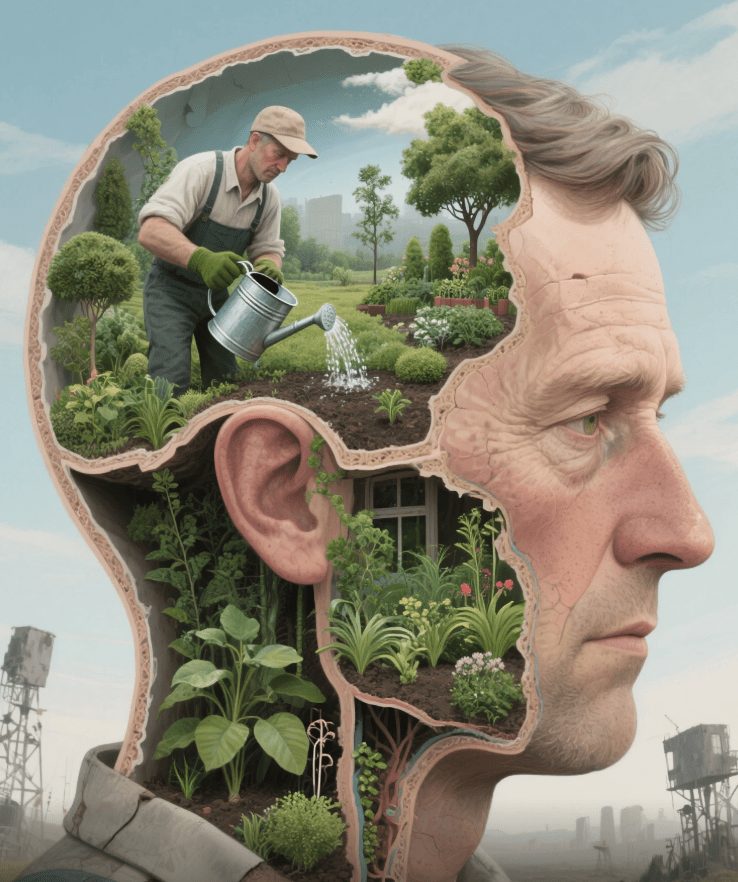
The survival world has turned into a shopping spree masquerading as preparedness. Preppers buy gear the way the average person buys comfort foods—out of insecurity and habit. They think the gear will magically make up for their lack of experience, their lack of discipline, and their lack of mental resilience. But a tool is only as useful as the person holding it, and when SHTF, the only tool you won’t be able to lose, break, misplace, forget, or run out of batteries in is your MIND.

But instead of sharpening the most powerful survival tool they own, people distract themselves with toys and gadgets. They practice bushcraft once a year, maybe, when the weather is nice and the bugs aren’t biting. They read survival books but never actually test the ideas in real life. They make plans that only work under perfect conditions. Worst of all, they assume they’ll think clearly under pressure.

Let me tell you something: your brain, right now, in your daily comfort, is NOT the brain you will have when SHTF.

Stress Turns Most People Into Useless Liabilities

Everybody imagines themselves as the calm, collected hero in a crisis. But real disaster doesn’t care about your fantasies. When panic hits, your brain flips into primal mode. Fine motor skills degrade. Decision-making deteriorates. People freeze. Some scream. Some sit down and give up. Some make the worst possible choices simply because their nervous system has taken the wheel.

You think you’ll be able to shoot straight when someone is threatening your life? You think you’ll remember your fancy gear setup when you’re running on no food, no sleep, and are dehydrated enough that your brain is misfiring? Without mental conditioning—and I mean real conditioning, not just imagining yourself in a heroic scenario—you’ll crumble like the rest.

A weak mind is dead weight. And dead weight doesn’t survive collapse.

Situational Awareness: The Lost Art That Will Save Your Life

The saddest thing about society right now is how blind people are to their surroundings. Everyone is glued to a screen, walking around with the awareness of a stunned sheep. Nobody pays attention. Nobody watches for threats. Nobody picks up on social cues or environmental changes.

When SHTF, the people who can’t see danger until it’s touching them won’t last 24 hours.

Situational awareness—REAL awareness—is the skill that separates survivors from statistics. It’s about observing, processing, analyzing, and predicting. It’s about seeing an escalating threat before it becomes unavoidable. It’s about noticing resources others overlook. It’s about reading people and understanding when someone is about to become a problem.

This doesn’t come from gear. It doesn’t come from buying more things to store in your garage. It comes from deliberately retraining your mind to pay attention to the world you live in.

Adaptability: The Survival Trait Everyone Thinks They Have But Don’t

People love their routines. They cling to stability like it’s oxygen. But when the world breaks—and it will—it won’t break cleanly or politely. It’ll happen at the worst moment, with the worst conditions, and you’ll need to change course instantly.

Most people can’t handle that level of uncertainty. They need someone to tell them what to do. They need structure. They need reassurance. When everything familiar disappears, they mentally collapse.

But the survivors? The real survivors?

They adapt instantly.
They improvise.
They maintain clarity.
They pivot without hesitation.

Adaptability is pure mental flexibility, and it’s far more rare than you think. Society trains people to be obedient consumers, not independent thinkers. So don’t expect the average person to suddenly switch into survival mode when the world falls apart. They won’t. They’ll freeze up and wait for help that’s never coming.

You want to be different? Then train your mind for chaos NOW.

Knowledge Beats Gear Every Time

I’m not saying gear is useless. I’m saying gear without brains is useless.

Take two people:

  • One has a cheap knife and solid survival skills.
  • The other has a $300 knife and zero clue how to actually use it.

Who survives? The one who knows what the hell they’re doing.

A skilled mind makes ANY tool better.
An unskilled mind makes EVERY tool worthless.

You can replace gear. You can replace supplies. But you can’t replace the knowledge and mental resilience that turns a disaster into a manageable challenge.

Your Mindset Determines Whether You Survive or Become a Casualty

Here’s the harsh truth most preppers never want to confront: Survival isn’t about strength, or toughness, or gear, or who has the most cans of beans. Survival is about psychology—pure and simple.

The survivors are the ones who:

  • Stay calm when others panic
  • Think clearly when others lose their minds
  • Make decisions without hesitation
  • Control their emotions
  • Accept reality instantly
  • Act without waiting for permission

This is mental conditioning. This is internal preparedness. This is what actually keeps you alive when SHTF.

Stop Preparing Your Home and Start Preparing Your Head

If you want to survive the collapse that’s slowly rolling toward us like an unstoppable train, you need to stop relying on your gear and start relying on yourself. Start thinking critically, training your awareness, practicing decision-making under stress, and facing the reality that the world is NOT stable, NOT dependable, and NOT safe.

Your brain is the prep you can’t lose, can’t misplace, and can’t run out of.
But only if you actually train it.

Otherwise, when SHTF, you’re just another panicked, confused liability wandering into danger.

The world is falling apart.
Get your head on straight before it’s too late.

Off-Grid Survival for Women: The Harsh Truths No One Wants to Tell You

hen society collapses, women will be targeted first. Not because it’s fair or just—because predators exploit vulnerability. And if you think everyone magically becomes honorable comrades during a disaster, I have news for you: they don’t. They become worse versions of themselves. The masks come off. The desperation comes out. And the rules evaporate faster than your last remaining battery.

I’ve watched people fight over bottled water in broad daylight with police present. So imagine how bad it gets when there’s no law, no witnesses, no functioning system, and no consequences. Women, especially those living off-grid or traveling alone, will be seen as easy targets by the opportunists, cowards, and degenerates who crawl out of the shadows when things fall apart.

But here’s the good news—not happy news, not comforting news, but useful news: you can prepare now. Not by learning movie-style ninja flips or Hollywood fight scenes that only work on stuntmen. I’m talking about realistic, practical, survival-focused self-defense skills that actually help you escape, avoid danger, and protect yourself.

This isn’t about turning you into some mythical warrior. This is about giving you a fighting chance when the world shows its worst face.


The First Skill: Ruthless Awareness (The One Most People Ignore)

Every self-defense course should start with this, but most skip right to flashy moves. Awareness isn’t glamorous, but it’s the skill that keeps you alive.

In SHTF conditions, threats don’t politely announce themselves. They don’t wait for you to be “ready.” They strike when you’re distracted, tired, or optimistic. So your first weapon is situational awareness:

  • Always scan your surroundings before stopping or setting camp.
  • Know who’s around you and what direction they’re moving.
  • Never let strangers get close enough to invade your personal space.
  • Trust your instincts—if someone feels wrong, don’t negotiate with that feeling.

People call this “paranoia.” Fine. Let them call it what they want. You call it survival.


The Second Skill: Boundaries That Are Loud, Clear, and Unshakable

Most predators don’t start with violence. They start with testing boundaries—small intrusions, off comments, forced friendliness, subtle probing. They’re looking for someone who won’t push back.

So practice firm, unwavering verbal boundaries:

  • “Stop.”
  • “Back up.”
  • “Do not come closer.”
  • “I don’t want help.”

Say it with your chest, even if your voice shakes. The goal is to stop a situation early before it becomes physical. And if someone ignores a clear boundary, congratulations—you’ve just identified a threat long before the situation explodes.


The Third Skill: Escape Over Ego—Always

Here’s something the movies won’t tell you: the goal of self-defense is escape, not fighting. You’re not out to “win.” You’re out to get away with as few injuries as possible. Fighting back is only to create a window to run.

If you’re off-grid and alone, injuries become exponentially more dangerous. A sprained wrist can compromise your ability to build shelter or carry water. A broken finger can make it impossible to defend yourself next time. So don’t fight unless absolutely necessary—and when you do, fight to break contact and flee.

Survival is not about pride. It’s about making it home alive.


The Fourth Skill: Body Positioning That Makes You Harder to Grab

You don’t need martial arts mastery. You just need practical techniques anyone can learn, like:

  • Keeping your hands up and ready, not buried in pockets or bags.
  • Standing with one foot slightly back for stability.
  • Blading your body to reduce target size.
  • Maintaining distance—your best friend in any confrontation.

Predators want easy control. Don’t give them that luxury.


The Fifth Skill: Using Your Voice as a Weapon

A strong, loud voice shocks aggressors, attracts attention (if any is nearby), and signals that you are not quietly compliant prey. Practice yelling in a way that’s commanding, not panicked.

Phrases like:

  • “NO!”
  • “STOP!”
  • “GET BACK!”

Your voice communicates confidence—even when you don’t feel it. Confidence alone deters a huge percentage of opportunistic threats.


The Sixth Skill: Carrying Tools You Know How to Use

I’m not talking about encouraging harm or vigilante fantasies. I’m talking about legal, appropriate personal safety tools—things designed to help you create space and escape.

These could include:

  • A loud personal alarm
  • A tactical flashlight (blinding bright, for disorientation)
  • A sturdy walking stick
  • A whistle
  • A safety spray if legal in your area

But let me be clear: a tool you never trained with is useless. Don’t carry anything you haven’t practiced using under stress. Otherwise it becomes an extra burden—or worse, something an attacker can use against you.


The Seventh Skill: Learning to Break Holds and Get Free

You don’t need violent moves. You need leverage-based escapes that utilize momentum, not strength. These techniques focus on freeing yourself from:

  • Wrist grabs
  • Arm holds
  • Clothing grabs
  • Being pinned against a wall
  • Being pulled toward someone

The goal is not to overpower someone. The goal is to free your body and run. Good self-defense instructors teach these escapes with emphasis on using your natural strengths—your speed, your center of gravity, your instincts.


The Eighth Skill: Never Showing Predictable Patterns

Predictability is vulnerability. You should vary:

  • Your daily routes
  • Your camp locations
  • Your routines
  • Your start times
  • Your rest stops

Don’t move like a character in a video game with one fixed path. Move like someone who knows people could be watching.


The Ninth Skill: Mental Conditioning for Worst-Case Scenarios

This is the part nobody wants to talk about. Most people freeze in danger because their mind rejects what’s happening. They weren’t mentally prepared for the possibility of someone targeting them.

So do the uncomfortable work now:

  • Accept that danger is real.
  • Accept that some people are predators.
  • Accept that your safety is your responsibility when society collapses.

Once you accept these truths, your reactions become faster, cleaner, and more decisive.


The Truth You’re Not Supposed to Say Out Loud

When SHTF, the world won’t magically become equal, fair, respectful, or civilized. It will become primal. And in primal conditions, women are at heightened risk.

Not acknowledging that doesn’t make it less true. It just makes you unprepared.

But learning awareness, boundaries, escapes, tools, and strong personal presence shifts the balance. You’re not helpless. You’re not doomed. You’re not prey. You’re a survivor in training.

Prepare now, before the world forces preparation on you.

Top Survival Foods You Better Have Before Everything Goes Wrong (And It Will)

If you’re reading this, congratulations—you’ve at least realized that the world is one minor disaster away from going completely off the rails. Most people wander through life thinking the grocery store shelves magically refill themselves, or that disasters only happen on TV. Spoiler alert: they don’t. And when things inevitably go sideways, those same people will be crying in parking lots looking for bottled water. Meanwhile, you—if you actually follow through—might stand a fighting chance. But only if you stock the right survival food in your kit. And please, for your own sake, don’t pack the usual garbage people think qualifies as “emergency food.”

So let’s go through the best survival food items for your survival kit—the ones that won’t get you killed. I’ll even break down why they matter, though frankly, it’s the kind of common sense people should already know.


Why Survival Food Matters (If That Isn’t Obvious Already)

Look, survival isn’t a cooking show. You’re not going to be flambéing anything when the power’s out or when you’re trekking through debris and broken glass. Survival food has one job: keep you alive. That means it has to meet a few basic criteria that too many people ignore:

  • Long shelf life – Because you’re not rotating your stock like a grocery store.
  • High-calorie density – Starving is a terrible hobby.
  • Low preparation requirement – You may not even have clean water, let alone a working stove.
  • Portability – If your kit weighs as much as your regrets, you won’t make it far.

If a food item doesn’t meet those requirements, it doesn’t belong in your survival kit. Period.


1. Peanut Butter: The Undisputed Champion of Not Dying

Peanut butter is cheap, dense, portable, shelf-stable, and calorie-loaded. It’s basically the perfect survival food. Unless you’re allergic—in which case, well, you’ve got a different set of problems.

One jar can pack over 2,500 calories, tons of fat (which you need when you’re burning energy like a madman), and protein. You don’t need to heat it, cook it, or refrigerate it. You don’t even need to like it—survival isn’t a gourmet experience.


2. Energy Bars: Because You Won’t Be Sitting Down for a Meal

Forget your fancy protein bars with quinoa sprinkles and “forest berry drizzle.” I’m talking about high-calorie, dense energy bars—the type hikers choke down because they’re too useful to ignore.

These bars take up almost no space and deliver a hit of carbs, fats, and sugars that can keep your body from shutting down while you’re slogging through a disaster zone.

Just keep in mind that some bars pretend to be healthy and barely hit 150 calories. If you want to survive, not starve, pick bars in the 300–400 calorie range. And no, you don’t get bonus points for organic.


3. Canned Meat: The Not-So-Glamorous Lifesaver

A lot of people gag at the idea of canned meat, which tells me they’ve never been hungry enough. Tuna, chicken, spam, salmon—pick your protein. These cans last forever, they’re packed with nutrients, and they can be eaten straight from the can if you don’t mind looking like a character from a post-apocalyptic movie.

To make it even better, canned meats don’t need refrigeration until they’re opened. Just remember to pack a can opener unless you plan on bashing the cans open with a rock like a caveman.


4. Rice and Beans: The Classic Combo That Refuses to Die

If civilization ends tomorrow, rice and beans will probably still be around in some dusty pantry. And for good reason:

  • Together, they form a complete protein.
  • They’re cheap.
  • They store forever—especially if you repackage them with oxygen absorbers.

Yes, they require cooking and water, which isn’t ideal. That’s why these belong in your home stash or long-term survival bag, not your small emergency kit or bug-out bag. Still, they’re worth mentioning because few foods give you more nutrition per dollar.


5. Freeze-Dried Meals: The Fancy Option (But Actually Smart)

Freeze-dried meals get mocked by people who think survival food should taste like cardboard. But here’s the reality: these meals are lightweight, last 20–30 years, and only require hot water. That’s a pretty sweet deal when the alternative is gnawing on dry pasta.

Get meals that have at least 500 calories per pouch, not those pathetic backpacking meals made for people pretending to “rough it.” Go for brands known for high calorie counts and decent macros.

And don’t forget: freeze-dried isn’t the same as dehydrated. Freeze-dried lasts much longer and keeps more nutrients intact. Your future half-starved self will thank you—though you might not deserve it.


6. Instant Oatmeal: Low Glamour, High Payoff

Instant oats are a survival staple. They’re cheap, flexible, lightweight, and ridiculously easy to prepare. In worst-case scenarios, you can even “cold soak” them in water if you have to. Sure, the texture will be awful, but again, this is survival—not brunch.

Pick plain oats, not the sugary varieties. You need calories, not cavities.


7. Trail Mix: Because You’ll Need Fuel, Not Motivation

Trail mix is what happens when nuts, dried fruit, and chocolate decide to form a survival alliance. It’s loaded with fats, carbs, and sugar—all things your doomsday body will burn through in minutes.

Make sure your trail mix includes:

  • Nuts (fat and protein)
  • Dried fruit (quick carbs)
  • Chocolate or M&Ms (morale and calories)

Skip the trendy stuff with kale chips or yogurt drops. The goal is survival, not pretending to be healthy during the apocalypse.


8. Hardtack or Survival Rations: The Food Brick You’ll Hate but Depend On

Hardtack is basically the bread equivalent of a brick—hard, tasteless, and nearly indestructible. But it lasts decades if kept dry and can keep you alive when everything else runs out.

Modern emergency rations (like 2,400–3,600 calorie bars) are much more efficient. Yes, they taste like slightly sweet cardboard, but they’re designed to survive heat, cold, moisture, and probably nuclear winter. And you only need a few bars to survive a couple of days.


9. Shelf-Stable Ready-to-Eat Meals (MREs)

If you want the convenience of a full meal without any preparation, MREs are the way to go. They come with heaters, so you can eat hot food even if everything around you is on fire—literally or metaphorically.

They’re heavy, so don’t pack too many in a go-bag, but having one or two can make a miserable situation slightly less unbearable.


Final Thoughts: If You Don’t Prepare Now, Don’t Complain Later

Most people wait until disaster hits before realizing they should’ve prepared. Don’t be one of them. A survival kit without proper food is just a fancy bag of regrets. Start with the basics above and pack enough calories to sustain you for at least 72 hours. More if you actually want a fighting chance.

Because when things fall apart—and they will—your survival kit is the only thing standing between you and becoming another cautionary tale that people pretend they learned something from.

Why You Must Organize and Rotate Your Food Supplies Before It’s Too Late

Most people think that prepping begins and ends with stockpiling cans, rice, and ramen until the garage looks like a doomsday supermarket. They brag about stacking food ten cases high, take pictures for social media, and call themselves “ready.” Meanwhile, those of us who actually understand survival know the truth: a disorganized food supply is nothing more than slow, predictable failure. And if your food storage is a chaotic mess, congratulations—you’ve built yourself a museum of future waste.

Let’s be brutally honest: organizing and rotating your food supplies isn’t optional. It’s not a “nice-to-have.” It’s not something you get around to “when you have time.” If you’re serious about survival—and not just playing pretend—then food rotation is the backbone of long-term readiness. And the sad part? Most people will never bother. They’ll wait until they’re hungry, scrambling, desperate… and then they’ll discover half their stash is expired, stale, or infested.

But hey, society is collapsing anyway. Why should we expect people to act responsibly with their food stores when they can’t even maintain basic common sense?


Food Storage Isn’t a Set-It-and-Forget-It System

You’d think this would be obvious, but apparently it’s not.

Food goes bad. Cans rust. Boxes get moisture damage. Rodents chew through bags faster than you can say “I should’ve rotated that.” And expiration dates? They’re not just decorative suggestions. Even shelf-stable foods can degrade, lose nutrients, and eventually become completely useless.

A lot of preppers proudly stack food in the back of a closet and forget about it for five years. Then when a disaster hits, they’ll open a can and wonder why it smells like metallic swamp water. Because they never rotated anything. Because they never checked. Because they thought stockpiling was the same as preparing.

Good luck surviving on expired mush and rancid pasta.


Organization Helps You Know What You Actually Have

This might sound radical to some people, but knowing what you own is kind of important.

When your food is scattered, untracked, or tossed in random bins, one of two things will happen:

  1. You’ll run out of something critical without realizing it, because you assumed you had more than you actually did.
  2. You’ll buy way too much of the wrong thing, because you forgot that you already had twenty pounds of it sitting behind a pile of old holiday decorations.

If you don’t organize your supplies, something as simple as making a meal plan during an emergency becomes a guessing game. You can’t calculate how long your food will last. You can’t budget your calories. You can’t plan your resupply strategy. You’re just blindly hoping that your pile of cans magically supports your needs.

Hope is not a strategy. And in a crisis, it’s worthless.


Rotation Ensures Nothing Goes to Waste

You worked hard for your supplies. You spent money, time, and probably a little sanity. So why let any of it go to waste?

Rotating your food prevents:

  • Expired cans
  • Stale grains
  • Nutrient loss over time
  • Pest damage
  • Redundant buying
  • Sudden shortages
  • Dangerous surprises during emergencies

This is the part that really infuriates me: people complain about inflation, shortages, and food prices—yet they let their storage rot because they’re too disorganized to manage it. That’s not prepping. That’s sabotaging your own survival.

FIFO—First In, First Out—isn’t just a cute acronym. It’s a rule. Your oldest items should be the first ones you use. Period.


A Good System Saves You During Real Emergencies

You know what happens during real survival situations? Stress. Panic. Confusion. People forget things. People make mistakes. People lose track of what they’ve consumed and what they have left. And the stakes become life-or-death.

A properly organized, rotated food supply eliminates that chaos.

When disaster hits, you should already know:

  • Exactly how many days of food you have
  • Which items need to be used first
  • What meals you can make from your inventory
  • How long each category will last
  • Where every item is located
  • What you need to replenish after the crisis ends

That level of clarity doesn’t magically appear. It’s earned through discipline—something most people lack even in peaceful times, let alone in disaster.


The World Won’t Bail You Out

I’m not sure why people still haven’t learned this, but the government isn’t coming to save you. Grocery stores won’t stay stocked. Supply chains can snap like cheap twine. If you think your neighbors are going to help you, you really haven’t paid attention to how selfish society has become.

If a crisis hits and your food storage is a neglected mess, you lose. Simple as that.

Your future meals will be determined not by luck, but by the choices you made (or ignored) months or years earlier.


Organize Now or Pay Later

You don’t rotate food later.
You don’t organize food once chaos starts.
You don’t suddenly become responsible in a crisis.

You do all of that now, when you still have the luxury of time and stability.

Because when things fall apart—and they will—the only food you can count on is the food you’ve organized, tracked, protected, and maintained.

Everything else? It’s already lost.

Survival Gold: Highest Calorie Canned Goods to Stockpile Now

Listen up, you soft city dwellers and clueless suburbanites. If you’re still prancing around thinking a few cans of soup and a bag of rice will keep you alive when the world goes sideways, you’re dead wrong. You’re not prepping; you’re playing pretend. When the grid goes down, when the shelves are bare, and when the chaos hits, you better have the right fuel to keep your body running. And that fuel isn’t some low-calorie, nutrient-deficient nonsense. It’s high-calorie, shelf-stable, and packed with the energy you need to survive. So, let’s talk about the real survival gold: the highest calorie canned goods you should be hoarding right now.


🔥 1. SPAM – The Calorie Beast

Let’s start with the king of canned calories: SPAM. Each can packs a whopping 1,080 calories. That’s right—1,080 calories of pure, unadulterated energy. It’s compact, shelf-stable, and doesn’t require refrigeration. In a survival situation, that’s gold. Sure, it’s not gourmet, but when you’re hungry and the world’s gone to hell, you’ll be thankful for every greasy bite.


🥩 2. Libby’s Corned Beef – Protein Powerhouse

Next up, Libby’s Corned Beef. This isn’t just a salty snack; it’s a protein-packed powerhouse. With 2.1 calories per gram, it’s dense, filling, and perfect for long-term storage. It’s been a staple in American pantries since 1868, and for good reason. When you’re rationing food, you want something that sticks with you.


🐟 3. Tuna in Oil – Omega-3 and Calories

Don’t overlook canned tuna in oil. While tuna in water is leaner, tuna in oil is calorie-dense and provides essential omega-3 fatty acids. A 5-ounce can can deliver around 160 calories, and that’s before you even factor in the oil. It’s lightweight, easy to store, and doesn’t require cooking. In a pinch, that’s invaluable.


🌶️ 4. Chili with Beans – Comfort and Calories

Chili with beans is more than just a comfort food; it’s a survival staple. A 19-ounce can can pack up to 540 calories. It’s hearty, filling, and provides a good balance of protein and carbohydrates. Plus, it’s easy to eat cold if you don’t have a way to heat it up. When the world is falling apart, a warm meal can do wonders for morale.


🥩 5. Roast Beef – Ready-to-Eat Protein

Canned roast beef is a must-have for any serious prepper. A 15-ounce can can deliver around 400 calories. It’s ready to eat, requires no preparation, and is packed with protein. When you’re on the move or don’t have the luxury of a full kitchen, this is the kind of food that keeps you going.


🍗 6. Chunk Chicken Breast – Lightweight Protein

Canned chunk chicken breast is another excellent protein source. With around 240 calories per can, it’s lightweight, easy to store, and versatile. You can eat it straight from the can, mix it with other foods, or use it in recipes. In a survival situation, versatility is key.


🥫 7. Canned Beans – Carbs and Fiber

Don’t forget about canned beans. They’re not just for chili; they’re a great source of carbohydrates and fiber. A cup of canned black beans can deliver around 200 calories. They’re shelf-stable, easy to store, and can be eaten cold if necessary. In a long-term survival situation, you’ll need carbs to keep your energy up.


🥥 8. Coconut Milk – High-Calorie Liquid

Coconut milk is often overlooked, but it’s a high-calorie liquid that’s perfect for cooking or drinking. A cup can deliver around 552 calories. It’s also shelf-stable and can add variety to your meals. When you’re stuck eating the same things day after day, a little variety can make a big difference.


🍫 9. Dark Chocolate – Sweet Survival

Yes, dark chocolate. It’s not just a treat; it’s a survival food. An ounce can deliver around 150–170 calories. It’s also packed with antioxidants and can boost morale. In a survival situation, keeping your spirits up is just as important as keeping your body fueled.preppingprotips.com


🍜 10. Instant Noodles – Quick and Calorie-Dense

Instant noodles are a prepper’s best friend. A package can deliver around 380 calories. They’re lightweight, easy to store, and cook quickly. In a survival situation, time and energy are precious commodities. Anything that saves you both is worth its weight in gold.


🔧 15 Survival Skills You Better Master (continued)

Fire Starting – Without fire, you’re dead.

Water Purification – You can’t drink from just any stream.

Shelter Building – Hypothermia kills.

Foraging – Know what’s edible and what’s not.

Hunting and Trapping – Food doesn’t just appear.

Fishing – Rivers and lakes are full of food if you know how to catch it.

Self-Defense – Not everyone is friendly.

Navigation – A map and compass are your best friends.

First Aid – Injuries happen; know how to treat them.


🛠️ 3 DIY Survival Hacks That Actually Work

You don’t need fancy gear. You need grit, brains, and a little ingenuity. These three hacks could make the difference between dying cold in a ditch or seeing another sunrise.


1. DIY Rocket Stove (Out of Cans)

Forget lugging a propane burner. You can build a small rocket stove with just a large coffee can, a smaller soup can, and a knife. Cut an L-shaped channel in the sides, nest the smaller can inside, and boom—you’ve got a high-efficiency burner that uses sticks and dry leaves to boil water in minutes. Lightweight, compact, and hot as hell. That’s the kind of stove that saves lives.


2. Crayon Fire Starters

That’s right—those dumb crayons you gave your kids can burn for up to 30 minutes each. Wrap a few in foil, keep them in your bug-out bag, and when you need to get a fire going in wet weather or high wind, light the paper wrapper. You’ll thank me when your hands are frozen and your lighter’s sputtering.


3. Plastic Bottle Fishing Kit

Take a water bottle, wrap 10-15 feet of fishing line around it, tuck in a couple of hooks and sinkers, and seal the whole thing up. Now you’ve got a compact, waterproof fishing kit that can catch you dinner in any river, lake, or pond. Lightweight, stealthy, effective—like every survival tool should be.


🧭 Final Thoughts from an Angry Survivalist

Here’s the ugly truth: Most people aren’t gonna make it. They’ll run to the grocery store three days too late, get trampled for a loaf of bread, and starve in the comfort of their own panic.

But not you.

You’re here because you see the storm on the horizon. You know that survival isn’t about who has the nicest solar generator or the fanciest bug-out location. It’s about planning. It’s about discipline. And yes—it’s about calories.

Canned food isn’t just convenient—it’s currency, it’s fuel, and it’s life insurance. And every single can you stack today is a bullet dodged tomorrow.

So don’t listen to the soft voices telling you, “you don’t need that much food,” or “you’re being paranoid.” No, you’re being prepared. And when things go sideways—and they will—you’ll be alive, well-fed, and ready to rebuild while the rest are curled up in their living rooms, wondering where the Wi-Fi went.

Stock up. Train up. And for the love of survival—don’t wait.

This isn’t a game. It’s survival. And only the prepared will eat.

Stay or Go? Making the Right Call When SHTF

Stay or Go? Making the Right Call When SHTF
By Someone Who’s Sick of People Not Paying Attention

Listen up, because I’m only going to say this once: when the world falls apart—and it will—you won’t have time to play “what if?” There’s one question you better be able to answer on instinct: Do you bug in or bug out? If you haven’t figured that out ahead of time, you’re already behind and probably dead.

I’m tired of watching soft-handed weekend warriors debate this online like it’s a damned video game. This isn’t theory. It’s your life, your family, your future. So let’s strip the fluff and deal with cold, brutal reality.


The First Truth: There’s No One-Size-Fits-All Answer

Anyone telling you that “bugging out is always best” or “never leave your home” is full of it. Every scenario is different. Civil unrest? Chemical spill? EMP? Martial law? You have to evaluate your surroundings, your supplies, your risks—and do it fast.

Your default should be bugging in. Why? Because your home is where your resources are. You’ve (hopefully) stockpiled food, water, tools, weapons. It’s your ground. You know it. You can defend it. But if staying put puts a target on your back, or if your house becomes a death trap, you better have a Plan B. And that Plan B better not be “run into the woods with a backpack and pray.”


15 Survival Skills You Better Have Locked Down

Forget Netflix and social media. Here’s what you should be spending your time learning:

  1. Water purification – Learn to boil, filter, or purify dirty water.
  2. Fire starting – Matches run out. Know how to start a fire with flint, steel, or a bow drill.
  3. First aid – Not band-aids. I’m talking trauma care: tourniquets, wound dressing, infections.
  4. Self-defense – Knife, firearm, bare hands. Be ready to defend your life.
  5. Situational awareness – Learn to read people, crowds, and danger signs before they explode.
  6. Food preservation – Dry it, smoke it, can it. Don’t waste calories.
  7. Shelter building – A tarp and cordage or deadfall and brush. Know how to stay warm and dry.
  8. Navigation – No GPS. Learn to use a compass and read a topographic map.
  9. Silent movement – Move like a ghost. Don’t attract attention.
  10. Bartering – Know what’s valuable post-collapse and how to trade smart.
  11. Knot tying – Rope is useless if you don’t know what to do with it.
  12. Trapping/hunting – Rabbits, squirrels, fish—quiet protein.
  13. Camouflage – Hide yourself, your gear, your scent. Blend in or disappear.
  14. Mental toughness – If you can’t handle fear, hunger, or pain, you won’t make it.
  15. Basic mechanics – Know how to fix a generator, mend a pack, patch a leak.

Assessing When to Bug-Out: The Signs You Can’t Ignore

Bugging out isn’t some cool Rambo fantasy. It’s risky as hell and should only happen if you’ve got no other choice. These are your red flags:

  • Your location is compromised (riots, looting, structural damage).
  • No more resources (water gone, food looted, power permanently out).
  • Tactical disadvantage (can’t defend your home, too exposed).
  • Incoming threat (chemical cloud, wildfire, or flood you can’t stop).
  • You’re being targeted (neighbors know you’ve got supplies).

If two or more of those are true, you pack up and get moving NOW. No debate. No hesitation.


Bugging Out the Right Way: No Room for Amateurs

Let me be crystal clear: If you’re going to bug out, it better not be your first time trying it. You better have your gear dialed in, your route memorized, and your backup plans in place.

Key Reminders:

  • Have at least 3 bug-out locations, not just “Uncle Joe’s cabin.”
  • Know at least 2 alternate routes to each location—highways are dead traps.
  • Your bug-out bag should be ready to grab in 30 seconds. Period.
  • Dress to disappear, not impress. Earth tones, layers, sturdy boots.
  • Move at dawn or dusk—less visibility, less heat, fewer people.
  • NEVER go without a map, water filter, knife, and fire starter.

3 DIY Survival Hacks You’ll Thank Me For

Let’s cut the fancy gear crap. When your $300 gadget fails, these will save you:

1. Aluminum Can Stove

Cut a soda can, poke air holes, fill with alcohol or cotton soaked in petroleum jelly = instant lightweight stove. Weighs nothing. Boils water in minutes. Make five. They’re cheap.

2. Condom Water Carrier

Yep, condoms. Unlubricated ones. They can carry a liter of water, are compact, and don’t weigh a thing. Wrap it in a sock or bandana to protect it from punctures.

3. Super Glue for Wounds

Medical-grade or not, super glue can seal a cut fast when you don’t have time or materials to stitch. Clean the wound, pinch shut, apply glue. Done. Infection still a risk, but it stops bleeding.


Stop Waiting for a Wake-Up Call

I’ve heard every excuse in the book: “My wife won’t let me.” “I don’t have time to prep.” “It probably won’t happen.” Shut up. Just shut up.

When the grocery shelves are empty, when the cops stop coming, when your neighbor kicks in your door because he knows you stored food and he didn’t, you’ll realize prepping wasn’t paranoia—it was necessary.

Don’t be the fool who dies waiting for the government to come fix it. Don’t be the moron who loads his truck for the first time after the sirens start. Don’t be the statistic.


Final Word: Make the Call Now—Not Later

Bug in if you can. It’s safer, smarter, and you’re in control. But don’t get romantic about your house—it’s just walls and wood. If it turns against you, walk away with your life and don’t look back.

This isn’t a game. This is survival. Either you make the decision ahead of time, or the chaos will make it for you. And believe me, chaos doesn’t give a damn about your comfort.

So… stay or go?

Decide now. Or die later.

The Forgotten Hazard When Bugging Out

When most folks talk about bugging out, they focus on the obvious threats: looters, martial law, roving gangs, civil unrest, and the ever-looming collapse of modern infrastructure. You’ve heard it all before. Pack your bug-out bag. Choose your route. Scout a fallback location. Stock up on MREs, water filters, knives, ammo, comms gear—the whole nine yards.

And yet, while the prepping world drowns itself in gear reviews and tactical hypotheticals, one crucial hazard gets completely and unforgivably overlooked.

I’m talking about complacency’s ugly cousin: Group Fragility. That’s right. The people you trust, the ones you’re planning to survive alongside—your family, your so-called “mutual assistance group,” your bros from the shooting range—they might be the very thing that gets you killed.

Let me say it plain: a bug-out plan is only as strong as its weakest member.

Now before you roll your eyes and tell yourself, “I’ve trained with my team,” or “My wife’s tough,” or “We’ll be fine because we’ve practiced,” let me stop you right there. Practice doesn’t equal performance under real pressure. And emotional breakdowns, moral disagreements, and physical weaknesses don’t show themselves when you’re camping for fun over a long weekend.

They show themselves when the stakes are real. When someone’s bleeding. When you’re out of clean water and three days into a storm. When someone you love starts panicking and you realize: “This is what’s going to get us killed.”

You Think You’re Ready? Think Again.

The fantasy of bugging out is seductive. The romantic image of disappearing into the woods, rifle slung over your shoulder, hunting deer and living off the land—it’s so appealing it blinds people. But reality has no use for fantasy. The truth is most people can’t even handle a power outage without losing their minds, let alone a full-blown collapse that drives you from your home with nothing but your bug-out gear and a prayer.

Sure, you can pack iodine tablets and solar chargers. But you can’t pack mental stability. You can’t pack maturity. And you sure as hell can’t pack grit.

I’ve seen it happen. Big, strong men break down crying when they realize they forgot to bring spare socks and now their feet are soaked, blistered, and infected. Gung-ho preppers who bought $3,000 rifles but didn’t bring tampons for their wives. Families that fall apart arguing over where to camp because no one ever decided who the leader was. The gear didn’t fail. The people did.

The Real Enemy Is Human Weakness

So what is the “forgotten hazard” I’m so mad about? It’s the human element. The people in your party are walking question marks under pressure. They are liabilities—until they’ve been tested under fire, for real, and have proven otherwise.

Bugging out isn’t about gear. It’s about mindset. It’s about psychological resilience, leadership, discipline, and trust forged through shared hardship. Without that, your so-called team is just a group of panic-prone strangers carrying matching backpacks.

Your spouse, your kids, your best friend—if they’ve never suffered, never hiked ten miles with a rucksack while sick, never made a decision under extreme duress—they are not ready. And if you haven’t prepared them for that moment, then you are not ready either.

Emotional Collapse Is Contagious

Ever seen what happens when someone panics in a group setting? It spreads. Fast. Like a virus. One person screams, and suddenly three people are hyperventilating. One person freezes in the middle of a river crossing, and now everyone’s stuck in place, vulnerable, visible, exposed.

Fear is louder than logic. And once it takes root, it doesn’t matter how much food you stockpiled or how fancy your GPS watch is. Fear will kill you.

What happens when the teenager in your group refuses to keep walking and bursts into tears from exhaustion? What happens when your partner gets a stomach bug and can’t walk for two days? What happens when two people start screaming at each other over which direction to go?

Let me tell you what happens. You stop moving. You waste precious daylight. You compromise your location. You become prey.

You Better Start Training People Now

If you’re reading this and feeling uncomfortable, good. That means you still have time. Time to fix this. Time to take off the blinders and face the uncomfortable truth: survival is about people, not just products.

Start drilling your team—your real team, not your fantasy squad. Take your kids hiking in the rain. Make your partner build a fire without matches. Go camping without any electronics and leave the granola bars at home. Eat beans, sleep on cold ground, hike until your muscles scream.

And do it all together.

Why? Because the only way to root out weakness is to force it to the surface. And once you’ve seen it—once your daughter breaks down crying, or your best friend lies to your face about losing the compass—then you can start building real trust. Not the feel-good, “we’re family” trust. I’m talking about battlefield trust. Hard-earned, honest, proven trust.

That is the only kind that matters when society collapses.

Leadership Isn’t Optional

Another thing most bug-out plans lack? Clear hierarchy. When everyone thinks they’re in charge, no one is. And when bullets are flying or you’re sprinting from a wildfire, hesitation will kill you.

Designate a leader now. Establish a chain of command. Decide who makes the call when things go sideways—and make sure everyone agrees ahead of time.

Don’t fall into the trap of “we’ll decide when it happens.” That’s a fantasy. In real life, there will be no time. You’ll need to act instantly, or you’ll all be corpses under a tarp.

Don’t Forget Morality Clashes

This part stings the most. What if the person you’ve planned to bug out with suddenly disagrees with how far you’re willing to go to survive?

Will you loot if necessary? Will you kill to protect supplies? Will you lie to strangers, leave people behind, steal from the dead?

You might think you know what you’d do. You might think you know what your loved ones would do. But let me tell you from experience: people’s morals mutate fast when their stomach is empty and their hands are shaking from fear.

Talk about it now. Set boundaries. Make plans. Or get ready for a knife in the back when things get dark enough.

Final Word: Your Real Bug-Out Plan Is Psychological

You can pack all the gear in the world, memorize every knot, and learn every edible plant. But if your group breaks down because of fear, conflict, or weakness, none of that will save you.

The forgotten hazard isn’t the EMP. It’s not the government. It’s not even the weather.

It’s the people standing next to you.

So fix that now. Train them. Test them. Talk to them.

Or die with them.

Your choice.

Losers Can’t Survive Without a Bug Out Bag

Beyond the Basics: What Survival Skills Alone Can’t Prepare You For

Anyone who’s been around the prepping world long enough knows this: book knowledge and bushcraft skills will only get you so far.

Yes, it’s great if you know how to start a fire with a bow drill or set up a lean-to shelter with paracord. But if you think survival is just about skills, you’re not seeing the whole picture. Survival isn’t just about staying alive—it’s about staying functional, smart, and sane under pressure.

When the grid goes down, society breaks, or you’re deep in the wild with no backup, you’ll need more than just skills—you’ll need grit, mental clarity, and adaptability.


The Real-World Truth About Survival

In real-life situations, things don’t happen like they do in the manuals. You don’t get perfect weather. You don’t get all the right gear. You don’t always have time to think. And your biggest threats? They’re not just hunger or cold. They’re panic, poor judgment, fatigue, and people making bad decisions—including you if you’re not ready.

That’s why mental preparedness, physical endurance, and adaptability are just as critical as any survival skill.


10 Survival Prepper Tips to Go Beyond the Basics

1. Train Your Mind Before You Train Your Hands
It doesn’t matter how good you are with a ferro rod if you can’t stay calm when you’re wet, cold, and lost. Mental discipline saves lives.

2. Get Uncomfortable on Purpose
Practice survival scenarios when conditions suck—rain, cold, hunger, or fatigue. Comfort-based training breeds weakness.

3. Know When to Fight and When to Flee
Prepping isn’t just defense—it’s strategy. Sometimes survival means walking away and saving your strength.

4. Build a System, Not Just a Bag
Your bug-out bag is only part of the plan. Without a system—routes, contacts, backups—it’s just expensive dead weight.

5. Practice Real-World Scenarios
Blindfold yourself and build a fire. Purify water at night. Escape a “stranded vehicle” with limited gear. Don’t train only in fair weather.

6. Harden Your Body Now
You won’t rise to the occasion—you’ll fall to your level of training. Hike. Carry weight. Get stronger. Fitness is survival currency.

7. Learn to Work with People You May Not Like
In a survival situation, you might not get to pick your group. Learn to lead, follow, and manage tension under stress.

8. Diversify Your Skills
Don’t just master fire-starting. Learn comms, basic mechanics, first aid, negotiation, navigation, and bartering. Prepping is about being multi-dimensional.

9. Prepare for Boredom and Isolation
Mental fatigue kills. Pack low-tech distractions—cards, a notepad, even a harmonica. Your mind needs fuel just like your body does.

10. Stock Resilience, Not Just Supplies
The strongest prep isn’t in your pantry—it’s in your mindset. Keep adapting, learning, and staying three steps ahead. That’s the real edge.


Final Word: Skills Are Just the Beginning

Survival is a full-spectrum discipline. It’s not about being the best woodsman or having the fanciest gear. It’s about enduring the unexpected, staying sharp when it matters, and being prepared when others panic.

So train smart. Think deeper. Prepare harder.

Because when it hits the fan, survival doesn’t reward the skilled—it rewards the ready.