
If there’s one thing I’ve learned after years of watching society march itself off a cliff with a smile, it’s this: most people can barely keep their sock drawer organized, let alone their food storage. Everyone loves to talk big about “stocking up” and “being prepared,” but when it comes down to actually doing the unglamorous grunt work—taking inventory, rotating supplies, labeling containers—suddenly everyone becomes lazy, distracted, or “too busy.”
The truth, whether anyone wants to face it or not, is that food storage isn’t some Instagram-friendly pantry makeover. It’s not an aesthetic hobby. It’s a survival system, and if you treat it like anything less, you might as well hand your supplies to the nearest looter and call it a day.
So let’s get something straight: organization and inventory aren’t optional. They are the backbone of any real survival food plan. If you can’t track what you have, where it is, how long it will last, and what you need to replenish, then your entire so-called “prepping” is nothing more than a pile of false confidence waiting to collapse at the worst possible moment.
And moments like that are coming. Don’t kid yourself.
Why Food Storage Matters Even More Than You Think
Every year the world gets a little more chaotic, a little more unstable, and a lot more unpredictable. Supply chains break, crops fail, fuel prices spike, storms hit, and cities melt down—yet somehow the average person still believes grocery stores magically refill themselves overnight.
Maybe they think there’s a fairy in the back room restocking the shelves. Who knows.
But the reality is simple: the more unstable society becomes, the more critical your food storage system is. Not just the amount of food you have—though that matters too—but the management of that food.
Preppers often brag about having “months of supplies.” But when you ask them for specifics, like how many pounds of rice they have, the expiration dates on their canned goods, or how many calories their stash actually provides per day, they suddenly turn into philosophers—lots of vague answers and no actual numbers.
That’s not prepping. That’s denial.
Inventory Is the One Thing Lazy Preppers Refuse to Take Seriously

Let’s talk inventory. Most people hate it. It’s tedious. It requires writing things down. It forces you to face the fact that maybe you’re not as prepared as you thought.
And that’s exactly why it’s essential.
You cannot build a functional food storage system without knowing:
- What you currently have
- What’s expiring soon
- What you need to rotate
- What you need to replenish
- How much you actually use over time
- Where each item is stored
- Your total caloric reserves
- How long those reserves will last for each person in your household
If you’re rolling your eyes right now, maybe prepping isn’t actually your thing. Because survival is math, whether you like it or not.
Imagine waking up during a grid-down scenario, digging through your pantry, and realizing half your supplies expired last year because you never bothered to check them. Or discovering you bought 40 cans of soup… but all the same flavor your family hates. Or worse, realizing you stocked up on rice but didn’t buy a single pound of salt, seasonings, or oil to actually cook with it.
Inventory prevents disasters before they become disasters.
Organization: Because Chaos Won’t Save You
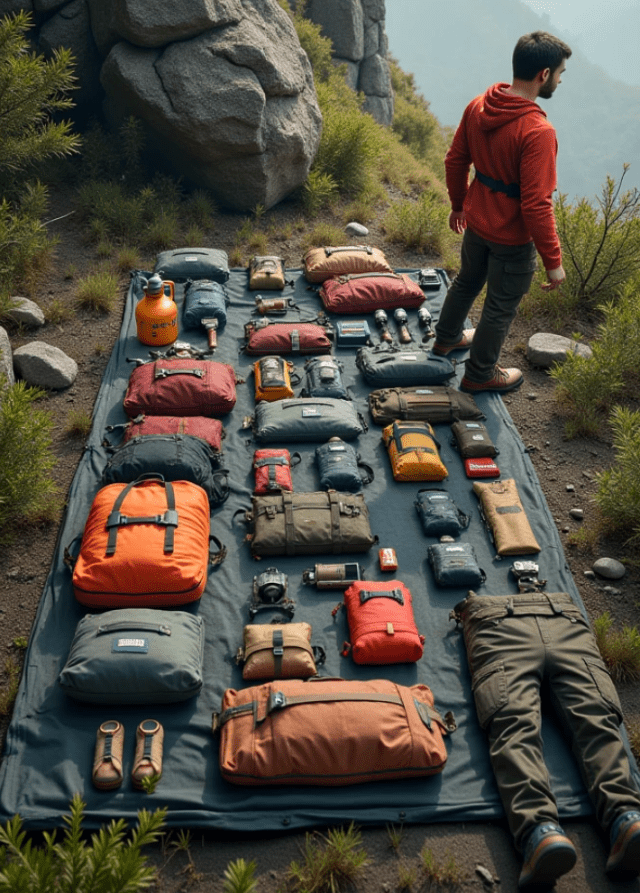
Some preppers treat their pantry like a junk drawer. Bags of beans shoved behind flour, cans stacked wherever they happen to fit, random Mylar bags tossed onto shelves “for later,” and half-empty containers leaning sideways like they’re begging to spill.
Do you know what that creates?
Chaos. Confusion. Waste. And vulnerability.
If you ever experience a real emergency, you won’t have time to “dig around and see what’s here.” You need to be able to access what you need immediately—and you need to know it’s still good, sealed, and edible.
Here are the harsh truths:
1. If it isn’t labeled, it doesn’t exist.
Write dates on EVERYTHING—every bucket, every can, every jar, every Mylar bag. If you’re too lazy to label, you’re too lazy to survive.
2. If you can’t see it, you won’t use it.
Deep shelves and unlit storage rooms are silent killers of supplies. Install lighting, use clear containers, and never bury critical food behind junk.
3. If it isn’t rotated, it WILL expire.
FIFO (First In, First Out) isn’t a suggestion. It’s the law of food storage. Treat it like one.
4. If it’s not grouped, it’s not organized.
Cans with cans. Grains with grains. Snacks with snacks. Stop mixing categories like a chaotic raccoon scavenging a dumpster.
5. If your storage isn’t protected, rodents and moisture will destroy it.
You’d be shocked how many preppers lose food to conditions they should have controlled.
People Who Don’t Organize Always Pay the Price Later
Most people assume they’ll be calm and rational when trouble comes. They won’t. Stress shuts down logical thinking. Panic makes people sloppy. Chaos fuels mistakes.
And when your brain is foggy with fear, trying to organize your pantry will be a disaster.
Do it NOW, when your hands aren’t shaking, when lighting still works, and when society hasn’t descended into noise and confusion.
Because here’s the ugly truth:
If you can’t manage your supplies during peace, you won’t magically become competent during crisis.
Building a Real Food Storage System
Here’s what actually works—tested, proven, and reliable:
1. Create a master inventory sheet
Digital or paper—doesn’t matter. Update it weekly.
2. Categorize everything
Grains, canned meats, canned vegetables, freeze-dried meals, spices, oils, comfort foods, etc.
3. Track calories, not just volume
Who cares how many jars you have if they don’t add up to enough daily fuel?
4. Use storage zones
Pantry, basement, long-term storage, emergency bug-out supply.
5. Keep a running “use and replace” list
If you take one item out, write it down immediately. No excuses.
6. Do monthly expiration checks
Yes, monthly. Not yearly like the optimistic amateurs.
7. Overprotect everything
Oxygen absorbers, Mylar, buckets, vacuum sealing—treat food like treasure because soon it might be.
Final Thoughts: Don’t Be Another Unprepared Statistic
The world isn’t getting kinder. It’s not getting more stable. And it sure isn’t getting more self-reliant. Every year, more people depend on fragile systems that can barely handle normal demand, let alone crisis.
You don’t have to be one of them.
But only if you stop pretending that buying food is the same as storing food. Only if you stop believing that survival is about “having stuff” instead of managing it.
Inventory and organization will either save you—or expose you.
It all depends on whether you take them seriously now, while you still have the chance.
Because once things go bad—and they will eventually—there’s no do-over.




 TheDailyChristian