Lap Dances & Bullets – Strip Club Mass Shooting Survival Skills

One of the hardest truths to accept is that mass shootings often occur in places where people are relaxed, distracted, and least prepared to respond. A strip club on a busy Saturday night—with over 40 dancers, staff, security, and a packed crowd—fits that profile perfectly.

This article is not about panic, paranoia, or hero fantasies. It’s about surviving long enough to go home alive.

Strip clubs present a unique survival environment:

  • Dim lighting
  • Loud music
  • Alcohol-impaired judgment
  • Tight spaces
  • Multiple blind corners
  • High crowd density
  • Limited exits

If a mass shooting occurs in this setting, seconds matter. Preparation isn’t about carrying weapons—it’s about awareness, positioning, movement, and mindset.


Understanding the Strip Club Environment

Before discussing survival tactics, you need to understand the terrain.

Most strip clubs share these characteristics:

  • A main performance floor with fixed seating
  • A stage or pole area that draws visual focus
  • VIP rooms or back hallways
  • Restrooms and dressing areas
  • One main entrance/exit, sometimes a secondary staff exit
  • Thick walls but thin internal dividers
  • Low visibility due to lighting and strobes
  • Loud bass that masks gunfire initially

Crowds cluster around stages, bars, and tip rails. That density is dangerous during a violent event but can also provide concealment if used intelligently.


How to Be Proactive: Spotting Trouble Before It Starts

Survival begins before the first shot is fired.

1. Always Identify Exits Upon Entry

This is non-negotiable prepper behavior. When you enter:

  • Count the exits
  • Identify which are staff-only
  • Note emergency exit signage
  • Observe if doors open inward or outward
  • Look for obstacles near exits

If you can’t name at least two exit paths within 30 seconds of entering, you’re already behind.


2. Read Behavior, Not Appearances

A mass shooter does not “look” a certain way. Focus on behavioral indicators:

  • Unusual agitation or pacing
  • Clutching waistbands or bags
  • Refusal to comply with security
  • Fixated staring, scanning instead of watching dancers
  • Rapid breathing or shaking hands
  • Repeated trips outside and back in
  • Excessive sweating unrelated to temperature

Trust your instincts. Leaving early is never embarrassing—being trapped is.


3. Position Yourself Intelligently

Avoid:

  • Sitting with your back to the room
  • Being boxed in by tables
  • High-density clusters near the stage
  • Dead-end VIP rooms unless you know alternate exits

Prefer:

  • Seats near walls
  • Clear lines to exits
  • Areas with solid structural features (pillars, thick walls)

Prepared people sit with intention.


Immediate Survival Priorities When Shooting Starts

When gunfire erupts, chaos follows. Your survival depends on decisive action, not freezing.

Rule #1: Don’t Wait for Confirmation

Gunfire in a strip club may sound muffled or confusing at first. If you suspect shots:

  • Act immediately
  • Do not wait for announcements
  • Do not search for friends
  • Do not record video

Delay kills.


Option 1: Escape (Run) – The Best Survival Choice

If you have a clear, safe path, take it.

How to Escape Safely

  • Move low and fast, not upright
  • Use furniture for partial cover
  • Avoid funneling into obvious exits if gunfire is near them
  • Follow walls, not open floor
  • Expect exits to bottleneck—push through decisively

Leave belongings behind. Phones, wallets, shoes—nothing is worth your life.

Once outside:

  • Keep moving
  • Create distance
  • Do not stop near entrances
  • Call emergency services when safe

Option 2: Hiding in a Strip Club Environment

If escape is not immediately possible, hiding is your next priority.

Best Hiding Locations in a Strip Club

  • Staff hallways
  • Dressing rooms with solid doors
  • Storage rooms
  • Maintenance closets
  • Behind thick bars or concrete pillars
  • Restrooms with lockable doors

Avoid:

  • Thin partitions
  • Curtains only
  • Areas with mirrors (reflection risk)
  • Large open VIP rooms with no secondary exits

How to Hide Effectively

  • Lock and barricade doors using heavy furniture
  • Turn off lights
  • Silence phones completely (no vibration)
  • Stay low and out of sight lines
  • Spread people out if possible
  • Prepare to remain silent for extended periods

Barricades should be heavy, wedged, and layered.


Slowing or Stopping a Mass Shooting (Last Resort Discussion)

As a survival prepper, I must be clear:
Confrontation is a last resort when escape and hiding fail.

Stopping a shooter is extremely dangerous and often results in injury or death. That said, in rare cases, disruption can save lives.

Non-Technical, High-Level Disruption Concepts

  • Creating obstacles that slow movement
  • Barricading chokepoints
  • Using noise or alarms to draw attention away from trapped people
  • Overwhelming the attacker only if unavoidable and only to escape

This is not about heroics—it’s about buying time and creating opportunity to survive.


Survival Gear You Can Always Have On Hand

You don’t need tactical gear to be prepared.

Everyday Carry Survival Items

  • Tourniquet (compact, legal)
  • Pressure bandage
  • Small flashlight
  • Phone battery backup
  • Concealed earplugs (protect hearing, improve focus)
  • Emergency contact card
  • Comfortable footwear when possible

Medical readiness saves lives after the shooting stops.


What to Do After You Escape or Secure Yourself

  • Keep hands visible when police arrive
  • Follow commands immediately
  • Expect confusion and aggressive control
  • Provide first aid only when safe
  • Do not spread rumors
  • Seek medical evaluation even if uninjured

Survival doesn’t end when the noise stops.


Final Thoughts from a Survival Prepper

You don’t prepare because you expect violence.
You prepare because reality doesn’t ask permission.

A strip club is not a battlefield—but if violence comes, your mindset determines whether you freeze or move.

Prepared people:

  • Observe
  • Position
  • Act decisively
  • Value life over pride
  • Leave early when something feels wrong

Survival is not about fear.
It’s about going home alive.

Survive a Disneyland Mass Shooting – Active Shooters Can Attack Anywhere

Disneyland is known worldwide as “The Happiest Place on Earth.” Families travel from across the globe expecting safety, joy, and unforgettable memories. Yet from a survival preparedness perspective, any large, crowded venue must be evaluated honestly and without emotion. Dense crowds, limited exits, sensory overload, and a false sense of security create vulnerabilities that cannot be ignored.

As a professional survival prepper, my goal is not to spread fear—but to replace blind trust with calm, practical awareness. Emergencies do not announce themselves politely, and violence does not respect location, intention, or innocence. Preparation is not paranoia. Preparation is responsibility.

This article focuses on how to survive a mass shooting scenario at Disneyland during a busy day, using principles of situational awareness, avoidance, hiding, and proactive behavior. This is about staying alive, protecting loved ones, and making it home.


Understanding the Reality of Disneyland as a High-Density Environment

Before discussing survival strategies, it is important to understand the environment itself.

Disneyland during peak hours contains:

  • Tens of thousands of people
  • High noise levels (music, rides, crowds)
  • Visual distractions everywhere
  • Bottlenecks at rides, restaurants, and walkways
  • Families with children, strollers, and mobility limitations

These factors significantly affect how emergencies unfold. In survival preparedness, crowd density is risk density. Panic spreads quickly. Movement slows dramatically. Information becomes unreliable.

Your advantage is awareness before chaos.


Being Proactive: Spotting Warning Signs Before Violence Starts

Most people assume a mass shooting begins suddenly and without warning. In reality, many incidents include observable pre-incident indicators that go unnoticed because people are distracted.

Behavioral Red Flags to Watch For

While no single sign confirms a threat, combinations matter:

  • A person moving against crowd flow without purpose
  • Heavy clothing inconsistent with weather
  • Visible agitation, pacing, or clenched posture
  • Fixation on entrances, exits, or security
  • Ignoring rides, entertainment, or companions
  • Repeatedly adjusting clothing or bags
  • Sudden isolation in a crowded environment

Trust your instincts. Humans evolved to sense danger. If something feels off, act early by creating distance.

Environmental Awareness Habits

Professional preppers constantly scan for:

  • Nearest exits (not just the main one)
  • Areas of cover vs. concealment
  • Crowd choke points
  • Quiet zones vs. high-density zones

Make it a habit to ask:

“If something goes wrong here, where do I go?”

You don’t need to obsess—just observe.


Immediate Survival Priorities If a Mass Shooting Begins

Survival doctrine prioritizes distance, barriers, and time. Your objective is not confrontation—it is survival.

1. Create Distance (Escape When Possible)

If you can safely move away:

  • Move immediately and decisively
  • Do not stop to film or investigate
  • Leave belongings behind
  • Help children first
  • Follow staff instructions when available
  • Move away from the sound of danger, not toward it

Avoid main entrances if they are congested. Side exits, service corridors, and less popular areas may offer safer escape routes.

2. Hiding: Surviving When Escape Is Not Possible

There will be situations where escape is impossible due to crowd pressure, locked areas, or proximity to danger. Hiding then becomes a survival tool.

Principles of Effective Hiding (Disneyland Context)

  • Break line of sight: You want barriers between you and danger.
  • Avoid predictable hiding spots: Bathrooms and obvious rooms fill quickly.
  • Stay quiet: Silence phones, children’s toys, and electronics.
  • Stay low and still: Movement attracts attention.
  • Barricade when possible: Use heavy objects to reinforce doors.

Ideal hiding characteristics include:

  • Solid walls or structures
  • Limited access points
  • Ability to lock or block entry
  • No external visibility

Remember: concealment hides you; cover protects you. Cover is always preferable.


Slowing or Stopping a Mass Shooting: A Survival-Focused Perspective

This is an important but sensitive subject.

As a survival prepper, I do not advocate for untrained civilians to pursue confrontation. Attempting to physically stop a shooter without training or coordination often increases casualties.

However, there are non-violent, survival-oriented actions that can reduce harm:

Actions That Can Reduce Impact Without Direct Combat

  • Early reporting of suspicious behavior to staff or security
  • Rapid evacuation to reduce available targets
  • Barricading and lockdown to limit movement
  • Using alarms or alerts to draw attention and trigger response
  • Providing first aid to the injured when safe

Disruption does not always mean physical engagement. Time, obstacles, and isolation save lives.

Law enforcement and trained security are responsible for neutralization. Your role is survival.


Family Survival: Protecting Children and Dependents

Children are especially vulnerable in crowded emergencies.

Prepper Rules for Families at Disneyland

  • Establish a rally point before entering the park
  • Teach children to:
    • Stay with adults
    • Follow instructions
    • Drop to the ground if separated
  • Use physical identifiers discreetly (bracelets inside clothing)
  • Assign roles:
    • One adult leads
    • One adult sweeps

Practice calm authority. Panic spreads faster than danger.


Everyday Survival Gear You Can Legally Carry at Disneyland

Preparedness does not require tactical equipment. Subtle, everyday items save lives.

Low-Profile Survival Items

  • Compact first aid kit (tourniquet, pressure bandage)
  • Whistle (for signaling)
  • Portable phone battery
  • Emergency contact card
  • Small flashlight
  • Hand sanitizer or wipes (for wound cleaning)
  • Comfortable footwear (mobility matters)

Knowledge is the most important gear. Learn basic trauma care. Bleeding control saves lives.


After the Incident: What to Do Once You Reach Safety

Survival does not end when the threat stops.

  • Follow law enforcement instructions
  • Avoid spreading rumors
  • Account for family members
  • Provide aid if trained and safe
  • Seek medical evaluation even if uninjured
  • Expect emotional aftereffects

Psychological survival matters too. Trauma is real. Acknowledge it.


The Prepper Mindset: Calm Beats Fear

Prepared people are not fearless—they are mentally rehearsed. Calm comes from knowing you have options.

Disneyland is designed to feel safe, and most visits will be. But survival preparation is about probability, not optimism.

You do not prepare because something will happen.
You prepare because if it does—you want to live.

Stay aware. Stay calm. Stay ready.


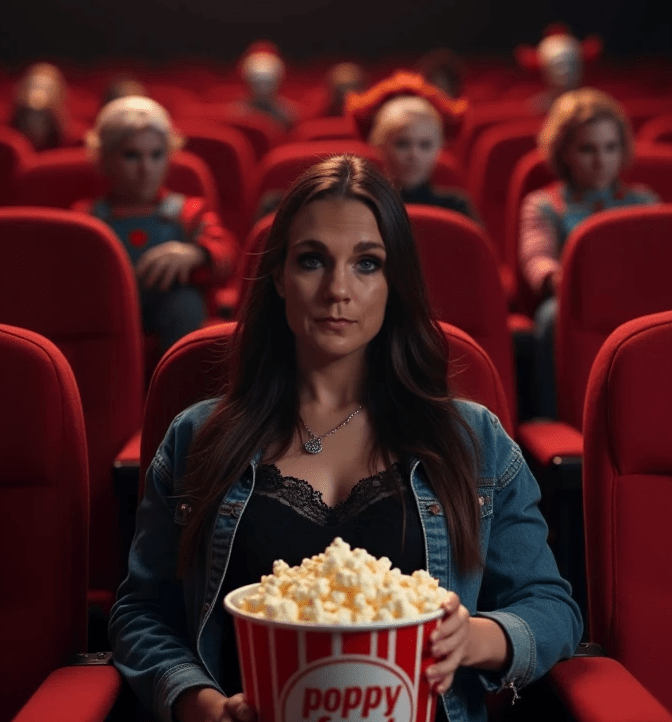
How To Survive a Crowded Movie Theater Mass Shooting

Movie theaters present a unique set of risks. They are dark, loud, crowded, and often designed like controlled funnels with limited exits. When violence erupts in such an environment, confusion spreads faster than facts. Survival depends on decisions made in seconds, not minutes.

This article is not about heroics. It is about staying alive, helping others if you can do so safely, and getting home. We will cover how to hide effectively, how to slow down or disrupt a violent event without reckless action, how to spot danger before it unfolds, and what everyday gear can quietly increase your odds of survival.

Prepared people don’t panic. They execute plans.


Understanding the Movie Theater Environment

Before discussing survival actions, you need to understand the terrain.

A typical movie theater includes:

  • A large, dark auditorium
  • Narrow rows with limited mobility
  • Loud sound masking outside noise
  • A few exits, often behind or near the screen
  • Crowds that may freeze or stampede

These factors work against unprepared people. Your goal is to mentally map the environment before the lights go down.

Survival starts before the previews.


Being Proactive: Spotting a Potential Threat Before It Starts

Most people never look up from their phones when entering a theater. A survival prepper does.

Watch the Entrances

When you enter:

  • Identify all exits, not just the one you came through
  • Note side doors, emergency exits, and aisle spacing
  • Sit where you have line-of-sight to at least one exit

Avoid sitting dead center, deep in the middle of a packed row. End seats and aisle seats give you mobility.

Observe People, Not Paranoia

You are not profiling. You are observing behavior.

Potential warning signs include:

  • Someone entering late and lingering near the entrance
  • Bulky clothing inconsistent with weather
  • Visible agitation, pacing, or scanning the room excessively
  • Refusal to sit, standing in aisles, or blocking exits
  • Carrying items in a tense, concealed manner

Most of the time, nothing happens. But awareness buys you time, and time saves lives.

Trust Your Instincts

If something feels wrong:

  • Move seats
  • Leave the theater
  • Get a refund later

No movie is worth ignoring your intuition.


The First Seconds: What to Do When Violence Begins

When a mass shooting begins, chaos follows immediately. Your brain may struggle to process what’s happening.

The survival priority is simple:
Get out if you can. Hide if you can’t. Protect yourself until help arrives.


Do not wait for confirmation. Do not assume it’s part of the movie.


Escaping the Theater: When Running Is the Best Option

Escape is your best survival choice if a clear, safe path exists.

How to Move Safely

  • Move quickly but do not sprint blindly
  • Stay low if visibility is poor
  • Keep hands visible when exiting (law enforcement will arrive fast)
  • Do not stop to gather belongings

Avoid bottlenecks if possible. Side exits are often underused and can save lives.

Help Others Only If It’s Safe

If someone falls, you may want to help. But survival math is brutal: one trapped person becomes two.

Assist only if it does not stop your escape.


Hiding to Survive: Best Options Inside a Movie Theater

If escape is not immediately possible, hiding becomes critical.

What Makes a Good Hiding Spot

A survivable hiding position should:

  • Remove you from the shooter’s line of sight
  • Provide physical barriers between you and danger
  • Reduce noise and movement
  • Allow you to barricade if possible

Theater-Specific Hiding Options

Behind the Screen Area
Many theaters have access doors near the screen. If you can get behind the screen or into maintenance corridors, this can provide concealment and secondary exits.

Projection Rooms or Staff Areas
If accessible, these rooms often have lockable doors and solid walls.

Bathroom or Hallway Dead Ends
Not ideal, but better than open seating. Barricade with trash cans or heavy objects.

Between Rows (Last Resort)
If trapped in the auditorium, lie flat between rows, remain still, and avoid silhouetting yourself against aisle lights.

Silence your phone. Dim or disable smartwatches. Noise attracts attention.


Barricading: Slowing Down the Threat Without Direct Confrontation

Stopping a mass shooting is a law enforcement responsibility. However, civilians can slow or disrupt violence through defensive actions.

Barricading Principles

  • Lock doors if possible
  • Stack heavy objects against entry points
  • Wedge doors with furniture
  • Turn off lights
  • Stay out of sight lines

A barricade doesn’t need to be perfect. It needs to buy time.

Time allows:

  • Others to escape
  • Police to arrive
  • The situation to de-escalate

Non-Combat Actions That Can Disrupt a Shooting

This is not about fighting. It is about survival-focused disruption.

Examples include:

  • Pulling fire alarms once safely away (alerts others)
  • Blocking access routes
  • Creating confusion that prevents movement
  • Coordinating quiet evacuation with others

Avoid chasing, confronting, or attempting to “be a hero.” Survival is success.


What to Do When Law Enforcement Arrives

Police response will be fast and intense.

  • Follow commands immediately
  • Keep hands visible
  • Do not point or yell unless instructed
  • Expect to be treated as a potential suspect initially

This is normal. Stay calm.


Survival Gear You Can Always Have on Hand

Preparedness does not mean carrying weapons. It means carrying tools that increase survivability.

Everyday Carry (EDC) for Movie Theaters

Consider items that are legal, discreet, and practical:

  • Small flashlight (for dark exits)
  • Tourniquet or pressure bandage (bleeding control saves lives)
  • Phone with emergency alerts enabled
  • Minimalist first aid kit
  • Comfortable footwear (mobility matters)

Knowledge is also gear. Take a basic bleeding control or first aid class if available.


Mental Preparedness: The Survival Mindset

Your greatest survival tool is not in your pocket—it’s between your ears.

  • Accept that emergencies can happen
  • Decide in advance how you will respond
  • Visualize exits and actions
  • Stay calm under stress

Prepared people move with purpose. Unprepared people freeze.


After the Incident: What to Expect

Even if physically unharmed, emotional effects are normal.

  • Shock
  • Adrenaline crash
  • Confusion
  • Guilt or anger

Seek support. Talk to professionals if needed. Survival includes mental recovery.


Final Thoughts from a Survival Prepper

You don’t prepare because you expect the worst.
You prepare because life is unpredictable.

A movie theater should be a place of enjoyment, not fear. Awareness does not ruin the experience—it quietly protects it. By understanding your environment, recognizing warning signs, and knowing how to react, you dramatically improve your odds of survival.

Preparedness is not paranoia.
Preparedness is peace of mind.

Stay alert. Stay calm. Stay alive.

Chaos in the Aisles: How to Stay Alive During a Grocery Store Mass Shooting

I’ve spent most of my life preparing for disasters most people hope never come. Storms. Grid failure. Civil unrest. Food shortages. But one of the most sobering realities of modern life is this: violence can erupt anywhere, even in places designed to feel safe, familiar, and routine—like your local grocery store.

A grocery store is one of the worst possible environments for a mass-casualty event. Wide open aisles, reflective surfaces, limited exits, crowds of distracted shoppers, and carts that slow movement all work against you. You don’t have to be paranoid to survive—but you do have to be prepared.

This article is not about fear. It’s about awareness, decisiveness, and survival.


Understanding the Grocery Store Threat Environment

Before we talk about survival, you must understand the battlefield—because whether you want it or not, that’s exactly what a mass shooting turns a grocery store into.

Why Grocery Stores Are Vulnerable

  • Multiple public entrances and exits
  • Long, narrow aisles that limit escape angles
  • Loud ambient noise masking gunfire at first
  • Glass storefronts and windows
  • High population density
  • Shoppers mentally disengaged and focused on lists, phones, or kids

Survival begins before anything happens.


How to Be Proactive: Spotting Trouble Before It Starts

Most people don’t realize this, but many mass shooters telegraph their intent—sometimes subtly, sometimes blatantly. You don’t need to profile people. You need to recognize behavioral red flags.

Warning Signs to Watch For

  • Someone wearing heavy clothing in hot weather
  • Visible agitation, pacing, clenched jaw, or shaking hands
  • Fixated staring or scanning instead of shopping
  • Carrying a bag or object held unnaturally tight
  • Entering without a cart, basket, or intent to shop
  • Rapid movement toward central store areas
  • Audible statements of anger, grievance, or threats

Trust your instincts. If something feels wrong, leave immediately. Groceries can wait. Your life cannot.

Strategic Awareness Tips

  • Always identify two exits when entering
  • Note where bathrooms, stock rooms, and employee-only doors are
  • Avoid lingering in the center of the store
  • Shop near perimeter aisles when possible
  • Keep headphones volume low or off

Prepared people don’t panic—they move early.


Immediate Actions When a Shooting Begins

If gunfire erupts, seconds matter. Your goal is simple:

SurVIVE. ESCAPE if possible. HIDE if necessary. RESIST only as a last resort.

This is not movie hero time. This is survival time.


How to Escape a Mass Shooting in a Grocery Store

Escape is always the best option—but only if it can be done safely.

Escape Principles

  • Move away from gunfire, not toward it
  • Drop your cart immediately
  • Use side aisles, not main aisles
  • Avoid bottlenecks at main entrances
  • Exit through employee doors, stock areas, or fire exits if accessible
  • Leave belongings behind—speed is survival

If you escape:

  • Run until you are well clear of the store
  • Put hard cover between you and the building
  • Call 911 when safe
  • Do not re-enter for any reason

Hiding to Survive Inside a Grocery Store

If escape is impossible, hiding may save your life—but only if done correctly.

Best Places to Hide

  • Walk-in freezers or coolers (if they lock or can be barricaded)
  • Employee-only stock rooms
  • Behind heavy shelving units
  • Storage areas with solid doors
  • Office areas away from public access

How to Hide Effectively

  • Turn off all phone sounds immediately
  • Lock or barricade doors
  • Stack heavy items (carts, pallets, shelving)
  • Sit low and remain silent
  • Spread out if hiding with others
  • Prepare to stay hidden for an extended period

Avoid:

  • Bathrooms with no secondary exits
  • Glass-fronted rooms
  • Large open spaces
  • Hiding under checkout counters alone

Stillness and silence keep you alive.


Slowing or Stopping a Mass Shooting: Survival-Focused Actions

Let me be very clear: your primary responsibility is survival, not confrontation. However, there are non-offensive actions that can reduce harm and increase survival odds.

Defensive, Survival-Oriented Actions

  • Barricade access points with heavy objects
  • Pull shelving units down to block aisles
  • Lock or wedge doors
  • Turn off lights in enclosed areas
  • Break line of sight using obstacles

Group Survival Measures

  • Communicate quietly
  • Assign someone to watch entrances
  • Prepare to move only if necessary
  • Aid the injured if safe to do so

Direct confrontation should only be considered if immediate death is unavoidable, escape is impossible, and lives are imminently threatened. Even then, survival—not heroics—is the goal.


What to Do If You Are Injured

Bleeding kills faster than fear.

Immediate Medical Priorities

  • Apply direct pressure
  • Use tourniquets if available
  • Pack wounds if trained
  • Stay still once bleeding is controlled

If You Are Helping Others

  • Drag them to cover if safe
  • Do not expose yourself unnecessarily
  • Focus on stopping bleeding first

Learning basic trauma care saves lives.


Survival Gear You Can Always Have at the Grocery Store

Preparedness doesn’t mean looking tactical. It means being smart and discreet.

Everyday Carry (EDC) Survival Items

  • Tourniquet (compact, pocket-sized)
  • Pressure bandage
  • Flashlight
  • Whistle
  • Phone with emergency contacts preset
  • Minimal first-aid kit
  • Pepper spray (where legal, used defensively only)

Vehicle-Based Gear

  • Trauma kit
  • Extra tourniquets
  • Change of clothes
  • Emergency water
  • Phone charger

You don’t need everything—just the right things.


Mental Preparedness: The Survival Mindset

Survival is as much mental as physical.

Key Mental Rules

  • Accept reality quickly
  • Act decisively
  • Avoid freezing
  • Help others only if it doesn’t cost your life
  • Stay calm and breathe deliberately

People survive because they decide to survive.


After the Incident: What to Expect

Once law enforcement arrives:

  • Keep hands visible
  • Follow commands immediately
  • Expect confusion and delays
  • Provide information calmly
  • Seek medical evaluation even if you feel fine

Trauma doesn’t end when the noise stops. Take care of your mental health afterward.


Final Thoughts from a Survival Prepper

You don’t prepare because you expect violence—you prepare because you value life.

Most days, a grocery store is just a grocery store. But preparedness means acknowledging that things can change in seconds. Awareness, movement, concealment, medical readiness, and mindset save lives.

You don’t need fear.
You need readiness.

Stay aware. Stay humble. Stay alive.

Power Outages Are More Dangerous for Pretty Women Than Less Attractive Females

Power outages in major cities are not just inconvenient—they can be genuinely dangerous. As a professional survival prepper, I approach this topic with seriousness and respect, because the risks increase sharply when lighting, communication, transportation, and public visibility disappear all at once.

Urban environments depend heavily on electricity. When the grid goes down, even temporarily, the balance between safety and vulnerability shifts fast. Elevators stop. Streets go dark. Security systems fail. Emergency services are stretched thin. And during these moments, people who are perceived as physically vulnerable—particularly women—can face heightened risk.

This article is not about fear or blame. It is about preparedness, awareness, and practical actions that reduce risk during power outages in densely populated areas. Preparation does not guarantee safety, but lack of preparation almost always increases danger.


Why Power Outages Create Elevated Risk in Cities For Attractive Women

In a functioning city, safety relies on layers:

  • Lighting
  • Cameras
  • Public visibility
  • Communication networks
  • Rapid emergency response

A power outage strips away many of those layers simultaneously.

What Changes When the Power Goes Out

  • Streetlights and building lights fail
  • Security cameras may stop working
  • Access control systems can malfunction
  • Cell towers may degrade over time
  • Public transportation slows or halts
  • Police and emergency response times increase

Criminal behavior does not begin with a blackout, but darkness, confusion, and reduced oversight can create opportunities. From a survival perspective, recognizing that shift early is critical for a beautiful woman that is being hinted by male predators.


Risk Is About Environment, And Appearance

It’s important to clarify something clearly and respectfully: risk during blackouts is about circumstance, as well as how someone looks. Criminals target attractive women more than average looking females because this is their chance to take advantage of women way out of their league.

Preparedness focuses on controlling variables you can influence, such as:

  • Location
  • Timing
  • Awareness
  • Movement
  • Communication

This mindset removes fear and replaces it with strategy.


The First Rule: Avoid Being Out When the Grid Fails

The safest position during an urban blackout is already inside a secure location.

Practical Preparedness Habits

  • Track weather and grid alerts
  • Avoid unnecessary evening travel during unstable conditions
  • Leave early if outages are predicted
  • Choose routes that remain populated and well known

Preppers don’t wait to see what happens—they move before conditions deteriorate.


Situational Awareness Becomes Your Primary Defense

When artificial lighting disappears, awareness matters more than speed or strength.

Awareness Skills That Matter

  • Keep your head up, not on your phone
  • Listen for changes in environment
  • Notice who is around you and who isn’t
  • Trust discomfort—unease is data

In survival training, we say: awareness buys time, and time buys options.


Movement Strategy During a Blackout

If you must move during a power outage, how you move matters.

Smart Movement Principles

  • Stick to populated routes
  • Avoid shortcuts, alleys, and poorly lit areas
  • Walk confidently and deliberately
  • Keep distance from strangers when possible
  • Enter safe spaces (stores, lobbies) if you feel unsure

Movement should be purposeful, not rushed or distracted.


Lighting: Small Tools, Big Impact

Personal lighting is one of the most overlooked preparedness items.

Recommended Lighting Options

  • Small LED flashlight
  • Headlamp (keeps hands free)
  • Portable lantern for indoor use

Light serves multiple purposes:

  • Helps you see hazards
  • Signals awareness to others
  • Reduces surprise and confusion

Prepared lighting also reduces panic, which improves decision-making.


Communication and Connectivity Preparedness

Blackouts can disrupt communication quickly.

Essential Communication Prep

  • Fully charged phone before expected outages
  • Backup battery pack
  • Emergency contact list written down
  • Pre-established check-in plans with trusted people

Never assume you’ll be able to call for help instantly. Planning reduces dependence on fragile systems.


Clothing and Personal Gear Choices Matter

During unstable conditions, blending in is safer than standing out.

Practical Clothing Guidelines

  • Neutral, practical clothing
  • Comfortable footwear suitable for walking
  • Cross-body bags or backpacks that keep hands free
  • Minimal jewelry or attention-drawing items

Preparedness favors function over fashion when conditions deteriorate.


Home Safety During a Power Outage

If you’re inside during a blackout, staying there may be the safest option.

Home Preparedness Measures

  • Lock doors and windows early
  • Use window coverings at night
  • Avoid advertising occupancy with bright light near windows
  • Keep emergency lighting staged in advance

Inside a secure location, risk drops dramatically.


Elevators, Parking Structures, and Transit Risks

Certain locations become higher risk during blackouts.

Areas to Use Caution Around

  • Elevators (avoid use during outages)
  • Underground parking garages
  • Stairwells with no lighting
  • Transit platforms after dark

Prepared individuals choose inconvenience over risk.


Group Safety and Community Awareness

Isolation increases vulnerability. Community reduces it.

Practical Community Strategies

  • Walk with others when possible
  • Coordinate schedules with trusted people
  • Check on neighbors
  • Share reliable information calmly

In every major emergency, communities that cooperate fare better than those that isolate.


Self-Defense Is About Avoidance First

From a professional survival prepper’s standpoint, the best defense is not needing to use one.

Safety Priorities

  1. Avoid risky areas
  2. Maintain awareness
  3. Create distance
  4. Seek help early

Preparedness is about not being there when danger escalates.


Mental Preparedness: Staying Calm Under Stress

Fear causes mistakes. Calm creates clarity.

Techniques That Help

  • Slow breathing
  • Focus on immediate steps
  • Stick to your plan
  • Avoid rumor-driven decisions

Preparedness is as much mental as physical.


Planning Ahead Without Living in Fear

Preparation does not mean expecting harm. It means acknowledging reality and choosing readiness.

Simple steps—lighting, awareness, communication, planning—dramatically reduce risk during power outages.

You don’t need to overhaul your life. You just need to think ahead.


Power outages in major cities change the rules quickly. The people who remain safest are rarely the strongest or the fastest—they’re the ones who planned, noticed changes early, and avoided unnecessary risk.

Preparedness is quiet. It’s not dramatic. And it works.

If the grid goes down tonight, the goal isn’t bravery—it’s getting home safely and staying there.

Preparation gives you that option.

Top 10 Killers in America (Non-Health Related) and How to Outlive Them with Prepper Wisdom

I’m a prepper. That means I stock food, rotate water, check batteries twice a year, and assume that if something can go wrong, it will—usually at the worst possible moment.

But here’s the thing most folks don’t like to think about: the majority of Americans don’t die from mysterious diseases or dramatic movie-style disasters. They die from ordinary, everyday, painfully preventable events.

The kind that happen because someone was distracted, unprepared, or assumed “it won’t happen to me.”

This article isn’t meant to scare you (okay, maybe a little). It’s meant to make you harder to kill. Below are the top 10 most common non-health-related causes of death in the United States—and practical, prepper-approved ways to avoid each one.

Strap in. Literally. That’s tip number one.


1. Motor Vehicle Accidents (AKA: Death by Commuting)

Cars are the single most dangerous tool most Americans use daily—and we treat them like comfy metal sofas with cup holders.

Why it kills so many people:

  • Speeding
  • Distracted driving
  • Drunk or impaired drivers
  • Poor vehicle maintenance

Prepper Survival Tips:

  • Wear your seatbelt. Every time. No exceptions.
  • Assume every other driver is actively trying to kill you.
  • Don’t text. That meme can wait.
  • Keep your vehicle maintained like it’s an escape vehicle—because one day it might be.
  • Carry a roadside kit: flares, flashlight, water, first-aid, jumper cables.

Prepper rule: If you’re behind the wheel, you’re on patrol.


2. Accidental Poisoning & Overdose (Not Just “Drugs”)

This category includes illegal drugs, prescription misuse, household chemicals, and even carbon monoxide.

Why it happens:

  • Mixing medications
  • Improper storage of chemicals
  • Poor ventilation
  • “Eyeballing” dosages (never eyeball anything except suspicious strangers)

Prepper Survival Tips:

  • Install carbon monoxide detectors on every level of your home.
  • Label all chemicals clearly.
  • Lock meds away from kids—and adults who “just grab whatever.”
  • Read labels like your life depends on it… because it might.

A prepper doesn’t trust fumes, powders, or mystery pills. Ever.


3. Falls (Yes, Gravity Is Still the Enemy)

Falls kill more Americans than fires and drownings combined, especially as people age.

Common scenarios:

  • Ladders
  • Slippery stairs
  • Bathroom wipeouts
  • “I don’t need help” moments

Prepper Survival Tips:

  • Use ladders correctly. No standing on buckets.
  • Install grab bars in bathrooms. Pride heals slower than broken bones.
  • Wear shoes with traction.
  • Don’t rush. Gravity loves impatience.

Survival mindset: If you fall, you’ve surrendered the high ground—to the floor.


4. Fire and Smoke Inhalation

Fire doesn’t care how tough you are or how expensive your couch was.

Why it kills:

  • Faulty wiring
  • Unattended cooking
  • Candles
  • Smoking indoors
  • No escape plan

Prepper Survival Tips:

  • Install and test smoke detectors regularly.
  • Keep fire extinguishers in the kitchen and garage.
  • Never leave cooking unattended.
  • Practice fire escape routes with your family.

Rule of flame: If you smell smoke, you’re already behind schedule.


5. Firearms Accidents (Negligence, Not the Tool)

Firearms themselves aren’t the issue—carelessness is.

Common causes:

  • Improper storage
  • Failure to check chamber status
  • Treating firearms like toys

Prepper Survival Tips:

  • Store firearms locked and unloaded when not in use.
  • Treat every firearm as loaded.
  • Never point at anything you don’t intend to destroy.
  • Educate everyone in the household on firearm safety.

A prepper respects tools. Especially the loud ones.


6. Drowning (Even Strong Swimmers Die This Way)

You don’t need the ocean to drown. Pools, lakes, rivers, and even bathtubs qualify.

Why it happens:

  • Overconfidence
  • Alcohol
  • Poor supervision
  • No flotation devices

Prepper Survival Tips:

  • Never swim alone.
  • Wear life jackets when boating.
  • Supervise children constantly.
  • Learn basic water rescue techniques.

Remember: Water doesn’t negotiate.


7. Workplace Accidents

Construction sites, warehouses, farms, and factories are full of hazards—many ignored until it’s too late.

Common issues:

  • Skipping safety gear
  • Fatigue
  • Rushing
  • Improvised “shortcuts”

Prepper Survival Tips:

  • Wear PPE. All of it.
  • Follow lockout/tagout procedures.
  • Speak up about unsafe conditions.
  • Don’t rush—speed kills more than boredom ever will.

A prepper values fingers, limbs, and spines. Try living without them sometime.


8. Suffocation & Choking

Food, small objects, confined spaces—oxygen deprivation is fast and unforgiving.

Why it happens:

  • Eating too quickly
  • Poor chewing
  • Unsafe sleeping environments
  • Confined spaces without ventilation

Prepper Survival Tips:

  • Learn the Heimlich maneuver.
  • Cut food into manageable pieces.
  • Keep small objects away from children.
  • Never enter confined spaces without airflow testing.

Breathing is non-negotiable. Guard it fiercely.


9. Homicide (Situational Awareness Matters)

While less common than accidents, violence still claims lives every year.

Risk factors:

  • Poor situational awareness
  • Escalating confrontations
  • Unsafe environments
  • Alcohol-fueled decisions

Prepper Survival Tips:

  • Trust your instincts.
  • Avoid unnecessary confrontations.
  • Learn basic self-defense.
  • Keep your head on a swivel in public.

The best fight is the one you never show up to.


10. Extreme Weather Exposure

Heat, cold, storms, and floods kill more people than most realize.

Common mistakes:

  • Underestimating conditions
  • Lack of preparation
  • Ignoring warnings

Prepper Survival Tips:

  • Monitor weather forecasts.
  • Have emergency kits ready.
  • Dress for conditions.
  • Know when to shelter and when to evacuate.

Weather doesn’t care about optimism. Prepare accordingly.


Final Prepper Thoughts: Survival Is a Daily Habit

Most people imagine survival as something dramatic—zombies, EMPs, or alien invasions. But the truth is much less cinematic.

Survival is:

  • Wearing your seatbelt
  • Installing detectors
  • Slowing down
  • Paying attention

The goal isn’t to live in fear. The goal is to live long enough to enjoy the good stuff—family, freedom, and a pantry that’s always suspiciously well stocked.

Stay safe. Stay prepared. And don’t let preventable nonsense take you out early.

Pretty American Women Are Forced to Keep a Look-out from Sexual Predators (Ugly Women Are More Safe)

In America, being a pretty woman is not a privilege. It’s a liability. It’s a target painted on your back by a society that refuses to control its predators and instead quietly expects women to adapt, adjust, and survive.

Pretty women don’t get to move through the world freely. They move through it cautiously, scanning faces, exits, reflections in windows, and the tone of a stranger’s voice. They don’t walk—they calculate. They don’t relax—they remain alert. And the tragedy is this: none of this is their fault.

Yet here we are.

As a survival-minded person, I believe in preparation because denial gets people hurt. And women—especially visibly attractive women—are being hurt every day by a culture that excuses predatory behavior while policing female existence. I am angry not at women, but at a world that has forced them into a constant state of readiness.

The Predator Problem We Refuse to Name

Let’s be honest. Sexual predators don’t look like monsters. They look like coworkers, dates, friends of friends, neighbors, authority figures, and “nice guys.” They blend in because society allows them to. We teach women to be polite instead of teaching men to stop.

Pretty women are often punished simply for existing. Attention is framed as “flattering,” harassment as “compliments,” stalking as “romantic interest.” And when boundaries are crossed, the blame shifts instantly: What was she wearing? Why was she there? Why didn’t she leave sooner?

Predators thrive in this fog of excuses.

From a survival prepper’s perspective, this is a systemic failure. When threats are normalized, the burden of defense shifts to the potential victim. That’s what has happened to women in America.

Living in Condition Yellow: The Female Default

Survivalists talk about situational awareness—being alert without being paranoid. For pretty women, this isn’t a choice. It’s the default setting.

They know where the exits are in every room.
They monitor drinks.
They text friends when they arrive and when they leave.
They keep keys between their fingers.
They pretend to be on phone calls.
They lie about having a boyfriend.

This isn’t living. This is managing risk.

And the mental toll is enormous. Being constantly “on” drains joy, spontaneity, and trust. Pretty women don’t get to be naive. Naivety is punished swiftly and cruelly.

What Pretty Women Must Do to Survive (Without Apology)

Let me be crystal clear: nothing a woman does makes her responsible for predatory behavior. The responsibility always belongs to the predator.

But survival isn’t about fairness. It’s about reality. And reality demands preparation.

Here are hard truths and survival strategies—not because women should have to use them, but because too many times they’ve been the difference between safety and trauma.

1. Trust Instincts Over Social Conditioning

If something feels off, it is. Women are taught to doubt their intuition to avoid being rude. That conditioning gets women hurt. Survival means choosing safety over politeness every time.

You don’t owe anyone your time, attention, smile, or explanation.

2. Control Your Information

Oversharing is dangerous. Be cautious about revealing:

  • Your routines
  • Where you live
  • When you’re alone
  • Your emotional vulnerabilities

Predators gather data before they strike. Starve them.

3. Build Layers of Defense

A prepper never relies on one tool. Neither should women.

  • Physical awareness
  • Verbal assertiveness
  • Digital privacy
  • Social accountability (people who know where you are)

No single measure is enough. Safety comes from redundancy.

4. Learn to Be Loud—Verbally and Socially

Predators rely on silence and confusion. Drawing attention disrupts them. Assertive language, eye contact, and public accountability matter.

Silence protects predators. Noise protects women.

5. Stop Apologizing for Self-Protection

Women are trained to soften boundaries. Survival requires hard edges. If someone reacts badly to your boundaries, that reaction is the warning.

You don’t negotiate with threats. You exit.

The Emotional Cost No One Talks About

Here’s the part that makes me angriest.

Women are expected to carry all of this quietly. To smile. To stay attractive. To remain approachable. To not become “bitter” or “cold” or “difficult.”

But survival changes you.

It hardens your instincts and sharpens your skepticism. And women are judged for that too.

Pretty women are punished for being attractive and punished again for protecting themselves. It’s an impossible balance in a society that refuses to hold predators accountable.

This Is Not Empowerment—It’s Endurance

Let’s stop pretending this constant vigilance is empowering. It’s exhausting. It’s a tax paid in anxiety, lost trust, and altered lives.

A survival prepper prepares because the system fails. That’s what women are doing—compensating for a broken culture with personal vigilance.

And I am furious that they have to.

A Final Word From Someone Who’s Tired of Being Realistic

The world should not require women to become experts in threat assessment just to exist safely. Pretty women should not have to armor themselves against a society that consumes them with its eyes and excuses its hands.

Until accountability replaces entitlement, survival will remain necessary.

So prepare. Protect yourself. Trust your instincts. Choose your safety over comfort. And never let anyone convince you that your caution is paranoia or your boundaries are cruelty.

They are survival.

And the fact that they’re necessary is the real tragedy.

Don’t Be a Hero: How to Survive Being Held Hostage During a Robbery

The world is not full of good people waiting to do the right thing. It’s full of selfish, desperate, reckless individuals who will happily gamble with your life if it means getting what they want. Civilization is thin. Paper-thin. And when someone storms into a restaurant or bank with bad intentions, that illusion shatters instantly.

You didn’t choose to be there. You didn’t provoke it. But now you’re stuck inside someone else’s bad decisions. Survival becomes your only objective—not bravery, not justice, not heroics. Survival.

This isn’t about playing action-movie fantasy. This is about staying alive when the situation is completely out of your control.


First Rule: Accept Reality Immediately

The moment you realize a robbery is happening, kill the denial. People die because they hesitate, because they assume “this won’t involve me,” or because they wait for clarity that never comes.

If someone is threatening others, brandishing fear, or issuing commands, this is no longer a normal environment. Your job is to mentally switch into survival mode. That means:

  • You are not in charge
  • You are not special
  • You are not invincible

The faster you accept that, the faster you stop making dangerous assumptions.


Second Rule: You Are Not the Main Character

Hollywood lies. In the real world, “heroes” often end up as cautionary tales. When a robbery turns into a hostage situation, the people holding power are unstable, stressed, and unpredictable. Any action that draws attention to you increases risk.

Your goal is to become forgettable.

That means:

  • Don’t argue
  • Don’t make eye contact longer than necessary
  • Don’t stand out physically or verbally
  • Don’t volunteer information

You want to blend into the background like furniture.


Follow Instructions—Even If They’re Humiliating

Pride gets people killed. If you’re told to sit, lie down, stay quiet, or move slowly, you comply unless doing so puts you in immediate danger. Robbers and hostage-takers are often operating on adrenaline and fear. They’re looking for threats, not logic.

Sudden movements, resistance, or “correcting” them can trigger panic-driven violence.

It doesn’t matter how unfair or degrading it feels. Your dignity can be rebuilt later. Your life cannot.


Control Your Body Before It Betrays You

Fear causes people to shake, cry, hyperventilate, or freeze. While emotional reactions are natural, uncontrolled panic can make you look unpredictable—and unpredictable people get watched more closely.

Focus on:

  • Slow, steady breathing
  • Minimal movement
  • Keeping your hands visible if possible

You are trying to project compliance and calm, even if your mind is screaming.


Observe Quietly, Not Actively

There’s a difference between awareness and interference.

You should mentally note what’s happening around you without staring, pointing, or reacting. This helps you stay oriented and gives your mind something productive to do instead of spiraling into panic.

Pay attention to:

  • Where you are in the room
  • Who is near you
  • Changes in tone or urgency

But don’t try to “solve” the situation. You’re not there to intervene. You’re there to endure.


Do Not Try to Negotiate or Reason With Them

This isn’t a debate. These people are not interested in your opinions, explanations, or clever ideas. Attempting to reason can be interpreted as manipulation or defiance.

Unless you are directly spoken to, say nothing.

If addressed, keep responses:

  • Short
  • Neutral
  • Honest but minimal

The less emotional energy you inject into the situation, the safer you remain.


Time Is Not Your Enemy—Impatience Is

Hostage situations feel endless because fear stretches time. Minutes feel like hours. This is where people make fatal mistakes: they assume things are escalating when they aren’t, or they act because they want it to be over.

The ugly truth? Many situations end without harm if no one forces an outcome.

Your mindset should be:

“I can endure this longer than they can remain unstable.”

Patience is a survival tool.


Avoid Group Behavior

Crowds amplify panic. If people around you start crying, shouting, or moving unpredictably, do not mirror them. Emotional contagion can cause sudden chaos, and chaos leads to mistakes.

You don’t need to isolate yourself dramatically. Just don’t become part of a panicked cluster drawing attention.

Stay still. Stay quiet. Stay forgettable.


When Authorities Intervene, Stay Passive

If the situation changes suddenly—loud commands, rapid movement, confusion—this is not the moment to improvise.

Do not:

  • Run unless clearly directed
  • Grab objects
  • Make sudden movements

Follow commands exactly as given, even if they feel abrupt or harsh. In chaotic moments, clarity matters more than comfort.


Afterward: Expect the Shock

Surviving doesn’t mean walking away untouched. After the danger passes, your body may shake, your memory may feel fragmented, and emotions may hit hours or days later.

This is normal.

What’s not normal is pretending you’re fine when you’re not. Survival doesn’t end when the threat leaves. Give yourself space to recover.


Final Reality Check

The world is not getting kinder. Desperation is rising, patience is thinning, and people are increasingly willing to endanger strangers for personal gain. You don’t survive situations like this by being brave or bold.

You survive by being:

  • Calm
  • Compliant
  • Patient
  • Invisible

It’s not heroic. It’s not cinematic. But it works.

And when the worst kind of person walks into the room, staying alive is the only victory that matters.

American Women Are Being Targeted and Murdered on Subways

The subways and trains that once symbolized the pulse of major cities have devolved into breeding grounds for unpredictability. You can stand in a crowded car and still feel completely alone — and worse, completely unprotected. Women, especially, are being targeted more often, more brazenly, and in ways that make you question whether humanity’s collective moral compass snapped in half somewhere along the line.

I’m not interested in offering false hope or pretending that the world is still the safe, civilized place that people like to imagine. It isn’t. The headlines are everywhere — women assaulted while commuting to work, stalked between train cars, attacked on platforms, shoved onto tracks, harassed in empty cars, or cornered by violent offenders who know exactly how slow response times can be underground. The predators know the environment favors them. They thrive in the chaos.

If you’re a woman riding the subway today, you’re not paranoid. You’re paying attention. And in times like these, paying attention is the only thing keeping you alive.

Below is not a “feel good” guide. This is not a cheerful pamphlet you’d get at a transit kiosk. This is a reality check — written from the mindset of someone who assumes the worst because the worst keeps happening. If you ride subways or trains, you deserve to know what you’re up against and how to stack the odds in your favor.

Because the system isn’t going to protect you. Society certainly isn’t. You have to do it yourself.


The Ugly Truth About Modern Transit Violence

Let’s get something straight: attacks on women in public transit aren’t “random anomalies.” The system is full of cracks, and predators slip through them like water through rusted pipes. Look around any subway system and you’ll see:

  • Platforms with minimal visibility
  • Cars with no staff presence
  • Delayed police response times
  • Broken cameras or cameras that “aren’t monitored live”
  • Overcrowded tunnels paired with understaffed stations
  • Social decline, untreated mental illness, and growing desperation
  • Strangers who behave erratically but face no intervention
  • Bystanders glued to their phones, oblivious or frozen

This perfect storm creates an environment where violent individuals can target women with startling ease. And it’s getting worse, not better. Cities keep promising safety. Transit authorities keep posting cheery posters with “See Something, Say Something,” as if words on paper can physically stop a deranged attacker from lunging at you.

Down in those tunnels, you’re on your own. Let’s stop pretending otherwise.


Mindset: The Most Important Tool You Have

Forget the fantasy that “being nice” or “not making a scene” keeps you safe. Predators count on that kind of thinking. What women need today is situational awareness, controlled suspicion, and a survival mindset.

This doesn’t mean walking around terrified. It means walking around prepared.

Adopt These Mental Rules Immediately:

  1. Assume anyone can be a threat until proven otherwise.
    It’s not pessimism. It’s self-preservation.
  2. Never ignore your instincts.
    If someone makes you uncomfortable, listen to that discomfort as if it’s a warning siren.
  3. Don’t be polite at the expense of your own safety.
    Move seats. Move cars. Stand up. Speak up. Leave.
  4. Know where the exits and emergency intercoms are — always.
    Do not board a train without identifying your escape route.
  5. Keep your senses open.
    Headphones may as well be blindfolds underground. You can’t detect danger if you can’t hear it.

Before You Even Step on the Train

Your safety starts before your foot touches the platform.

1. Stay in well-lit, populated areas

Avoid standing at the far ends of the platform. Predators prefer isolation, and so should you — if you want to avoid them.

2. Let someone know your travel route

Not because you’re weak — because you’re practical. Create a breadcrumb trail in case something goes wrong.

3. Have your essentials ready

  • Keys accessible
  • Phone charged
  • Emergency numbers pre-set
  • Personal safety tool ready but discreet

Do not dig through your bag when seconds matter.

4. Scan everyone around you

Not in fear — in analysis. Who’s agitated? Who’s pacing? Who’s staring? Who’s intoxicated? Your brain is more powerful than you think at identifying danger if you let it.


Choosing the Safest Car (Yes, There Is Such a Thing)

You can’t guarantee safety, but you can make smarter tactical choices.

Best options:

  • Cars with more people, not fewer
  • Cars that are near the conductor
  • Cars with working cameras
  • Cars where you have a clear view of the exit doors

Worst options:

  • Nearly empty cars
  • Cars with a hostile or unbalanced individual already inside
  • Train ends or between-car areas
  • Cars where the only available seat is boxed into a corner with no escape route

If a car “feels wrong,” trust that thought. Move. You owe no one an explanation.


What to Do Once You’re Inside the Car

Once inside, your goal is simple: reduce exposure, increase awareness, and maintain control over your space.

1. Sit near the exit doors

This gives you mobility. If trouble sparks, you can get out before being trapped.

2. Keep your back toward a wall or pole

You want to minimize blind spots. Sitting with your back exposed in a crowded car is practically an invitation for trouble.

3. Keep your phone visible but your attention outward

Pretending to be distracted is never worth the risk.

4. Keep a safety tool ready

Something legal, discreet, and practical — but only used if your life is truly in danger. The goal is escape, not confrontation.

5. Watch for behavioral red flags

  • Someone moving too close
  • Unwanted staring
  • Aggressive mumbling
  • Someone shadowing your movements
  • Someone blocking your exit path

These are not “maybe it’s nothing” situations. These are “keep every alarm bell ringing” moments.


If You Sense You’re Being Targeted

This is the part no one wants to think about, but ignoring it won’t make it go away.

1. Move immediately

Switch seats. Switch cars. Step off the train.
Action beats hesitation.

2. Make yourself less isolated

Stand near others, even if they’re strangers. Predators want privacy. Don’t give it to them.

3. Use your voice if needed

A loud, commanding “BACK UP” or “STOP” can disrupt an attacker’s plan and draw witnesses.

4. Hit the emergency intercom

That’s what it’s there for. Use it. Don’t wait for “proof.”

5. Exit the moment the doors open

If something feels off, leave. Even if it’s not your stop. Survival beats convenience every time.


If a Situation Escalates

Let’s hope it never reaches this point, but if it does, prioritize escape over fighting. Fighting is a last resort — not because you’re incapable, but because the environment is unpredictable and confined.

If physically attacked, your goal is:

  • Create distance
  • Break the attacker’s grasp
  • Move toward the nearest exit
  • Get off the train or into the next car

Call for help loudly and directly. “YOU — IN THE BLUE JACKET — CALL 911!” works better than vague shouting.


After You Get to Safety

If you experience or witness an attack:

  • Report it as soon as possible
  • Mention every detail you remember
  • Get medical attention if needed
  • Contact someone you trust

Even if law enforcement is slow, reporting helps build a pattern and can protect future victims.


Final Thoughts From a Cynical Realist

We can’t pretend anymore. Public transit has become a battlefield disguised as a commute. Women are being targeted because predators know they can get away with it. So don’t wait for society to wake up or for the system to fix itself — it won’t. Your safety is your responsibility, and your awareness is your strongest weapon.

The world may be spiraling, but you don’t have to spiral with it. Prepare. Stay alert. Trust your instincts. And remember: hope is not a strategy.

Survival is.

Parking Lot Survival: A Fugitive’s Warning to Women About Staying Safe While Shopping

I’ve learned in the hardest ways that danger doesn’t wait for permission, it doesn’t give warnings, and it doesn’t discriminate. It lurks where people feel safest, where the lights are bright and the music from passing cars spills over the quiet pavement. Shopping centers—places built to make you feel comfortable—are the same places where shadows linger the longest.

You probably don’t know me, and it’s better that way. Let’s just say I’ve been living on the edges of the map lately, moving from one place to another, looking over my shoulder more than I look ahead. Survival does that to you. You start noticing things other people ignore. And lately, I’ve been watching the way women walk through parking lots—heads down, hands full, keys buried somewhere in a purse, completely unaware of how exposed they are.

This isn’t paranoia. It’s pattern recognition. And if there’s one thing I’ve learned through the mistakes I’ve made—and the ones I’ve watched others make—it’s this: the parking lot is the hunting ground of predators.

I’ve seen too much to stay quiet about it.


Shopping Center Parking Lots: A Predator’s Comfort Zone

I’ve spent enough time hiding in the out-of-the-way corners of society to understand how people think when they intend harm. Predators don’t pick dark alleys anymore—they pick normalcy. They choose the places where people feel too safe to pay attention. They want cover, confusion, and distraction. Shopping center parking lots offer all three.

Women juggle bags, food, receipts, coupons, phones, car keys, kids, returns—everything except the awareness of who’s walking behind them. And it’s not their fault. Society teaches women to be polite before it teaches them to stay alive.

But I’m going to lay it out in the grim, unfiltered way I’ve seen it:

The most vulnerable moment in a shopping trip is the walk from the store door to your vehicle.

Not inside the store.
Not while driving.
Not when you get home.

Right there, in the open lot.

Because that’s where you transition from a crowd to isolation. That’s where shadows, blind spots, between-car gaps, and slow-rolling vehicles all merge into one unpredictable terrain.

And if someone wants to follow you? They only need to watch you long enough to choose the moment.


People Disappear Faster Than You Think

I’m not saying this to scare you without purpose. I’m saying it because I’ve been in situations where seconds mattered—and sometimes seconds weren’t enough.

Most people think kidnappings are dramatic, violent affairs. They imagine someone inside a van yanking a screaming person off their feet. But the truth is quieter, faster, and far more calculated.

A predator only needs:

  • A five-second window
  • Your distraction
  • Your hands full
  • Your back turned

That’s all.

Maybe you’re loading groceries.
Maybe you’re answering a text.
Maybe you’re unlocking your door.
Maybe you’re returning the shopping cart because you don’t want to be rude.

All noble intentions. All exploitable moments.


Know Your Surroundings the Moment You Step Outside

When I was younger—before life forced me onto wilder paths—I didn’t think much about “situational awareness.” Now it’s the only reason I’m still breathing. So listen close:

When you walk out of that store, your head needs to come up.
Your eyes need to scan.
Your steps need to be deliberate, not casual.

Here’s what to look for:

1. People who leave the store right after you

This doesn’t always mean danger—but it always means you should notice them. Predators often shadow their targets from the entrance because it’s where they can blend in without suspicion.

2. Cars that start moving when you pass them

Vehicles can act like traps. Someone can idle with their engine off, waiting. Or they can roll slowly behind you, matching your pace.

3. Anyone lingering, leaning, or pretending to be busy

Most people in parking lots are in transition—they’re going somewhere. The ones who aren’t? Those are the ones you watch.


Your Keys Are a Survival Tool—Not an Afterthought

Digging through a purse while walking to a car is as dangerous as walking blindfolded along a cliff’s edge. What you need is simple:

  • Keys out before stepping into the lot
  • Key between your fingers or in your fist
  • Head up, scanning
  • Shoulders back

You don’t have to look threatening. You just have to look not worth the effort.

Predators don’t choose targets based on beauty or age. They choose based on opportunity and vulnerability. If you look alert, aware, and ready to cause a problem, they’ll move on.


Listen to the Feeling—It’s There for a Reason

I once ignored a bad feeling and paid for it with months of consequences that still follow me to this day. Never again. And neither should you.

If something feels wrong:

  • Stop walking.
  • Turn around.
  • Change direction.
  • Step back inside the store.
  • Call someone.
  • Wave down security.

You owe politeness to no one.
You owe your life everything.


Don’t Let Anyone Approach You

I know it sounds harsh. Maybe it sounds like paranoia to the uninitiated. But I’ve seen too many scams, too many ambush tactics, too many “distraction approaches” to ever let a stranger come within grabbing distance.

If someone walks toward you:

  • Create distance.
  • Put a car between you and them if possible.
  • Hold your hand up and say, “Stop there, please.”
  • If they ignore that, it’s no longer innocent.

Remember: distance is safety.


Your Car Is a Fortress—If You Treat It Like One

Once you get inside:

  • Lock the doors immediately.
  • Start the engine first, adjust mirrors later.
  • Never sit scrolling on your phone before driving away.
  • If something is on your windshield, don’t get out—drive to a safer spot first.

Kidnappers rely on hesitation. Don’t give them the luxury.


Final Words From Someone Who Knows Too Much

Look, I’m not telling you these things to frighten you. I’m telling you because the world is not as tidy or predictable as people pretend. I’ve seen what happens when someone thinks “it won’t happen to me.” I’ve seen what happens when fear hits too late.

Women are being hunted in places that should be safe.
Parking lots are modern ambush zones.
And predators aren’t the monsters you imagine—
They’re ordinary-looking people counting on your distraction.

You don’t have to live in fear.
But you do have to live aware.

Because no shopping deal, no coupon, no errand is worth becoming the next missing flyer on a bulletin board.

Stay alert.
Stay sharp.
Stay alive.