Nuclear War Won’t Kill You First—People Will

The beginning of a nuclear war will not look like the movies. There won’t be heroic music, clear villains, or a neat countdown clock. What you’ll get instead is confusion, panic, misinformation, and millions of scared, selfish people who suddenly realize the system they trusted is gone. The blast is terrifying, sure. The radiation is deadly. But people? People will be the real danger from minute one.

I’ve spent years preparing for disasters because I don’t trust society to hold itself together when things get ugly. And nuclear war is the ugliest scenario humanity has ever engineered. When it starts, the rules you think exist—laws, politeness, morality—will evaporate faster than common sense in a crowded city. If you want to survive the opening phase, you need to stop thinking like a citizen and start thinking like a survivor.

The First Hours: Panic Is Contagious

When the first alerts hit—whether it’s sirens, phone warnings, or social media exploding—you’ll see mass panic almost immediately. People will rush to gas stations, grocery stores, pharmacies, and highways. Not because it’s logical, but because panic spreads faster than radiation.

Your biggest mistake would be joining the herd. Crowds are dangerous in normal times. In a nuclear crisis, they’re lethal. People will fight over fuel, trample each other for food, and pull weapons they barely know how to use. All it takes is one loud noise or rumor to turn a crowd into a riot.

If you are not already in a safe location when the news breaks, your priority is simple: get away from people, not toward supplies. The supplies will still be there later—assuming anyone survives to use them. Crowds, on the other hand, will get violent fast.

Shelter Is About Distance From People, Not Comfort

Everyone talks about bunkers, basements, and fallout shelters. What they don’t talk about is who else wants to use them. Public shelters will be chaos. Shared shelters will become power struggles. The more people involved, the faster cooperation turns into conflict.

Your shelter doesn’t need to be perfect. It needs to be discreet. A quiet, low-profile location away from main roads and population centers is worth more than the most well-stocked shelter surrounded by desperate neighbors. The less visible you are, the less likely someone will decide you have something worth taking.

Noise discipline matters. Light discipline matters. Smoke, generators, and loud conversations will advertise your location to people who are already on edge. In the early days of nuclear war, attention is a liability.

Trust No One—Especially at the Beginning

This is the part that makes people uncomfortable, but comfort died the moment the missiles launched. At the beginning of a nuclear war, trust is a luxury you cannot afford.

People you’ve known for years may turn on you if they think you have food, water, or shelter. Strangers will lie without hesitation. Some will cry, beg, or tell convincing stories because desperation strips away shame.

That doesn’t mean you become a monster. It means you become cautious. Help can wait. Survival cannot. If you give away your supplies or expose your shelter in the first wave of chaos, you’re signing your own death warrant.

Later—much later—small, trusted groups may form. But in the opening phase, when fear is at its peak and information is nonexistent, isolation is often safer than cooperation.

Information Will Be Weaponized

During the early stages of nuclear conflict, information will be wrong, delayed, or deliberately misleading. Governments will downplay damage. Social media will amplify rumors. People will repeat anything that gives them hope or justifies their panic.

Following bad information can get you killed. Evacuation orders may send you straight into fallout zones. “Safe routes” may be clogged with abandoned vehicles and armed opportunists.

Your best strategy is to assume that official information is incomplete and public chatter is useless. Make decisions based on preparation and observation, not headlines. If you prepared in advance, now is the time to follow your plan—not improvise based on someone else’s fear.

Resources Turn People Into Predators

Food, water, medical supplies, and shelter will instantly become currency. And where currency exists, so do predators. Some people will organize quickly—not to help, but to take.

Looting will start almost immediately. At first it will target stores. Then it will move to homes. Anyone who looks prepared becomes a target. If you look calm, organized, or well-supplied, someone will notice.

This is why blending in matters early on. Do not advertise preparedness. Do not show off gear. Do not talk about what you have. Scarcity turns envy into violence.

Movement Is Risky—Staying Put Is Usually Safer

In the early phase of nuclear war, movement exposes you to people, fallout, and bad decisions. Every mile traveled increases the chance of confrontation. Roadblocks—official or otherwise—will appear. Some will be manned by authorities. Others will be manned by people with guns and no rules.

If you have shelter and supplies, staying put is often the best option. Let the initial wave of chaos burn itself out. People will exhaust themselves panicking, fighting, and fleeing. Those who survive will slow down eventually.

Moving later, when desperation has thinned the population and patterns have emerged, is safer than moving immediately into the storm.

Self-Defense Is About Deterrence, Not Heroics

If you think the beginning of nuclear war is the time to play hero, you won’t last long. Self-defense is not about winning fights—it’s about avoiding them.

A visible ability to defend yourself can deter some threats, but it can also attract others. The goal is to look uninteresting, not intimidating. You want to be the house people pass by, not the one they think is worth the risk.

If confrontation is unavoidable, end it quickly and decisively. Hesitation invites escalation. But understand this: every conflict increases your visibility and your risk. Violence is sometimes necessary, but it always has consequences.

Psychological Survival Matters

Anger will keep you alert, but despair will get you killed. The beginning of nuclear war will crush illusions—about safety, about society, about human goodness. That realization hits people hard.

You need to accept the reality quickly: the world you knew is gone, and no one is coming to save you. Once you accept that, you can focus on what actually matters—staying alive, staying hidden, and staying disciplined.

Routines help. Silence helps. Purpose helps. Panic is the enemy.

The Hard Truth No One Likes to Admit
Most people are not prepared. Most people are not mentally equipped for collapse. When nuclear war begins, those people will do irrational, dangerous things. Not because they’re evil, but because they’re scared.

Your job is not to fix society. Your job is to survive it.

The beginning of nuclear war is not about rebuilding or community or hope. That comes later, if it comes at all. The beginning is about enduring the worst behavior humanity has to offer while the fallout settles—both literal and psychological.

If you can stay out of sight, out of crowds, and out of other people’s plans, your odds improve dramatically. The bombs may fall without warning, but human behavior is predictable. Panic. Greed. Violence.

Prepare for that, and you stand a chance.

The World Earned Its Collapse — Build the Bag That Lets You Outlive It

Because Humanity Has Chosen This Path — and Most People Will Go Down With It

Let’s stop pretending humanity is some noble masterpiece worth saving.
Look around.
Look closely.

We’re a species addicted to noise, distraction, denial, and self-destruction.
We build nothing that lasts.
We destroy everything we touch.
We trade truth for entertainment and stability for convenience.
We’ve turned intelligence into arrogance and technology into a crutch.

So yes — collapse is coming.
Not as punishment.
Not as tragedy.
But as a natural consequence of billions of people who would rather be comfortable than conscious.

Humanity deserves the chaos roaring toward it.
But you don’t have to go down with the rest of the sleepwalkers.

That’s why a real bug out bag matters:
Not to save humanity.
Not to restore society.
But to survive the implosion you’ve been watching unfold for years.

This isn’t hope.
This is resignation — weaponized.


WHY YOU NEED A BUG OUT BAG IN A WORLD THAT NO LONGER DESERVES SAVING

The average person has no idea what’s coming.
They mock preparedness.
They laugh at reality.
They think grocery stores magically refill, that power grids last forever, that violence is something that only happens “somewhere else.”

Humanity’s arrogance will be its death sentence.

But you?
You’re not here because you believe things will get better.
You’re here because you see the unraveling clearly and refuse to be dragged down by the herd.

A bug out bag isn’t optimism.
It’s not hope.
It’s not even fear.

It’s acceptance:
The acceptance that society chose collapse — and your only obligation is to outlive the consequences.

This checklist reflects that truth.


THE NIHILIST’S BUG OUT BAG CHECKLIST

Gear for When the World Finally Gets What It Deserves


1. WATER: THE RESOURCE HUMANITY TOOK FOR GRANTED UNTIL THE VERY END

Humans poisoned their own rivers, overpumped aquifers, dumped waste into oceans, and acted shocked when drought arrived.

Don’t join them.

Pack:

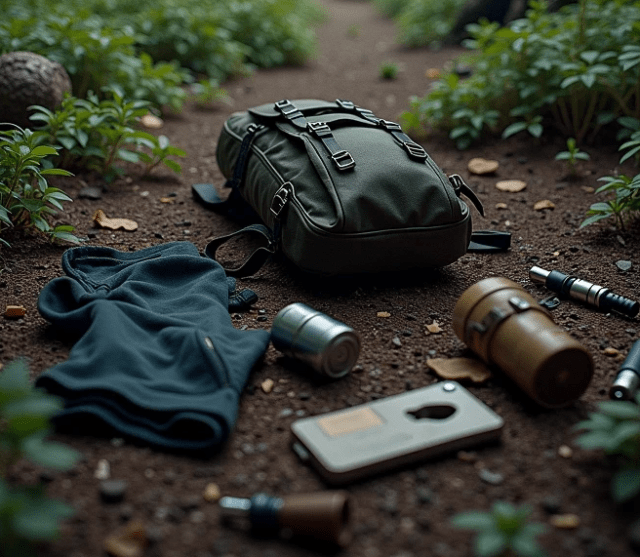
  • Stainless steel water bottle
  • Water filter (Sawyer Mini or equivalent)
  • Purification tablets
  • Collapsible reservoir
  • Metal cup for boiling

Without water, you’re done.
And humanity has already proven it can’t protect a drop of it.


2. FOOD: SIMPLE FUEL FOR A SPECIES THAT COMPLICATED EVERYTHING

Humans invented food shortages in a world overflowing with resources.
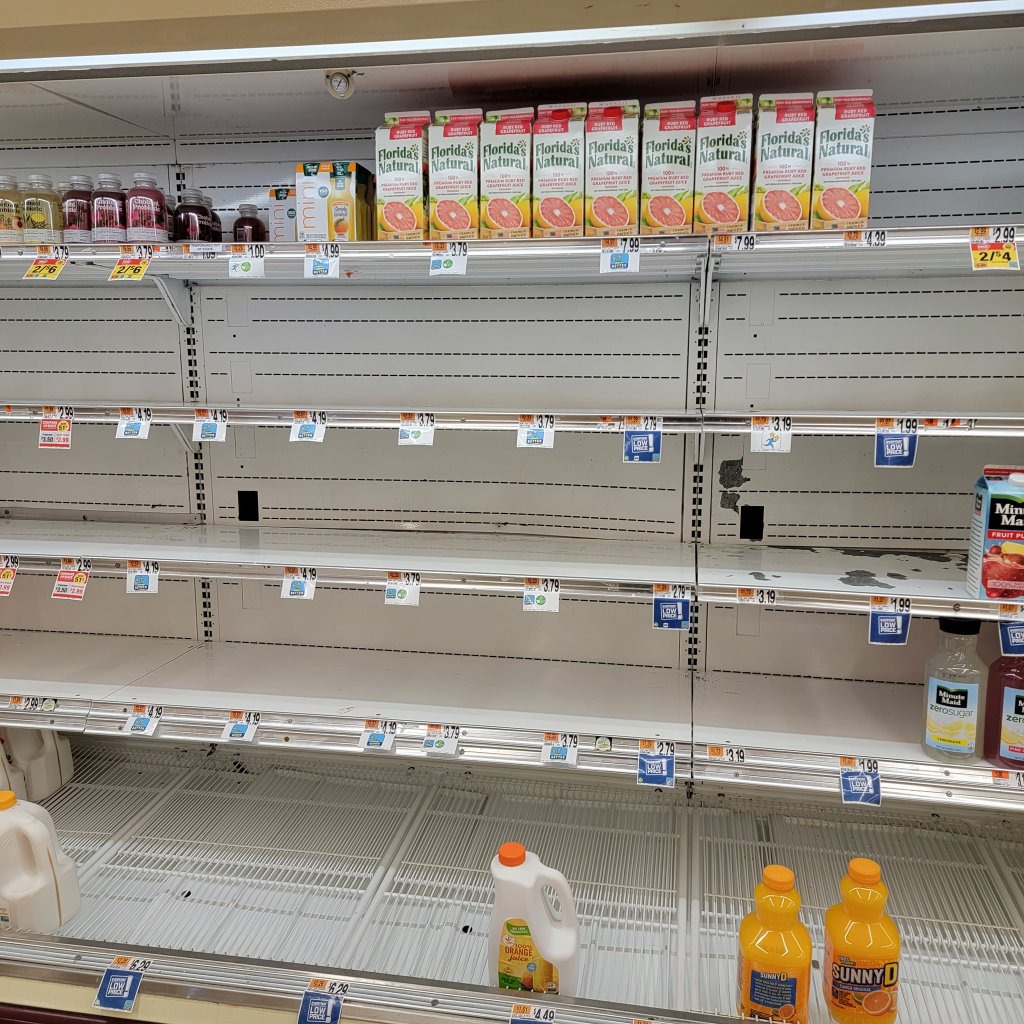
Now they panic when shelves run empty for 12 hours.

Your survival depends on:

  • Freeze-dried meals
  • Survival rations
  • Jerky
  • Oatmeal
  • Electrolyte powder

This is not about culinary joy.
This is about staying alive while the world eats itself.


3. SHELTER: PROTECTION FROM THE ELEMENTS (AND HUMANITY’S MISTAKES)

People chopped down forests, paved over ecosystems, and still act surprised when weather becomes lethal.

Pack:

  • Tarp
  • Paracord
  • Bivy sack
  • Mylar blankets
  • Wool layers
  • Waterproof jacket
  • Spare socks

Nature isn’t the enemy.
Humanity’s ignorance is.


4. FIRE: SOMETHING ANCIENT HUMANITY FORGOT HOW TO DO WITHOUT WI-FI

Fire once represented intelligence.
Now people panic when their lighter runs out.

Pack redundancy:

  • Ferro rod
  • Stormproof matches
  • Bic lighters
  • Tinder

If you cannot make fire, you cannot stay alive — and the world won’t care.


5. TOOLS: FUNCTIONALITY FOR A WORLD THAT CHOSE CONVENIENCE OVER COMPETENCE

We built smartphones but forgot how to use knives.
We built skyscrapers but forgot how to use rope.
We built drones but forgot how to build shelter.

You need:

  • Fixed-blade knife
  • Multi-tool
  • Folding saw
  • Duct tape
  • Headlamp + batteries
  • Work gloves

Because survival will require more skill than scrolling.


6. FIRST AID: BECAUSE INFRASTRUCTURE COLLAPSES FASTER THAN DENIAL

Emergency rooms will overflow, then shut down.
Supplies will vanish.
Help will evaporate.

Your kit must include:

  • Tourniquet
  • Israeli bandage
  • Gauze
  • Alcohol wipes
  • Antibiotic ointment
  • Pain relievers
  • Medical tape

Humans ignored their own health when times were good.
They’ll beg for medicine when it’s too late.


7. NAVIGATION: BECAUSE GPS DEPENDS ON A CIVILIZATION THAT’S FALLING APART

GPS requires satellites.
Satellites require stability.
Stability is gone.

Pack:

  • Compass
  • Maps
  • Grease pencil

When the world loses its direction, you won’t.


8. SIGNALING & COMMUNICATION: NOT TO BE RESCUED — BUT TO REMAIN INFORMED

You’re not signaling for help.
You’re signaling for options.

Pack:

  • Whistle
  • Signal mirror
  • Hand-crank radio

Information becomes priceless when the world drowns in noise.


9. SECURITY: BECAUSE THE BIGGEST THREAT TO YOUR SURVIVAL ISN’T NATURE — IT’S PEOPLE

People created the collapse.
People will panic.
People will turn chaotic.

Minimal essentials:

  • Pepper spray
  • High-lumen flashlight
  • Knife (already in tools)

You don’t need to harm anyone.
You just need enough distance to avoid becoming another casualty of collective stupidity.


10. DOCUMENTS & MISC: THE IRONY OF PAPERWORK IN A DYING WORLD

The world collapses, but bureaucracy still somehow survives.

Pack:

  • ID copies
  • Cash
  • Emergency contacts
  • Notepad
  • Pen
  • Zip ties
  • Trash bags

The old world will cling to life far longer than its people deserve.


THE FINAL TRUTH: HUMANITY BROUGHT THIS COLLAPSE ON ITSELF

Humanity won’t fall because of bad luck.
It will fall because it earned it — through arrogance, apathy, and an unshakable belief that consequences don’t apply to it.

Your bug out bag isn’t a rebellion.
It’s not an attempt to fix the world.
It’s not even survival for the sake of survival.

It’s quiet refusal.
A silent declaration that you won’t drown with the ship.
A commitment to continue existing even if humanity doesn’t deserve to.

You prepare not because you believe in humanity…
but because you don’t.

California is Killing You: The Top 10 Non-Health Hazards You’re Ignoring

Wake up, California. You might think your biggest threats are the latest flu strain or a heart attack, but that’s only half the story. The truth is far grimmer. Life in the Golden State isn’t just expensive; it’s a constant hazard zone. If you’re walking around thinking the state’s only threat is invisible bacteria or the occasional bad fast food, think again. This article isn’t here to sugarcoat reality—this is your wake-up call.

I’ve lived through enough disasters, near-misses, and face-to-face encounters with the chaos of California life to know one thing: your survival isn’t guaranteed. The state is a beautiful trap filled with lethal risks, many of which have nothing to do with health. Here are the top 10 non-health-related reasons why people in California die, and why ignoring them is basically a death sentence.


1. Car Accidents – The Rolling Killers

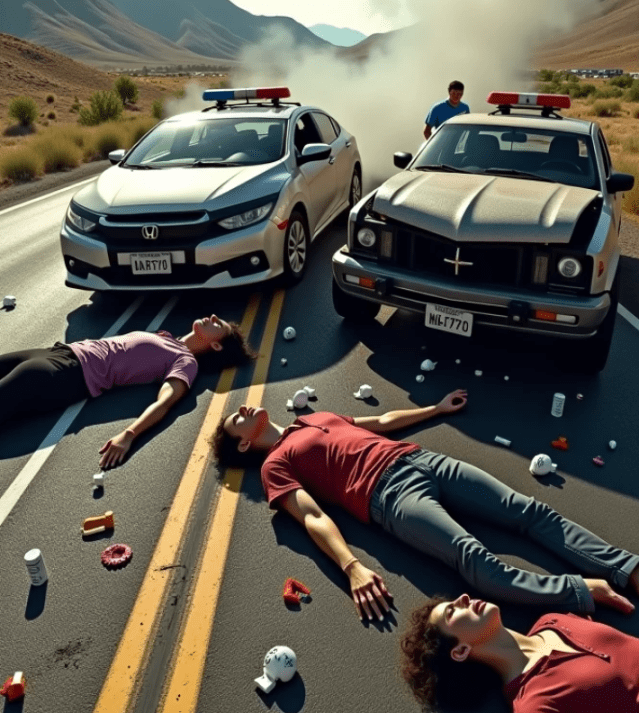
You don’t need a virus to die in California; you need only step into your car—or the car of someone else. With congested highways, aggressive drivers, and one-too-many distracted texters behind the wheel, car accidents are rampant. Los Angeles, San Francisco, and even smaller towns see thousands of fatal crashes every year. High-speed collisions, drunk drivers, and motorcycles weaving through traffic are just waiting for you to make one wrong move. And let’s be honest: traffic laws exist more as suggestions than as enforceable rules.

If you think you can “just be careful,” think again. The odds are not in your favor. California drivers are famously impatient, and the infrastructure is stressed to the max. One moment you’re minding your own business, the next—boom.


2. Wildfires – Nature’s Inferno

California’s wildfires are legendary, but most people still underestimate them. These aren’t small backyard blazes—they’re monstrous infernos that can consume entire neighborhoods in hours. Houses, cars, pets, and yes, people, vanish in the flames.

Evacuation is chaotic, emergency services are stretched thin, and wind patterns can change in an instant. You could literally be trapped in your own home as fire storms sweep down hillsides. If you think your insurance or city alerts will save you, you’re already thinking like a sheep waiting for slaughter.


3. Earthquakes – The Ground Betrays You

California sits on a network of faults that are just waiting for the next big quake. And let me tell you, “big” isn’t an exaggeration. Buildings crumble, roads crack open, and bridges collapse without warning. Earthquakes don’t discriminate—wealthy neighborhoods and sleepy towns alike can be reduced to rubble in seconds.

Don’t fool yourself into thinking your modern apartment is safe. Structural engineering only delays death; it doesn’t prevent it when the earth decides it’s time.


4. Extreme Heat & Environmental Exposure

You might scoff at the idea that weather can kill you in a state known for its beaches and sunshine, but California’s heat waves are no joke. Temperatures can soar past 110°F in the Central Valley and inland deserts. Heatstroke, dehydration, and exposure kill people every year—often those foolish enough to think they can beat the sun by ignoring it.

And let’s not forget that climate change is making these extremes more frequent and intense. This isn’t just discomfort; it’s deadly.


5. Crime – Humans as Predators

People often overlook the fact that humans are often the deadliest threat. California has areas plagued by violent crime, from urban centers to seemingly quiet suburbs. Shootings, muggings, and home invasions are a daily hazard for the unprepared.

Gang violence isn’t confined to the movies—it’s a very real danger in some neighborhoods. And even if you live somewhere “safe,” opportunistic crimes happen everywhere. Trust no one too easily.


6. Traffic & Pedestrian Accidents

It’s not just car-on-car collisions. Pedestrians, cyclists, and scooters face a deadly gauntlet. Drivers are distracted, reckless, or downright hostile. Every crosswalk could be your last if you don’t maintain a paranoid level of vigilance.

Sidewalks and bike lanes aren’t sanctuaries—they’re just another layer of danger in a state obsessed with speed and convenience over safety.


7. Industrial & Workplace Hazards

From oil refineries in Southern California to tech warehouses in the Bay Area, workplace accidents kill hundreds every year. Machinery malfunctions, chemical exposures, and human error combine to create a daily lottery where survival is not guaranteed.

And don’t expect a lawsuit to save you. By the time lawyers get involved, it’s too late. The system is slow, inefficient, and indifferent to human life.


8. Homelessness and Exposure to Violence

California has a massive homeless population, many of whom live in conditions that guarantee premature death. Violence, exposure, and malnutrition aren’t just statistics—they are daily realities for thousands.

Even for those not homeless, the ripple effects can touch you. Encampments and urban decay lead to crime spikes and unsafe public spaces, turning what should be routine errands into potential hazards.


9. Fires (Other than Wildfires) – Urban Arson & Accidents

People think of fire as only a forest problem, but urban fires are just as deadly. Faulty wiring, careless smoking, and arson claim lives every year. In densely populated areas, a small spark can become a deadly inferno before firefighters even arrive.

And don’t fool yourself into thinking “it won’t happen to me.” Disasters rarely pick their victims—they just find someone vulnerable.


10. Infrastructure Failures – When the State Betrays You

Bridges collapse, levees break, and dams fail. California has a long list of infrastructure weak points. Aging structures, deferred maintenance, and overpopulation create the perfect storm for unexpected death.

A simple drive across a structurally compromised bridge, or living downstream from a poorly maintained dam, could be enough to kill you. And the government’s safety nets? Half the time they’re just bureaucratic mirages.


Final Thoughts – Wake Up Before It’s Too Late

If you’re still reading this, hopefully you’re feeling the chill of reality. California isn’t just a sunny paradise; it’s a deadly game of survival. And while health risks get headlines, these ten non-health hazards are just as lethal—often more so because people refuse to prepare for them.

Survival in California demands awareness, preparation, and a ruthless understanding of your environment. Traffic, fires, earthquakes, crime, heat—these aren’t abstract possibilities. They’re imminent threats that could strike today, tomorrow, or next week.

If you want to stay alive, stop pretending the world is safe. Stock supplies, learn situational awareness, and never underestimate the lethal combination of human error and environmental chaos. Your survival isn’t guaranteed—but with preparation, it’s possible.

Ignore this warning, and California will show you the meaning of the phrase “golden state” in the harshest way possible.

This Is The First Sign Society Is About To Collapse

When most people think about the start of the apocalypse

They usually picture something out of a dystopian movie. A sudden, widespread terror, or perhaps a catastrophic event.

But in reality, societal breakdowns don’t happen overnight.

The first sign is far subtler than that

It’s a shift in trust.

That’s right, folks.

Trust is the glue that holds our society together.

The belief that your neighbor will respect your property.

That the grocery store will have food..

That your funds are safe.

But when that trust begins to erode, we’re on a slippery slope.

When people start losing confidence in the institutions that uphold society

When faith in the authorities dwindles…

We start edging closer to a societal breakdown.

Imagine going to work one day, and noticing a huge crowd of worried individuals outside of the biggest local banks.

Everyone is suddenly trying to withdraw their funds

Why?

Are banks not to be trusted anymore?

Do you have to withdraw your savings too?

Or imagine if trust in law enforcement begins to falter, and individuals may take matters into their own hands

Leading to an increase in vigilante justice and public unrest.

I am not sharing this to scare you. Quite the opposite. Awareness is the first step towards preparation.

If we can spot the signs early enough, we can prepare, adapt, and survive.

So, what can we do?

We can keep a close eye on societal sentiment.

Pay close attention to current events, the rumblings on social media, and the worries and concerns of your neighbors and friends.

These can provide valuable insights into the state of societal trust.

Then, you can ensure you are prepared for self-sufficiency.

This means having a reliable stockpile, honing our survival skills, and fostering a close-knit community of like-minded individuals.

Societal collapse is a gradual process.

If we spot it early enough, it can give us the upper hand.

So let us stay vigilant and aware.

This Is Why Most People Will Not Make It When SHTF

Imagine you’re planning a road trip that will last a week.

You figure out where you’ll stay, what you’ll eat, and which sights you’ll see.

But what if this trip wouldn’t last a week, but an entire year

Would you be able to remain safe?

This is a real possibility, folks.

Emergencies can force us to transform our way of living for good.

Most people think about what they’ll do for an emergency that might last a couple of days or weeks.

But that’s just not enough.

To really thrive when SHTF, we need to think months, years, and even decades ahead.

The long-term, day-to-day living in a different world.

Canned food and bottled water will keep you safe for some time. Months even.

But what happens when those run out?

In the long run, skills like hunting, fishing, farming, preserving food, and sourcing clean water are essential.

This is why what we do is so important.

We constantly improve our prepping abilities and add to our skill set.

Just like our ancestors did.

They knew the land, the seasons, the plants, and the animals. They understood that prepping wasn’t a sprint, but a marathon.

We have to adopt this kind of mindset as well.

We need to think beyond the initial emergency, beyond the canned goods, and towards a future where we don’t just think about what we have, but about what we know and what we can do.

Prepping is a lifestyle.

For most people, this shift in thinking is not easy. For others, it isn’t even possible.

But you and I both know the peace of mind that comes from knowing you’re ready for anything.

So, let’s not be like most people. Let’s think ahead. Let’s stay prepared. And let’s keep improving.

“Preppers Don’t Have Fun”

Someone once accused me of taking things too seriously.

She said that since I’m always trying to prepare for the worst, I don’t ever enjoy the present moment.

When I heard about this, I couldn’t help but chuckle.

Yes, I’m focused on prepping.

Yes, I’m keen on making sure my family and I can weather any storm that comes our way.

But who’s to say that I don’t have fun doing it?

You see, there is a certain joy that comes with being prepared for anything that most people can’t ever understand

A joy that most people will not ever understand.

When you are constantly acquiring different skills that can help survive potential threats, it’s like solving an exciting puzzle.

Remember the excitement as a child, that spark of curiosity when you first learned to ride a bike or tie your shoelaces? 

This is how I feel every time I learn about a different way to purify water, start a fire, or build a survival shelter.

And the reason I created this newsletter is because I wanted to share my excitement with people like you.

People who appreciate the value of emergency preparedness.

But the fun of prepping doesn’t end with the thrill of learning different skills. 

It’s also about putting these skills to the test, challenging yourself, and celebrating those moments of achievement.

Imagine successfully building a survival shelter from scratch for the first time.

It’s not just a place with a roof. It’s a testament to your resilience and resourcefulness.

Or think about the feeling of triumph when you manage to start a fire using just flint and steel.

There’s an indescribable sense of fulfillment in these moments.

I know “fun” is not something we think about when we talk about survival situations.

But it’s an important topic.

It’s what makes prepping sustainable in the long run.

So if someone says you’re a “doomsayer” or accuses you of being too focused on bad situations, just ignore them.

Keep prepping, and enjoy the process.