
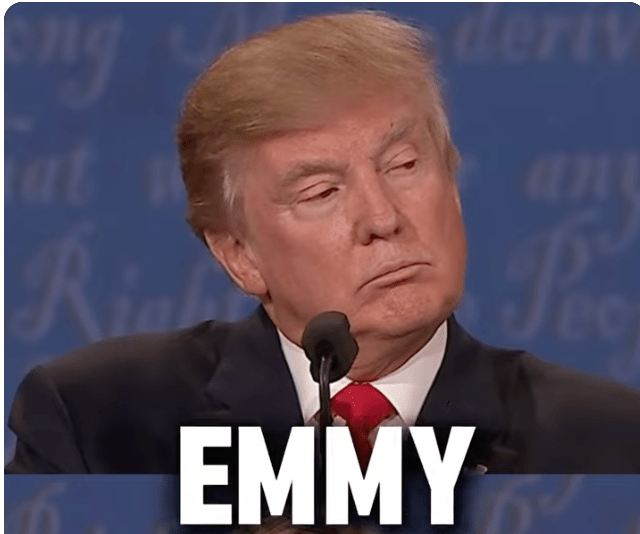
Watching Hillary Clinton and Donald Trump debate in 2016 felt less like a civic exercise and more like standing in the checkout line during a power outage while two strangers argue over the last pack of batteries, and as a professional survival prepper I can tell you right now that moments like this are exactly why I label my shelves and don’t trust systems that claim they’ll always work the way they’re supposed to. Hillary comes out swinging with that practiced, calm-but-sharp tone, zeroing in on Trump’s greatest recurring hobby—declaring literally everything “rigged”—and she does it the way a seasoned debater does, smiling politely while lighting the match, pointing out that according to Trump, the election is rigged, the media is rigged, the polls are rigged, the courts are rigged, and yes, even the Emmys are apparently rigged because The Apprentice didn’t win every single shiny statue available like it was supposed to sweep Best Drama, Best Comedy, Best Supporting Actor, Best Hair, and maybe Best Documentary About How Great Donald Trump Is.

The crowd reacts, half laughing, half gasping, and Trump does that thing where he grins like someone just accused him of hoarding water and he’s proud of it, because to him the accusation isn’t an insult, it’s proof of foresight, and as someone who actually hoards water, I recognize that look immediately. Hillary frames the Emmy comment like a punchline, suggesting Trump believes his show deserved every award every year forever, and from a comedy standpoint it lands because it taps into something universally relatable: we all know that guy who thinks the referee is biased, the dealer is cheating, and the vending machine is personally out to get him. But from a prepper standpoint,
-WATCH THE 20 SECOND CLIP HERE-
I’m sitting there thinking, well yes, institutions do fail, systems do get gamed, and sometimes the vending machine really is rigged against you, which is why I don’t rely on vending machines or award shows for my sense of stability. The audience, however, cheers louder for Trump, and that’s the fascinating part, because in a room full of people watching a debate moderated by the rules of democracy, they respond more enthusiastically to the guy who treats the whole thing like a collapsing supply chain. Trump fires back with that familiar mix of grievance and bravado, essentially saying that when you’ve been treated unfairly as often as he has—by networks, by elites, by award committees who somehow failed to recognize the cinematic brilliance of boardroom finger-pointing—you learn not to trust the process, and the crowd eats it up like it’s freeze-dried beef stroganoff during a blackout. Hillary keeps pushing the point, painting Trump as a man who cries “rigged” whenever the scoreboard doesn’t say what he wants, and she’s right in the way that’s technically correct but emotionally ineffective, because while she’s arguing from the rulebook, Trump is arguing from the bunker. As a survival prepper, I’ve learned that people don’t cheer for the guy explaining how the grid is supposed to function; they cheer for the guy who already bought solar panels and doesn’t care if it goes down. The Emmy joke becomes symbolic of something bigger: Hillary sees Trump’s complaints as narcissism, while Trump’s supporters hear them as vigilance, a warning flare shot into the sky saying don’t trust the system just because it told you to relax.
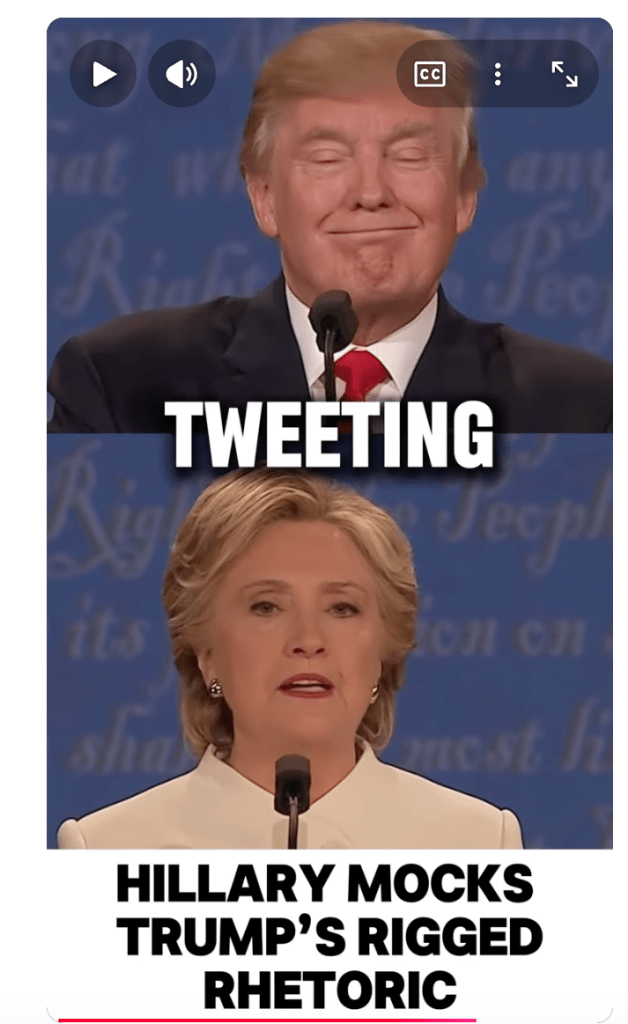
The crowd noise makes that clear, swelling louder for Trump not necessarily because they think he deserved an Emmy sweep, but because they recognize the instinct behind the complaint, that deep suspicion that the game is tilted and the house always wins unless you flip the table. From a stand-up perspective, the whole exchange is comedy gold because it’s two people talking past each other using the same word—rigged—but meaning completely different things, like one person saying “storm coming” and the other saying “but the forecast says sunny,” and as a prepper I side with the guy already filling sandbags. Hillary’s delivery is sharp, polished, and devastating in theory, but theory doesn’t keep the lights on, and Trump’s chaotic, grievance-fueled responses resonate with an audience that senses instability even if they can’t articulate it.

The debate becomes less about policy and more about worldview: Hillary believes in fixing the system from within, Trump believes the system has been compromised so thoroughly that complaining loudly is itself a form of defense, and the Emmy line, ridiculous as it sounds, is the perfect microcosm of that divide. The crowd cheering for Trump isn’t cheering for his television legacy; they’re cheering for the idea that someone is finally saying out loud what preppers have been muttering to themselves for years while stacking supplies in the garage, that you don’t wait for permission to notice something’s wrong. As a comedian, I laugh because the idea of Trump demanding every Emmy is absurd; as a prepper, I nod because distrusting centralized judgment has kept my pantry full and my stress levels low.
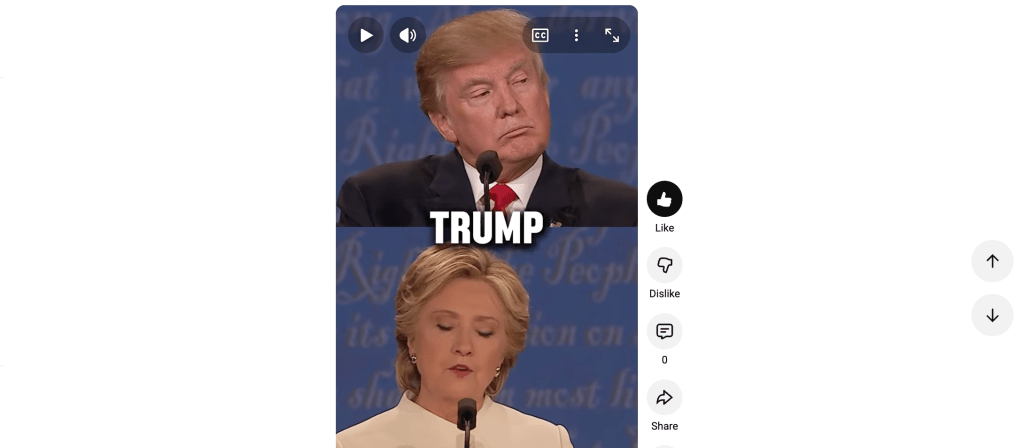
By the end of the exchange, Hillary looks incredulous, Trump looks energized, and the audience sounds like they’ve picked a side not based on who told the better joke, but who feels more prepared for a future where the scoreboard might stop working entirely, and that’s the real punchline of the 2016 debate: one candidate is arguing about fairness in a functioning system, the other is arguing like the system might collapse at any moment, and history has taught anyone with a go-bag that the second mindset, while messier, is often the one people cheer for when the lights start flickering.
 TheDailyChristian