What Zombie Apocalypse Movies Can Teach Us About Surviving

There is a point in every zombie apocalypse movie, where the characters have to make a very important decision.

They are usually stuck inside a shelter, with few resources, while death is knocking on their doors.

And they have to decide between two options:

  1. Stay inside and try to fight the zombies
  2. Escape and look for food or other survivors

But they almost always go with option C: “Fighting among themselves.”

They start blaming each other and end up dying.

It happens so often that it’s almost comic.

But this might not be too far from reality.

When the stakes are high, people see blank.

It’s like when a cat freezes in the middle of the street when it sees a car approaching.

Staying calm is crucial in emergency situations.

If, God forbid, you ever find yourself in one, you will be called to make a lot of snap decisions.

You might have to decide between staying inside your house or bugging out…

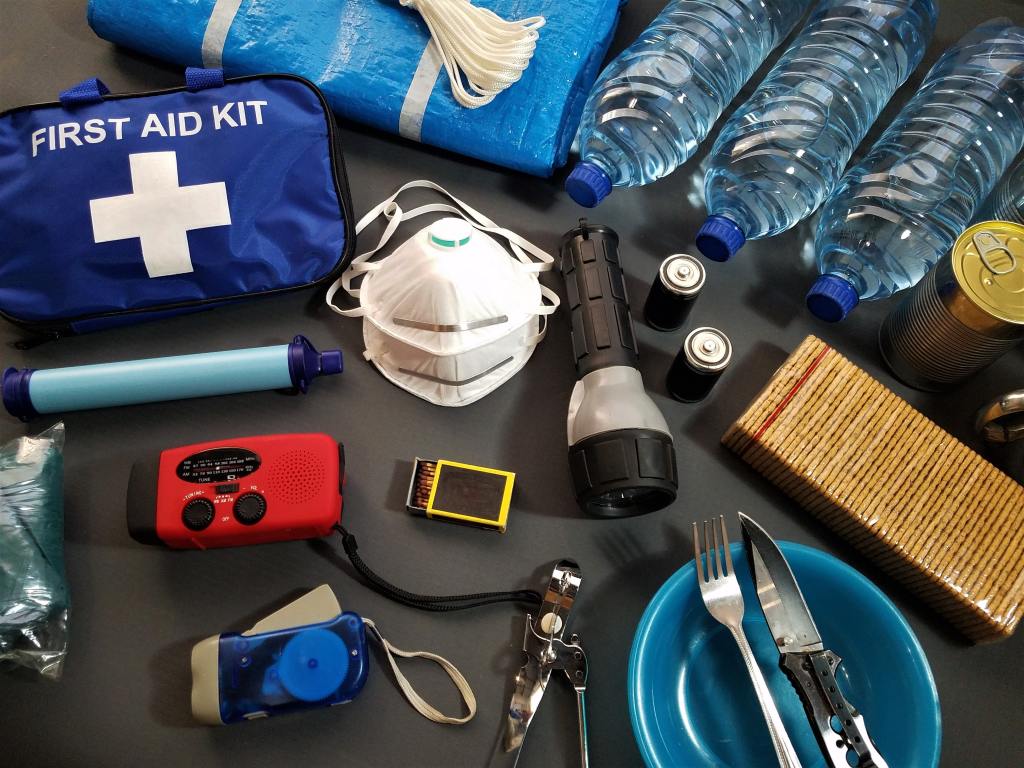
Which items you will carry with you…

Who to contact…

These are very important considerations.

One wrong move might mean the loss of a loved one.

You can’t correctly judge your options if you panic.

It’s like when characters in the zombie movies fight each other instead of working together.

You have to stay level-headed.

I understand that this is not something easy, however.
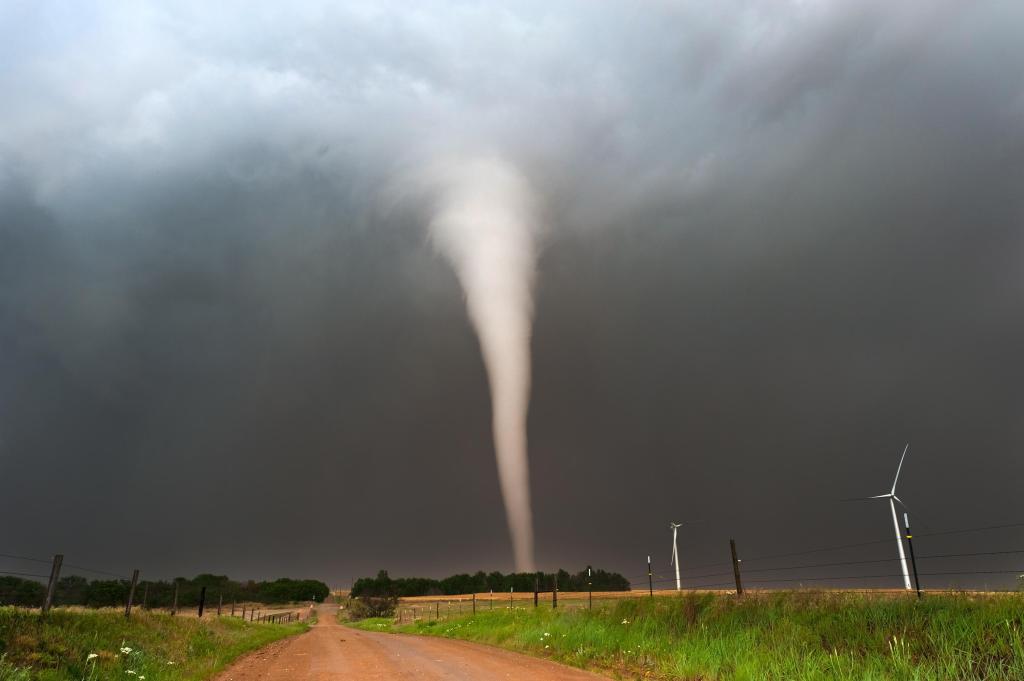
When a tornado rips your roof out, or when a fire breaks out in your area, it’s not exactly a walk in the park.

Most people – and understandably so – panic.

This would not happen, however, if they already had a plan in place.

If you are a survivalist, then you are probably aware of the importance of preparation.

We try to imagine any disaster that might befall us, and try to stay ahead of it.
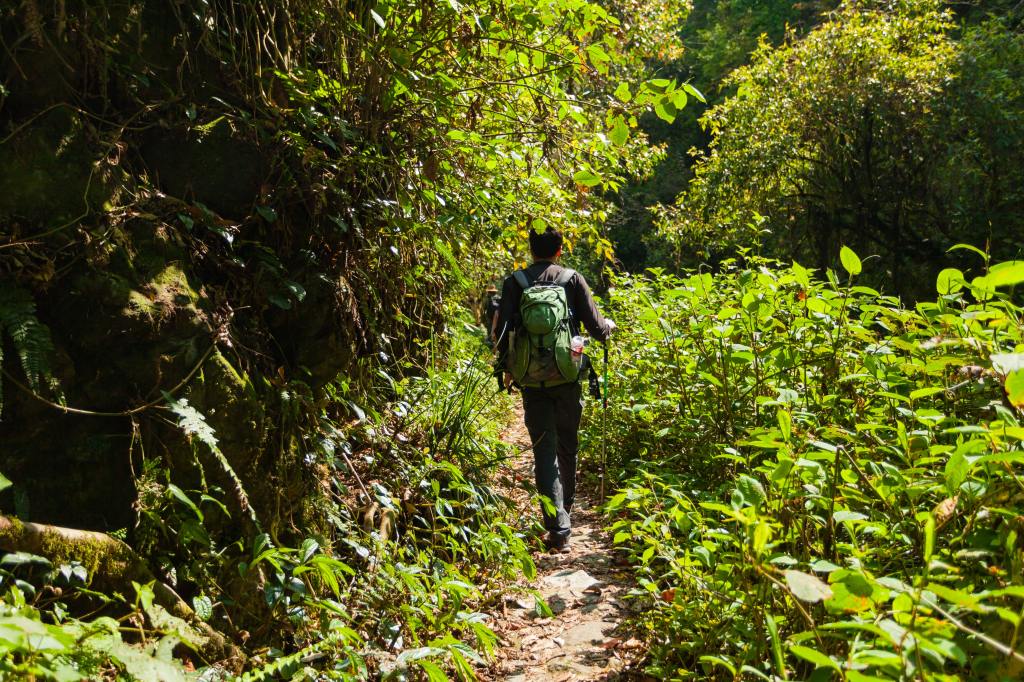
This could mean having a plan for bugging out scenarios…

Or having a plan for when the food in your grocery store runs out.

Whatever it is, doing preparation beforehand protects us from losing our shit in emergencies.

So let’s keep prepping and remain collected even in the worst of situations.

How Much Should You Depend On Your Community For Survival?

Becoming self-reliant is a goal that every prepper should strive for.

But this doesn’t mean that we should try to do everything by ourselves.

When SHTF, everything could be an asset for survival.

And one of the most powerful ones could be our local community.

It can protect our lives in emergencies.

But, the question that often arises is – how much should we depend on our community for survival? 

The answer to this is not a simple one.

First and foremost, it’s crucial to understand that relying solely on your community for survival is not a wise choice. 

While it’s true that there’s strength in numbers, it’s always better to have a backup plan. 

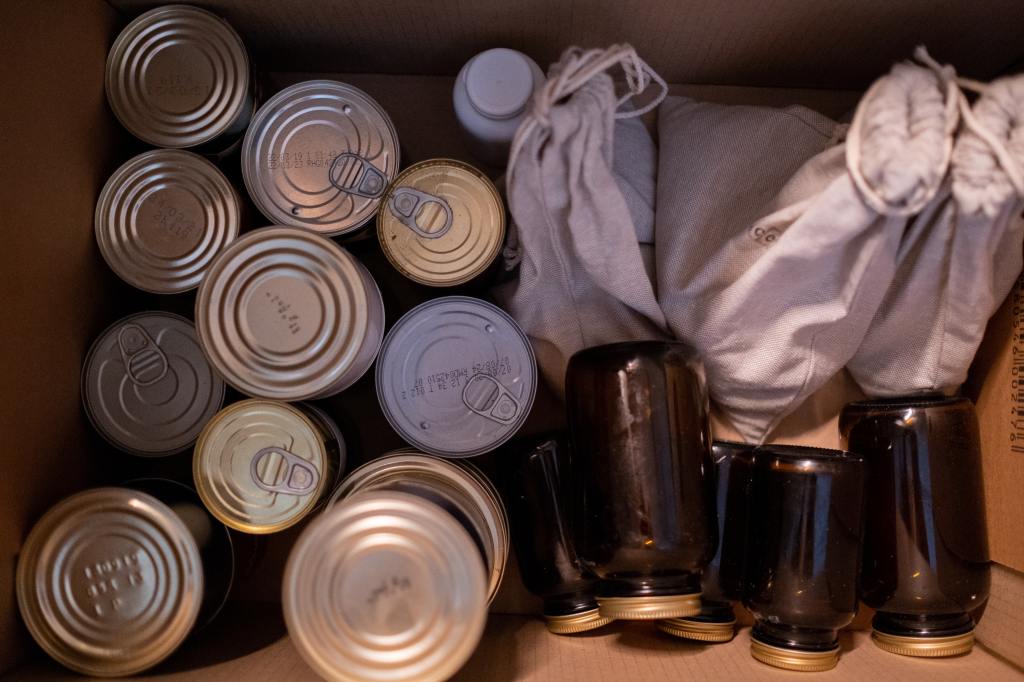
This means having a stockpile of essential items, weapons, and resources that can keep you and your loved ones secure in emergencies.

However, the reason that humans have survived for so long is that they formed communities.

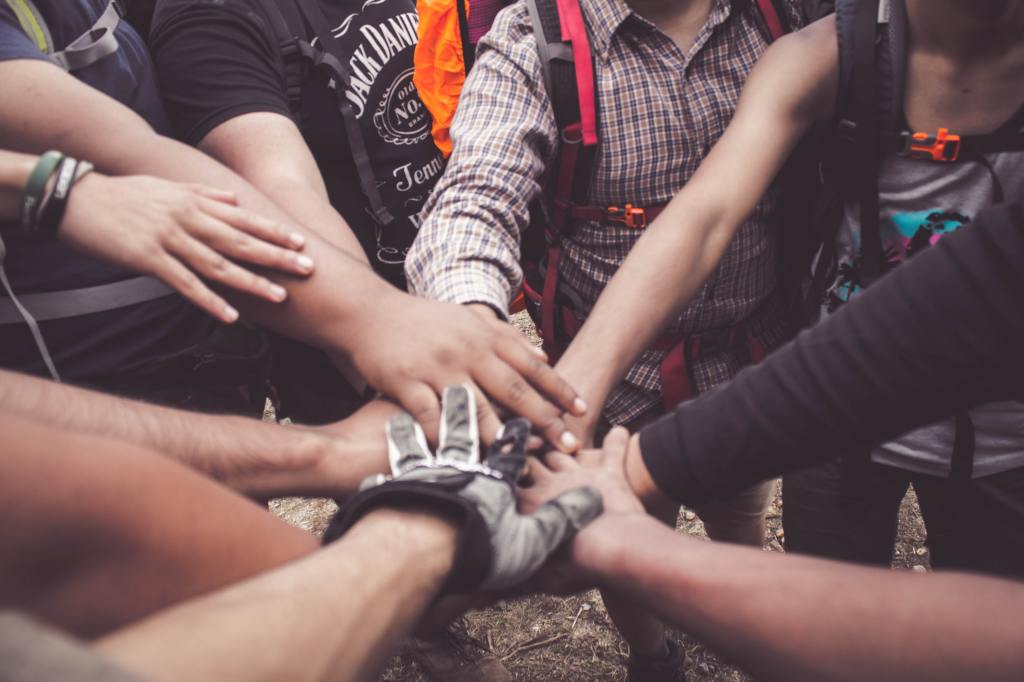
We share resources, knowledge, and support each other in our efforts to rebuild.

This sense of community spirit can be incredibly helpful in providing emotional support and reducing stress during difficult times.

Additionally, communities work as a deterrent to looters.

Knowing that there are well-prepared individuals in the area can often discourage people who might take advantage of crises.

And yet, It’s important to remember that relying on others also comes with its own set of risks.

For instance, if you’re relying on a community for food and water, you may find yourself in a bad spot at some point.

During emergencies, people always hoard essentials.

Remember when everyone panic-bought toilet paper two years ago?

This is why striving to become self-sufficient is essential…even if you currently don’t have to.

Remember, we are preparing for the worst.

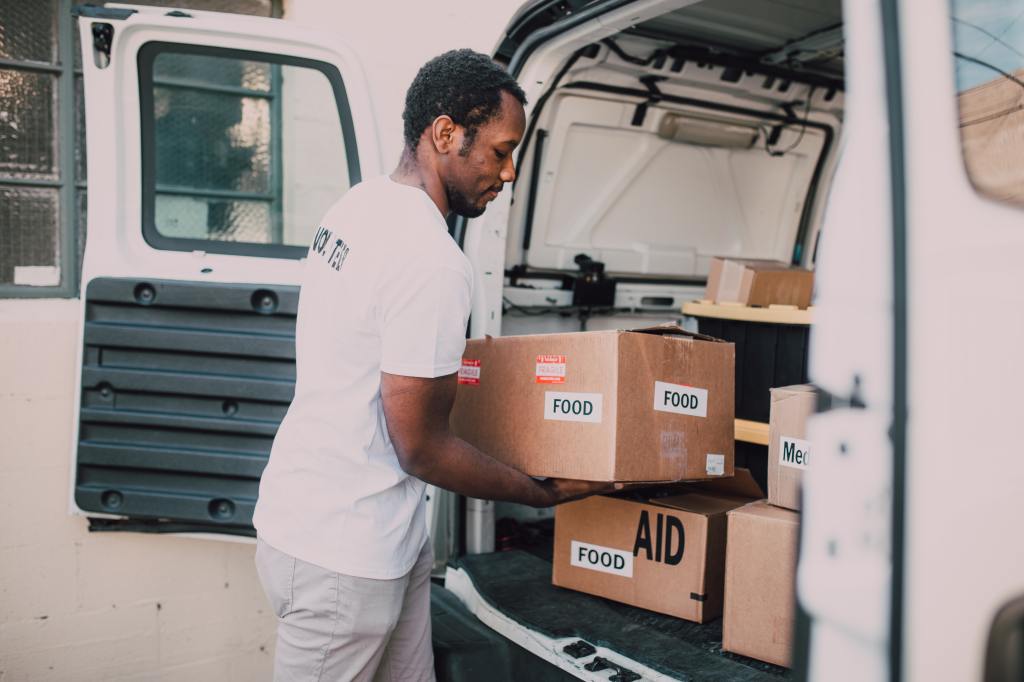
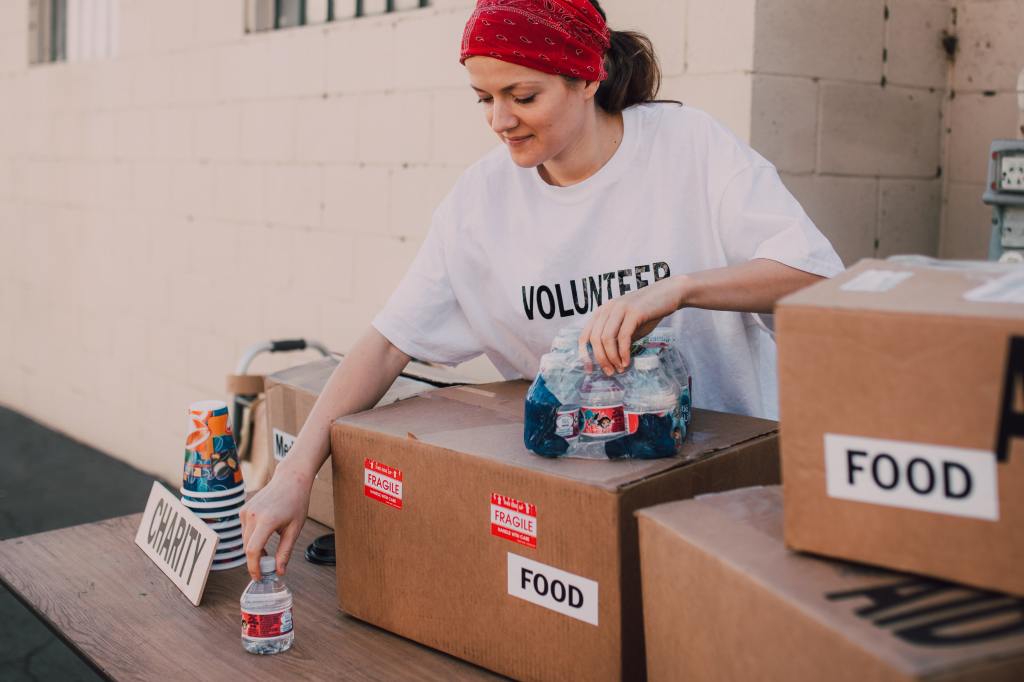
We should take advantage of what our communities can provide for us.

But we should also keep prepping to stay independent.

The key is to find balance.

Don’t become too isolated.

But also, don’t blindly depend on your community’s resources.