

Everyone loves to pretend that society is stable. People cling to their smartphones, TikTok trends, and grocery-store convenience like it’s some kind of permanent blessing instead of the fragile illusion it really is. Meanwhile, the world teeters on the edge of failure—economies shaking, grids aging, infrastructure rotting, leadership clueless, and people softer than wet cardboard.
“Off Grid Survival Gear: The Only Things That Actually Matter When the World Falls Apart” – My Mom
But sure, keep believing that someone’s coming to save you. FEMA? The government? Your neighbors who panic-buy toilet paper at the first sign of trouble? Yeah… that’ll work out great.
If you want even a fighting chance of surviving off-grid, especially long-term, you need gear that actually works—not gimmicks, not influencer trash, not overpriced corporate “prepper starter kits.” Real gear. Rugged gear. Gear that performs when everything else fails.
I’m not here to entertain you with positivity. I’m here to tell you the truth:
If you don’t take off-grid survival seriously, the world will chew you up and spit out your bones.
So let’s break down the only off-grid survival gear worth your time before the collapse—because it’s coming whether you’re ready or not.
1. A Real Backpack (Not the Amazon Special That Rips on Day One)
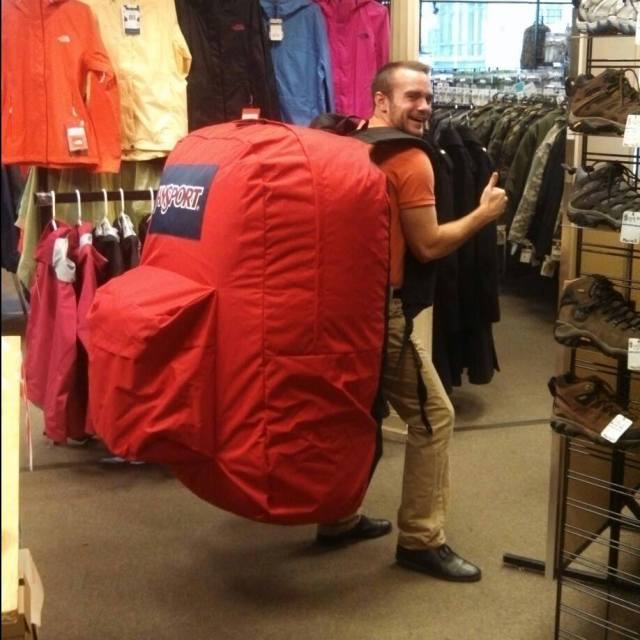
You can’t survive off-grid if you can’t carry your gear, and too many people trust bargain-bin backpacks that can’t even withstand a weekend hike.
A real off-grid pack needs:
- 1,000D Cordura or stronger
- MOLLE webbing
- Reinforced stitching
- Padded waist belt
- At least 50–75 liters of capacity
If your bag fails, you fail. Simple as that. When you’re miles away from civilization and your shoulder strap snaps, you’re not just annoyed—you’re compromised.
2. A Water Filtration System That Won’t Quit
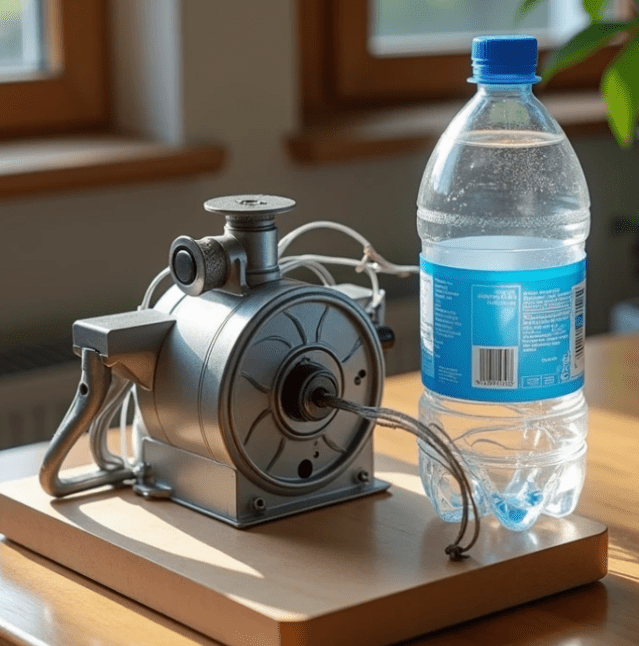
Humans can last weeks without food but only days without water. And when you’re off-grid, you’re not drinking from a cute plastic bottle—you’re drinking from rivers, ponds, snowmelt, and whatever questionable puddle nature hands you.
You need:
- A gravity-fed filter for base camp
- A personal survival straw for emergencies
- A pump filter for on-the-move travel
- Purification tablets as backup
If your filtration system fails, enjoy dehydration, parasites, and organ failure—because nature doesn’t care about your feelings.
3. Solar Power and the Means to Store It
Unless you’re planning to spend your off-grid life sitting in the dark like a cave troll, you need reliable, renewable power. But solar gear isn’t some magical energy fairy—you need the right components:
- A rugged foldable solar panel (100W–200W minimum)
- A power bank with high-capacity lithium storage
- A compact solar generator if staying in one place
- Durable cables and adapters that don’t fray
Cheap solar setups die fast. Real ones keep emergency communications running, power lights, charge essential tools, and help you not lose your mind in total darkness.
4. A Cutting Tool That Could Survive an Apocalypse
Every off-grid scenario demands a real blade. And no, your kitchen knife isn’t going to cut it. You need:
- A full tang survival knife
- A folding EDC blade for daily tasks
- A machete or hatchet for clearing brush and splitting wood
Your knife is your lifeline—not an accessory. A dull, weak blade is basically an insult to your own survival.
5. Fire-Starting Gear That Works Even When Everything Is Wet
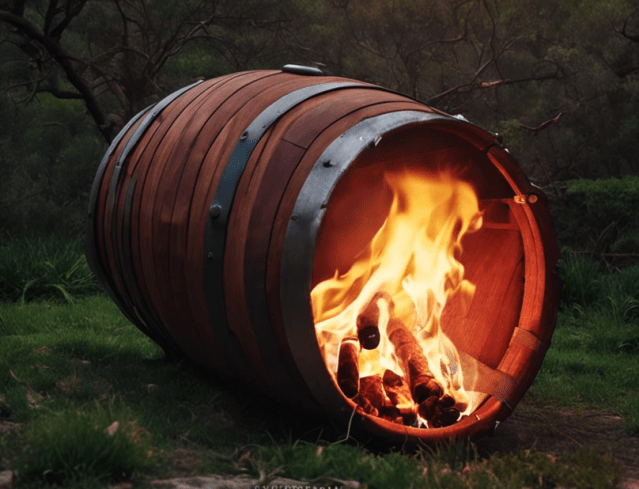
If you can’t make fire, you can’t stay warm, boil water, or cook food. Fire is the difference between freezing at night or living to see the next sunrise.
You need redundancy, because things fail—especially when you desperately need them. A proper off-grid fire kit includes:
- Ferro rod and striker
- Stormproof matches
- Butane lighter
- Tinder (cotton balls with petroleum jelly, fatwood, or commercial cubes)
If you have only one method, congratulations—you’re planning to fail.
6. Rugged Off-Grid Shelter and Sleep System
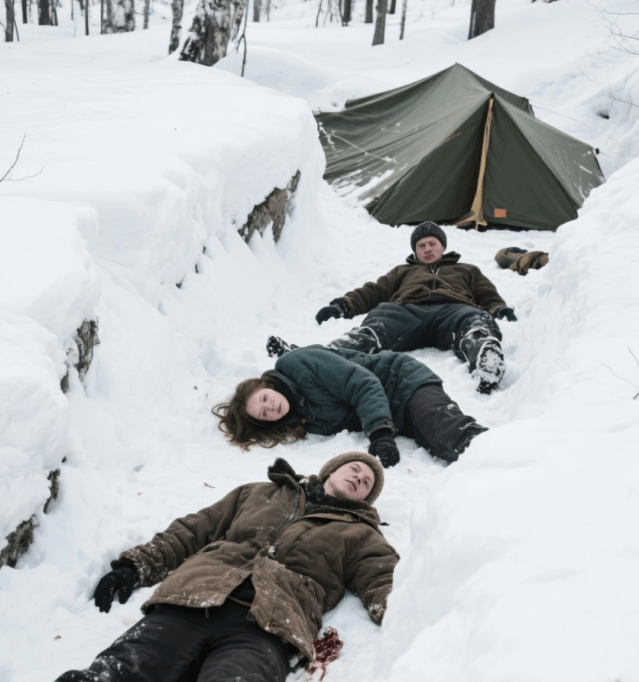
People underestimate how quickly exposure kills. Hypothermia doesn’t care if you’re tough or motivated. Without real shelter gear, the elements become your executioner.
Your off-grid setup must include:
- A compact 4-season tent or durable tarp setup
- A high-quality sleeping bag rated for low temps
- Thermal blankets as backup
- A sleeping pad to keep your body off the cold ground
Nature does not negotiate. If you sleep in the wrong conditions, you won’t wake up.
7. Off-Grid Cooking Essentials
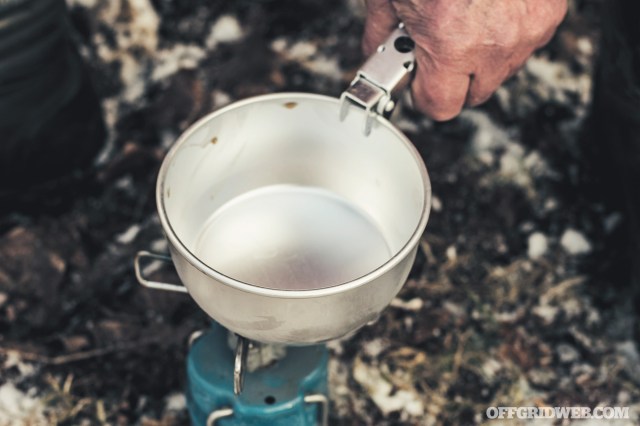
No power grid means no microwave, no stove, and no convenient meals. You need a way to cook in all weather conditions.
Your cooking kit should include:
- A portable camp stove with multi-fuel capability
- A stainless steel pot or cook set
- A metal water bottle you can boil water in
- Long-term food storage meals (freeze-dried or dehydrated)
And remember: off-grid life means learning primitive skills—because Skittles and instant ramen won’t feed you forever.
8. First Aid Gear—Because Injuries Off-Grid Are Unforgiving
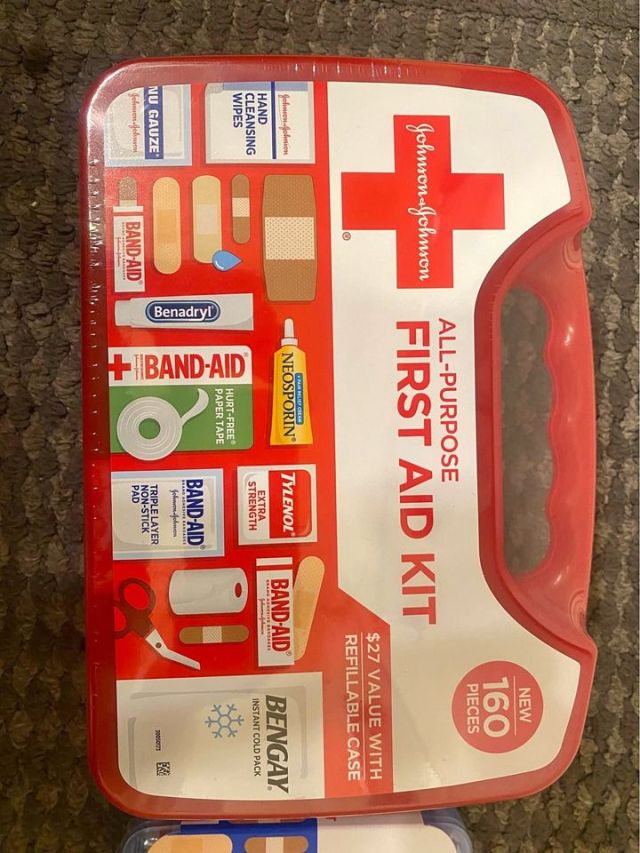
In the wild, small wounds escalate into infections, infections become life-threatening, and emergency rooms are hours (or days) away.
A real off-grid first aid kit includes:
- Trauma supplies (tourniquet, pressure bandage, clotting agent)
- Antiseptics
- Pain medication
- Burn treatment
- Splints and wraps
- Medical tape that actually sticks
Too many people treat first aid like an afterthought. Those people don’t last long.
9. Navigation Tools—Because GPS Won’t Save You Forever

When the grid goes down, and your phone dies, you’ll need real tools:
- A compass (a real one, not a toy)
- Paper maps of your area
- A backup GPS device for as long as satellites stay functional
If you’re lost off-grid, the world stops being your home and becomes your hunter.
10. Defensive Gear (Because Desperation Turns People Into Animals)
Let’s be honest: if society collapses, the biggest threat won’t be nature—it’ll be people. Desperate, unprepared, angry, panicked people who waited too long and now want your supplies.
You need defensive tools that fit your local laws, your skills, and your comfort level, such as:
- Bear spray
- A survival staff or hiking pole
- Noise deterrents
- Perimeter alarms for camp
Defense isn’t optional. It’s reality.
11. The Tools That Keep You Alive Long-Term
Short-term survival gear is easy. Anyone can buy a knife and a flashlight.
Long-term gear? That’s where the herd gets thinned.
You need:
- A folding saw or compact chainsaw
- A repair kit (duct tape, paracord, sewing needles, patches)
- Fishing gear
- A multitool with real steel, not cheap aluminum junk
Off-grid life is nonstop maintenance. If you can’t fix things, they fail—and then you fail too.
Final Reality Check
The harsh truth is simple:
Most people won’t survive off-grid.
They’re too soft, too dependent, too fragile, too delusional about how the world really works.
But if you’re reading this, maybe you’re different.
Maybe you’re one of the few who still understands that survival takes preparation, grit, and gear that won’t betray you.
Prepare now—while you still have the chance.



 TheDailyChristian