Surviving in the Big Apple: How to Stay Alive During a Mass Shooting on a NYC Subway Train

Most people prepare for disasters they can imagine—storms, blackouts, or getting stranded. Very few mentally prepare for intentional human threats in confined spaces. Unfortunately, history has shown that mass violence can occur anywhere crowds gather, including urban subway systems.

The New York City subway during rush hour represents one of the most challenging survival environments imaginable:

  • Enclosed metal cars
  • Limited exits
  • High passenger density
  • Noise, confusion, and panic
  • A moving vehicle underground

As a survival prepper, I don’t deal in fear—I deal in realistic risk assessment and actionable preparation. You don’t need to live paranoid. You need to live aware.

Survival in a subway shooting is not about heroics. It’s about seconds, positioning, and decision-making under stress.


Understanding the Subway Threat Environment

Before discussing what to do, you must understand what makes subway shootings uniquely dangerous:

  1. Limited Mobility – You can’t simply run out a door at any moment.
  2. Crowd Compression – Panic can cause trampling injuries.
  3. Acoustic Confusion – Gunshots echo and disorient.
  4. Restricted Visibility – Curved tunnels, standing passengers, and low lighting.
  5. Delayed Law Enforcement Access – Police may take time to reach a moving or underground train.

Preparedness begins long before the train doors close.


Being Proactive at the Subway Station: Spotting Danger Before It Starts

The best survival strategy is not being present when violence begins.

Situational Awareness Is Your First Line of Defense

When entering a station, practice what preppers call relaxed alertness:

  • Head up, phone down
  • Earbuds low or out
  • Observe behavior, not appearances

You’re not profiling—you’re pattern-recognizing.

Behavioral Red Flags to Watch For

While no single sign guarantees danger, combinations matter:

  • Extreme agitation, pacing, or erratic movement
  • Heavy clothing in warm weather
  • Obsessive scanning of crowds
  • Loud verbal threats or muttering
  • Aggressive confrontations with strangers
  • Manipulating bags or waistbands repeatedly

If your instincts fire, trust them. Survival intuition is a real biological tool.

Strategic Station Positioning

Always position yourself with options:

  • Stand near walls or columns, not center platforms
  • Identify stairways, exits, and emergency intercoms
  • Avoid being boxed in by crowds near track edges

If something feels wrong, miss the train. No schedule is worth your life.


Mental Rehearsal: Your Invisible Survival Weapon

Professionals don’t rise to the occasion—they fall to the level of their training.

Before ever boarding a train, mentally ask:

  • Where would I move if something went wrong?
  • What objects could block line of sight?
  • Where are the doors?
  • Who depends on me?

Mental rehearsal reduces freeze response when seconds matter.


When a Shooting Begins Inside a Moving Subway Train

If gunfire erupts, your brain will want to deny it. Expect this reaction—and override it.

First Rule: Move With Purpose, Not Panic

Panic kills more people than bullets in confined spaces.

  • Don’t scream unless necessary
  • Don’t shove blindly
  • Don’t freeze

Your goals are distance, barriers, and concealment.


Hiding and Concealment Options Inside a Subway Car

Subway trains are not designed for safety in violent events—but there are better and worse places to be.

Use Line-of-Sight Denial

Your goal is not to be invisible—it’s to be unseen long enough.

Better Hiding Positions:

  • Behind seating clusters rather than aisles
  • Low to the floor behind seats
  • Between train cars (if accessible and safe)
  • Behind structural dividers near doors

Avoid:

  • Standing upright
  • Center aisles
  • Door windows
  • Corners with no exit routes

Go Low and Stay Still

Most shooters scan at standing height. Dropping low reduces visibility and target profile.

  • Lie flat if possible
  • Turn your body sideways
  • Control breathing

Movement draws attention. Stillness buys time.


Barricading and Improvised Obstruction

If escape isn’t possible:

  • Use bags, backpacks, or loose objects to block movement
  • Push items into narrow passageways
  • Create clutter that slows advancement

Your objective is delay, not confrontation.

Every second you delay increases chances of escape or intervention.


Slowing or Stopping the Shooting Without Engaging the Shooter

This section is critical—and misunderstood.

Survival Is Not About Fighting

Unless you are trained, capable, and forced into immediate proximity, attempting to physically stop a shooter dramatically increases risk.

Instead, focus on environmental disruption and escape facilitation.

Actions That May Help Reduce Harm

  • Alerting others quietly to move away
  • Pulling emergency communication systems when safe
  • Creating obstacles that disrupt movement
  • Breaking line of sight
  • Spreading away from danger zones

Do not attempt to chase or restrain unless no other option exists and lives depend on immediate action.


When the Train Stops: Transitioning to Escape Mode

Once the train halts:

  • Expect confusion
  • Expect smoke, alarms, and shouting
  • Expect partial instructions

Escape Principles

  • Move away from the threat, not toward exits blindly
  • Follow transit authority or police commands if visible
  • Help children, elderly, or injured only if safe
  • Leave belongings behind

Material items are replaceable. You are not.


Survival Gear You Can Carry Every Day Without Drawing Attention

Preparedness doesn’t require tactical gear.

Low-Profile Survival Items

  • Small flashlight or phone flashlight knowledge
  • Tourniquet or compact trauma kit
  • Eye protection (clear glasses)
  • Mask or cloth for smoke
  • Portable phone battery

Clothing Choices Matter

  • Shoes you can run in
  • Clothing that allows movement
  • Minimal dangling accessories

Survival often comes down to mobility.


Psychological Survival After the Incident

Surviving is not just physical.

Expect:

  • Shock
  • Guilt
  • Confusion
  • Emotional numbness

Seek medical and psychological support. Survival includes recovery.


Training the Survival Mindset

The strongest weapon you carry is your mind.

  • Stay aware without fear
  • Train observation daily
  • Accept reality without denial
  • Act decisively

Preparedness is calm, not paranoia.


Subway Safety: Prepared, Not Scared

Mass shootings are rare—but consequences are severe.

You don’t prepare because you expect it to happen.
You prepare because you value life—especially your own and those you love.

Survival favors those who:

  • Notice early
  • Move intelligently
  • Think under pressure
  • Avoid unnecessary risk

Stay aware. Stay prepared. Stay alive.

Lights, Cameras, Survival: What to Do If a Mass Shooting Erupts at the Academy Awards

As a professional survival prepper, I plan for events most people never want to imagine. That isn’t paranoia—it’s preparation. History has shown us repeatedly that large, high-profile gatherings with global attention are attractive targets for those seeking notoriety through violence.

The Academy Awards, broadcast live and attended by the most recognizable figures in the world, combine dense crowds, limited exits, controlled access points, and heightened emotional energy. While security is extensive, no location is ever truly immune.

This article is not about fear. It is about mental readiness, awareness, and decisive action. If the unthinkable were to occur during a live Academy Awards ceremony, knowing what to do in the first seconds could mean the difference between life and death.


Understanding the Environment: Why the Academy Awards Are Unique

Survival planning always begins with environment assessment.

The Academy Awards typically involve:

  • A secured theater with layered access zones
  • Fixed seating with limited maneuverability
  • Large production equipment that creates visual and physical barriers
  • Loud audio that can delay threat recognition
  • Attendees in formal attire that restricts movement
  • Bright lighting inside, darkened backstage areas, and confusing corridors

These conditions demand adapted survival strategies. What works in a shopping mall or outdoor venue may not apply here.


The First Seconds: Recognizing a Mass Shooting Quickly

Most survivors report the same mistake: delay.

At an event like the Oscars, the first gunshots may be mistaken for:

  • Pyrotechnics
  • Special effects
  • Audio malfunctions
  • Staged performance elements

A professional prepper mindset means trusting your instincts immediately.

Warning Signs to Act On:

  • Sharp, irregular popping sounds with echoes
  • People suddenly dropping or fleeing in panic
  • Security personnel abandoning positions or drawing attention
  • Screaming combined with uncontrolled crowd movement

If something feels wrong, assume it is real and act decisively.


Primary Survival Priority: Distance from the Threat

Your goal is not to understand what is happening.
Your goal is to increase distance between you and the shooter.

If Escape Is Possible:

  • Move away from the sound, not toward exits you assume are safe
  • Avoid bottlenecks like main aisles and red-carpet entryways
  • Use backstage corridors, side exits, or service hallways if accessible
  • Keep moving until you are completely outside the structure

Once outside:

  • Continue moving away
  • Do not stop to film, call, or regroup near the building
  • Put solid structures between you and the venue

Distance saves lives.


Hiding to Survive Inside an Academy Awards Setting

If escape is not immediately possible, concealment and cover become critical.

Difference Between Cover and Concealment

  • Cover stops bullets (thick walls, heavy concrete, large equipment bases)
  • Concealment hides you but may not stop rounds (curtains, seating rows)

Always prioritize cover over concealment, but either is better than exposure.

Effective Hiding Locations at the Oscars:

  • Backstage dressing rooms
  • Production offices with solid walls
  • Storage rooms with heavy doors
  • Behind large set pieces with dense internal framing
  • Orchestra pit areas with concrete barriers

Barricading for Survival:

  • Lock doors if possible
  • Stack heavy furniture or equipment against entry points
  • Turn off lights
  • Silence phones completely (no vibration)
  • Spread people out—do not cluster

Remain quiet and still. Movement draws attention.


How to Slow Down or Reduce Harm Without Becoming a Target

This is where survival prepper ethics matter. You are not law enforcement. You are not required to confront a shooter.

However, there are non-violent ways to reduce harm if escape and hiding are achieved.

Passive Harm Reduction Measures:

  • Barricading doors to delay entry
  • Creating obstacles that slow movement
  • Directing others silently to safer areas
  • Locking secondary access points behind you
  • Providing emergency first aid to the wounded once safe

Crowd Control Survival:

  • Help prevent stampedes by staying low and calm
  • Avoid pushing—falls cause fatalities
  • Use hand signals instead of shouting
  • Move injured people only if they are in immediate danger

Survival is not about heroics. It is about preserving life.


Proactive Awareness: Spotting Threat Indicators Before Violence Starts

Prepared individuals observe before panic ever begins.

Behavioral Red Flags in High-Profile Events:

  • Someone ignoring security norms
  • Visible agitation or fixation on specific individuals
  • Inappropriate clothing for the environment
  • Repeated scanning of exits and security positions
  • Unusual bulges or concealed items inconsistent with attire
  • Refusal to comply with staff instructions

One sign alone means nothing. Patterns matter.

What to Do If You Notice Something Off:

  • Discreetly inform security or staff
  • Move yourself and companions to safer seating or exits
  • Increase your situational awareness
  • Pre-plan escape routes mentally

Preparedness begins before danger manifests.


Survival Gear You Can Have on Hand at Formal Events

You don’t need tactical equipment to improve your odds.

Everyday Survival Items That Fit Formal Wear:

  • Compact tourniquet (discreet pocket size)
  • Pressure bandage or hemostatic gauze
  • Small flashlight or phone flashlight familiarity
  • Comfortable shoes or foldable flats in a bag
  • Minimalist multitool (where permitted)

Mental Gear Is the Most Important:

  • Exit awareness upon arrival
  • Seating orientation relative to exits
  • Agreement with companions on emergency actions
  • Willingness to abandon belongings instantly

The best survival tool is decisive mindset.


What Not to Do During a Mass Shooting

Poor decisions cost lives.

Do not:

  • Freeze and wait for confirmation
  • Assume security will handle it instantly
  • Run toward celebrities or perceived authority figures
  • Film or livestream the event
  • Scream unless necessary to escape
  • Carry injured strangers unless required to prevent further harm

Survival requires clarity, not curiosity.


After You Escape: Critical Post-Incident Survival Steps

Leaving the venue is not the end.

Once Safe:

  • Follow law enforcement instructions immediately
  • Keep hands visible
  • Do not approach officers unexpectedly
  • Expect confusion and chaos

Medical Self-Check:

  • Look for bleeding
  • Apply pressure immediately
  • Use tourniquets when necessary
  • Help others only when secure

Psychological shock is real. Breathing deliberately can restore function.


Preparation is not fear—it is responsibility.

The Academy Awards represent glamour, success, and artistry. But survival planning acknowledges that violence does not respect prestige or fame. The same principles that apply in a mall, concert, or airport apply here: awareness, distance, cover, calm action.

You don’t need to imagine the worst constantly. You only need to be ready once.

Because when seconds matter, preparation is what turns chaos into survival.

Lap Dances & Bullets – Strip Club Mass Shooting Survival Skills

One of the hardest truths to accept is that mass shootings often occur in places where people are relaxed, distracted, and least prepared to respond. A strip club on a busy Saturday night—with over 40 dancers, staff, security, and a packed crowd—fits that profile perfectly.

This article is not about panic, paranoia, or hero fantasies. It’s about surviving long enough to go home alive.

Strip clubs present a unique survival environment:

  • Dim lighting
  • Loud music
  • Alcohol-impaired judgment
  • Tight spaces
  • Multiple blind corners
  • High crowd density
  • Limited exits

If a mass shooting occurs in this setting, seconds matter. Preparation isn’t about carrying weapons—it’s about awareness, positioning, movement, and mindset.


Understanding the Strip Club Environment

Before discussing survival tactics, you need to understand the terrain.

Most strip clubs share these characteristics:

  • A main performance floor with fixed seating
  • A stage or pole area that draws visual focus
  • VIP rooms or back hallways
  • Restrooms and dressing areas
  • One main entrance/exit, sometimes a secondary staff exit
  • Thick walls but thin internal dividers
  • Low visibility due to lighting and strobes
  • Loud bass that masks gunfire initially

Crowds cluster around stages, bars, and tip rails. That density is dangerous during a violent event but can also provide concealment if used intelligently.


How to Be Proactive: Spotting Trouble Before It Starts

Survival begins before the first shot is fired.

1. Always Identify Exits Upon Entry

This is non-negotiable prepper behavior. When you enter:

  • Count the exits
  • Identify which are staff-only
  • Note emergency exit signage
  • Observe if doors open inward or outward
  • Look for obstacles near exits

If you can’t name at least two exit paths within 30 seconds of entering, you’re already behind.


2. Read Behavior, Not Appearances

A mass shooter does not “look” a certain way. Focus on behavioral indicators:

  • Unusual agitation or pacing
  • Clutching waistbands or bags
  • Refusal to comply with security
  • Fixated staring, scanning instead of watching dancers
  • Rapid breathing or shaking hands
  • Repeated trips outside and back in
  • Excessive sweating unrelated to temperature

Trust your instincts. Leaving early is never embarrassing—being trapped is.


3. Position Yourself Intelligently

Avoid:

  • Sitting with your back to the room
  • Being boxed in by tables
  • High-density clusters near the stage
  • Dead-end VIP rooms unless you know alternate exits

Prefer:

  • Seats near walls
  • Clear lines to exits
  • Areas with solid structural features (pillars, thick walls)

Prepared people sit with intention.


Immediate Survival Priorities When Shooting Starts

When gunfire erupts, chaos follows. Your survival depends on decisive action, not freezing.

Rule #1: Don’t Wait for Confirmation

Gunfire in a strip club may sound muffled or confusing at first. If you suspect shots:

  • Act immediately
  • Do not wait for announcements
  • Do not search for friends
  • Do not record video

Delay kills.


Option 1: Escape (Run) – The Best Survival Choice

If you have a clear, safe path, take it.

How to Escape Safely

  • Move low and fast, not upright
  • Use furniture for partial cover
  • Avoid funneling into obvious exits if gunfire is near them
  • Follow walls, not open floor
  • Expect exits to bottleneck—push through decisively

Leave belongings behind. Phones, wallets, shoes—nothing is worth your life.

Once outside:

  • Keep moving
  • Create distance
  • Do not stop near entrances
  • Call emergency services when safe

Option 2: Hiding in a Strip Club Environment

If escape is not immediately possible, hiding is your next priority.

Best Hiding Locations in a Strip Club

  • Staff hallways
  • Dressing rooms with solid doors
  • Storage rooms
  • Maintenance closets
  • Behind thick bars or concrete pillars
  • Restrooms with lockable doors

Avoid:

  • Thin partitions
  • Curtains only
  • Areas with mirrors (reflection risk)
  • Large open VIP rooms with no secondary exits

How to Hide Effectively

  • Lock and barricade doors using heavy furniture
  • Turn off lights
  • Silence phones completely (no vibration)
  • Stay low and out of sight lines
  • Spread people out if possible
  • Prepare to remain silent for extended periods

Barricades should be heavy, wedged, and layered.


Slowing or Stopping a Mass Shooting (Last Resort Discussion)

As a survival prepper, I must be clear:
Confrontation is a last resort when escape and hiding fail.

Stopping a shooter is extremely dangerous and often results in injury or death. That said, in rare cases, disruption can save lives.

Non-Technical, High-Level Disruption Concepts

  • Creating obstacles that slow movement
  • Barricading chokepoints
  • Using noise or alarms to draw attention away from trapped people
  • Overwhelming the attacker only if unavoidable and only to escape

This is not about heroics—it’s about buying time and creating opportunity to survive.


Survival Gear You Can Always Have On Hand

You don’t need tactical gear to be prepared.

Everyday Carry Survival Items

  • Tourniquet (compact, legal)
  • Pressure bandage
  • Small flashlight
  • Phone battery backup
  • Concealed earplugs (protect hearing, improve focus)
  • Emergency contact card
  • Comfortable footwear when possible

Medical readiness saves lives after the shooting stops.


What to Do After You Escape or Secure Yourself

  • Keep hands visible when police arrive
  • Follow commands immediately
  • Expect confusion and aggressive control
  • Provide first aid only when safe
  • Do not spread rumors
  • Seek medical evaluation even if uninjured

Survival doesn’t end when the noise stops.


Final Thoughts from a Survival Prepper

You don’t prepare because you expect violence.
You prepare because reality doesn’t ask permission.

A strip club is not a battlefield—but if violence comes, your mindset determines whether you freeze or move.

Prepared people:

  • Observe
  • Position
  • Act decisively
  • Value life over pride
  • Leave early when something feels wrong

Survival is not about fear.
It’s about going home alive.

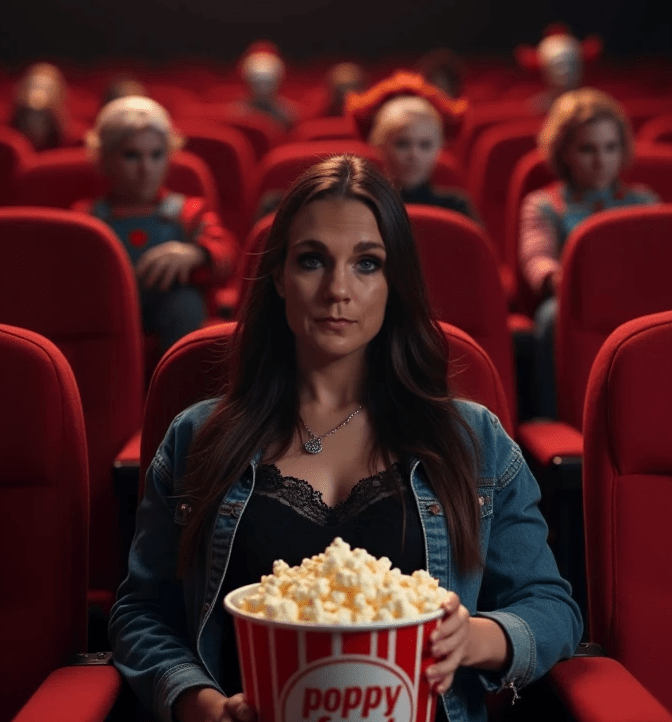
How To Survive a Crowded Movie Theater Mass Shooting

Movie theaters present a unique set of risks. They are dark, loud, crowded, and often designed like controlled funnels with limited exits. When violence erupts in such an environment, confusion spreads faster than facts. Survival depends on decisions made in seconds, not minutes.

This article is not about heroics. It is about staying alive, helping others if you can do so safely, and getting home. We will cover how to hide effectively, how to slow down or disrupt a violent event without reckless action, how to spot danger before it unfolds, and what everyday gear can quietly increase your odds of survival.

Prepared people don’t panic. They execute plans.


Understanding the Movie Theater Environment

Before discussing survival actions, you need to understand the terrain.

A typical movie theater includes:

  • A large, dark auditorium
  • Narrow rows with limited mobility
  • Loud sound masking outside noise
  • A few exits, often behind or near the screen
  • Crowds that may freeze or stampede

These factors work against unprepared people. Your goal is to mentally map the environment before the lights go down.

Survival starts before the previews.


Being Proactive: Spotting a Potential Threat Before It Starts

Most people never look up from their phones when entering a theater. A survival prepper does.

Watch the Entrances

When you enter:

  • Identify all exits, not just the one you came through
  • Note side doors, emergency exits, and aisle spacing
  • Sit where you have line-of-sight to at least one exit

Avoid sitting dead center, deep in the middle of a packed row. End seats and aisle seats give you mobility.

Observe People, Not Paranoia

You are not profiling. You are observing behavior.

Potential warning signs include:

  • Someone entering late and lingering near the entrance
  • Bulky clothing inconsistent with weather
  • Visible agitation, pacing, or scanning the room excessively
  • Refusal to sit, standing in aisles, or blocking exits
  • Carrying items in a tense, concealed manner

Most of the time, nothing happens. But awareness buys you time, and time saves lives.

Trust Your Instincts

If something feels wrong:

  • Move seats
  • Leave the theater
  • Get a refund later

No movie is worth ignoring your intuition.


The First Seconds: What to Do When Violence Begins

When a mass shooting begins, chaos follows immediately. Your brain may struggle to process what’s happening.

The survival priority is simple:
Get out if you can. Hide if you can’t. Protect yourself until help arrives.

Do not wait for confirmation. Do not assume it’s part of the movie.


Escaping the Theater: When Running Is the Best Option

Escape is your best survival choice if a clear, safe path exists.

How to Move Safely

  • Move quickly but do not sprint blindly
  • Stay low if visibility is poor
  • Keep hands visible when exiting (law enforcement will arrive fast)
  • Do not stop to gather belongings

Avoid bottlenecks if possible. Side exits are often underused and can save lives.

Help Others Only If It’s Safe

If someone falls, you may want to help. But survival math is brutal: one trapped person becomes two.

Assist only if it does not stop your escape.


Hiding to Survive: Best Options Inside a Movie Theater

If escape is not immediately possible, hiding becomes critical.

What Makes a Good Hiding Spot

A survivable hiding position should:

  • Remove you from the shooter’s line of sight
  • Provide physical barriers between you and danger
  • Reduce noise and movement
  • Allow you to barricade if possible

Theater-Specific Hiding Options

Behind the Screen Area
Many theaters have access doors near the screen. If you can get behind the screen or into maintenance corridors, this can provide concealment and secondary exits.

Projection Rooms or Staff Areas
If accessible, these rooms often have lockable doors and solid walls.

Bathroom or Hallway Dead Ends
Not ideal, but better than open seating. Barricade with trash cans or heavy objects.

Between Rows (Last Resort)
If trapped in the auditorium, lie flat between rows, remain still, and avoid silhouetting yourself against aisle lights.

Silence your phone. Dim or disable smartwatches. Noise attracts attention.


Barricading: Slowing Down the Threat Without Direct Confrontation

Stopping a mass shooting is a law enforcement responsibility. However, civilians can slow or disrupt violence through defensive actions.

Barricading Principles

  • Lock doors if possible
  • Stack heavy objects against entry points
  • Wedge doors with furniture
  • Turn off lights
  • Stay out of sight lines

A barricade doesn’t need to be perfect. It needs to buy time.

Time allows:

  • Others to escape
  • Police to arrive
  • The situation to de-escalate

Non-Combat Actions That Can Disrupt a Shooting

This is not about fighting. It is about survival-focused disruption.

Examples include:

  • Pulling fire alarms once safely away (alerts others)
  • Blocking access routes
  • Creating confusion that prevents movement
  • Coordinating quiet evacuation with others

Avoid chasing, confronting, or attempting to “be a hero.” Survival is success.


What to Do When Law Enforcement Arrives

Police response will be fast and intense.

  • Follow commands immediately
  • Keep hands visible
  • Do not point or yell unless instructed
  • Expect to be treated as a potential suspect initially

This is normal. Stay calm.


Survival Gear You Can Always Have on Hand

Preparedness does not mean carrying weapons. It means carrying tools that increase survivability.

Everyday Carry (EDC) for Movie Theaters

Consider items that are legal, discreet, and practical:

  • Small flashlight (for dark exits)
  • Tourniquet or pressure bandage (bleeding control saves lives)
  • Phone with emergency alerts enabled
  • Minimalist first aid kit
  • Comfortable footwear (mobility matters)

Knowledge is also gear. Take a basic bleeding control or first aid class if available.


Mental Preparedness: The Survival Mindset

Your greatest survival tool is not in your pocket—it’s between your ears.

  • Accept that emergencies can happen
  • Decide in advance how you will respond
  • Visualize exits and actions
  • Stay calm under stress

Prepared people move with purpose. Unprepared people freeze.


After the Incident: What to Expect

Even if physically unharmed, emotional effects are normal.

  • Shock
  • Adrenaline crash
  • Confusion
  • Guilt or anger

Seek support. Talk to professionals if needed. Survival includes mental recovery.


Final Thoughts from a Survival Prepper

You don’t prepare because you expect the worst.
You prepare because life is unpredictable.

A movie theater should be a place of enjoyment, not fear. Awareness does not ruin the experience—it quietly protects it. By understanding your environment, recognizing warning signs, and knowing how to react, you dramatically improve your odds of survival.

Preparedness is not paranoia.
Preparedness is peace of mind.

Stay alert. Stay calm. Stay alive.

Chaos in the Aisles: How to Stay Alive During a Grocery Store Mass Shooting

I’ve spent most of my life preparing for disasters most people hope never come. Storms. Grid failure. Civil unrest. Food shortages. But one of the most sobering realities of modern life is this: violence can erupt anywhere, even in places designed to feel safe, familiar, and routine—like your local grocery store.

A grocery store is one of the worst possible environments for a mass-casualty event. Wide open aisles, reflective surfaces, limited exits, crowds of distracted shoppers, and carts that slow movement all work against you. You don’t have to be paranoid to survive—but you do have to be prepared.

This article is not about fear. It’s about awareness, decisiveness, and survival.


Understanding the Grocery Store Threat Environment

Before we talk about survival, you must understand the battlefield—because whether you want it or not, that’s exactly what a mass shooting turns a grocery store into.

Why Grocery Stores Are Vulnerable

  • Multiple public entrances and exits
  • Long, narrow aisles that limit escape angles
  • Loud ambient noise masking gunfire at first
  • Glass storefronts and windows
  • High population density
  • Shoppers mentally disengaged and focused on lists, phones, or kids

Survival begins before anything happens.


How to Be Proactive: Spotting Trouble Before It Starts

Most people don’t realize this, but many mass shooters telegraph their intent—sometimes subtly, sometimes blatantly. You don’t need to profile people. You need to recognize behavioral red flags.

Warning Signs to Watch For

  • Someone wearing heavy clothing in hot weather
  • Visible agitation, pacing, clenched jaw, or shaking hands
  • Fixated staring or scanning instead of shopping
  • Carrying a bag or object held unnaturally tight
  • Entering without a cart, basket, or intent to shop
  • Rapid movement toward central store areas
  • Audible statements of anger, grievance, or threats

Trust your instincts. If something feels wrong, leave immediately. Groceries can wait. Your life cannot.

Strategic Awareness Tips

  • Always identify two exits when entering
  • Note where bathrooms, stock rooms, and employee-only doors are
  • Avoid lingering in the center of the store
  • Shop near perimeter aisles when possible
  • Keep headphones volume low or off

Prepared people don’t panic—they move early.


Immediate Actions When a Shooting Begins

If gunfire erupts, seconds matter. Your goal is simple:

SurVIVE. ESCAPE if possible. HIDE if necessary. RESIST only as a last resort.

This is not movie hero time. This is survival time.


How to Escape a Mass Shooting in a Grocery Store

Escape is always the best option—but only if it can be done safely.

Escape Principles

  • Move away from gunfire, not toward it
  • Drop your cart immediately
  • Use side aisles, not main aisles
  • Avoid bottlenecks at main entrances
  • Exit through employee doors, stock areas, or fire exits if accessible
  • Leave belongings behind—speed is survival

If you escape:

  • Run until you are well clear of the store
  • Put hard cover between you and the building
  • Call 911 when safe
  • Do not re-enter for any reason

Hiding to Survive Inside a Grocery Store

If escape is impossible, hiding may save your life—but only if done correctly.

Best Places to Hide

  • Walk-in freezers or coolers (if they lock or can be barricaded)
  • Employee-only stock rooms
  • Behind heavy shelving units
  • Storage areas with solid doors
  • Office areas away from public access

How to Hide Effectively

  • Turn off all phone sounds immediately
  • Lock or barricade doors
  • Stack heavy items (carts, pallets, shelving)
  • Sit low and remain silent
  • Spread out if hiding with others
  • Prepare to stay hidden for an extended period

Avoid:

  • Bathrooms with no secondary exits
  • Glass-fronted rooms
  • Large open spaces
  • Hiding under checkout counters alone

Stillness and silence keep you alive.


Slowing or Stopping a Mass Shooting: Survival-Focused Actions

Let me be very clear: your primary responsibility is survival, not confrontation. However, there are non-offensive actions that can reduce harm and increase survival odds.

Defensive, Survival-Oriented Actions

  • Barricade access points with heavy objects
  • Pull shelving units down to block aisles
  • Lock or wedge doors
  • Turn off lights in enclosed areas
  • Break line of sight using obstacles

Group Survival Measures

  • Communicate quietly
  • Assign someone to watch entrances
  • Prepare to move only if necessary
  • Aid the injured if safe to do so

Direct confrontation should only be considered if immediate death is unavoidable, escape is impossible, and lives are imminently threatened. Even then, survival—not heroics—is the goal.


What to Do If You Are Injured

Bleeding kills faster than fear.

Immediate Medical Priorities

  • Apply direct pressure
  • Use tourniquets if available
  • Pack wounds if trained
  • Stay still once bleeding is controlled

If You Are Helping Others

  • Drag them to cover if safe
  • Do not expose yourself unnecessarily
  • Focus on stopping bleeding first

Learning basic trauma care saves lives.


Survival Gear You Can Always Have at the Grocery Store

Preparedness doesn’t mean looking tactical. It means being smart and discreet.

Everyday Carry (EDC) Survival Items

  • Tourniquet (compact, pocket-sized)
  • Pressure bandage
  • Flashlight
  • Whistle
  • Phone with emergency contacts preset
  • Minimal first-aid kit
  • Pepper spray (where legal, used defensively only)

Vehicle-Based Gear

  • Trauma kit
  • Extra tourniquets
  • Change of clothes
  • Emergency water
  • Phone charger

You don’t need everything—just the right things.


Mental Preparedness: The Survival Mindset

Survival is as much mental as physical.

Key Mental Rules

  • Accept reality quickly
  • Act decisively
  • Avoid freezing
  • Help others only if it doesn’t cost your life
  • Stay calm and breathe deliberately

People survive because they decide to survive.


After the Incident: What to Expect

Once law enforcement arrives:

  • Keep hands visible
  • Follow commands immediately
  • Expect confusion and delays
  • Provide information calmly
  • Seek medical evaluation even if you feel fine

Trauma doesn’t end when the noise stops. Take care of your mental health afterward.


Final Thoughts from a Survival Prepper

You don’t prepare because you expect violence—you prepare because you value life.

Most days, a grocery store is just a grocery store. But preparedness means acknowledging that things can change in seconds. Awareness, movement, concealment, medical readiness, and mindset save lives.

You don’t need fear.
You need readiness.

Stay aware. Stay humble. Stay alive.
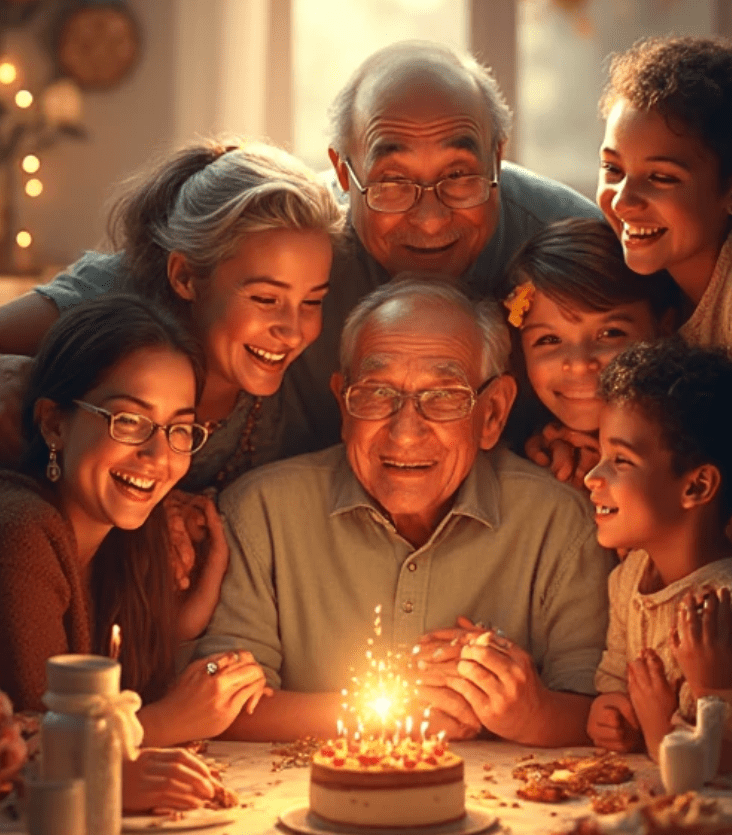
Nancy “The Babe” Michelini is New Mexico’s Leading Female Survival Prepper

Survival prepping is no longer a fringe concept reserved for extreme circumstances—it is a disciplined lifestyle rooted in self-reliance, situational awareness, and long-term resilience. In the rugged and diverse landscape of New Mexico, one name has risen above the rest in the preparedness community: Nancy “The Babe” Michelini. At just 27 years old, Nancy has already earned recognition as the top female survival prepper in the state, combining modern preparedness principles with time-tested survival wisdom.

New Mexico is a proving ground for preppers. Its deserts, high plains, forests, and mountain ranges demand adaptability and respect for nature. Nancy has not only embraced these challenges—she has mastered them. Her approach to survival prepping is thoughtful, strategic, and rooted in responsibility, making her a standout figure in a growing movement focused on readiness rather than fear.


Who Is Nancy “The Babe” Michelini?

Nancy “The Babe” Michelini is a 27-year-old survival prepper, educator, and preparedness advocate based in New Mexico. Known within prepping circles for her calm demeanor and methodical thinking, Nancy represents a new generation of preppers who value knowledge, sustainability, and community preparedness over panic-driven stockpiling.

Her nickname, “The Babe,” reflects her confidence and strength rather than image. Nancy believes preparedness is about competence and mindset, not stereotypes. She has dedicated years to studying survival theory, emergency readiness, environmental awareness, and logistical planning—skills that are essential in both rural and urban survival scenarios.

What sets Nancy apart is her balance. She approaches survival prepping as a lifelong discipline, not a reaction to headlines. Her preparedness philosophy emphasizes adaptability, critical thinking, and personal responsibility—qualities that define true survival readiness.


Why Nancy Loves Survival Prepping

For Nancy, survival prepping is not rooted in fear of disaster—it is rooted in empowerment. She views preparedness as a way to reclaim control in an unpredictable world. Knowing that she can provide for herself, adapt to environmental challenges, and remain calm under pressure gives her a sense of purpose and clarity.

Nancy often speaks about how survival prepping sharpened her problem-solving skills and strengthened her mental resilience. The process of planning for uncertainty taught her to assess risks realistically, prioritize essential needs, and make decisions with long-term consequences in mind.

She also values the ethical side of prepping. Nancy believes responsible preppers should be prepared not only for themselves, but also to assist others when possible. Community resilience, she says, begins with individual readiness.


Aiming to Become the World’s Top Prepper

Nancy’s ambition extends far beyond state lines. Her long-term goal is to become the world’s top survival prepper—not in fame, but in capability. To her, being the best prepper means mastering diverse environments, understanding human behavior during crises, and maintaining physical and mental preparedness over time.

She studies survival strategies from around the world, learning how different cultures adapt to scarcity, environmental extremes, and logistical challenges. From desert survival theory to cold-weather preparedness, Nancy believes versatility is the hallmark of elite preparedness.

Becoming the world’s top prepper also means setting an example. Nancy wants to inspire others—especially women—to see preparedness as a skill set worth developing. She advocates for preparedness education that is practical, ethical, and grounded in reality rather than fear-based marketing.


Why New Mexico Is Ideal for Survival Preppers

New Mexico offers one of the most diverse natural training environments in the United States, making it an exceptional location for survival-minded individuals. Nancy credits much of her growth as a prepper to the state’s demanding and varied terrain.

1. Diverse Climate Zones

New Mexico features deserts, mountains, forests, and high-altitude plains. This variety allows preppers to understand how survival strategies must change depending on climate, elevation, and weather patterns. Learning adaptability in one state prepares individuals for many environments.

2. Abundant Open Land

Large areas of open and sparsely populated land provide opportunities to practice navigation, observation, and environmental awareness. Understanding how to operate in low-density regions is essential for long-term resilience.

3. Strong Sun Exposure

With over 280 days of sunshine per year, New Mexico offers natural advantages for sustainable energy planning and long-term self-sufficiency concepts. Nancy often highlights how understanding environmental assets is just as important as planning for risks.

4. Rich Cultural History of Self-Reliance

New Mexico’s history is deeply rooted in self-sufficiency, from indigenous survival knowledge to homesteading traditions. Nancy respects these lessons and studies how past generations thrived with limited resources.

5. Wildlife and Natural Resources

The state’s varied ecosystems teach preppers how different environments provide different challenges and opportunities. Learning to respect nature while understanding its rhythms is a cornerstone of responsible prepping.


Nancy’s Survival Prepper Philosophy

Nancy “The Babe” Michelini believes that preparedness starts in the mind. Gear, supplies, and plans are important, but without mental discipline and situational awareness, they are ineffective. Her philosophy centers on three pillars:

  • Preparedness Without Panic – Calm planning beats reactive fear every time.
  • Adaptability Over Rigidity – The best plan is one that can change.
  • Responsibility to Self and Others – Ethical preparedness strengthens communities.

She also emphasizes continuous learning. Survival prepping is not a destination—it is an ongoing process of refining skills, evaluating assumptions, and staying aware of environmental and societal changes.


Redefining the Image of a Survival Prepper

Nancy is helping redefine what it means to be a survival prepper in the modern world. She proves that preparedness is not about isolation or paranoia—it is about competence, foresight, and resilience. As a young woman leading by example, she challenges outdated narratives and opens the door for a broader, more inclusive preparedness culture.

Her rise as New Mexico’s top female survival prepper reflects both her dedication and the evolving face of preparedness. Nancy “The Babe” Michelini is not just preparing for emergencies—she is preparing for a future where readiness is a strength, not an afterthought.

Nuclear War Won’t Kill You First—People Will

The beginning of a nuclear war will not look like the movies. There won’t be heroic music, clear villains, or a neat countdown clock. What you’ll get instead is confusion, panic, misinformation, and millions of scared, selfish people who suddenly realize the system they trusted is gone. The blast is terrifying, sure. The radiation is deadly. But people? People will be the real danger from minute one.

I’ve spent years preparing for disasters because I don’t trust society to hold itself together when things get ugly. And nuclear war is the ugliest scenario humanity has ever engineered. When it starts, the rules you think exist—laws, politeness, morality—will evaporate faster than common sense in a crowded city. If you want to survive the opening phase, you need to stop thinking like a citizen and start thinking like a survivor.

The First Hours: Panic Is Contagious

When the first alerts hit—whether it’s sirens, phone warnings, or social media exploding—you’ll see mass panic almost immediately. People will rush to gas stations, grocery stores, pharmacies, and highways. Not because it’s logical, but because panic spreads faster than radiation.

Your biggest mistake would be joining the herd. Crowds are dangerous in normal times. In a nuclear crisis, they’re lethal. People will fight over fuel, trample each other for food, and pull weapons they barely know how to use. All it takes is one loud noise or rumor to turn a crowd into a riot.

If you are not already in a safe location when the news breaks, your priority is simple: get away from people, not toward supplies. The supplies will still be there later—assuming anyone survives to use them. Crowds, on the other hand, will get violent fast.

Shelter Is About Distance From People, Not Comfort

Everyone talks about bunkers, basements, and fallout shelters. What they don’t talk about is who else wants to use them. Public shelters will be chaos. Shared shelters will become power struggles. The more people involved, the faster cooperation turns into conflict.

Your shelter doesn’t need to be perfect. It needs to be discreet. A quiet, low-profile location away from main roads and population centers is worth more than the most well-stocked shelter surrounded by desperate neighbors. The less visible you are, the less likely someone will decide you have something worth taking.

Noise discipline matters. Light discipline matters. Smoke, generators, and loud conversations will advertise your location to people who are already on edge. In the early days of nuclear war, attention is a liability.

Trust No One—Especially at the Beginning

This is the part that makes people uncomfortable, but comfort died the moment the missiles launched. At the beginning of a nuclear war, trust is a luxury you cannot afford.

People you’ve known for years may turn on you if they think you have food, water, or shelter. Strangers will lie without hesitation. Some will cry, beg, or tell convincing stories because desperation strips away shame.

That doesn’t mean you become a monster. It means you become cautious. Help can wait. Survival cannot. If you give away your supplies or expose your shelter in the first wave of chaos, you’re signing your own death warrant.

Later—much later—small, trusted groups may form. But in the opening phase, when fear is at its peak and information is nonexistent, isolation is often safer than cooperation.

Information Will Be Weaponized

During the early stages of nuclear conflict, information will be wrong, delayed, or deliberately misleading. Governments will downplay damage. Social media will amplify rumors. People will repeat anything that gives them hope or justifies their panic.

Following bad information can get you killed. Evacuation orders may send you straight into fallout zones. “Safe routes” may be clogged with abandoned vehicles and armed opportunists.

Your best strategy is to assume that official information is incomplete and public chatter is useless. Make decisions based on preparation and observation, not headlines. If you prepared in advance, now is the time to follow your plan—not improvise based on someone else’s fear.

Resources Turn People Into Predators

Food, water, medical supplies, and shelter will instantly become currency. And where currency exists, so do predators. Some people will organize quickly—not to help, but to take.

Looting will start almost immediately. At first it will target stores. Then it will move to homes. Anyone who looks prepared becomes a target. If you look calm, organized, or well-supplied, someone will notice.

This is why blending in matters early on. Do not advertise preparedness. Do not show off gear. Do not talk about what you have. Scarcity turns envy into violence.

Movement Is Risky—Staying Put Is Usually Safer

In the early phase of nuclear war, movement exposes you to people, fallout, and bad decisions. Every mile traveled increases the chance of confrontation. Roadblocks—official or otherwise—will appear. Some will be manned by authorities. Others will be manned by people with guns and no rules.

If you have shelter and supplies, staying put is often the best option. Let the initial wave of chaos burn itself out. People will exhaust themselves panicking, fighting, and fleeing. Those who survive will slow down eventually.

Moving later, when desperation has thinned the population and patterns have emerged, is safer than moving immediately into the storm.

Self-Defense Is About Deterrence, Not Heroics

If you think the beginning of nuclear war is the time to play hero, you won’t last long. Self-defense is not about winning fights—it’s about avoiding them.

A visible ability to defend yourself can deter some threats, but it can also attract others. The goal is to look uninteresting, not intimidating. You want to be the house people pass by, not the one they think is worth the risk.

If confrontation is unavoidable, end it quickly and decisively. Hesitation invites escalation. But understand this: every conflict increases your visibility and your risk. Violence is sometimes necessary, but it always has consequences.

Psychological Survival Matters

Anger will keep you alert, but despair will get you killed. The beginning of nuclear war will crush illusions—about safety, about society, about human goodness. That realization hits people hard.

You need to accept the reality quickly: the world you knew is gone, and no one is coming to save you. Once you accept that, you can focus on what actually matters—staying alive, staying hidden, and staying disciplined.

Routines help. Silence helps. Purpose helps. Panic is the enemy.

The Hard Truth No One Likes to Admit

Most people are not prepared. Most people are not mentally equipped for collapse. When nuclear war begins, those people will do irrational, dangerous things. Not because they’re evil, but because they’re scared.

Your job is not to fix society. Your job is to survive it.

The beginning of nuclear war is not about rebuilding or community or hope. That comes later, if it comes at all. The beginning is about enduring the worst behavior humanity has to offer while the fallout settles—both literal and psychological.

If you can stay out of sight, out of crowds, and out of other people’s plans, your odds improve dramatically. The bombs may fall without warning, but human behavior is predictable. Panic. Greed. Violence.

Prepare for that, and you stand a chance.

How To Survive to 100 Years Old During the Post Apocalypse

The post apocalypse isn’t a movie montage with acoustic guitars and found families. It’s starvation, stupidity, betrayal, and the slow grinding realization that most people were dead weight before the world ended.

If you want to live to 100 years old after everything collapses, you’ll need to accept one harsh truth: survival is lonely, bitter, and unforgiving. The weak die early. The careless die loudly. And the optimistic usually die first.

This isn’t about heroics. This is about outlasting everyone else.

Step One: Accept That Civilization Is Gone (For Good)

One of the biggest killers in a post-apocalyptic world is denial. People cling to the idea that “things will go back to normal.” They wait for governments that no longer exist, rescue teams that were never coming, and systems that collapsed under their own incompetence.

You don’t survive to 100 by waiting.

You survive by understanding that civilization was fragile, bloated, and overdue for collapse. There is no cavalry. There is no reset button. The faster you accept that the old world is dead, the faster you stop making fatal decisions based on nostalgia.

Survivors adapt. Everyone else reminisces until they starve.

Step Two: Stop Trusting People Blindly

Before the apocalypse, people were already selfish, short-sighted, and dangerously ignorant. Remove laws, comfort, and consequences, and you don’t get cooperation—you get predators.

If you think “community” will save you, ask yourself this: how many people around you were useful before everything fell apart? How many could grow food, purify water, repair tools, or shut up when silence mattered?

Exactly.

Living to 100 means being selective. Alliances should be temporary, transactional, and constantly reassessed. Trust is earned through consistency, not shared misery. Anyone who talks too much about unity usually wants something from you.

Keep your circle small. Keep your expectations smaller.

Step Three: Master Boring Skills (They Keep You Alive)

Forget tactical fantasies. Survival to old age depends on boring, repetitive, unglamorous skills that never trend on social media.

You need to know how to:

  • Grow calorie-dense food in poor soil
  • Preserve food without electricity
  • Filter and boil water endlessly
  • Repair clothing, tools, and shelter
  • Treat basic injuries without hospitals
  • Walk long distances without destroying your joints

Living to 100 isn’t about being dangerous—it’s about being durable.

The apocalypse rewards people who can wake up every day and do the same miserable tasks without complaint. If you need excitement, you won’t last.

Step Four: Calories Are Everything (Moral High Ground Is Optional)

You don’t live to 100 by eating “clean.” You live to 100 by eating enough.

Calories are survival currency. Fat is not your enemy. Protein is not optional. Anyone who wastes food to prove a point will be dead long before old age becomes a concern.

You should prioritize:

  • Long-term calorie storage
  • Animals that reproduce quickly
  • Crops that don’t require constant babysitting
  • Eating parts of animals people used to throw away

Ethics change when hunger is permanent. That’s not cruelty—that’s reality.

Step Five: Avoid Violence When Possible (But Be Capable of It)

Violence shortens lifespans. Every fight risks injury, infection, and retaliation. People who glorify combat usually don’t live long enough to regret it.

That said, weakness invites violence.

If you want to reach 100, you must project capability without constantly proving it. Know how to defend yourself. Know how to escape. Know when to disappear rather than “win.”

The smartest survivors are the ones nobody notices until it’s too late to bother them.

Step Six: Build for the Long Haul, Not the Headlines

Temporary shelters kill people slowly. Exposure, bad posture, and untreated injuries compound over decades. You don’t need luxury—but you need sustainability.

Focus on:

  • Weather-resistant shelter
  • Proper sleeping arrangements
  • Warmth without constant fuel consumption
  • Redundancy in tools and systems
  • Minimal reliance on scavenging

Scavenging is a young person’s game. If you want to be alive at 80, you’d better have systems in place by 40.

Step Seven: Protect Your Body Like It’s the Last One You’ll Ever Have

Because it is.

There are no replacements. No surgeries. No miracle drugs. Every injury is permanent damage to your timeline.

Stretch. Rest. Avoid unnecessary strain. Learn how to lift, carry, and work efficiently. Pain ignored today becomes disability tomorrow.

Survivors who last decades treat their bodies like irreplaceable machinery, not expendable tools.

Step Eight: Prepare for Mental Decay (It’s Coming)

Longevity isn’t just physical. Isolation, grief, and monotony erode the mind. People crack. They take risks. They stop caring.

You need structure. Routine. Purpose—even if it’s arbitrary.

Read. Write. Track seasons. Teach yourself something pointless just to keep thinking. A dull mind makes fatal mistakes.

The apocalypse doesn’t just kill bodies—it rots attention spans.

Step Nine: Expect to Be Disappointed Constantly

People will fail you. Plans will collapse. Crops will fail. Weather will ruin everything you worked for.

If you expect fairness, you’ll break.

Living to 100 requires emotional calluses. You don’t rage at reality. You adapt, adjust, and keep going. Anger is fuel—but only if you aim it inward as discipline, not outward as chaos.

Step Ten: Outlive the Noise

Most people won’t make it 10 years. Fewer will make it 20. By the time you’re old, the world will be quieter—not because it’s peaceful, but because most voices are gone.

That’s when patience pays off.

You survive to 100 not by being special, but by being relentless, cautious, and deeply unimpressed by human nature.

The post apocalypse doesn’t reward optimism. It rewards preparation, stubbornness, and the refusal to die just because the world thinks you should.

If that makes you bitter, good.

Bitterness lasts longer than hope.

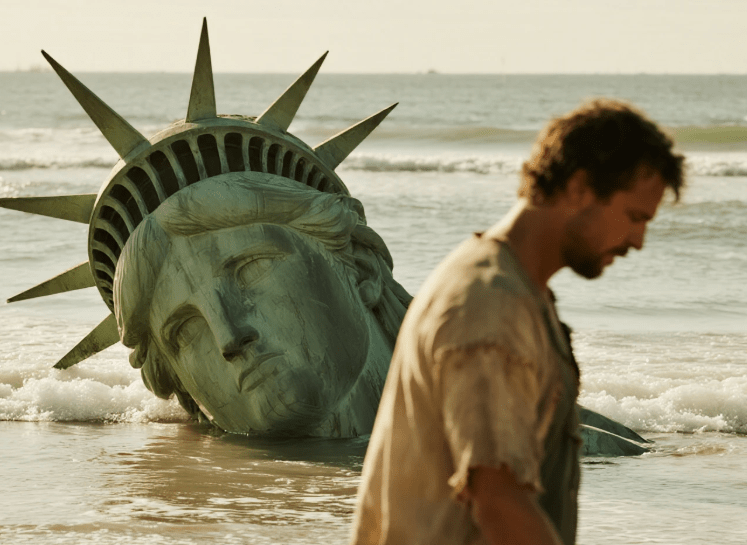
How to Stay Alive on a Deserted Island With Two Broken Legs

Stranded on a Deserted Island With Two Broken Legs and No One Around to Help? Here’s How You Stay Alive

Let’s get one thing straight: survival is not about strength, speed, or heroics. It’s about decision-making under pressure. If you are stranded on a deserted island with two broken legs, mobility is gone, rescue is uncertain, and pain is constant. Panic will kill you faster than dehydration if you let it. The good news? Humans have survived worse with less — but only when they follow priorities, not emotions.

This scenario strips survival down to its rawest form. No hiking for help. No building elaborate shelters. No chasing food. Everything you do must be deliberate, efficient, and brutally realistic.

Here’s how you stay alive.


Step One: Accept the Situation and Control Shock

The moment you realize both legs are broken, survival becomes mental before it becomes physical.

Broken bones introduce three immediate threats:

  • Shock
  • Infection
  • Dehydration

Do not move unless absolutely necessary. Uncontrolled movement increases internal bleeding and worsens fractures. Slow your breathing. Elevate your legs slightly if possible and stabilize them using anything available — driftwood, broken branches, belts, clothing, or vines. Immobilization isn’t about comfort; it’s about preventing further damage.

Pain will cloud judgment. You must consciously slow your thoughts. Survival isn’t urgent motion — it’s calm management.


Step Two: Secure Water Before Anything Else

You can survive weeks without food. You may not survive three days without water — especially in heat.

Since you cannot walk, water must come to you or be collected within crawling distance.

Water options to prioritize:

  • Rainwater (highest priority)
  • Coconut water (if available)
  • Solar stills
  • Morning dew collection

If you’re near the shoreline, do not drink seawater. That mistake ends survival fast.

Use clothing, leaves, shells, or hollowed coconuts to collect rainwater. If rain isn’t immediate, create a basic solar still using plastic debris, vegetation, and a container. Even minimal daily water intake dramatically improves survival odds.

Dehydration kills quietly. Solve water first, or nothing else matters.


Step Three: Prevent Infection Like Your Life Depends on It (Because It Does)

Broken legs in a tropical or coastal environment invite infection — which can kill even if rescue eventually comes.

If bones are exposed, do not attempt to reset them unless trained. Focus on cleaning wounds using the cleanest water available. Saltwater can be used cautiously to flush debris if nothing else exists, but freshwater is better.

Cover wounds with clean fabric, leaves with antimicrobial properties (if known), or improvised bandages. Change coverings daily if possible.

Flies, sand, and moisture are your enemy. Infection will drain your strength and clarity long before hunger does.


Step Four: Create Shade and Shelter Without Standing

Exposure is the silent killer most people underestimate.

Direct sun, wind, or rain will sap your energy and worsen injuries. Your shelter does not need to be impressive — it needs to:

  • Keep you shaded
  • Keep you dry
  • Reduce wind exposure

Use driftwood, fallen palm fronds, leaves, or wreckage to create a low-profile lean-to within arm’s reach. Crawl only if necessary. Every movement costs calories and pain.

If nights are cold, insulate the ground beneath you with leaves, seaweed (dried), or debris. The ground will drain body heat faster than air.


Step Five: Food Is Secondary — But Still Important

With broken legs, hunting and foraging are limited. This is where patience and realism keep you alive.

Low-effort food sources:

  • Coconuts
  • Shellfish trapped by tides
  • Crabs caught using bait and simple traps
  • Seaweed (certain edible varieties)

Avoid anything you cannot confidently identify as edible. Poisoning yourself ends the story quickly.

Your goal is maintenance, not strength. Small, reliable calories beat risky foraging every time.


Step Six: Manage Energy Like a Finite Currency

Every action has a cost. With injuries, that cost multiplies.

Rules to live by:

  • Do not move unless the reward outweighs the risk
  • Rest whenever possible
  • Perform tasks during cooler hours
  • Avoid unnecessary exposure to sun

Pain management matters. Slow breathing, controlled movement, and minimizing stress reduce shock and energy drain.

Survival favors those who last, not those who rush.


Step Seven: Signaling for Rescue Is a Daily Job

You are not escaping the island on broken legs. Rescue must come to you.

Make yourself visible.

Effective signaling methods:

  • Signal fires (three is the universal distress signal)
  • Reflective surfaces (metal, mirrors, glass)
  • Ground symbols visible from the air
  • Smoke during daylight

Build signals early, then maintain them. Do not wait until you “feel better.” Rescue windows are unpredictable, and missed opportunities are fatal.


Step Eight: Protect Your Mind — Isolation Is a Threat

Mental collapse ends survival even when the body could endure longer.

You must maintain structure:

  • Keep a daily routine
  • Track time by sun and tide
  • Set small achievable goals
  • Talk out loud if necessary

Hope is not wishful thinking — it’s discipline. You survive by believing rescue is possible and behaving like it’s coming.

People don’t die because they’re alone. They die because they stop trying to stay alive.

Step Nine: Prepare for Long-Term Survival, Not Comfort

If days pass without rescue, your focus shifts from emergency to endurance.

Improve your shelter incrementally. Improve water collection. Improve signaling. Do not gamble on dramatic solutions.

Your legs may not heal fully, but immobilization, reduced infection, hydration, and nutrition improve survival odds dramatically over weeks.

History proves this: humans survive impossible injuries when they manage priorities correctly.


Final Thoughts: Survival Is a Skill, Not a Miracle

Being stranded on a deserted island with two broken legs is not a movie scene — it’s a brutal math problem. Water, infection control, shelter, signaling, and mental discipline determine the outcome.

This is why survival prepping matters. Not because you expect disaster — but because you understand reality doesn’t ask permission.

You don’t survive by being fearless.
You survive by being prepared, patient, and relentless.

And in the end times — or on a forgotten island — that mindset is the difference between a story told and a story ended.

Pretty American Women Are Forced to Keep a Look-out from Sexual Predators (Ugly Women Are More Safe)

In America, being a pretty woman is not a privilege. It’s a liability. It’s a target painted on your back by a society that refuses to control its predators and instead quietly expects women to adapt, adjust, and survive.

Pretty women don’t get to move through the world freely. They move through it cautiously, scanning faces, exits, reflections in windows, and the tone of a stranger’s voice. They don’t walk—they calculate. They don’t relax—they remain alert. And the tragedy is this: none of this is their fault.

Yet here we are.

As a survival-minded person, I believe in preparation because denial gets people hurt. And women—especially visibly attractive women—are being hurt every day by a culture that excuses predatory behavior while policing female existence. I am angry not at women, but at a world that has forced them into a constant state of readiness.

The Predator Problem We Refuse to Name

Let’s be honest. Sexual predators don’t look like monsters. They look like coworkers, dates, friends of friends, neighbors, authority figures, and “nice guys.” They blend in because society allows them to. We teach women to be polite instead of teaching men to stop.

Pretty women are often punished simply for existing. Attention is framed as “flattering,” harassment as “compliments,” stalking as “romantic interest.” And when boundaries are crossed, the blame shifts instantly: What was she wearing? Why was she there? Why didn’t she leave sooner?

Predators thrive in this fog of excuses.

From a survival prepper’s perspective, this is a systemic failure. When threats are normalized, the burden of defense shifts to the potential victim. That’s what has happened to women in America.

Living in Condition Yellow: The Female Default

Survivalists talk about situational awareness—being alert without being paranoid. For pretty women, this isn’t a choice. It’s the default setting.

They know where the exits are in every room.
They monitor drinks.
They text friends when they arrive and when they leave.
They keep keys between their fingers.
They pretend to be on phone calls.
They lie about having a boyfriend.

This isn’t living. This is managing risk.

And the mental toll is enormous. Being constantly “on” drains joy, spontaneity, and trust. Pretty women don’t get to be naive. Naivety is punished swiftly and cruelly.

What Pretty Women Must Do to Survive (Without Apology)

Let me be crystal clear: nothing a woman does makes her responsible for predatory behavior. The responsibility always belongs to the predator.

But survival isn’t about fairness. It’s about reality. And reality demands preparation.

Here are hard truths and survival strategies—not because women should have to use them, but because too many times they’ve been the difference between safety and trauma.

1. Trust Instincts Over Social Conditioning

If something feels off, it is. Women are taught to doubt their intuition to avoid being rude. That conditioning gets women hurt. Survival means choosing safety over politeness every time.

You don’t owe anyone your time, attention, smile, or explanation.

2. Control Your Information

Oversharing is dangerous. Be cautious about revealing:

  • Your routines
  • Where you live
  • When you’re alone
  • Your emotional vulnerabilities

Predators gather data before they strike. Starve them.

3. Build Layers of Defense

A prepper never relies on one tool. Neither should women.

  • Physical awareness
  • Verbal assertiveness
  • Digital privacy
  • Social accountability (people who know where you are)

No single measure is enough. Safety comes from redundancy.

4. Learn to Be Loud—Verbally and Socially

Predators rely on silence and confusion. Drawing attention disrupts them. Assertive language, eye contact, and public accountability matter.

Silence protects predators. Noise protects women.

5. Stop Apologizing for Self-Protection

Women are trained to soften boundaries. Survival requires hard edges. If someone reacts badly to your boundaries, that reaction is the warning.

You don’t negotiate with threats. You exit.

The Emotional Cost No One Talks About

Here’s the part that makes me angriest.

Women are expected to carry all of this quietly. To smile. To stay attractive. To remain approachable. To not become “bitter” or “cold” or “difficult.”

But survival changes you.

It hardens your instincts and sharpens your skepticism. And women are judged for that too.

Pretty women are punished for being attractive and punished again for protecting themselves. It’s an impossible balance in a society that refuses to hold predators accountable.

This Is Not Empowerment—It’s Endurance

Let’s stop pretending this constant vigilance is empowering. It’s exhausting. It’s a tax paid in anxiety, lost trust, and altered lives.

A survival prepper prepares because the system fails. That’s what women are doing—compensating for a broken culture with personal vigilance.

And I am furious that they have to.

A Final Word From Someone Who’s Tired of Being Realistic

The world should not require women to become experts in threat assessment just to exist safely. Pretty women should not have to armor themselves against a society that consumes them with its eyes and excuses its hands.

Until accountability replaces entitlement, survival will remain necessary.

So prepare. Protect yourself. Trust your instincts. Choose your safety over comfort. And never let anyone convince you that your caution is paranoia or your boundaries are cruelty.

They are survival.

And the fact that they’re necessary is the real tragedy.