10 Deadliest Insects in North America That Can Kill You If You’re Not Paying Attention

People love to pretend North America is “safe.” Safe neighborhoods. Safe hiking trails. Safe backyards. That lie falls apart the second you realize how many things here can kill you without making a sound. No growl. No warning. Just a sting, a bite, or a microscopic parasite riding in on six legs.

Insects don’t care about your politics, your optimism, or your belief that “it won’t happen to me.” They’ve been killing humans long before cities existed, and they’ll keep doing it long after society collapses under its own stupidity.

Below are 10 of the most dangerous insects in North America—where they live, how they kill, and how you might survive if you stop being careless and start paying attention.


1. Mosquito
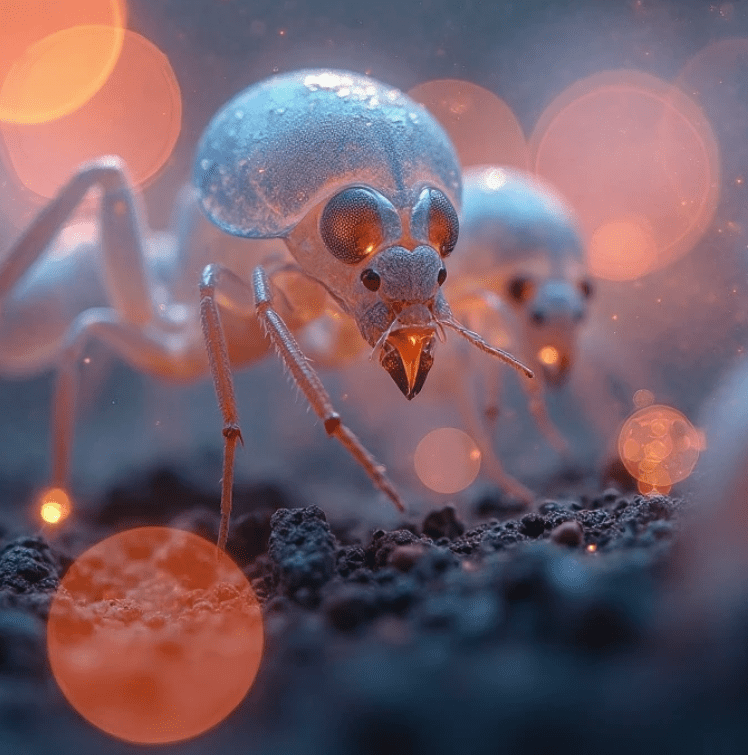
Location: Everywhere. Literally everywhere.
Why It’s Deadly: Disease transmission

If you think mosquitoes are just annoying, you’re already behind. Mosquitoes kill more humans than any other creature on the planet, and North America is no exception. West Nile virus, Eastern Equine Encephalitis, Zika—take your pick. You don’t feel the danger until it’s already in your bloodstream.

How to Survive:

  • Eliminate standing water around your home
  • Wear long sleeves at dusk and dawn
  • Use real insect repellent, not “natural” nonsense
  • Install window screens and actually maintain them

Ignore mosquitoes, and you’re gambling with your nervous system.


2. Africanized Honey Bee (“Killer Bee”)

Location: Southwest U.S., spreading north
Why It’s Deadly: Mass stings and venom overload

One bee sting won’t kill most people. Hundreds will. Africanized honey bees don’t stop when you run. They don’t warn you politely. They attack in swarms and chase victims for long distances.

How to Survive:

  • Run immediately if attacked—do not stand your ground
  • Cover your face and airway
  • Get indoors or into a vehicle fast
  • Seek medical attention after multiple stings

These bees don’t care that humans “own” the land now.


3. Brown Recluse Spider

Location: Midwest and Southern U.S.
Why It’s Deadly: Necrotic venom

This spider doesn’t kill everyone it bites—but when it does, it does it slowly and horribly. The venom destroys tissue, causing wounds that rot from the inside out. Infection and organ failure follow if untreated.

How to Survive:

  • Shake out shoes, gloves, and clothing
  • Seal cracks in walls and foundations
  • Seek medical help immediately after a suspected bite

Brown recluses thrive in clutter. Clean your environment or pay for it.


4. Black Widow Spider

Location: Throughout North America
Why It’s Deadly: Neurotoxic venom

Black widow venom attacks the nervous system, causing muscle paralysis, severe pain, and respiratory distress. Children, elderly adults, and people with weak health are especially vulnerable.

How to Survive:

  • Wear gloves when working in sheds or woodpiles
  • Reduce insect populations that attract spiders
  • Get medical treatment quickly—antivenom exists

Ignoring pain because you “don’t want to overreact” is how people die.


5. Fire Ant
Location: Southern U.S.
Why It’s Deadly: Venom and allergic reactions

Fire ants don’t sting once. They swarm, latch on, and inject venom repeatedly. For people with allergies, this can trigger fatal anaphylaxis. Even without allergies, massive stings can lead to infection and systemic reactions.

How to Survive:

  • Avoid ant mounds—watch where you step
  • Treat property infestations aggressively
  • Carry antihistamines or an EpiPen if allergic

Fire ants are proof that size doesn’t matter when numbers are on your enemy’s side.


6. Tsetse Fly (Rare but Documented Risk)

Location: Extremely rare, imported cases
Why It’s Deadly: African sleeping sickness

This isn’t common—but globalization keeps bringing foreign threats home. The tsetse fly transmits parasites that cause neurological collapse if untreated.

How to Survive:

  • Seek medical attention after unexplained fevers post-travel
  • Avoid complacency with imported insects

Nature doesn’t respect borders. Neither should your preparedness.


7. Kissing Bug (Triatomine Bug)

Location: Southern and Southwestern U.S.
Why It’s Deadly: Chagas disease

This insect feeds on blood and defecates near the bite wound. That waste carries parasites that enter the body and quietly destroy the heart over years.

How to Survive:

  • Seal cracks in homes
  • Keep pets indoors at night
  • Get tested if bitten

Some deaths don’t happen fast. They happen quietly while you’re busy ignoring reality.


8. Deer Fly

Location: Forests, wetlands, rural areas
Why It’s Deadly: Disease transmission

Deer flies deliver painful bites and can spread tularemia, a potentially fatal bacterial infection.

How to Survive:

  • Wear light-colored clothing
  • Use head nets in heavy fly areas
  • Clean and disinfect bites immediately

One infected bite can spiral into organ failure if untreated.


9. Fleas

Location: Anywhere mammals live
Why It’s Deadly: Plague and typhus

Yes, plague still exists. Fleas don’t care that it’s “medieval.” When sanitation breaks down, fleas become efficient killers again.

How to Survive:

  • Control rodents
  • Treat pets regularly
  • Maintain hygiene even when society doesn’t

History repeats itself because people refuse to learn.


10. Velvet Ant (Cow Killer Ant)

Location: Southern and Central U.S.
Why It’s Deadly: Extreme venom, allergic reactions

Despite the name, it’s a wasp. Its sting is legendary—intense pain that can cause shock, heart issues, or fatal allergic responses.

How to Survive:

  • Don’t handle unfamiliar insects
  • Wear protective footwear outdoors
  • Treat stings immediately

Curiosity is not a survival trait.


Final Reality Check
The world is not built for your comfort. It’s built to test whether you adapt or die. Insects don’t need claws, teeth, or intelligence. They just need you to stay ignorant long enough.

Preparedness isn’t paranoia—it’s the bare minimum. Learn where these insects live. Learn how they kill. Learn how to respond. Because help won’t always come in time, and nature doesn’t give second chances.

Stay alert. Stay angry. Stay alive.
Bugs That Murder: 12 Insects That Can, and Will, End You

the world is not safe, nature is not your friend, and the idea that the biggest threats come with teeth and claws is a lie sold to keep people comfortable. Some of the deadliest killers on this planet have wings, six legs, and zero mercy.

Insects don’t roar. They don’t warn you. They don’t care if you’re innocent, prepared, or just unlucky. They exist to feed, reproduce, and survive—and your body is just another resource.

Below are 12 of the most dangerous insects on Earth. Not scary because they look monstrous—but because they quietly end lives every single year. Know where they live. Know how they kill. And most importantly, know how to survive them, because no one is coming to save you.


1. Mosquito – The Deadliest Animal on Earth

Location: Worldwide (especially tropical and subtropical regions)
Why It’s Deadly: Malaria, dengue, Zika, West Nile virus, yellow fever

Mosquitoes kill more humans than any other animal on Earth, and yet people still laugh them off like they’re a summer inconvenience. That’s ignorance bordering on suicidal.

They don’t need venom. They outsource the killing to viruses and parasites that rot societies from the inside. Entire regions have been destabilized because of mosquito-borne disease.

How to Survive:

  • Use insect repellent like your life depends on it—because it does
  • Sleep under mosquito nets in high-risk areas
  • Eliminate standing water near where you live
  • Cover exposed skin, even when it’s uncomfortable

Comfort is temporary. Disease is permanent.


2. Tsetse Fly – Africa’s Silent Executioner

Location: Sub-Saharan Africa
Why It’s Deadly: African trypanosomiasis (sleeping sickness)

The tsetse fly doesn’t bite often—but when it does, it can deliver a parasite that slowly shuts down your nervous system. Untreated, it’s fatal. Even treated, it can permanently damage you.

It’s the kind of death that doesn’t make headlines, just graves.

How to Survive:

  • Avoid bushy, shaded areas in endemic regions
  • Wear neutral-colored, long-sleeved clothing
  • Use traps and repellents designed for tsetse flies

Ignoring regional threats is how travelers become statistics.


3. Kissing Bug (Assassin Bug) – The Disease Delivery System

Location: Central and South America, parts of the southern U.S.
Why It’s Deadly: Chagas disease

This insect feeds on your blood while you sleep and leaves behind parasites that can destroy your heart over decades. Slow death. Long suffering. Perfect for a world that doesn’t care.

How to Survive:

  • Seal cracks in walls and roofs
  • Avoid sleeping in poorly constructed housing
  • Use bed nets and insecticides

If your shelter isn’t secure, neither are you.


4. Africanized Honey Bee – The Swarm That Hates You

Location: Americas, especially the southern U.S.
Why It’s Deadly: Massive envenomation from swarm attacks

One bee sting isn’t deadly. A thousand stings absolutely are. Africanized bees don’t warn, don’t retreat, and don’t forgive.

How to Survive:

  • Run immediately—do not fight
  • Cover your face and airways
  • Get indoors or into a vehicle
  • Seek medical help immediately

Heroics get people killed.


5. Asian Giant Hornet – Nature’s Flying Hatchet

Location: East Asia (rare but spreading)
Why It’s Deadly: Potent venom, multiple stings

This hornet isn’t dangerous because it’s common—it’s dangerous because when it attacks, it means business.

How to Survive:

  • Avoid nests at all costs
  • Do not provoke or investigate
  • Wear protective clothing in known regions

Curiosity is fatal in the wild.


6. Fire Ant – Death by Numbers

Location: Americas, Australia, parts of Asia
Why It’s Deadly: Venom, allergic reactions, mass attacks

Fire ants swarm, sting repeatedly, and inject venom that can kill vulnerable individuals. They don’t stop when you scream.

How to Survive:

  • Avoid disturbed mounds
  • Treat nests around living areas
  • Remove ants immediately if attacked

Small enemies win by overwhelming you.


7. Driver Ants (Siafu Ants) – The Marching Nightmare

Location: Central and East Africa
Why It’s Deadly: Massive swarm attacks

Driver ants don’t hunt individuals—they consume everything in their path. Infants, livestock, incapacitated adults. No malice. Just hunger.

How to Survive:

  • Evacuate immediately when swarms are detected
  • Elevate sleeping areas
  • Seal entry points

Mob mentality applies to nature too.


8. Sandfly – The Parasite Courier

Location: Tropics, subtropics, Mediterranean regions
Why It’s Deadly: Leishmaniasis

This disease eats away at the body and can become fatal if untreated. Another reminder that the smallest things bring the longest suffering.

How to Survive:

  • Use fine-mesh bed nets
  • Apply insect repellent consistently
  • Avoid outdoor exposure at dusk and dawn

Routine prevention beats desperate treatment.


9. Flea – The Medieval Killer That Never Left

Location: Worldwide
Why It’s Deadly: Plague, typhus

Fleas helped wipe out a third of Europe once. They’re still here. Still biting. Still capable of spreading deadly disease.

How to Survive:

  • Control rodents
  • Treat pets regularly
  • Maintain clean living spaces

History repeats when people forget.


10. Lonomia Caterpillar – Beauty That Kills

Location: South America
Why It’s Deadly: Venom causing internal bleeding

Touching this caterpillar can lead to organ failure. No bite. No sting. Just contact.

How to Survive:

  • Never touch unfamiliar insects
  • Wear gloves in forested areas
  • Seek immediate medical attention

Nature doesn’t label its poisons.


11. Blister Beetle – Toxic by Design

Location: Worldwide
Why It’s Deadly: Cantharidin poisoning

Crushing this beetle releases toxins that can be lethal if ingested or absorbed.

How to Survive:

  • Don’t handle beetles barehanded
  • Wash thoroughly after exposure
  • Avoid contaminated food sources

Carelessness is poison’s best ally.


12. Botfly – The Parasite You Carry

Location: Central and South America
Why It’s Deadly: Secondary infections

Botflies use mosquitoes to deposit larvae under your skin. Left untreated, infections can turn deadly.

How to Survive:

  • Prevent mosquito bites
  • Treat infestations early
  • Seek professional medical removal

If something doesn’t belong in your body, get it out.


Final Thought: Survival Is Awareness

The world isn’t designed for your comfort. It’s designed for competition, and insects have been playing this game longer than humanity ever will.

You don’t survive by pretending danger doesn’t exist.
You survive by acknowledging it, respecting it, and preparing for it.

Stay alert. Stay informed. And stop assuming the smallest threats are harmless.

They never were.

Off-Grid Survival for Women: The Harsh Truths No One Wants to Tell You

hen society collapses, women will be targeted first. Not because it’s fair or just—because predators exploit vulnerability. And if you think everyone magically becomes honorable comrades during a disaster, I have news for you: they don’t. They become worse versions of themselves. The masks come off. The desperation comes out. And the rules evaporate faster than your last remaining battery.

I’ve watched people fight over bottled water in broad daylight with police present. So imagine how bad it gets when there’s no law, no witnesses, no functioning system, and no consequences. Women, especially those living off-grid or traveling alone, will be seen as easy targets by the opportunists, cowards, and degenerates who crawl out of the shadows when things fall apart.

But here’s the good news—not happy news, not comforting news, but useful news: you can prepare now. Not by learning movie-style ninja flips or Hollywood fight scenes that only work on stuntmen. I’m talking about realistic, practical, survival-focused self-defense skills that actually help you escape, avoid danger, and protect yourself.

This isn’t about turning you into some mythical warrior. This is about giving you a fighting chance when the world shows its worst face.


The First Skill: Ruthless Awareness (The One Most People Ignore)

Every self-defense course should start with this, but most skip right to flashy moves. Awareness isn’t glamorous, but it’s the skill that keeps you alive.

In SHTF conditions, threats don’t politely announce themselves. They don’t wait for you to be “ready.” They strike when you’re distracted, tired, or optimistic. So your first weapon is situational awareness:

  • Always scan your surroundings before stopping or setting camp.
  • Know who’s around you and what direction they’re moving.
  • Never let strangers get close enough to invade your personal space.
  • Trust your instincts—if someone feels wrong, don’t negotiate with that feeling.

People call this “paranoia.” Fine. Let them call it what they want. You call it survival.


The Second Skill: Boundaries That Are Loud, Clear, and Unshakable

Most predators don’t start with violence. They start with testing boundaries—small intrusions, off comments, forced friendliness, subtle probing. They’re looking for someone who won’t push back.

So practice firm, unwavering verbal boundaries:

  • “Stop.”
  • “Back up.”
  • “Do not come closer.”
  • “I don’t want help.”

Say it with your chest, even if your voice shakes. The goal is to stop a situation early before it becomes physical. And if someone ignores a clear boundary, congratulations—you’ve just identified a threat long before the situation explodes.


The Third Skill: Escape Over Ego—Always

Here’s something the movies won’t tell you: the goal of self-defense is escape, not fighting. You’re not out to “win.” You’re out to get away with as few injuries as possible. Fighting back is only to create a window to run.

If you’re off-grid and alone, injuries become exponentially more dangerous. A sprained wrist can compromise your ability to build shelter or carry water. A broken finger can make it impossible to defend yourself next time. So don’t fight unless absolutely necessary—and when you do, fight to break contact and flee.

Survival is not about pride. It’s about making it home alive.


The Fourth Skill: Body Positioning That Makes You Harder to Grab

You don’t need martial arts mastery. You just need practical techniques anyone can learn, like:

  • Keeping your hands up and ready, not buried in pockets or bags.
  • Standing with one foot slightly back for stability.
  • Blading your body to reduce target size.
  • Maintaining distance—your best friend in any confrontation.

Predators want easy control. Don’t give them that luxury.


The Fifth Skill: Using Your Voice as a Weapon

A strong, loud voice shocks aggressors, attracts attention (if any is nearby), and signals that you are not quietly compliant prey. Practice yelling in a way that’s commanding, not panicked.

Phrases like:

  • “NO!”
  • “STOP!”
  • “GET BACK!”

Your voice communicates confidence—even when you don’t feel it. Confidence alone deters a huge percentage of opportunistic threats.


The Sixth Skill: Carrying Tools You Know How to Use

I’m not talking about encouraging harm or vigilante fantasies. I’m talking about legal, appropriate personal safety tools—things designed to help you create space and escape.

These could include:

  • A loud personal alarm
  • A tactical flashlight (blinding bright, for disorientation)
  • A sturdy walking stick
  • A whistle
  • A safety spray if legal in your area

But let me be clear: a tool you never trained with is useless. Don’t carry anything you haven’t practiced using under stress. Otherwise it becomes an extra burden—or worse, something an attacker can use against you.


The Seventh Skill: Learning to Break Holds and Get Free

You don’t need violent moves. You need leverage-based escapes that utilize momentum, not strength. These techniques focus on freeing yourself from:

  • Wrist grabs
  • Arm holds
  • Clothing grabs
  • Being pinned against a wall
  • Being pulled toward someone

The goal is not to overpower someone. The goal is to free your body and run. Good self-defense instructors teach these escapes with emphasis on using your natural strengths—your speed, your center of gravity, your instincts.


The Eighth Skill: Never Showing Predictable Patterns

Predictability is vulnerability. You should vary:

  • Your daily routes
  • Your camp locations
  • Your routines
  • Your start times
  • Your rest stops

Don’t move like a character in a video game with one fixed path. Move like someone who knows people could be watching.


The Ninth Skill: Mental Conditioning for Worst-Case Scenarios

This is the part nobody wants to talk about. Most people freeze in danger because their mind rejects what’s happening. They weren’t mentally prepared for the possibility of someone targeting them.

So do the uncomfortable work now:

  • Accept that danger is real.
  • Accept that some people are predators.
  • Accept that your safety is your responsibility when society collapses.

Once you accept these truths, your reactions become faster, cleaner, and more decisive.


The Truth You’re Not Supposed to Say Out Loud

When SHTF, the world won’t magically become equal, fair, respectful, or civilized. It will become primal. And in primal conditions, women are at heightened risk.

Not acknowledging that doesn’t make it less true. It just makes you unprepared.

But learning awareness, boundaries, escapes, tools, and strong personal presence shifts the balance. You’re not helpless. You’re not doomed. You’re not prey. You’re a survivor in training.

Prepare now, before the world forces preparation on you.