
As a Prepper, you will store many things in case of an emergency – first aid, power, gas, tools, and water. However, shelf-stable food storage is by far one of the most important pieces of the puzzle. For reasons that we will outline below, Freeze Dried food is the Best Survival Food choice for Preppers and others thinking of long-term storage.

The types of Prepper food that you have stored can make all the difference in a survival scenario. There are a number of different benefits that come from storing the right foods. Aside from not having to leave your home and face the disaster to eat, the right foods can provide your family with a level of comfort and security for many years.

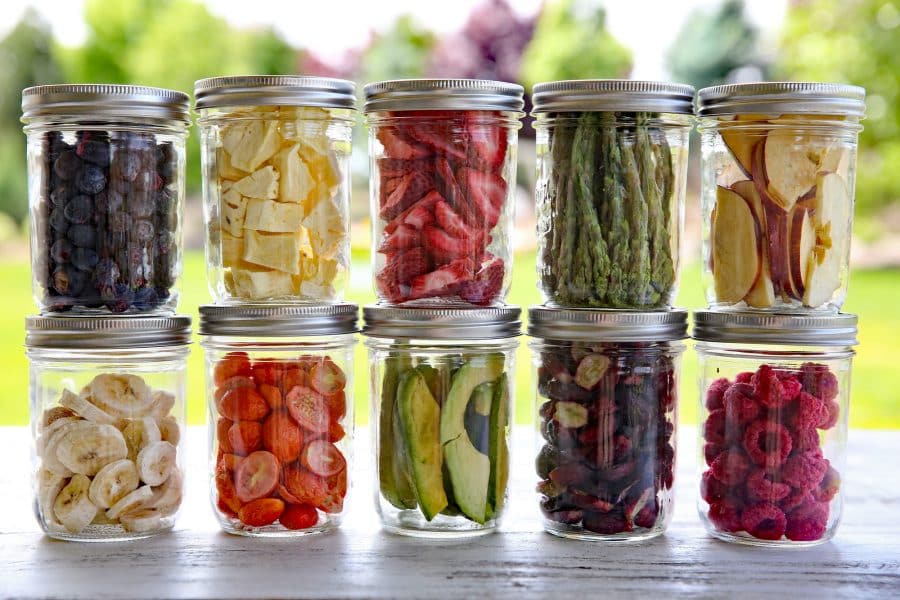
When analyzing the best food storage options for Preppers consider the following shelf life for various long-term food storage:
- Canned food (low acid) – 2 to 5-year shelf life (per USDA)
- Canned food (high acid) – 1.5 to 2-year shelf life (per USDA)
- Dehydrated food – up to 15-year shelf life
- Freeze-dried food – up to 30-year shelf life
While canned goods are easy to pick up at the grocery store and stock in your cabinet, for true Prepping needs, canned goods are not good enough.
Yes, canned goods can last way longer than the recommended date, but I would much rather invest in high-quality food that will last for up to 30 years myself! Check out why Freeze Fried food is superior to Canned Food below!
The canning process takes foods in a fresh state and preserves them in an, often, salty brine and a vacuum-sealed environment that is void of oxygen. It is in this state that bacteria are starved of oxygen and cannot grow rapidly. This makes the food last longer.
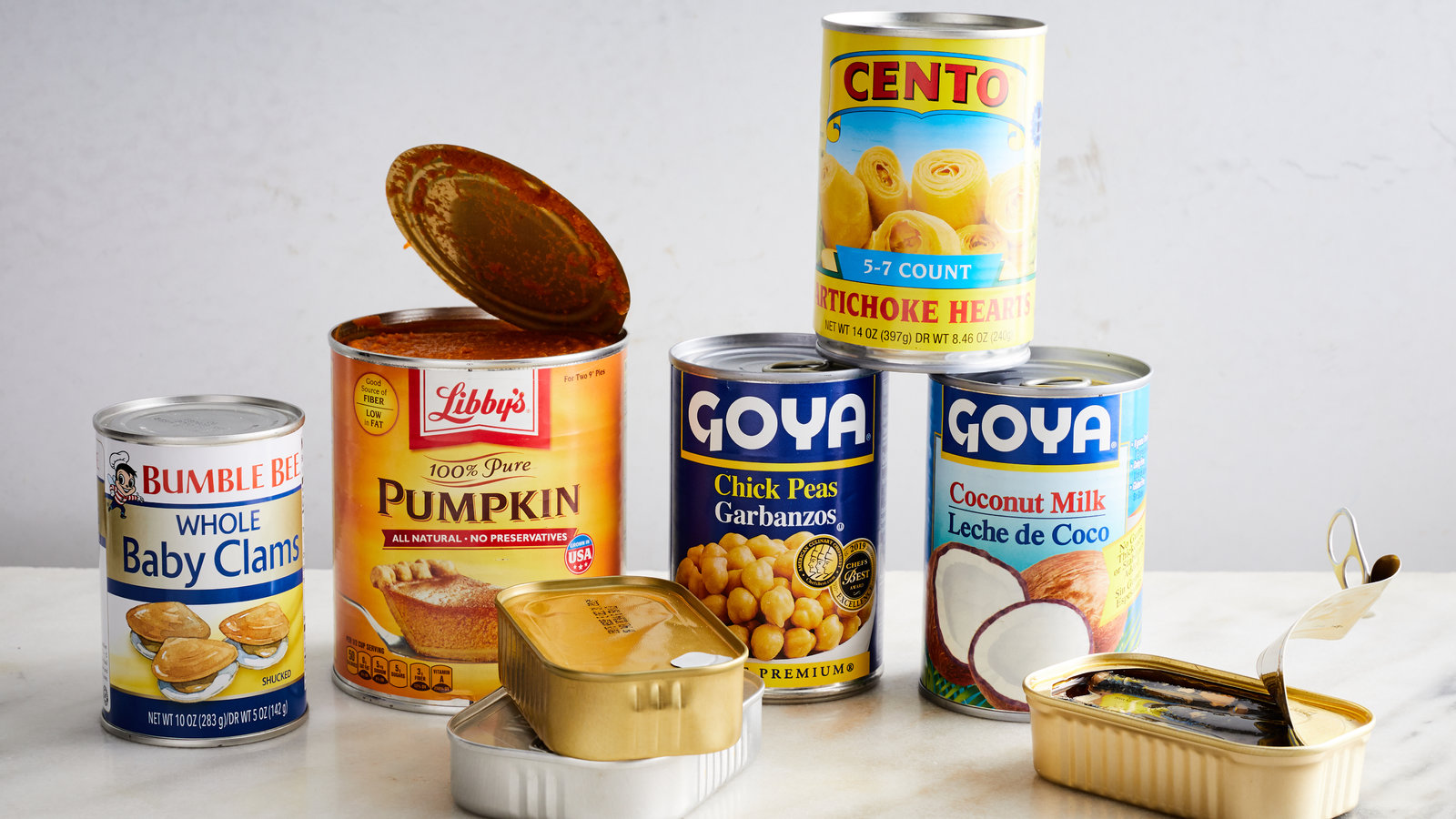
Most canned foods can last for a few years. There are even lengths behind the best by the date that canned goods can last. This makes them a great option for long-term food storage. Canned foods can also be found at deep discounts and you can often buy 10 canned food items for less than $10.
You can find most anything canned! Some of the best options for prepping and long-term food storage are things like canned meats, beans, vegetables, fruits, soups, and sauces.
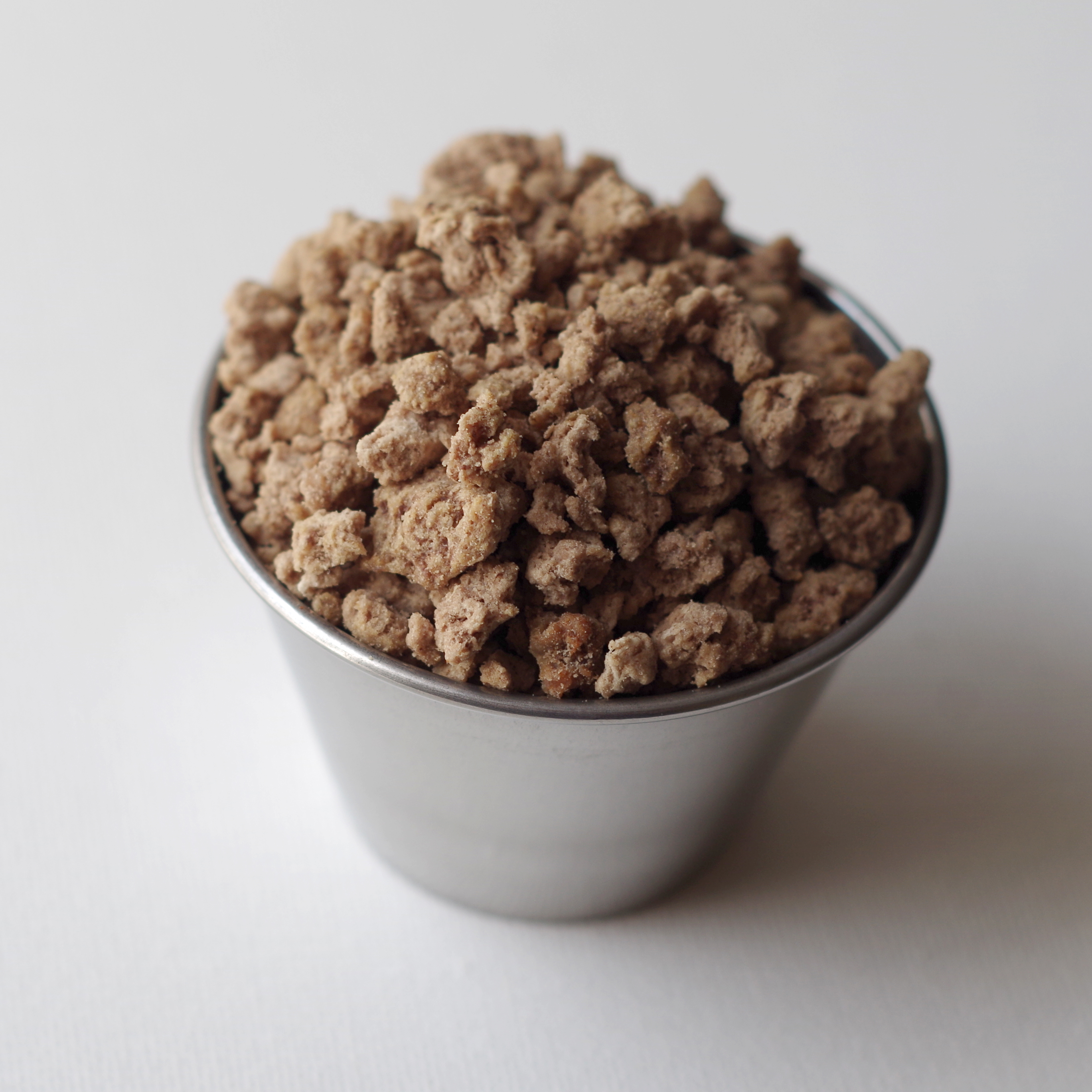
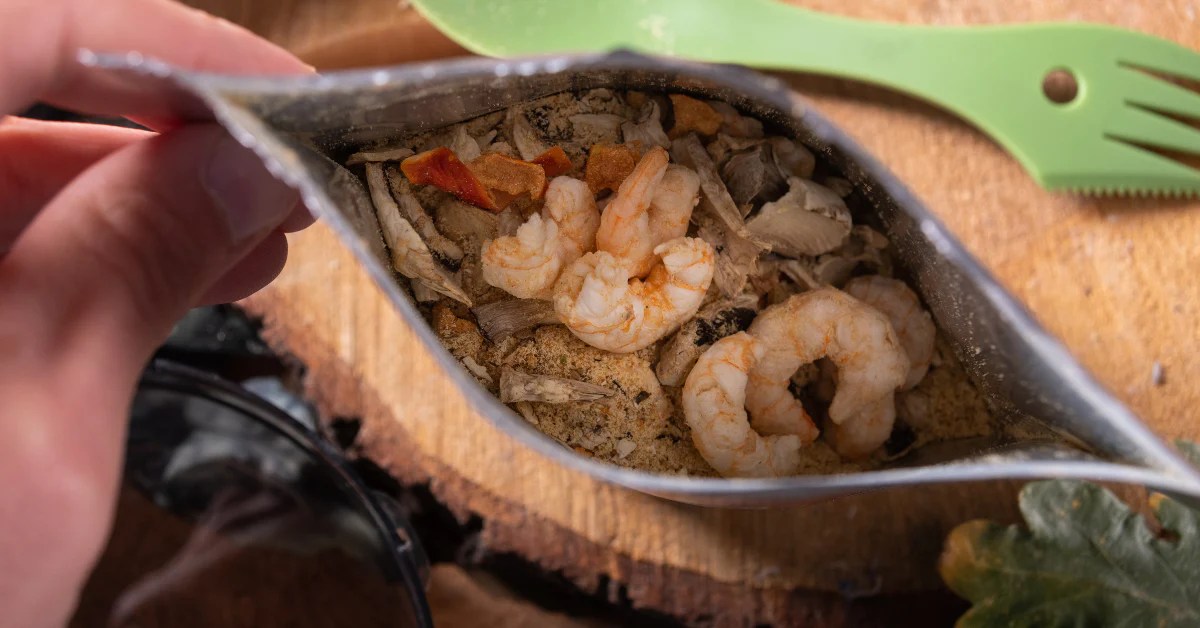
The basic process of freeze-drying starts with taking fresh or cooked foods and cooling them to a temperature of -40 degrees Fahrenheit. These foods are then subjected to a powerful vacuum that surrounds the food. Then, as the food is slowly and carefully warmed the ice turns to vapor and is removed.
This process is more thorough than canning and creates a product that can be packed with a desiccate to last for as much as 30 years.
The types of foods that freeze-dry well are a combination of fresh and cooked foods. Freeze-dried meats do well, as do fresh foods. They retain much of their texture and flavor, which is an added bonus.
While many people will echo the fact that freeze-dried food comes with that incredible shelf life, there are a tremendous amount of benefits outside of just being able to store freeze-dried foods for a couple of decades, in most cases. Let’s have a look at some of those overwhelming benefits.
TEXTURE AND TASTE OF FREEZE-DRIED FOODS
Canned goods were responsible for stocking peoples’ pantries all over the world! They made it so that everyone could have carrots, asparagus, cream of mushroom soup, and beef stew whenever they wanted. However, because of the deterioration and cooking of vegetables required, they also turned a whole generation off to vegetables. The idea was that these foods were mushy and flavorless.
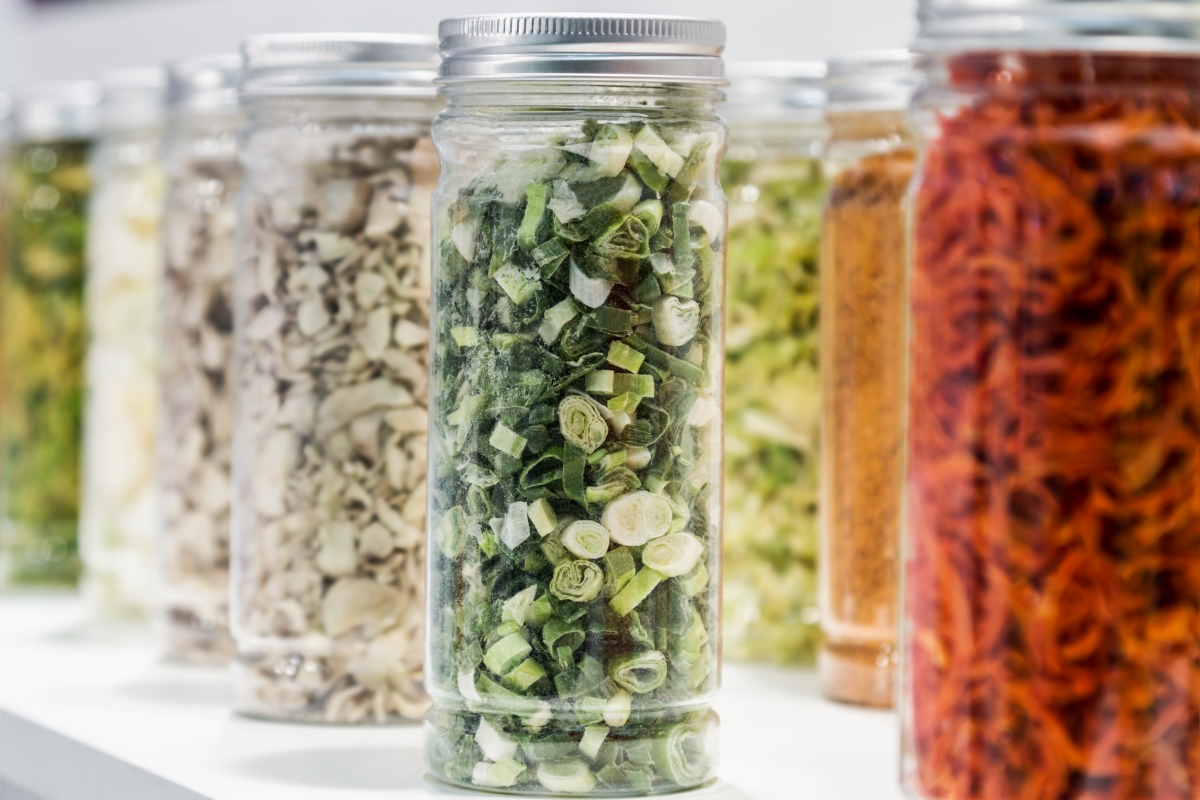
Fresh fruits and vegetables that are freeze-dried maintain much of their taste and keep a crunchy texture in the dried state. This makes the fruits and vegetables great little snacks. When rehydrated they still look like vegetables and taste like them as well.
NUTRITION
The freeze-drying process assures that these foods maintain much more of their nutrient profile than foods that are canned and stored in a brine. These vitamins and minerals will make an enormous difference in a survival situation.
LESS ROTATION COMPARED TO CANNED GOODS
While less acidic canned goods can last up to 5 years past the best by date, freeze-dried foods can last up to 30 years if stored in the right conditions. This means you do not have to concern yourself with rotation as much as you do with canned goods. Maybe 1-2 rotations in your lifetime – How crazy is that?!
SPACE AND WEIGHT
One of the biggest benefits of freeze-dried foods is that they take up so little space and weigh next to nothing because all the moisture has been removed from them. This means you can get really creative about storage and the places you can shove a little extra.

BUILDING MEALS USING FREEZE DRIED FOOD
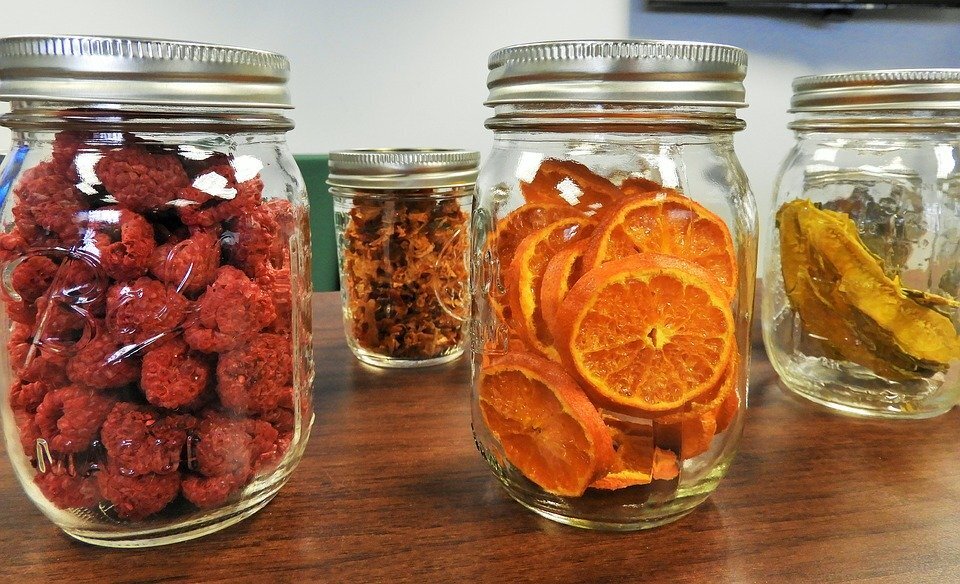
You can combine freeze-dried foods to create meals and store these foods for quick solutions that just require hot water. Think of it as making your own backpacking meals. These mixes of ingredients can be stored in ball jars and used to make quick meals in a hurry or in a disaster.
You will be able to fill your pantry quickly, easily, and affordably with canned foods. That being said, freeze-dried foods are the superior product for Preppers and long-term storage, and you should consider incorporating them as the foundation of your emergency food storage plan!




 TheDailyChristian