How To Become Your Own Food Supplier

Nothing gives you greater peace of mind than being able to supply your own food.

When you know that your family will not go hungry no matter what, you can feel a sense of security that most people can’t understand…

A sense of security that most people will not ever understand.

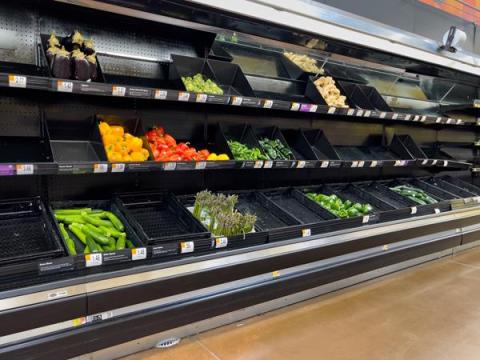
In the times we are experiencing, there are plenty of challenges that could lead to a food shortage.

From recession to global crises, we have seen everything during the past months.

I want to share with you how you can become your own food supplier, so that you can always survive comfortably.

If you follow everything in this article, then there is no possible way that your family can ever go hungry.

Long-term Food Storage
Let’s talk about the elephant in the room.

If you want to have enough food no matter what, you need to stockpile.

Below you will find the most essential goods you need to store.

Canned goods

Canned goods are non-negotiable when we are preparing for emergencies.

These little metal containers can last for years, making them ideal for long-term storage. 

But remember, variety is key! 

Stock up on fruits, vegetables, meats, and even soups. 

And don’t forget to keep them in a cool, dry place away from direct sunlight to prolong their freshness.

Dehydrated and freeze-dried foods

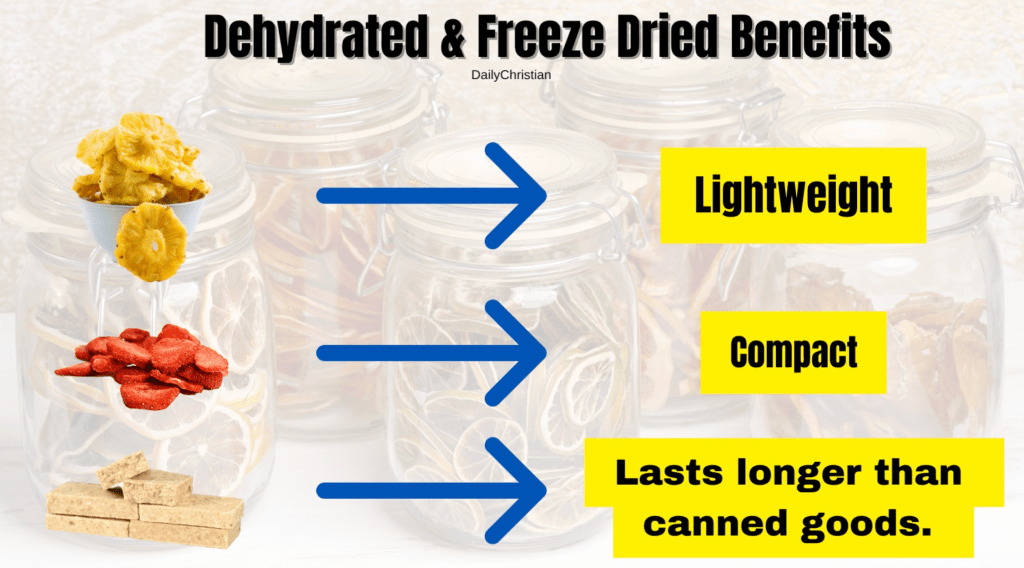
Dehydrated and freeze-dried foods are a step further toward self-sustenance. 

They’re lightweight, compact, and last even longer than canned goods. 

You can either dehydrate your own food or shop for ready-made options. 

Either way, make sure you store them properly in airtight containers to maintain their quality.

Mylar bags

Friends, this is where things start getting exciting.

Vacuum sealing your mylar bags can help you preserve your food’s freshness for years. 

You heard me right, years! 

Just make sure you follow the storage guidelines like keeping them in a cool, dark place to ensure they stay in tip-top condition.

Growing Your Own Food

When you’ve stockpiled as much food as you can, it’s time to make use of your garden.

Or, in other words, it’s time to select crops.

In survival situations, calories should be your main focus.

The main type you need to grow is calorie-dense crops like potatoes and corn.

Then there are nutrient-rich crops like leafy greens and tomatoes.

Everyone should have some of those in their backyard.

What a lot of people often neglect, however, are beans, peas, and squash. 

These plants provide valuable nutrients and improve soil health through nitrogen fixation and natural pest control.

If you don’t have a lot of space, consider container or vertical gardening.

These methods allow you to grow more food in less space.

Which is really important when you are trying to maximize your produce.

Raising Livestock
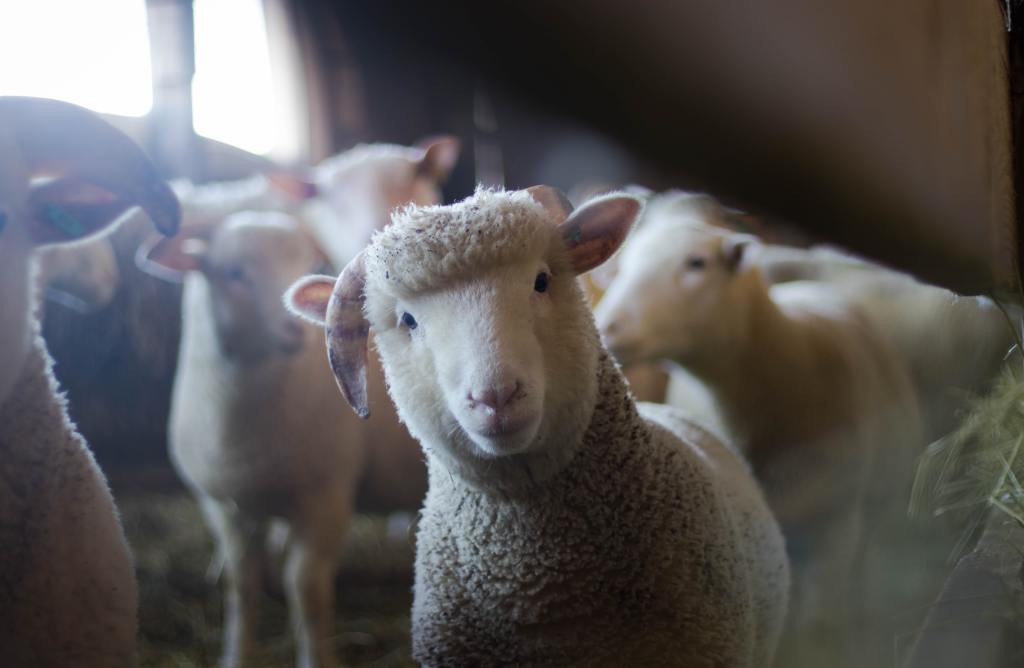
I don’t know how many people raise their own livestock anymore…

But it is a game changer for sustainable living.

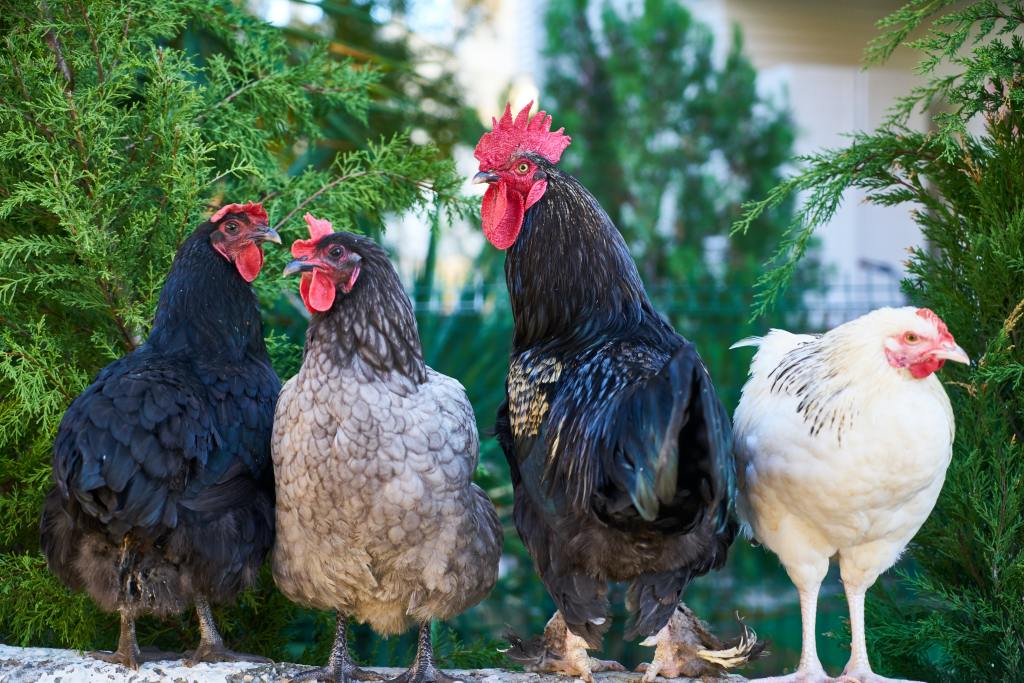
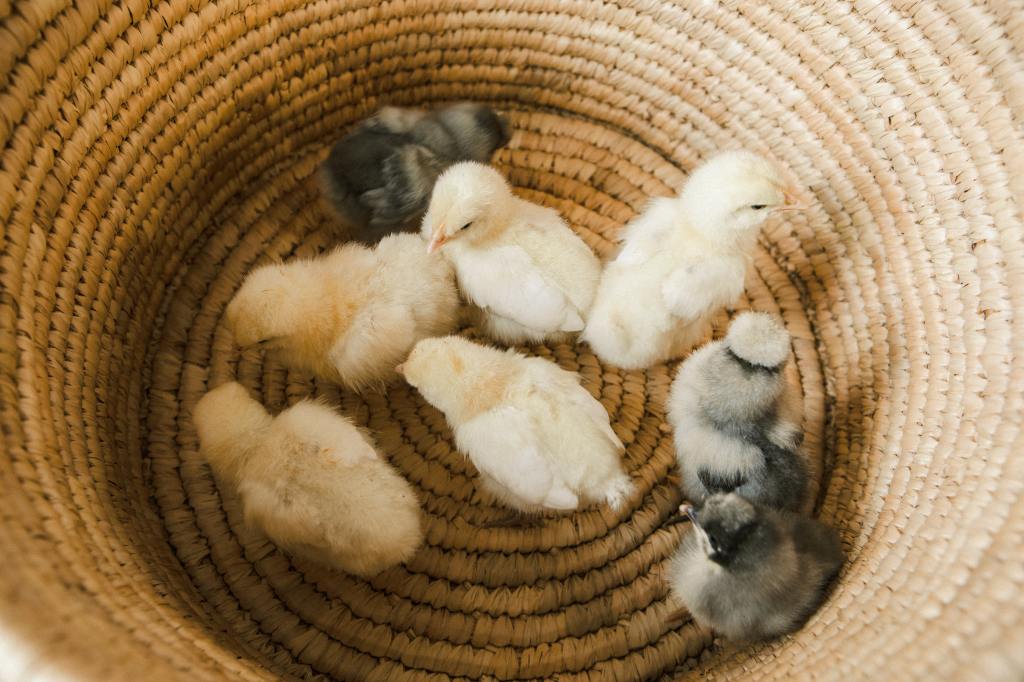
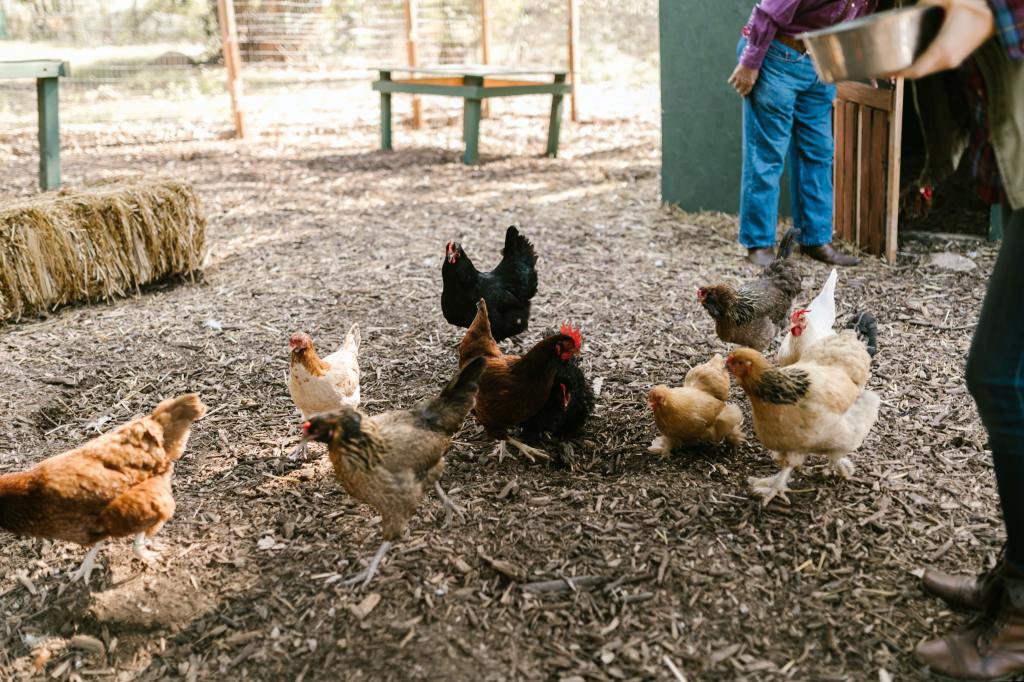
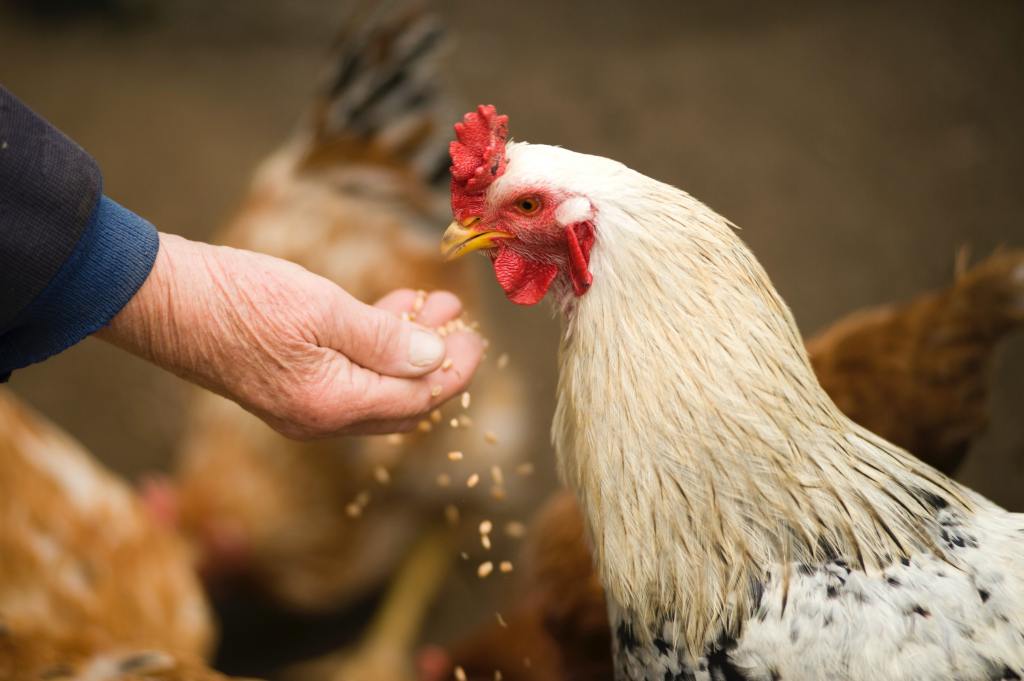
The No. 1 choice when deciding what animals to raise is chickens.

They provide a steady supply of eggs and meat, and their manure can be used as fertilizer for your garden. 

The second option should be goats.

Goats are a valuable addition to any small homestead, providing milk, cheese, and meat.

Some other excellent options are rabbits, ducks, and goats.

They can also be used for land clearing and weed control, as they are browsers by nature.

By carefully selecting and managing small-scale livestock, you can create a diverse and sustainable food supply for your family, even in challenging times. 

Research each animal’s specific needs and local regulations to ensure a successful and responsible food supply chain.

Foraging and Hunting

There could come a time when in spite of how self-sustained you’ve become…

You have to abandon everything and evacuate.

It’s a very unfortunate situation.

One that a lot of folks don’t even want to think about.

But remember, we are preparing for any eventuality.

If we have to bug out with nothing but our clothes and a small kit, we have to rely on our skills for survival.

Knowing how to forage and hunt for food can make a huge difference in these situations.

First, let’s talk about foraging for wild edibles.

This is something that you have to do safely.

Take the time to learn about the wild edible plants native to your region. 

Invest in a reputable field guide or attend local workshops to become familiar with plant identification. 

And for the love of God, be cautious of look-alikes!

Some edible plants have toxic counterparts.

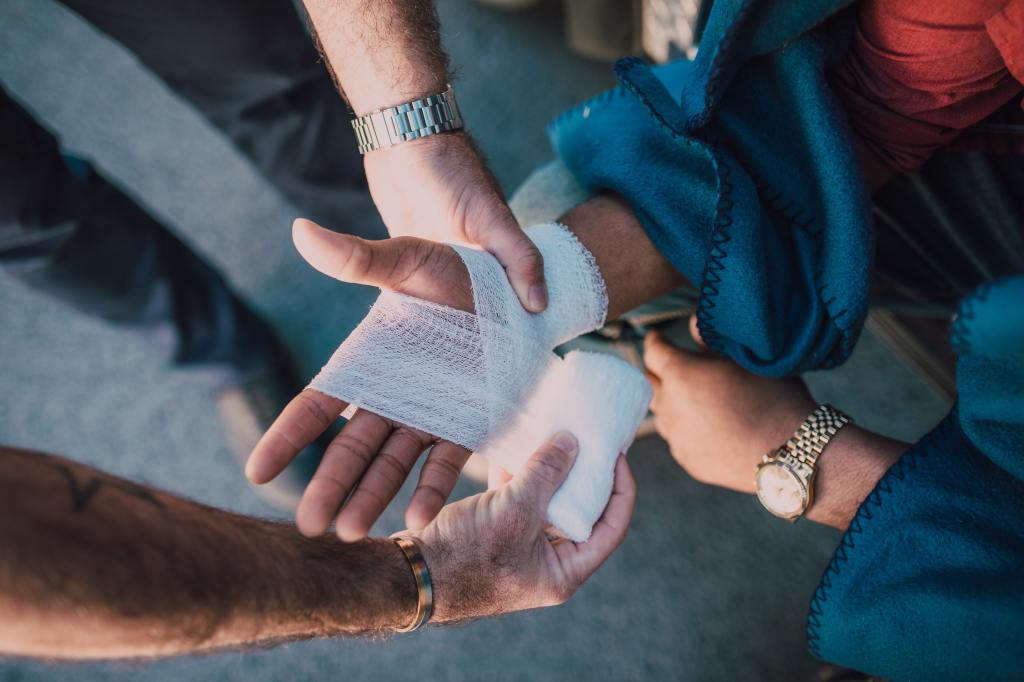
If you eat something that you were not supposed to…

When there is no hospital nearby…

Let’s talk about something else.

Hunting

Knowing how to hunt can be invaluable in times of crisis.

A single adult deer can provide meat that can feed a family of four to six people for several weeks.

If you are good at hunting, you’ll be able to take care of your loved ones with no issues.

It’s crucial to invest time in developing your hunting skills, as it’s something that’s more complicated than most people think.

Tracking and stalking an animal requires a lot of experience and patience.

Also, make sure you know the local laws and regulations, and don’t ever hunt without a permit.

Practice ethical hunting by targeting abundant species, taking clean shots to minimize suffering, and making full use of the animal to minimize waste.

And of course, know how to properly skin, butcher, and package the meat, as well as how to store and cook it.

Foraging and hunting skills can secure nutritional food for everyone in your family in times of crisis.

Community and Cooperation
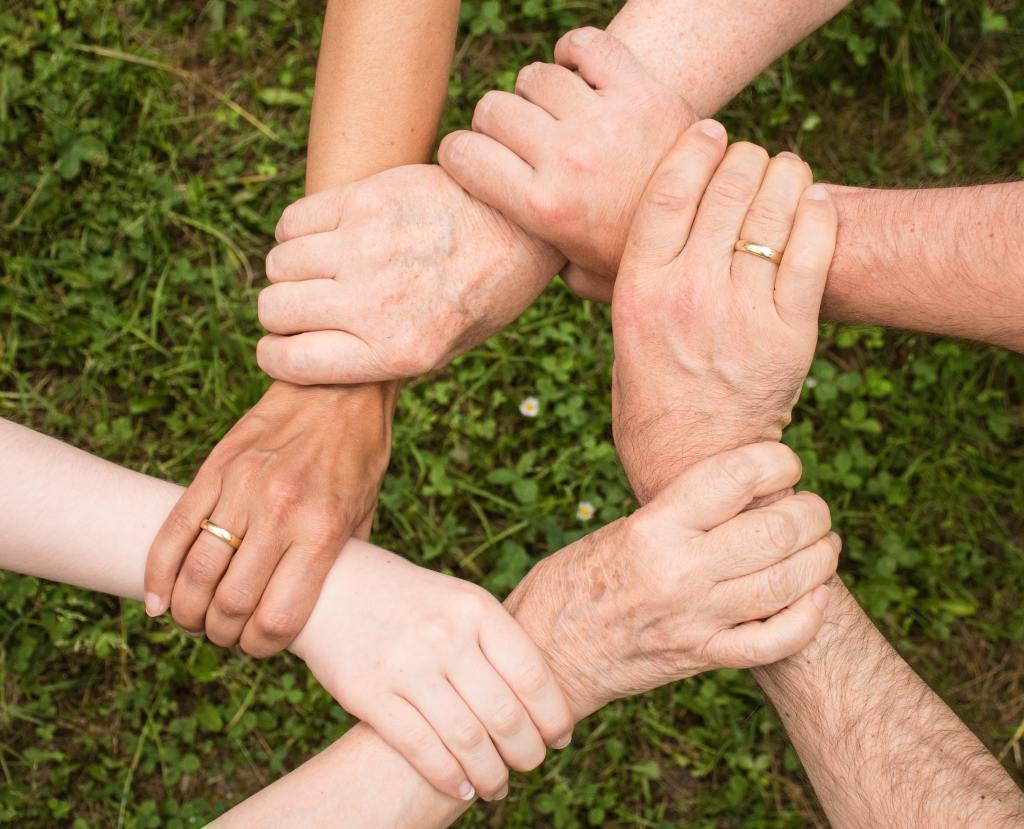
Humans have survived for such a long time thanks to building communities.

We are in this together.

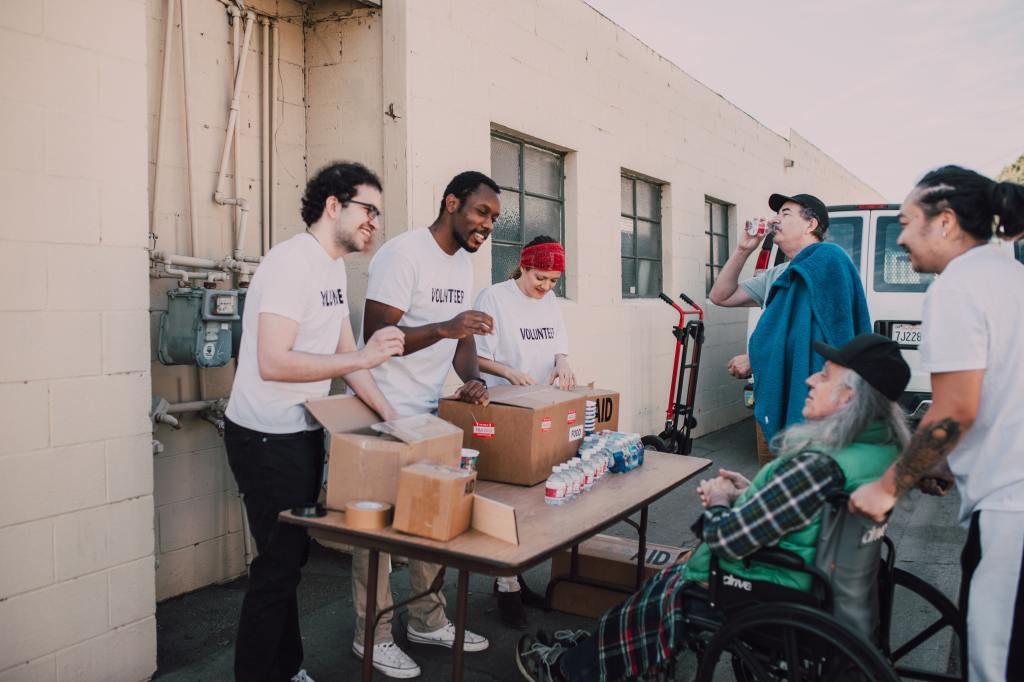
Your local community is invaluable for sharing resources, knowledge, or even a helping hand. 

In times of need, we can ensure that everyone survives.

If you want help from your neighbors, don’t be shy to ask.

And don’t hesitate to help them in return.

Trading with your fellow preppers is an excellent way to strengthen connections and ensure everyone’s needs are met.

And speaking of togetherness, why not establish a community garden?

Collective food production has numerous benefits, like increased food security and shared labor. 

By assigning roles and responsibilities, you can create an efficient and thriving garden that benefits everyone involved.

When it comes to ensuring you have enough food to feed your family, anything goes.

I would advise you to take advantage of every one of the tips in this article.

The key to survival is preparation.

So take the time to produce your own food, and comfortably make it unscathed out of any emergency.

Are You Making This Fatal Emergency Food Mistake?

There’s no question about it…

Emergency food is a crucial part of preparedness.

However, there is one issue that most people overlook, when it comes to their food storage…

Sanitation.

Whether it’s a natural disaster or a power outage, the risk of foodborne illnesses can increase in emergency situations.

And this makes it crucial to follow proper food safety guidelines.

If you ignore this step, then your whole family instantly becomes vulnerable to food poisoning and disease.

To minimize the risk of foodborne illness, it’s important to keep your cold food cold (below 40°F). 

This can be achieved by using a cooler or insulated container with ice packs to keep perishable items cold.

Additionally, it’s important to regularly examine the temperature of refrigerated and frozen items to ensure they are being stored at the correct temperature.

When you prepare the food, it’s crucial to practice good hygiene. 

This includes washing hands frequently and cleaning every surface and utensil thoroughly.

If you don’t have any running water, you can use a hand sanitizer or wipes for that step.

If you’re using alternative energy sources, such as a wood-fired stove or solar cooker, it’s important to ensure the cooking temperature is high enough to kill harmful bacteria. 

So we’ve covered preparation.

Let’s talk about storage.

It’s very important to store perishable items in airtight containers and to rotate food regularly to prevent spoilage.

If you suspect that a food item has gone bad, throw it out.

The water that you use to cook is also vital.

If the water supply is compromised, it’s important to boil or treat water before consuming or using it for food preparation.

These steps might seem boring, but they play a very vital role in preparedness.

Don’t neglect them!

In fact, if you think someone else could benefit from following these precautions, why don’t you share this with them?

How To Build A Sustainable Survival Shelter (Step-By-Step Instructions)

Extreme weather conditions can strike at any moment.

And there could be a time when your house might not be able to sustain them.

Most houses are not built to withstand extreme hurricanes, floods, or thunderstorms.

Having a sustainable shelter that can withstand the elements and provide protection is crucial for ensuring your survival in times of crisis.

But building such a shelter is no easy feat. 

It requires careful consideration, planning, and execution.

In this article, I will walk you through every step of the way – so you have no hesitation before start building your shelter.

You will be able to start working on this project with confidence.

Before you do this, however, there is something you need to consider…

Assess The Challenge

Creating a sustainable shelter involves overcoming several obstacles.

If you go into this unprepared, you will probably give up halfway through.

I am not saying this to scare you, but to make sure you are committed to completing this project the right way – without half-assing any step.

First things first, you need to ensure you don’t break your local building codes and regulations. 

Consult with local authorities and experts to ensure you’re following the rules.

If you are not careful, it can also be very expensive.

You need to be prepared to keep your ear to the ground, and look for eco-friendly or recycled materials that are readily available in your area to reduce expenses.

Does this sound too bothersome?

If not, then let’s dive into how you can start right away.

Pick The Right Spot

Selecting the right site for your sustainable shelter can make a huge difference in its effectiveness.

To make the decision, think of the type of terrain you’ll be building on. 

Look for areas that are flat and stable, and steer away from areas that are prone to flooding or erosion. 

You should also take the natural resources available into consideration.

Look for areas that are close to water sources or areas that have a lot of sun or wind.

Finally, consider accessibility.

Make sure the site is easy to reach, and not too far from your house.

Look for areas that are close to roads or other transportation options.

Once you’ve found your spot, you can move on to the next step:

Adhere To The 4 Sustainability Principles

The main difference between shelters and houses is that they are going to run on electricity.

We are building these things to have a way to survive when the grid goes down.

You need a different way to retain heat in the winter and stay cool in the summer.

The four key principles when creating a sustainable shelter are:

  1. Energy efficiency,
  2. Renewable energy,
  3. Water conservation,
  4. And waste management. 

To maximize energy efficiency, ensure proper insulation, and utilize passive solar design principles. 

Renewable energy sources can reduce dependence on non-renewable ones. 

Consider solar, wind, or micro-hydro power, and invest in energy storage solutions to ensure you always have power when you need it.

Harvesting and conserving water is also essential. Install a rainwater collection system, and make sure to use water-efficient appliances and fixtures.

Lastly, incorporate waste management strategies, such as composting and recycling, to minimize waste generation and promote a closed-loop system.

Make Sure It’s Stable

Your shelter has to be able to survive anything.

The foundation, walls, and roof must be robust and resilient to withstand extreme weather conditions. 

Begin with a strong foundation, using materials like reinforced concrete or stone. 

Reinforce walls and roofs with sturdy framing and sheathing materials, such as steel or engineered wood.

Design your shelter to resist wind by incorporating aerodynamic features and anchoring the structure firmly to the foundation. 

Earthquake-resistant construction techniques can include shear walls, moment-resisting frames, and base isolation systems.

These things can be complicated, especially if you haven’t ever done this before.

If you’re not 100 percent certain you will be able to complete this step safely, consult with a local expert.

And make sure they are aware of the appropriate techniques for the local regulations and soil.

Implement Passive Cooling and Heating

Passive cooling and heating techniques can help keep your shelter comfortable and livable year-round.

Building orientation and layout are particularly important.

Orient your shelter so that it receives maximum sun exposure in the winter, and minimum sun exposure in the summer. 

This can help keep your shelter warm in the winter and cool in the summer.

Using natural ventilation can also help keep your shelter comfortable year-round. 

Make sure to design your shelter with plenty of windows and doors to allow for natural airflow.

Another way to control the temperature without electricity is by incorporating thermal mass and insulation.

If you can, try to incorporate every option.

Ensure Security and Defense

Ensuring security and defense is crucial for any sustainable shelter. 

It might seem impossible for a shelter without electricity…but there are many ways to do that.

The first one is to make your shelter “invisible.”

In other words, to camouflage it and keep it concealed from potential threats.

Plant trees or shrubs around your shelter to help it blend in with the surrounding landscape.

Implementing perimeter security measures can also help keep your shelter safe. 

A simple fence can do wonders to protect you from intruders.

But if you want to go a step further, design a safe room inside your shelter.

Make sure the room is well-ventilated, has a secure door, and is stocked with emergency items such as food and water.

Final Thoughts

I understand that this is a lot to take in one go.

It took me a long time, and I consulted with many people to write this article.

Read this again and again if you have to.

Building a sustainable shelter requires careful planning, adaptability, and a commitment to environmentally responsible practices.

But you don’t have to feel overwhelmed.

Take this one step at a time.

And if you think you have to, consult with a local professional to make sure your shelter is stable.

Remember, you are not designing a second house – you are ensuring you have a place to survive in harsh conditions.

Keep this in mind and you will create an incredible shelter that will help you make it through anything.

3 Ways To Produce Power Without Electricity

Time and time again we have witnessed our power grid fail to work in emergencies.

Whether it’s from a storm, an earthquake, or a tornado, power outages are very frequent in the U.S.

If we want to be self-sufficient, we have to reduce our reliance on the grid. 

One way to do this is by exploring alternative energy sources.

These sources are not just environmentally friendly but also allow us to generate our own power.

In this newsletter, we’ll take a look at three popular alternative energy sources: solar, wind, and biomass.

  • Solar Energy

Solar energy is one of the most widely used alternative energy sources.

And is ideal for preppers who want to reduce their energy bills and carbon footprint.

Solar panels convert sunlight into energy.

And with advances in technology, they’ve become much more efficient. 

Installing a solar panel system can be a bit costly at first…

But over time, it will pay for itself as you no longer have to use the power grid for electricity.

  • Wind Energy.

Wind energy is another popular alternative energy source, especially for those who live in windy areas. 

Wind turbines generate electricity by harnessing the power of the wind. 

Just like with solar panels, wind turbines can be a significant upfront payment, but will be reducing your electricity bills in the future.

Additionally, wind turbines are relatively low-maintenance and have a long lifespan.

  • Biomass Energy.

Biomass energy is a type of renewable energy that is generated from organic matter, such as wood chips, agricultural waste, and sewage. 

It can be used to generate electricity or heat houses.

Unlike solar and wind energy, biomass energy is often used in rural areas and is ideal for preppers who have a lot of land and want to make the most of it.

I believe that every prepper should have at least one way to produce natural energy.

Whether it’s from the sun, wind, or biomass, the decision is up to you.

It will vastly reduce your reliance on the grid, and you will be saving important resources in the future.

Do you produce your own energy in your house? I’d love to hear about it!

Take These Documents With You When You Bug Out

If you are ever forced to bug out, you will have to face a harsh reality:

Anything you don’t take with you might not still be there when you come back.

Important documents might be destroyed, stolen, or simply lost.

That is why you should keep a USB file with every essential document in your bug-out bag.

Most preppers have already taken this precaution…

But they don’t usually know if they’ve covered everything.

That is why I will share a small list with you, that contains every important document that you should always have.

  1. Identification Documents. This includes your government-issued ID such as a passport, driver’s license, and birth certificate.
  1. Emergency Contacts. List of important contacts of family, friends, doctors, and emergency services.
  1. Health Records. Keep a record of your family’s history. This should include prescription medications, allergies, and any previous surgeries or treatments.
  1. Records Statements. Anything tax-related, accounting documents or anything that is essential financially fits this category.
  1. Estate Planning Documents. This includes your will, living will, durable power of attorney, and any other documents related to your assets and finances.
  1. Your Property Documents: Deeds, liens, and package policy documents should be kept in a safe place.
  1. Vehicle Papers. Keep every necessary paper of your vehicles in a separate folder.

If you don’t have any of these 7 documents, you may find yourself in a bad situation.

Your bug-out bag should contain a USB stick that includes everything.

But this is not enough,

You should also keep several physical copies of these documents somewhere in your house.

Remember, we prepare for any eventuality.

Just as your physical copies could become lost, so could your digital ones.

The point is to stay safe no matter what.

If you have multiple versions of these important documents, then you will not have anything to worry about.

P.S. Can you think of any other essential documents? Hit reply and let me know!

Are We Being Warned About Something?

Over the last couple of months, there has been a lot of weird stuff happening…

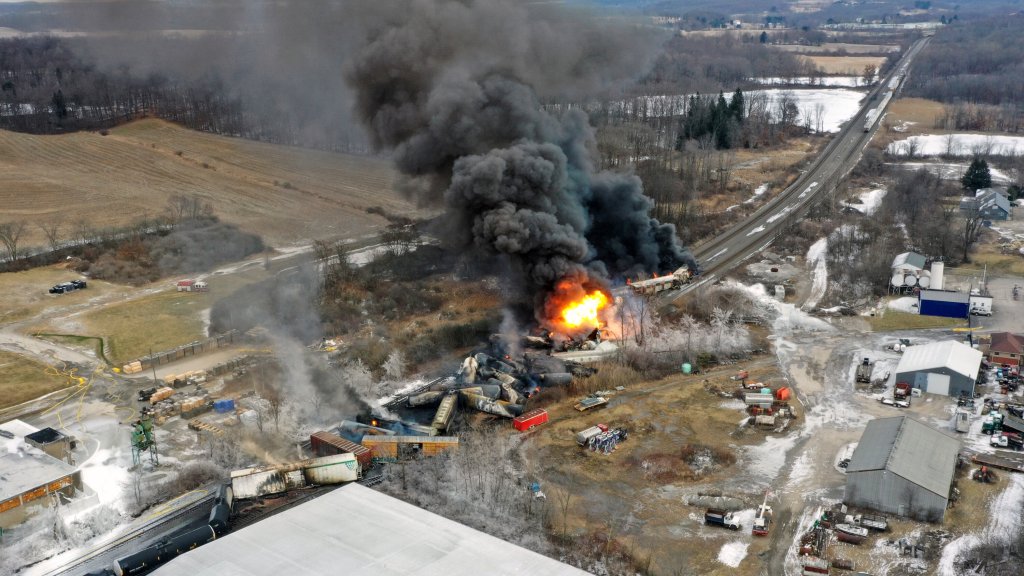
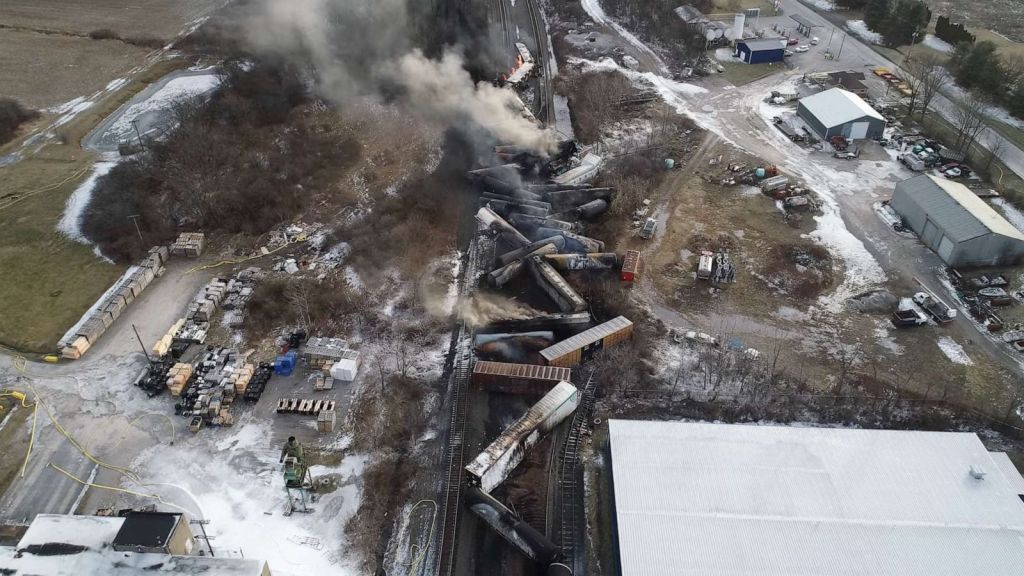
Take the events in Ohio, for example.

A train that was carrying vinyl chloride, a carcinogenic chemical, derailed from its course.

And this caused a scary fire, releasing dangerous chemicals into the atmosphere.

If you watched the news, you probably saw the massive cloud of black smoke that covered the sky.

Every resident within a one-mile radius was instructed to evacuate.

Scary…

But that’s just a fraction of the last few month’s events.

Like the balloon from China.

It is obvious that it was a spy.

And even though we took it down, it probably gathered the information the Chinese wanted.

We will probably be hearing more about it in the near future.

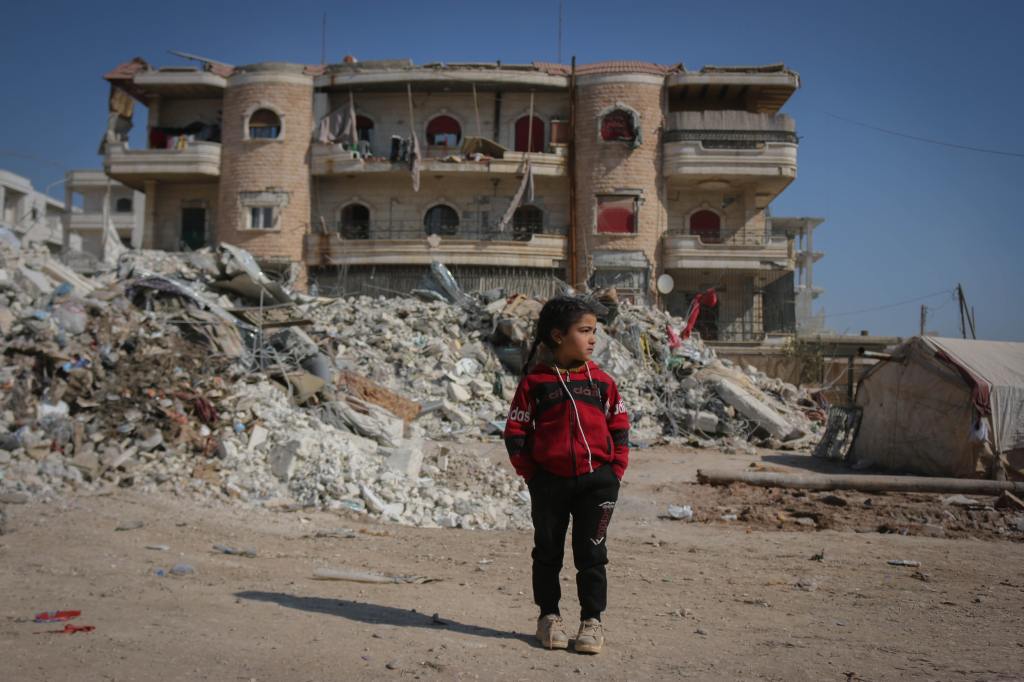
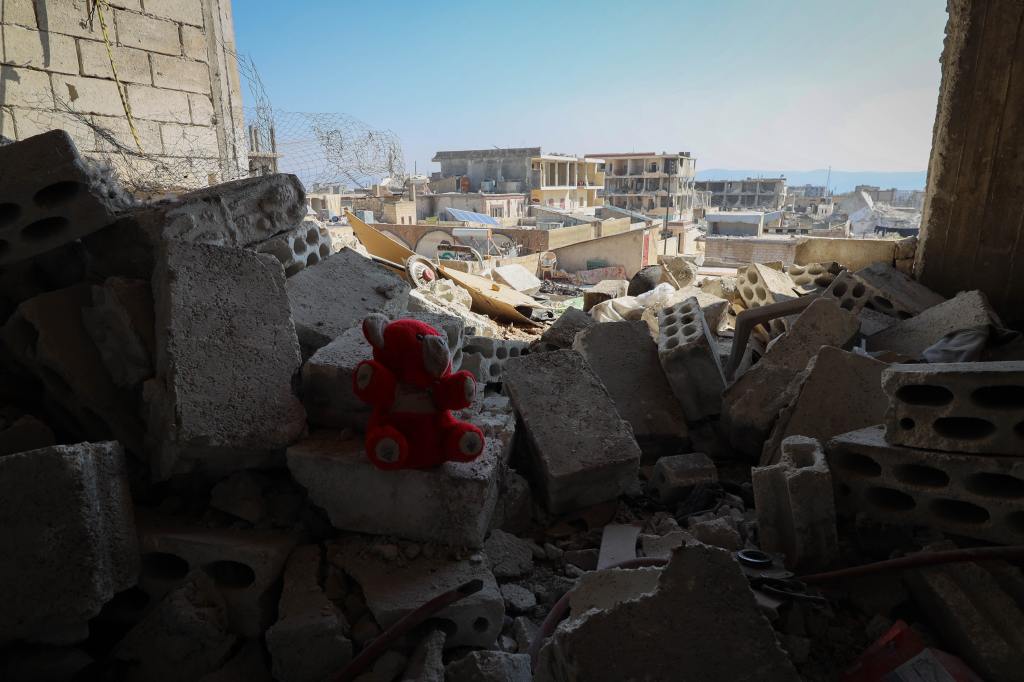
As if that wasn’t enough, a huge earthquake happened in Turkey and Syria.

More than 40,000 people died in the ruins.

This wasn’t in the U.S., but the aftermath of the disaster shocked the whole world.

Everyone is uneasy these days – and rightly so.

Who’s to say that the next disaster will not happen somewhere near us…

Or, God forbid, to us.

They say that once is an accident, twice is a coincidence, and three times is a pattern.

And lately, there is a weird pattern going on.

It’s almost like God is trying to warn us.

Something big is coming.

I don’t know what it is or where it will hit us from.

But I do know that it can’t hurt to stay prepared.

As preppers, we prepare for anything.

Even for events that no one sees coming.

Your Grocery Bills Are About To Increase (Unless You Do This)

If you are an American, chances are eggs are not ever missing from your house.

There was some bad luck around eggs, however, that will make you reconsider your breakfast options.

I love my scrambled eggs in the morning as much as the next guy…

But they are about to become so expensive that will they will be leaving a bad taste in your mouth.

As if inflation wasn’t enough…

The bird flu just affected 52,700,000 poultry in the U.S. alone.

This is not a small number.

Chickens are either dying or being put down because of that disease.

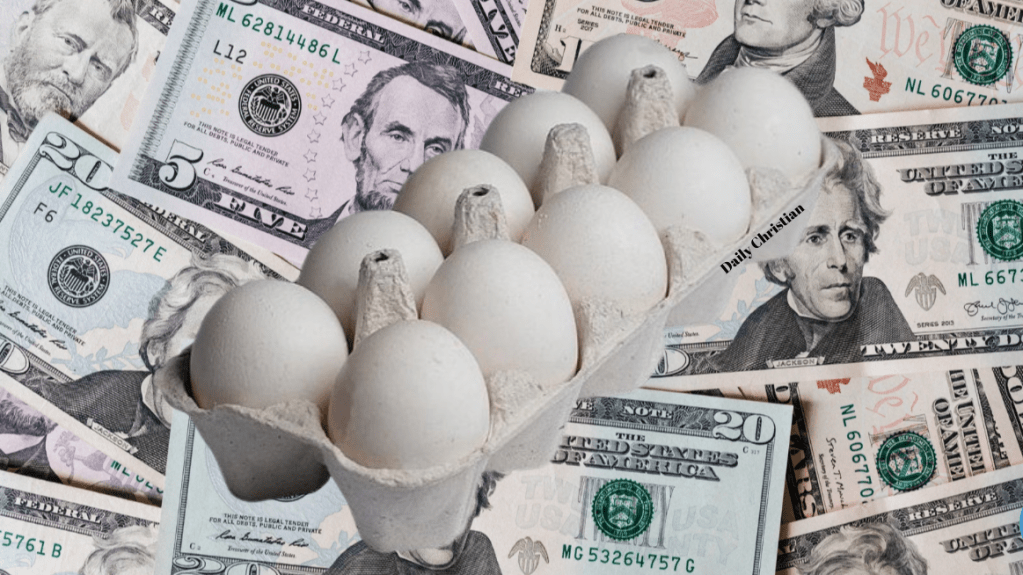
And eggs are already almost 3 times more expensive than what they were a year ago.

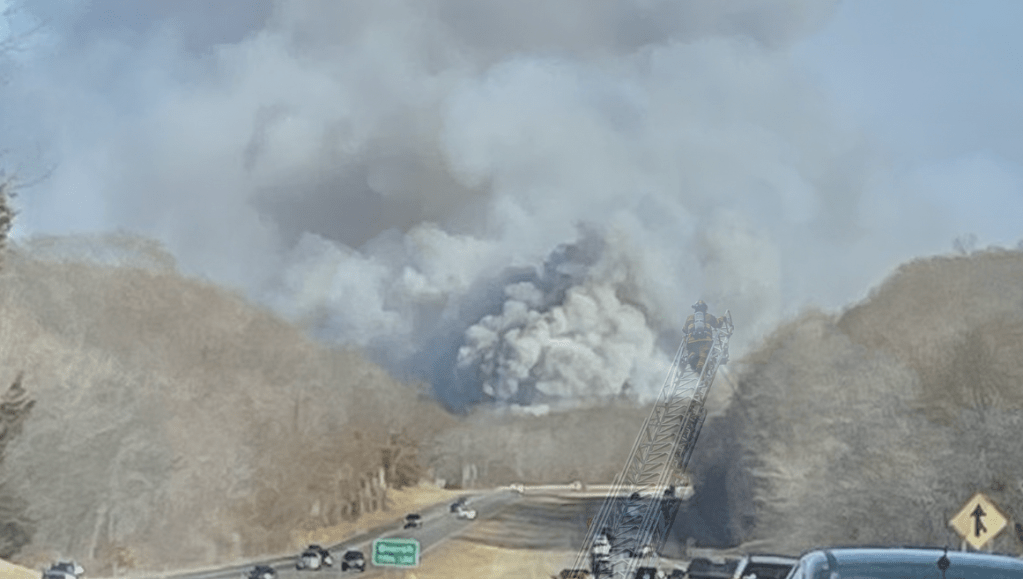
I also read that a fire recently broke out at an egg facility in Connecticut, and killed 100,000 birds.

It is almost like eggs are cursed.

They will keep getting more expensive.

How much more can our wallets take?

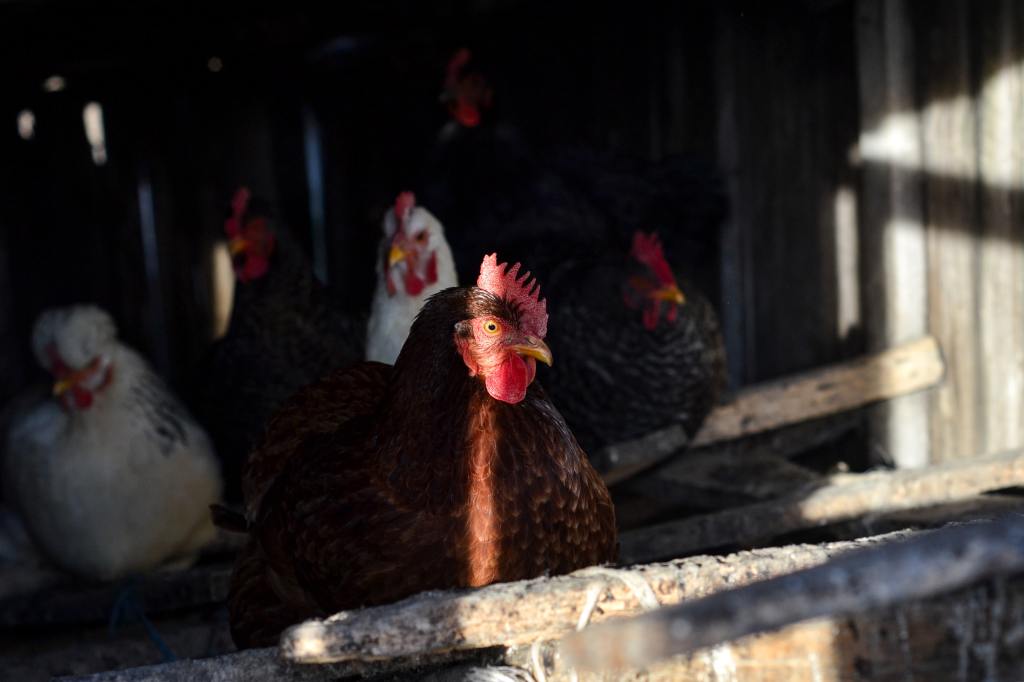
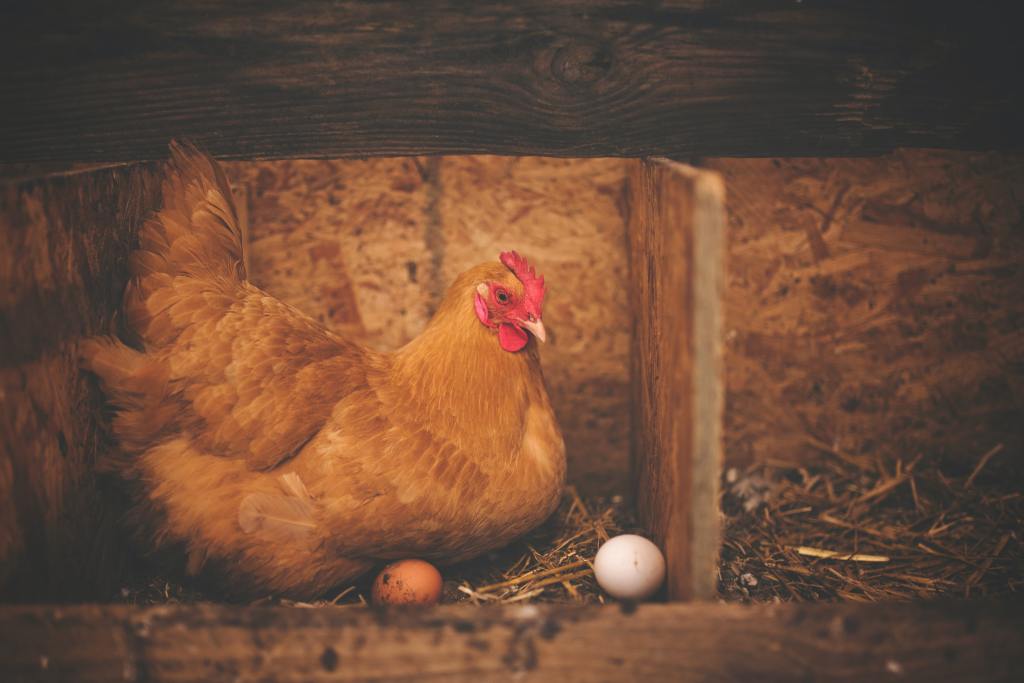
If you don’t want your jaw to drop every time you shop for groceries, I suggest you raise your own chickens.

Raising your own chickens is not just good for your wallet, but for your health too.

You will be the one who chooses what to feed them.

So you will know that they’ll produce nutritious eggs that are not filled with any weird hormones.

With just a little bit of effort, you can set up a small coop in your backyard and start raising a few chickens.

It’s a fun and rewarding hobby, and it will pay for itself in no time.

There are many breeds of chickens out there.

And you can even choose breeds that are known for their laying ability.

This will also give you peace of mind, knowing that if things come to worse, you will always have emergency food.

If you enjoy eggs as much as I do, this decision is a no-brainer.

It will help you feed your family nutritious eggs even when they become too expensive.

Are You Making This “Airport Baggage” Mistake?

If you have ever been to the airport, you have probably noticed that there is always someone with a massive bag.

It’s as if they are taking a whole month’s worth of clothing with them.


Up until recently, that person was my partner.

She would always stuff as many things as possible inside her bag.

And it would always exceed the weight limit.

This might be harmless in the airport…

But it is simply a glimpse of what would happen in a bugging-out scenario.

People always have a hard time deciding on what to bring with them, and what to abandon.

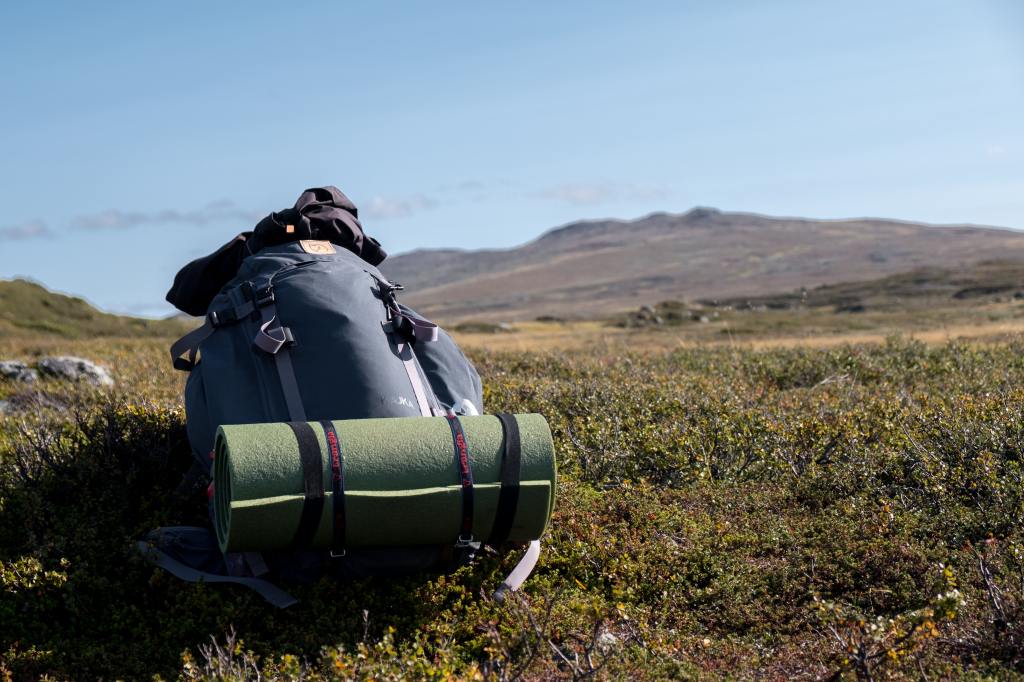
In a survival situation, most people would overpack, resulting in a bug-out bag that is too heavy to carry comfortably. 

This can lead to fatigue, injuries, and even abandonment of the bag.

As a prepper, you should know that you shouldn’t be carrying anything non-essential.

For example, a shelter and sleeping bag should be the first items on the list, followed by food, water, and medication. 

Clothing should also be prioritized, with warm layers for cold weather and lightweight items for warmer weather.

Anything that is unnecessary in emergencies should be left behind.

For example, books, electronics, or jewelry have no place in a bug-out bag.

I know that some people attach sentimental value to certain items…

But nothing is worth more than our lives.

Preppers should also regularly review and update their bug-out bag. 

Over time, gear or clothing can become outdated or worn.

And different items may become available that are more practical for bug-out scenarios. 

Updating the bag on a regular basis can help ensure that you have the most essential and practical gear when you need it.

The “Airport Baggage” mistake is something that a lot of inexperienced people will make in emergencies.

But if you follow these tips, you can ensure that you have a bug-out bag that is both practical and manageable to carry.

P.S. Did you find this newsletter helpful? Reply yes if so!

What Zombie Apocalypse Movies Can Teach Us About Surviving

There is a point in every zombie apocalypse movie, where the characters have to make a very important decision.

They are usually stuck inside a shelter, with few resources, while death is knocking on their doors.

And they have to decide between two options:

  1. Stay inside and try to fight the zombies
  2. Escape and look for food or other survivors

But they almost always go with option C: “Fighting among themselves.”

They start blaming each other and end up dying.

It happens so often that it’s almost comic.

But this might not be too far from reality.

When the stakes are high, people see blank.

It’s like when a cat freezes in the middle of the street when it sees a car approaching.

Staying calm is crucial in emergency situations.

If, God forbid, you ever find yourself in one, you will be called to make a lot of snap decisions.

You might have to decide between staying inside your house or bugging out…

Which items you will carry with you…

Who to contact…

These are very important considerations.

One wrong move might mean the loss of a loved one.

You can’t correctly judge your options if you panic.

It’s like when characters in the zombie movies fight each other instead of working together.

You have to stay level-headed.

I understand that this is not something easy, however.

When a tornado rips your roof out, or when a fire breaks out in your area, it’s not exactly a walk in the park.

Most people – and understandably so – panic.

This would not happen, however, if they already had a plan in place.

If you are a survivalist, then you are probably aware of the importance of preparation.

We try to imagine any disaster that might befall us, and try to stay ahead of it.

This could mean having a plan for bugging out scenarios…

Or having a plan for when the food in your grocery store runs out.

Whatever it is, doing preparation beforehand protects us from losing our shit in emergencies.

So let’s keep prepping and remain collected even in the worst of situations.

The Most Important Aspect Of Preparedness (Do This First)

When we hear the word “preparedness,” we usually think about preparing our house for survival or improving our prepping skills.

These things will not matter, however, if we fall sick when SHTF.

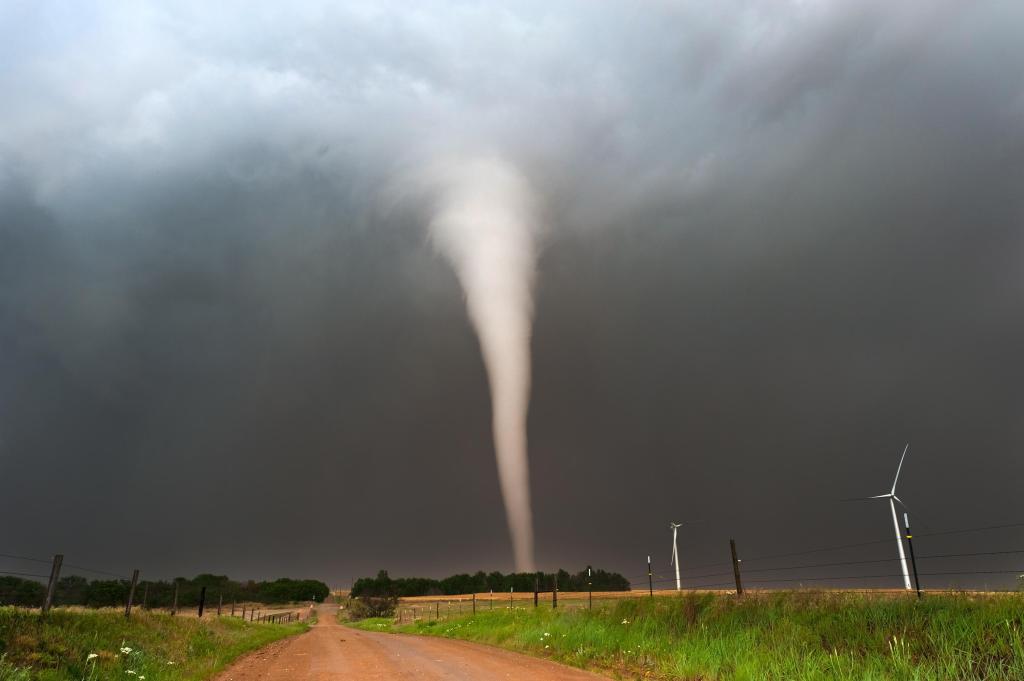
Imagine if a tornado hit, and you suddenly raised a 104°F fever.

You wouldn’t even be able to protect yourself – much less your whole family.

Having a strong immune system is a crucial aspect of preparedness.

When emergencies strike, the last thing you want is to be bogged down by illness. 

That’s why you should take simple steps to keep your immune system in top shape.

First and foremost, make sure you sleep at least 7 hours every night. 

Sleep is essential for every aspect of our lives.

Next, eat wholefood meals.

A lot of people nowadays are poisoning their bodies with ultra-processed foods and packaged meals.

Make sure to include plenty of fruits, vegetables, and whole grains in your meals.

These foods are rich in vitamins and minerals that are essential for a healthy immune system.

Also, consider adding probiotic-rich foods like yogurt and kefir to your nutrition, as they help to keep your gut healthy, which is where 70 percent of your immune system is located.

In addition, stay hydrated by drinking plenty of water throughout the day.

Water helps to flush out toxins and keep your immune system functioning properly. 

These 3 things are the most important factors in a strong immune system.

But we shouldn’t neglect exercise. It helps our bodies function properly and shields us from disease.

If your job involves manual labor, then you probably have that covered.

Otherwise, you should aim for at least 30 minutes of moderate exercise daily.

Whether it’s a brisk walk, a jog, or a gym session, make sure you move your body every day.

You should also minimize stress.

Chronic stress can be detrimental to our health.

If you find yourself stressed daily, you need to look for a way to change that.

Keeping our immune system strong is not often discussed in the prepping world.

Yet, staying healthy is a crucial aspect of preparedness.

If you think someone will benefit from the tips in this newsletter, why don’t you forward it to them?