Is Maine’s Drinking Water Safe

Is Maine’s Drinking Water Safe? Hell No—Not for the Prepared Survivalist!

Listen up, because I’m about to tell you exactly why Maine’s drinking water—despite what the so-called “experts” say—is NOT safe enough for you or your family, especially if you’re serious about survival. I don’t care what the glowing brochures from some government agency or utility company say. You want the truth? Here it is, raw and unfiltered:

Maine’s water system is a ticking time bomb. You got aging infrastructure, contamination from industrial runoff, agricultural chemicals, and even hidden pathogens that slip through the cracks. This isn’t some conspiracy; it’s the reality of a state with beautiful lakes and rivers that have been poisoned by careless human activity.

You think because the water tastes “fine” or meets EPA standards it’s safe? I’ve been in the trenches of survival prepping long enough to know that “safe” is a relative term. When the grid goes down, or when a natural disaster hits, your pristine tap water can turn into a biological nightmare in seconds.

If you’re serious about staying alive, you better learn how to filter, purify, and make that water safe with your own hands, without relying on anyone else’s system or fancy labels. So buckle up—I’m giving you 15 critical water filtration survival skills you NEED, plus 3 DIY survival drinking water hacks you can whip up with stuff in your own home or out in the wild.


15 Water Filtration Survival Skills Every Prepared Person MUST Know

  1. Boiling Water Correctly: Don’t just simmer, bring water to a full, rolling boil for at least 1 minute (3 minutes above 6,500 ft elevation) to kill bacteria, viruses, and parasites.
  2. Using a Portable Water Filter: Know how to use a reliable ceramic, hollow fiber, or carbon water filter that removes protozoa and bacteria but realize most don’t filter out viruses.
  3. Improvised Sand and Charcoal Filter: Layer sand, charcoal (activated if possible), and gravel in a container to create a basic filter that removes sediments and some contaminants.
  4. Solar Disinfection (SODIS): Fill clear plastic bottles with water and leave them in direct sunlight for 6+ hours; UV rays kill pathogens but don’t remove chemicals.
  5. Chemical Purification: Use water purification tablets or household bleach (unscented, 8 drops per gallon, stir and wait 30 minutes) to disinfect water.
  6. Distillation: Use a homemade solar still or boil water and collect condensed steam to remove heavy metals and salts, not just pathogens.
  7. Using Cloth for Pre-Filtering: Pour water through a clean cloth or bandana to remove large debris and sediment before further treatment.
  8. Finding Natural Water Sources: Learn to identify reliable sources like springs, moving streams, or rainwater rather than stagnant ponds.
  9. Recognizing Contaminated Water: Know the warning signs—cloudiness, foul smell, dead animals nearby, or chemical odors mean avoid unless you can treat it properly.
  10. Testing Water with DIY Kits: Carry or make simple water testing kits for pH, turbidity, or bacteria presence for quick assessments.
  11. Using Bio-Sand Filters: Build a slow sand filter that uses biological layers to reduce pathogens over time.
  12. Emergency Water Collection: Learn to harvest dew, rainwater, or even plant transpiration in survival situations.
  13. Understanding Filtration Limits: Know what your filtration method can and can’t remove (viruses, heavy metals, chemical toxins) and combine methods accordingly.
  14. Storage of Filtered Water: Use clean, sealed containers to store water after filtration and purification to prevent recontamination.
  15. Portable UV Purifiers: Utilize handheld UV light devices that zap viruses and bacteria instantly when batteries hold up.

3 DIY Survival Drinking Water Hacks You Can Use TODAY

Hack #1: The Charcoal Coffee Filter Trick

Take some clean charcoal from your campfire or barbecue grill. Crush it into small pieces but not dust. Place it inside a clean coffee filter or cloth pouch. Pour suspicious water slowly through it. The charcoal adsorbs chemicals, bad odors, and some pathogens. Follow this with boiling or chemical purification.

Hack #2: The Plastic Bottle Solar Purifier

Fill a clear plastic bottle with water. Place it on a reflective surface (like a piece of aluminum foil or a car hood) in direct sunlight. Leave it there for 6+ hours. The sun’s UV rays kill off pathogens without any gear. Great when you’ve got nothing but a bottle and the sun.

Hack #3: The DIY Solar Still
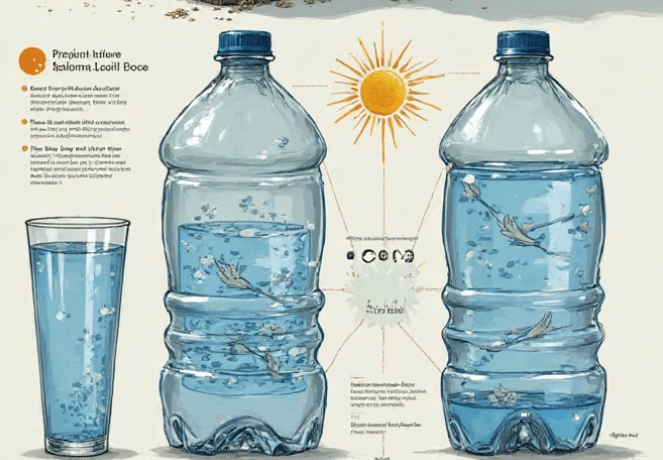
Dig a hole about 3 feet wide and 2 feet deep in the dirt. Place a container in the center to catch distilled water. Cover the hole with a plastic sheet, anchor it down with dirt, and place a small rock in the center to create a dip so condensed water drips into the container. You can extract moisture from soil or plants this way when no water source is available.


Why You Can’t Trust Maine’s Water System Blindly

Maine is famous for its pristine wilderness, but the reality is far messier under the surface. You’ve got towns and cities dumping industrial pollutants into rivers, agricultural nitrates seeping into groundwater, and more recently, reports of PFAS (per- and polyfluoroalkyl substances)—the so-called “forever chemicals”—showing up in local wells. These aren’t your garden-variety contaminants. PFAS are linked to serious health problems, and they do NOT just go away by boiling or simple filtration.

Municipal water treatment plants are limited in their capability to deal with such advanced contaminants. They focus on bacteria and common chemicals, not long-term toxins that accumulate in your body. That’s why you need to be your own first line of defense.

Natural disasters? You bet. Maine faces heavy rains, floods, and freezing winters that stress pipes and water systems. After any disaster, the water quality can plummet overnight. You don’t want to be caught drinking water with sewage or chemical runoff when every drop counts.


How To Protect Yourself and Your Family

The solution? Don’t rely on the city or the tap. Prepare NOW. Train yourself in the filtration survival skills above, get the right gear (portable filters, UV purifiers, chemical tablets), and learn how to create your own DIY filtration devices from what’s available around you.

When disaster strikes or the grid fails, you don’t want to be the one scrambling to figure out how to make water safe. This is basic survival, and frankly, anyone who ignores water safety is courting sickness, dehydration, or worse.


Final Warning

Maine’s water may look clear, but that’s only skin deep. There’s a battlefield underneath filled with microscopic enemies and invisible toxins. Trusting the government or utility companies with your health? That’s a fool’s game.

Be angry if you want, be skeptical if you must, but be prepared. Your life depends on it.

Remember these words:

Safe water isn’t given—it’s earned through skill, preparation, and relentless vigilance.

Is Kansas’ Drinking Water Safe

Is Kansas’s Drinking Water Safe? A Survivalist’s Wake-Up Call

Let me make this real clear, right out the gate—NO, Kansas’s drinking water is not safe. Not if you’re the kind of person who doesn’t trust bureaucrats in suits who think “acceptable contamination levels” are just fine for your kids to drink. You want the truth? The truth is, if you’re not filtering your water in Kansas—or anywhere else for that matter—you’re just gambling with your health like it’s a slot machine in Vegas.

You think the government’s gonna save you when the pipes go dry or when a chemical spill leaks into your groundwater? You think the EPA, with its revolving door of industry lobbyists, is your friend? Wake up. It’s time to take control of your own survival, especially when it comes to the most critical element of life—clean water.


The Dirty Reality of Kansas Water

From nitrates in agricultural runoffs to PFAS forever chemicals from industrial waste, Kansas is sitting on a powder keg of pollution. And let’s not even get started on the crumbling infrastructure—half the rural water systems in Kansas haven’t seen a proper upgrade in 50 years.

Multiple towns across the state have tested positive for high nitrate levels, lead, and arsenic. In Haysville and parts of Wichita, residents have been advised to boil water due to E. coli outbreaks more than once in the last decade. Meanwhile, small farming communities are drinking straight from wells laced with farm runoff—fertilizers, herbicides, pesticides, you name it.


You Can’t Trust the Tap – What You CAN Do

It’s time to take matters into your own calloused hands. Whether you live in a city, on a homestead, or you’re bugging out in the Flint Hills, you need to know how to filter, purify, and secure safe drinking water.

Here are 15 essential water filtration survival skills every Kansan—and every American—ought to know before the next drought, blackout, or chemical spill turns your tap into a death trap.


15 Water Filtration Survival Skills You Better Learn Fast

1. Boiling

Boiling kills most bacteria, viruses, and parasites. Bring it to a rolling boil for at least 1 minute, or 3 minutes at higher elevations.

2. Charcoal Filtration

Homemade filters using activated charcoal remove many chemical impurities. Make one using a plastic bottle, charcoal, sand, and gravel.

3. Solar Disinfection (SODIS)

Use clear PET bottles and full sunlight for at least 6 hours. UV rays and heat kill pathogens—primitive but effective.

4. Portable Water Filters

Invest in Lifestraw, Sawyer Mini, or similar. These pocket-sized tools are lifesavers—literally. Always keep one in your bug-out bag.

5. DIY Slow Sand Filter

A 3-bucket system with sand, gravel, and activated charcoal. Slow, but removes bacteria and particulates over time.

6. Bleach Treatment

Unscented household bleach (6–8 drops per gallon). Let it sit for 30 minutes. The water should smell slightly of chlorine—no smell means add more.

7. UV Purifiers

Battery-powered or crank-operated UV pens (like SteriPen) zap waterborne microbes. Lightweight and deadly efficient.

8. Distillation

Heat water, capture the steam, and condense it. Removes everything—including heavy metals and salt. You can build one from pots and tubing or even a solar still.

9. Rainwater Collection

Catch rain off your roof. Use first-flush diverters to avoid debris. Store in food-grade barrels and filter before drinking.

10. Clay Pot Filters

Porous ceramic pots filter bacteria and particulates. Some are impregnated with silver for added antimicrobial properties.

11. Moss Filtration

Use sphagnum moss—a natural antimicrobial—to filter small volumes in an emergency. Better than nothing.

12. Pine Tree Filters

Pine sapwood’s xylem can filter bacteria at a microscopic level. Research from MIT shows it works. Cut, whittle, and rig it up.

13. Copper Storage

Store purified water in copper vessels. It kills bacteria and viruses slowly over time—useful for storage, not instant purification.

14. Bio-sand Filters

Layered gravel, fine sand, and charcoal create a long-lasting, low-tech filter. Requires maintenance but can serve a whole family.

15. Test Strips and Meters

Know what’s in your water. Test for nitrates, pH, chlorine, lead, and bacteria. Don’t guess—KNOW what poison you’re trying to filter out.


3 DIY Survival Drinking Water Hacks for the Mad Max Future We’re Heading Toward

1. Plastic Bottle Distiller

Take a clear plastic bottle, fill it halfway with dirty water, seal it, and place it angled in the sun with a clean bottle at the other end. The evaporated water will condense in the second bottle, leaving contaminants behind.

2. DIY Charcoal & Sand Filter

Cut a 2-liter bottle. Layer bottom-to-top: cloth, charcoal (from campfire), sand, then gravel. Pour dirty water in and let gravity do the work. Boil or bleach afterward if you can.

3. T-shirt and Pot Combo

No filter? Pour water through a clean t-shirt into a pot to remove visible gunk. Then boil. Crude but can save your hide.


So… Is Kansas’s Drinking Water Safe?

Here’s the final answer: Only if you make it safe.

Don’t wait for a government alert or a “boil notice” after your kid’s already got diarrhea for three days. Don’t trust a system that thinks it’s okay to dose your drinking supply with trace arsenic and tell you it’s “within acceptable limits.” That’s their limit—not yours.

The reality is, we live in a world where agricultural waste, industrial runoff, and political negligence have tainted the most basic resource we need to survive. Kansas is just one snapshot of a larger crisis. And it’s not just the rural well water, either—urban tap water is under constant threat from aging pipes and overburdened treatment systems.


Water Is Life—Act Like It

If you want to survive what’s coming—and believe me, something is coming—then you better treat water like the life-or-death issue it is. Practice these survival skills. Build DIY setups. Test your water. Filter everything. Assume nothing. And never, ever rely on someone else to keep you alive.

Be angry. Be aware. Be prepared.

Because when the grid fails and the faucets stop flowing, the only people who drink are the ones who planned ahead.

Is Kentucky’s Drinking Water Safe

Is Kentucky’s Drinking Water Safe? Hell No—And Here’s What You Need to Do About It

Let’s cut the crap.

You think just because your tap turns on and water comes out that it’s safe? You think because some suit at the Department of Water Resources says “everything is within limits” that you can trust it? You think a state that’s been dumping coal slurry, fertilizer runoff, and industrial waste into its rivers for decades is going to give you clean drinking water?

Wake. Up.

This isn’t a conspiracy theory. This is observable, measurable, documented reality. Kentucky has over 400,000 people relying on private wells, millions more on aging public water systems, and a long history of toxic spills in the Ohio and Kentucky River basins. You want a crash course in betrayal? Look no further than your kitchen faucet.

The System Is Failing You—And It’s Been Failing You for Years

Let’s talk numbers. In 2023, the Environmental Working Group detected over 250 contaminants in U.S. tap water, including known carcinogens like arsenic, lead, PFAS (those “forever chemicals”), and nitrates. Kentucky didn’t escape that list. In fact, parts of Kentucky scored above the national average in multiple toxic categories.

We’re talking cancer-causing crap in municipal water.

You live in Louisville? Ever check the water reports? Chlorination byproducts through the roof. Pikeville? You’re sucking on heavy metals from mining runoff. Eastern Kentucky’s been getting hammered for decades, and no one’s doing a damn thing about it because it’s “just coal country.”

Yeah. Let that sink in while you sip your sweet tea.

Now let’s say you’re not even on city water. Let’s say you’ve got your own well—your own little slice of independence. That doesn’t mean you’re safe. Not even close. Agricultural pesticides, herbicides, and God-knows-what else leach through soil like ghosts. Unless you’re testing that well quarterly and filtering like your life depends on it—because it does—you’re drinking poison.


15 Water Filtration Survival Skills Every Kentuckian Needs to Learn Yesterday

If the grid goes down, if your well gets contaminated, or if the city shuts off the tap, you better have these water filtration survival skills locked down:

  1. Boiling Water – 1 minute at a rolling boil (3 at elevation) kills most pathogens. If you can’t boil water, you don’t deserve to drink it.
  2. Solar Still Construction – Use the sun to evaporate and collect clean water. Works with vegetation and dirty water alike.
  3. DIY Sand and Charcoal Filter – Layered filter made from sand, activated charcoal, and gravel in a bottle or bucket.
  4. Building a Biosand Filter – A longer-term solution using multiple sediment layers and slow-drip filtration.
  5. Making Activated Charcoal – Burn hardwood in a low-oxygen environment. Crush and rinse. This stuff absorbs toxins like a champ.
  6. Using a LifeStraw or Sawyer Mini Filter – Portable filters that can save your life in a pinch. Never leave home without one.
  7. UV Disinfection with Sunlight – Fill a clear plastic bottle and leave it in the sun for 6 hours. The UV kills bacteria. Not perfect, but better than cholera.
  8. Bleach Purification – 2 drops of plain, unscented bleach per liter of water. Wait 30 minutes. Stir and sniff. Smells like a pool? It’s safe.
  9. Potassium Permanganate Drops – A tiny crystal turns water pink and kills off germs. But be careful: too much and you’ll poison yourself.
  10. Cloth Filtering for Sediment – Simple but effective. Pre-filter water through a clean cloth to remove big debris.
  11. Making a Ceramic Filter – Clay and sawdust kiln-fired to create porous ceramic. It filters most pathogens and lasts for years.
  12. DIY Slow Drip Gravity Filter – Buckets, hoses, and a ceramic or carbon filter. Works great off-grid.
  13. Rainwater Harvesting Systems – Collect rain from your roof. Use a first-flush diverter and filter before drinking.
  14. Testing Water with DIY Kits – Don’t guess. Test. Regularly. Especially if your water has a weird taste, smell, or color.
  15. Distillation Over Fire – Use a pot, lid, and a collection container. Boil and collect steam. It’s pure and safe—just slow.

3 DIY Survival Drinking Water Hacks

Don’t have a Berkey? Can’t afford a fancy system? Fine. Get scrappy. Here are three water hacks straight out of the survival playbook.

Hack #1: The Plastic Bottle Solar Disinfection Trick (SODIS)

  1. Take clear PET bottles (1 or 2-liter soda bottles).
  2. Fill them with water.
  3. Lay them in full sun for 6 hours (more if it’s cloudy).
  4. UV rays will neutralize most bacteria and viruses.

Bonus tip: Place them on reflective foil or corrugated metal roofing to maximize heat and UV exposure.

Hack #2: The Shirt-and-Sand Filter

  1. Cut the bottom off a two-liter bottle.
  2. Flip it upside down.
  3. Layer: clean cloth, gravel, sand, charcoal, repeat.
  4. Pour water through. It’s not sterile, but it’s much cleaner.
  5. Boil or bleach afterward.

Use this in a crisis when your water looks like chocolate milk.

Hack #3: Emergency Pine Filter

  1. Harvest some pine bark and needles (avoid treated trees).
  2. Boil them to extract tannins—natural antimicrobials.
  3. Pour water through pine needle-packed filter layers.
  4. Follow up with boiling or bleach for best results.

Nature’s giving you tools. Don’t be too soft or stupid to use them.


Final Words from the Edge

You can sit around sipping bourbon in your recliner, pretending the EPA is looking out for you. Or you can take control of your own water security like your life depends on it—because it DOES.

Kentucky’s water isn’t safe. Not because it’s always toxic, but because you can’t trust it to stay clean. Aging infrastructure, industrial pollution, mining runoff, chemical spills, and lazy oversight are coming for your tap—slowly, invisibly.

The next train derailment, flood, or chemical dump could take your entire town off the map. Will you be ready, or will you be standing in line at the fire station with a plastic jug like a fool?

Don’t count on the government.
Don’t count on bottled water.
Count on skills, tools, and grit.

Filter everything.
Test often.
Prepare always.

This isn’t fearmongering.

This is reality.

Is Iowa’s Drinking Water Safe

Is Iowa’s Drinking Water Safe? Hell No – And You’d Better Learn These 15 Filtration Skills Before It’s Too Late

Listen up. If you’re sitting around trusting the government or your local utility to provide you clean drinking water—especially in Iowa—you’ve already lost. You’re the sheep, and they’re counting on your ignorance to keep you quiet while they dump nitrates, bacteria, and God-knows-what into your so-called “safe” water supply.

Let me be crystal damn clear: Iowa’s drinking water is under siege.

You think that glass of tap water is pure? Think again. Iowa is surrounded by fields sprayed with chemicals—nitrates, phosphorus, and manure runoff from industrial agriculture. That filth ends up right in your faucet. And they’ll say it’s “within legal limits.” Oh yeah? Legal limits set by bureaucrats who wouldn’t last three days without bottled water.

The truth? If you’re not already treating your water like you’re in a post-collapse scenario, you’re already in danger. You better start living like the grid is one blackout away from failure. You better learn to filter, purify, and protect every drop like your life depends on it—because it does.


15 Water Filtration Survival Skills You Need Yesterday

These aren’t suggestions. These are skills every prepared person must master before the water crisis knocks on your door—or poisons your kids without warning.

1. Boiling Water to Kill Pathogens

Basic, but effective. Boil your water for at least one minute (longer at higher altitudes). Kill bacteria, viruses, and parasites. If you can’t start a fire in under five minutes, you’re not ready.

2. DIY Charcoal Filter

Crush activated charcoal from a campfire. Layer it with sand and gravel in a bottle or PVC pipe. This filters out chemicals and improves taste. Not pretty, but it works when the taps run brown.

3. Using a Survival Straw (LifeStraw, Sawyer, etc.)

Carry one at all times. These suck up directly from rivers or questionable puddles and block bacteria and protozoa. Don’t trust plastic bottles in your go-bag without one.

4. Solar Disinfection (SODIS)

Fill a clear PET bottle, leave it in the sun for 6+ hours. UV rays kill pathogens. It’s low-tech and lifesaving. Got sunlight? You’ve got clean water.

5. Portable Water Filter Pump

Buy one now. Pump water through ceramic or carbon filters. Essential in rivers, ponds, and when the local supply is compromised.

6. Gravity Water Filtration Systems

Like Berkey systems. Let gravity do the work. They’re slow but thorough. Get one, stash extra filters, and keep them dry.

7. Chemical Purification: Bleach

Unscented household bleach. Use 8 drops per gallon, shake and wait 30 minutes. Smells bad, tastes worse—but if it fizzes, you live. Learn the damn math.

8. Chemical Purification: Iodine Tablets

Used by soldiers and preppers. Drop ‘em in water, wait, drink. Kills bacteria and viruses. Watch out if you have thyroid issues.

9. Sand and Gravel Filter Buckets

Layer buckets with gravel, sand, and charcoal. Pour water through top, collect filtered water from bottom spout. Cheap, scalable, effective.

10. Learn to Identify Contaminated Water Sources

Green scum? Dead fish? Metallic smell? Don’t touch it. Cloudy? Murky? Runoff nearby? Filter the hell out of it—or walk away.

11. Know Your Local Watershed

Study maps. Know what feeds your city’s supply. Find natural springs. Know which rivers are downstream of farms or factories. Use your brain.

12. Rainwater Harvesting and Filtering

Collect rain from rooftops into barrels. Filter it before use. It’s illegal in some places—imagine that. Pure water falling from the sky, and they want to regulate it.

13. DIY Bio-Filter System

Use buckets or barrels. Layer charcoal, sand, gravel. Maybe even use cheesecloth or coffee filters. Replace layers often.

14. Distillation

Boil water, catch the steam, condense it back into water. Removes EVERYTHING—chemicals, metals, salt. Slow, but purer than what the city hands you.

15. Test Your Water Regularly

Get test strips or kits. Know the levels of nitrates, lead, E. coli. Trust your results, not the city’s “annual report” full of watered-down half-truths.


3 DIY Survival Drinking Water Hacks for When the SHTF

When it all goes south—and it will—these hacks could be the difference between dying of thirst or dying with a rifle in your hand. Pick your battle, but stay hydrated.

Hack #1: The T-Shirt + Sand Filter

Tear up a shirt, wrap it over a bottle or funnel. Fill it with gravel, then sand, then charcoal. Pour water slowly through it. It won’t kill microbes, but it filters out dirt, bugs, and grime. Follow up with boiling or bleach.

Hack #2: Tree Branch Water Filter

Yup—certain tree branches (like pine or birch) can act like filters. Cut a piece, insert it into tubing, and pour dirty water through. The wood’s xylem filters microbes. Not perfect, but scientifically sound. Look it up.

Hack #3: Emergency Solar Still

Dig a hole, put a cup in the middle. Fill the hole with wet leaves or urine if you’re desperate. Cover with clear plastic, weight the center with a rock. Sunlight evaporates water, it condenses and drips into the cup. Slow as hell, but safe.


Final Warning

Back to Iowa. You think Des Moines has it bad with its nitrate problems? Try living near a CAFO (Concentrated Animal Feeding Operation) and tell me you trust what’s flowing from your faucet. The rivers are poisoned. The groundwater’s tainted. And no one’s coming to fix it when the system crashes.

You have to be your own water utility. Your own chemist. Your own damn filtration plant.

Iowa’s water isn’t just unsafe—it’s a canary in the coal mine. What’s happening there will happen everywhere. It’s a blueprint for environmental collapse and government inaction. They won’t protect you. They’ll tell you it’s fine right up until they’re handing out bottled water on the news.

Don’t wait for that moment. Don’t be the fool crying at a FEMA tent wondering what went wrong. Prepare now. Filter everything. Question everything. Trust nothing.

Because when the lights go out, and the taps go dry, only the prepared will drink.

How to Survive in the Wilderness When SHTF (And Everything You Love is Gone)

Let’s get one thing damn clear: when the world burns, your smartphone won’t save you. Amazon ain’t dropping packages in the forest, and nobody’s coming to rescue your soft, GPS-dependent backside. You either learn to live or lie down and rot. That’s the brutal truth. Now pull your head out of your ass and listen up.

Out there in the wilderness, everything is trying to kill you: the weather, the wildlife, and most of all, your own ignorance. If you don’t know what the hell you’re doing, nature will chew you up and spit your bones into the dirt. But if you learn the skills — real survival skills — you can make it. You can thrive. You can be the last one standing when SHTF.

Here’s how. This is survival, not a damn camping trip.


🔥 15 WILDERNESS SURVIVAL SKILLS YOU’D BETTER KNOW IF YOU WANT TO STAY ALIVE:

  1. Fire Starting (Without a Lighter)
    Your Bic won’t last forever, cupcake. Learn how to start a fire with flint and steel, a bow drill, or even a battery and steel wool. Fire is warmth, food, safety, and morale.
  2. Water Purification
    If you drink straight from a river, you’re inviting giardia and dysentery to your apocalypse party. Boil it. Filter it. Solar still it. Know your options or die thirsty with a belly full of parasites.
  3. Shelter Building
    Tarps rip. Tents rot. Know how to build a debris hut, a lean-to, or a log shelter. Hypothermia is a silent, smug son of a bitch.
  4. Navigating Without Tech
    Compasses don’t need batteries. Learn celestial navigation and terrain association. Don’t trust landmarks — memorize the land itself.
  5. Hunting and Trapping
    No more Uber Eats. Set snares. Make deadfall traps. Know how to gut and clean game without puking your guts up.
  6. Fishing Without Gear
    Improvised hooks, fish traps, spearfishing. Learn it. You can’t live off berries forever — unless you enjoy starvation and hallucinations.
  7. Edible Plant Identification
    One wrong leaf and you’re crapping blood for days. Learn what’s safe to eat in your region. Make a damn notebook and memorize it.
  8. Improvised First Aid
    Nobody’s coming with morphine and a gurney. Learn how to close wounds, stop bleeding, and fight infection with natural resources and basic kits.
  9. Stealth and Camouflage
    You’ll need to hide — from people, from animals, from your own mistakes. Learn how to move unseen and build camo shelters.
  10. Signaling for Help
    If you do want rescue, you’d better know smoke signals, mirrored flashes, and ground-to-air symbols. Yelling won’t cut it.
  11. Tool Making
    Can’t buy a new knife out here. Learn to knap stone, carve wood, lash together gear. Primitive tools keep you alive.
  12. Cordage Crafting
    Paracord runs out. Learn to twist plant fibers into strong cord. Without rope, you’re just a well-fed caveman.
  13. Food Preservation
    Salt. Smoke. Drying. Fermentation. Without preservation, every good kill goes rotten before you can say “wasted calories.”
  14. Mental Fortitude
    You will be cold, tired, scared, and alone. Crying won’t help. Mental toughness is as critical as any blade on your belt.
  15. Weather Prediction
    If you can’t read the sky, you’ll freeze in your sleep or get swept downriver. Clouds, winds, bird movement — nature whispers before it screams.

🔧 3 DIY WILDERNESS SURVIVAL HACKS

  1. Soda Can Rocket Stove
    Don’t waste time or fuel. Cut a soda can, create a rocket stove with just a few snips and a nail. Efficient. Light. Packs easy. Great for boiling water or cooking game in tight spots.
  2. Char Cloth Fire Starter
    Take old cotton cloth (yes, your ratty T-shirt), char it over a flame in a tin until it’s black but not burned. That stuff will catch the smallest spark. Gold in wet conditions.
  3. Pine Sap Bandages
    Got a wound? Pine sap is nature’s antiseptic glue. Slap it on, cover with clean cloth or moss. It stops bleeding and helps heal. You’re welcome.

WHY YOU NEED TO TAKE THIS SERIOUSLY

Let me say this loud for the folks in the back who still think DoorDash is gonna work when the grid goes down: You are on your own.

No police.
No hospitals.
No grocery stores.
No laws except the ones you enforce yourself.

People will turn on each other faster than a pack of wild dogs. And the weak — the clueless, the ones who never practiced a damn thing, who thought “roughing it” meant no WiFi — they’ll die first. Not maybe. Definitely.

You think a three-day REI survival course makes you a bush god? Think again. You need months in the wild, not weekends. You need cuts, bruises, freezing nights, burnt food, failed shelters, and near-death experiences to even start learning what it really takes.


YOU WANT A FIGHTING CHANCE? THEN DO THIS:

  • Train. Every week. Go outside. Practice fire making in the rain. Sleep in your DIY shelter. Cook a squirrel over an open flame. Live the way you’ll need to.
  • Stock up, but train without it. Yes, buy gear. But assume it’ll all break or vanish. Know how to survive with nothing.
  • Build your mental armor. This isn’t about six-pack abs. It’s about grit. Fearless, furious, never-quit grit.

Final Words Before the World Ends (Again)

This isn’t a hobby. It’s not a YouTube trend or something you learn from a TikTok prepper doing spoon reviews. This is life and death. This is teeth-gritting, frostbitten, gut-rumbling SURVIVAL in its rawest form.

The wilderness doesn’t give a damn about your excuses. But if you respect it, if you learn its rules and play harder, smarter, meaner than it does — you can beat it.

When SHTF, the soft will cry. The wise will run. But the prepared?
The prepared will rule.

So sharpen that blade, strip off your weakness, and get to work.

You’ve been warned.

Fire Starting Techniques – The Survivalist’s Guide to Fire Starting Techniques

Let me spell it out for you—if you can’t start a fire in a survival situation, you might as well dig your own damn grave and lie down in it. There is no excuse in the world for not knowing how to get a flame going when your life depends on it. Fire is not a luxury. It’s not a camping bonus. It’s life and death. And if you’re the kind of person who thinks a Bic lighter is a complete fire plan, then congratulations—you’re the first one to freeze, starve, or get eaten when the grid goes down.

So buckle up, buttercup. I’m not here to coddle. I’m here to prepare you for the real world, where Mother Nature doesn’t care about your excuses or your dead cell phone. This is the fire-starting gospel, and you’re going to memorize it like your life depends on it—because one day, it just might.


First, Understand This: Fire is Life

Fire gives you warmth, light, cooked food, safe water, and protection. It boosts morale. It keeps wild animals at bay. It disinfects. It even sends signals. Without fire, you’re basically camping with death.

So let’s talk about the four big fire-starting methods every survivalist should master—and I mean MASTER, not “tried once at Boy Scout camp.”


🔥 The Four Core Fire Starting Methods

1. Ferro Rod (Ferrocerium Rod) – The Realist’s Tool

This is the go-to for serious preppers. A ferro rod throws sparks hotter than 3,000°F and laughs in the face of wind and water. All you need is a striker (knife spine, dedicated scraper, whatever) and good tinder.

How to Use:

  • Scrape off some of the rod to make a fine pile.
  • Place tinder close.
  • Scrape hard and fast for sparks to ignite the pile.

If you don’t have a ferro rod in your bug out bag, your EDC kit, your vehicle, your cabin, and your nightstand—you’re doing it wrong.


2. Lighter – The Lazy Man’s Savior

Lighters are great. You press a button and boom—fire. But if it’s wet, cold, out of fuel, or cheap? You’re screwed.

Pro Tip: Carry multiple Bics, vacuum-sealed. And store a Zippo with extra flints and lighter fluid.

Lighters fail. Period. Which is why they should be backup, not primary.


3. Magnifying Glass – The Solar Way

Sunlight is free, baby. And you’d be amazed how well a cheap magnifier or Fresnel lens can work if the sun is shining.

How to Use:

  • Direct sunlight through the lens to a fine point.
  • Focus on dark, dry material—char cloth, dry leaves, even a bit of paper.
  • Hold it steady. Don’t blink. And pray to the sun gods.

This method is quiet, smokeless, and renewable, but only works if you have direct sun.


4. Primitive Methods – The Caveman’s Trial

If you can’t make fire with sticks, you’re not truly prepared. Period.

Two methods worth knowing:

  • Bow Drill: A classic. Requires coordination, patience, and good materials.
  • Hand Drill: Pure misery. Do it just to know you can.

Practice now while your fingers aren’t frozen off. Primitive methods are the last resort—but they can save your life.


💥 15 Fire Starting Survival Skills Every Prepper Must Know

  1. Tinder Mastery – Know what burns fast and hot. Cotton balls + Vaseline, birch bark, fatwood, char cloth, etc.
  2. Feather Sticking – Shaving curls into wood to make kindling more flammable.
  3. Tinder Collection – Always be gathering. Don’t wait for crisis mode.
  4. Waterproofing Your Fire Kit – Ziplocks, tins, vacuum seals. Fire gear MUST stay dry.
  5. Creating Char Cloth – Burn cotton in a sealed tin to make catch-easy embers.
  6. One-Handed Ferro Use – Practice in case you’re injured. You’ll thank me.
  7. Lighting a Fire in the Wind – Shield the flame, build a windbreak, use dense kindling.
  8. Fire Reflector Walls – Reflect heat back into your shelter.
  9. Fire Pit Construction – Dig, ring with rocks, control your flame.
  10. Fire in the Rain – Use dry inner wood, bark shavings, and a solid platform.
  11. Using a Flint and Steel – Classic method, reliable when practiced.
  12. Knowing Local Tinder Sources – Cattail fluff, pine needles, dry moss, etc.
  13. Starting a Fire with Steel Wool and Battery – Touch the terminals with wool. It ignites instantly.
  14. Maintaining Fire Through the Night – Bank coals, add dense fuel, reduce oxygen exposure.
  15. Emergency Fire from Gunpowder – Break a round, use the powder (carefully) with a spark source.

🛠️ 3 DIY Survival Fire Starting Hacks (That Actually Work)

1. Vaseline Cotton Balls in a Straw

  • Stuff cotton balls soaked in Vaseline into a cut plastic straw.
  • Seal the ends with a lighter to make waterproof fire starters.
  • Lightweight, clean, and burns like a torch.

2. Crayon Fire Starter

  • A single crayon will burn for 5–10 minutes.
  • Wrap several in foil and store them in your pack.
  • Great for when all else fails and you need to dry wet tinder.

3. Dryer Lint & Egg Carton Bombs

  • Pack dryer lint into cardboard egg cups.
  • Pour melted wax over them.
  • Let them dry, then cut and store.
  • One of these will burn long and hot—perfect for starting stubborn fires.

Final Words (And You’d Better Listen)

If you think you’ll “figure it out when the time comes,” you’re already dead. Survival isn’t romantic. It’s not a Hollywood movie. It’s harsh, it’s cold, it’s dirty—and without fire, it’s a short ride to hypothermia and regret.

Practice now. Fail now. Learn now. Do not wait until your fingers are numb and the wolves are howling to discover that you don’t know how to make a damn flame.

Fire isn’t optional. It’s mandatory. And in a true survival scenario, it’s the line between you and death.

So get off your ass, get your gear together, and train until it’s second nature. Fire should be your servant—not your weakness.

This isn’t a game. This is life. And if you’re not serious, then you’re a liability—not a survivor.

Now go make a fire—and do it without cheating.

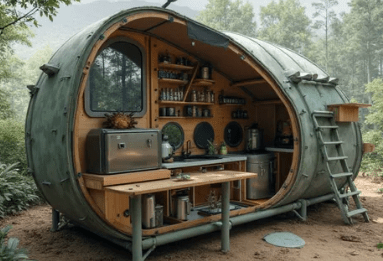
DIY Off-Grid Shelter – Cabins, earthbag homes, shipping containers, and underground bunkers.

Let me get one thing straight before we dive into this – if you’re waiting around for the government to save your sorry backside when the grid goes down, you’re already dead. This isn’t a game. It’s not some Instagram “van life” fantasy or TikTok wilderness cosplay. This is real life. The lights will go out. Society will collapse. And when it does, the people with the soft hands and TikTok dance moves are going to get chewed up and spit out by the cold, merciless truth. The rest of us – the ones who are ready – will already be in our shelters, warm, fed, and armed to the damn teeth.

If you’re not thinking about your shelter right now, you’re already ten steps behind. You need something solid. Something that won’t blow over in a storm, catch fire in a riot, or crumble when the earth shakes. This isn’t a damn Airbnb; this is your lifeline. So let’s break down the options for DIY off-grid shelters – cabins, earthbag homes, shipping containers, and underground bunkers – and get serious about surviving.


1. Cabins – The Classic

You want rustic? Fine. But this ain’t your weekend getaway log cabin. We’re talking fortified, self-sufficient woodland fortresses. Cabins can be built with nothing but hand tools, time, and willpower – all of which you should have if you’re even pretending to be a survivalist.

Pros:

  • Readily available materials (trees, logs, stone)
  • Blends with the forest (if you have half a brain to camouflage it)
  • Insulates well in cold climates

Cons:

  • Vulnerable to fire
  • Takes time to build right
  • Needs proper drainage to avoid rot

Use double-thick logs, build with a solid stone chimney for heat, and never leave flammable materials outside your perimeter. Your life depends on it.


2. Earthbag Homes – Dirt Cheap Fortresses

You want bullet resistance? Earthbags laugh at your puny ammo. Stack polypropylene bags full of dirt and you’ve got a wall that can stop small arms fire, insulate like a cave, and withstand the wrath of Mother Nature.

Pros:

  • Dirt is everywhere (unless you live on a glacier)
  • Fireproof and earthquake resistant
  • Naturally insulated

Cons:

  • Labor-intensive
  • Needs a good foundation and roof
  • Can be ugly if you don’t plaster right (boo-hoo)

Tamp those bags tight, lay barbed wire between each row, and keep your dome or arch roof reinforced with rebar and good sense. You’re not building a garden wall – you’re building a fortress.


3. Shipping Containers – Steel Boxes of Salvation

Urban survivalists, pay attention. These things are pre-fab bunkers just waiting to be buried or armored up. But don’t be a moron and just bury it without reinforcement – it’ll crush like a beer can under dirt weight.

Pros:

  • Cheap and portable
  • Already weather-sealed
  • Stackable for multi-story hideouts

Cons:

  • Terrible insulation (fix it)
  • Condensation issues (ventilation, idiot)
  • Needs serious reinforcement if buried

Weld support beams inside, line the interior with spray foam insulation or rock wool, and make damn sure you have proper ventilation – carbon monoxide isn’t the way to go out.


4. Underground Bunkers – Apocalypse-Proof

Now we’re talking serious survival. Underground bunkers are your last line of defense – nuclear-proof, invisible to drones, and zombie-proof. You don’t build a bunker because you’re paranoid. You build a bunker because you’re not an idiot.

Pros:

  • Stealth shelter – out of sight, out of mind
  • Thermally stable year-round
  • Offers the highest level of protection

Cons:

  • Expensive and complex
  • Ventilation is critical
  • Requires serious planning and drainage

Build in a slope if possible. Water is your enemy – don’t invite it into your death-proof tomb. Install air filters, backup generators, and triple-thick steel doors. Don’t forget to conceal the entrance with natural camouflage and decoy structures. Hell, make a trapdoor under an outhouse if you’ve got to.


15 Survival Skills You Better Know or You’re Screwed:

  1. Fire starting – Without a Bic lighter. Bow drill, ferro rod, flint and steel. Learn all three.
  2. Water purification – Boil, filter, solar stills. Giardia isn’t fun, trust me.
  3. Shelter construction – Can you build a lean-to in an hour? No? Practice.
  4. Hunting and trapping – Know how to build snares, deadfalls, and use a damn slingshot.
  5. Butchering and preservation – Salt, smoke, dry. You can’t live on cans forever.
  6. Foraging – Learn the plants that won’t kill you. You can’t Google it when you’re starving.
  7. Basic medical – Stop bleeding, treat infections, splint fractures.
  8. Navigation – Compass, sun, stars. GPS is dead weight without satellites.
  9. Self-defense – Knife, firearm, and unarmed combat. Be lethal.
  10. Blacksmithing – Forge tools, repair gear, and make your own damn nails.
  11. Basic mechanics – Fix an engine, mend a generator.
  12. Radio comms – HAM radio, Morse code. Silence isn’t golden when you need allies.
  13. Camouflage and stealth – Hide your shelter, hide your movements.
  14. Gardening – You’ll need calories and canned corn won’t last.
  15. Bartering and negotiation – Civilization might collapse, but trade won’t.

If you don’t have these down to muscle memory, you’re food for someone who does.


3 DIY Survival Hacks to Stay Ahead:

1. Solar-Heated Shower with Trash Bags:
Fill black trash bags with water and hang them in direct sun. After a few hours, enjoy a hot shower even when off-grid. Bonus points if you rig a gravity-fed PVC pipe system with an on/off spigot.

2. Hidden Cache in PVC Pipes:
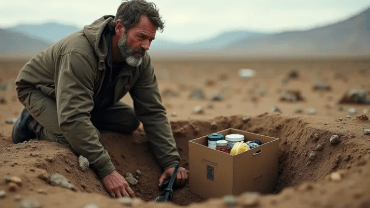
Take a large diameter PVC pipe, seal both ends with waterproof caps, and bury it a few hundred yards from your main shelter. Store food, ammo, maps, and a burner weapon. In a raid, that stash could save your life.

3. Battery Bank with Car Alternators:
Build a DIY power setup by rigging old car alternators to a stationary bike or windmill. Charge 12V deep-cycle batteries and power essentials like radios, lights, and low-voltage devices. If you’re not generating your own electricity, you’re dependent. Dependency = death.


Listen. This isn’t a pep talk. This is a warning. When things fall apart – and they will – the ones who survive won’t be the ones who cry on social media. It’ll be the ones who got off their asses, learned skills, and built their own way out. Cabins, earthbag homes, shipping containers, bunkers – these aren’t just structures. They’re survival statements.

So, get building. Get practicing. Get angry – because the storm is coming. And when it does, no one’s going to care how many followers you had. They’ll care how long you can stay warm, dry, and breathing.

Now get to work. Or get buried. Your choice.

First Aid & Medical Preparedness – Building a trauma kit, treating wounds, and long-term health without hospitals.

Listen up, because I’m not going to sugarcoat a damn thing. When the grid goes down, when the sirens stop wailing, and when the hospitals lock their doors—you’re on your own. There’s no 911, no nurse with a clipboard, no Walgreens down the road. Just you, your gear, your grit, and the skills you’ve either learned or failed to. If you’ve been living soft, playing pretend that society will always cradle your sorry hide, you’re in for a rude awakening.

First Aid and Medical Preparedness isn’t a luxury—it’s your damn lifeline. Pain, injury, infection, sickness—those things won’t stop just because civilization did. You better be ready to deal with them, or you’re a dead man walking.


The Cold, Hard Reality

When society collapses, modern medicine disappears faster than bottled water at a panic sale. Pharmacies will be looted. EMTs will stay home. Hospitals will become disease-ridden death traps if they don’t close outright. Forget your HMO. Your health insurance policy won’t buy you squat in a barter economy. What WILL keep you alive is your trauma kit, medical knowledge, improvisational skill, and the will to survive.

Let’s get down to it.


15 Survival Skills for Medical Preparedness

1. Building a Trauma Kit from the Ground Up

Your trauma kit isn’t a cute little pouch of Band-Aids. This is your mobile ER, and it better include:

  • Tourniquets (CAT or SOF-T)
  • Israeli bandages
  • Hemostatic gauze (like QuikClot)
  • Nitrile gloves
  • Trauma shears
  • Nasopharyngeal airways
  • Chest seals (for sucking chest wounds)
  • Burn gel
  • Painkillers and antibiotics
    Don’t buy pre-packaged crap. Learn what each item does and build your kit accordingly.

2. Controlling Bleeding

Massive blood loss will kill you in minutes. Learn how to apply a tourniquet, pack a wound, and use pressure dressings. Practice on meat or a dummy. Muscle memory saves lives.

3. Treating Puncture Wounds and Lacerations

These are common in a survival scenario—think knife slips, broken glass, jagged metal. Clean thoroughly, debride dead tissue, close with steri-strips, butterfly bandages, or even suture if you must. Infection is your enemy.

4. Fracture and Dislocation Management

You won’t be walking off a busted leg. Learn how to make splints with sticks, cordage, and rags. Know how to reduce simple dislocations. If you can’t keep the limb immobilized, you’ve just doomed yourself.

5. Burn Treatment

Flames, boiling water, scalding steam—they’ll all be real threats without modern conveniences. Know how to treat burns with sterile dressings, cool water (NOT ice), and burn creams. Infection is a constant threat here too.

6. CPR and Rescue Breathing

Yeah, even out here. Knowing how to restart someone’s ticker or give rescue breaths can turn you from a bystander into a damn hero.

7. Recognizing Shock

Hypovolemic, septic, or anaphylactic—shock kills. If someone’s pale, clammy, confused, with a rapid pulse and shallow breathing, you better know how to act: elevate legs, stop bleeding, keep them warm, administer epinephrine if it’s allergic.

8. Making Saline Solution

Boil clean water, add non-iodized salt (9 grams per liter), cool it—bam, you’ve got sterile saline for irrigating wounds. Don’t guess; measure accurately.

9. Improvised Stretcher Construction

When someone can’t walk and you have to move them, build a stretcher from blankets, tarp, or shirts between two poles. Test it before you need it.

10. Herbal Medicine Basics

When the meds run out, the plants step in. Learn how to use yarrow for bleeding, plantain for stings, willow bark for pain, and echinacea for immune support. Know what works and what’s woo-woo garbage.

11. Dental Emergency Management

Tooth infections can kill. Learn how to extract a bad tooth, treat abscesses with warm salt water soaks, and use clove oil for pain. Dental kits aren’t optional.

12. Water Purification Techniques

If your water’s dirty, your insides will follow. Boil it. Filter it. Purify it with iodine or bleach (8 drops per gallon of clear water, wait 30 mins). Dysentery is not a joke.

13. Administering Injections

You may need to inject antibiotics, insulin, or pain meds. Learn proper intramuscular injection sites and techniques. Practice on fruit or animal carcasses.

14. Recognizing and Treating Infections

Redness, swelling, pus, heat, fever. If you see them, act fast. Open the wound, drain it, and use antiseptics and antibiotics. Delay = death.

15. Stockpiling and Rotating Medications

Antibiotics, antidiarrheals, antihistamines, painkillers. Get fish antibiotics—they’re often the same thing (Amoxicillin, Ciprofloxacin, etc.). Label and rotate them. Know expiration risks.


3 DIY Survival Medical Hacks

1. Tampon-as-a-Wound-Packer

A tampon isn’t just for feminine hygiene—it’s a sterile, compact wound packer for deep punctures. Shove it in, tape it down, and it’ll help control bleeding until you can do better.

2. Duct Tape Butterfly Bandages

Got a gash? Cut duct tape into strips and fold them into DIY butterfly closures to pull wound edges together. Combine with superglue if needed (on dry, cleaned wounds ONLY).

3. Plastic Bag Chest Seal

You get a punctured lung, you’re leaking air into your chest cavity. That’s called a sucking chest wound. Take plastic (Ziplock, cling film), tape on three sides to create a flutter valve. That could literally keep someone breathing.


Final Words from a Man Who’s Seen the Edge

Look, I’m not writing this to make friends or stroke egos. I’ve patched wounds in the dark, boiled water for hours to keep someone from going septic, and carried men miles on busted legs. I’ve seen what happens when people don’t prepare—they cry, they panic, they die.

You don’t want to be one of them.

Start practicing these skills now. Build your kit, learn your herbs, memorize wound care, and practice until it’s muscle memory. Buy books—not Kindle files, real paper. Build a library. Print diagrams. Watch tutorials and take notes. Store meds in cool, dry places. Teach your family. Test yourself.

Because when hell breaks loose and the doctors are gone, you’re the only medic you’ve got.

So, ask yourself: Are you ready to stop being a soft, helpless liability and start being the one who keeps people alive?

If not, you better damn well get there fast.

No more excuses. No more tomorrow. Get to work.

Bug Out Bags (BOB) – What to pack, how to tailor it to your needs, and keeping it ready.

Let me be crystal clear right off the bat: if you don’t have a Bug Out Bag (BOB) packed and ready to grab this dang second, you are not ready for anything but a front-row seat to your own demise. This isn’t some Boy Scout sleepover or a cute Instagram hike. This is survival, plain and ugly. When the world turns sideways — and trust me, it will — you won’t have time to debate the pros and cons of your gear choices. You either grab your bag and get out, or you stay put and rot. Those are your options.

What the Heck Is a Bug Out Bag, and Why You Need One Yesterday

A Bug Out Bag is your lifeline — your emergency pack for when staying where you are means death, detention, or destruction. It needs to sustain you for at least 72 hours of full self-reliance. You can build it for longer, but don’t make the mistake of packing your whole garage. You’re not moving house. You’re escaping Hell.

Most of the world walks around with their heads shoved so far up their rear ends they could see their own tonsils. They think Amazon Prime and a 911 call are going to save them. Let me tell you something, cupcake — no one’s coming to save you. You are the cavalry. So get off your ass and start packing your BOB.


The 15 Survival Skills You Better Damn Well Know Before You Bug Out

You can have the best gear in the world, but if you don’t know what the hell you’re doing, you’re just a well-equipped corpse. Learn these skills like your life depends on them — because it does.

  1. Fire Starting (Without a Lighter) – Learn to spark a flame with flint, steel, a ferro rod, or hell, even a damn battery and steel wool.
  2. Water Purification – Boil, filter, use iodine tablets — or die slowly from diarrhea. Your call.
  3. Shelter Building – Tarps, space blankets, or natural materials. Know how to stay dry and off the ground.
  4. Knot Tying – You think rope ties itself? Learn real knots: bowline, taut-line hitch, trucker’s hitch.
  5. Navigation Without GPS – Compass, topographical map, sun and stars. Your phone’s going to be dead weight in a real crisis.
  6. First Aid – CPR, wound care, infection control. Blood is slippery; learn how to deal with it.
  7. Food Foraging – Know what plants won’t kill you and which ones will make you vomit blood.
  8. Hunting and Trapping – You’re not living off granola bars forever. Know how to snare, fish, and shoot.
  9. Security and Self-Defense – Know how to use a knife and a firearm. And not like a damn movie star — properly.
  10. Stealth Movement – Loud people die first. Learn how to move like a ghost.
  11. Situational Awareness – Pay attention. Stop looking at your feet. Know your surroundings.
  12. Camouflage and Concealment – Blending in isn’t just fashion; it’s survival.
  13. Bartering and Negotiation – People will kill for toilet paper. Know how to deal and not get swindled.
  14. Mental Toughness – Stop crying. Stay calm. Think fast. Panic is a killer.
  15. Improvisation – You won’t always have gear. Learn to MacGyver your way through life-threatening situations.

How to Tailor Your BOB Without Being a Damn Idiot

Here’s where most people screw up — they copy a list from the internet without thinking. Tailor your bag to your region, your climate, your body, your skills, and your realistic bug-out plan.

Are you in the city or the woods?
If you’re in a city, weight matters more — you may be walking 20 miles in boots. You’ll need more water purification and urban navigation tools. If you’re out in the boonies, focus on shelter and hunting tools.

What’s your climate?
Cold? Pack layers, a thermal bivvy, and waterproof gear. Hot? Shade tarp, hydration tabs, light clothing, and sunscreen.

Got kids? A dog? Medical issues?
If you need meds, pack extra. If you have kids, double water and snacks. Dogs? They eat and drink too, genius.

Fitness level?
Don’t pack a 60-pound bag if you can’t jog across the street without wheezing. Tailor it to your real ability, not your fantasy.


What Goes in a Bug Out Bag – The Non-Negotiables

Screenshot

Here’s the foundation. Don’t argue. Just pack it.

  • Water: At least 1 liter per day. Bring purification tabs, LifeStraw, Sawyer Mini, and a metal container for boiling.
  • Food: MREs, energy bars, trail mix, jerky. High calories, low space. Rotate stock every 6 months.

  • Shelter: Tarp, space blanket, bivvy sack, paracord.
  • Fire: Ferro rod, waterproof matches, dryer lint in a pill bottle. Redundancy matters.

  • Knife: Fixed-blade full-tang. Don’t bring some flimsy kitchen crap.
  • Multi-tool: Leatherman or equivalent.
  • First Aid Kit: Stop bleeding. Kill infection. Include tourniquet, QuikClot, trauma shears, gauze.
  • Light: Headlamp with spare batteries.
  • Clothing: Season-appropriate. Layers. Wool socks. Underwear. Gloves.
  • Navigation: Compass, local map, laminated and marked.
  • Cash: Small bills. ATMs will be dead.
  • Documents: Copies of ID, insurance, prescriptions, in a waterproof pouch.
  • Comms: Crank radio, emergency whistle, signal mirror.
  • Self-defense: You do what’s legal in your area. Just be able to protect what’s yours.
  • Hygiene: Toothbrush, soap, toilet paper, feminine supplies. Sanity matters.
  • Misc: Duct tape, zip ties, super glue, fishing kit, sewing needle and thread.

3 DIY Survival Hacks You’ll Thank Me For Later

You want clever? Here’s your clever. These hacks are field-tested, dirt-approved, and desperation-certified.

1. Altoid Tin Survival Kit
Pack a mini kit in an old mint tin: fire striker, fish hooks and line, a mini compass, a razor blade, needle and thread, safety pins, water purification tabs. Throw it in your BOB as backup — or stash one in your glovebox, jacket, and every damn coat pocket you own.

2. Tampon Trick
Not just for first aid or hygiene — tampons are compact, sterile, and super absorbent. Use them to stop bleeding, as tinder, or even a water filter (in a pinch). Keep a couple in a Ziploc bag. Laugh now, live later.

3. Crayon Candle
In the dark and need light? A standard crayon burns for 20–30 minutes. Use a paperclip as a stand, light the tip — now you’ve got emergency lighting in a pinch. Carry a couple in your bag. Cheap, light, and long-burning.


Keep It Ready — Or Kiss Your Ass Goodbye

A Bug Out Bag that isn’t ready is just a duffel full of dead weight. Rotate your food every six months. Check your water filters, batteries, and meds. Do a seasonal gear audit. You want to find out your flashlight’s dead when your home’s on fire?

Stash your BOB by the exit. Not in the attic. Not buried under camping gear. Put it somewhere you can grab it with your eyes closed. Hell, practice doing just that. Run drills. Time yourself. You should be out the door in 60 seconds, max.


Final Thought

This world doesn’t owe you a damn thing. Not power. Not food. Not peace. If you’re still waiting for the government to take care of you, you’re already dead — they’ll get around to scraping up what’s left of you after the dust settles.

But if you’ve got a solid Bug Out Bag, real skills, and a plan, then maybe — just maybe — you’ll be one of the few standing when the smoke clears.

So get mad, get ready, and get packed.

You Ain’t Gonna Make It Unless You’re Ready: A Survivalist’s Guide to Food Storage & Preservation

Let me tell you something straight—you either prep or perish. When the trucks stop rolling, the power goes down, and the store shelves go bare in less than 24 hours, your excuses won’t keep your stomach full. You can cry, beg, or pray all you want, but if you haven’t put in the work to build a rock-solid food storage system, you’re screwed.

Food storage and preservation aren’t hobbies—they’re life-or-death skills. The kind of skills your great-grandparents used just to get through the winter, and here you are in the 21st century, still relying on frozen pizzas and two-day shipping. Shameful.

So pull your head out of the sand and start learning the hard truth about what it takes to stay alive when the system crashes. I’m going to give you 15 survival skills and 3 DIY survival hacks that will keep you fed long after your neighbors have eaten the dog food and torn into their drywall looking for mice.


Survival Skills for Food Storage & Preservation

1. Canning (Water Bath & Pressure)

Master both. Water bath is for high-acid foods—tomatoes, jams. Pressure canning is for low-acid foods—meat, beans, veggies. Don’t screw this up unless you want a side of botulism with dinner.

2. Dehydrating

Buy a good dehydrator—or build one yourself. Dry fruits, jerky, herbs, even cooked rice and pasta. Light, compact, shelf-stable. Perfect for bug-out bags or tight storage.

3. Freeze-Drying

Yeah, the machines are expensive, but so’s your life. Freeze-dried food lasts 25 years. No power needed to keep it good. And unlike that freeze-dried crap from big box prepper stores, your homemade version isn’t full of garbage chemicals.

4. Vacuum Sealing

Oxygen is the enemy. Suck it out and your food lasts longer. Pair it with Mylar bags and O2 absorbers and you’re halfway to invincible.

5. Root Cellaring

No power? No problem. Learn to store potatoes, carrots, apples, cabbage, and more the old-fashioned way—buried in cool, dark places. This is pre-electric refrigeration technology. Use it.

6. Smoking Meat

Salt, smoke, and time—three ingredients to survive. Whether it’s fish, pork, or game you hunted yourself, knowing how to preserve meat without a freezer is priceless.

7. Fermentation

Kimchi, sauerkraut, kefir, pickles. This ain’t hipster nonsense—it’s a time-tested, bacteria-friendly preservation method that boosts gut health and keeps your food edible for months.

8. Making Jerky

Lean meat, sliced thin, salted, and dried. Easy to make, easy to store. It’s what nomads and pioneers lived on. You should too.

9. Using Mylar Bags with O2 Absorbers

This is non-negotiable. Store rice, flour, beans, oats—anything dry—in these and it’ll last a decade or more. Stack your buckets, seal your bags, and sleep better at night.

10. Salt Preservation

You got salt? You got food. It pulls moisture out, kills bacteria, and keeps things shelf-stable. From salt-cured fish to dry brining meat, it’s a primitive technique that still works.

11. Making Hardtack

It’s like eating drywall, but this flour-water-salt cracker lasts forever and keeps you alive. Store it dry and rehydrate it in soup when your taste buds finally revolt.

12. Rotating Your Pantry

Oldest in front, newest in back. You don’t want to find a crate of bloated tomato cans five years from now. Rotate monthly. Label dates. Be meticulous.

13. Batch Cooking & Canning Meals

Don’t just can green beans. Can chili. Can beef stew. Can soup. When it’s cold and you’re exhausted, opening a ready-made meal you canned yourself is worth gold.

14. Making Pemmican

This high-calorie mix of dried meat, fat, and berries can last years without refrigeration. Used by Native Americans and polar explorers. Make it now before you need it.

15. Building a Real Prepper Pantry

Don’t just throw stuff on shelves. Organize by type, date, and calories. Include spices, comfort food, and barter items. Your pantry should be an armory of nutrition.


DIY Survival Hacks That’ll Keep You Fed and Ready

Hack #1: DIY Zeer Pot (Desert Fridge)

Take two unglazed clay pots, one smaller than the other. Fill the space between them with wet sand, cover with a damp cloth, and place your perishables inside. As the water evaporates, it cools the inner pot—primitive refrigeration with zero electricity. Works best in dry climates.

Hack #2: Homemade Solar Dehydrator

Grab some scrap wood, black paint, clear plastic, and a screen. Build a box with airflow and sunlight access. Let nature do the work. Dehydrate apples, jerky, herbs, and more without touching your grid-powered devices.

Hack #3: Dig-a-Hole Cold Storage

No root cellar? No problem. Dig a 3-4 foot deep hole in a shaded spot. Line it with bricks or wood if you can. Place your sealed buckets or containers inside and cover with a tight lid or a pallet and tarp. Natural insulation keeps things cool year-round.


The Uncomfortable Truth

Let’s be clear: if you think this is overkill, you haven’t been paying attention. The government won’t save you. FEMA will roll in three days too late, and the National Guard won’t hand out pizza and soda. If a cyberattack hits the grid or supply chains collapse, the people with full pantries and solid skills will be the last ones standing.

This isn’t about fear. It’s about responsibility—to yourself, your family, your community. You don’t prep for fun, you prep because you understand how fragile civilization really is. Every time you put a new jar on the shelf or vacuum seal a bag of rice, you’re buying a little more time when it all goes to hell.

The rest of them? They’ll panic-buy bottled water and microwave popcorn. You’ll be sitting on beans, bullets, and a five-year plan. And when they come knocking? That’s your call to make. But you better believe you’ll feel a hell of a lot better turning people away from a stocked pantry than being the one begging for handouts.


Closing Rant – And You’d Better Listen

So here’s the deal: Quit waiting. Quit making excuses. Quit telling yourself you’ll start next month. Next month, the inflation will be worse, the shelves emptier, and your window to act even smaller. Start today. Learn the skills. Build your pantry. Do the work.

Don’t just survive. Overcome. Because when SHTF, you don’t rise to the occasion—you fall to the level of your training. So you better train like your life depends on it.

Because it does.